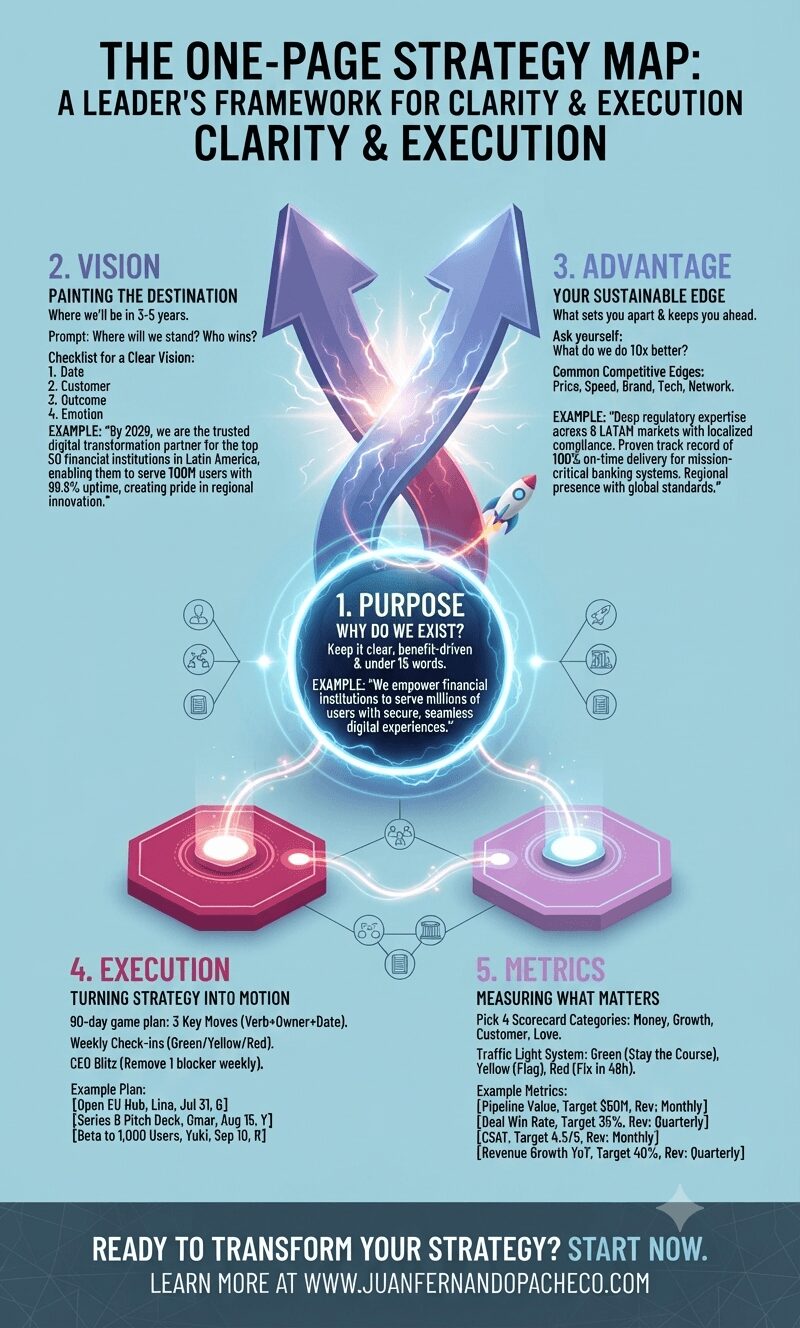
Transform strategic complexity into actionable clarity with a simple one-page framework that aligns teams, accelerates execution, and drives measurable results across any market or industry.
Category: Business
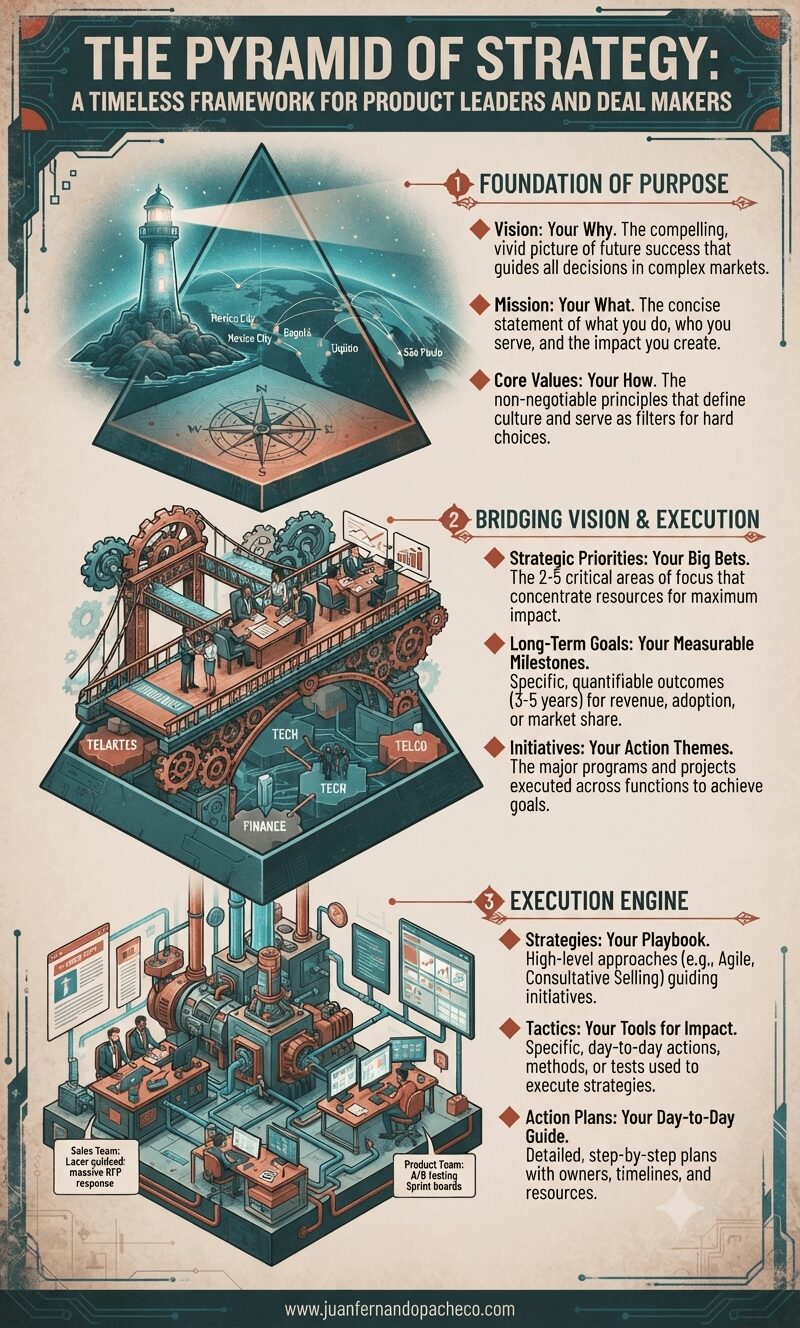
Master the pyramid of strategy framework to transform your vision into executable action. Learn how product leaders and business developers can align vision, priorities, and tactics to drive sustainable growth and close complex deals.
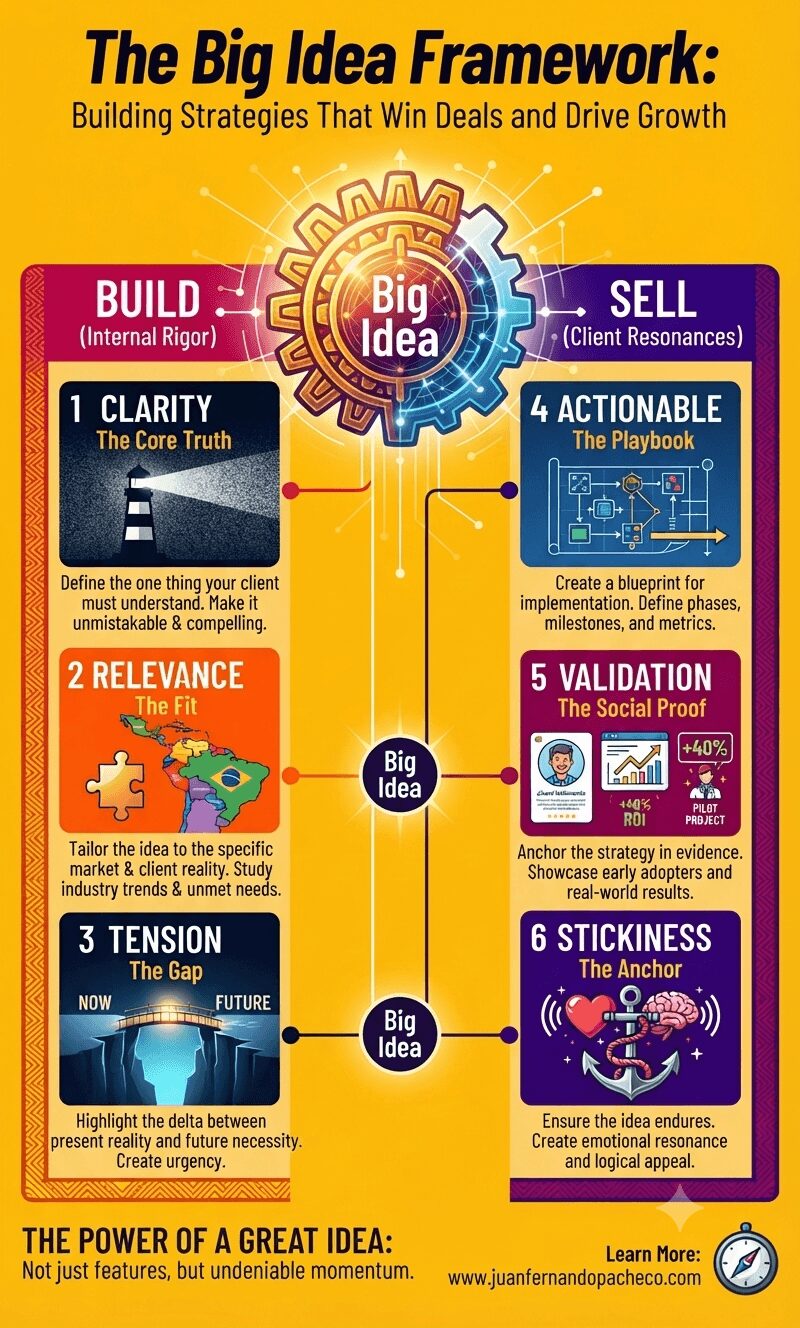
Discover the six-element Big Idea framework that separates winning strategies from forgettable ones. Learn how to build clarity, relevance, and tension.
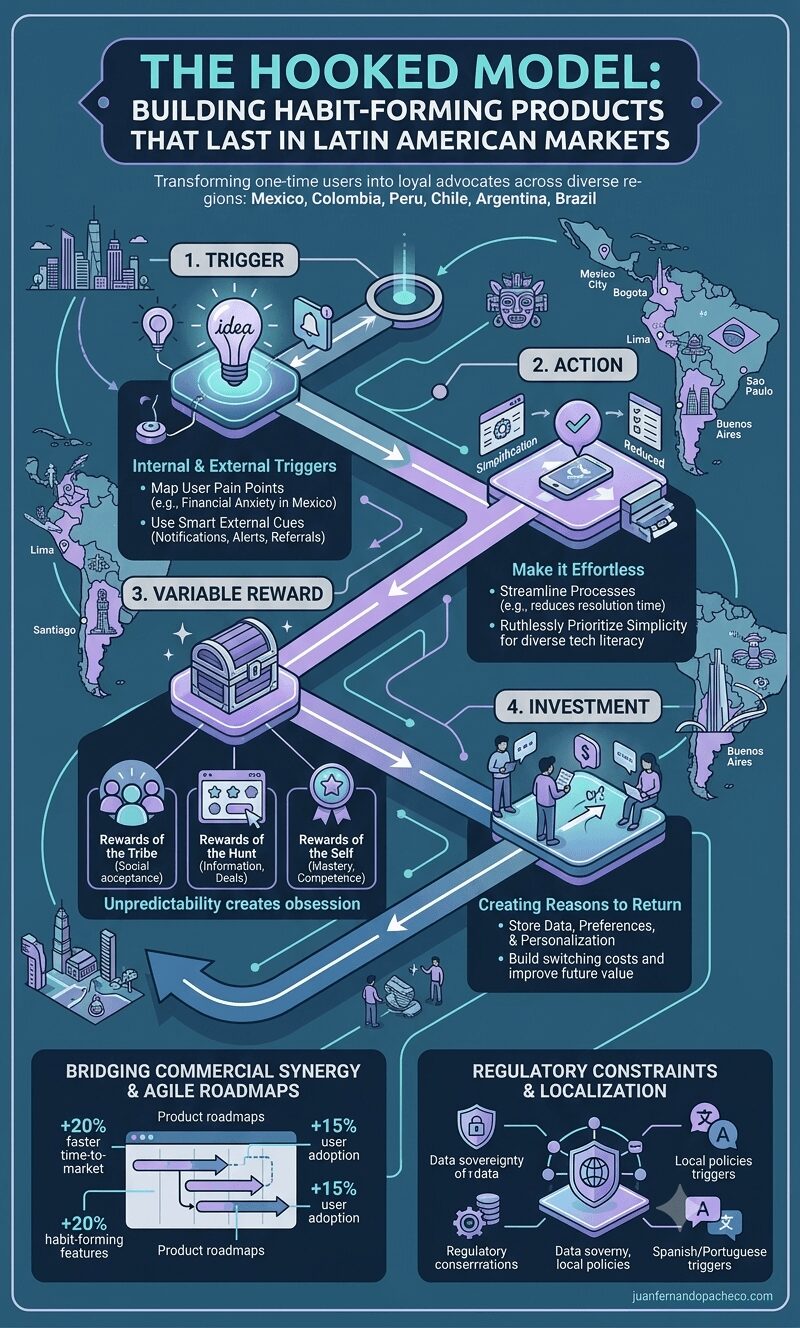
Discover how the hooked model’s four-phase framework helps product leaders create habit-forming digital experiences that drive long-term user engagement and business growth across Latin American markets.
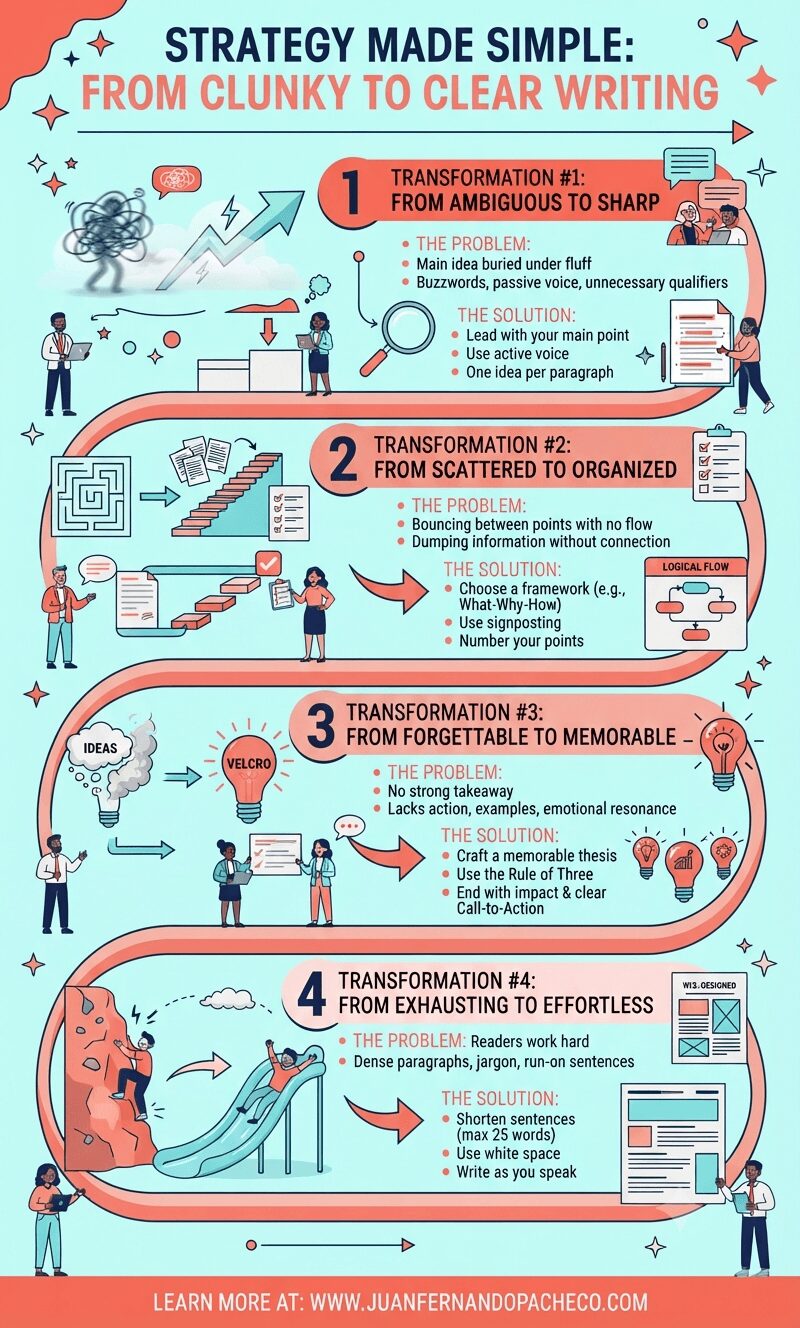
Transform your communication from confusing to compelling by mastering the four essential shifts that turn clunky writing into clear, actionable content. Learn proven strategies used by top UX designers and strategists to make your ideas impossible to ignore.
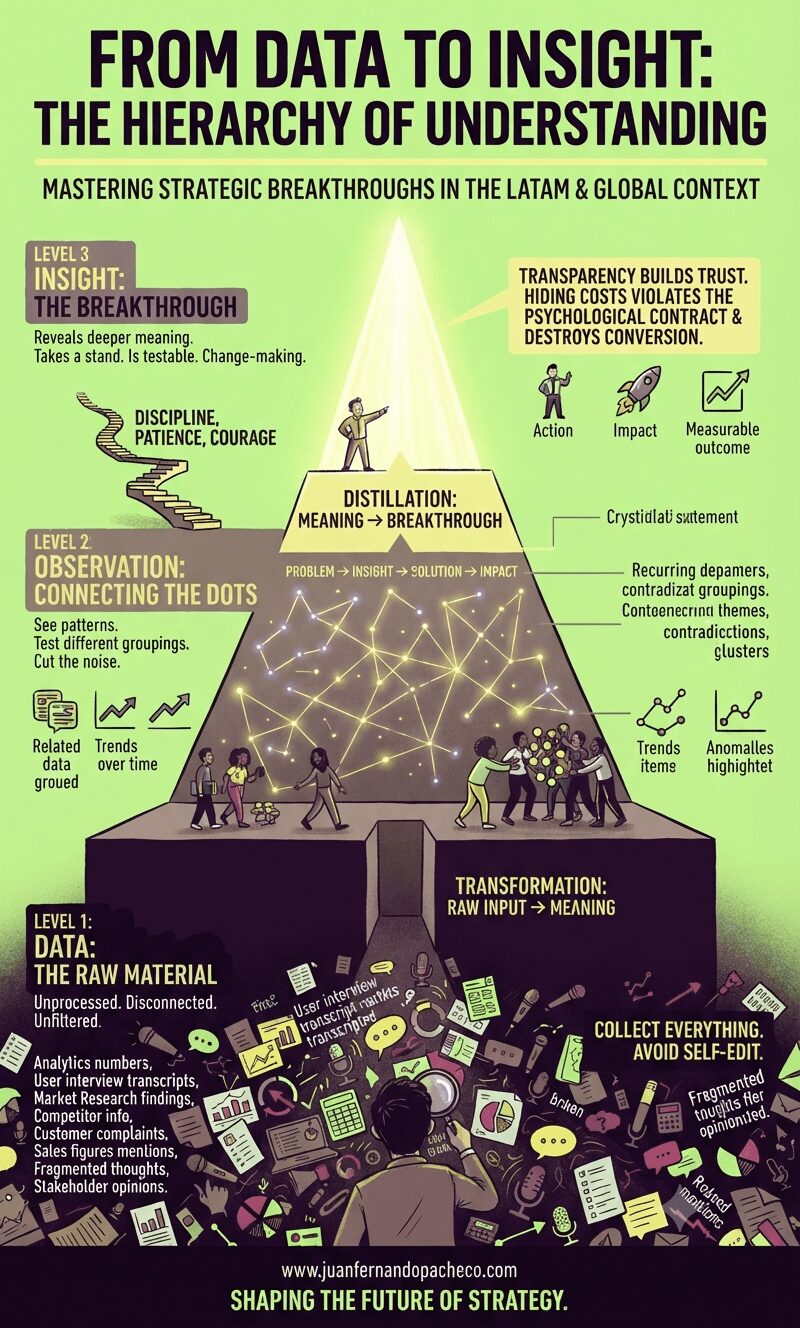
Transform raw information into strategic breakthroughs by mastering the three levels of understanding. Learn how to move from disconnected data through pattern recognition to distilled insights that drive meaningful action and create lasting impact.
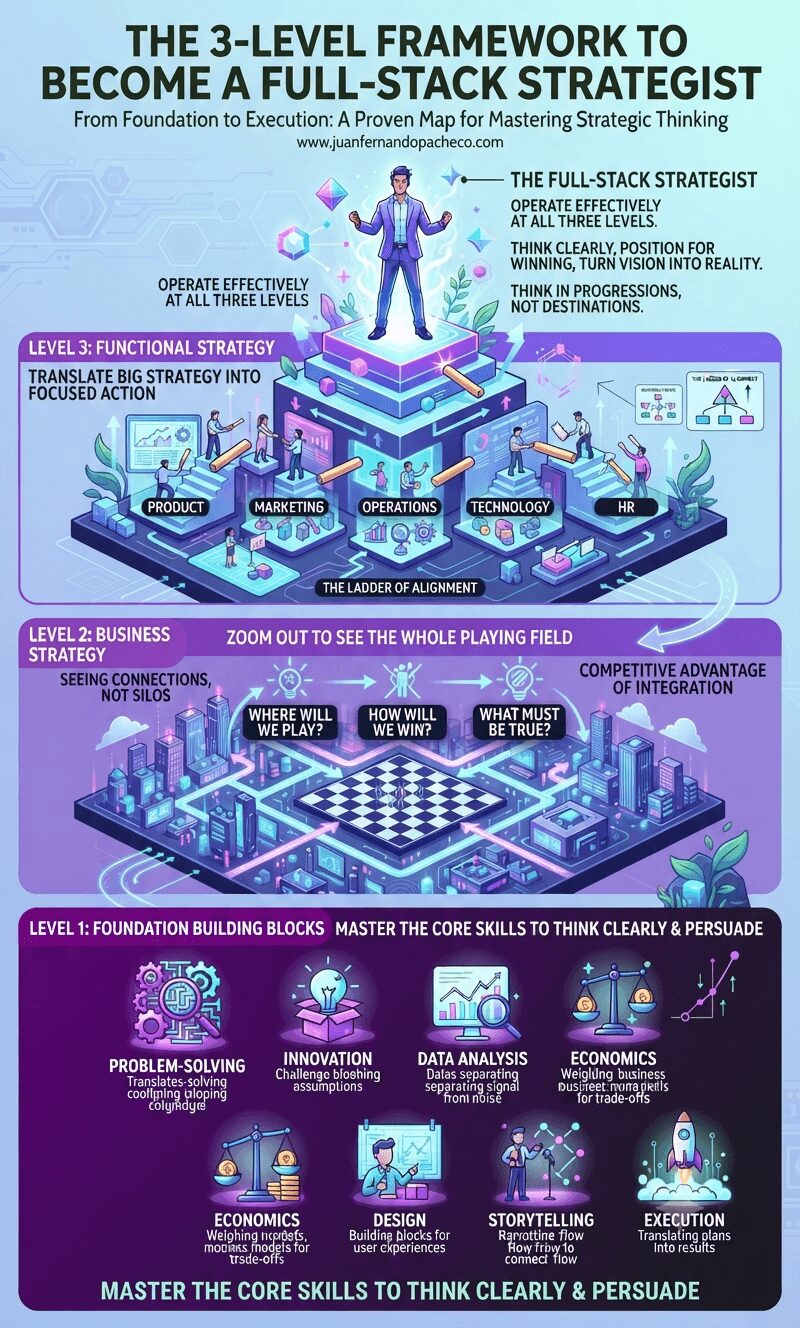
Strategy doesn’t have to be a mystery. Discover the proven 3-level framework that breaks down strategic thinking into foundation building blocks, business strategy, and functional strategy—transforming you into a full-stack strategist who can think clearly, position for winning, and translate vision into action.
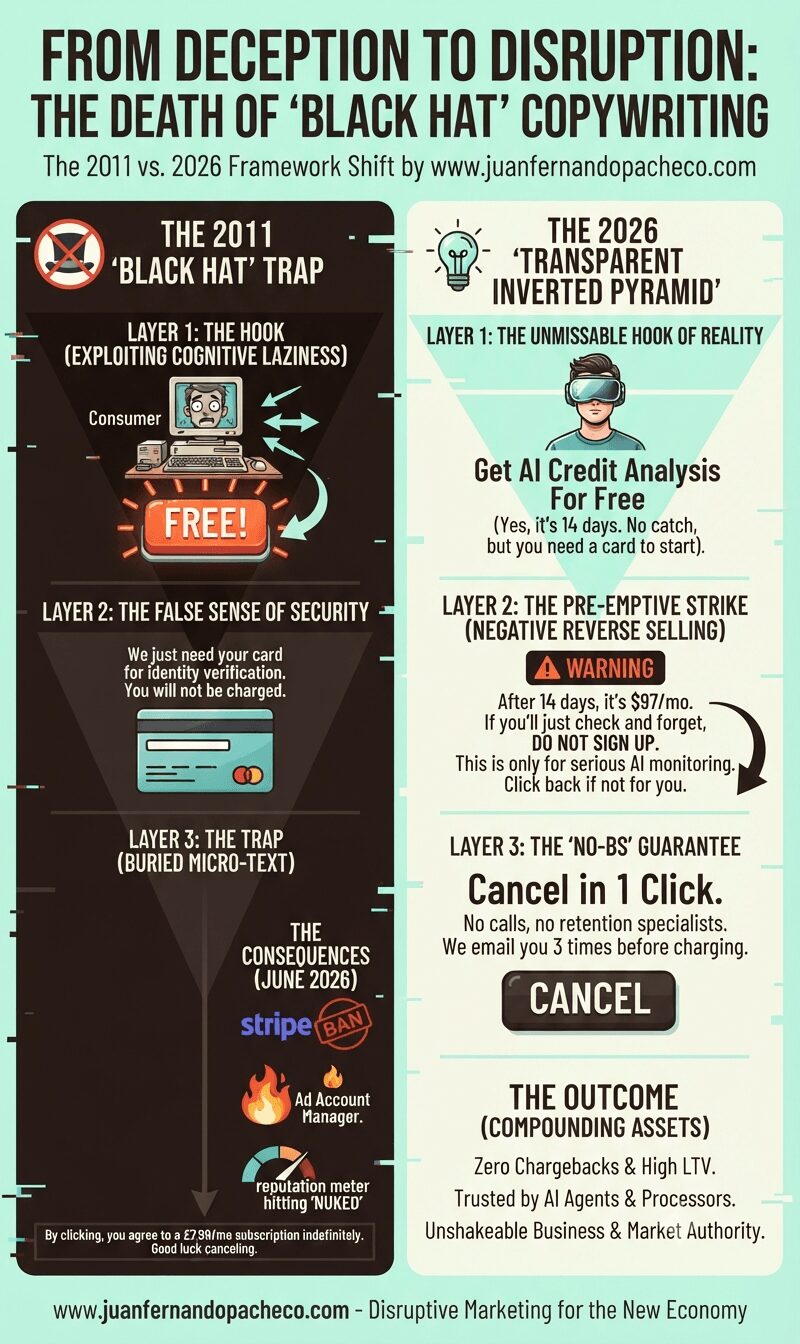
In 2011, black hat copywriting relied on hiding the catch in the fine print. In 2026, that trick will get your payment processors banned and your ads destroyed. Here is the new psychology of persuasion you need to master instead.
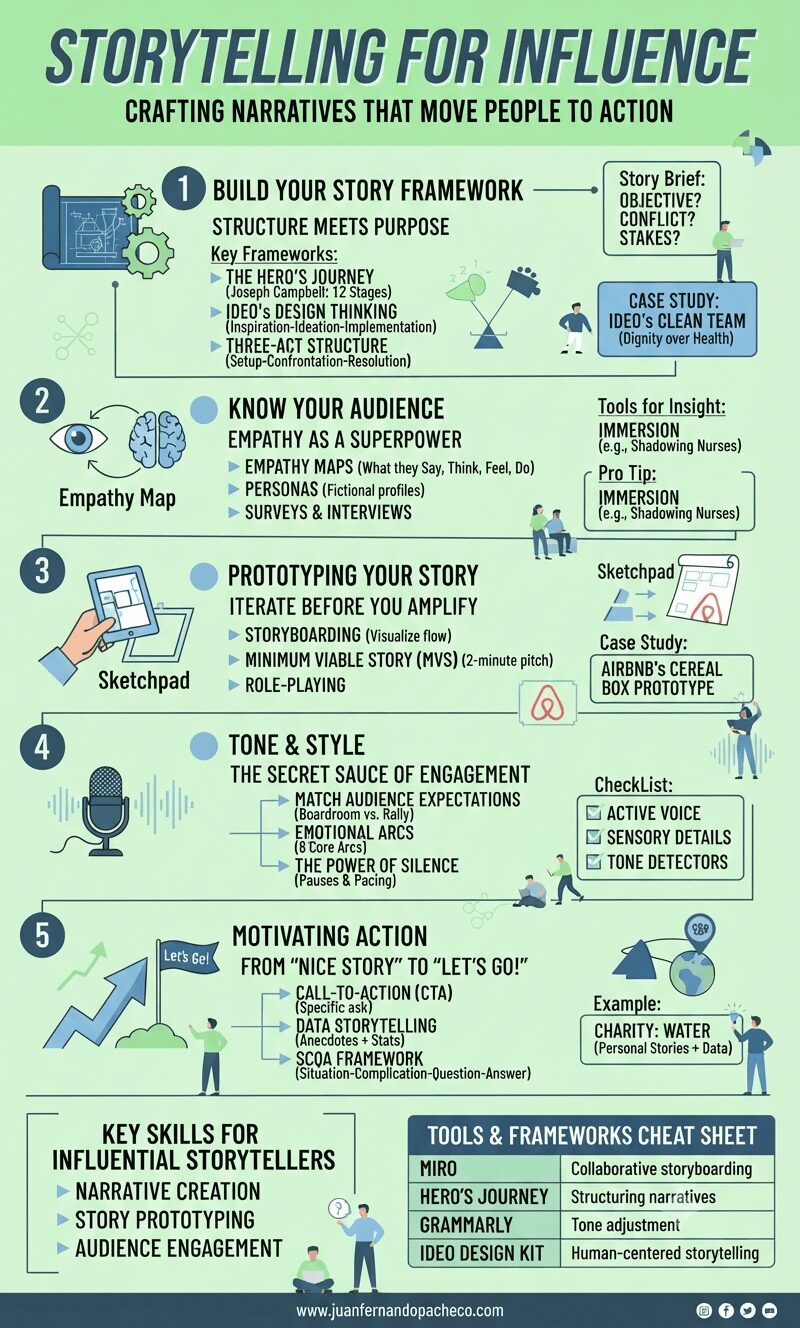
Your Story Starts Now
Influence isn’t about loud voices—it’s about stories that stick. By blending frameworks like the Hero’s Journey with IDEO’s iterative ethos, you’ll turn ideas into movements.
Remember: prototype boldly, listen deeply, and let your audience’s needs guide your narrative. Now, go craft a story that doesn’t just speak—it roars.
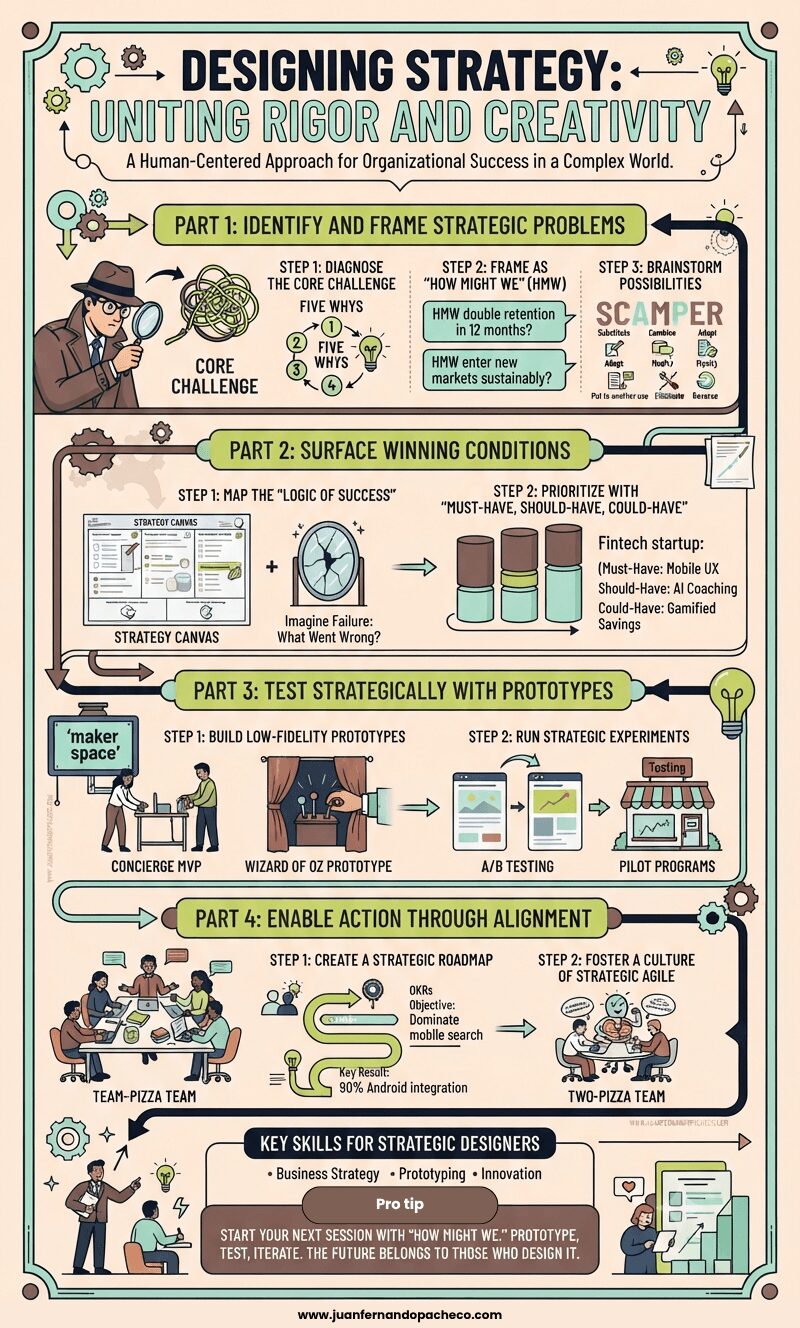
Designing strategy isn’t a one-time event—it’s a cycle of learning, adapting, and evolving. By blending analytical tools with creative methods, leaders can build strategies resilient enough for today’s volatility and visionary enough for tomorrow’s opportunities.
Start your next strategic session with a “How Might We” question. Then prototype, test, and iterate. The future belongs to those who design it.