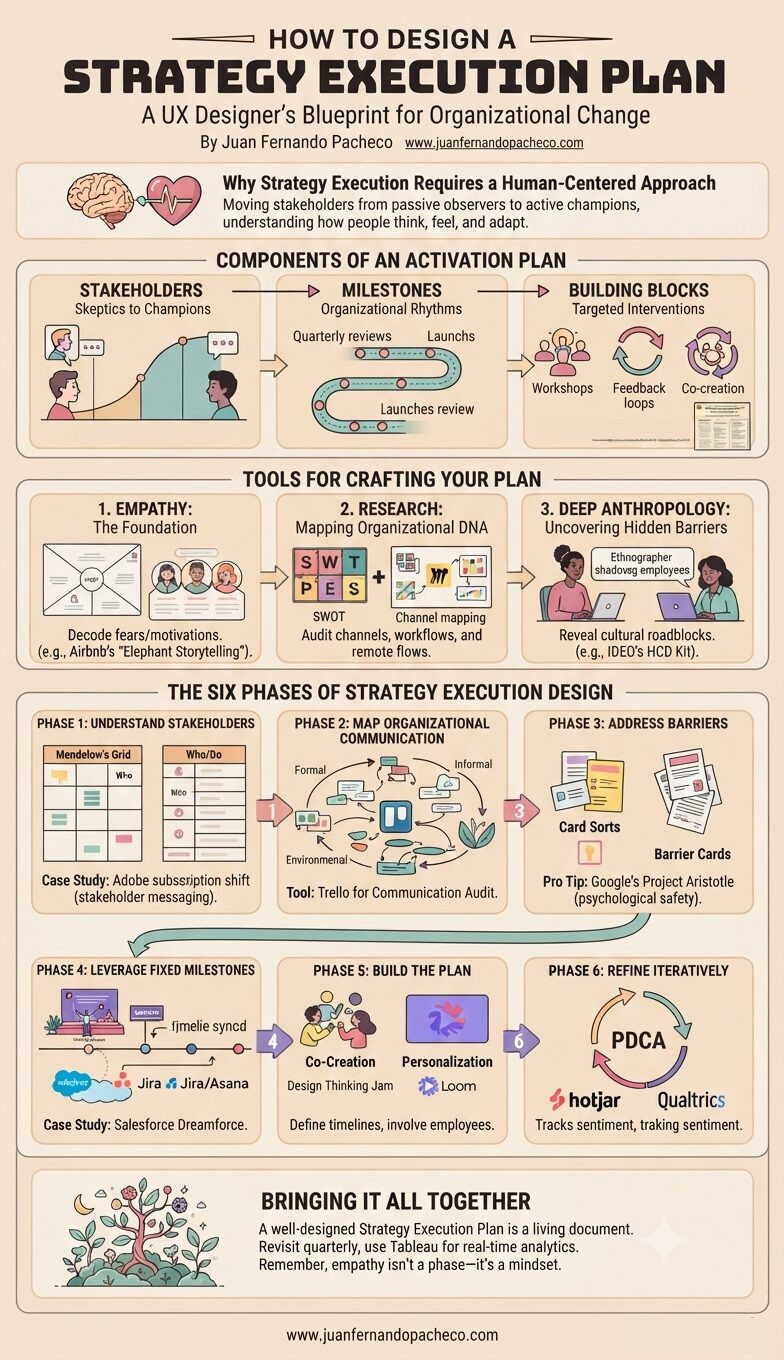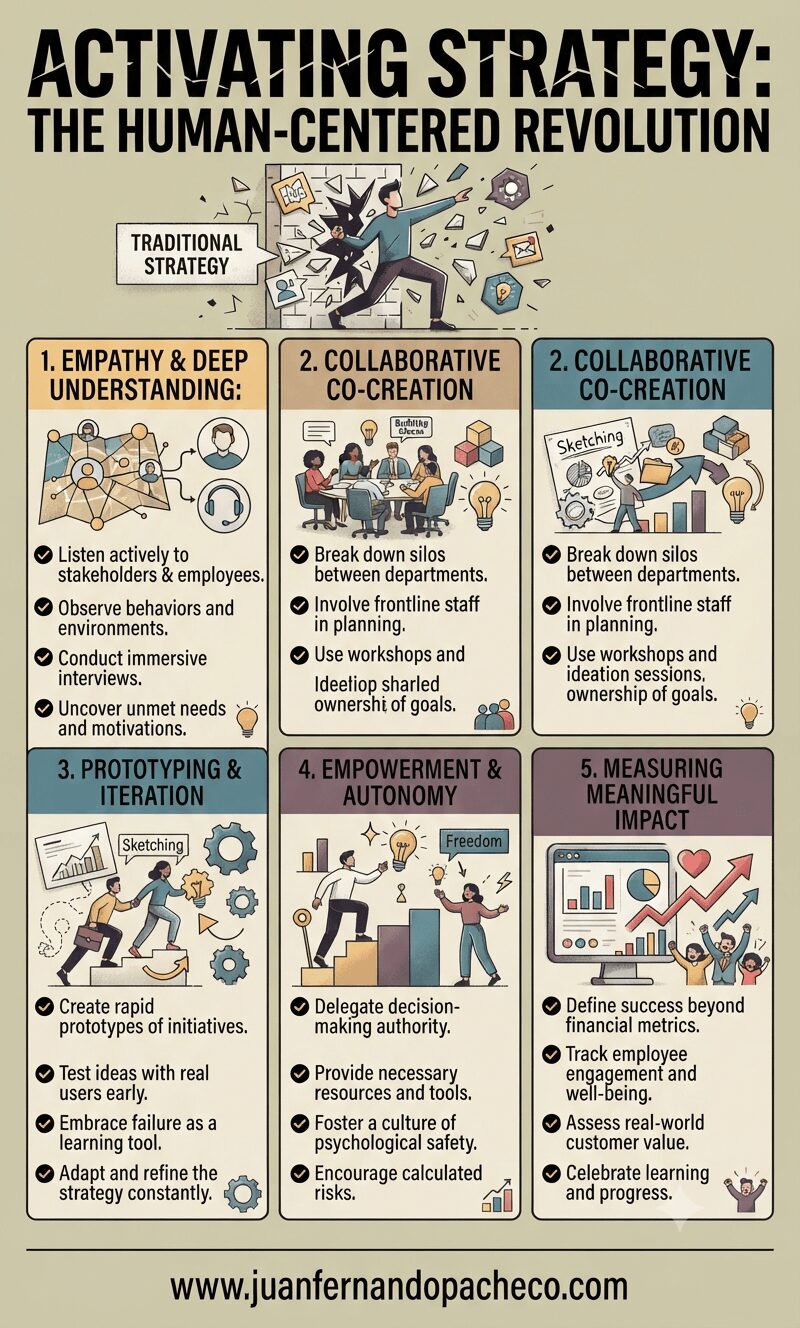
Designing a Strategy Execution Plan is less about checklists and more about understanding the human ecosystem. By marrying UX principles with organizational psychology, you turn resistance into momentum.
Category: Business
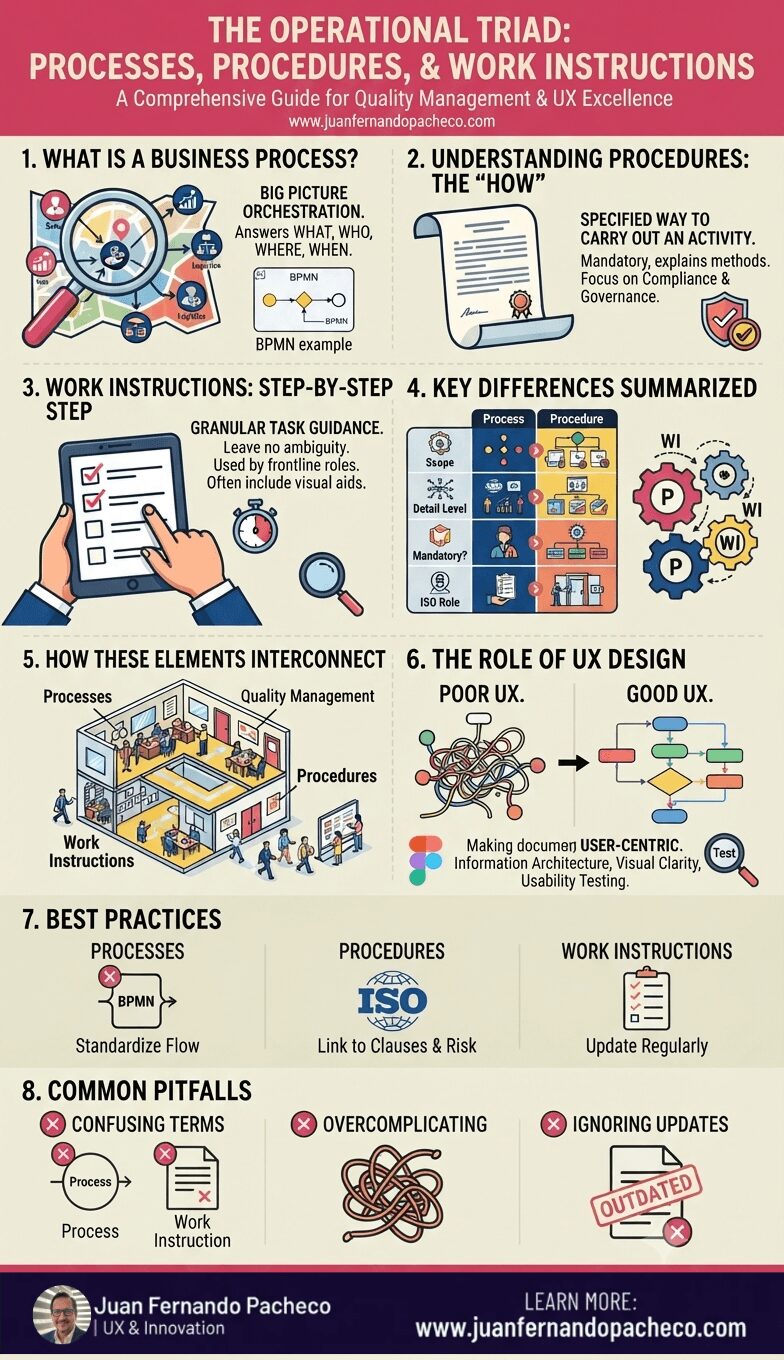
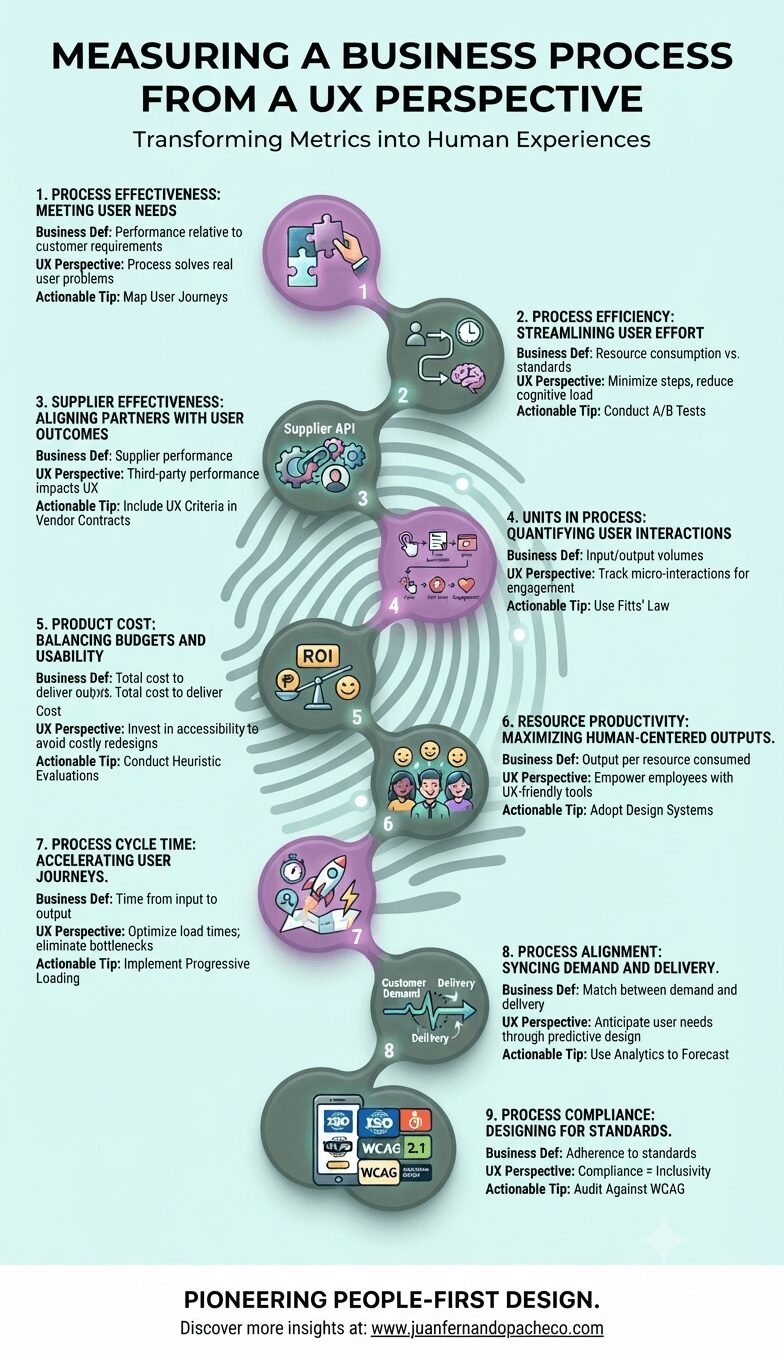
Measuring business processes through a UX lens transforms abstract metrics into human stories. By aligning efficiency with empathy, and compliance with inclusivity, organizations can create processes that delight users and drive ROI. As UX pioneers, our task is to ensure that every click, second, and dollar spent reflects a commitment to people-first design.
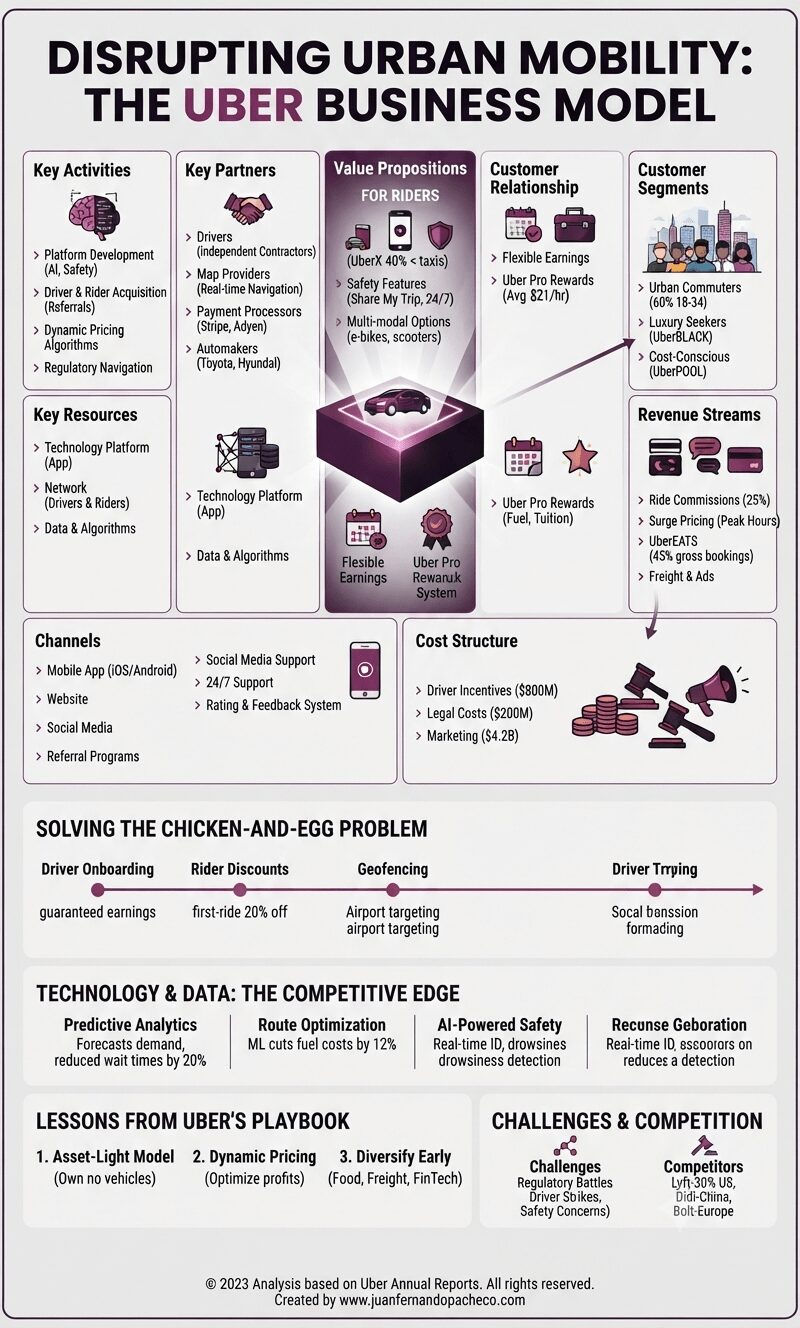
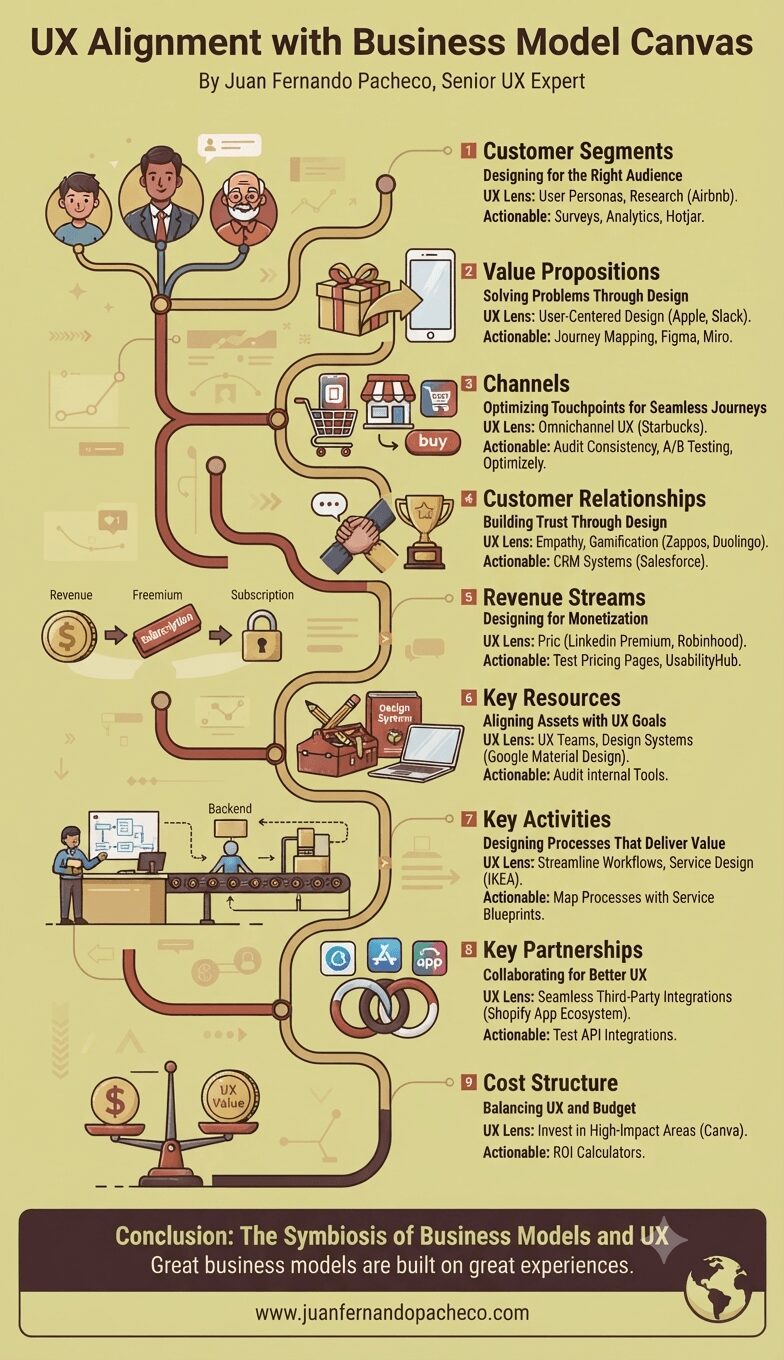
The Business Model Canvas isn’t just a strategic tool—it’s a blueprint for designing experiences that resonate. By aligning each building block with UX principles, businesses can create value that’s both sustainable and user-centric. Whether you’re a startup or an enterprise, remember:
Great business models are built on great experiences.
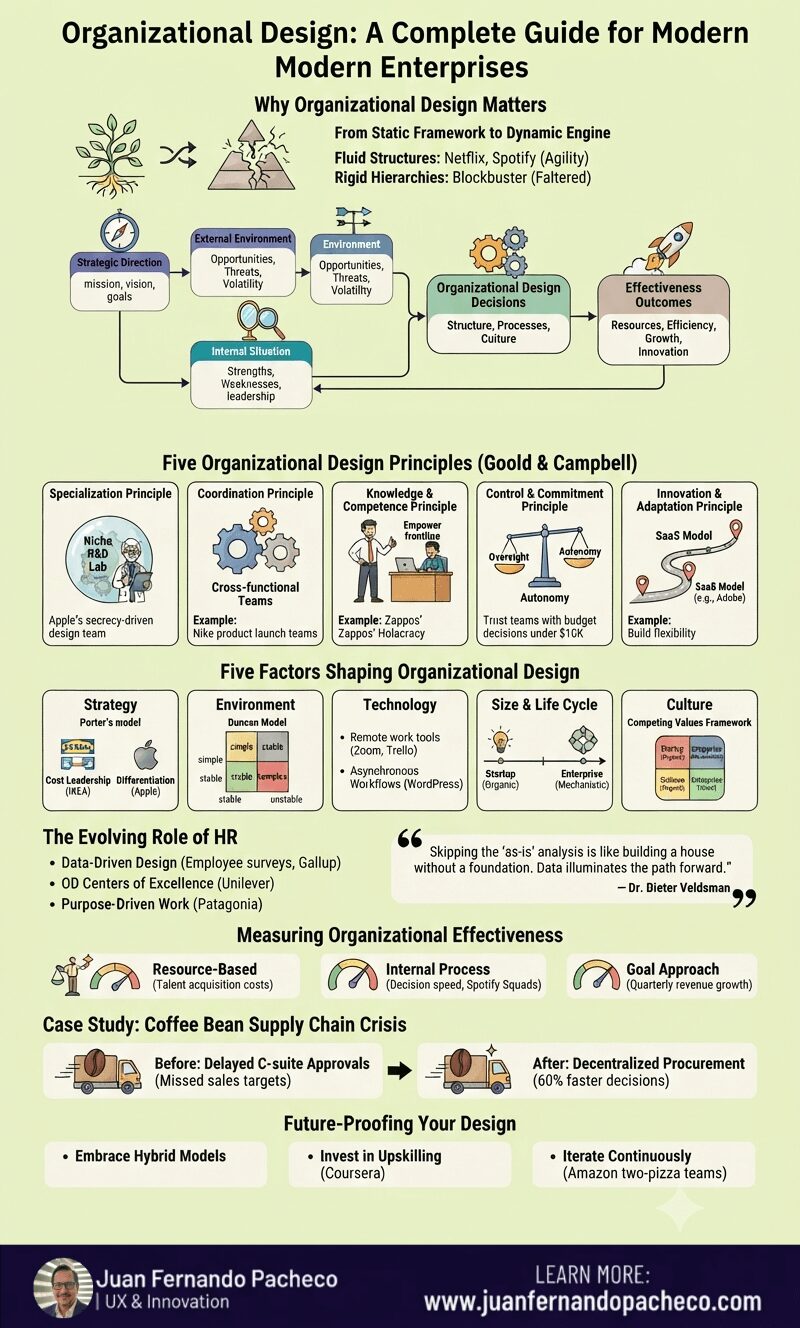
Organizational design isn’t a one-time project—it’s a journey. By aligning strategy, culture, and structure, businesses can navigate disruption, attract top talent, and outperform competitors. Start small: Audit your current design, involve cross-functional stakeholders, and prioritize flexibility. As the Greek philosopher Heraclitus said, “Change is the only constant.” Design for it.
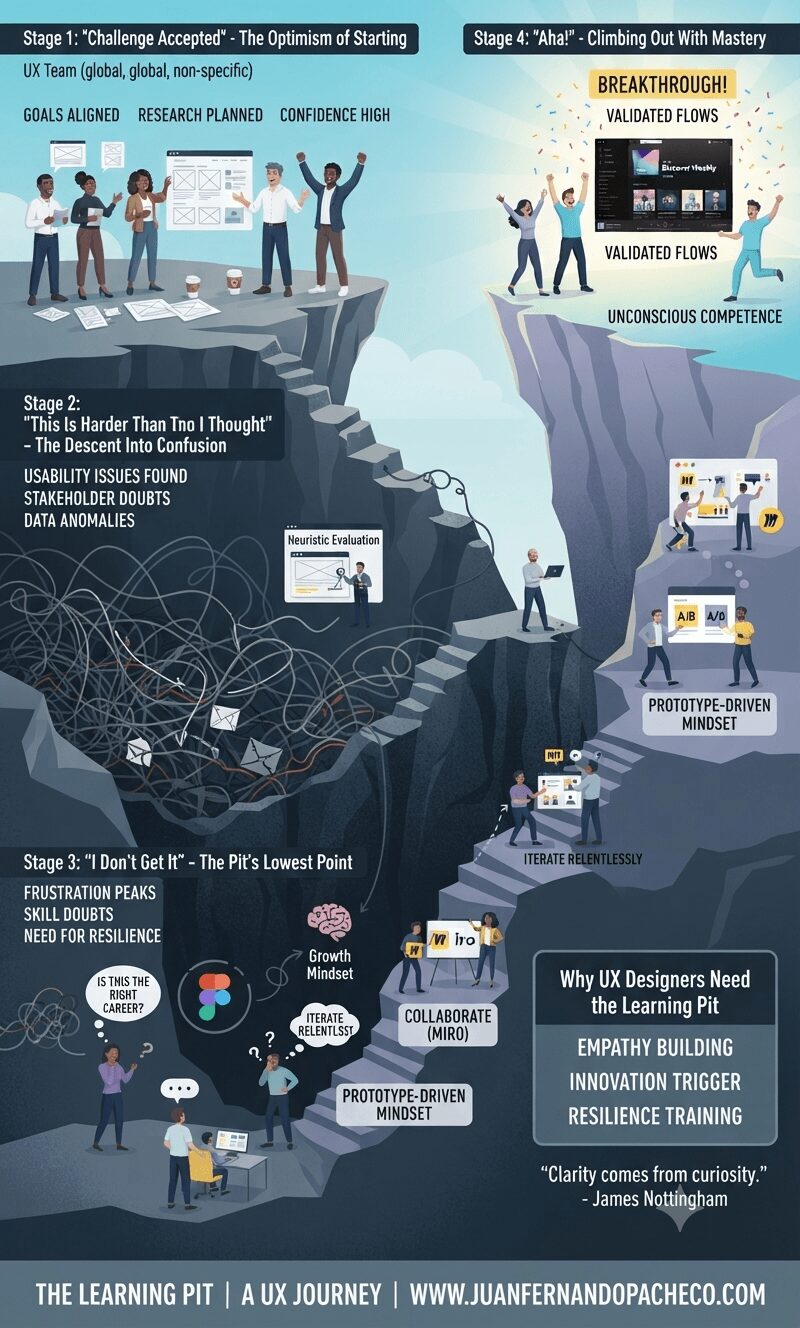
The Learning Pit isn’t just a metaphor; it’s a roadmap for UX excellence. By embracing confusion, designers uncover deeper insights, build resilience, and create solutions that truly resonate. As James Nottingham says, “Clarity comes from curiosity.” So next time you’re in the pit, remember: the struggle is where magic happens.
Explosive growth isn’t accidental—it’s engineered through strategic choices. Whether through acquisitions, partnerships, or product innovation, each strategy offers unique advantages.
Start with one tactic, measure results using KPIs, and scale iteratively. For tailored guidance, explore tools like SEMrush for SEO optimization or McKinsey’s Growth Framework for strategic planning.