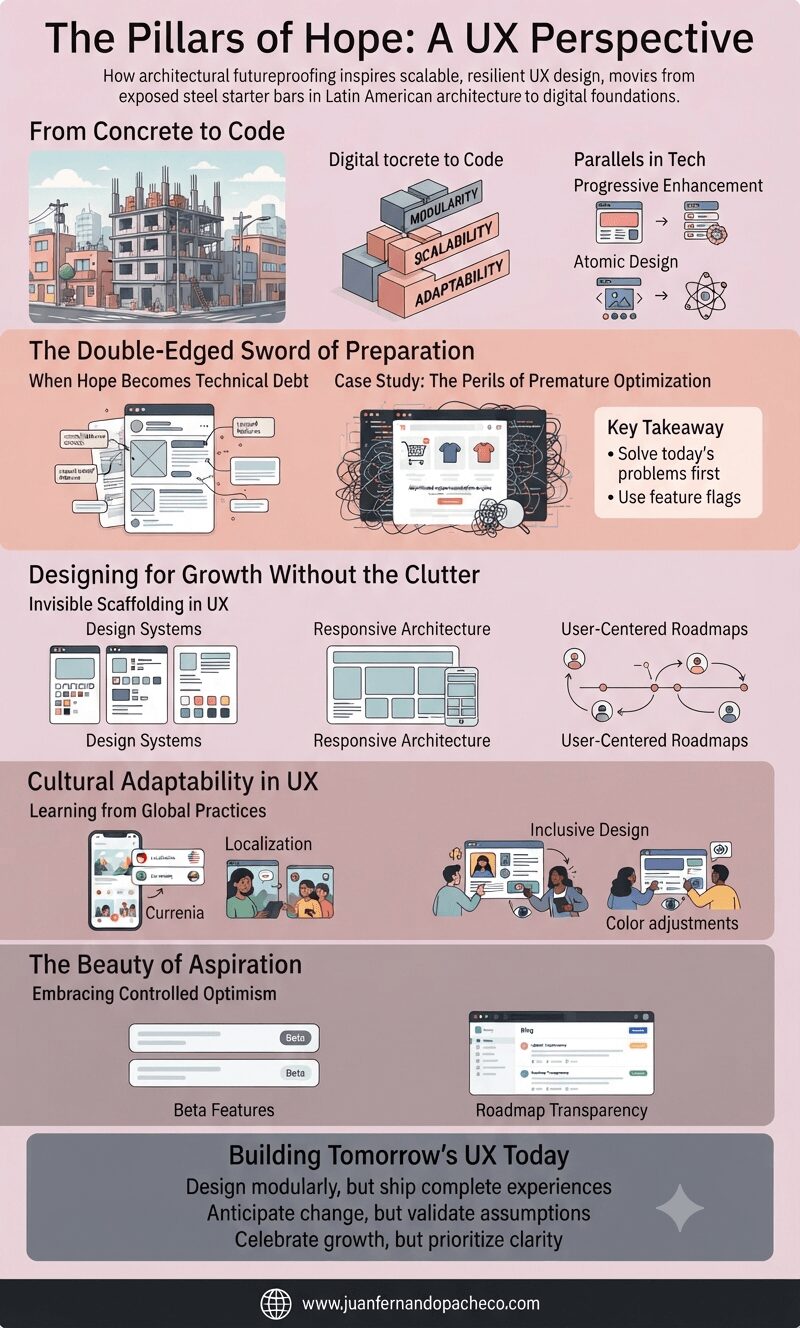
The first time I saw steel starter bars jutting out from rooftops in Latin America, I was baffled. These exposed rods, nicknamed “Pillars of Hope,” seemed like chaotic afterthoughts. But their purpose—preparing buildings for future expansion—reveals a profound lesson for UX designers
Category: UX design
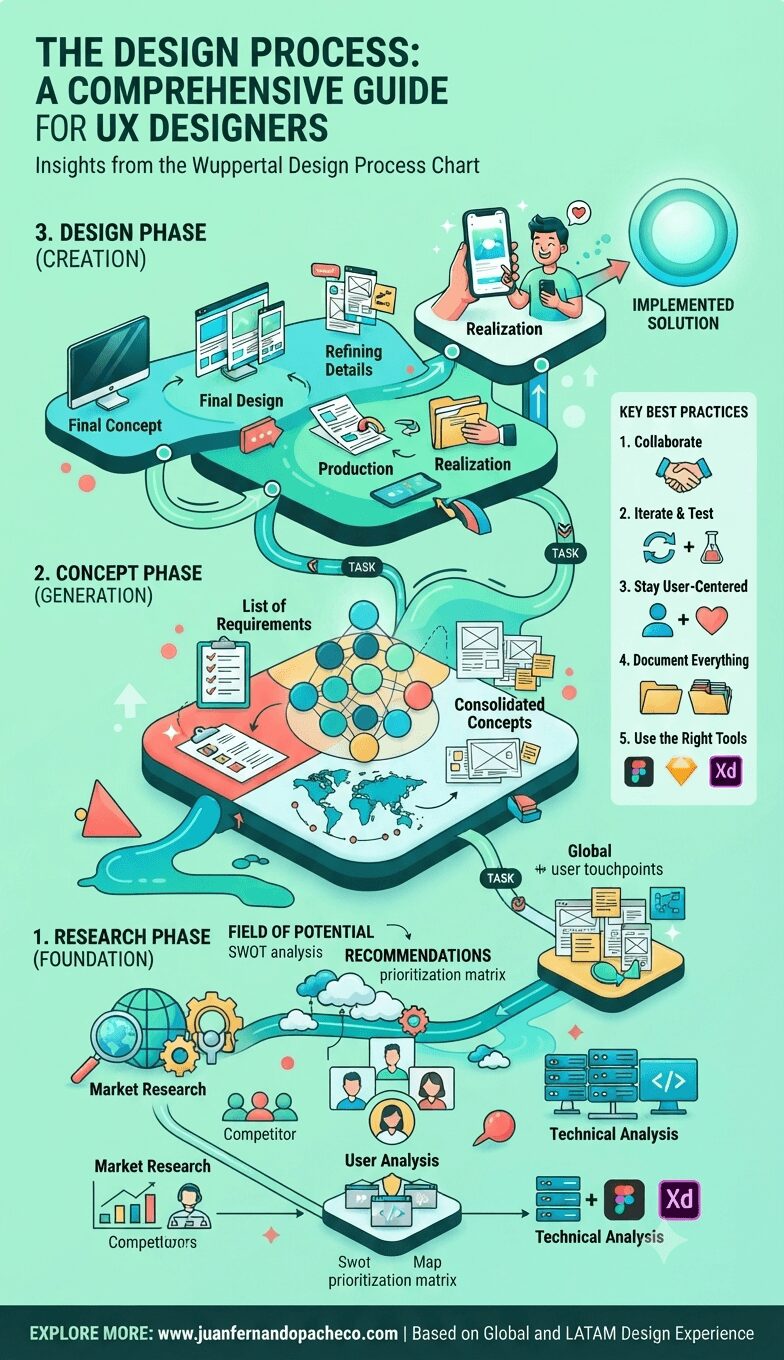
The Design Process is a critical component of creating successful products and services. By following a structured approach like the one outlined in the Wuppertal Design Process Chart, designers can ensure that their work is thorough, user-centered, and effective. Remember to stay flexible and adapt the process to fit the specific needs of your project.
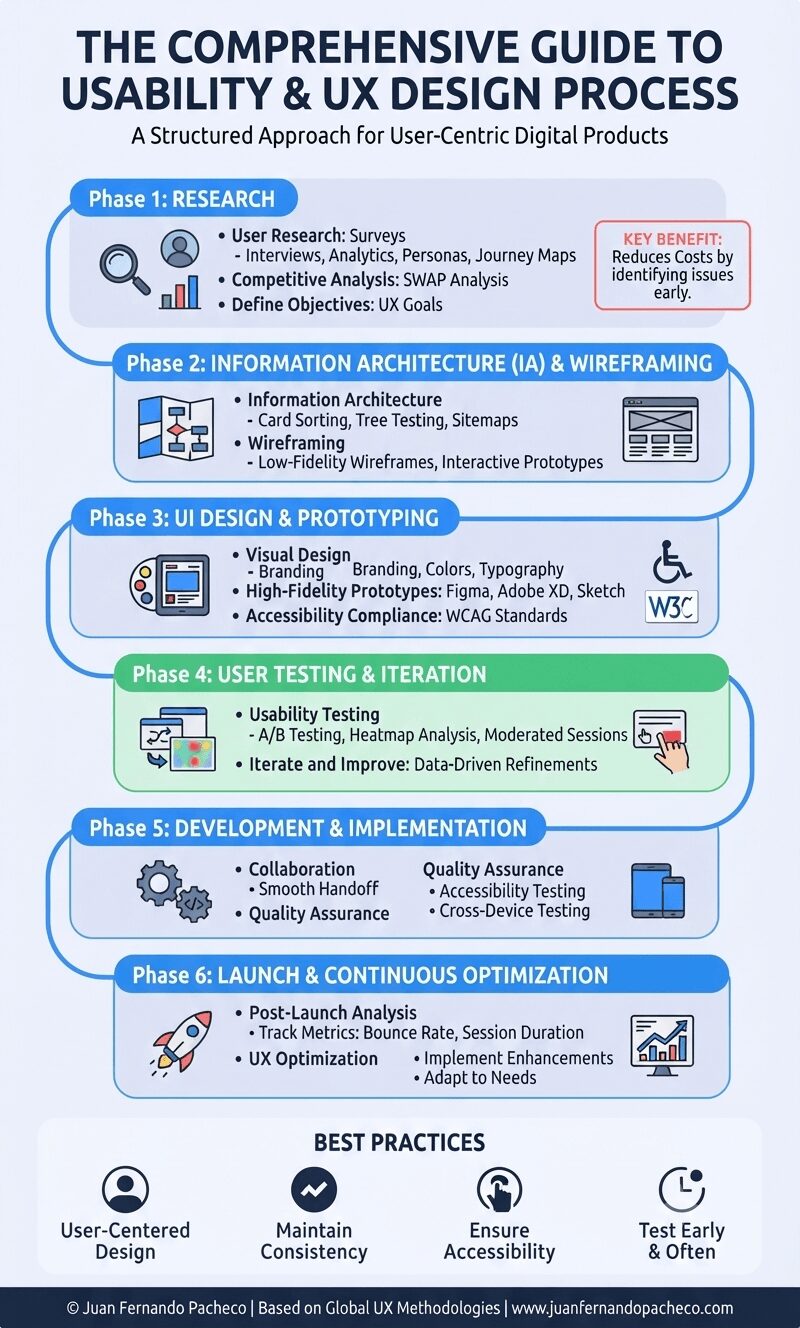
The UX design process is essential for creating user-friendly, effective digital experiences. By following structured methodologies, leveraging research, and continuously improving based on feedback, businesses can enhance user satisfaction and drive success.
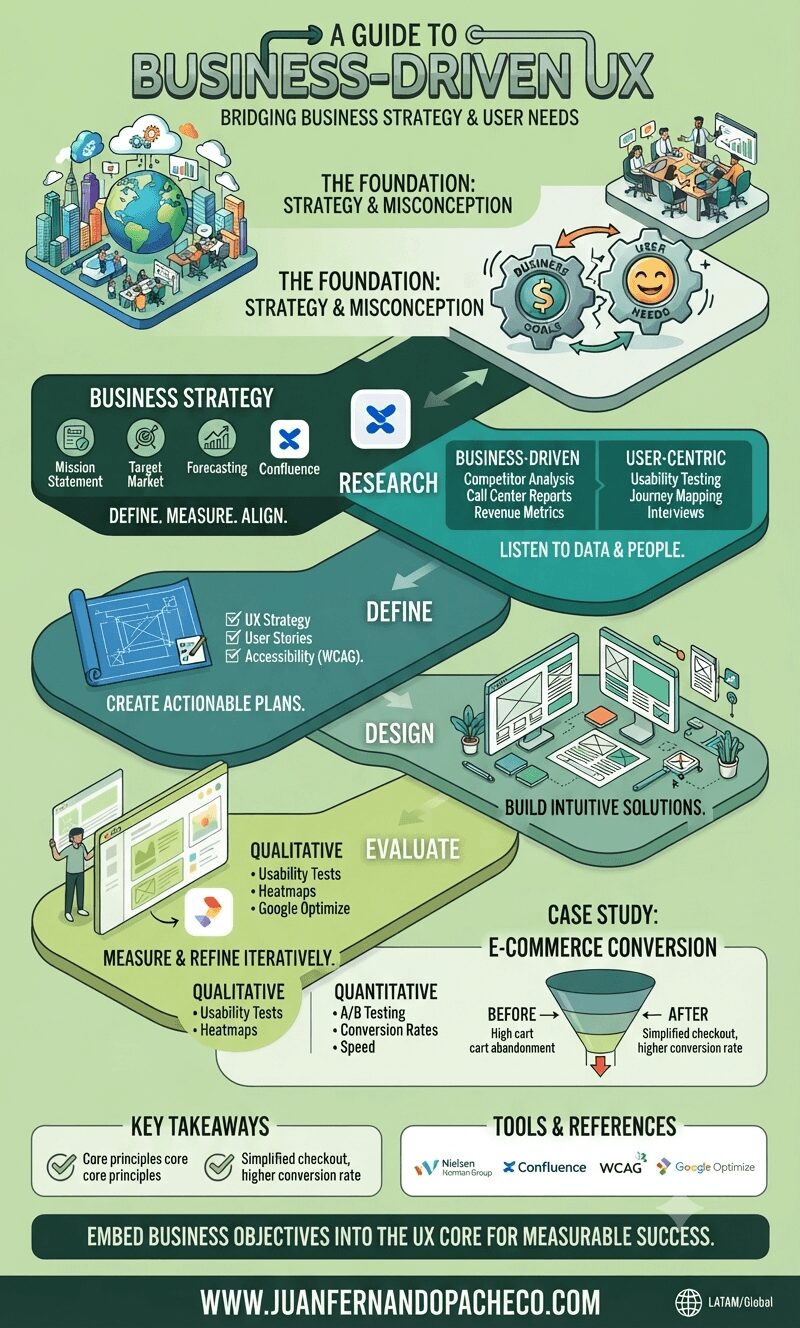
Connecting Business-Driven UX strategy with user needs
In the fast-evolving digital landscape, achieving an optimal user experience (UX) is no longer just about meeting user needs—it’s about aligning these needs with overarching business goals.
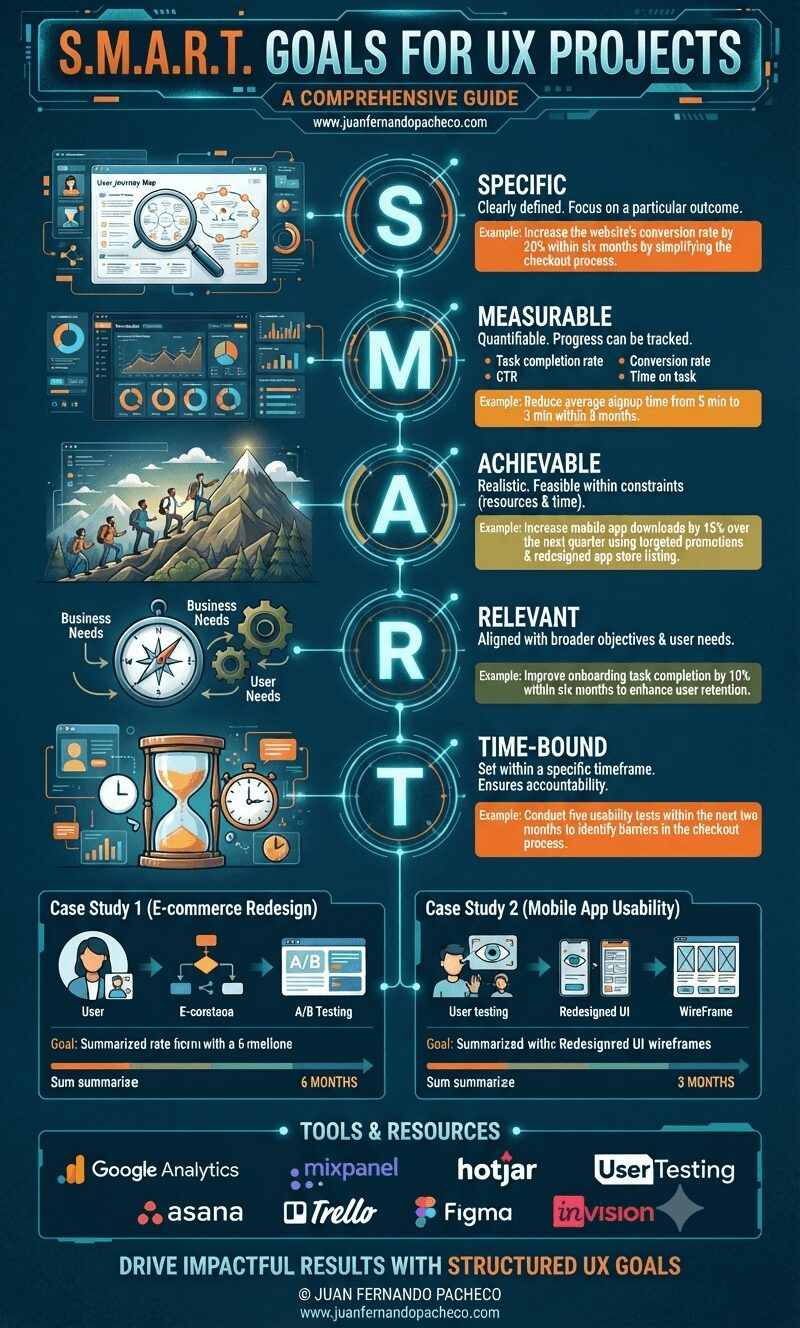
Setting clear, actionable, and achievable goals is critical to the success of any UX project.
Without defined objectives, measuring progress, evaluating outcomes, or ensuring alignment with user and business needs becomes challenging.
That’s where the S.M.A.R.T. framework comes in. In this post, we’ll explore how to write S.M.A.R.T. goals for UX projects and why this approach can dramatically improve project outcomes.
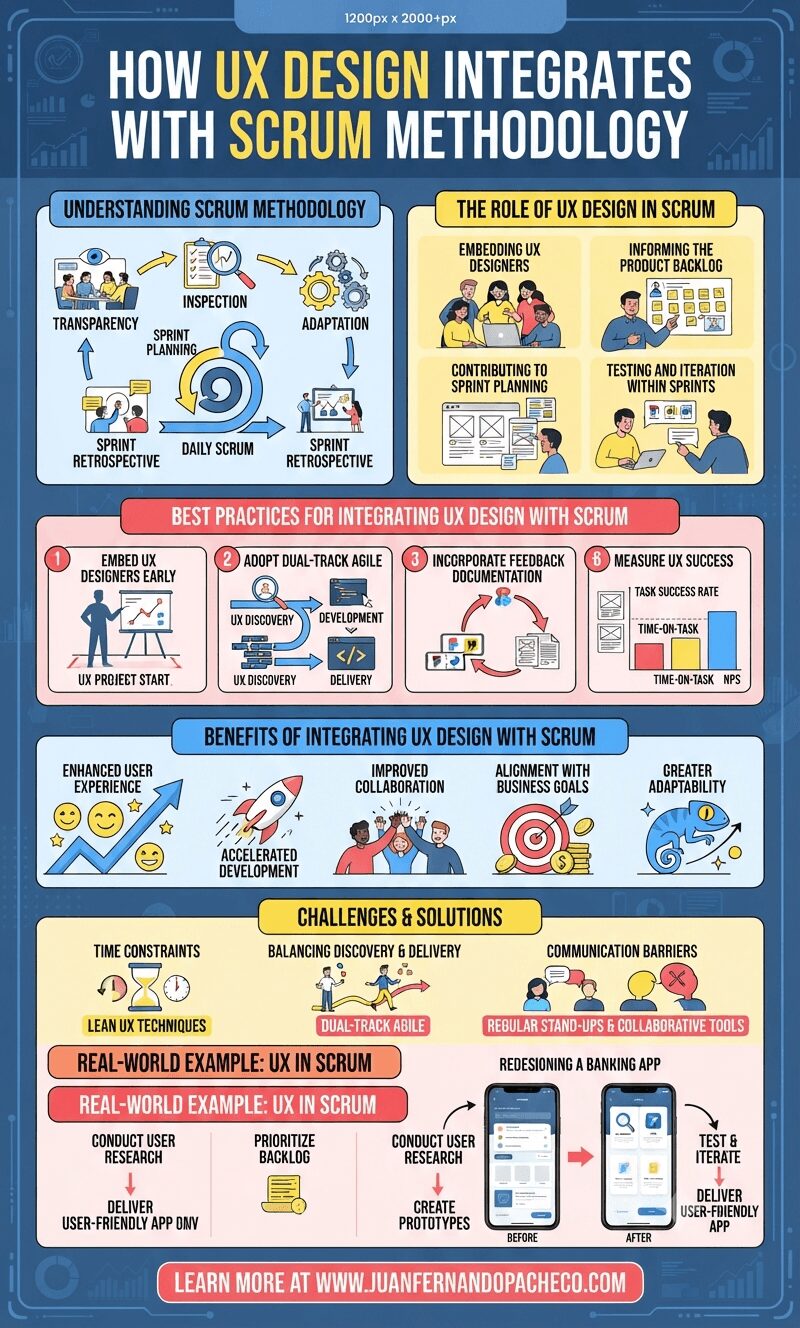
Integrating UX design into Scrum is more than a best practice; it’s a necessity for delivering products that resonate with users. By embedding UX designers in teams, leveraging agile design methods, and prioritizing user feedback, organizations can achieve faster development cycles, improved collaboration, and superior user experiences.
As the demand for user-centric products grows, mastering the integration of UX design with Scrum will remain a critical skill for successful product teams.
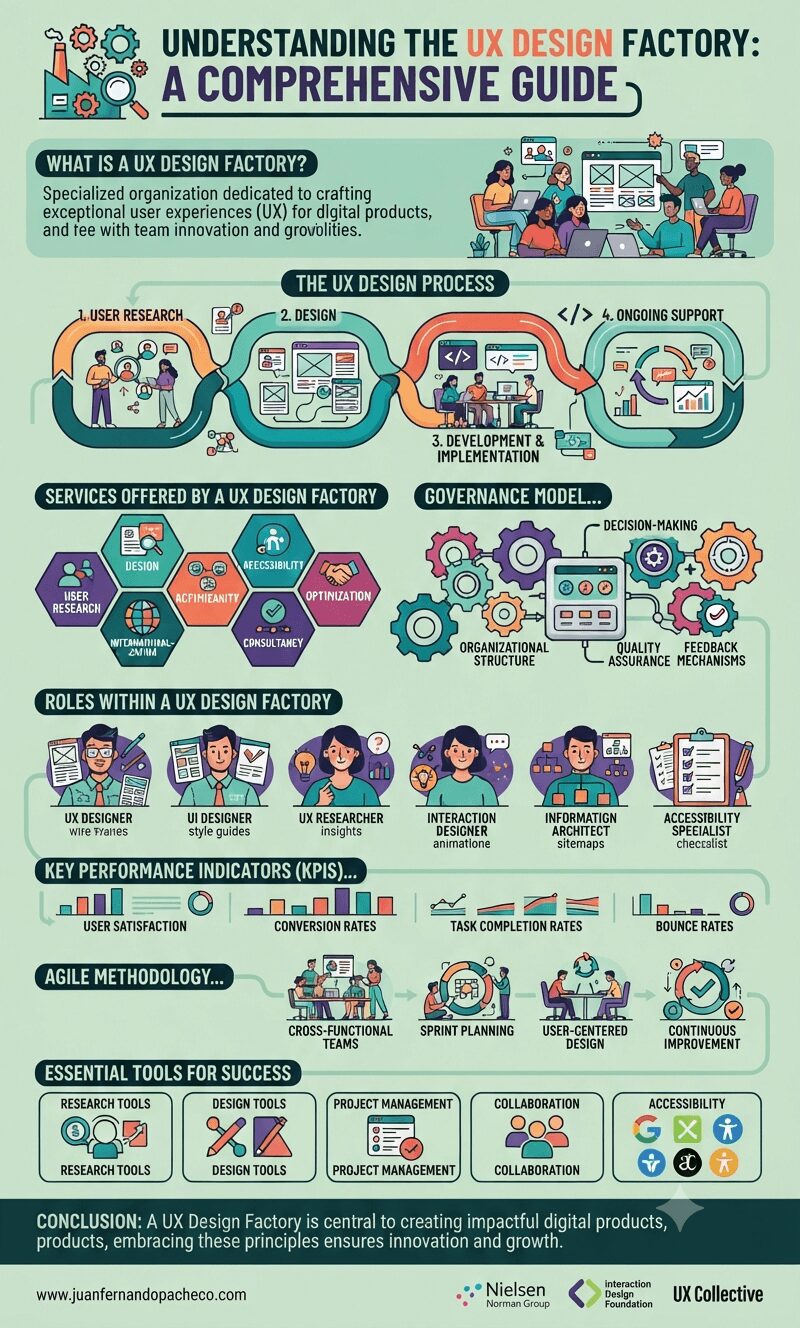
A UX Design Factory is a specialized organization dedicated to crafting exceptional user experiences (UX) for digital products such as websites, mobile applications, and software solutions.
Its primary objective is to help businesses create digital products that are intuitive, efficient, and enjoyable for their target audience.
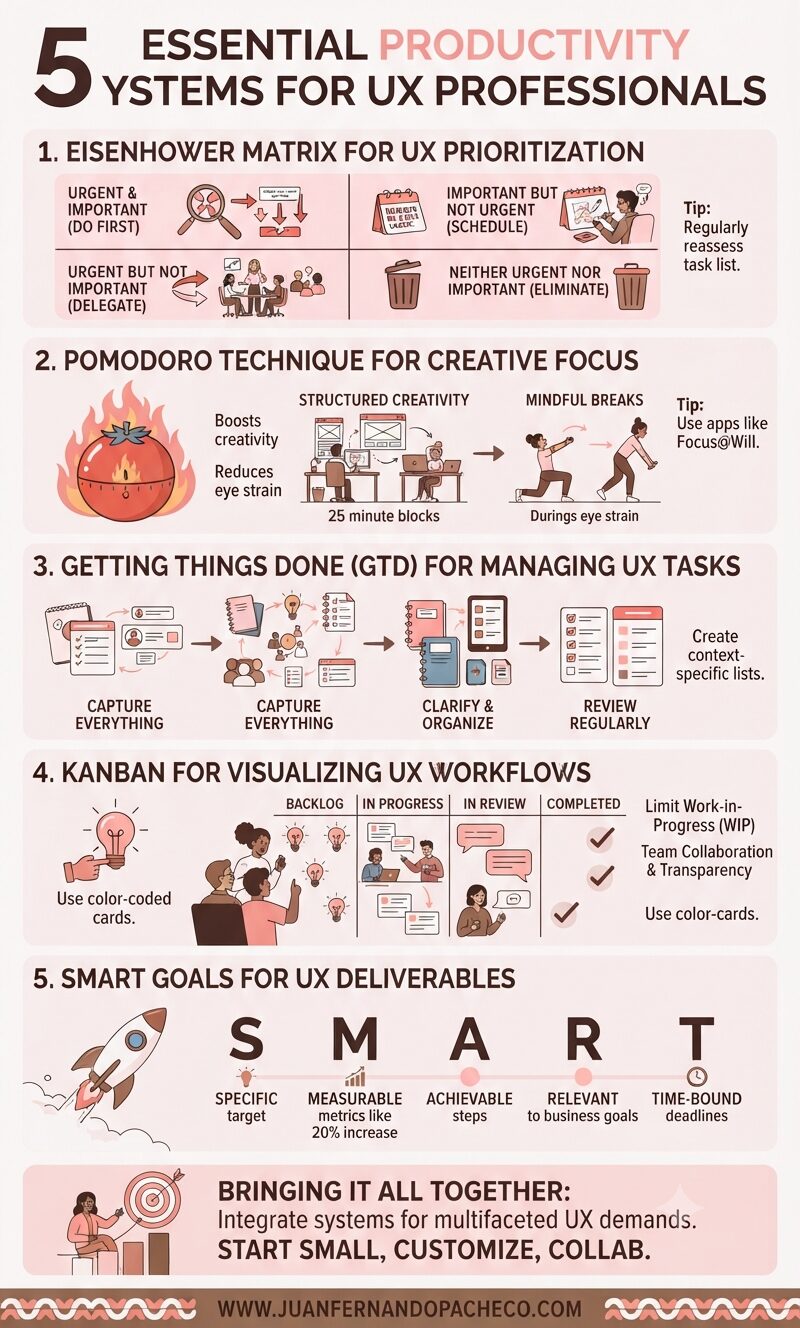
As a UX designer, manager, or director, you’re tasked with …
harmonizing user needs, business goals, and technical constraints—all while fostering creativity and collaboration.
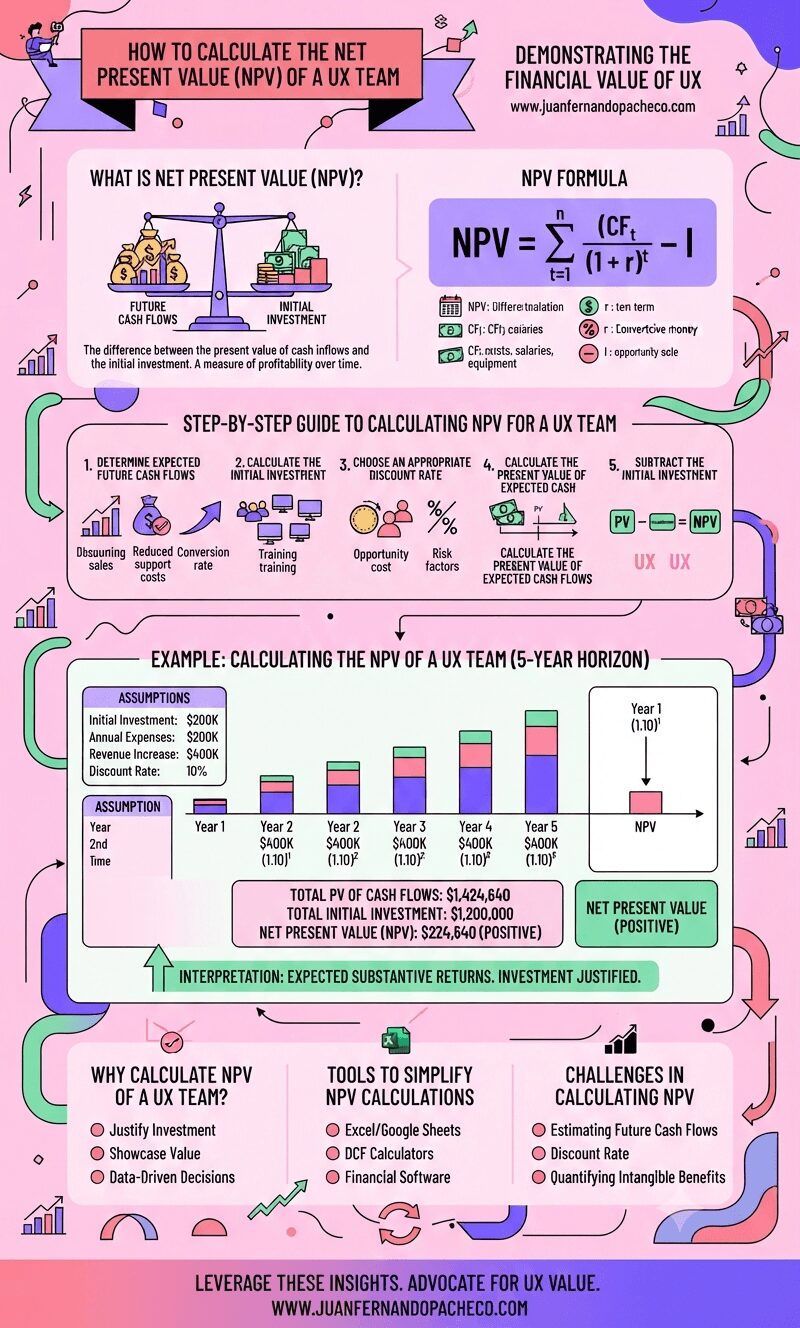
Calculating the Net Present Value (NPV) of a UX team is a powerful way to demonstrate their financial impact. By considering expected future cash flows, initial investments, and the time value of money, organizations can make informed decisions about investing in UX resources. As UX continues to play a pivotal role in business success, quantifying its value through NPV ensures that its importance is recognized in strategic planning.
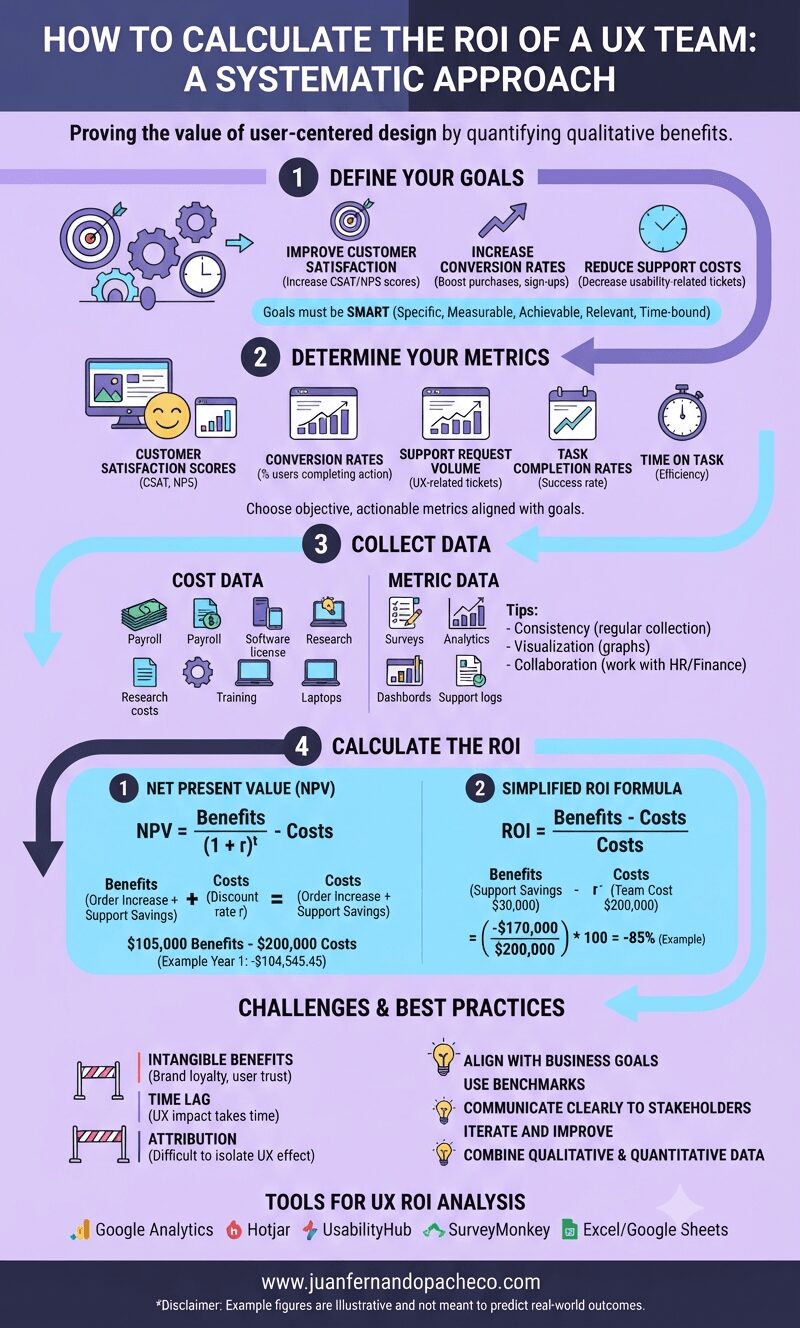
Understanding the return on investment (ROI) of a UX team is critical for organizations aiming to justify and optimize their investment in user-centered design practices.
While calculating ROI in a UX context can be challenging because quantifying qualitative benefits is difficult, a systematic approach can reveal the value a UX team provides to an organization.