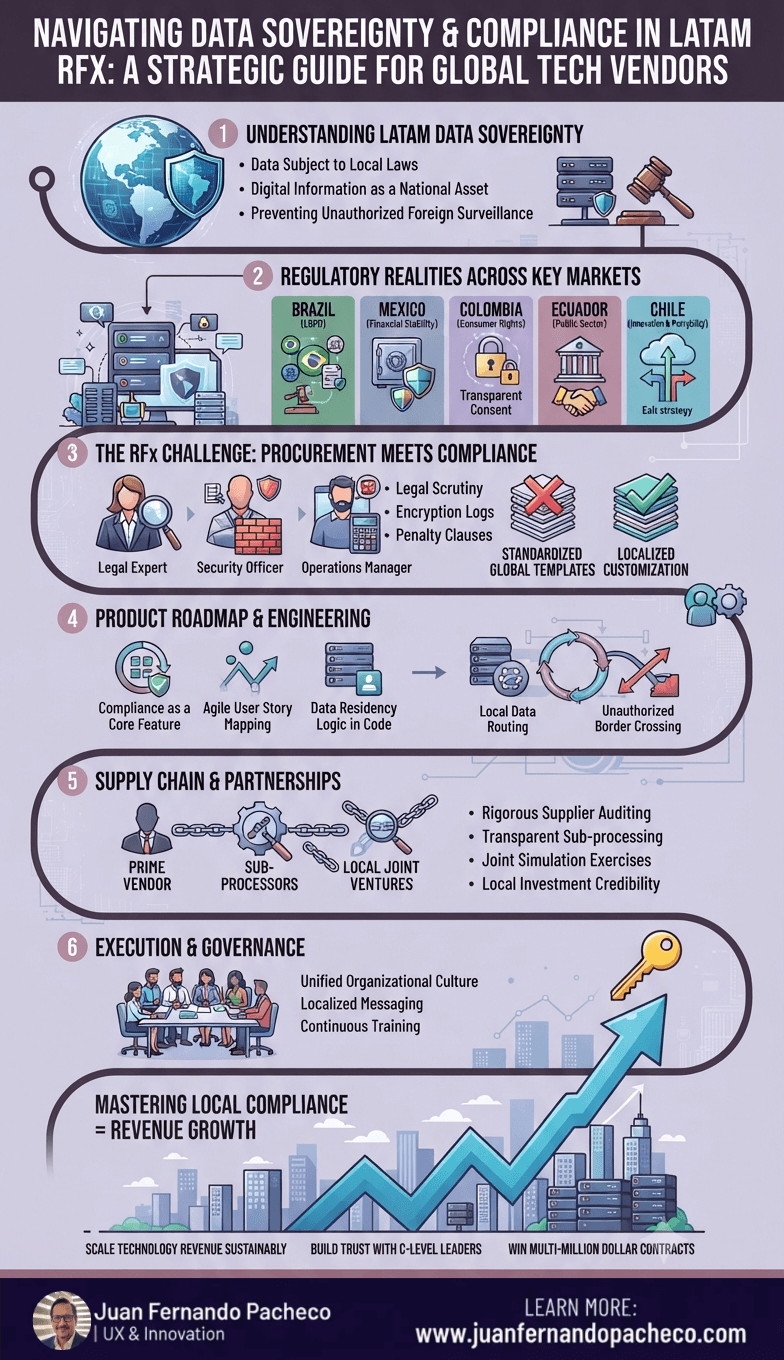
Technology leaders face complex regulatory hurdles when bidding on enterprise contracts in Latin America. This guide explores strategies to align product roadmaps with local compliance mandates and win high-stakes deals involving LATAM data sovereignty RFx.
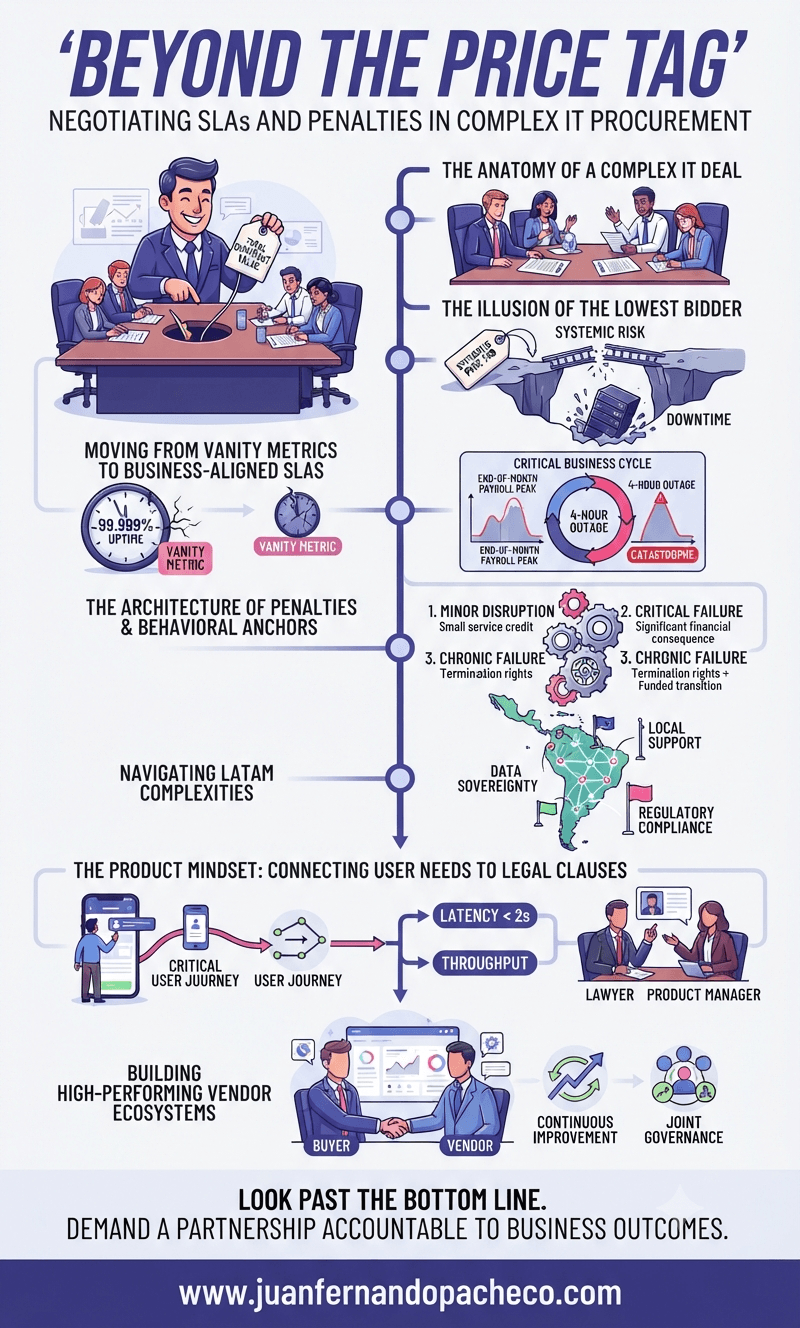
In high-stakes IT procurement, the initial price tag is merely the cost of entry. This guide explores how strategic leaders can negotiate SLAs and penalties that protect enterprise value, ensure regulatory compliance, and align vendor performance with actual business outcomes across complex markets.
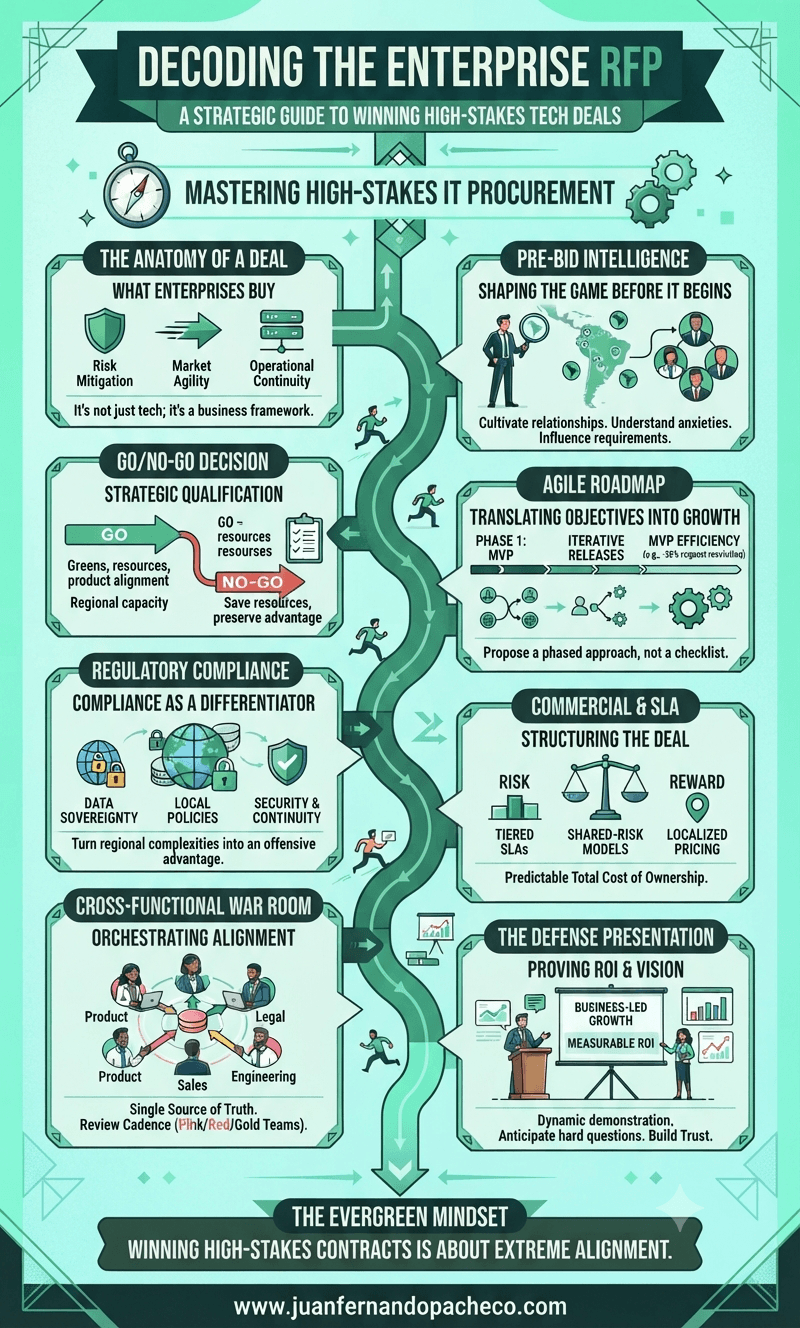
Winning multi-million-dollar technology contracts requires more than just compliance; it demands a deep understanding of commercial-product synergy, risk mitigation, and regional nuances. This guide breaks down the anatomy of a winning enterprise RFP strategy from pre-bid intelligence to final defense.

Markets fail strategies more often than strategies fail markets. This post walks through the five strategy archetypes — classical, visionary, adaptive, shaping and renewal — and shows how to match each play to the predictability, malleability and harshness of your environment, with plain-spoken lessons from enterprise technology deals in Latin America.
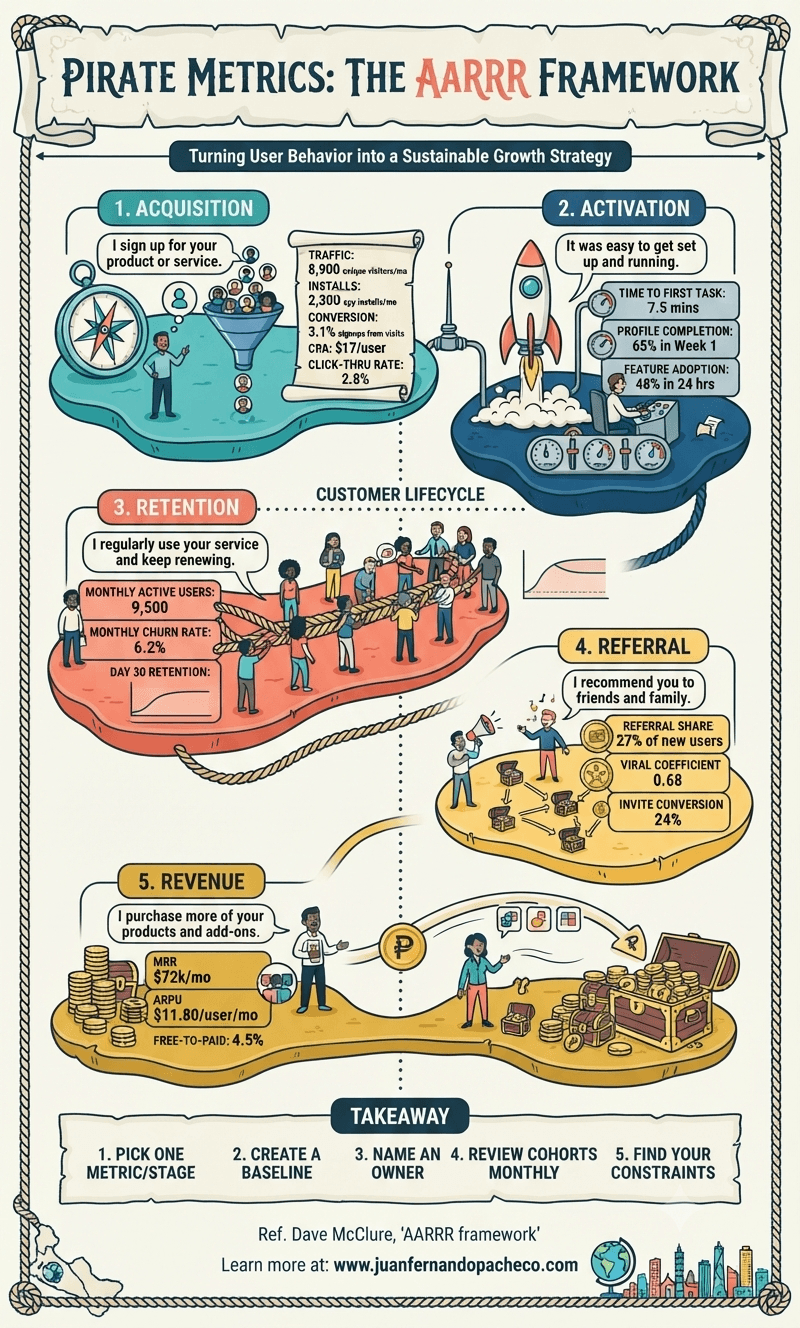
A practical, evergreen walkthrough of pirate metrics, the AARRR framework of acquisition, activation, retention, referral and revenue. It explains what to measure at each stage, how to read the numbers honestly, and how to use the lifecycle to find the real constraint in your growth model.
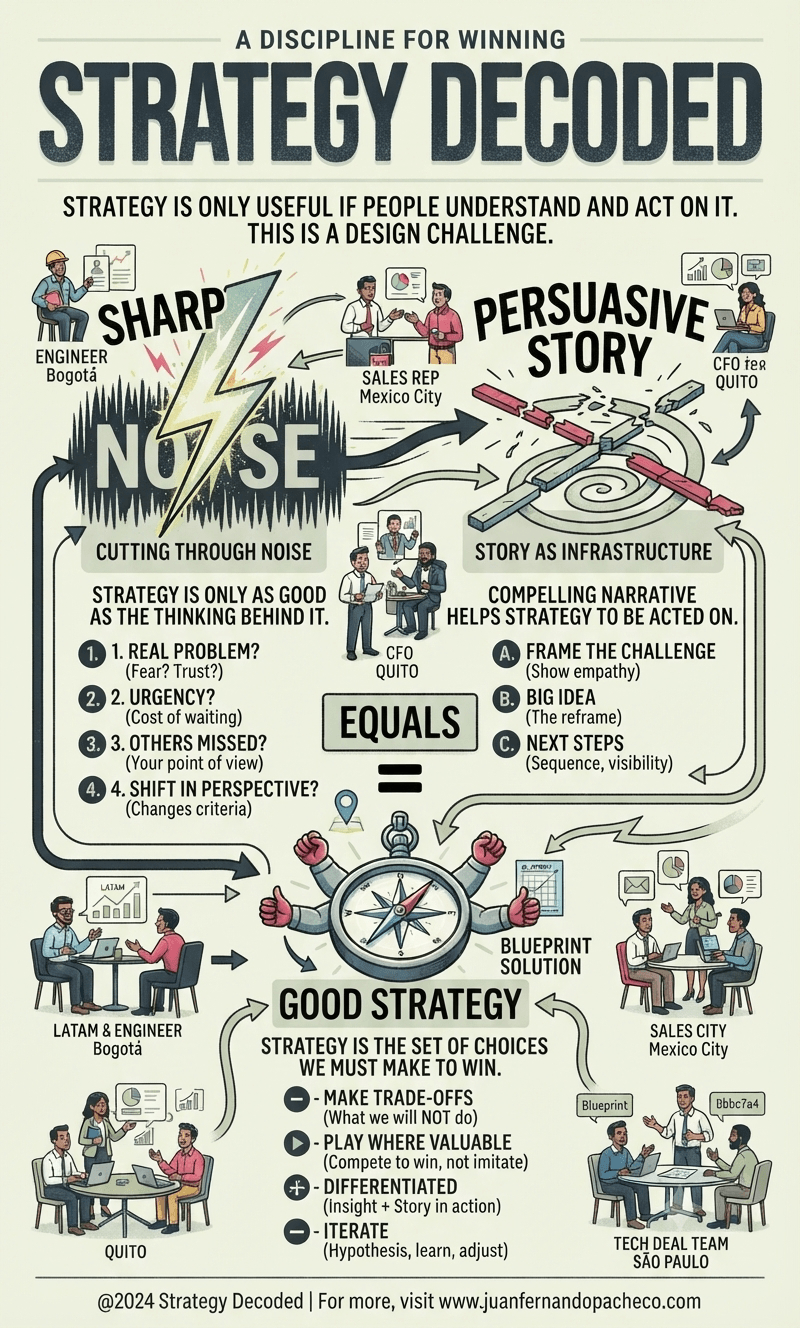
A good strategy is not a long document; it is a clear insight told as a persuasive story that people can actually act on. This post shows how to find what others miss, turn it into a message that sticks, and convert both into the choices that win deals, markets and careers.
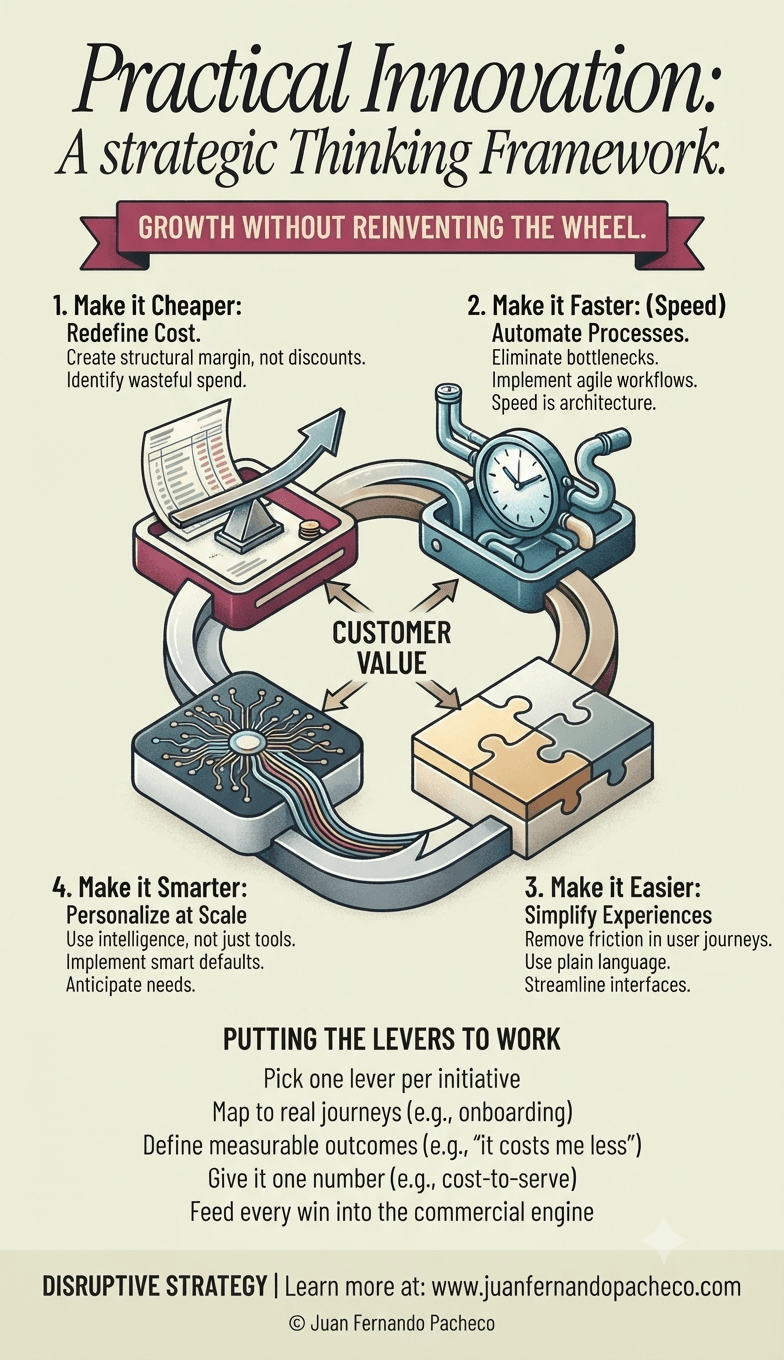
Lasting growth rarely arrives as a breakthrough; it arrives as a habit. This post breaks down the four levers of practical innovation — cheaper, faster, easier, smarter — and shows how to apply them to products, services and enterprise deals so the value keeps compounding for years.
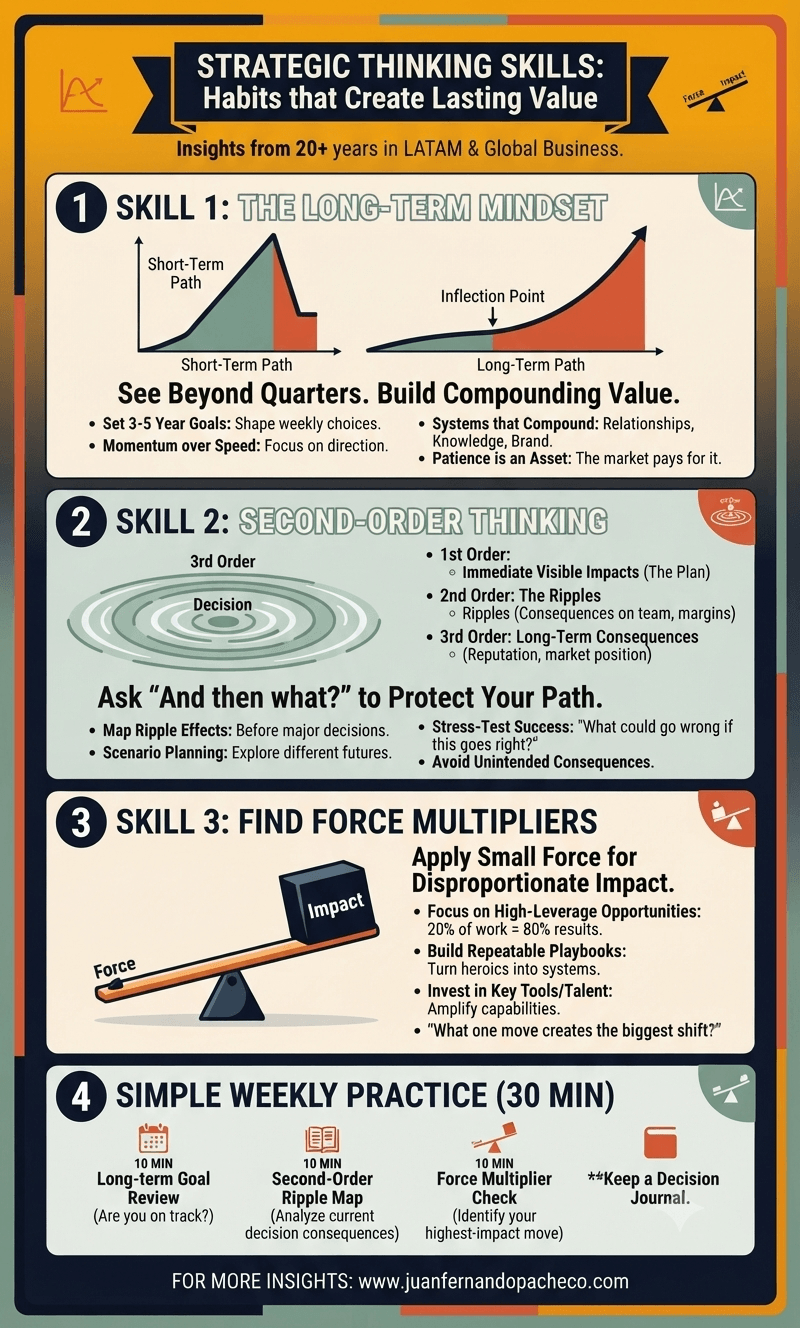
Strategy rarely fails for lack of analysis; it fails for lack of thinking discipline. This post breaks down the three skills that separate strategists from planners — long term mindset, second order thinking and the force multiplier — and shows how to apply them to deals, products and careers so the value compounds for years.
.](https://juanfernandopacheco.com/wp-content/uploads/2026/08/Influence-Skills-From-Insight-to-Action-for-Strategists.png)
Strategy fails more often in the room than in the analysis. This post breaks down the three influence skills — synthesis, storytelling and decision making — with practical habits that keep working no matter the year, the tool or the market.
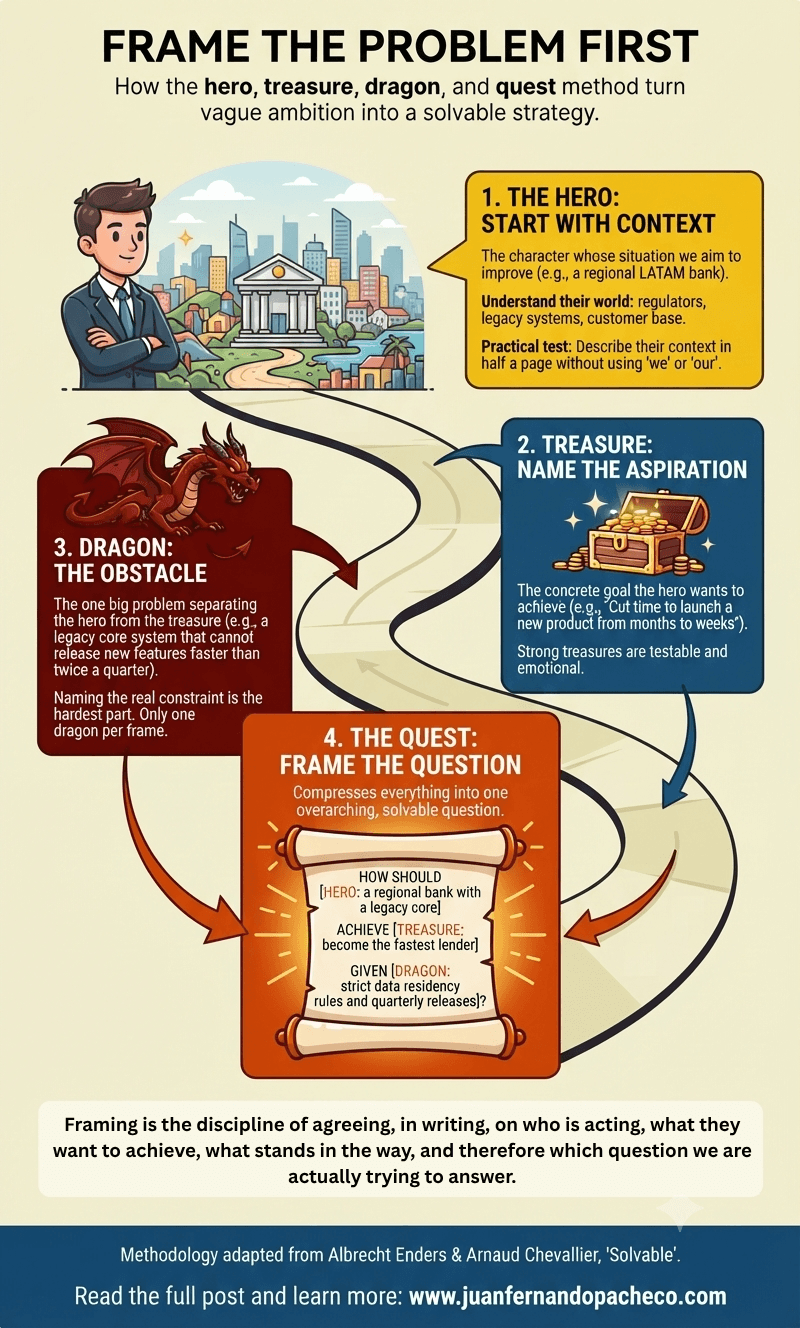
Most strategies and enterprise deals fail because teams rush to solve a problem nobody bothered to define. This post walks through a simple four part framing method (hero, treasure, dragon, quest) and shows how to apply it to products, sales deals and RFx processes so your effort always lands on the real issue.