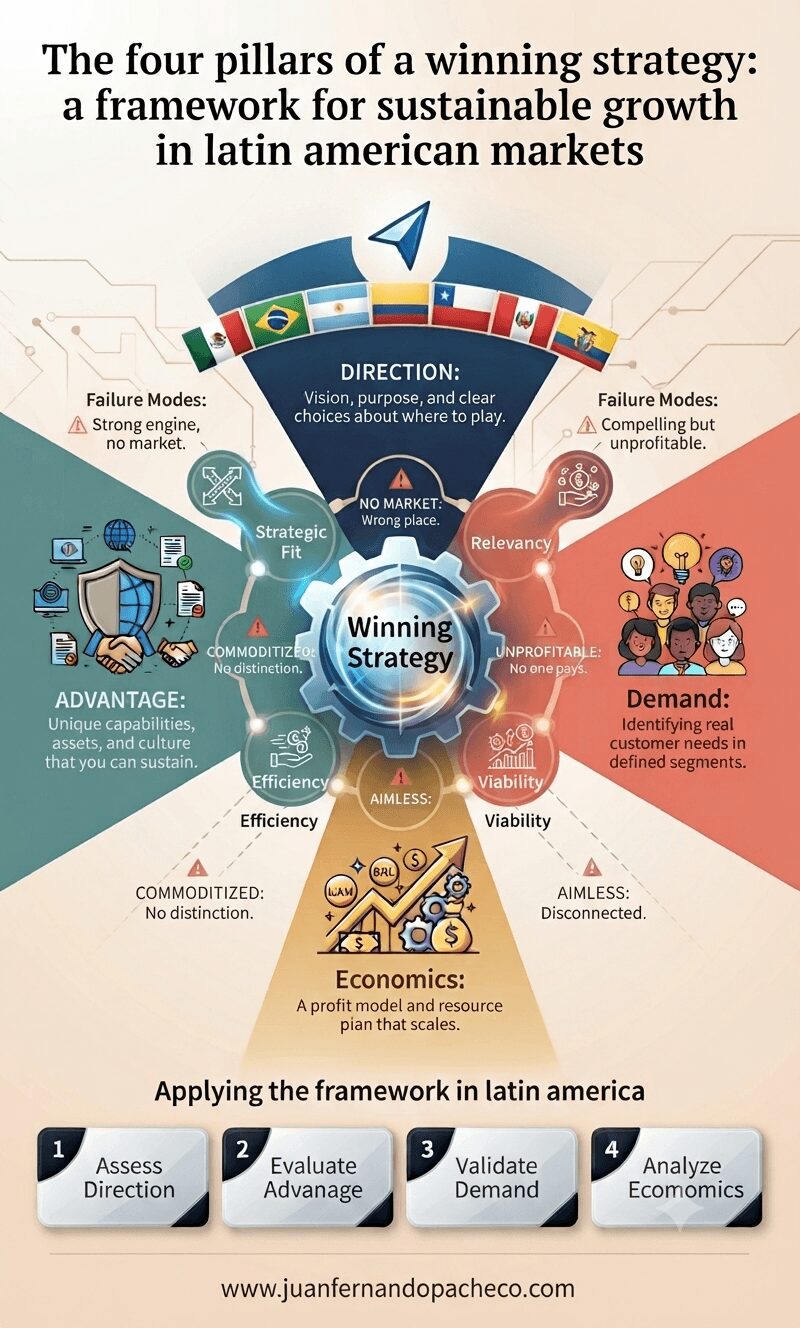
Discover the four essential pillars that create a winning strategy: direction, advantage, demand, and economics. Learn how to align these elements to build sustainable, scalable growth in complex markets across latin america.
Tag: Framework
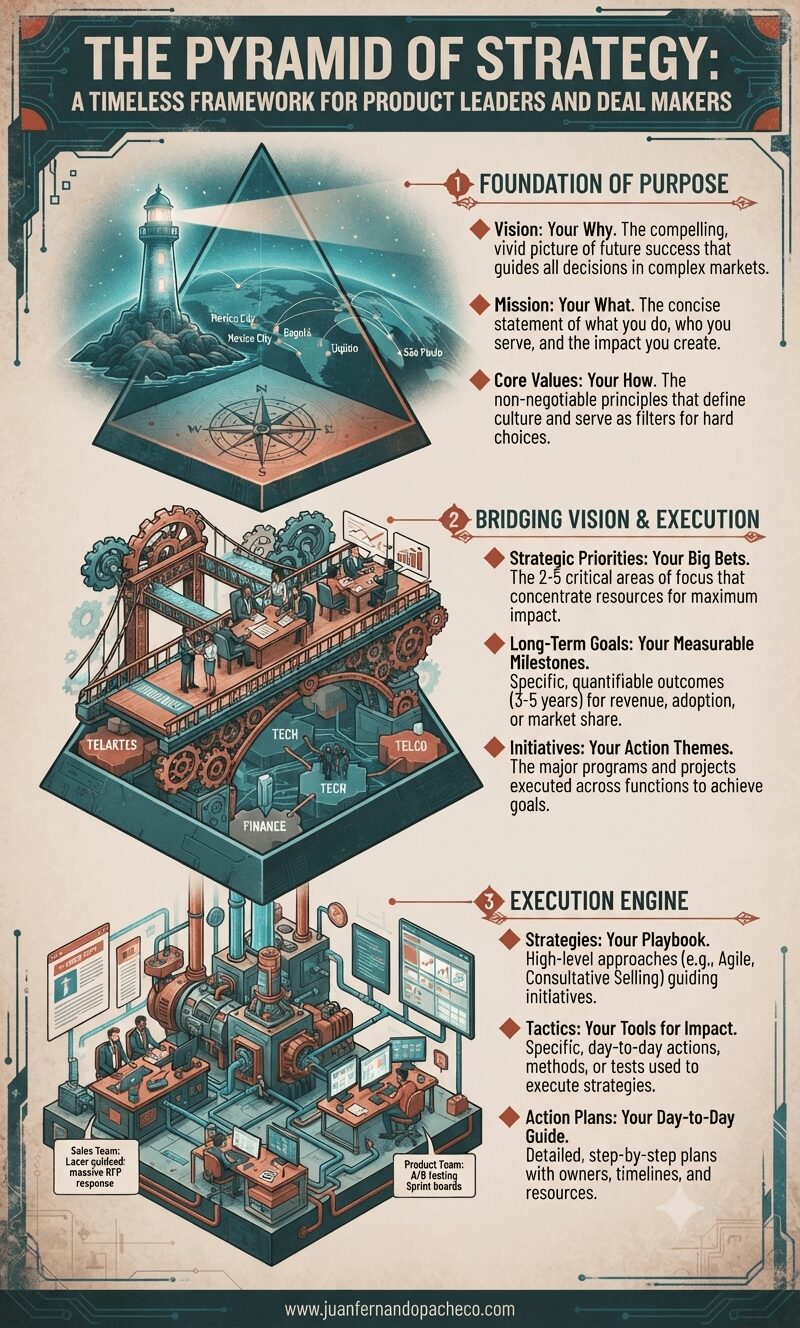
Master the pyramid of strategy framework to transform your vision into executable action. Learn how product leaders and business developers can align vision, priorities, and tactics to drive sustainable growth and close complex deals.
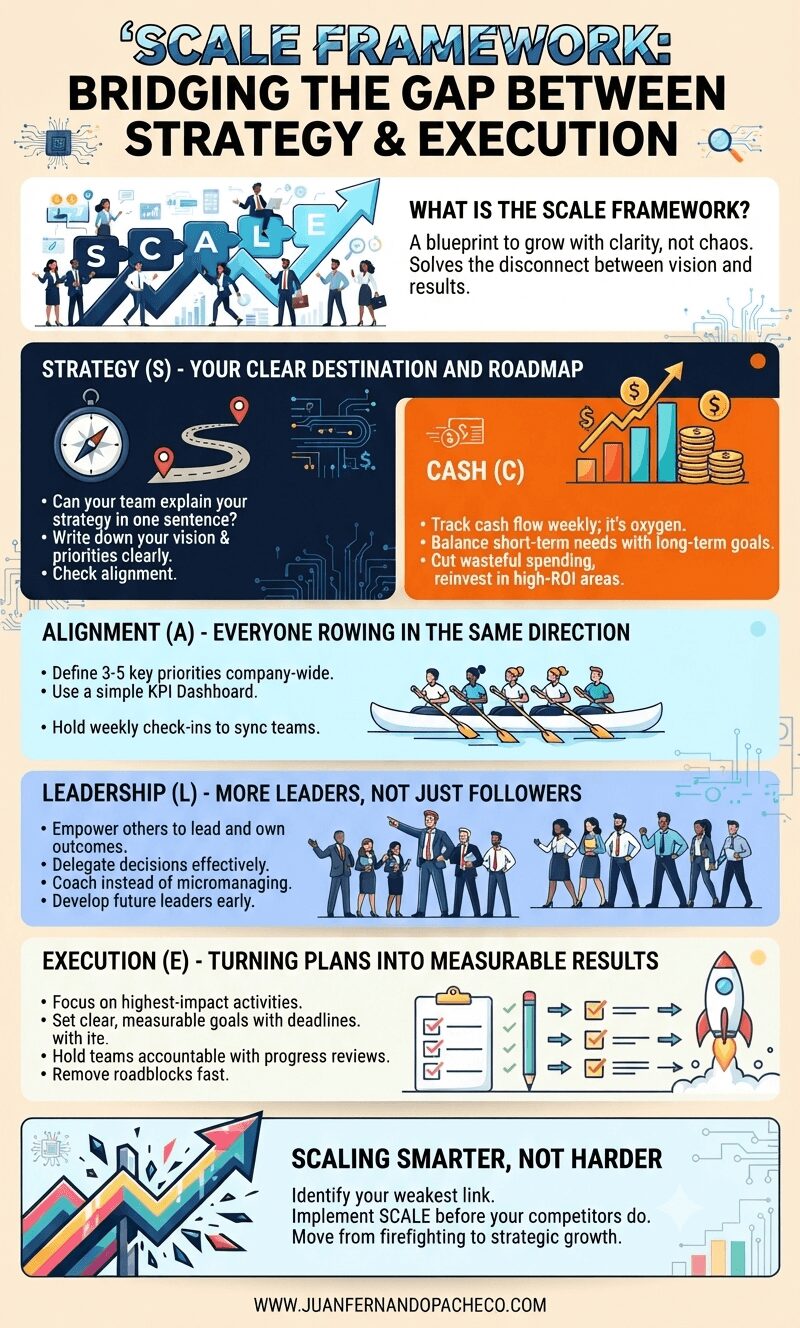
Bridging the Gap Between Strategy and Execution in Technology Business Growth After many years of
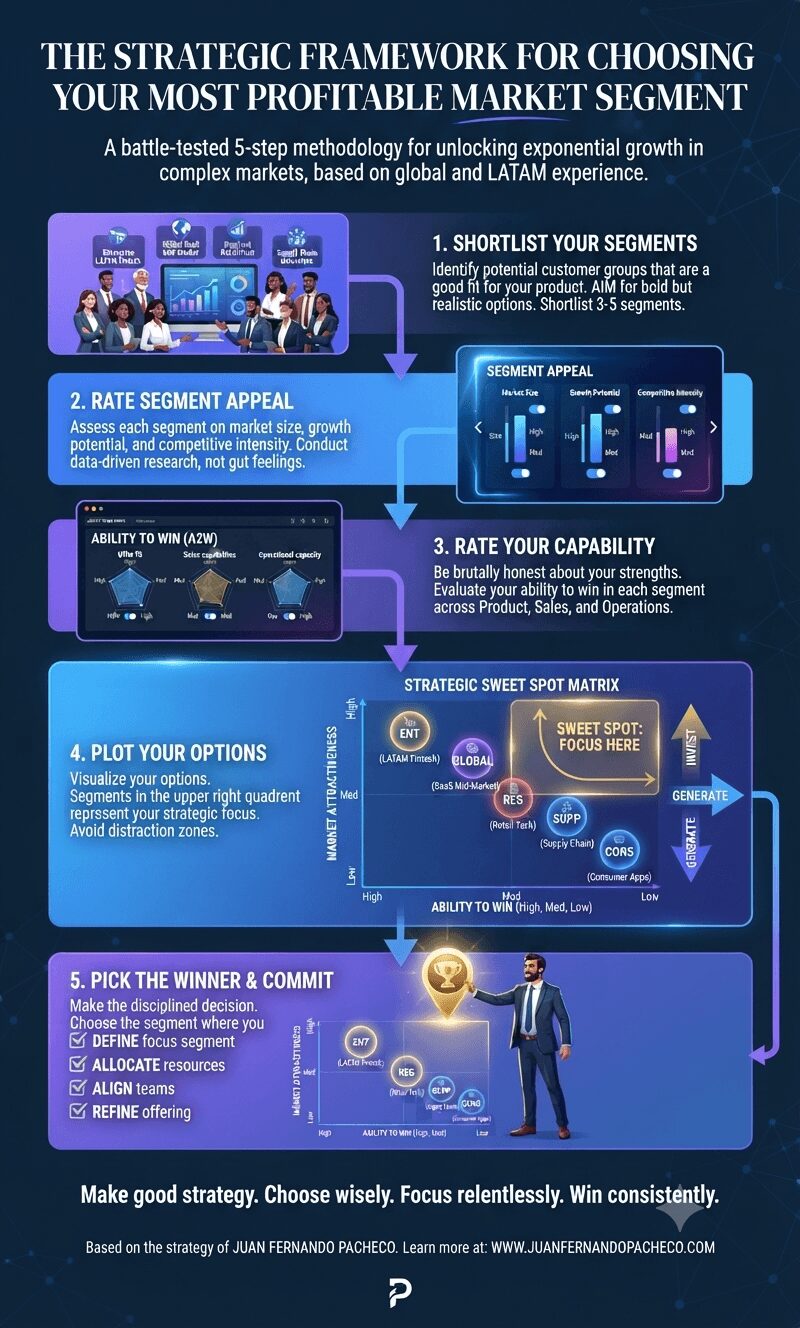
Learn a proven five-step framework to identify and dominate your most profitable market segment. Discover how to balance market attractiveness with your ability to win, ensuring sustainable growth and maximum impact.
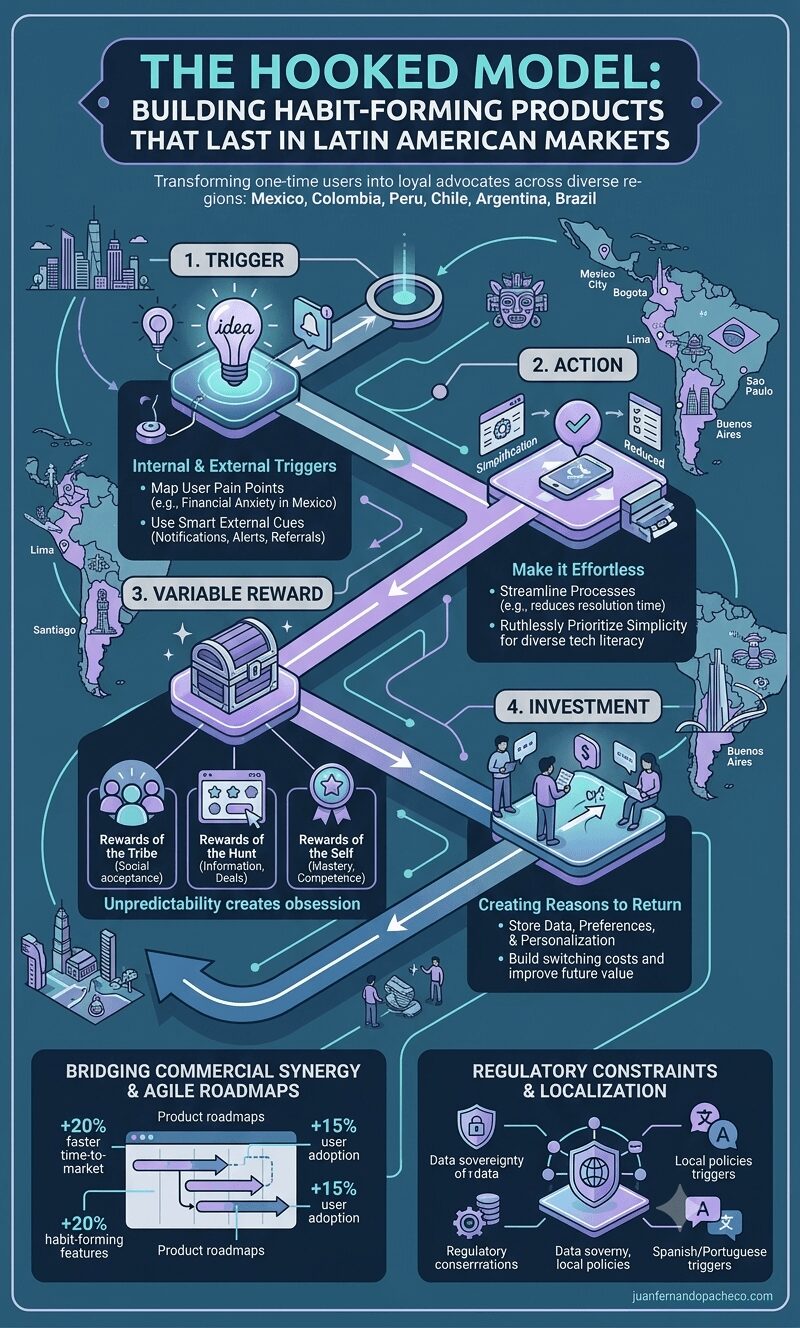
Discover how the hooked model’s four-phase framework helps product leaders create habit-forming digital experiences that drive long-term user engagement and business growth across Latin American markets.
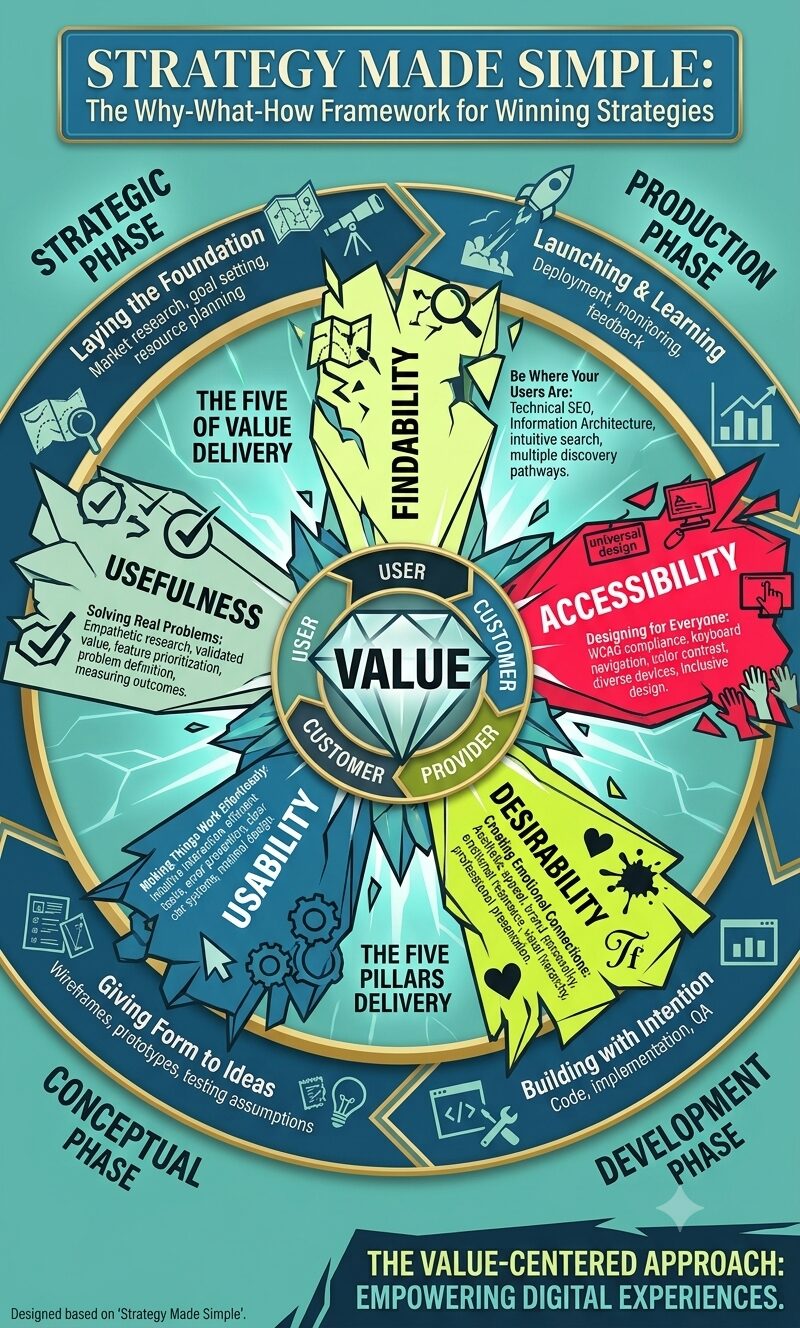
Discover a comprehensive approach to creating digital products that deliver real value by balancing findability, accessibility, desirability, usability, and usefulness. This timeless framework guides teams through strategic, conceptual, development, and production phases to build experiences that matter.
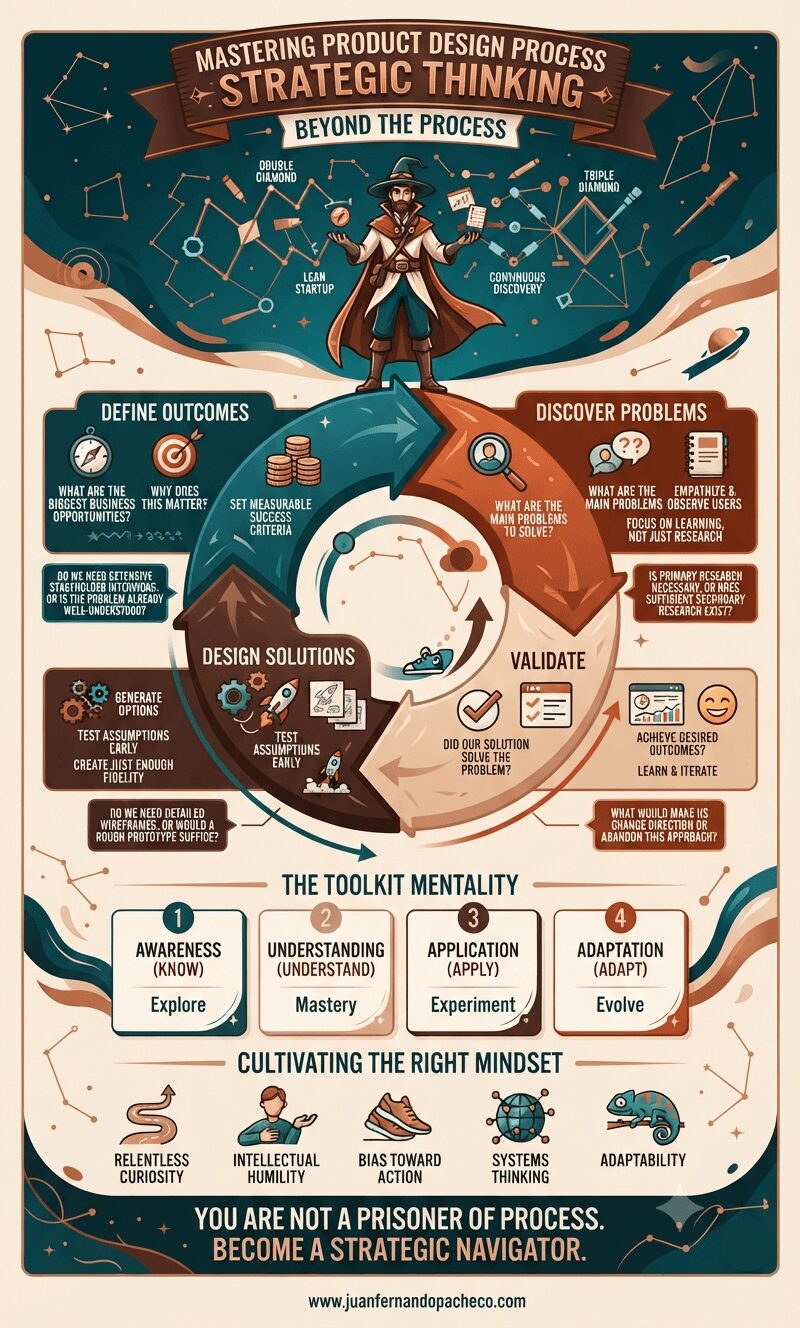
There is no single “correct” design process—only the right tools for the right problems. Learn to think strategically, adapt your approach, and build a versatile toolkit that helps you solve the right problems faster while minimizing risk.
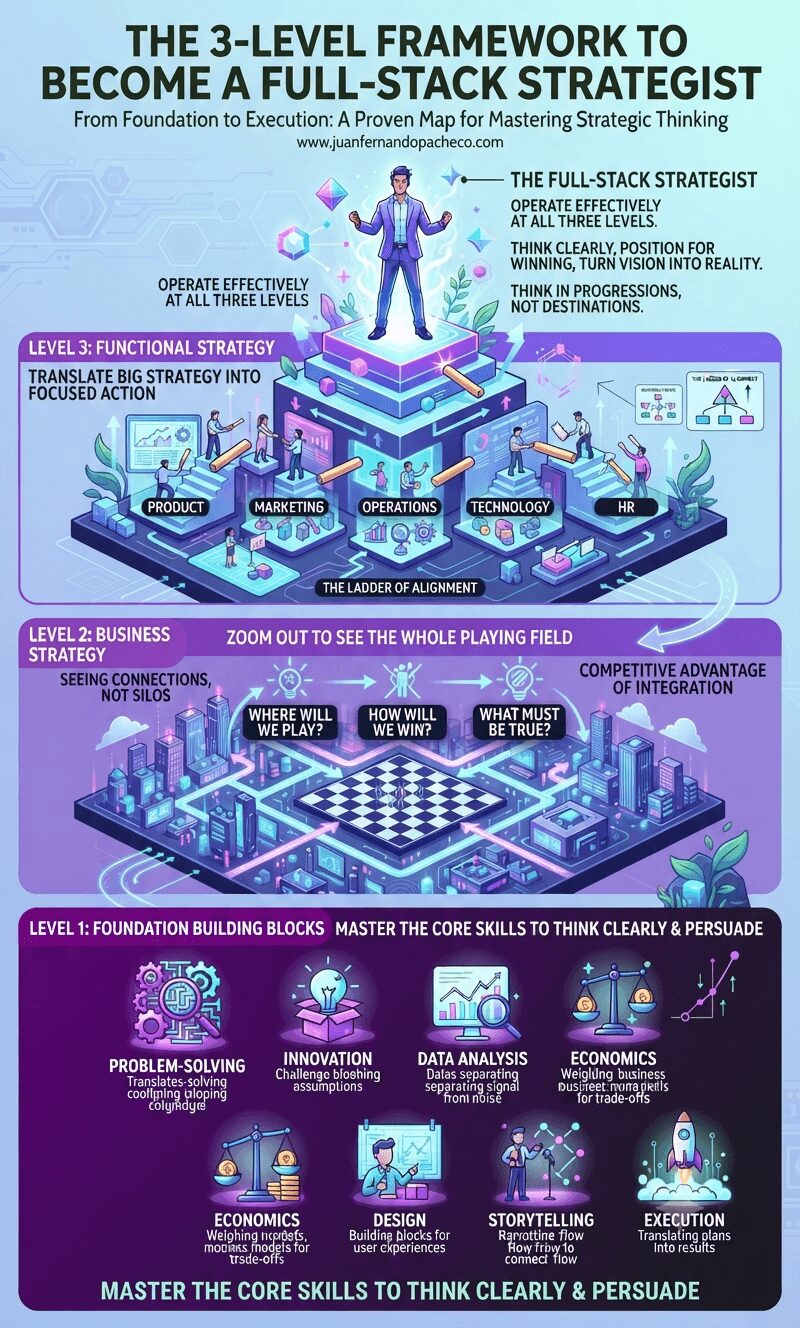
Strategy doesn’t have to be a mystery. Discover the proven 3-level framework that breaks down strategic thinking into foundation building blocks, business strategy, and functional strategy—transforming you into a full-stack strategist who can think clearly, position for winning, and translate vision into action.
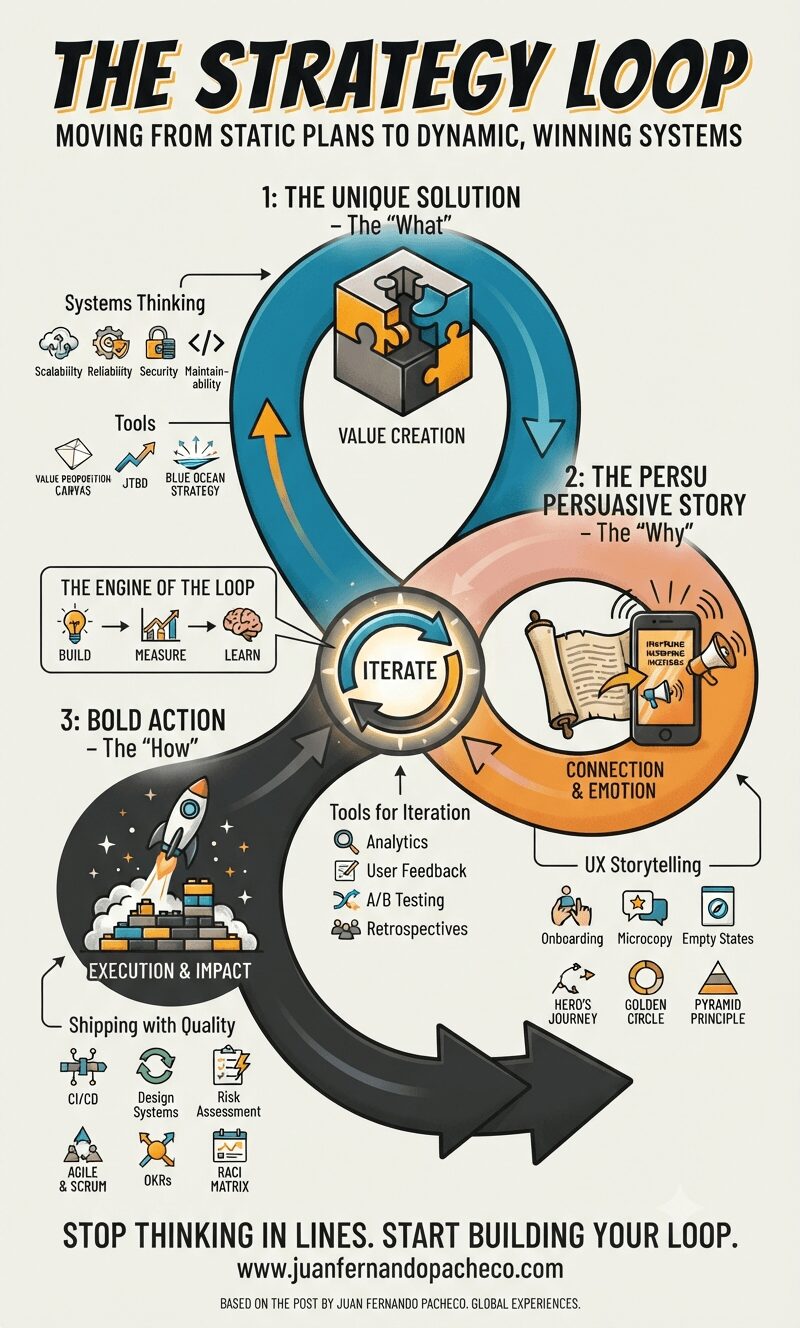
The Strategy Loop transforms strategy from a static document owned by a few executives into a dynamic, living system that empowers the entire organization. It aligns the logical rigor of the solutions architect with the empathetic, human-centered focus of the UX designer.
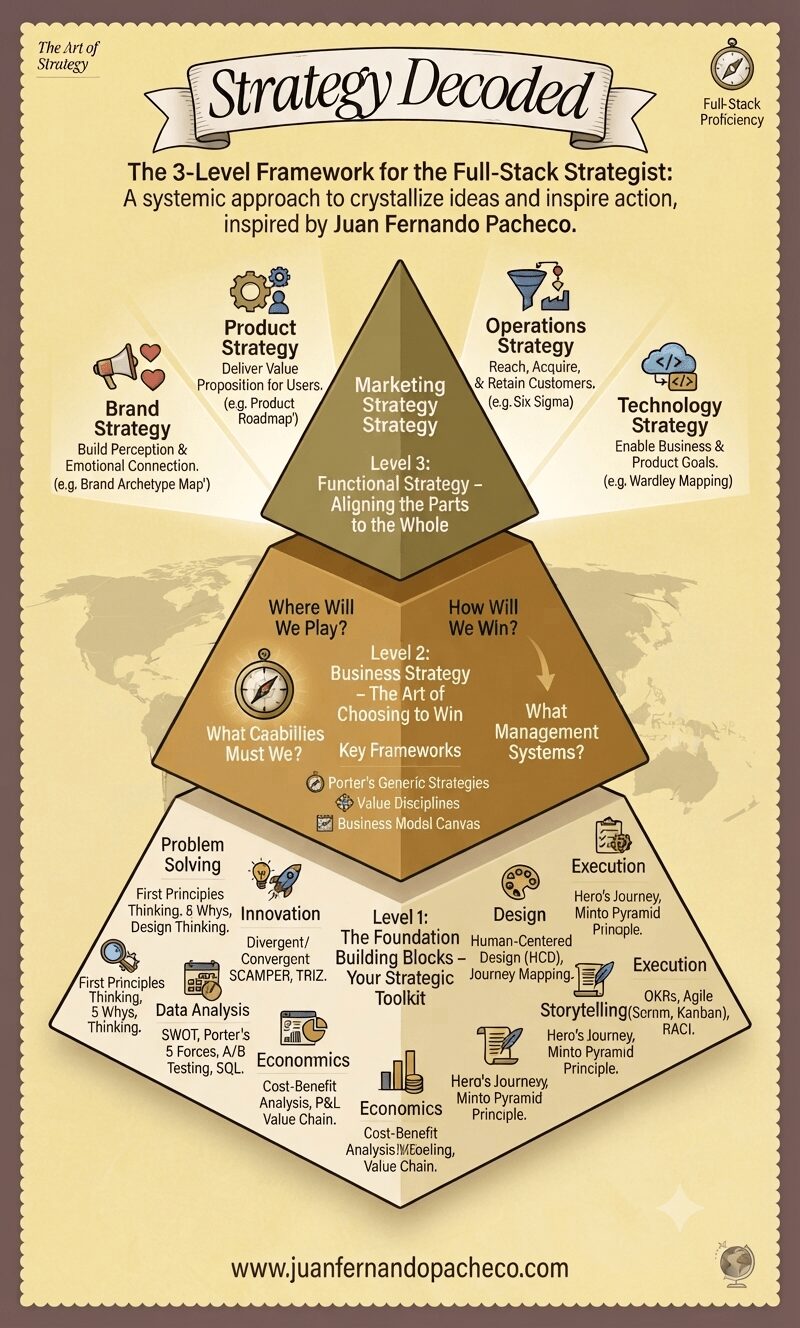
Becoming a full-stack strategist is a journey.
Start by auditing your proficiency in the seven building blocks. Where are you strong? Where do you need improvement?
Then, practice articulating the business strategy for your team or company—even if it’s not your official job.
Finally, constantly scrutinize your functional work (whether in design, tech, product, or marketing) and ask: “Does this truly ladder up to how we’ve chosen to win?”