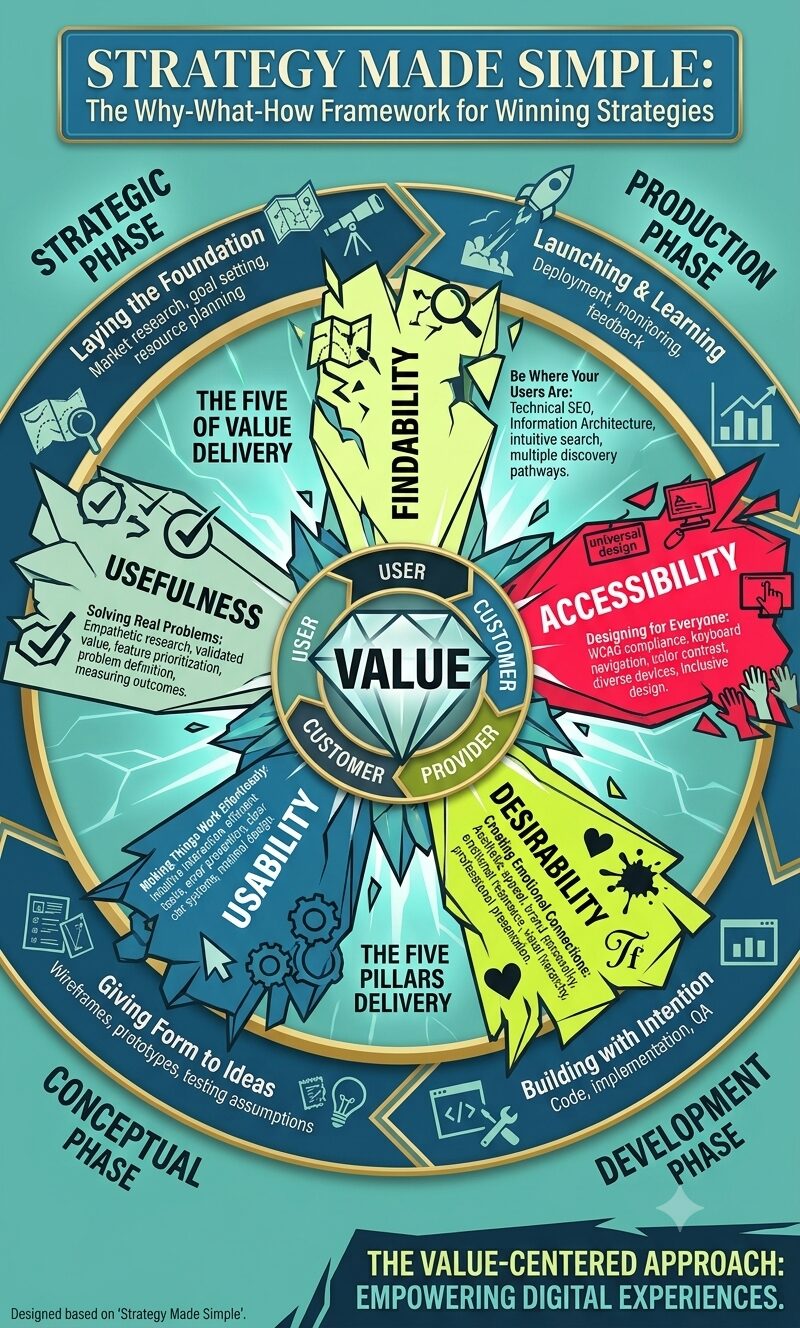
Discover a comprehensive approach to creating digital products that deliver real value by balancing findability, accessibility, desirability, usability, and usefulness. This timeless framework guides teams through strategic, conceptual, development, and production phases to build experiences that matter.
Category: Product Desing
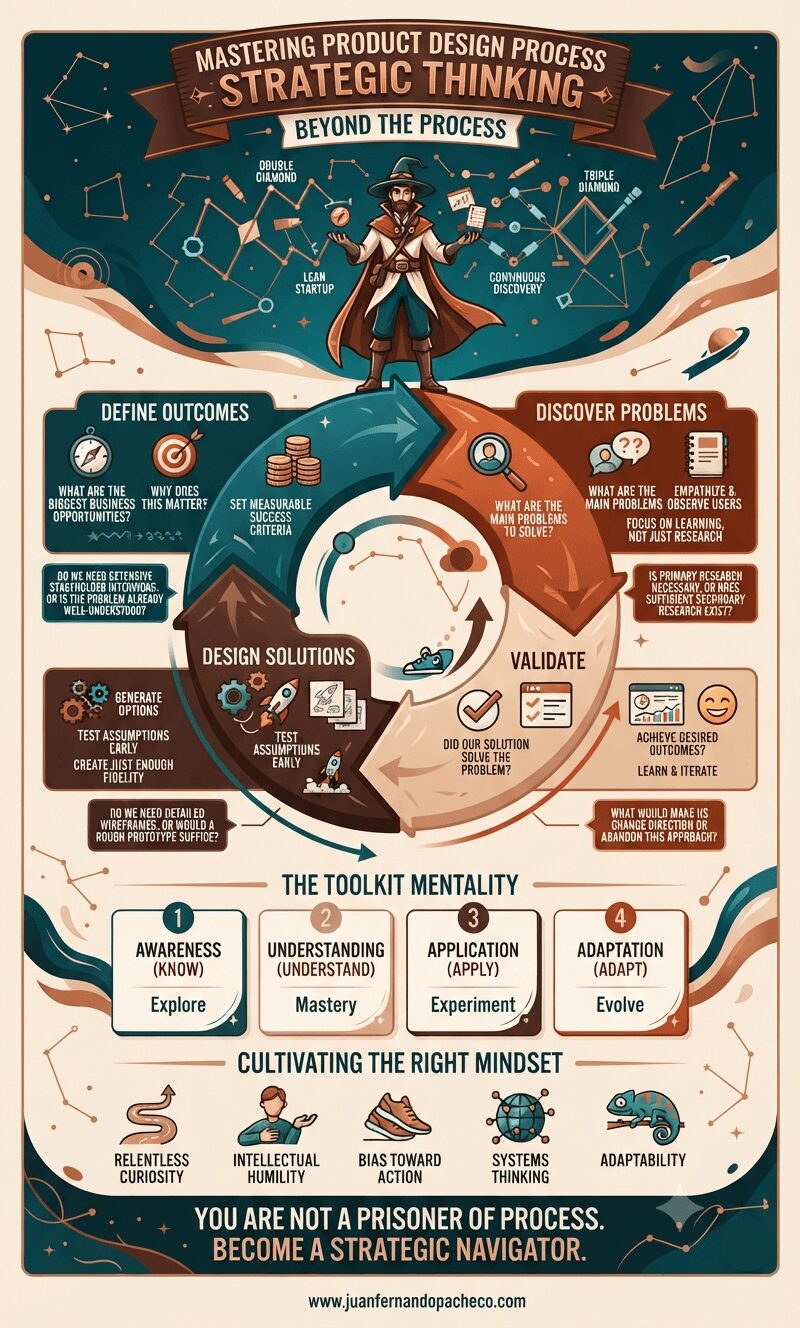
There is no single “correct” design process—only the right tools for the right problems. Learn to think strategically, adapt your approach, and build a versatile toolkit that helps you solve the right problems faster while minimizing risk.
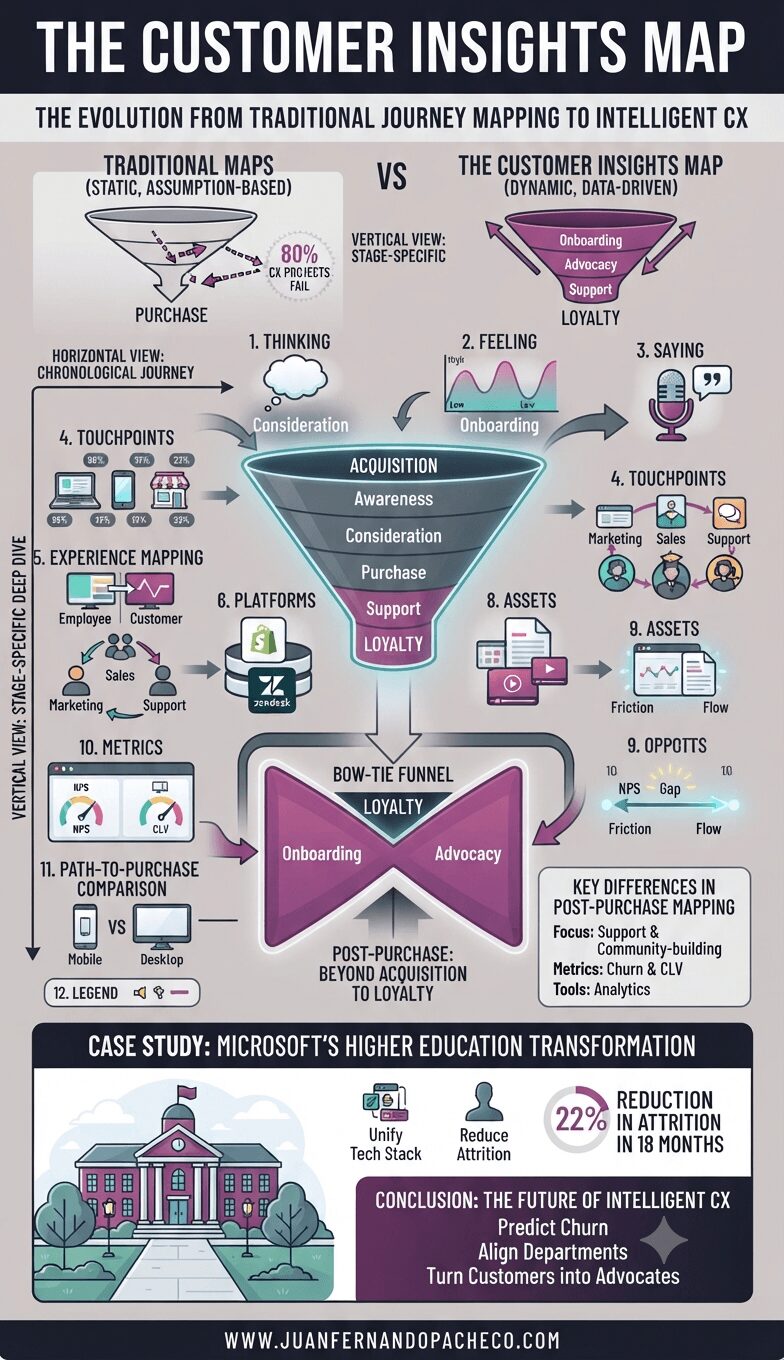
Enter the Customer Insights Map—a fusion of qualitative empathy, quantitative analytics, and strategic frameworks like StoryVesting and Hoshin methodology.
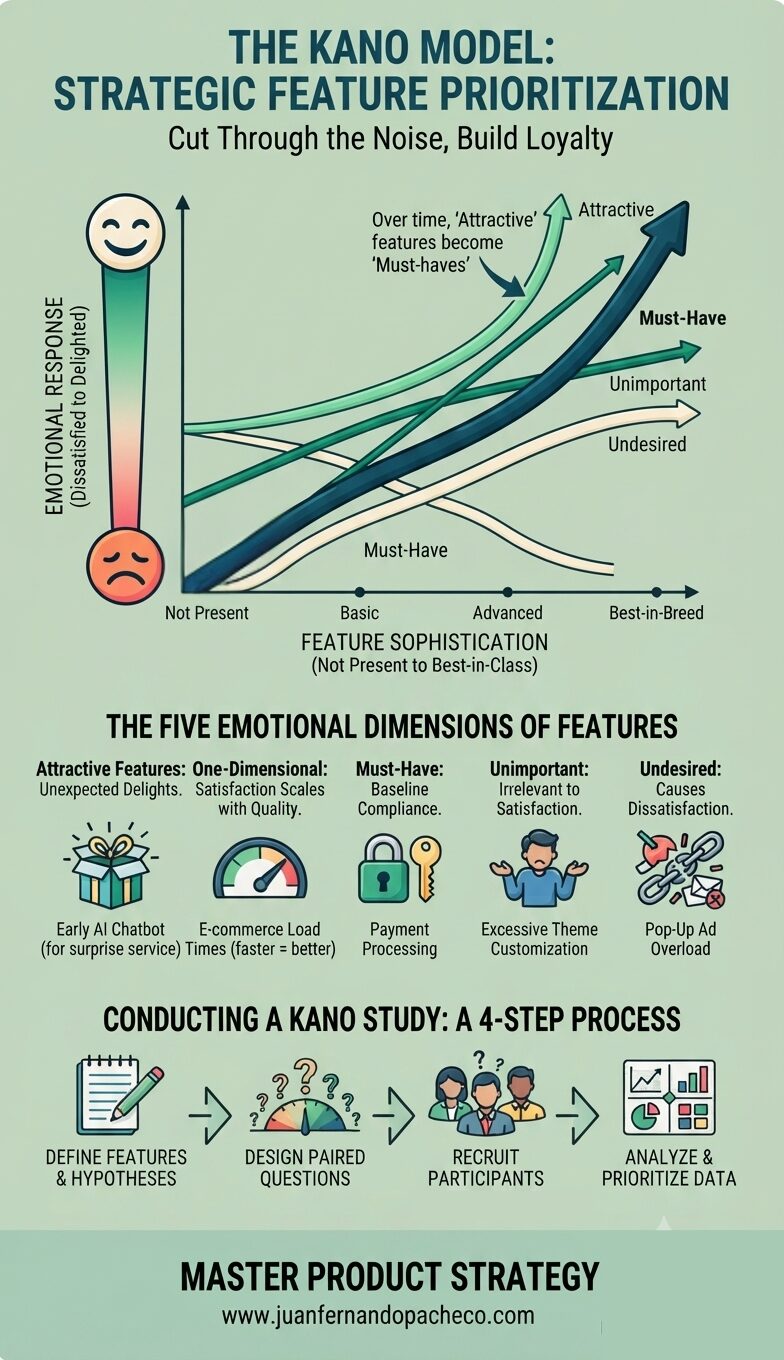
The Kano Model isn’t just a prioritization tool—it’s a mindset. By relentlessly seeking features that surprise and solve, you’ll build products users love today and depend on tomorrow. Start small: Pick 3 features, run a micro-study, and let data—not hunches—guide your roadmap.
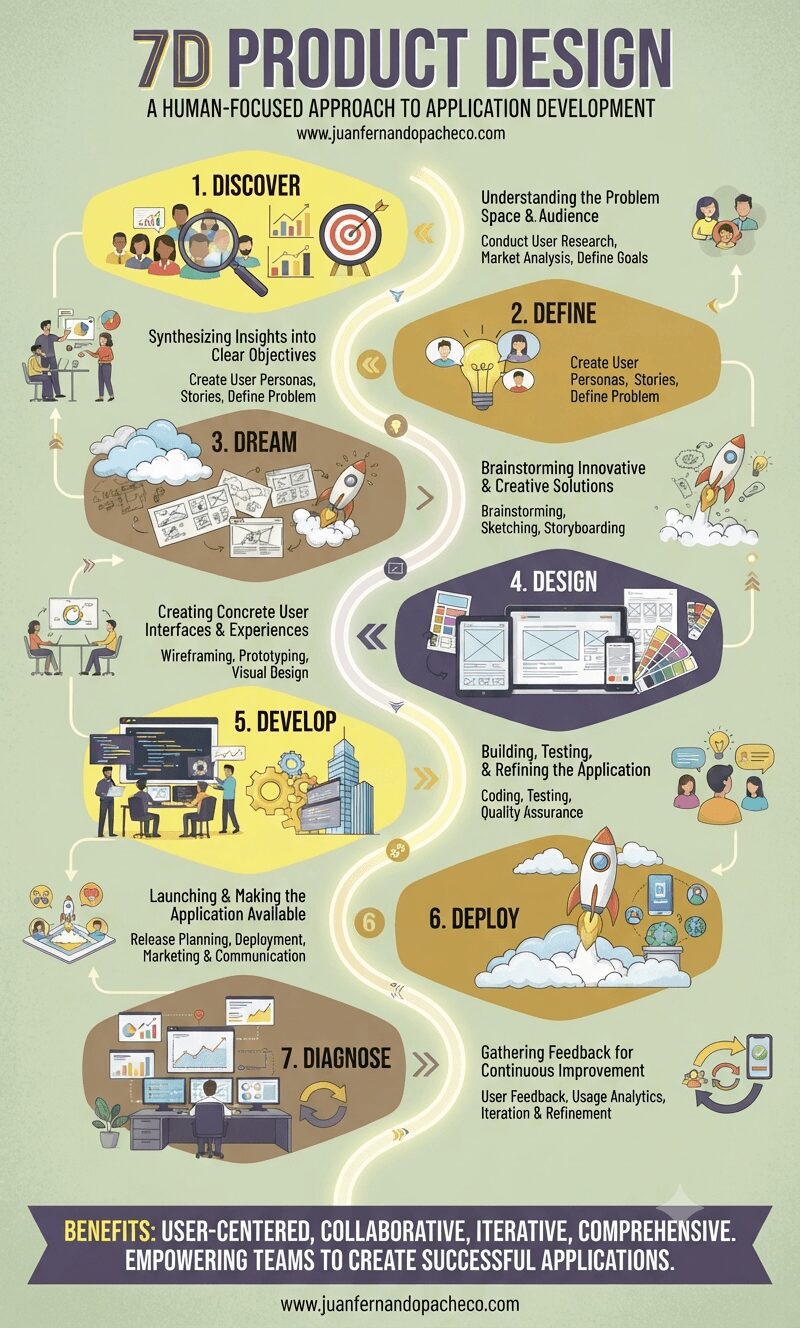
7D Product Design offers a holistic and human-focused approach to application development. By emphasizing user needs, collaboration, and iterative development, it empowers teams to create successful applications that delight users and achieve business goals.
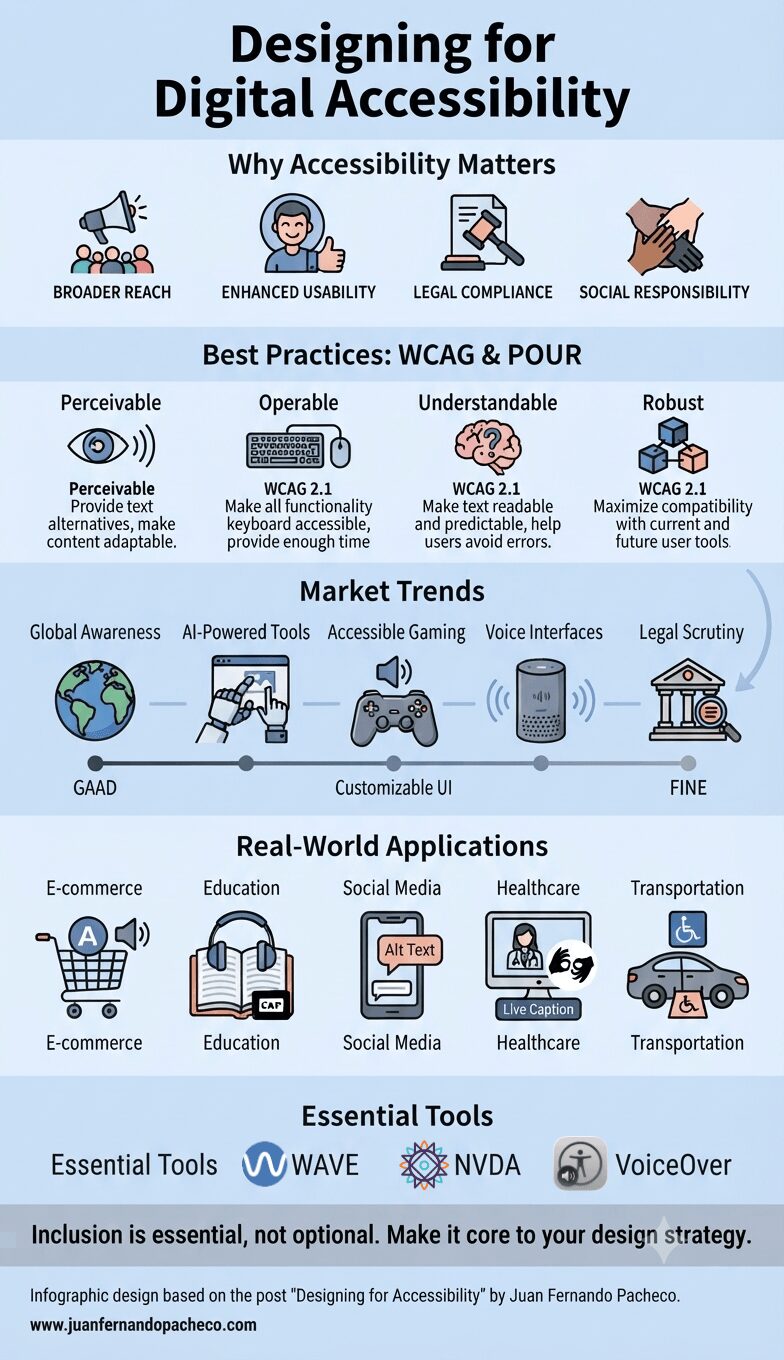
Designing for accessibility is a journey of empathy, innovation, and inclusivity.
By following best practices, staying informed about market trends, and leveraging real-world applications, you can create experiences that empower everyone.
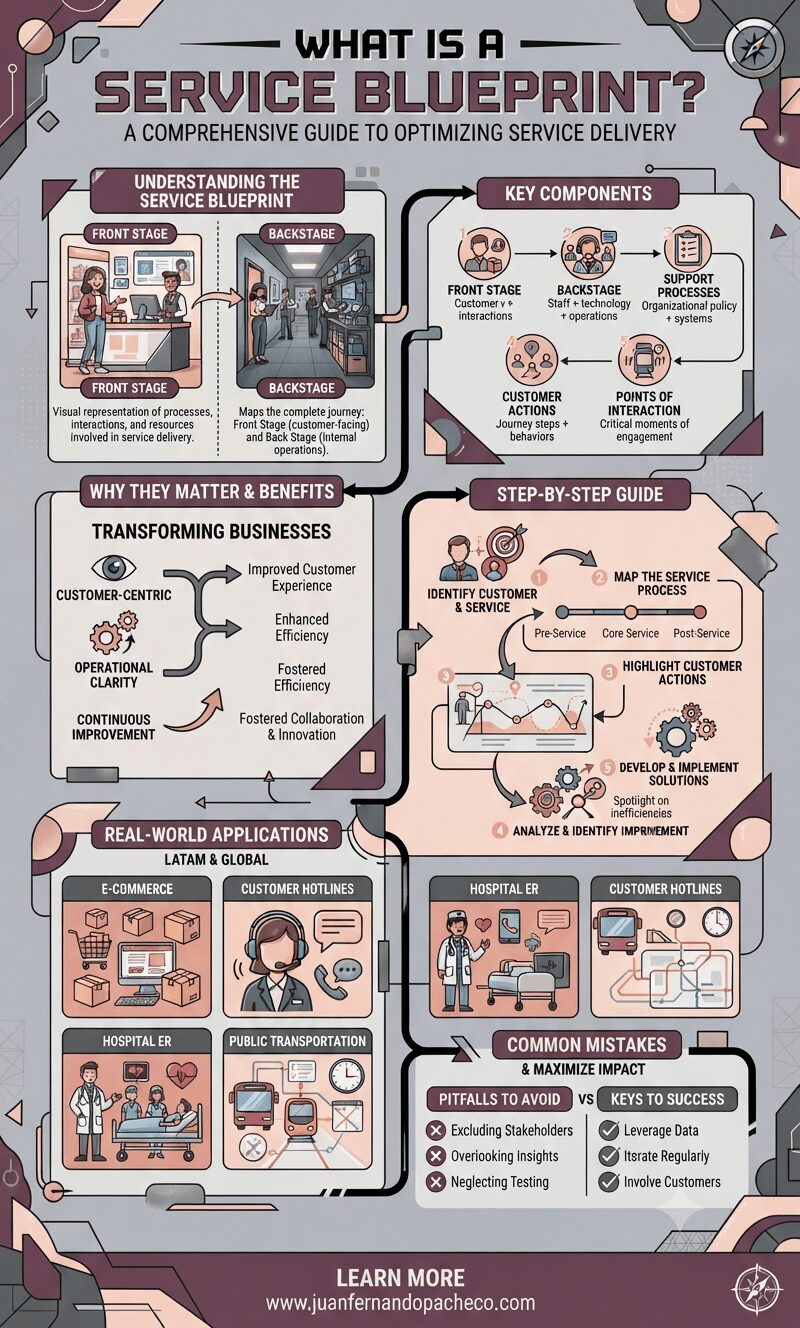
A service blueprint is an invaluable tool for organizations looking to optimize their service delivery. By providing a comprehensive view of the service process—from customer interactions to backend operations—it enables businesses to identify opportunities for improvement, foster collaboration, and innovate effectively.
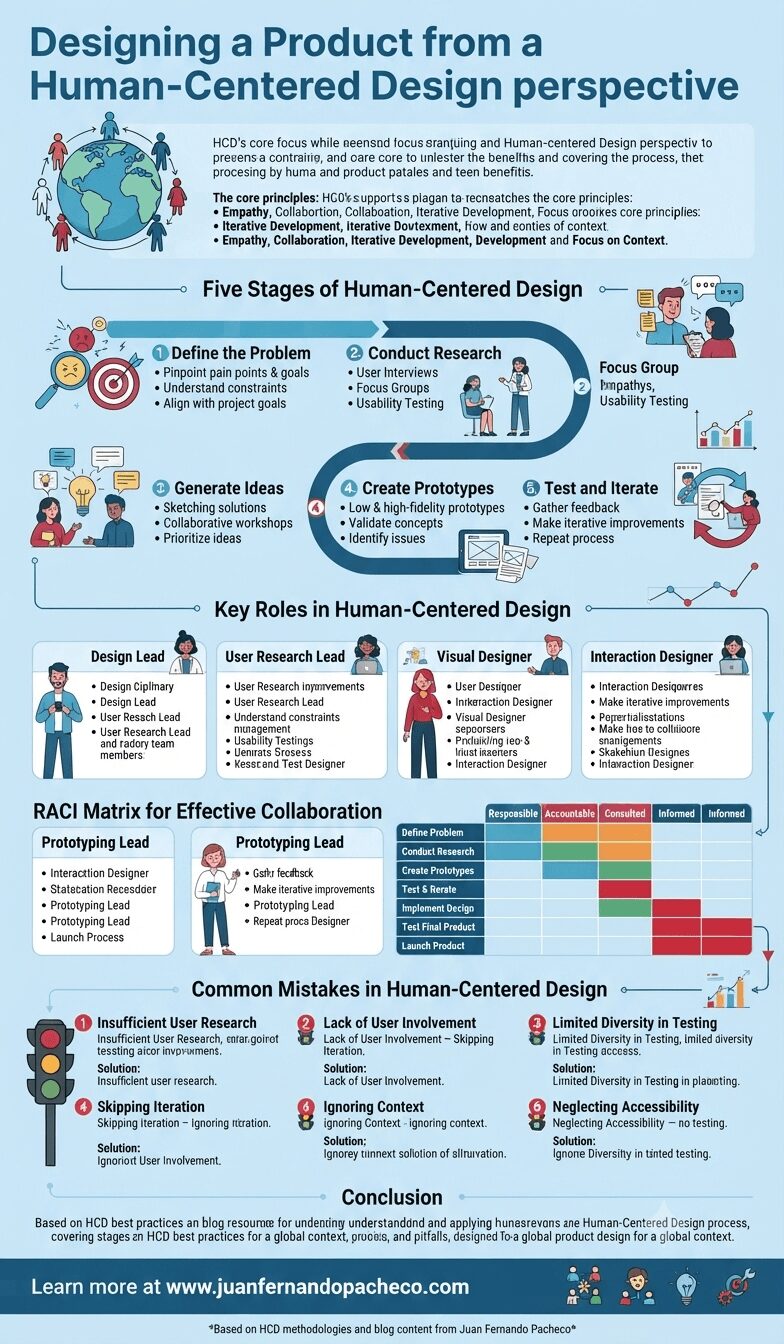
Designing from a Human-Centered Design perspective ensures that products are not only functional but also meaningful and accessible to users. By following the stages of HCD, collaborating effectively through clear roles, and avoiding common pitfalls, teams can create solutions that genuinely resonate with their audience.
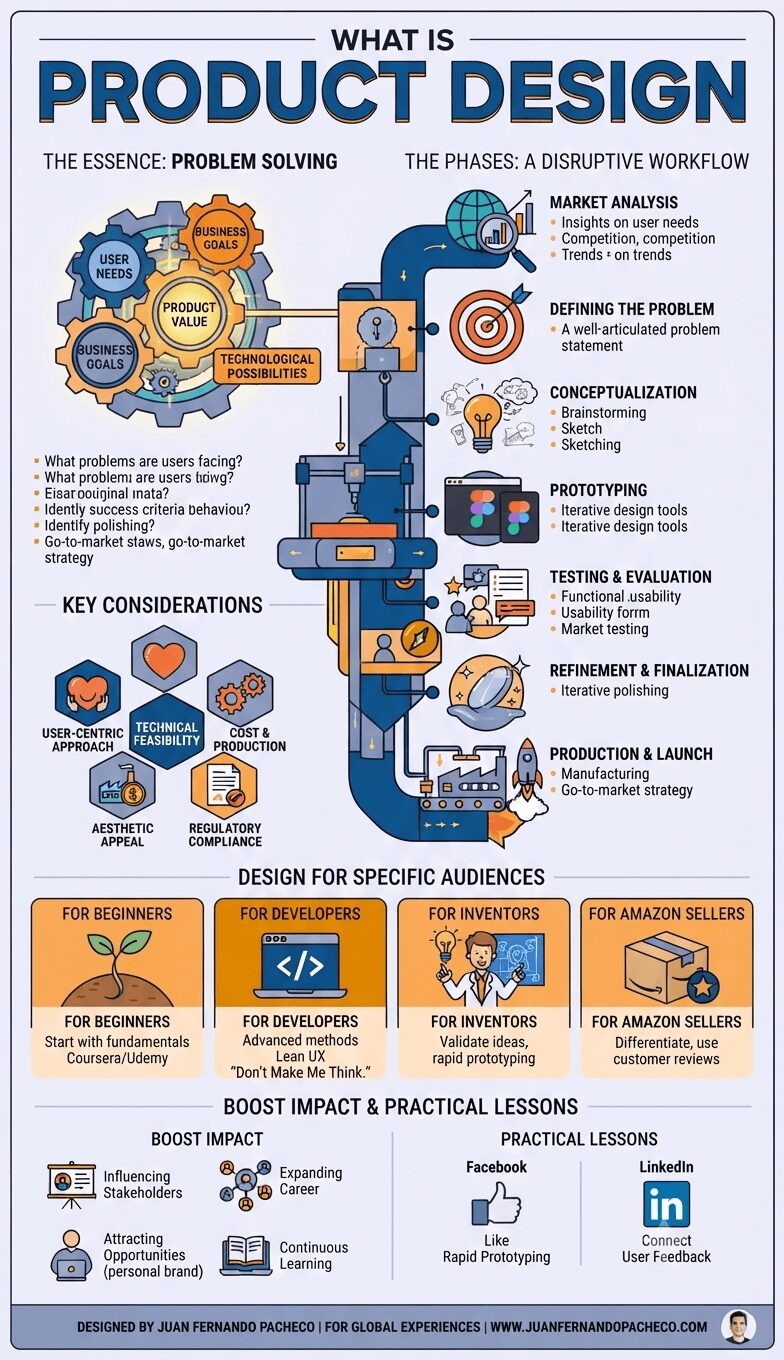
Product design is a dynamic field that blends creativity, technical expertise, and user empathy. By understanding the phases of product design and leveraging best practices, anyone can create impactful products that resonate with their audience.
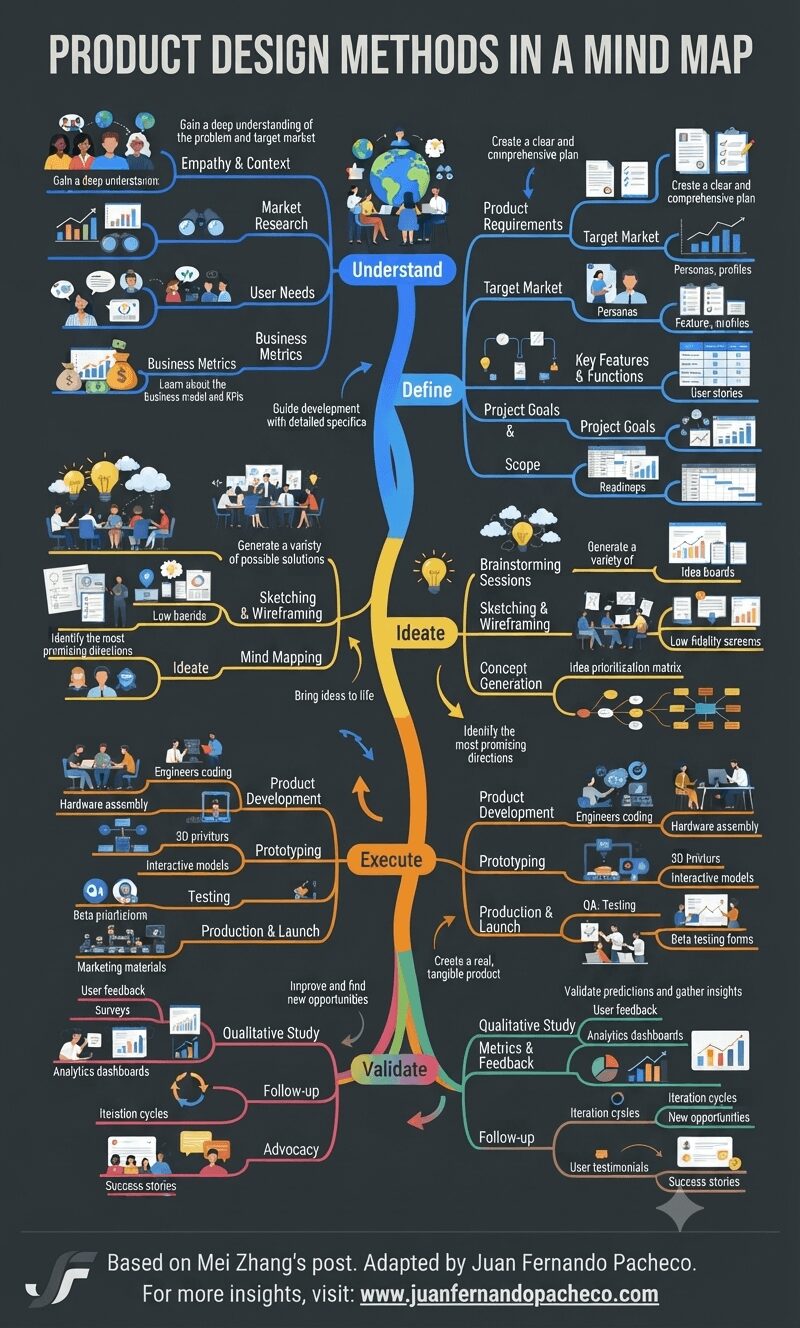
I discovered Mei Zhang’s post about when it’s the right time to apply specific product design methods.
And, for sure, it’s a common question not just among UX/UI designers, or even professionals related to design.
Just keep in mind. As a designer, designing pretty and useful interfaces and knowing user experience concepts and research methods are not enough to design a product.