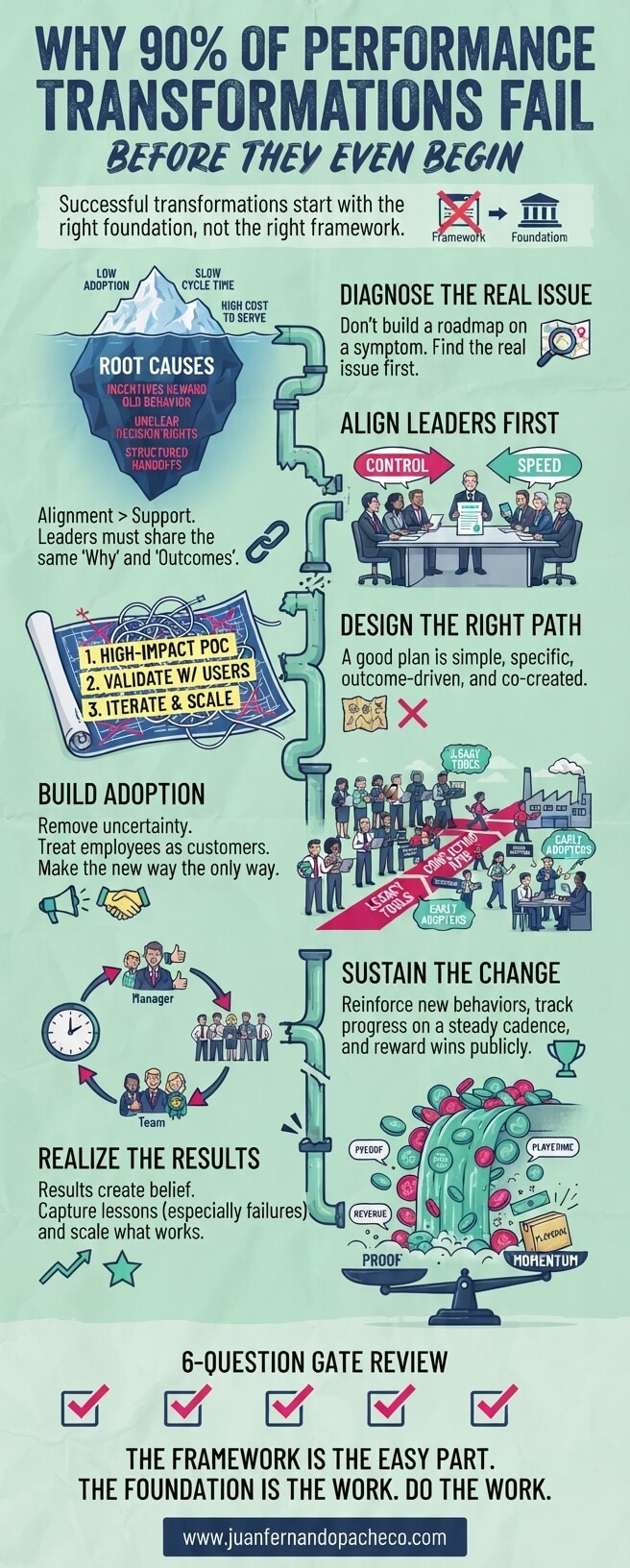
Most transformation programs do not die in execution; they die in the foundation. This post walks through the six decisions that separate change that sticks from change that fades: diagnose the real issue, align leaders first, design the right path, build adoption, sustain the change, and realize the results.
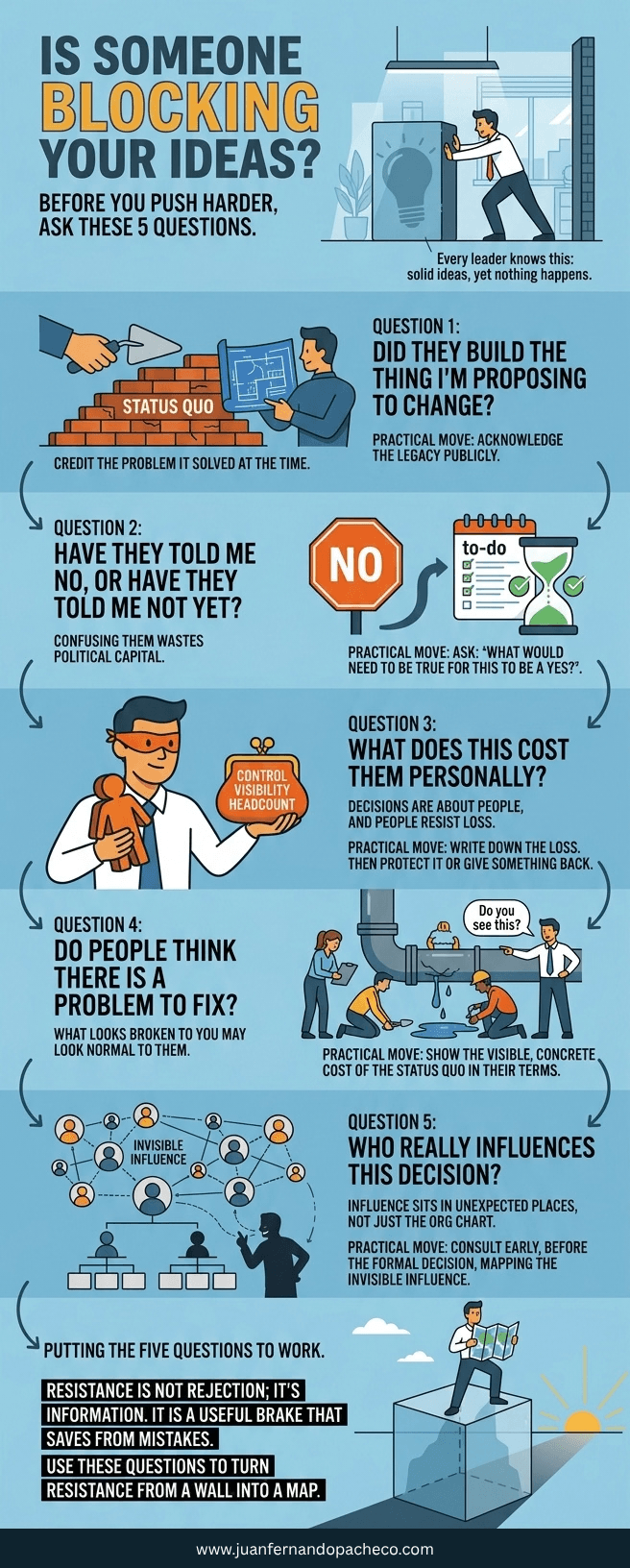
Resistance is rarely a verdict on the quality of your idea; it is information about history, timing, personal cost, perceived pain and invisible influence. These five diagnostic questions help any leader turn a stubborn block into a workable path forward, today and years from now.
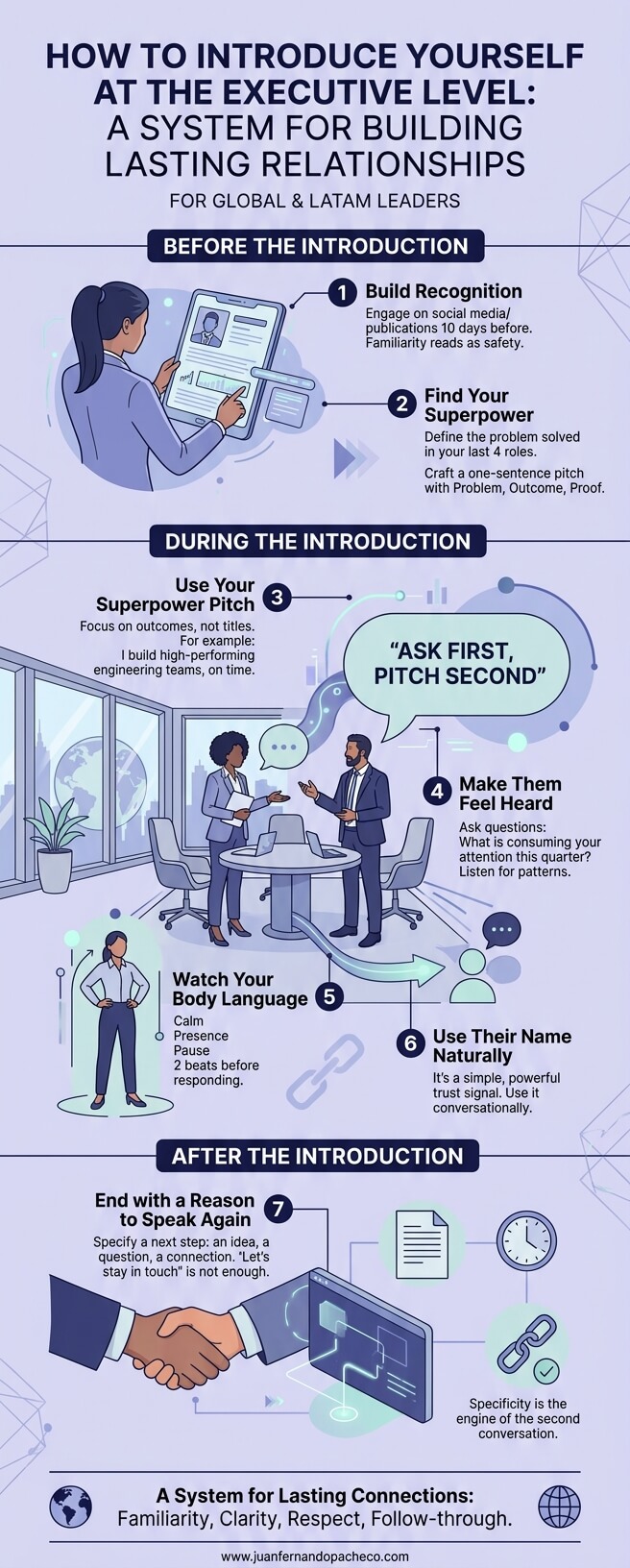
Executives decide within minutes whether a first meeting becomes a relationship or a forgotten handshake. This post turns the introduction into a repeatable system: build recognition before you meet, lead with outcomes and listen deeply while you meet, and close with a specific reason to reconnect after you meet.
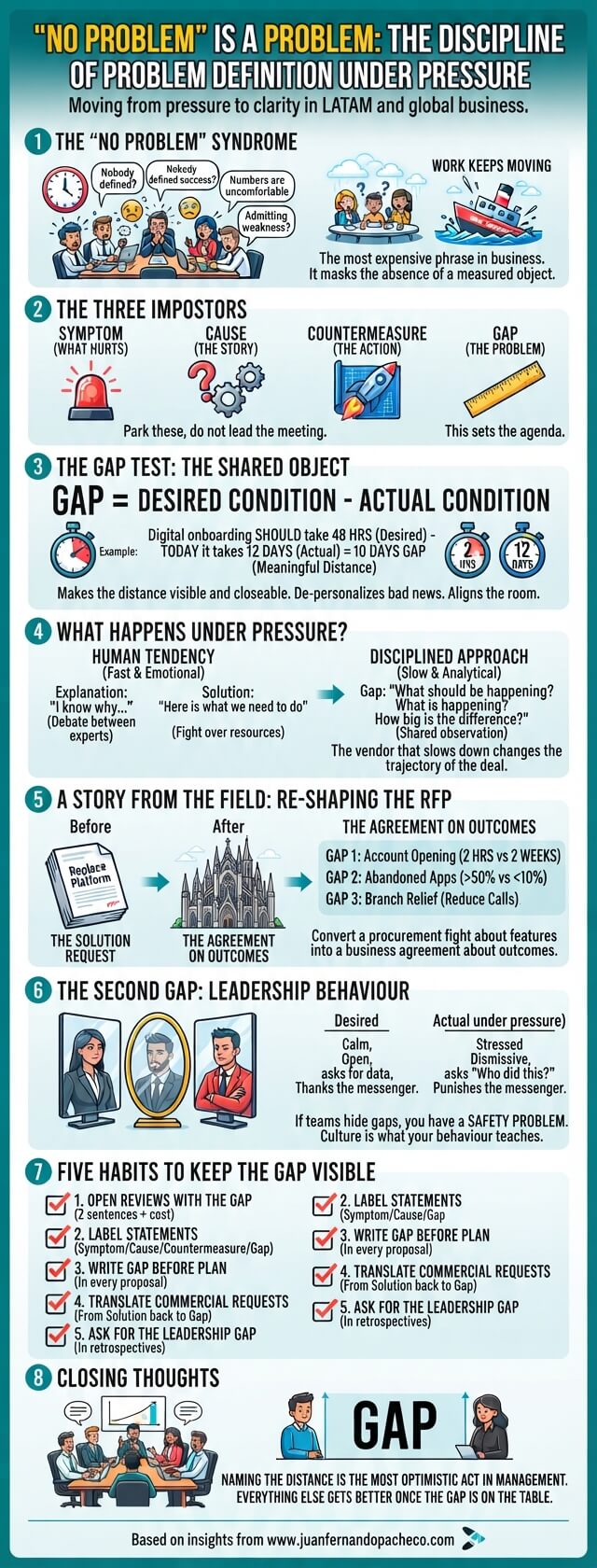
The discipline of problem definition under pressure In more than twenty years of work across
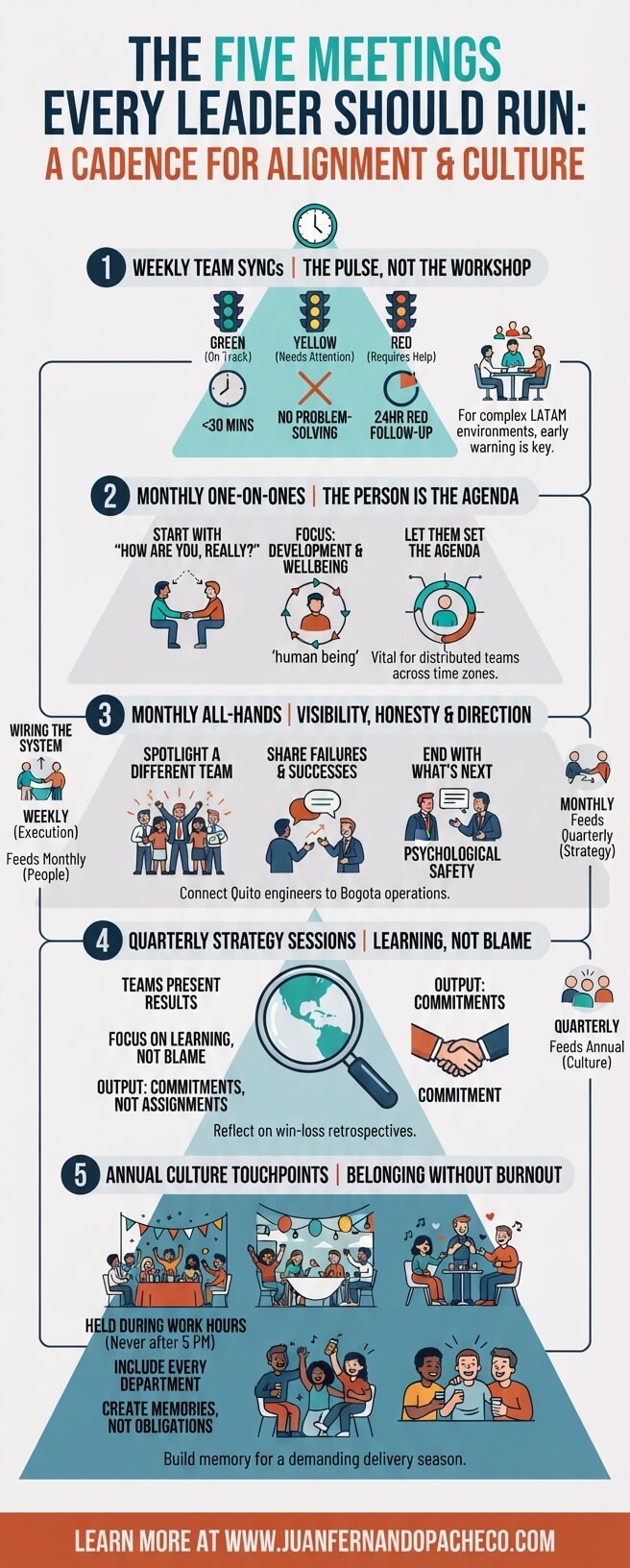
A practical, evergreen operating cadence built on five meetings: weekly team syncs, monthly one-on-ones, monthly all-hands, quarterly strategy sessions and annual culture touchpoints. Each one has a single purpose, a strict format and a clear output, so your team spends less time in meetings and gets far more value from them.
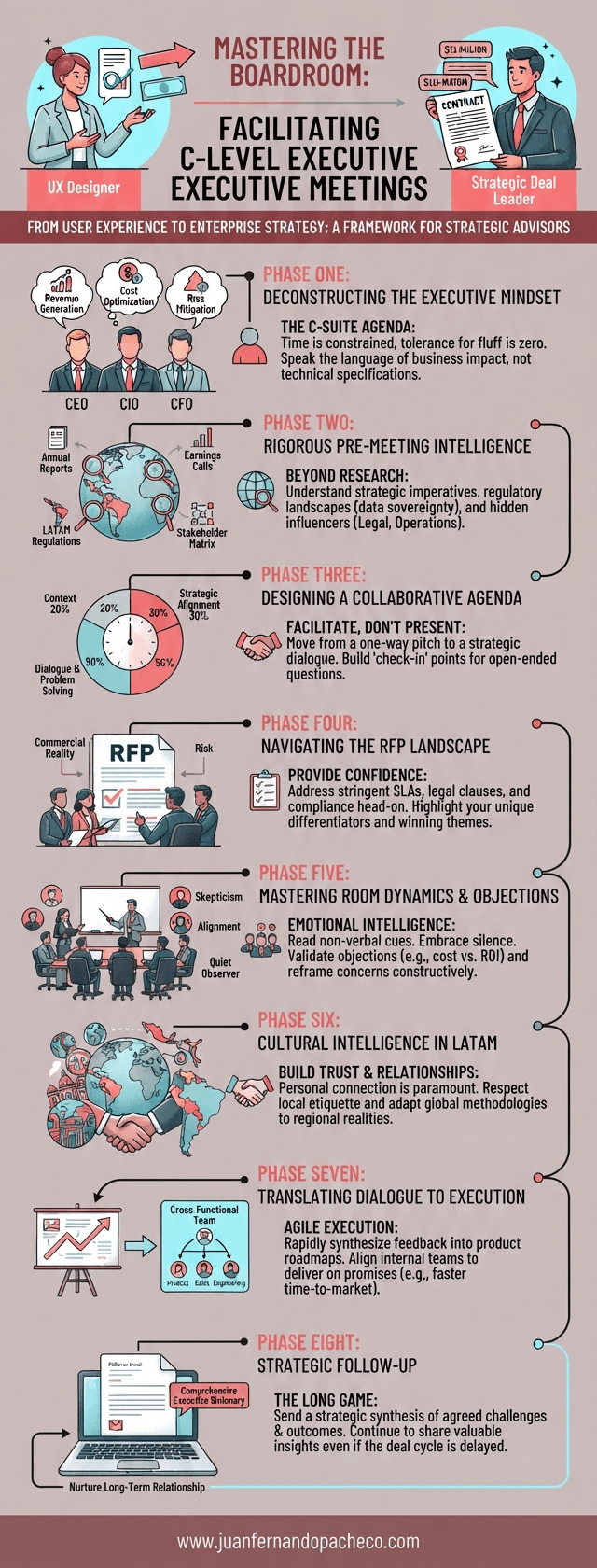
A strategic guide on preparing for, navigating, and closing high-stakes discussions with senior leadership. Learn how to align technology solutions with business goals and build lasting trust in complex enterprise deals.
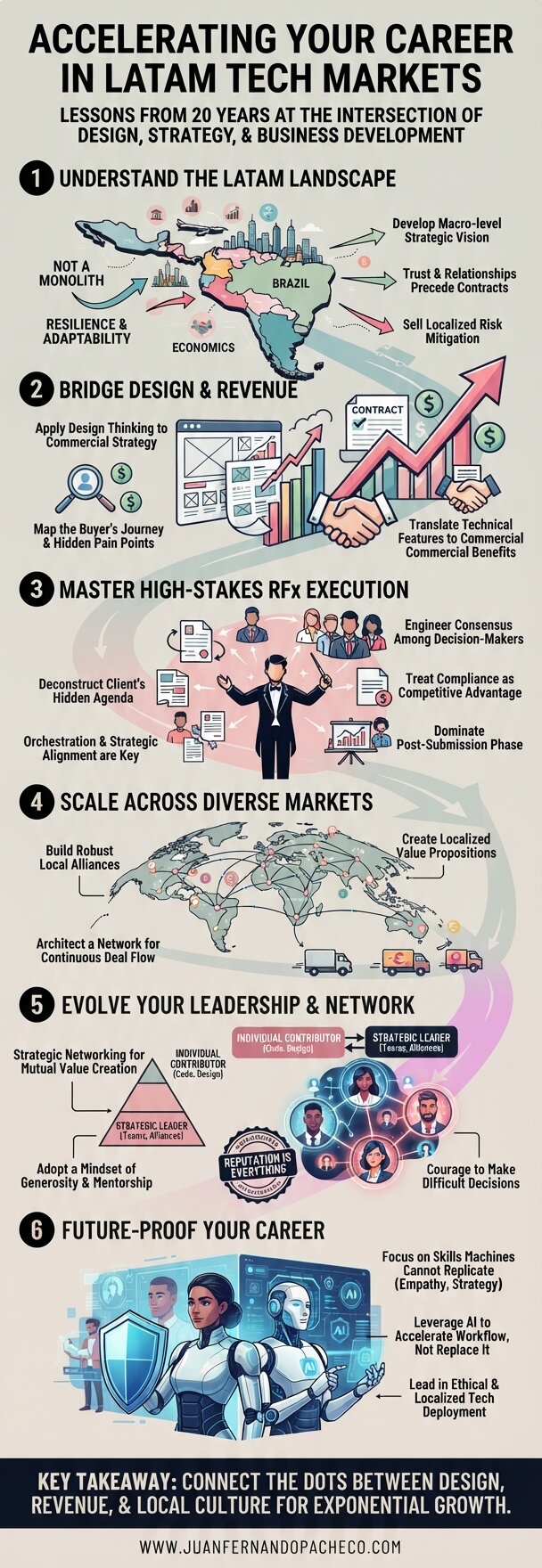
A strategic reflection on two decades of navigating technology revenue, product design, and high-stakes enterprise deals across latin america. discover evergreen lessons on bridging commercial strategy with user-centered execution to accelerate your professional growth in complex markets.
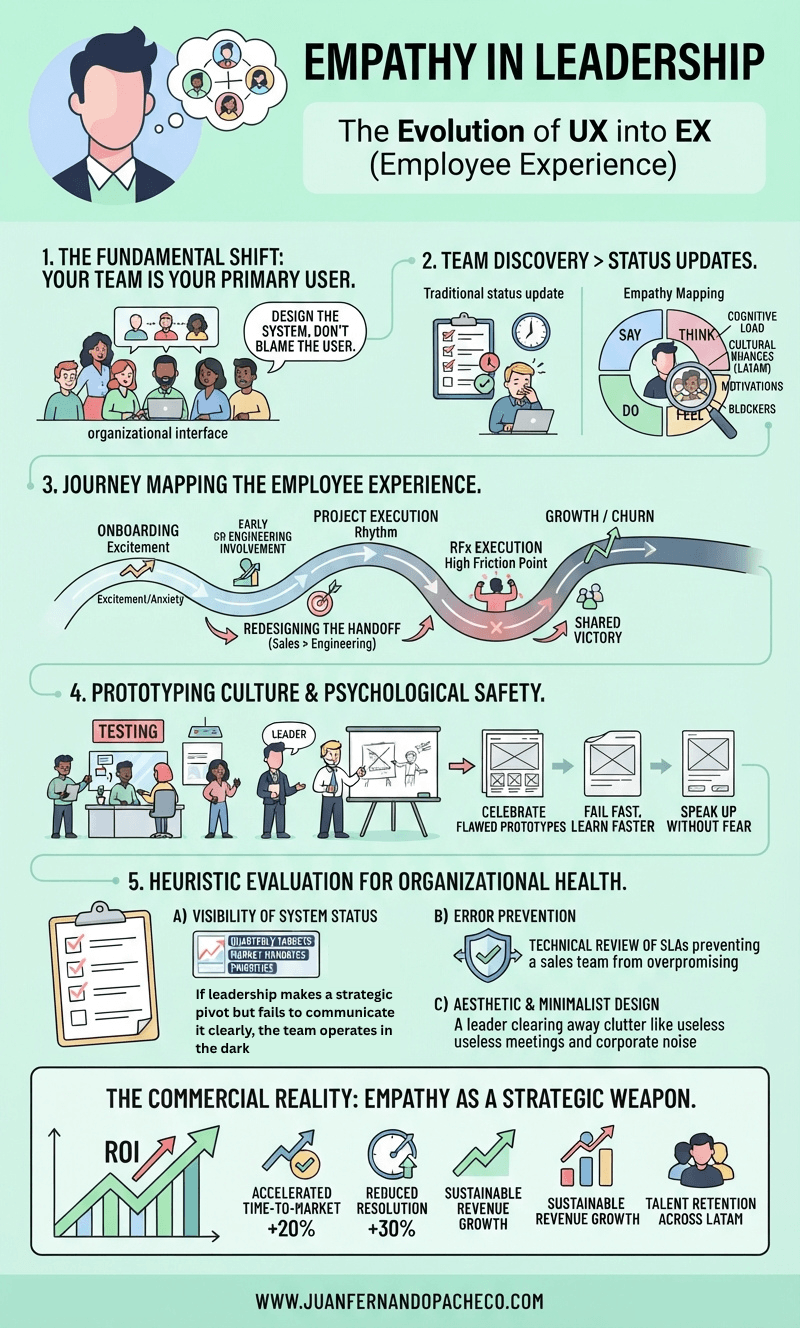
Discover how transitioning from UX design to strategic deal leadership reveals that empathy is not just a soft skill, but a rigorous framework for scaling teams, driving tech revenue, and managing complex cross-functional operations across LATAM.
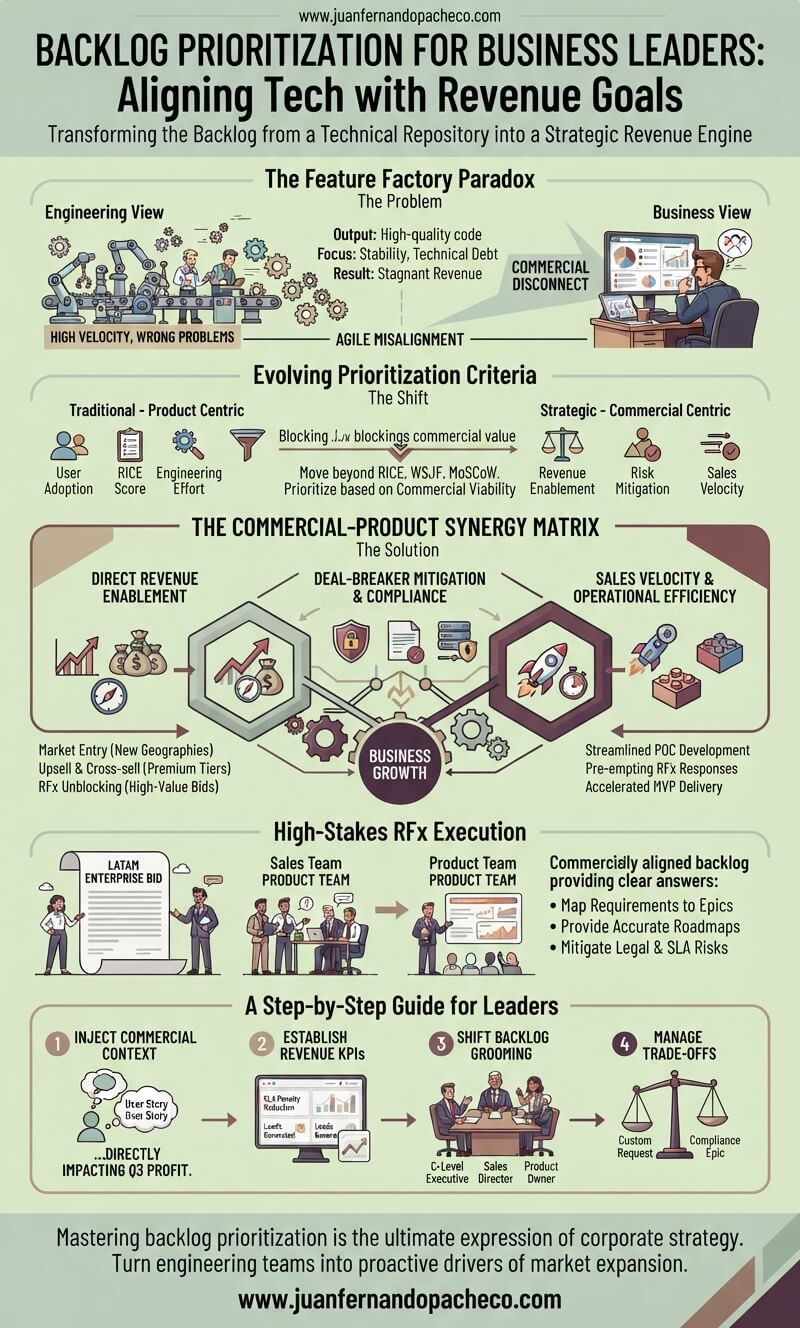
A strategic guide for executives on transforming the product backlog from a technical to-do list into a commercial engine. Learn how to align engineering output with revenue goals, mitigate regional risks, and scale technology across complex markets.
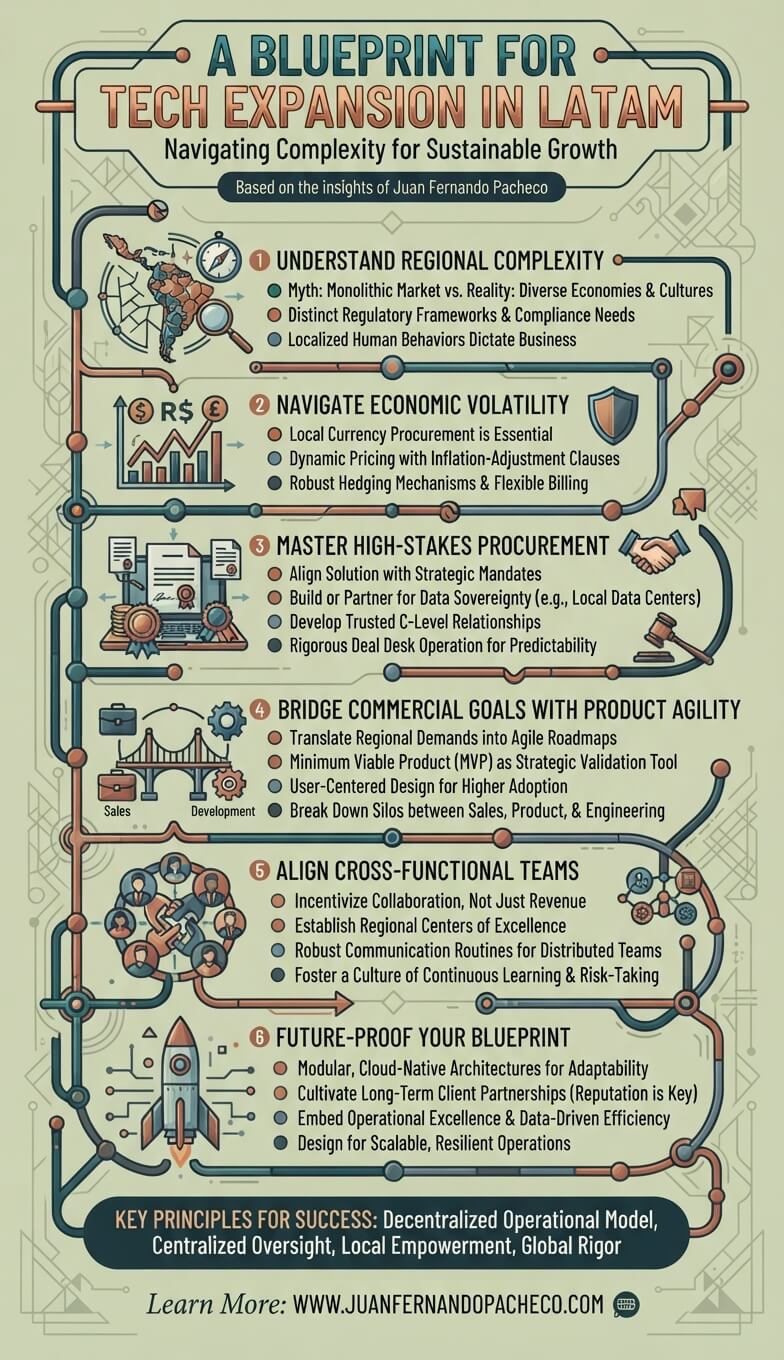
This guide explores the strategic nuances of scaling enterprise technology operations across latin american markets, providing an evergreen framework for navigating complex procurement, aligning product and commercial teams, and driving sustainable revenue growth.