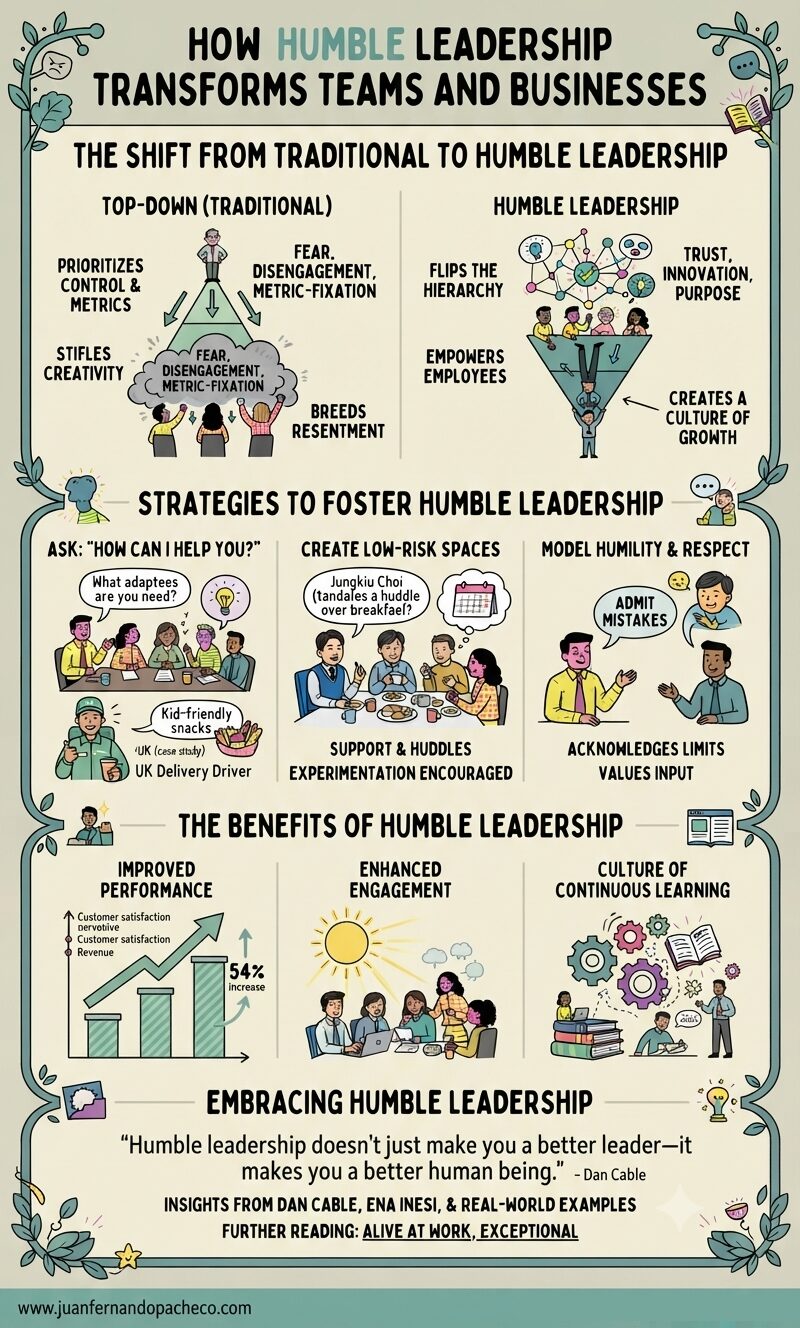
Leadership is not about power or control; it’s about enabling others to thrive. Servant leadership requires humility, respect, and a genuine desire to help employees succeed. By shifting focus from outcomes to people, leaders can unlock their team’s full potential and achieve remarkable results.
Tag: Innovation
Innovation is the practical implementation of ideas that result in the introduction of new goods or services or improvement in offering goods or services.
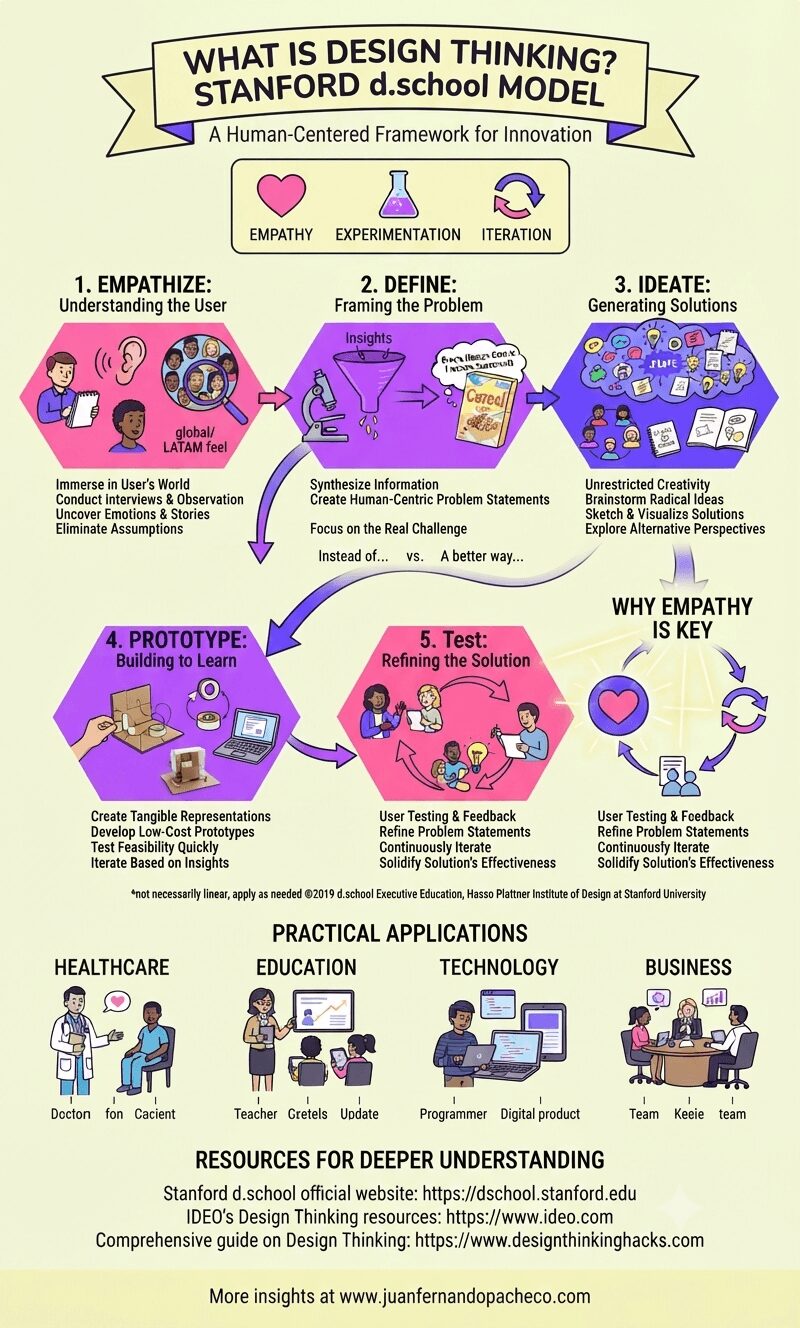
The Stanford d.school’s Design Thinking model is more than a methodology; it’s a mindset that fosters creativity, innovation, and human-centered problem-solving.
By emphasizing empathy, iteration, and flexibility, it equips teams to tackle complex challenges and deliver impactful solutions.
Whether you’re a seasoned designer or a newcomer to the field, embracing this model can transform how you approach problems, unlocking new possibilities for success.
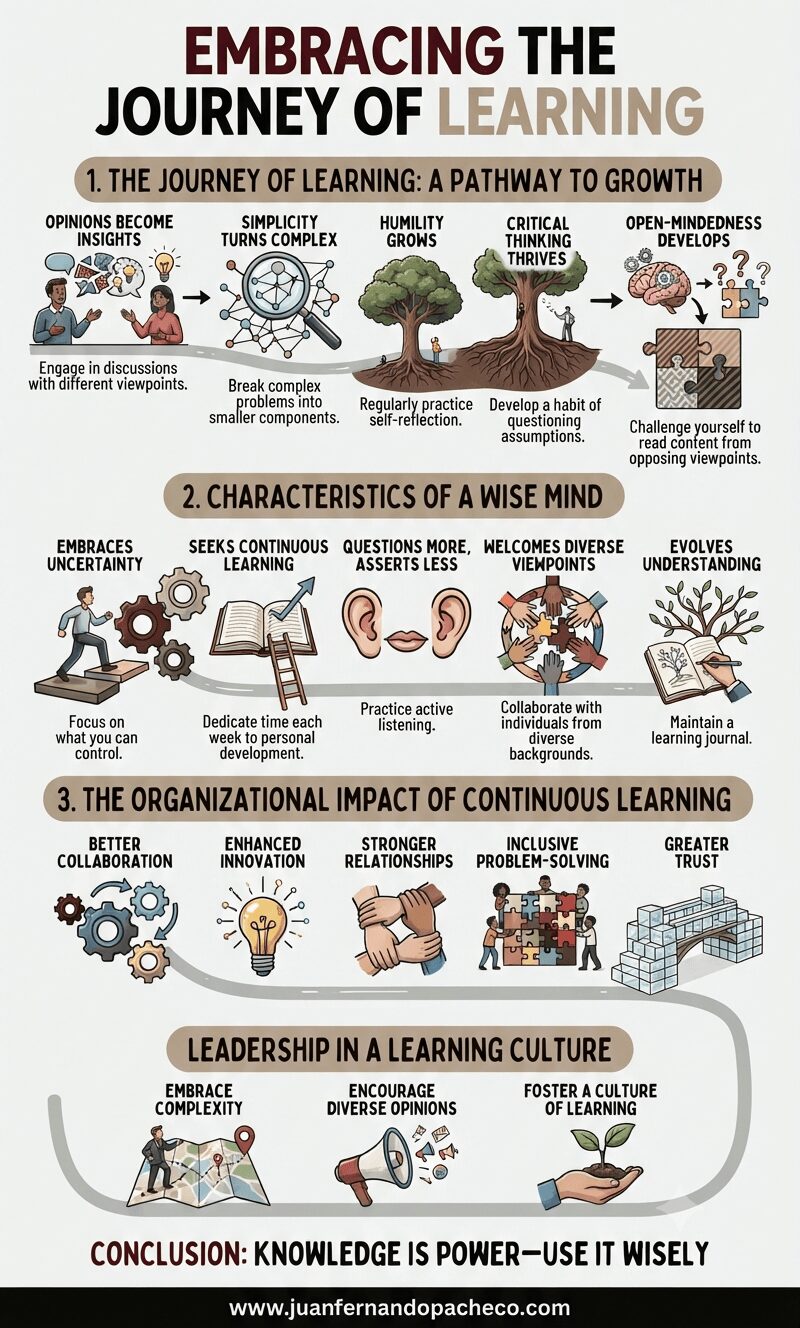
Knowledge Is Power—Use It Wisely
Intelligence is not about possessing knowledge but recognizing how much there is yet to learn. By embracing humility, critical thinking, and open-mindedness, we unlock our potential and contribute meaningfully to the world around us. For organizations, fostering a culture of continuous learning leads to innovation, trust, and long-term success.
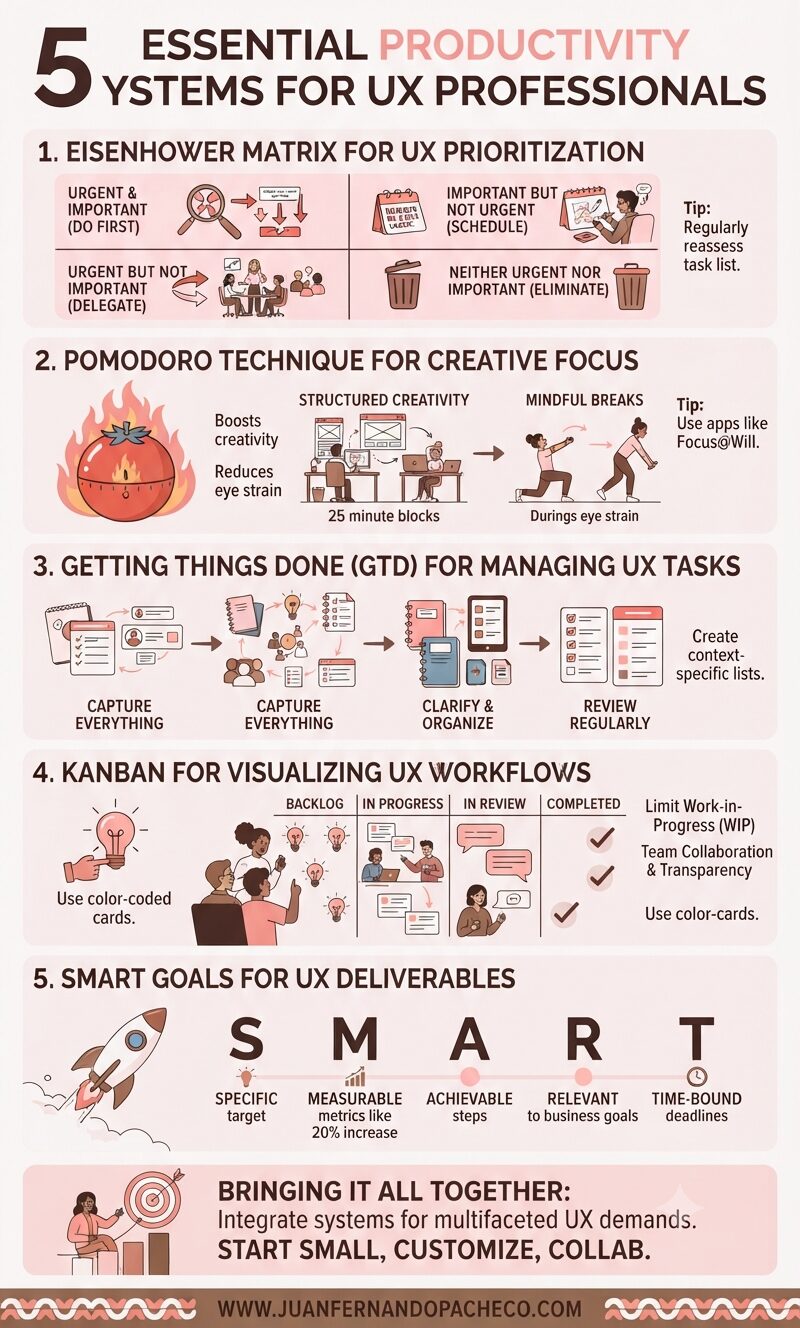
As a UX designer, manager, or director, you’re tasked with …
harmonizing user needs, business goals, and technical constraints—all while fostering creativity and collaboration.
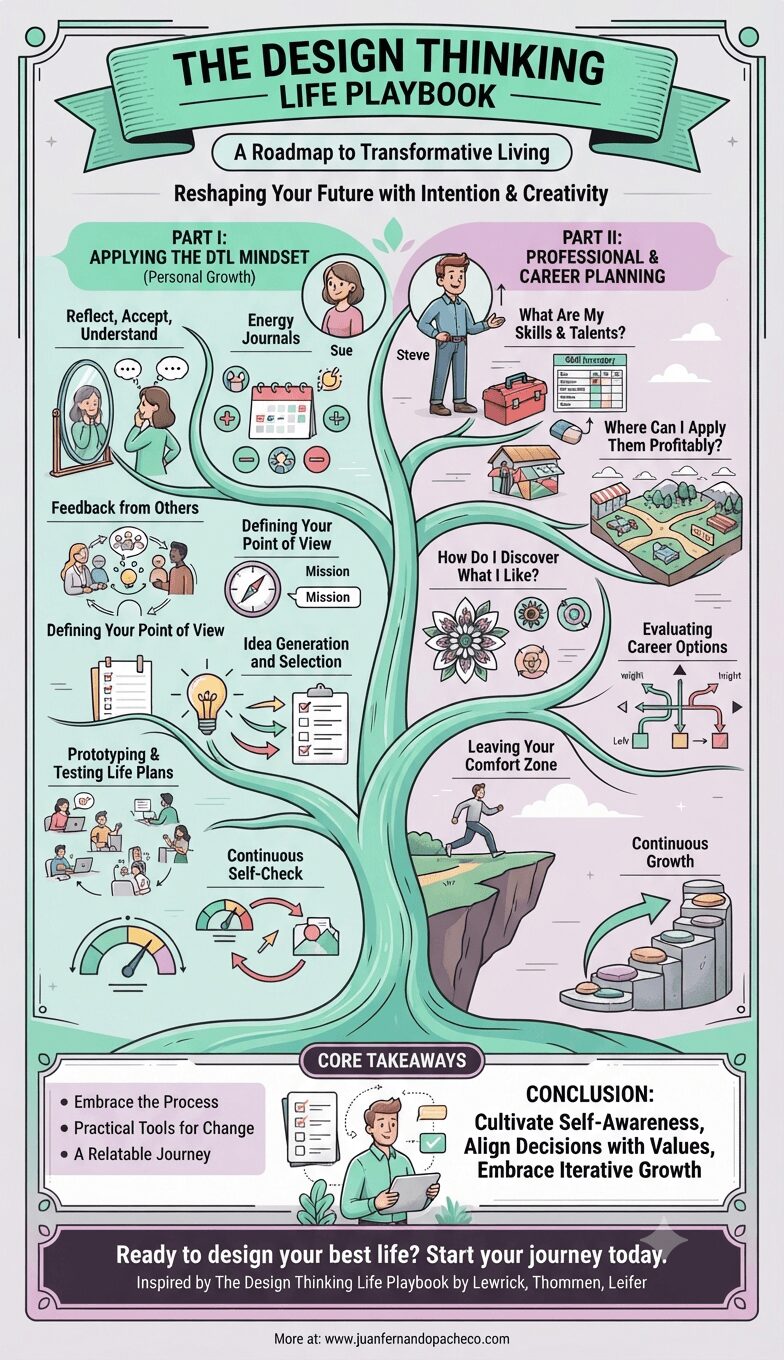
Navigating personal and professional transitions can feel overwhelming. The Design Thinking Life Playbook by Michael Lewrick, Jean-Paul Thommen, and Larry Leifer offers a groundbreaking guide to managing these shifts.
Rooted in design thinking principles, the book provides actionable strategies to reshape your future with intention and creativity. This blog post delves into the essence of the book, exploring its methodologies, insights, and transformative potential.
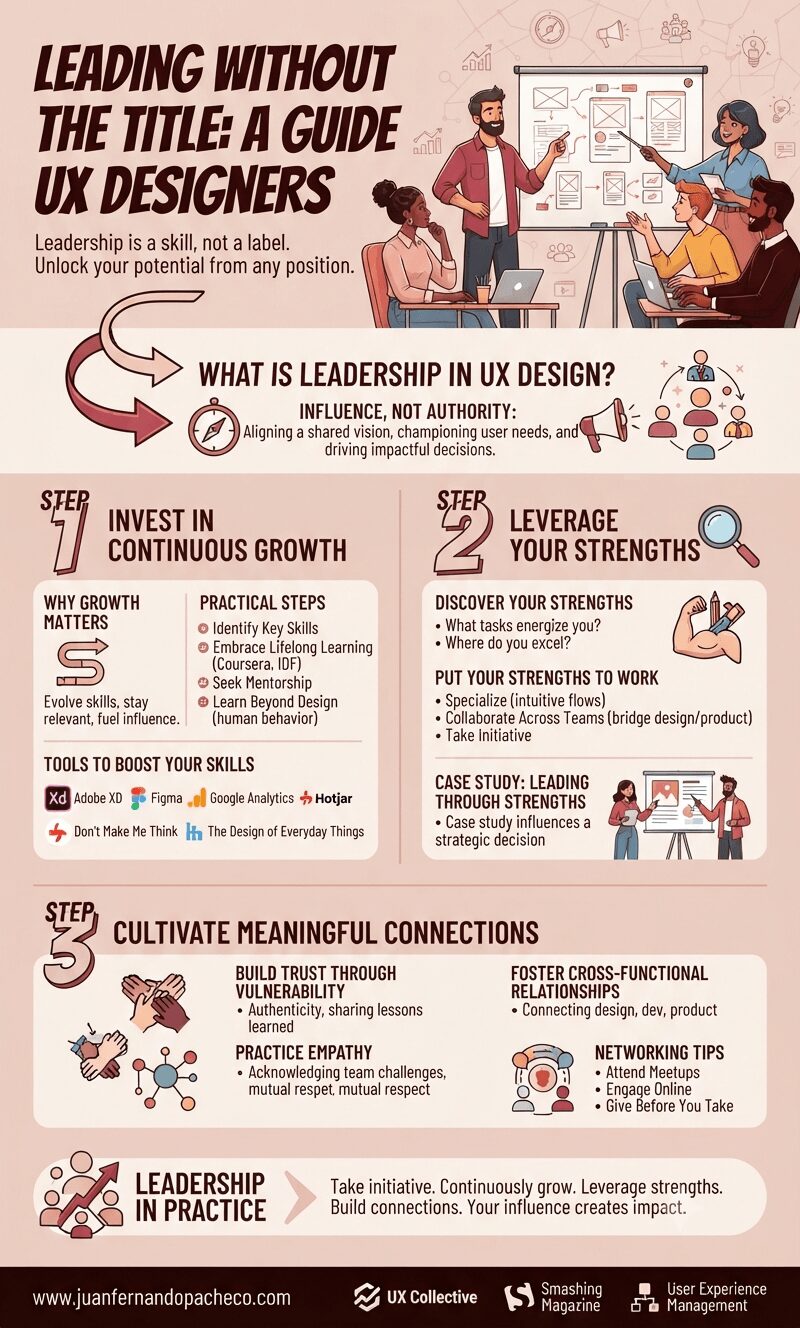
In the world of UX design, leadership isn’t confined to a title or position on the org chart.
The misconception that leadership is tied to a role or seniority can limit your potential. In reality, leadership is a skill, not a label.
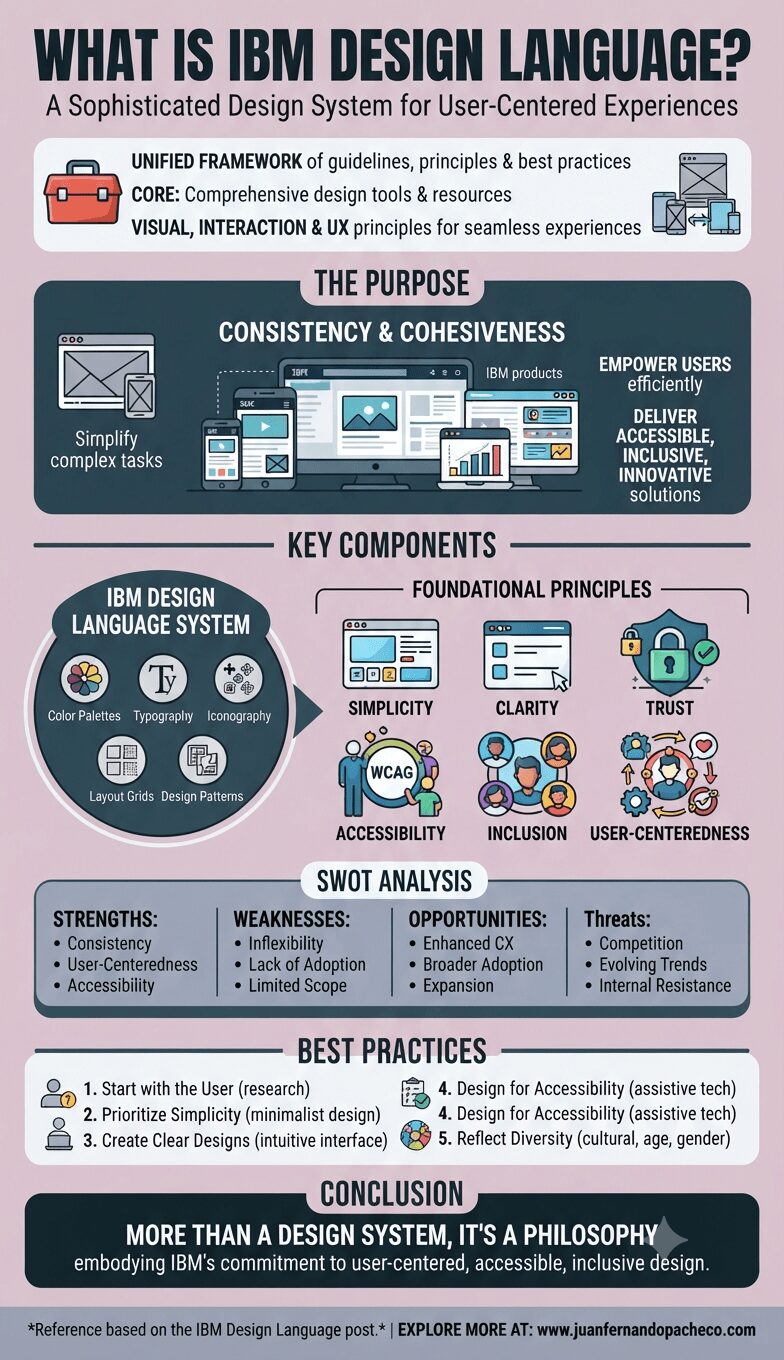
IBM Design Language is more than just a design system; it’s a philosophy that embodies IBM’s commitment to user-centered, accessible, and inclusive design. By adhering to its principles, IBM delivers consistent and reliable experiences that resonate with its global audience. Whether you’re a designer, developer, or stakeholder, embracing IBM Design Language can transform the way you create and innovate.
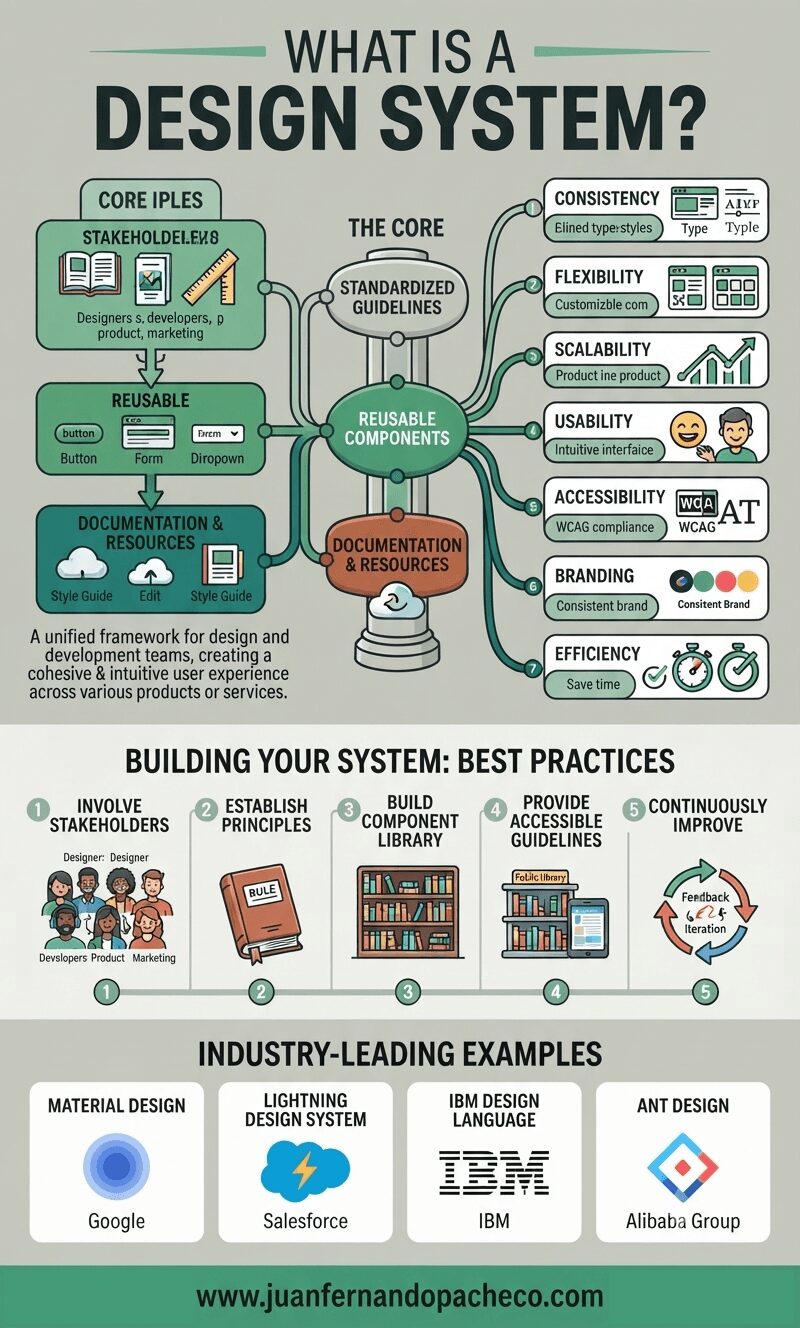
A design system is a powerful tool that drives consistency, efficiency, and innovation in product design. By adopting a design system, organizations can deliver cohesive and intuitive user experiences while streamlining their workflows.
Whether you’re developing your first system or refining an existing one, following the principles and best practices outlined in this guide will set you on the path to success.
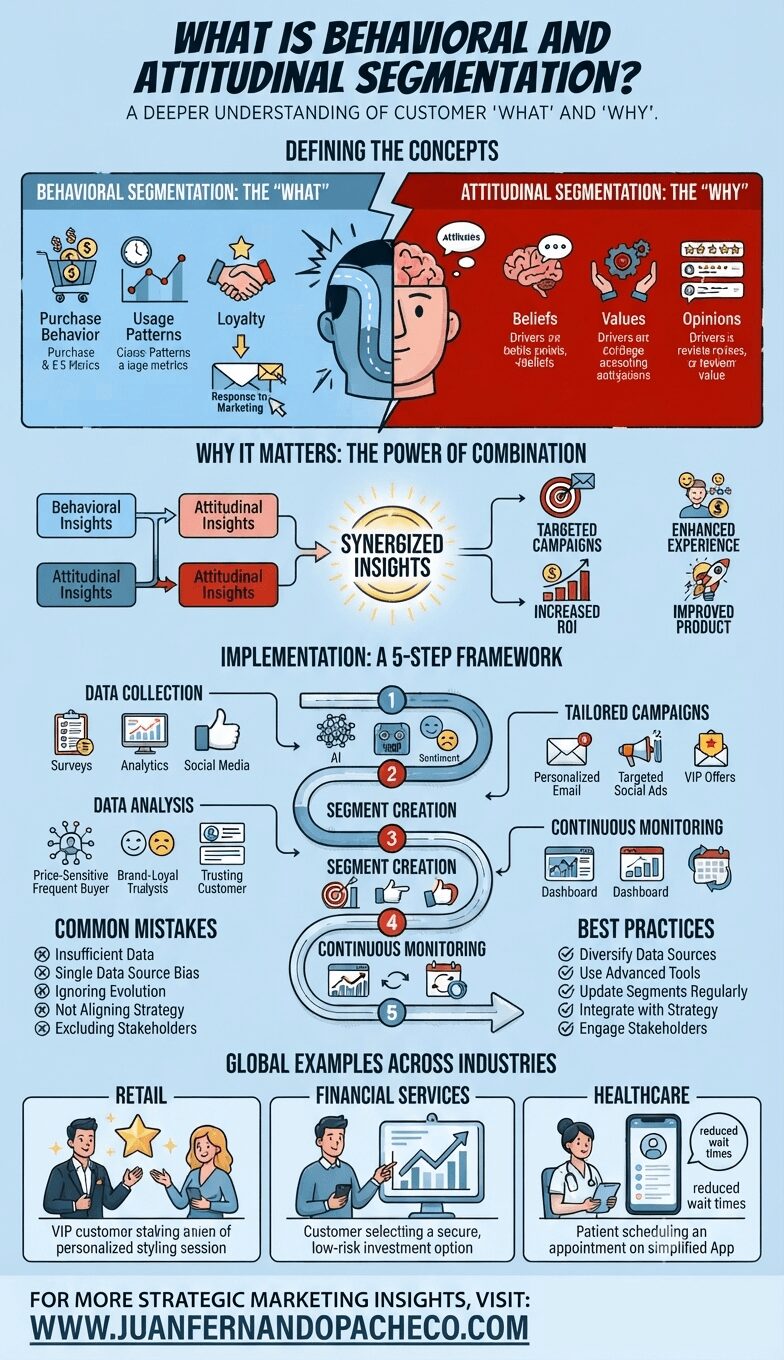
Behavioral and attitudinal segmentation is a powerful strategy for marketers aiming to connect with their audience on a deeper level. By understanding both what customers do and why they do it, businesses can craft personalized experiences that drive engagement and loyalty. By avoiding common pitfalls and following best practices, organizations can maximize the effectiveness of their segmentation efforts, ultimately leading to stronger customer relationships and improved ROI.
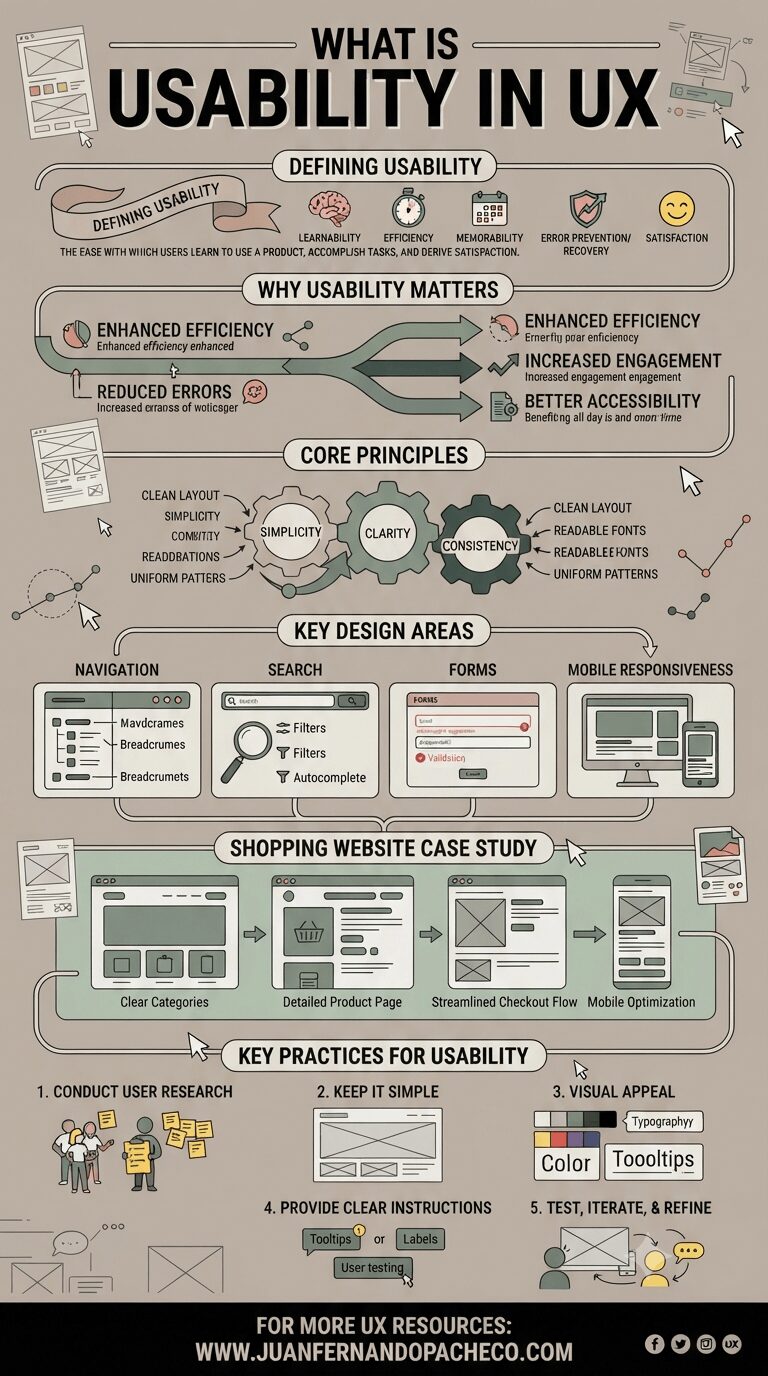
Usability is the backbone of exceptional UX design, ensuring products are intuitive, efficient, and satisfying to use.
By focusing on simplicity, clarity, and consistency, and addressing critical areas like navigation, forms, and mobile responsiveness, designers can craft experiences that delight users.