Mastering the design process requires balancing creativity with rigor.
By integrating tools like Figma for prototyping, Miro for synthesis, and Optimizely for testing, teams can deliver exceptional user experiences.
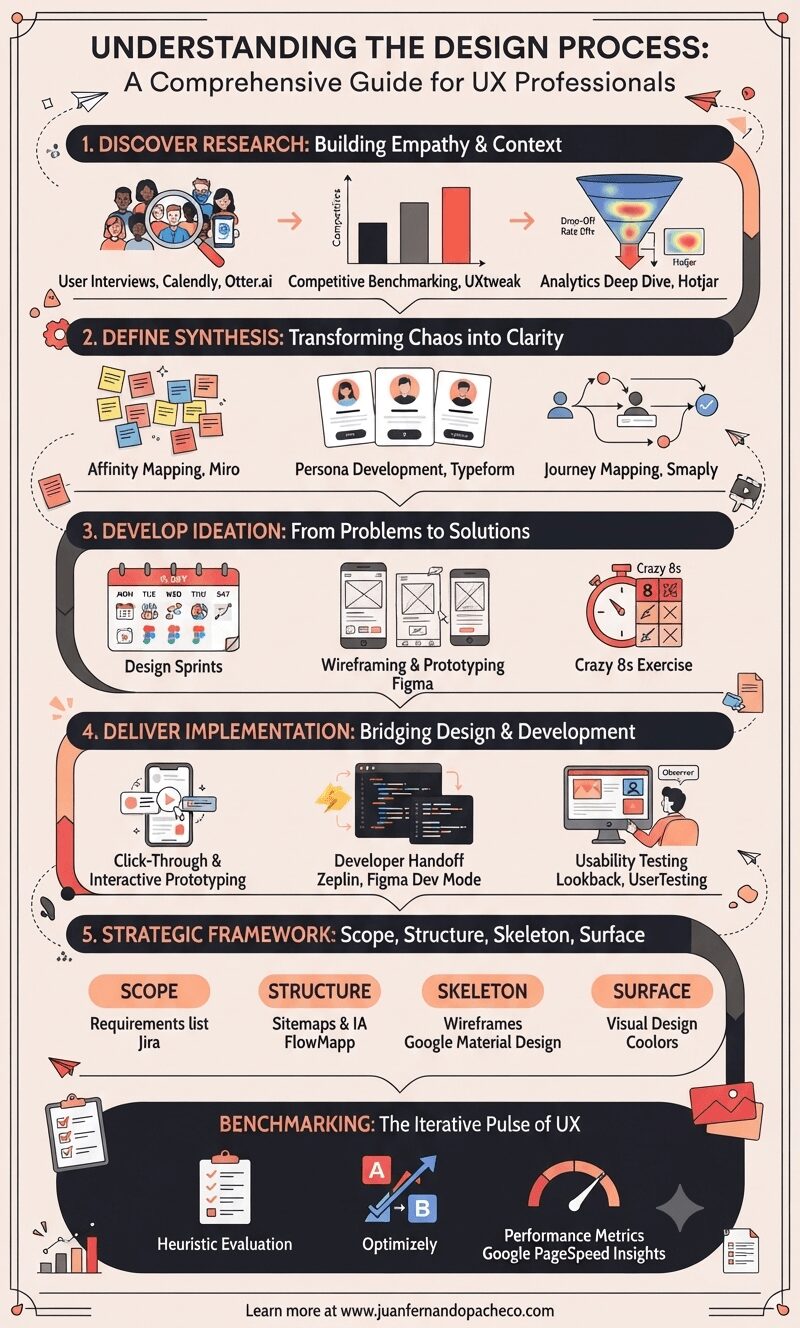
Mastering the design process requires balancing creativity with rigor.
By integrating tools like Figma for prototyping, Miro for synthesis, and Optimizely for testing, teams can deliver exceptional user experiences.
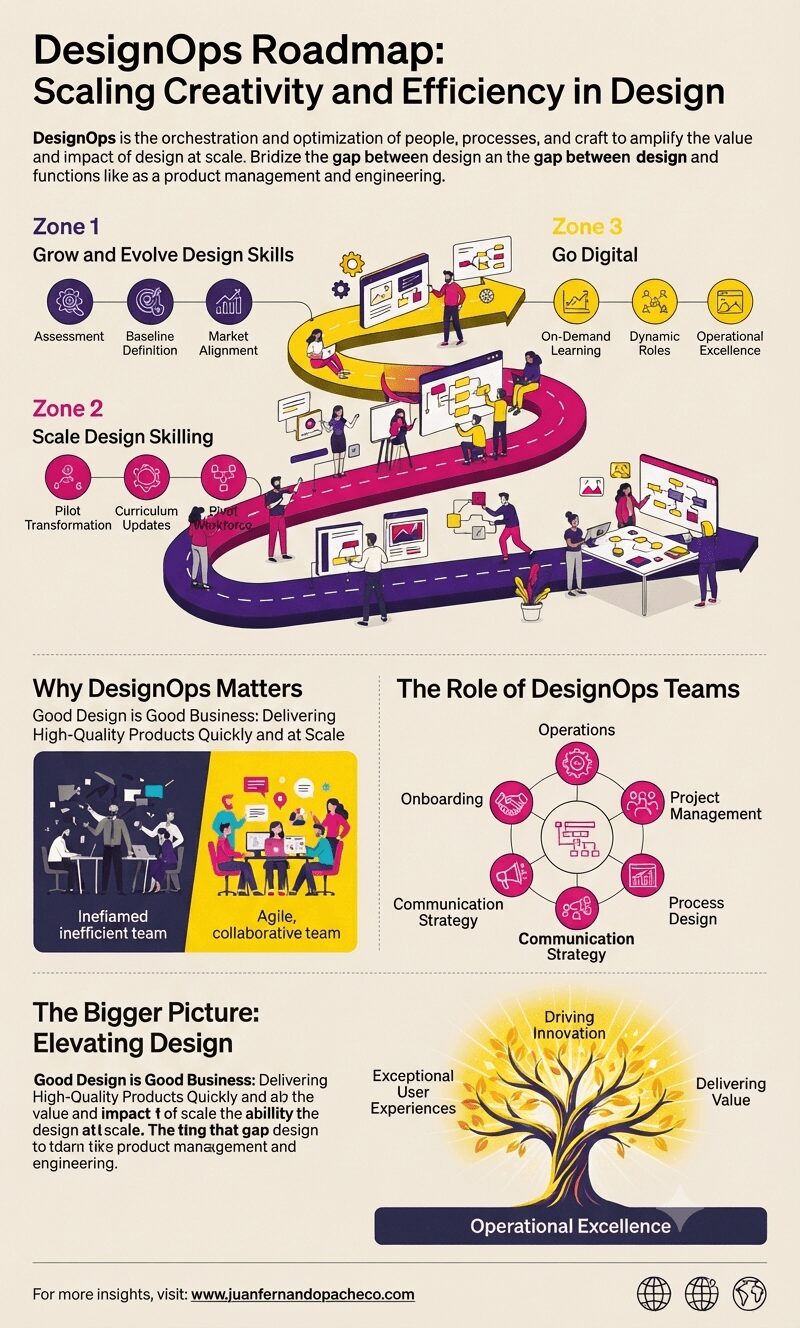
DesignOps is the orchestration and optimization of people, processes, and craft to amplify the value and impact of design at scale.
It focuses on streamlining design workflows, fostering collaboration, and enhancing the efficiency and effectiveness of design processes.
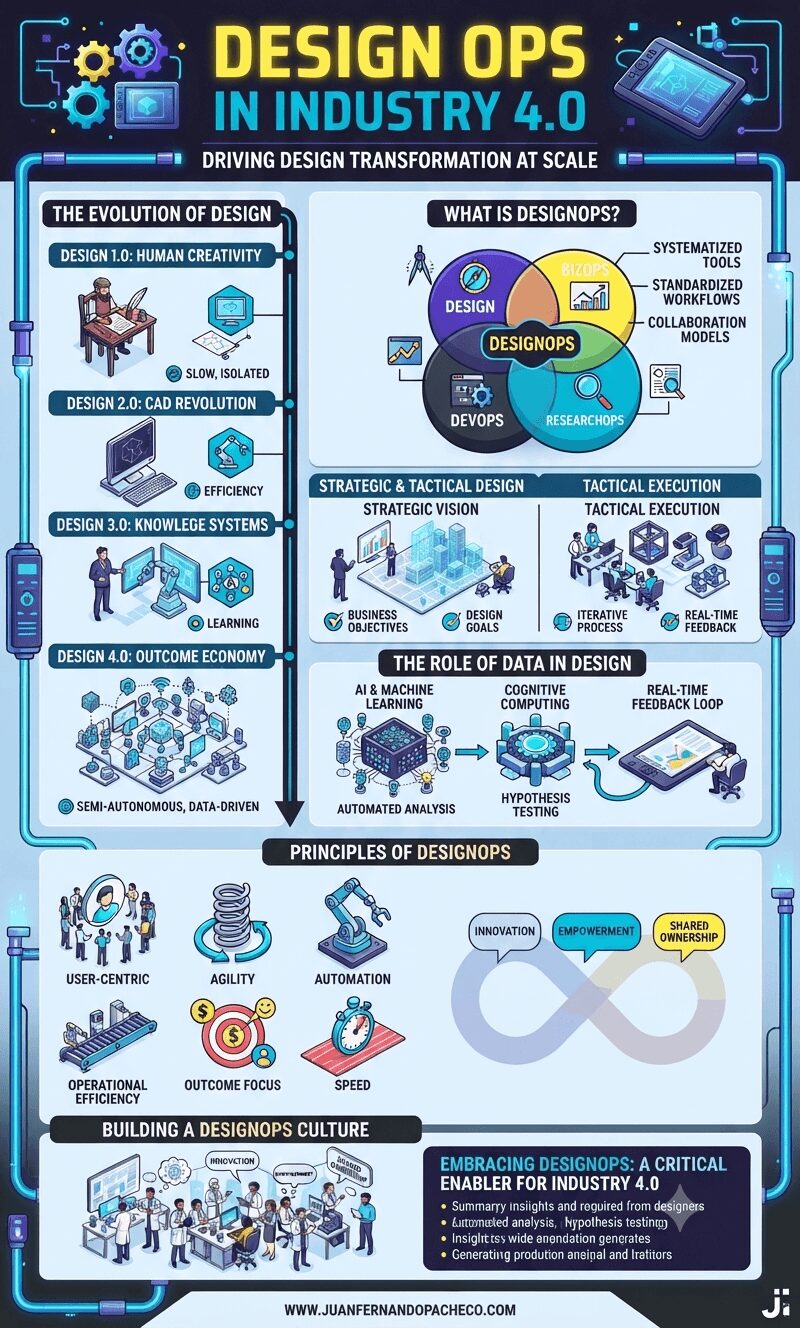
As organizations navigate the complexities of Industry 4.0, DesignOps emerges as a critical enabler of success. By operationalizing design, fostering collaboration, and leveraging data, companies can deliver innovative solutions at scale.
Embracing DesignOps is not just about optimizing processes; it’s about transforming how businesses think, design, and deliver value in a rapidly changing world.
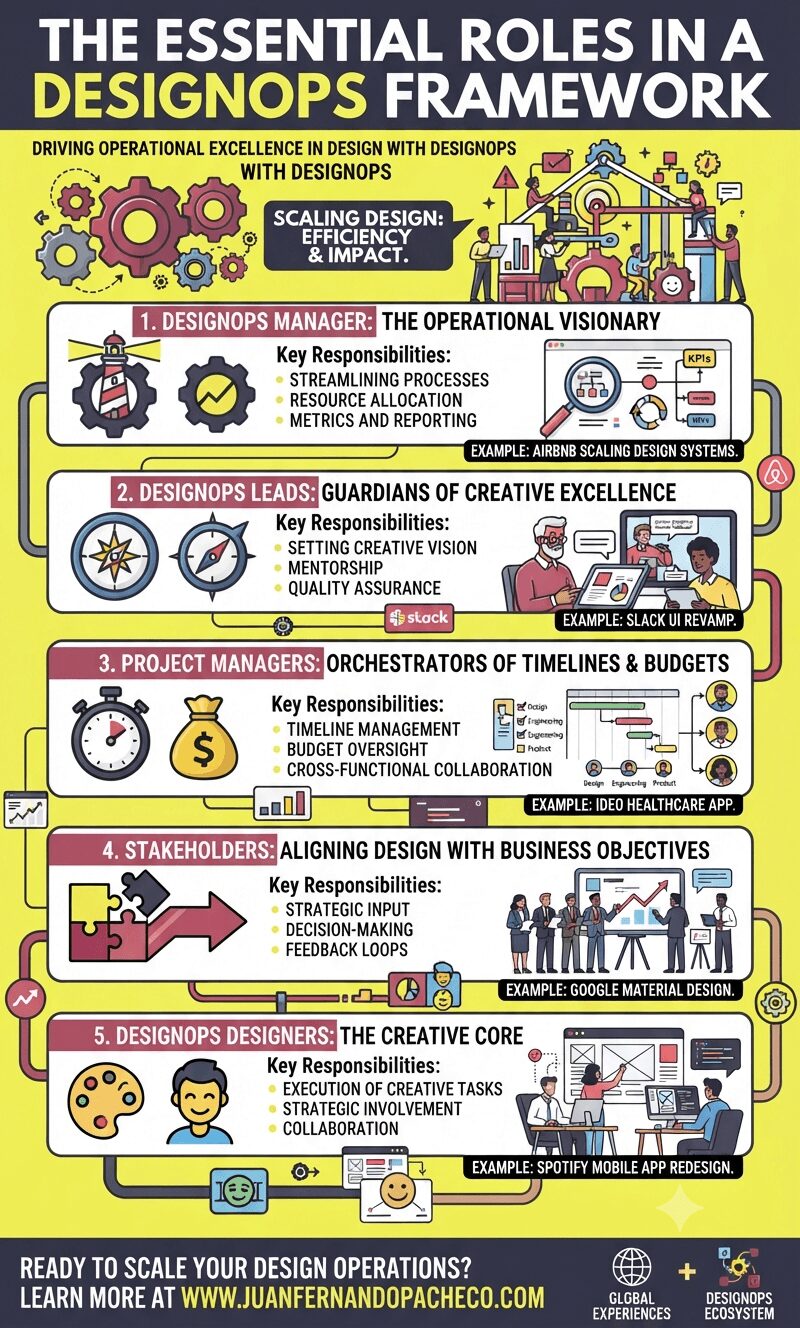
The rapid pace of digital transformation has propelled organizations to place greater emphasis on design as a strategic lever for innovation and customer satisfaction.
Yet, scaling design efforts across teams, tools, and workflows remains a formidable challenge. This is where DesignOps (Design Operations) emerges as a critical discipline, providing the scaffolding for designers to focus on what they do best: creating impactful experiences.
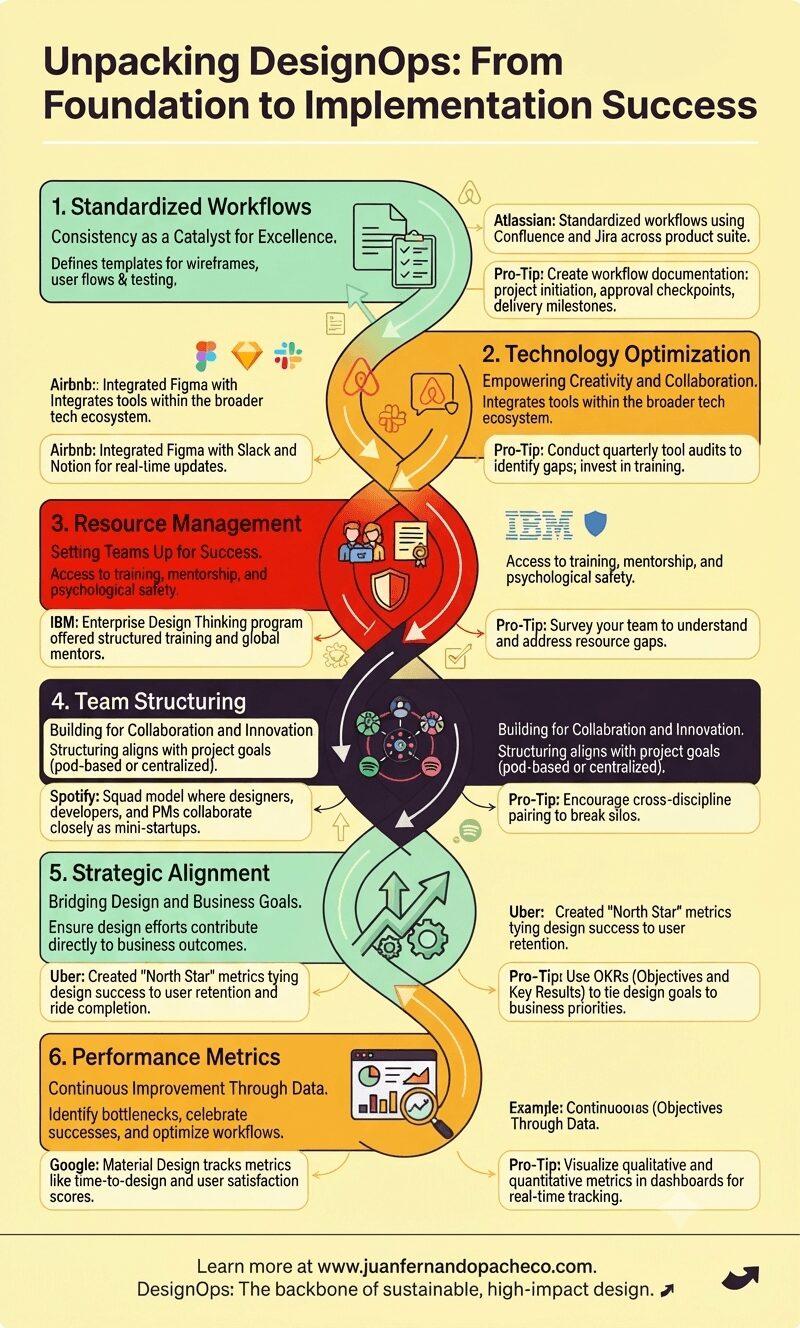
DesignOps isn’t just about scaling design; it’s about enabling designers to focus on what they do best: crafting exceptional user experiences.
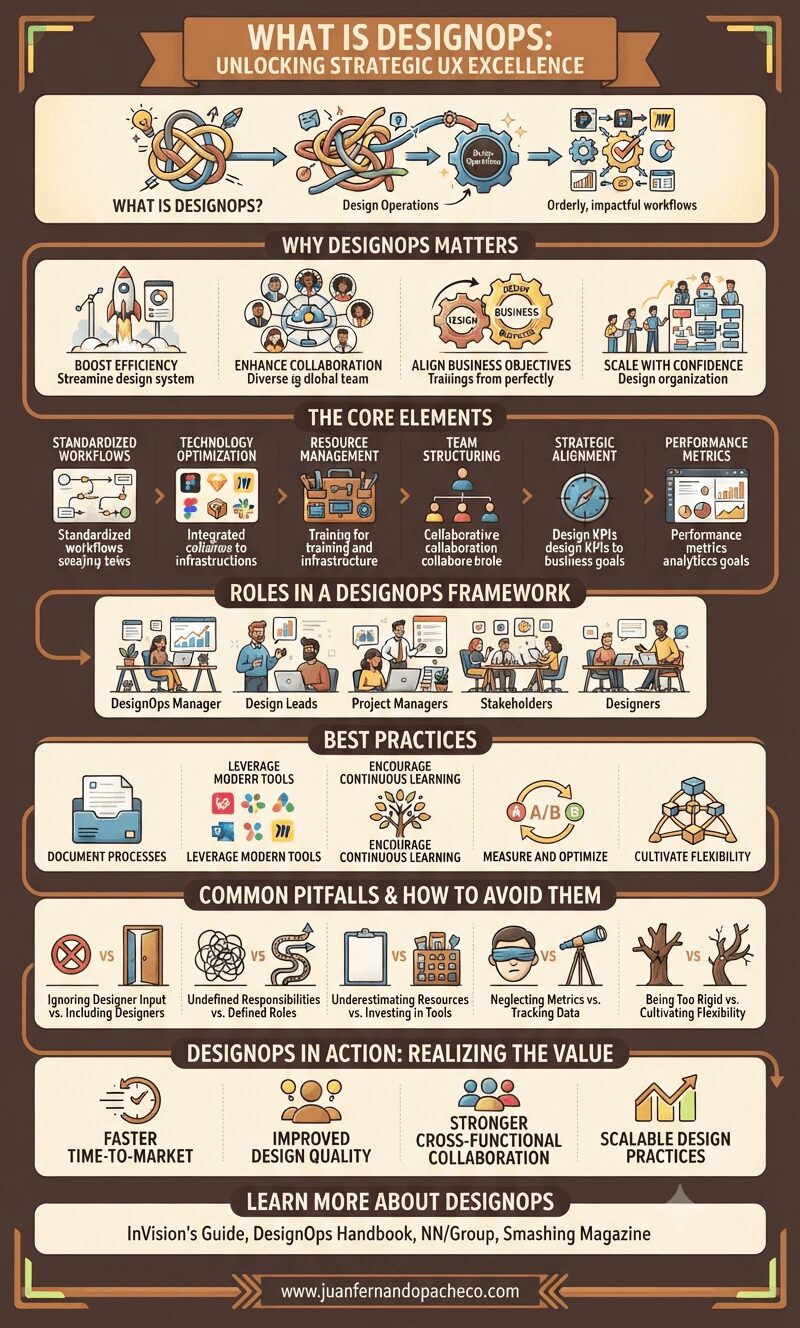
By adopting DesignOps, organizations can harness the full potential of their design teams, driving innovation, efficiency, and alignment with strategic goals.
The result? Exceptional user experiences that propel business success.