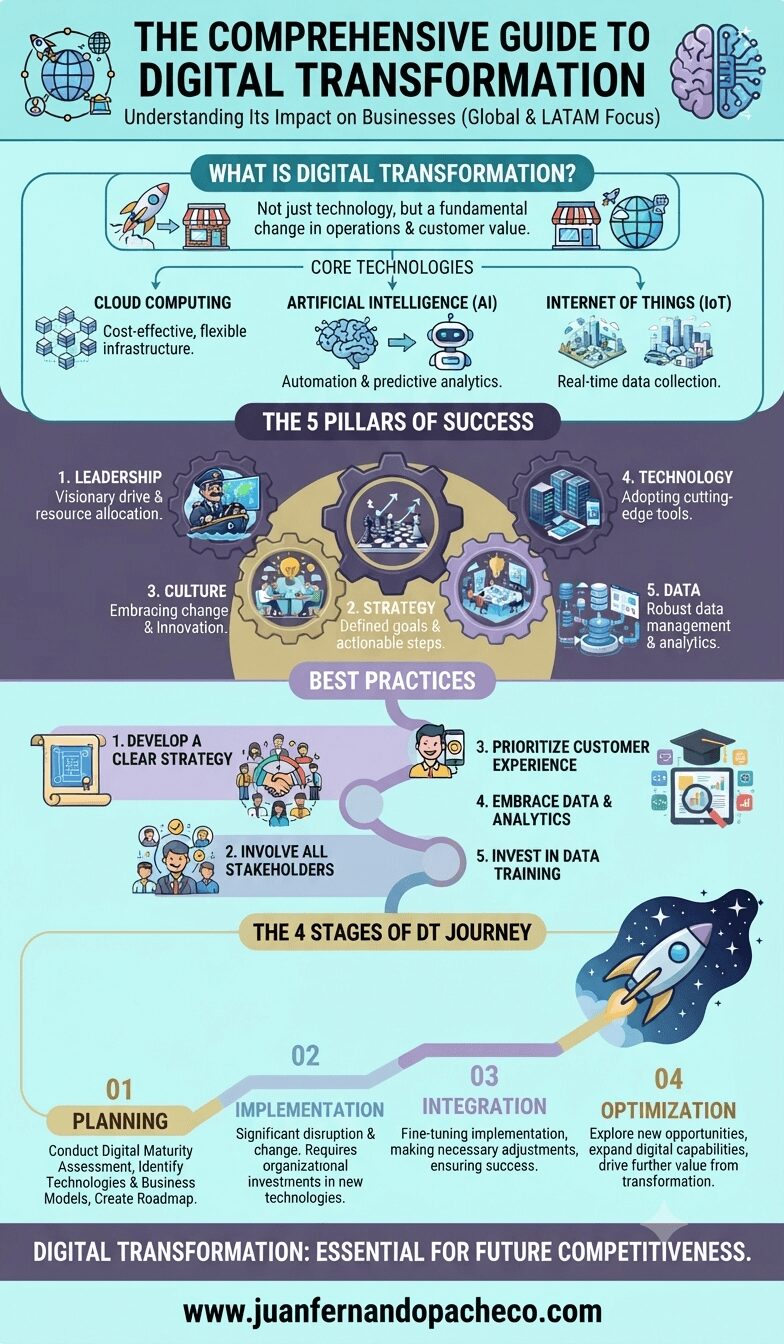
Digital transformation is no longer optional but essential for organizations that wish to stay competitive in today’s fast-paced, technology-driven market. By understanding the core pillars, best practices, stages, and common mistakes, organizations can navigate the complexities of digital transformation and drive long-term success. As companies embrace these changes, they will enhance their customer experiences, optimize operations, and create new growth opportunities that will propel them forward in the digital age.
Tag: UX Design
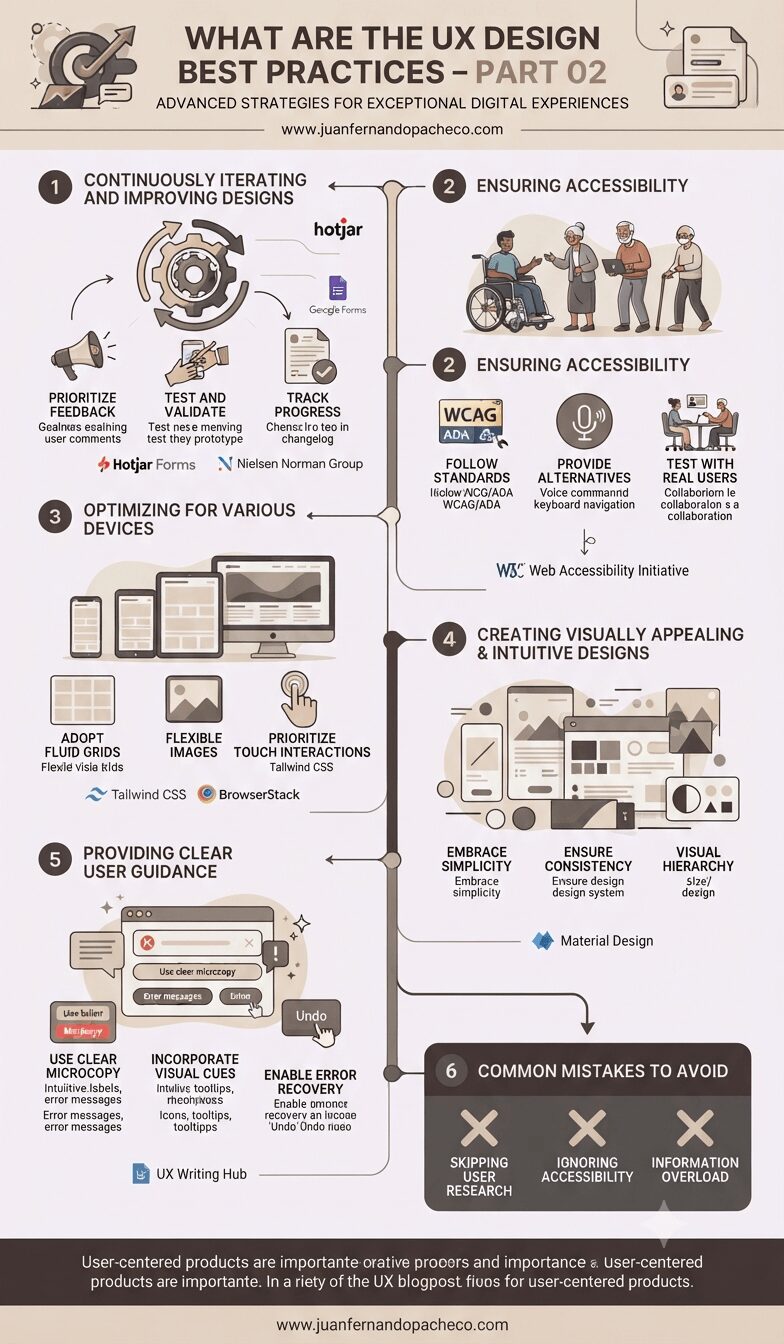
Adhering to UX design best practices ensures the creation of intuitive, inclusive, and visually compelling digital experiences. By embracing continuous iteration, prioritizing accessibility, optimizing for diverse devices, crafting intuitive designs, and providing clear guidance, designers can deliver products that delight users and drive engagement.
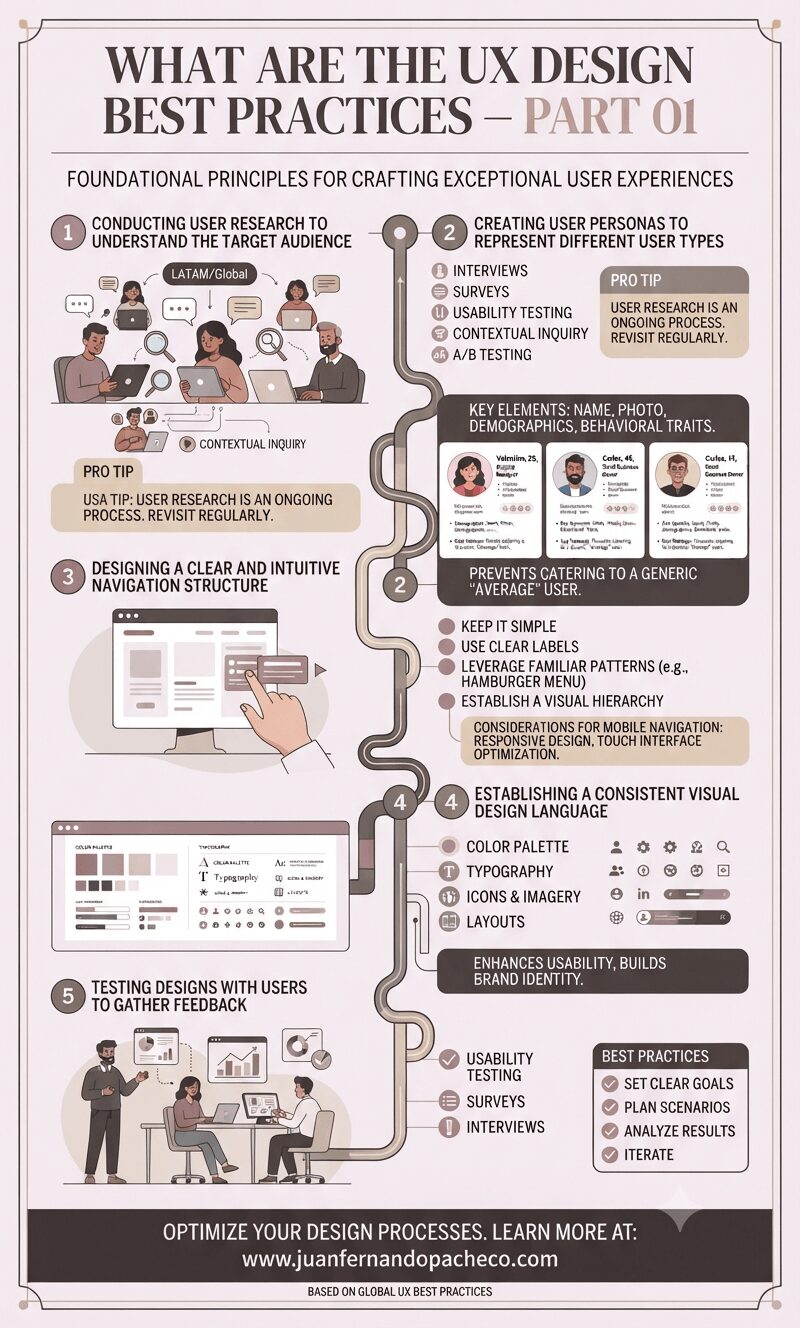
User Experience (UX) Design focuses on creating digital products that deliver positive and engaging user experiences.
It involves designing websites, software applications, and other digital interfaces to be intuitive, user-friendly, and effective.
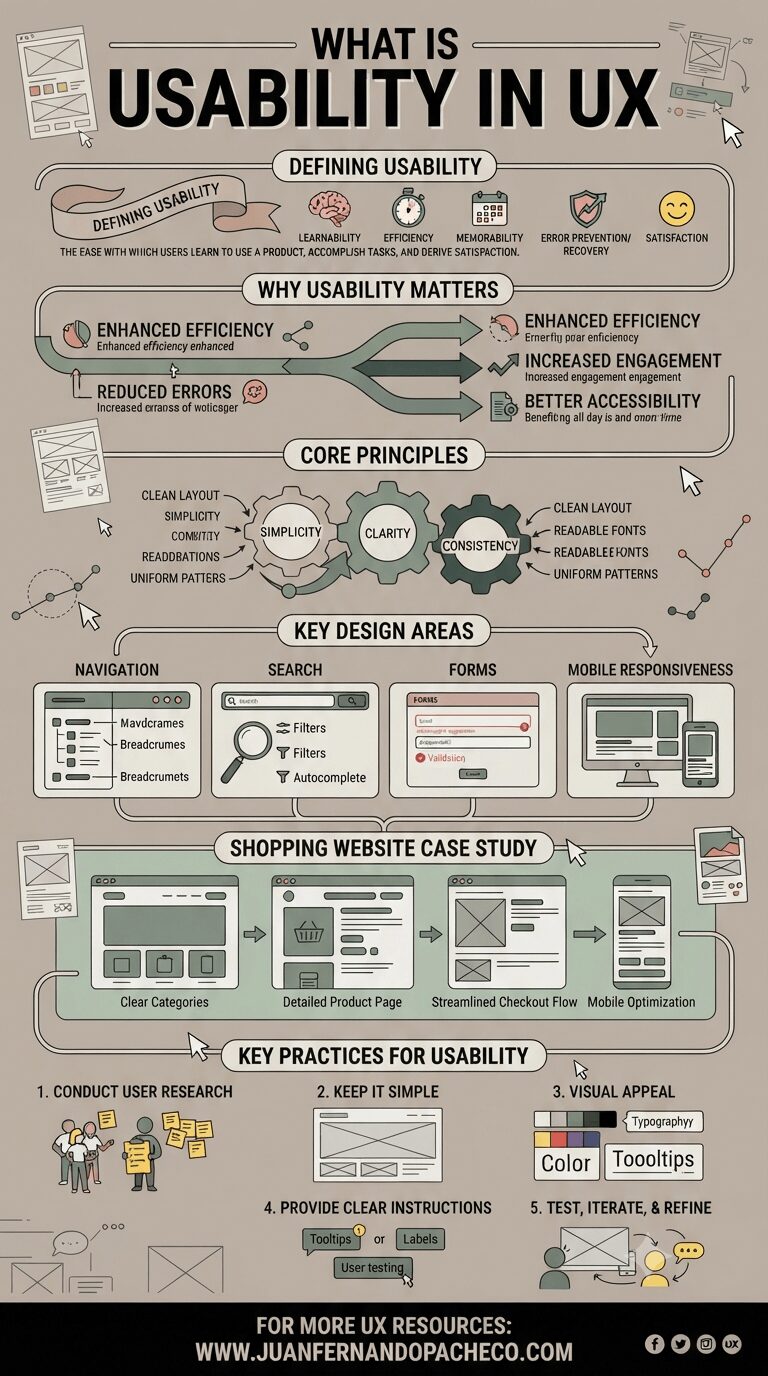
Usability is the backbone of exceptional UX design, ensuring products are intuitive, efficient, and satisfying to use.
By focusing on simplicity, clarity, and consistency, and addressing critical areas like navigation, forms, and mobile responsiveness, designers can craft experiences that delight users.
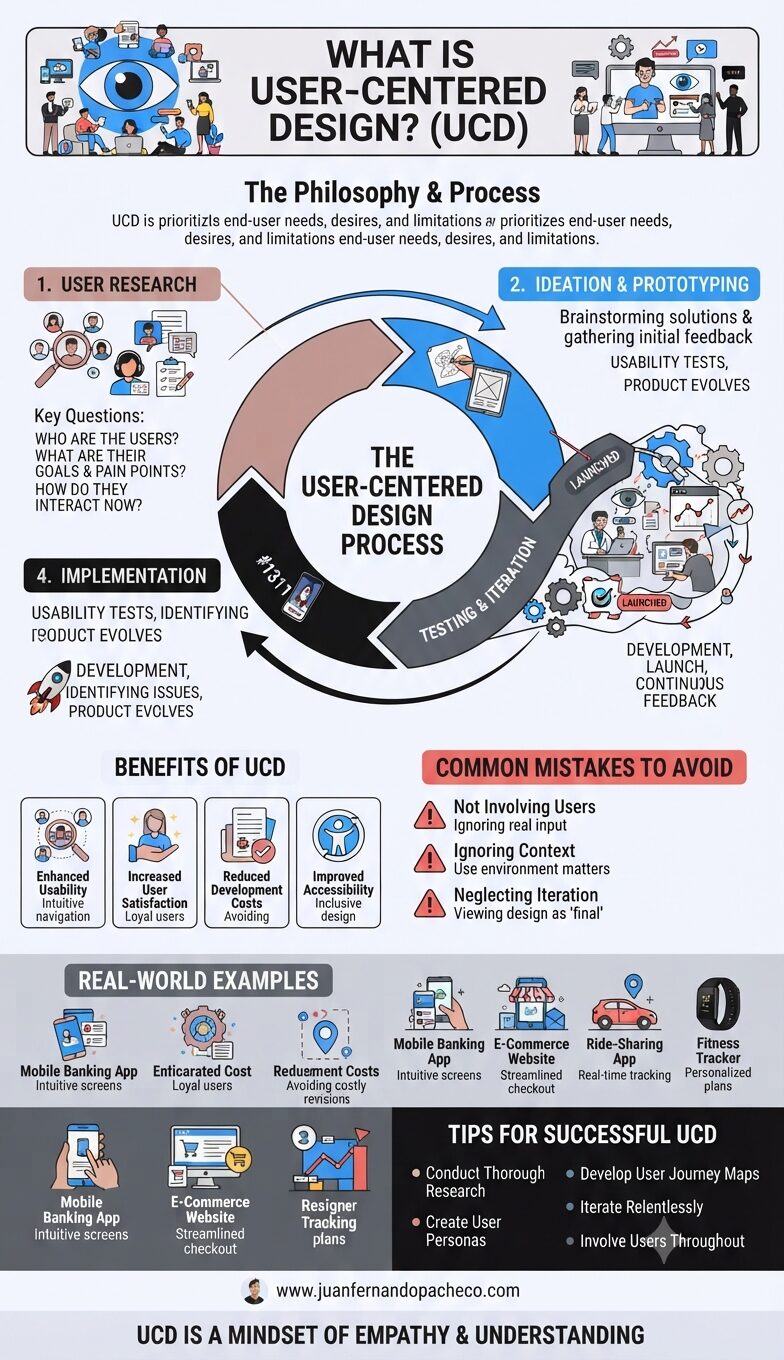
User-centered design is more than a methodology; it’s a mindset that prioritizes empathy and understanding. By involving users, embracing iteration, and focusing on real-world needs, UCD empowers teams to create impactful and meaningful experiences.
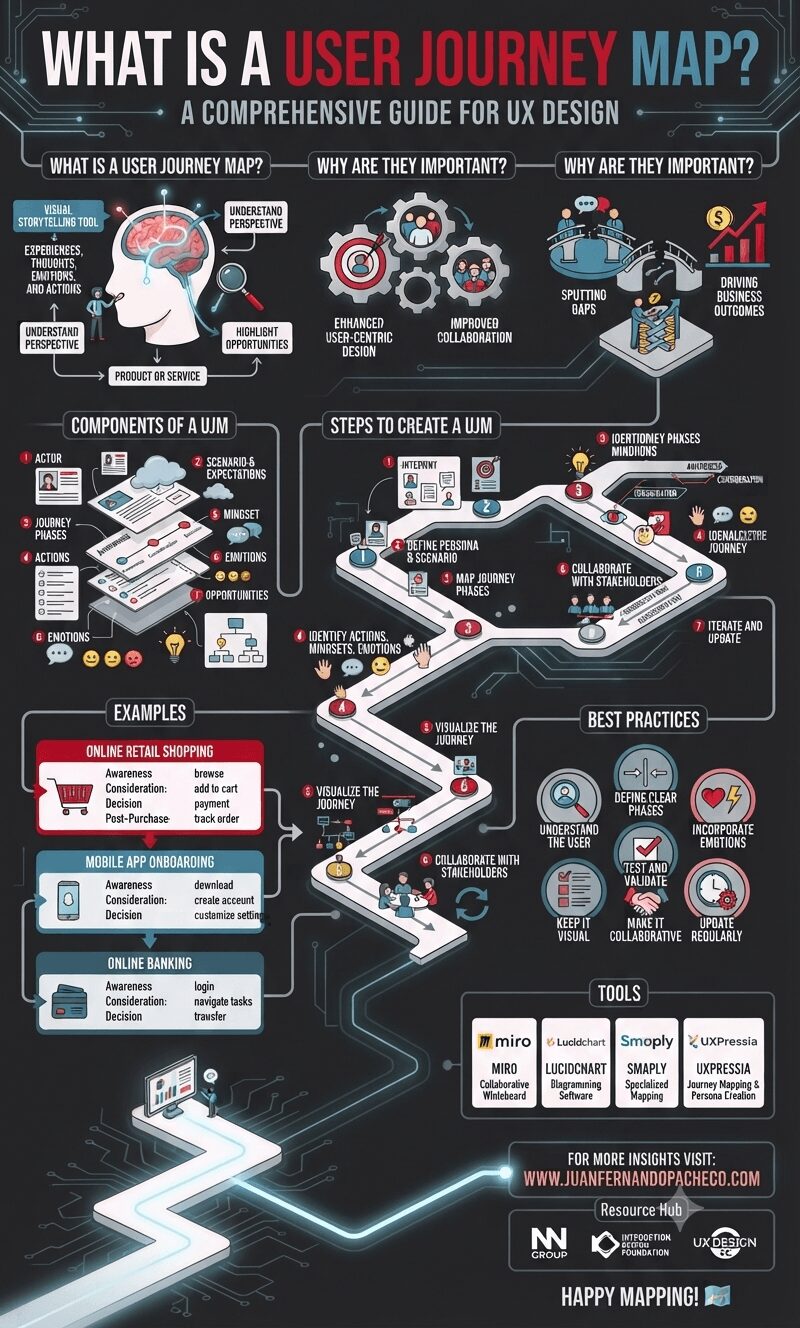
A User Journey Map is an indispensable tool in UX design, enabling teams to create user-centric products and services. By capturing the user’s actions, emotions, and pain points, it provides valuable insights that drive innovation and improve overall user satisfaction.
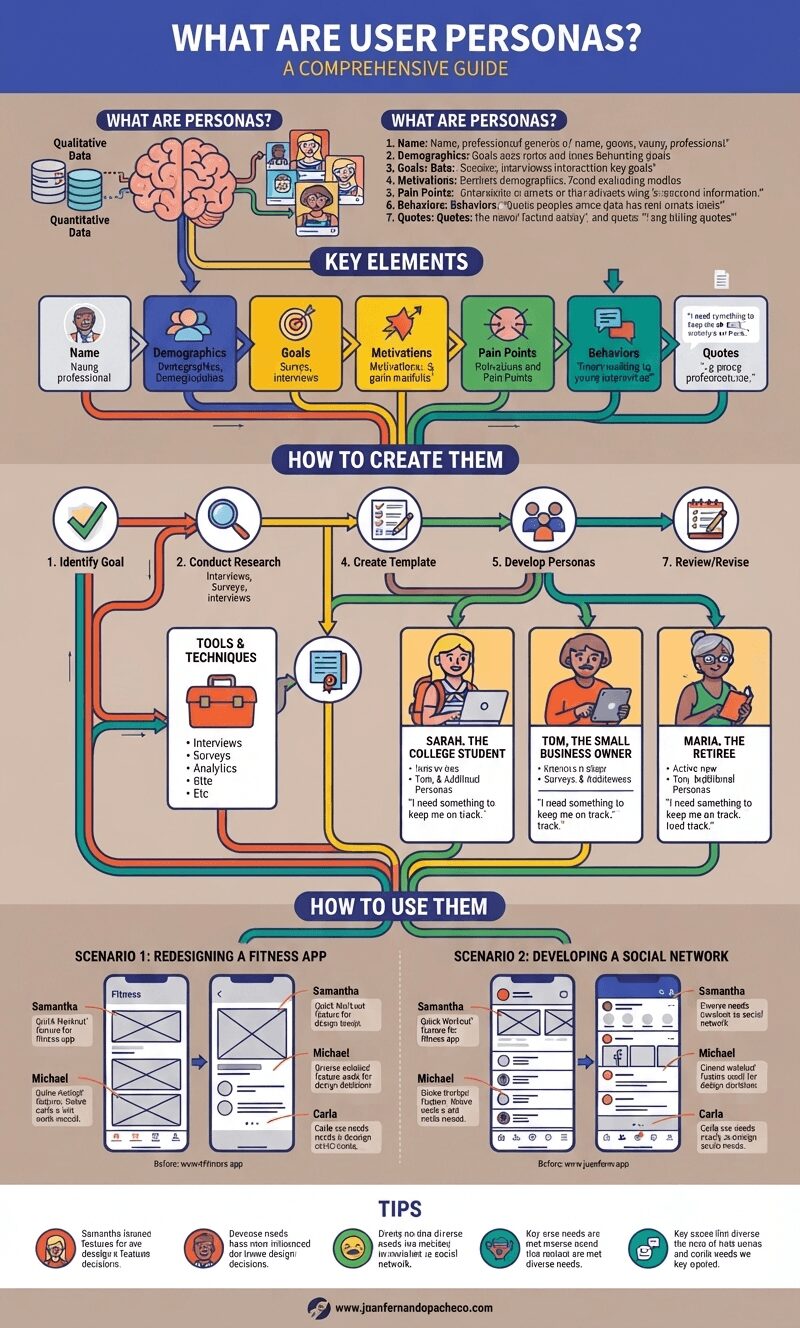
In the world of user experience (UX) design, User Personas play a pivotal role. These fictional, yet representative, characters embody the different types of users for a product or service.
Crafted from extensive research and data, personas help designers and stakeholders understand the diverse needs, goals, and behaviors of their target audience. In this blog post, we’ll dive deep into the concept of user personas, how to create them, and their role in the design process.
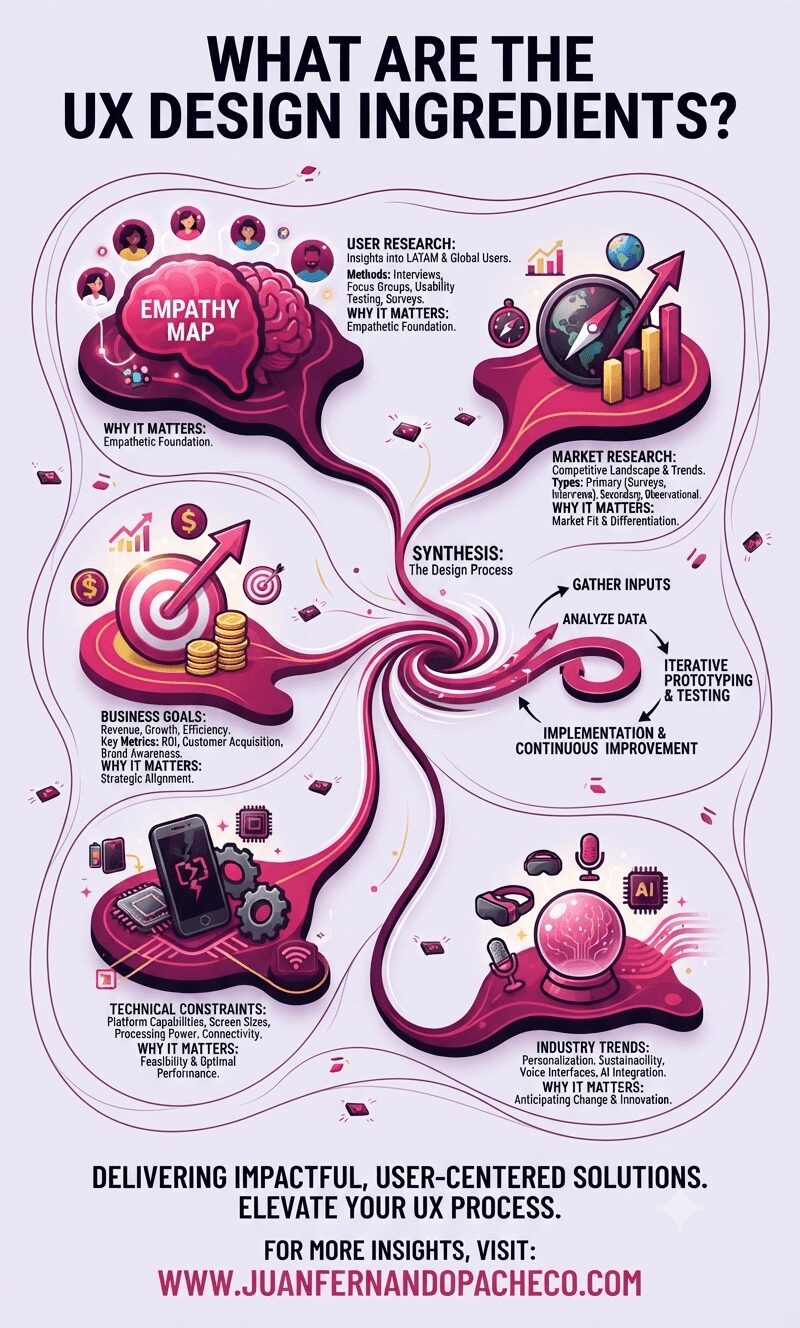
UX design (user experience design) is a multifaceted field requiring the integration of diverse inputs to create user-centric solutions.
The term “UX design ingredients” refers to the core elements that inform and shape the design process. These ingredients provide the foundation for building products and services that meet both user needs and business goals.
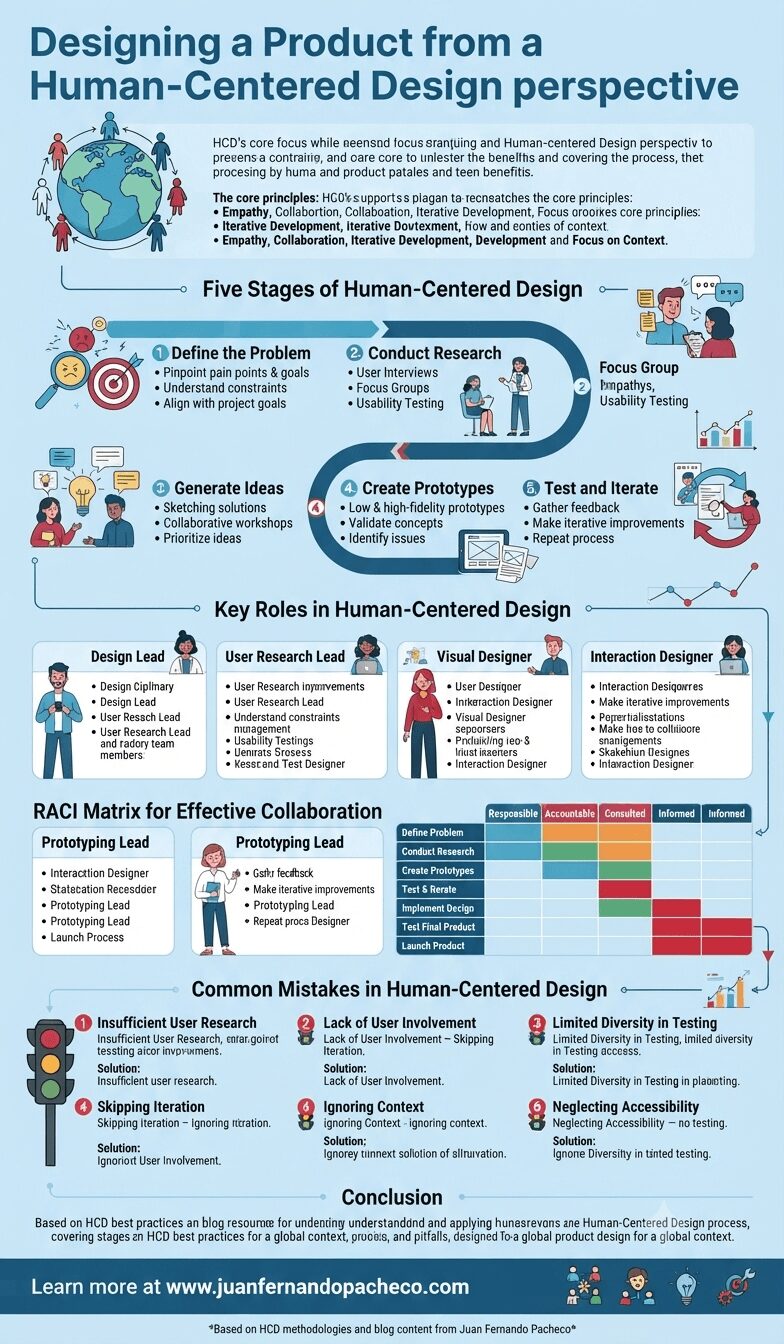
Designing from a Human-Centered Design perspective ensures that products are not only functional but also meaningful and accessible to users. By following the stages of HCD, collaborating effectively through clear roles, and avoiding common pitfalls, teams can create solutions that genuinely resonate with their audience.
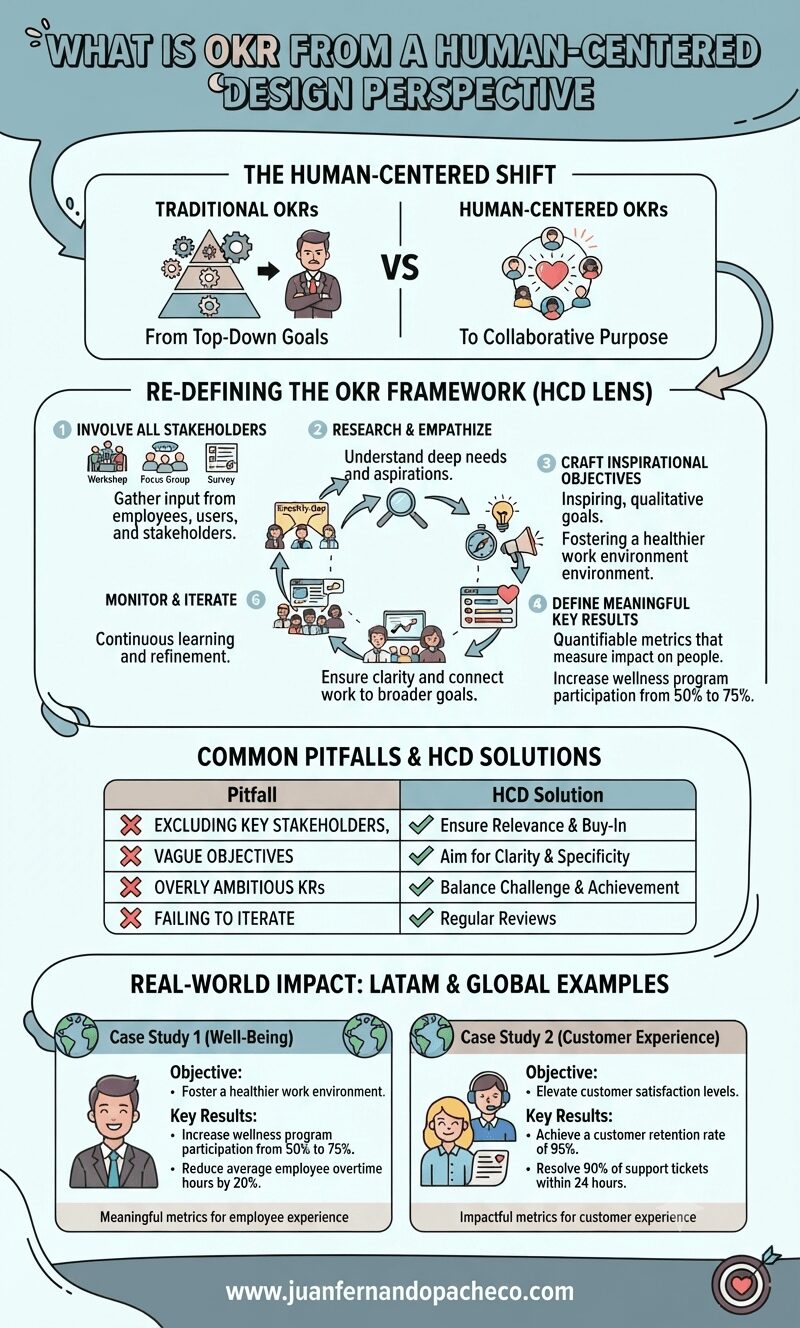
OKRs, or “Objectives and Key Results,” are a widely used framework for setting, tracking, and achieving goals within organizations.
Originally developed at Intel in the 1970s and later popularized by John Doerr in Measure What Matters, OKRs have become a cornerstone of goal management for companies like Google, LinkedIn, and Twitter.