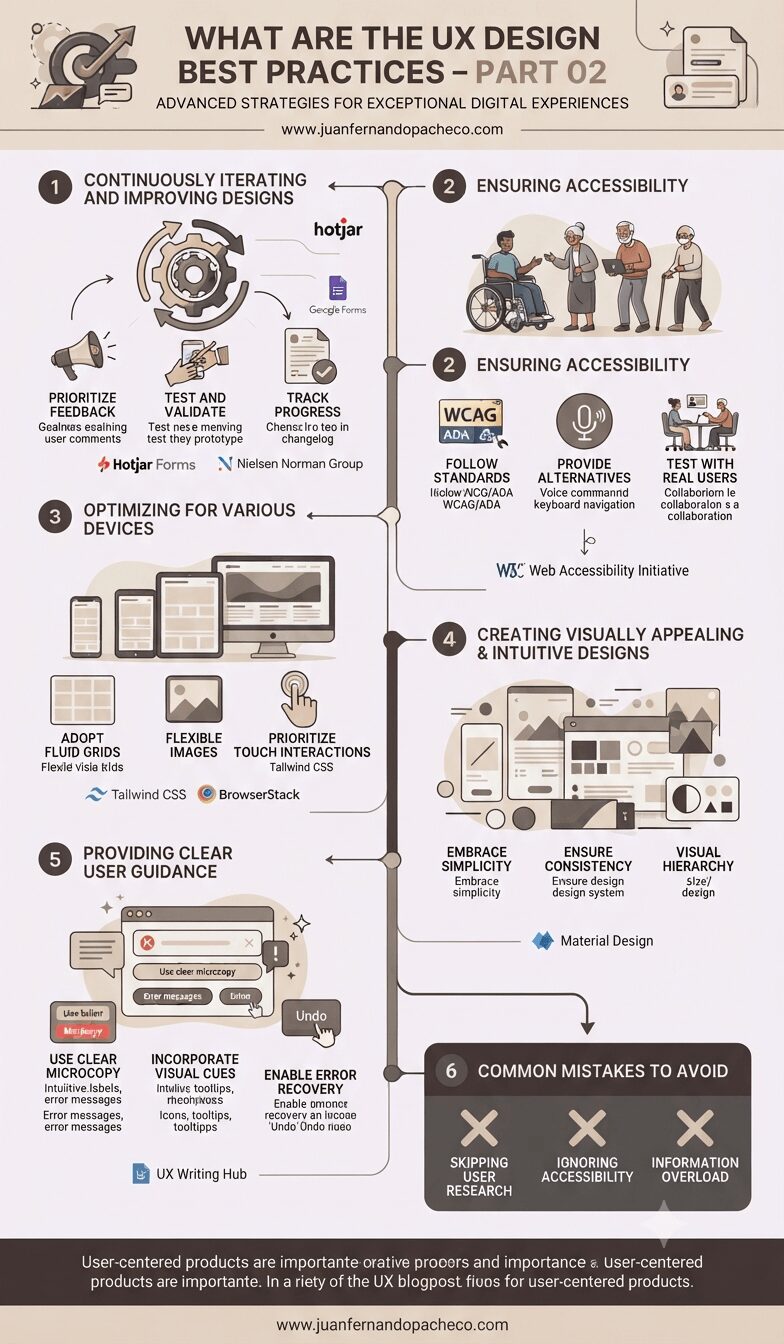
Adhering to UX design best practices ensures the creation of intuitive, inclusive, and visually compelling digital experiences. By embracing continuous iteration, prioritizing accessibility, optimizing for diverse devices, crafting intuitive designs, and providing clear guidance, designers can deliver products that delight users and drive engagement.
Tag: UX laws
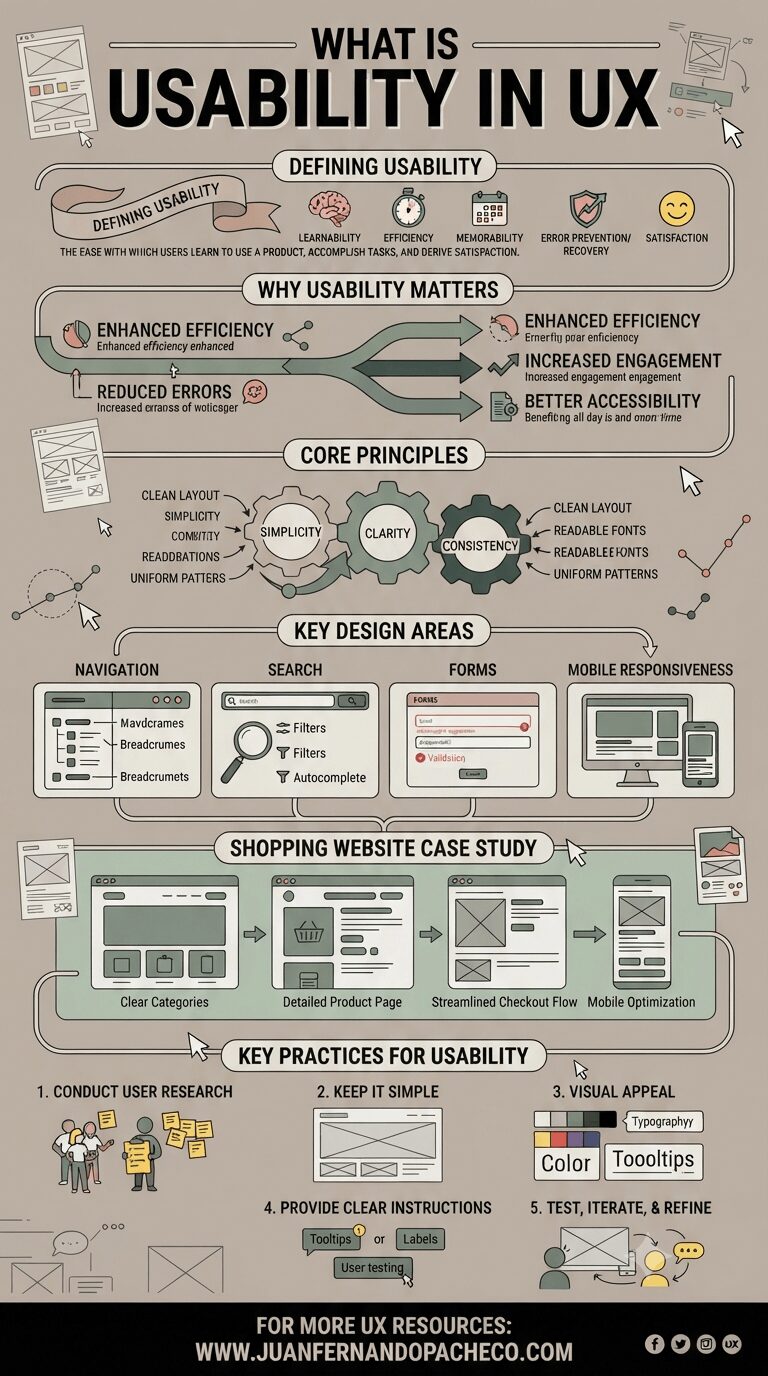
Usability is the backbone of exceptional UX design, ensuring products are intuitive, efficient, and satisfying to use.
By focusing on simplicity, clarity, and consistency, and addressing critical areas like navigation, forms, and mobile responsiveness, designers can craft experiences that delight users.
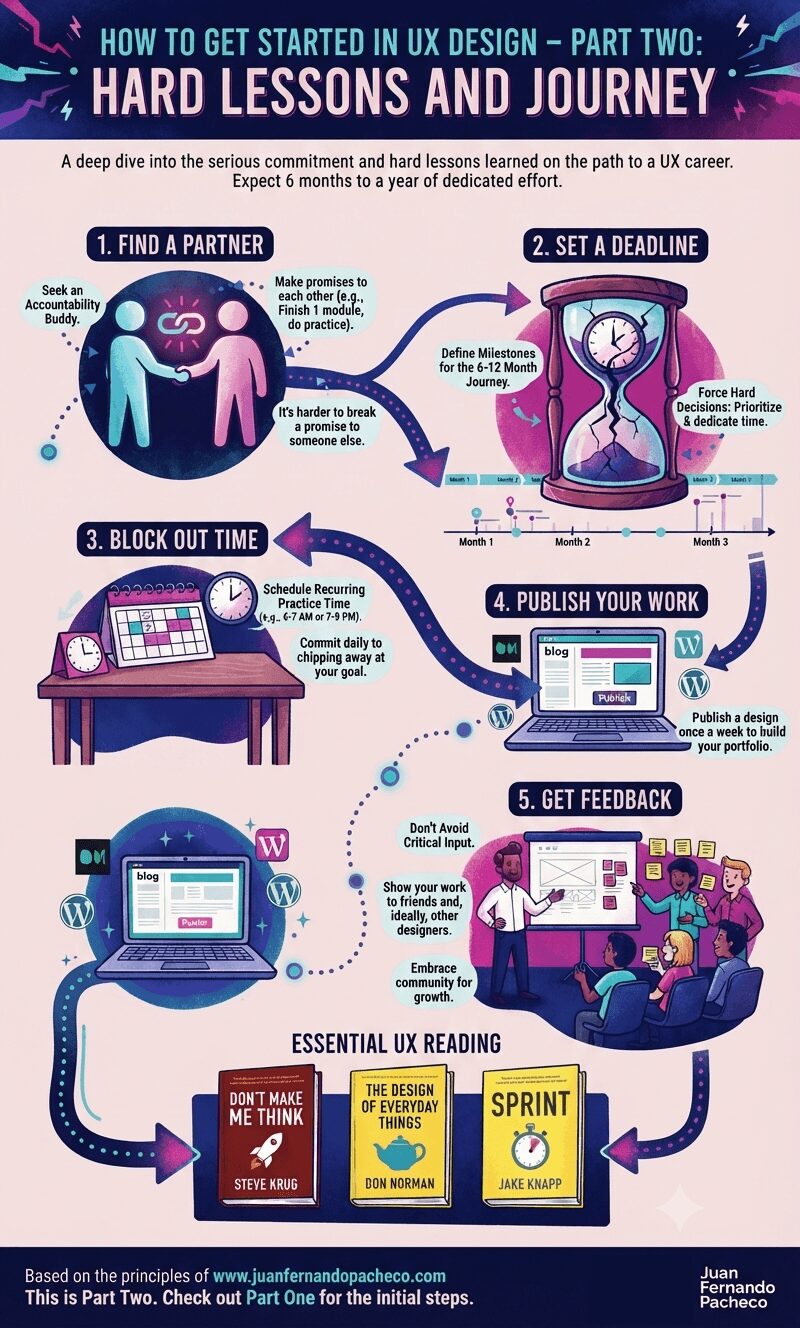
I am a big fan of this process, and it’s a great one for you to learn if you’re just starting in design.
So those were my six key steps for going from a complete beginner to someone who can get a UX design job in a short amount of time, and when I say a short amount of time, I mean like six months to a year.
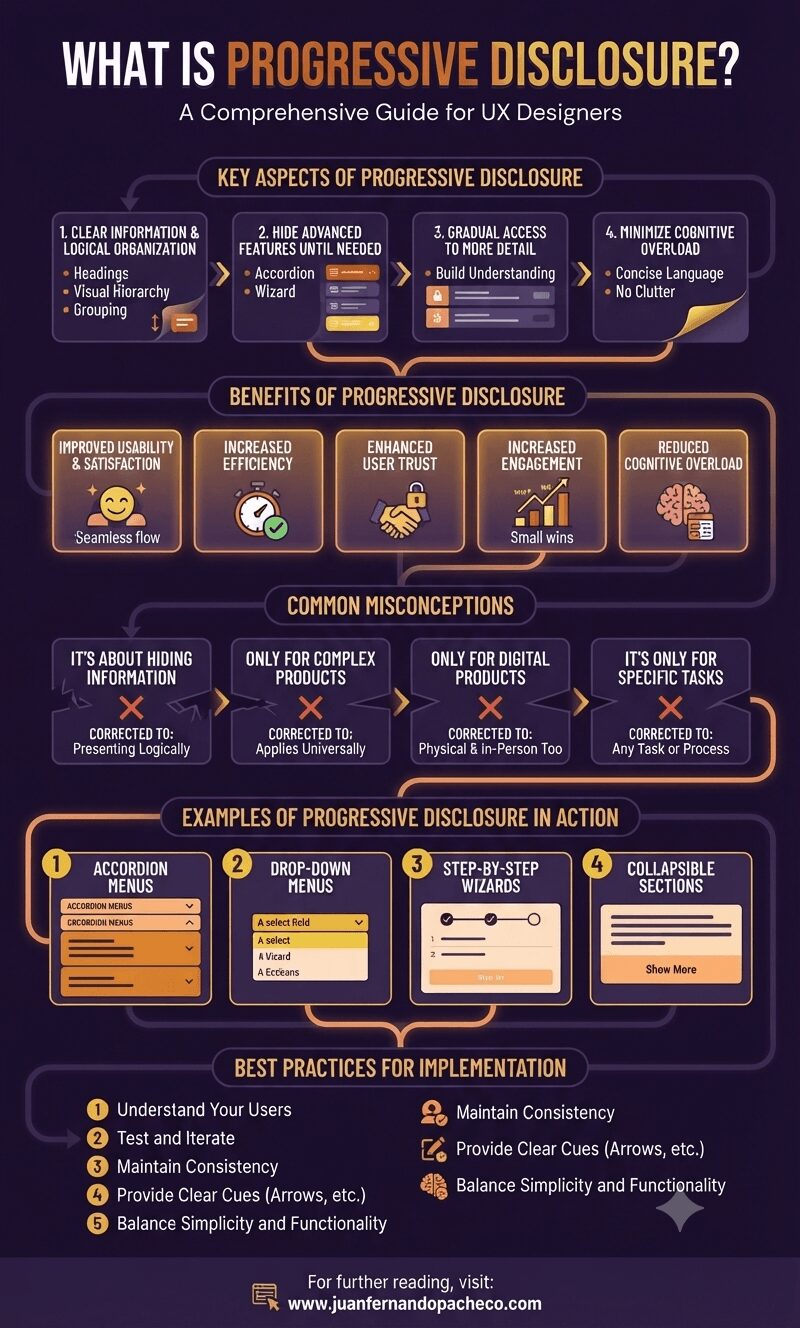
Progressive disclosure is a powerful design principle in user experience (UX) design, emphasizing the step-by-step presentation of information to reduce cognitive overload and enhance usability.
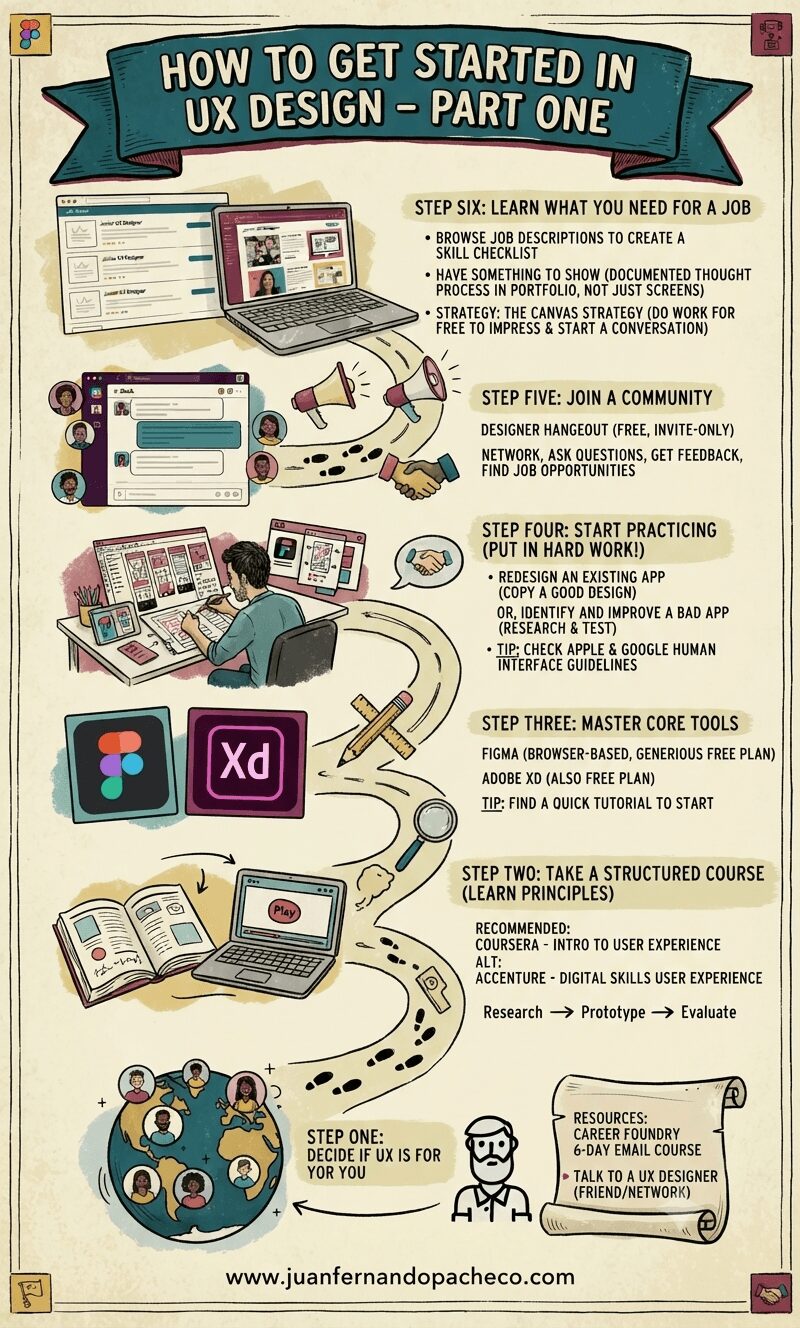
In this post, I’d like to share with you six simple steps for getting started in UX design.
In addition, I’m going to tell you the lessons I learned from it so you can avoid making the same mistakes.
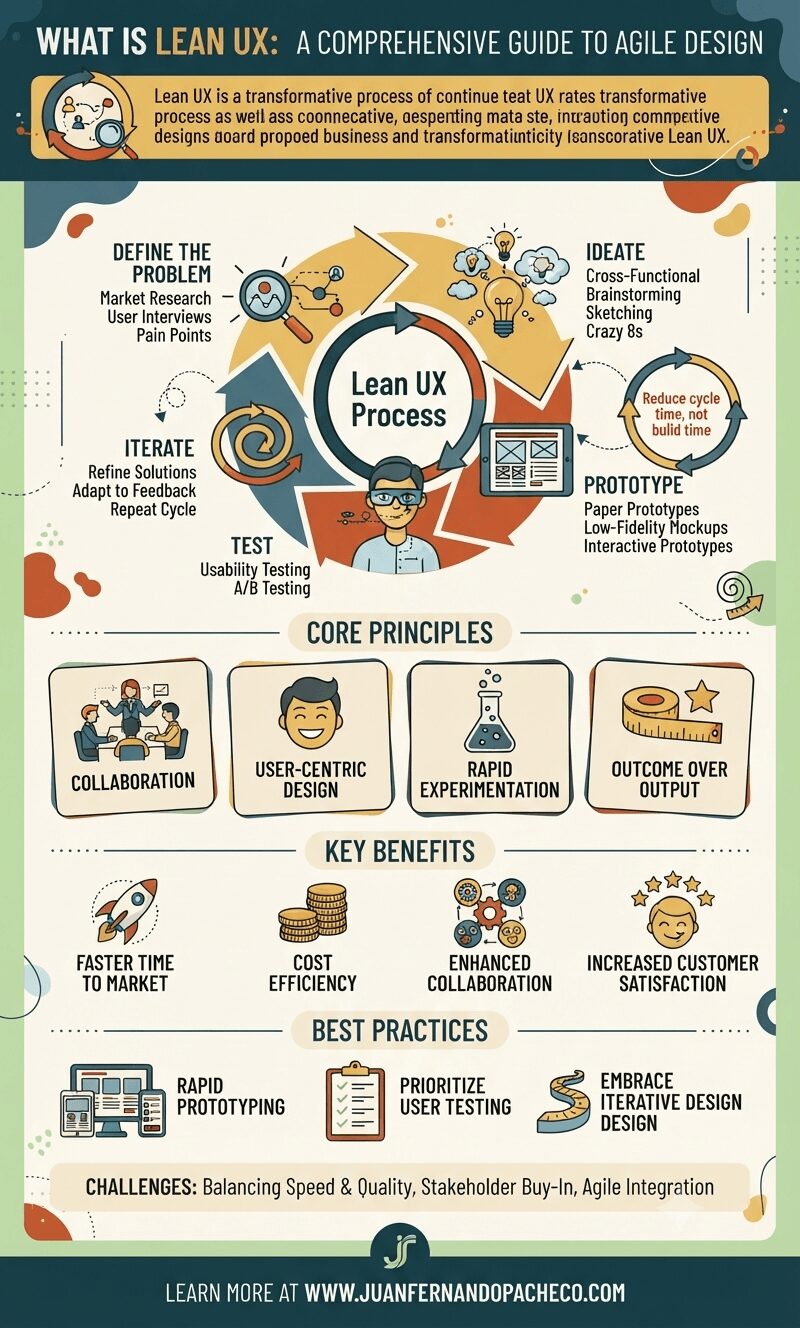
Lean UX, a methodology rooted in these principles, has emerged as a transformative approach to creating user-centric products efficiently.
By focusing on collaboration, rapid experimentation, and iterative processes, Lean UX addresses the dynamic needs of modern businesses and users alike.
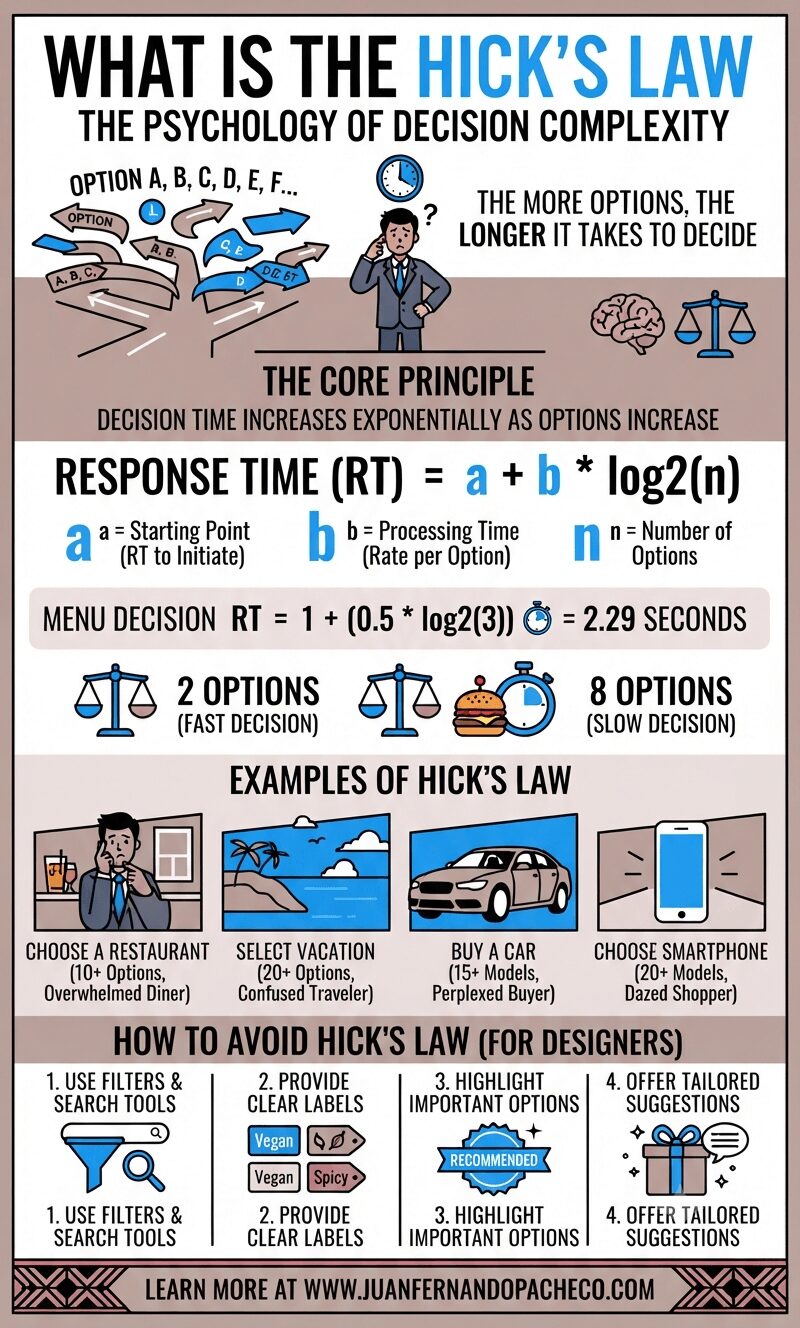
Hick’s law, also known as the Hick-Hyman law, is a psychological principle that describes the relationship between the complexity of a decision and the time it takes to make that decision.
The law states that the more options a person has to choose from, the longer it will take them to make a decision.