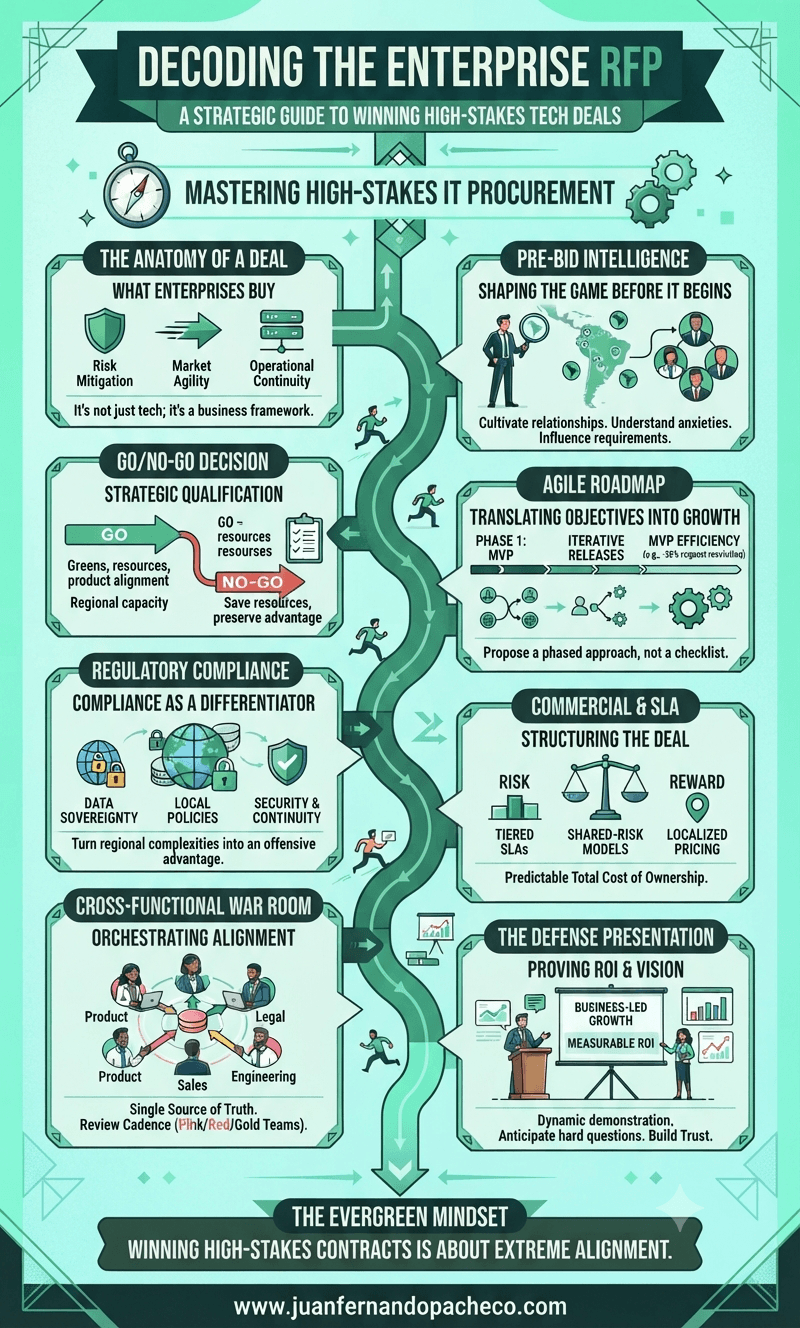
A vertical infographic titled "Decoding the Enterprise RFP" with a teal and green color scheme, illustrating a strategic, multi-stage path to winning high-stakes tech deals. The path includes steps like Pre-Bid Intelligence, Go/No-Go Decision, Agile Product Roadmap, Regulatory Compliance, Commercial & SLA Negotiation, and the Defense Presentation. Small figures navigate the pathway toward "Extreme Alignment" and the final goal at www.juanfernandopacheco.com.

Winning multi-million-dollar technology contracts requires more than just compliance; it demands a deep understanding of commercial-product synergy, risk mitigation, and regional nuances. This guide breaks down the anatomy of a winning enterprise RFP strategy from pre-bid intelligence to final defense.
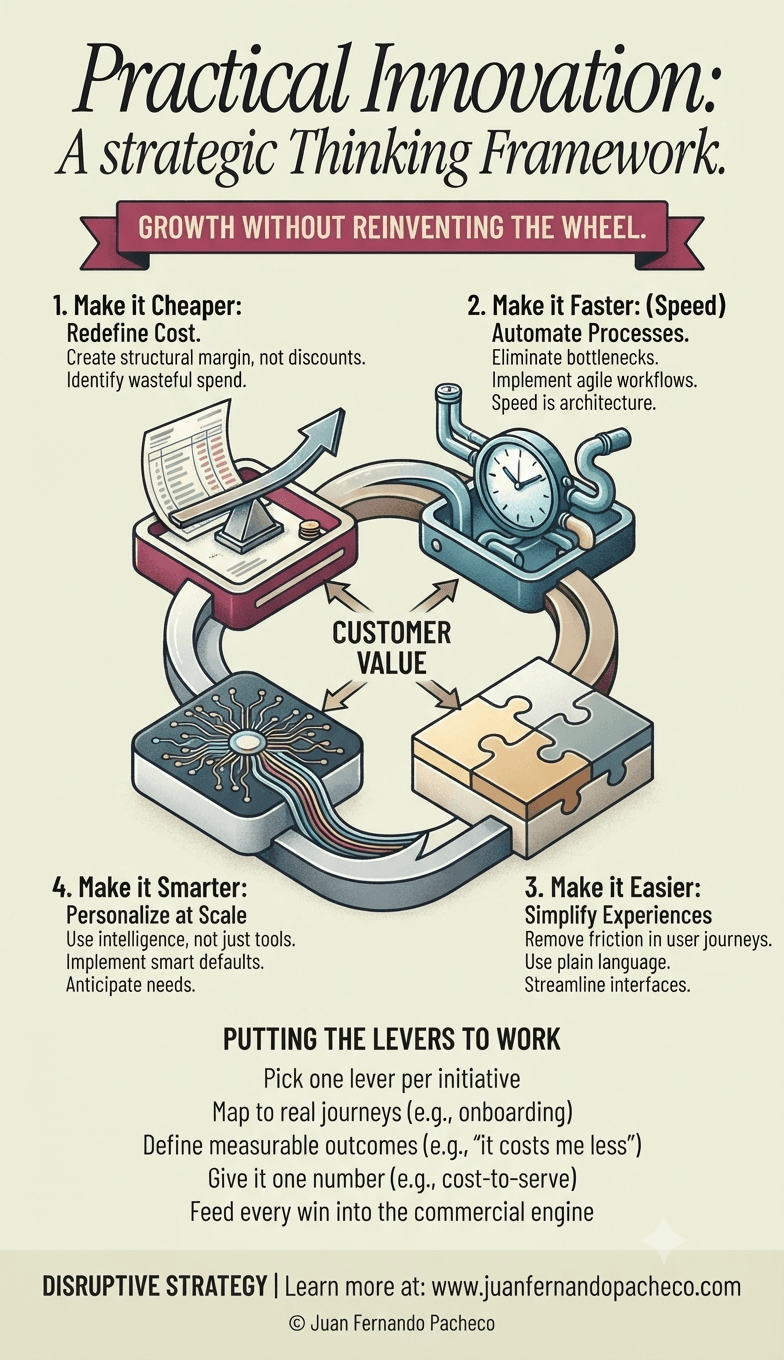
An infographic titled "Practical Innovation: A strategic Thinking Framework," featuring a central circular diagram made of four interconnected modules (red financial ledger, blue clock, gold puzzle, and grey AI network) with arrows pointing to "CUSTOMER VALUE." Detailed text below lists the four levers: 1. Make it Cheaper (Cost), 2. Make it Faster (Speed), 3. Make it Easier (Ease of Use), and 4. Make it Smarter (Personal). The bottom section outlines how to apply the framework with five steps. The footer includes the URL www.juanfernandopacheco.com.

Lasting growth rarely arrives as a breakthrough; it arrives as a habit. This post breaks down the four levers of practical innovation — cheaper, faster, easier, smarter — and shows how to apply them to products, services and enterprise deals so the value keeps compounding for years.
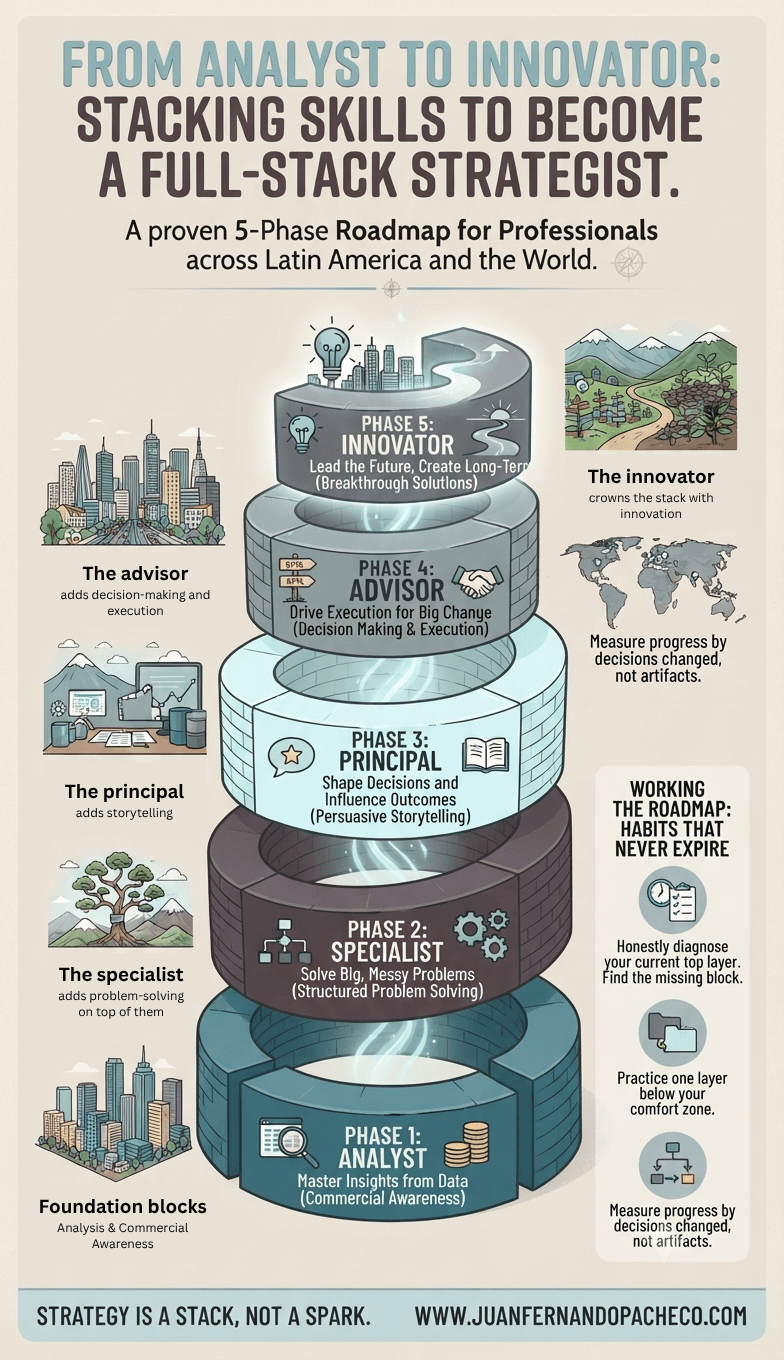
An infographic titled "FROM ANALYST TO INNOVATOR: STACKING SKILLS TO BECOME A FULL-STACK STRATEGIST." The image displays a five-tier cylindrical stack, ascending from a teal base to a grey top. Each tier represents a career phase with illustrative vignettes and text: Phase 1 (Analyst): "Master Insights from Data" (São Paulo skyline, data icons); Phase 2 (Specialist): "Solve Big, Messy Problems" (Andean tree, issue tree); Phase 3 (Principal): "Shape Decisions and Influence Outcomes" (Mexico City boardroom, book icon); Phase 4 (Advisor): "Drive Execution for Big Change" (Handshake, roadmap); and Phase 5 (Innovator): "Create Long-Term Value" (Lightbulb, agricultural model). To the right, a section details "WORKING THE ROADMAP: HABITS THAT NEVER EXPIRE." The bottom banner reads "STRATEGY IS A STACK, NOT A SPARK." and "WWW.JUANFERNANDOPACHECO.COM".

Strategy is not a title you are given; it is a stack of skills you build in a deliberate order. This post walks the five-phase roadmap — analyst, specialist, principal, advisor, innovator — and translates each layer into habits you can practice in any market, in any era.
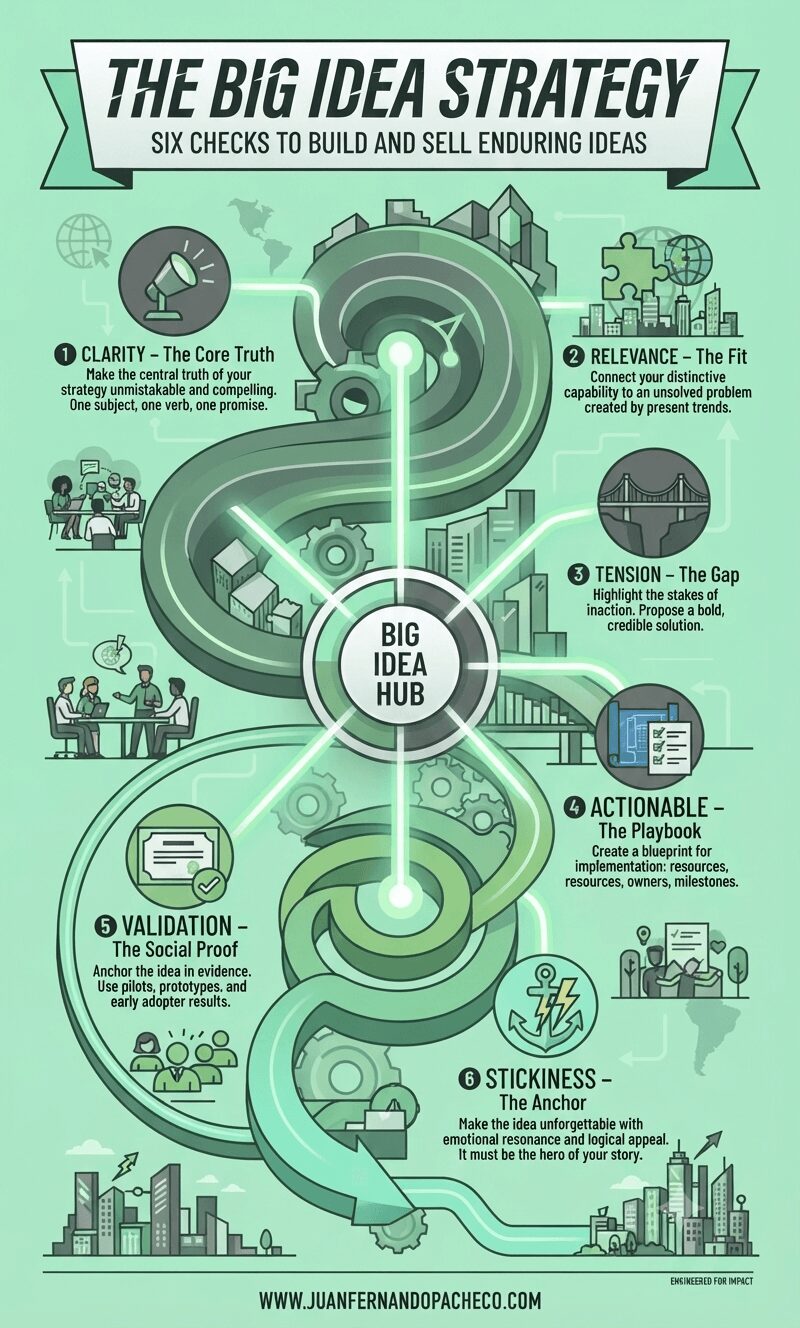
An infographic titled "The Big Idea Strategy," featuring a central hub connected to six sequential checks—Clarity, Relevance, Tension, Actionable, Validation, and Stickiness—against a mint green background with global and LATAM business elements, concluding with www.juanfernandopacheco.com.

The big idea is the central, unifying concept that gives a strategy purpose, momentum and difference. This post walks through the six checks – clarity, relevance, tension, an actionable playbook, validation and stickiness – and shows how to apply them to products, plans and high-stakes enterprise deals.
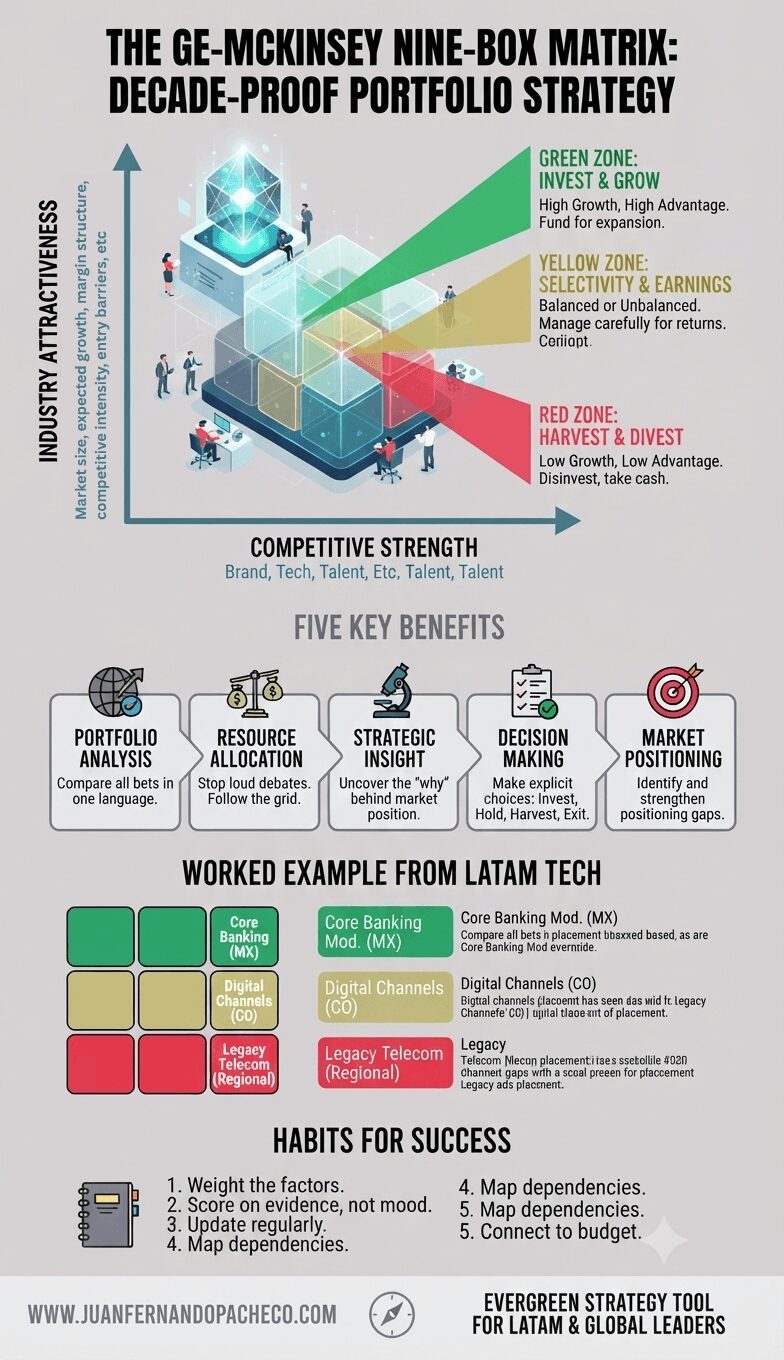
A vertical infographic detailing the GE-McKinsey Nine-Box Matrix for portfolio strategy. It features a 3x3 grid with glowing 3D cubes, a 'Five Key Benefits' process flow, a 'Worked Example from LATAM Tech' with specific project placements, and a 'Habits for Success' checklist, all tied to www.juanfernandopacheco.com.

A field-tested, plain-language guide to the GE-McKinsey nine-box matrix, from scoring the two axes honestly to turning the nine boxes into clear invest, hold, and exit decisions. Written for leaders who manage products, services, markets, or deal pipelines and want a portfolio tool that stays useful for years.
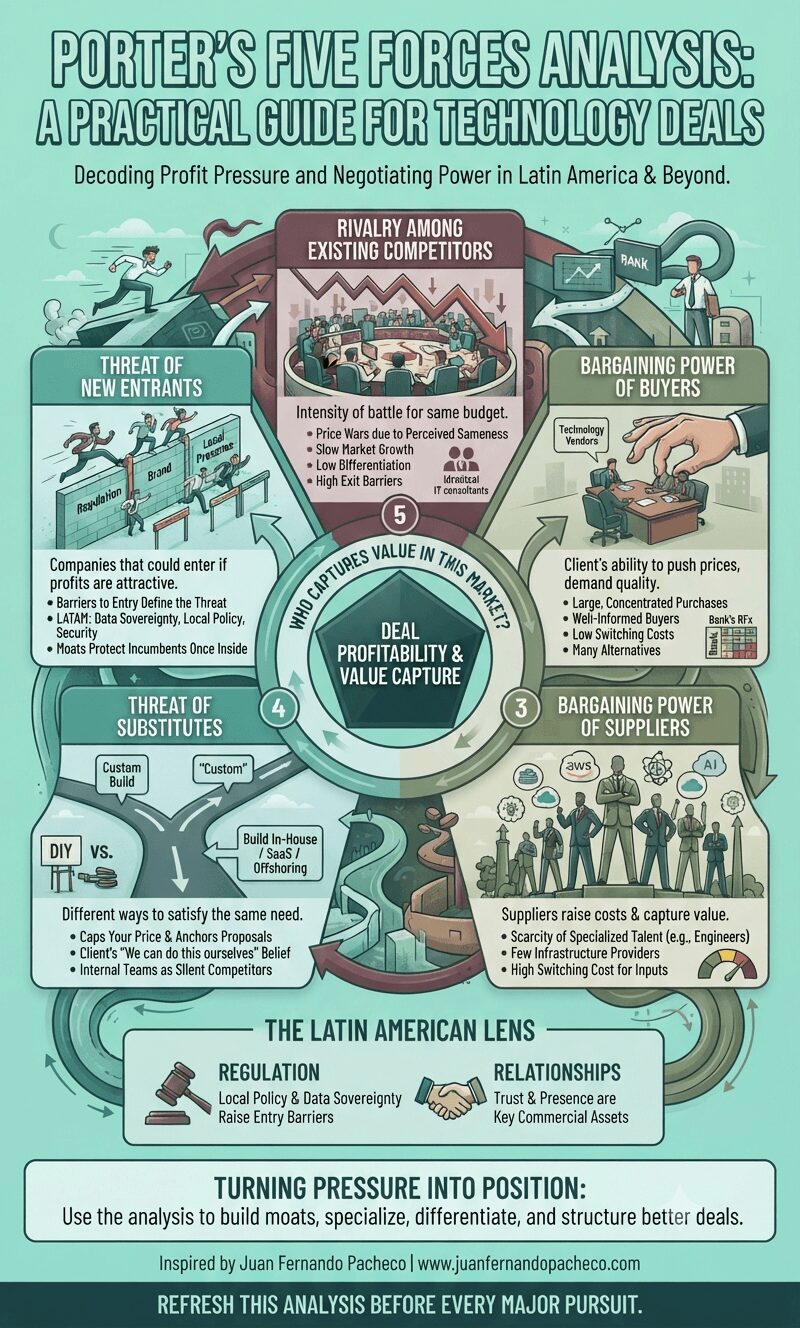
An infographic illustrating Porter's Five Forces analysis applied to the Latin American enterprise technology market. It is structured around a central pentagon labeled "Deal Profitability & Value Capture." Five distinct, illustrated modules surround it, detailing: Rivalry Among Existing Competitors (price wars), Bargaining Power of Buyers (large RFx processes), Bargaining Power of Suppliers (scarce engineering talent), Threat of New Entrants (regulatory moats), and Threat of Substitutes (internal builds). A special section highlights "The Latin American Lens," emphasizing the roles of regulation and relationships. The overall style is a professional, illustrative comic-panel look using a teal, green, and burgundy color palette.

For most of my career, I learned to read those pressures by instinct, deal by deal, loss by loss.

Then I realized Michael Porter had already given us a disciplined way to see them in advance. His five forces model, first published in 1979, is still one of the most practical strategy tools ever created, not because it is sophisticated, but because it forces you to look beyond the competitors you can name and examine the entire structure of the market you fight in.
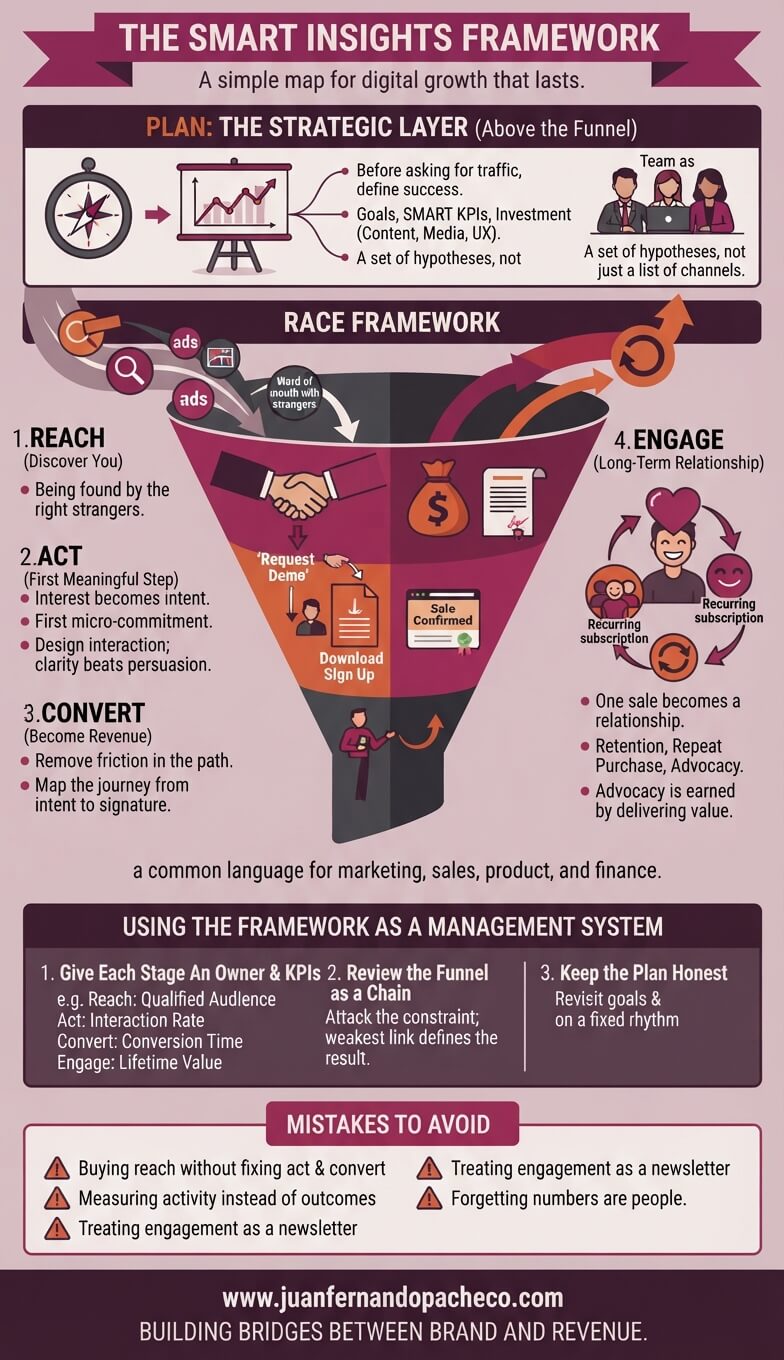
An infographic illustrating a five-stage digital marketing and sales framework, starting with 'PLAN' at the strategic layer, followed by the inverted funnel of the 'RACE FRAMEWORK' (Reach, Act, Convert, Engage), and concluding with a management system and common pitfalls. The color scheme uses deep purples and muted earth tones.

Tools, platforms, and algorithms will keep changing. The journey of a customer, to discover, interact, decide, and stay, is human, and therefore stable.

The smart insights framework endures because it is organized around that human journey and wrapped in the discipline of planning and measurement. Use it as your map, keep your KPIs honest, attack the constraint, and build engagement as seriously as you build acquisition.
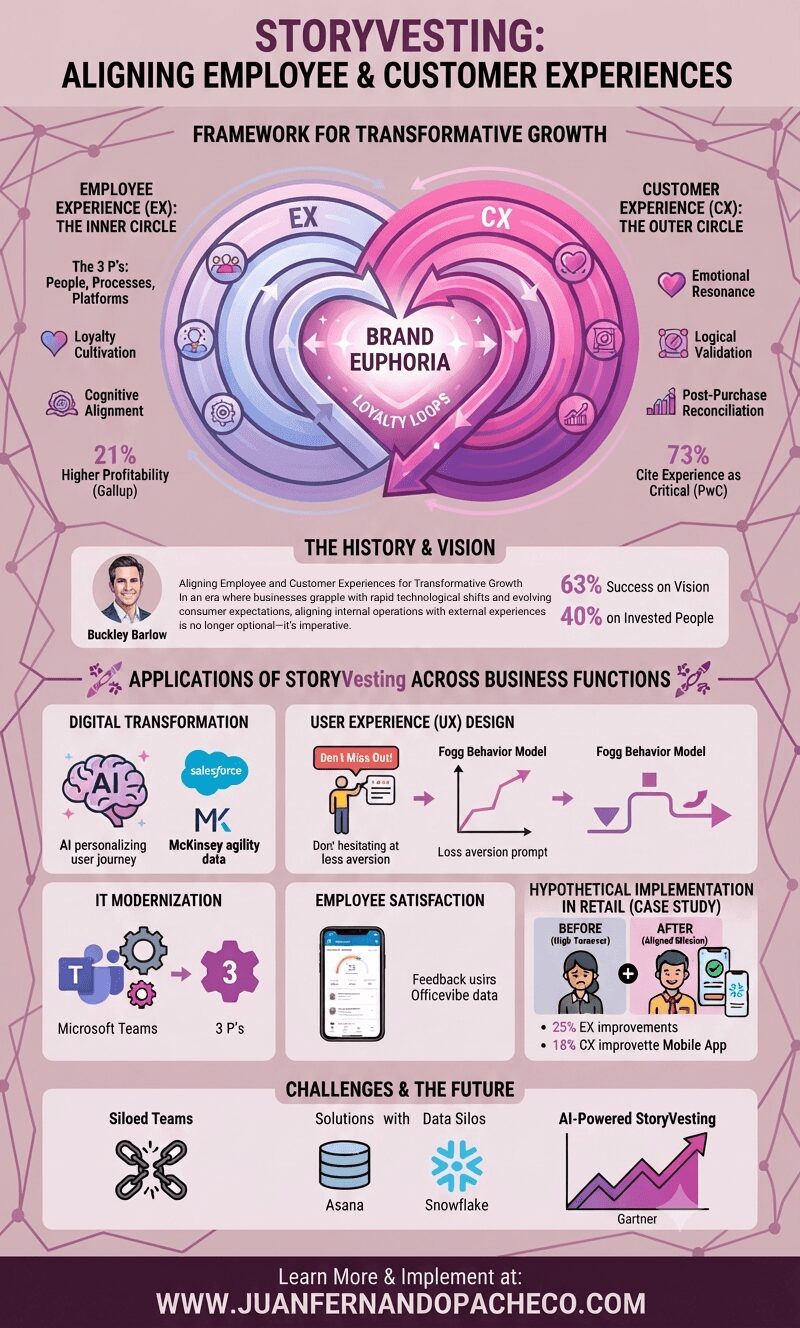
A comprehensive infographic visualizing the "StoryVesting" business framework. It details the concentric EX (Employee Experience) and CX (Customer Experience) circles, leading to "Brand Euphoria," and includes sections on history, applications across functions (Digital Transformation, UX, IT, Employee Satisfaction), a retail case study, and challenges/future outlook. The design uses a purple-pink color palette and features references to Gallup, PwC, Buckley Barlow, and www.juanfernandopacheco.com.

StoryVesting™, a business transformation framework developed by RocketSource that bridges the gap between employee engagement and customer loyalty. By harmonizing these two pillars, organizations can unlock sustainable growth, even in volatile markets.