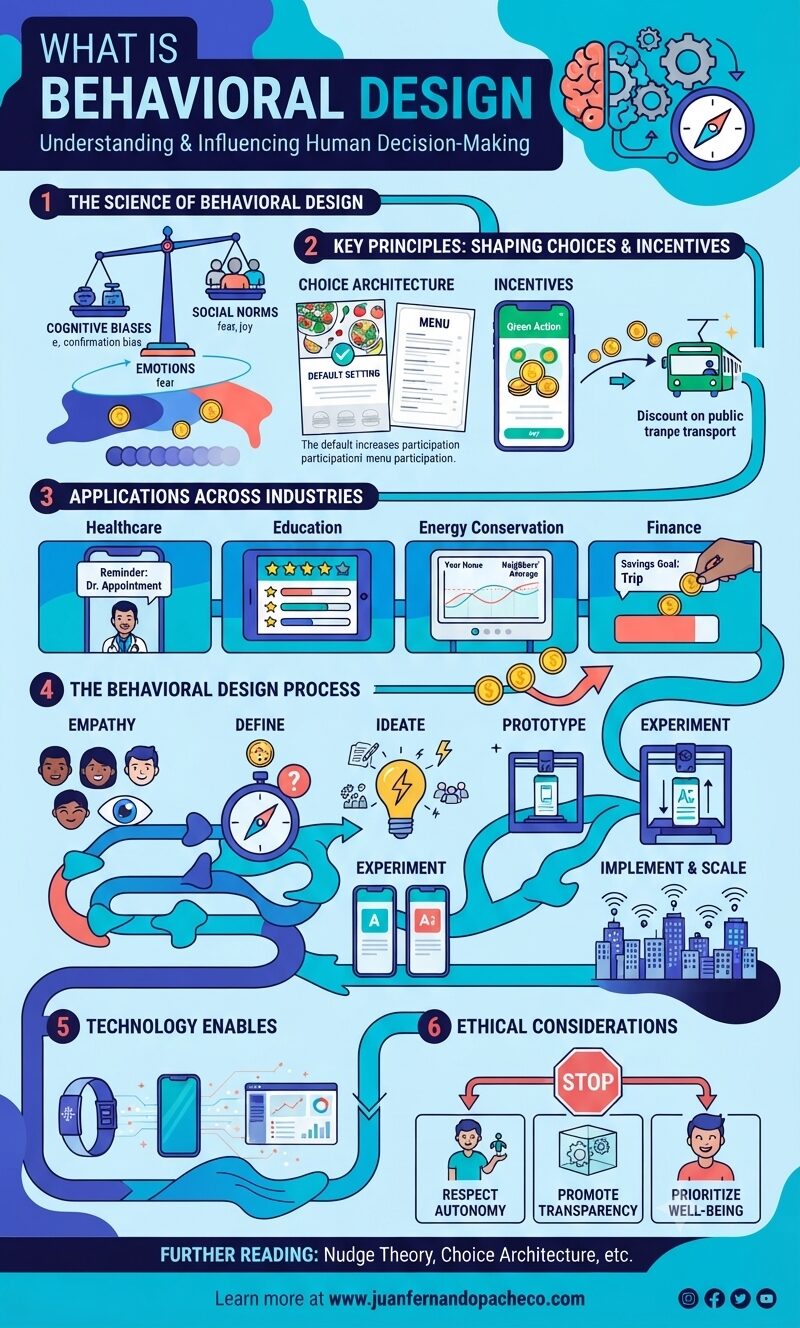
Behavioral design is a powerful approach to understanding and influencing human behavior. By combining insights from psychology, design, and technology, it provides practical tools for addressing complex challenges across various industries. From improving health outcomes to promoting sustainability, behavioral design empowers individuals to make better decisions and achieve their goals.
Tag: Design Thinking
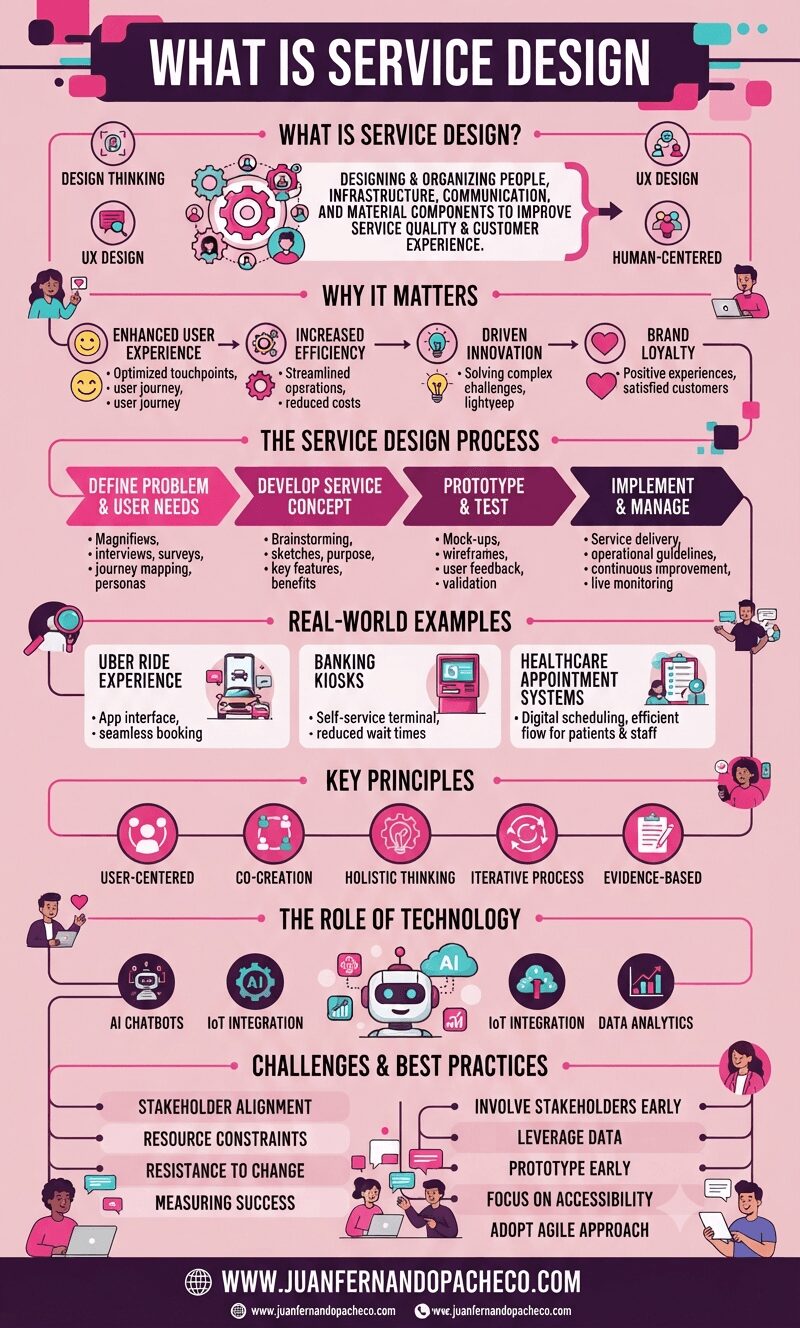
Service design is a dynamic and essential discipline that focuses on designing and delivering services that meet the needs and expectations of both users and business stakeholders.
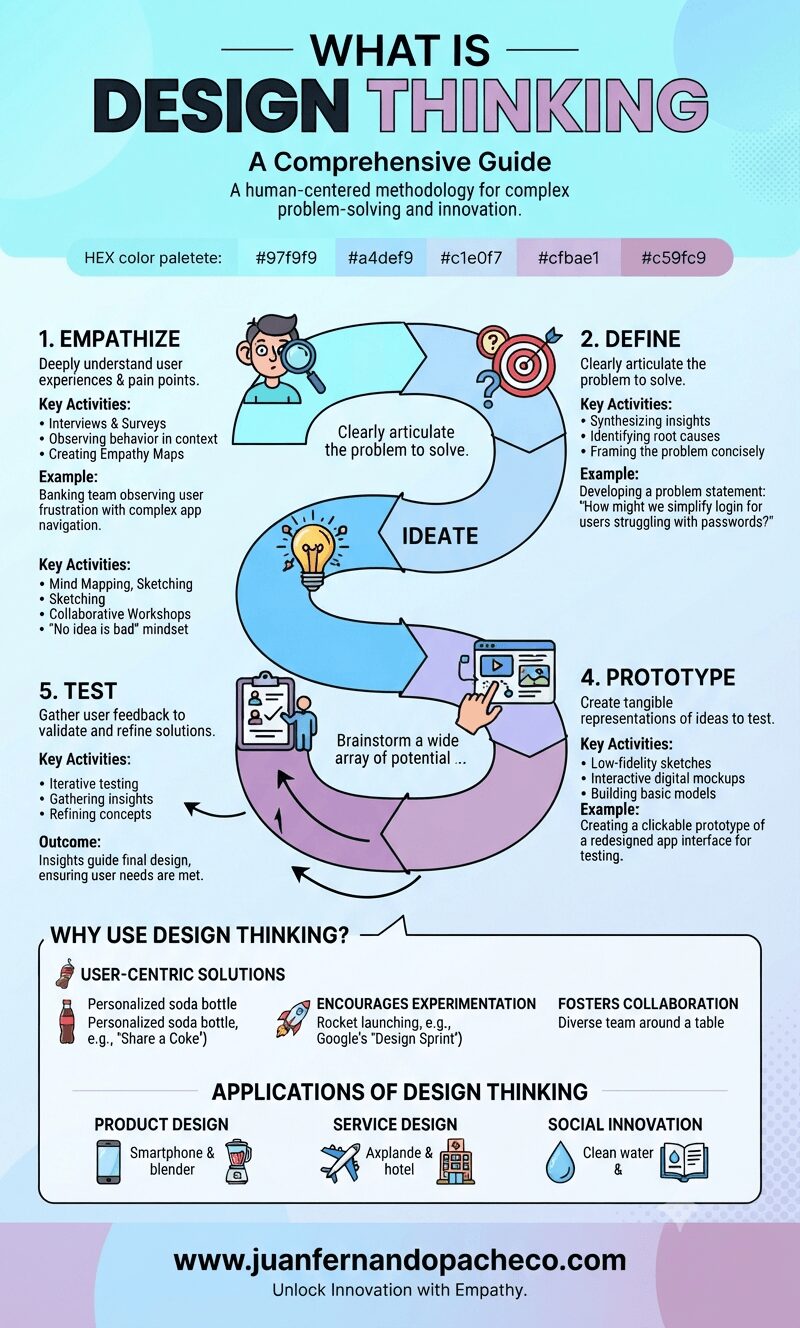
Design Thinking is not just a process but a mindset—a way of approaching problems with curiosity, empathy, and creativity. Focusing on end-user needs and fostering collaboration, the framework enables teams to create solutions that are impactful, user-friendly, and sustainable. Whether you’re a designer, developer, marketer, or business leader, adopting this approach can drive meaningful innovation and success.
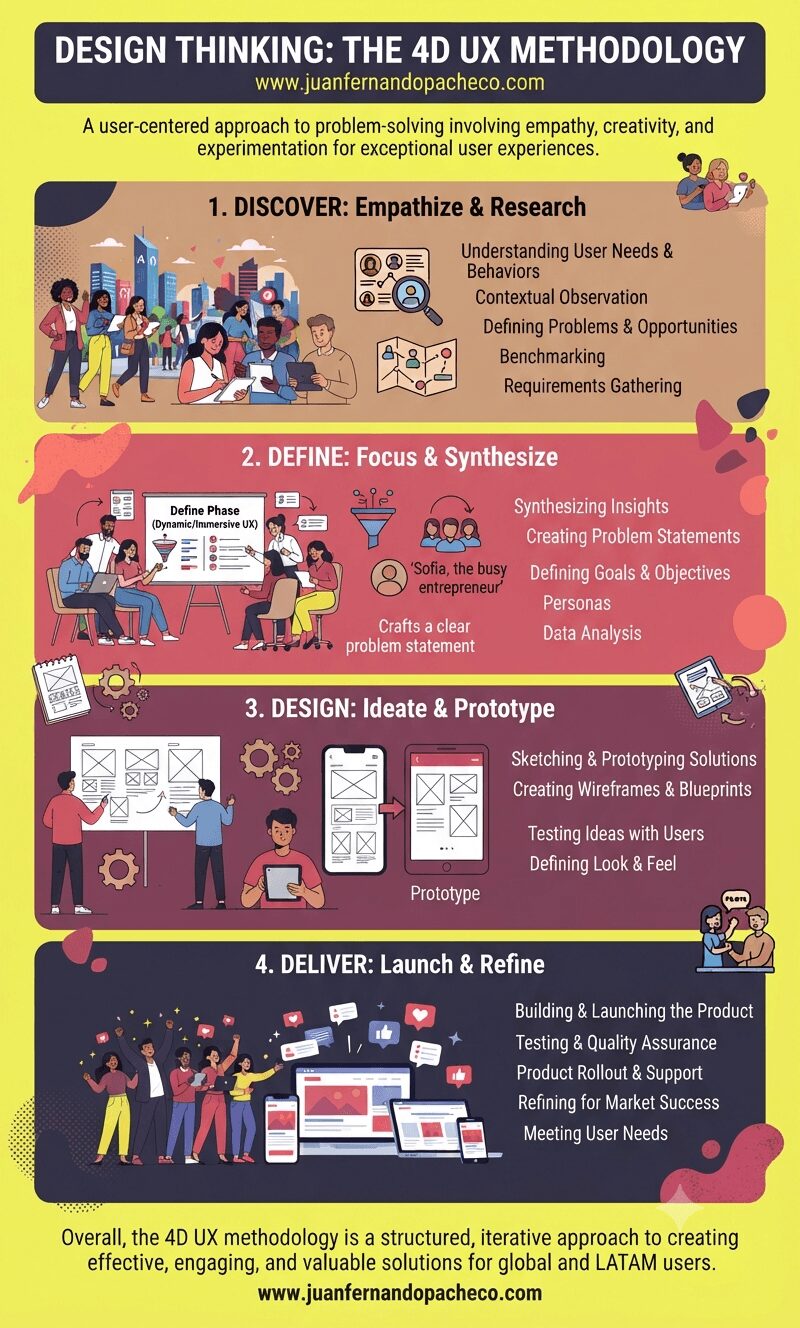
Overall, the 4D UX methodology is a structured and user-centered approach to design. It helps teams to create solutions that meet the needs of users and solve real-world problems.