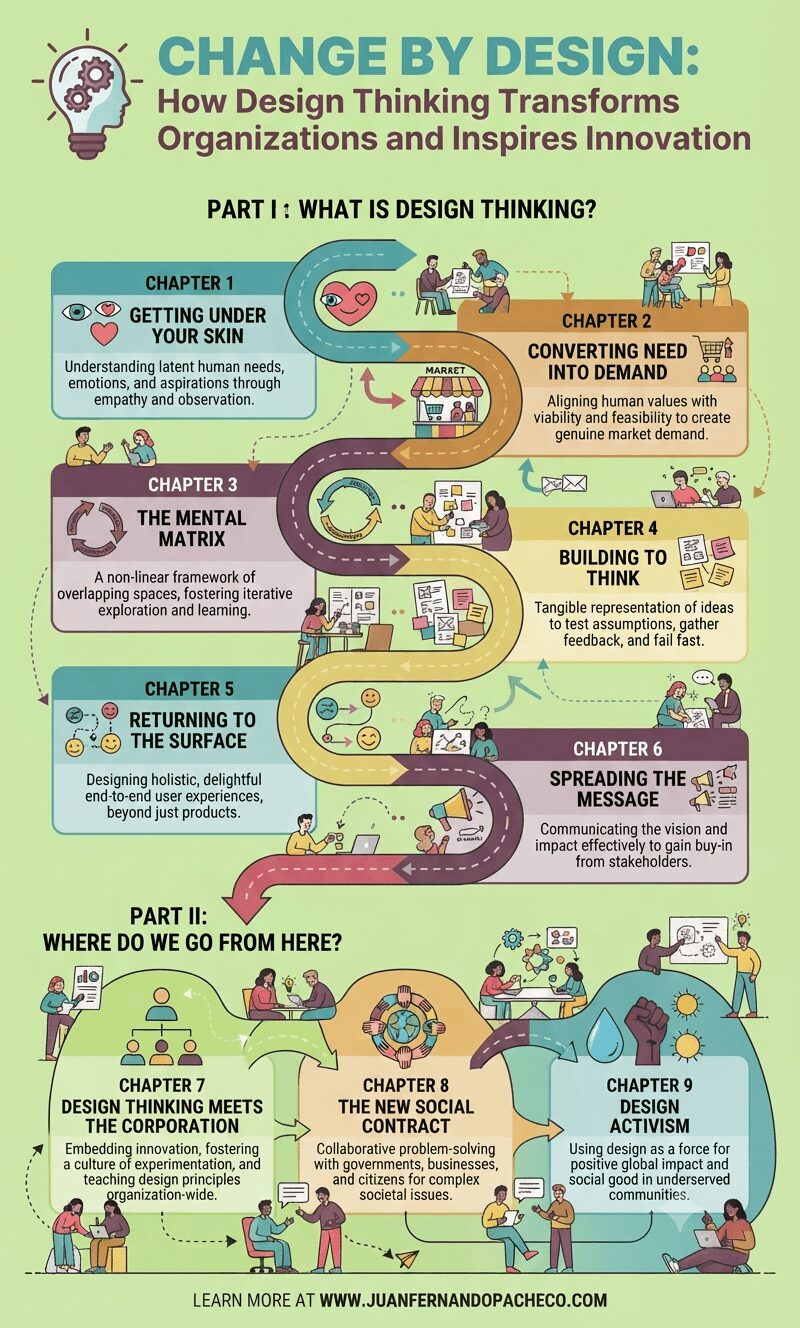
In essence, “Change by Design” is a powerful testament to the transformative potential of design thinking. Tim Brown meticulously dismantles traditional notions of design, repositioning it as a versatile and potent tool for innovation that extends far beyond aesthetics.
Tag: Innovation
Innovation is the practical implementation of ideas that result in the introduction of new goods or services or improvement in offering goods or services.
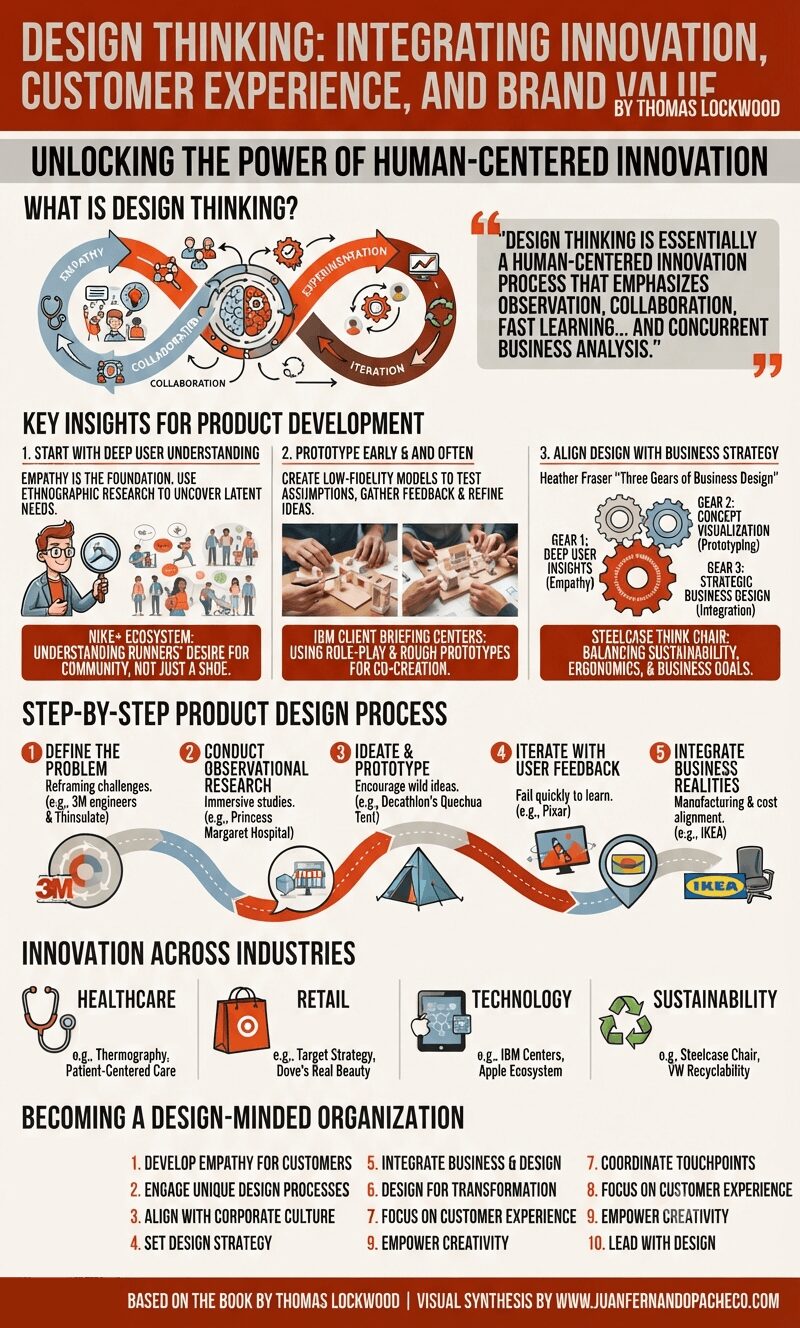
Design Thinking: Integrating Innovation, Customer Experience, and Brand Value is more than a manual—it’s a call to action. By blending human insight with business acumen, organizations can navigate complexity, foster loyalty, and drive growth. As Lockwood writes:
“The real value of design is in discovering and solving all manner of problems. It’s not about what design is—it’s about what design does.”
Whether you’re refining a product, reimagining a service, or transforming a business model, this book offers the tools and inspiration to lead with creativity. In a world where change is the only constant, design thinking isn’t just an advantage—it’s a necessity.
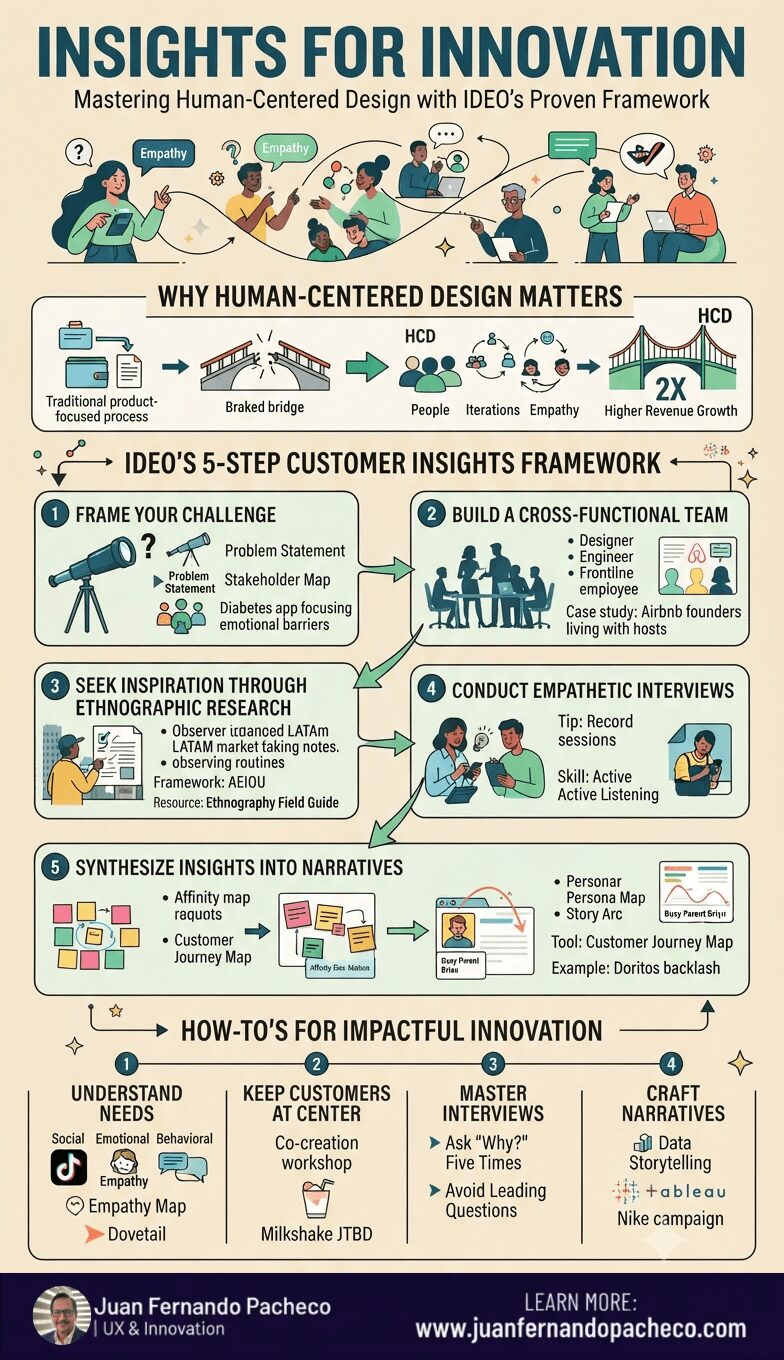
Insights for Innovation isn’t a checklist—it’s a mindset. By grounding every decision in empathy, curiosity, and storytelling, you’ll build products that don’t just solve problems, but enrich lives. Ready to start? Dive deeper with IDEO’s Design Thinking Resources and remember: The next breakthrough lies in the stories your customers haven’t told you yet.
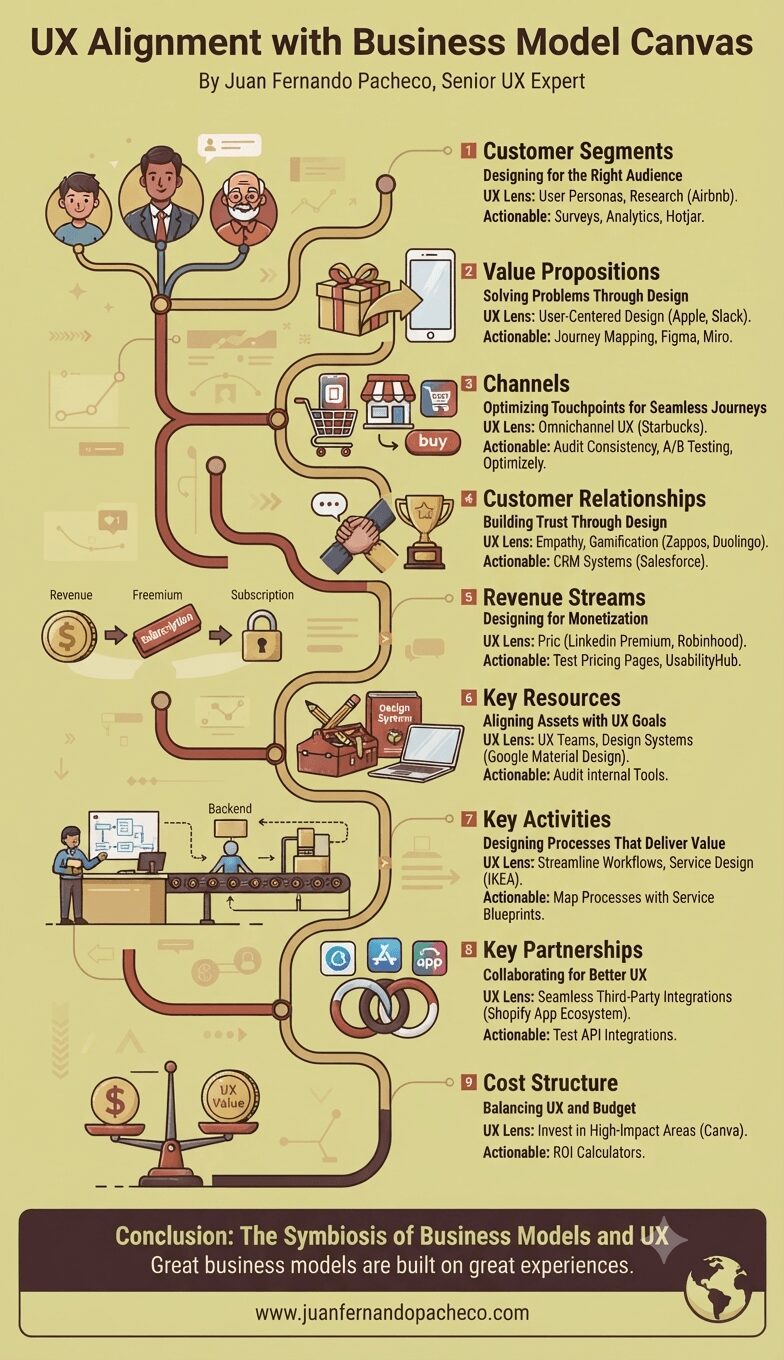
The Business Model Canvas isn’t just a strategic tool—it’s a blueprint for designing experiences that resonate. By aligning each building block with UX principles, businesses can create value that’s both sustainable and user-centric. Whether you’re a startup or an enterprise, remember:
Great business models are built on great experiences.
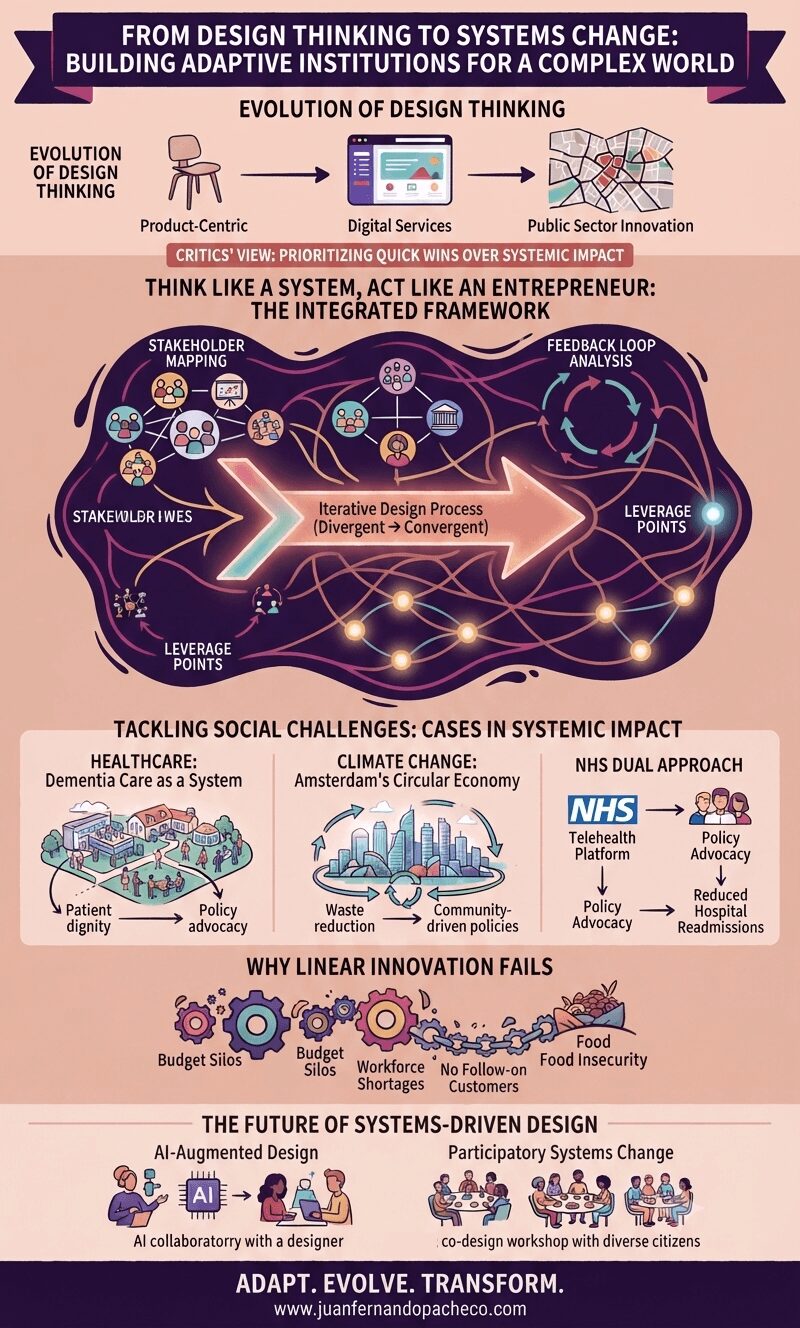
Design thinking’s fusion with systems change marks its coming of age. By embracing complexity, nurturing cross-sector partnerships, and prioritizing adaptive learning, institutions can tackle 21st-century challenges with resilience.
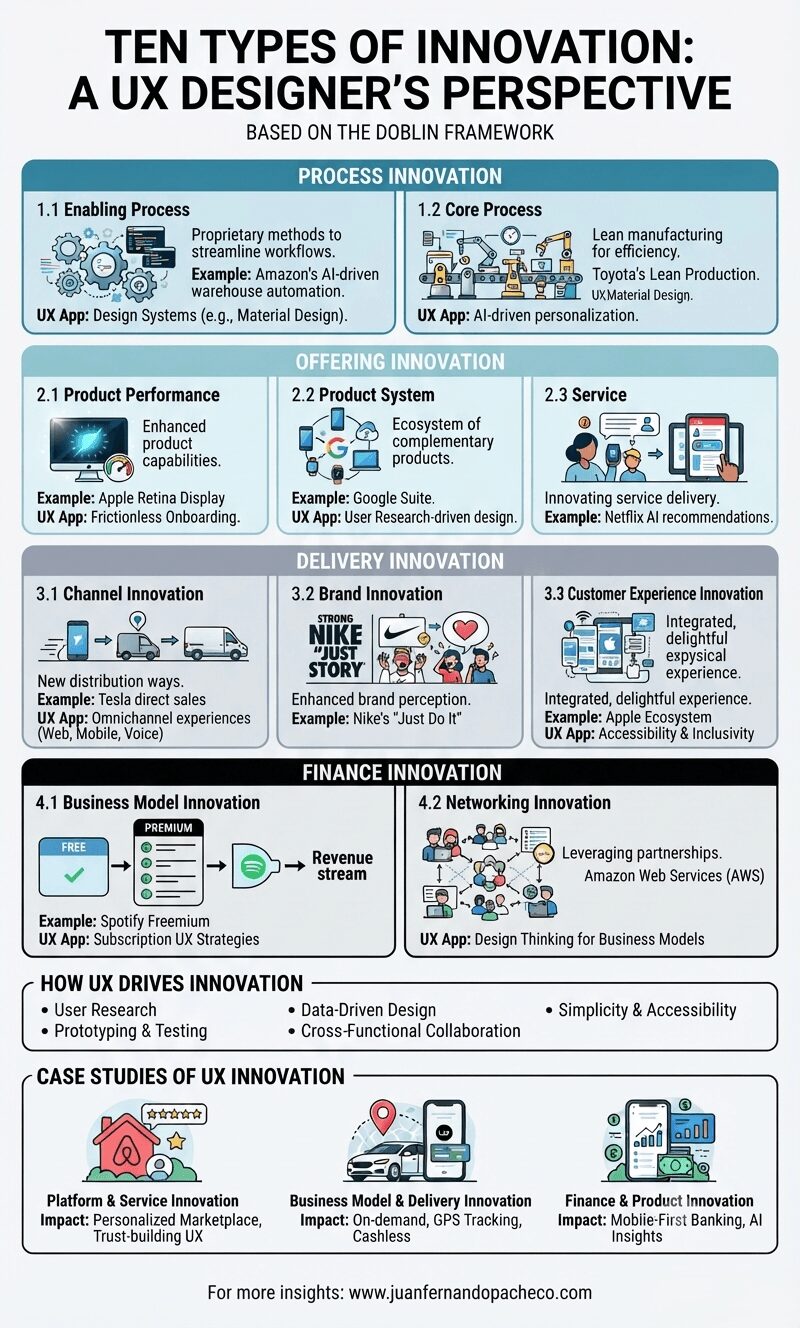
Innovation is not limited to technology or products; it extends to every facet of a business. As UX designers, embracing the “Ten Types of Innovation” helps create more meaningful, inclusive, and impactful experiences for users.
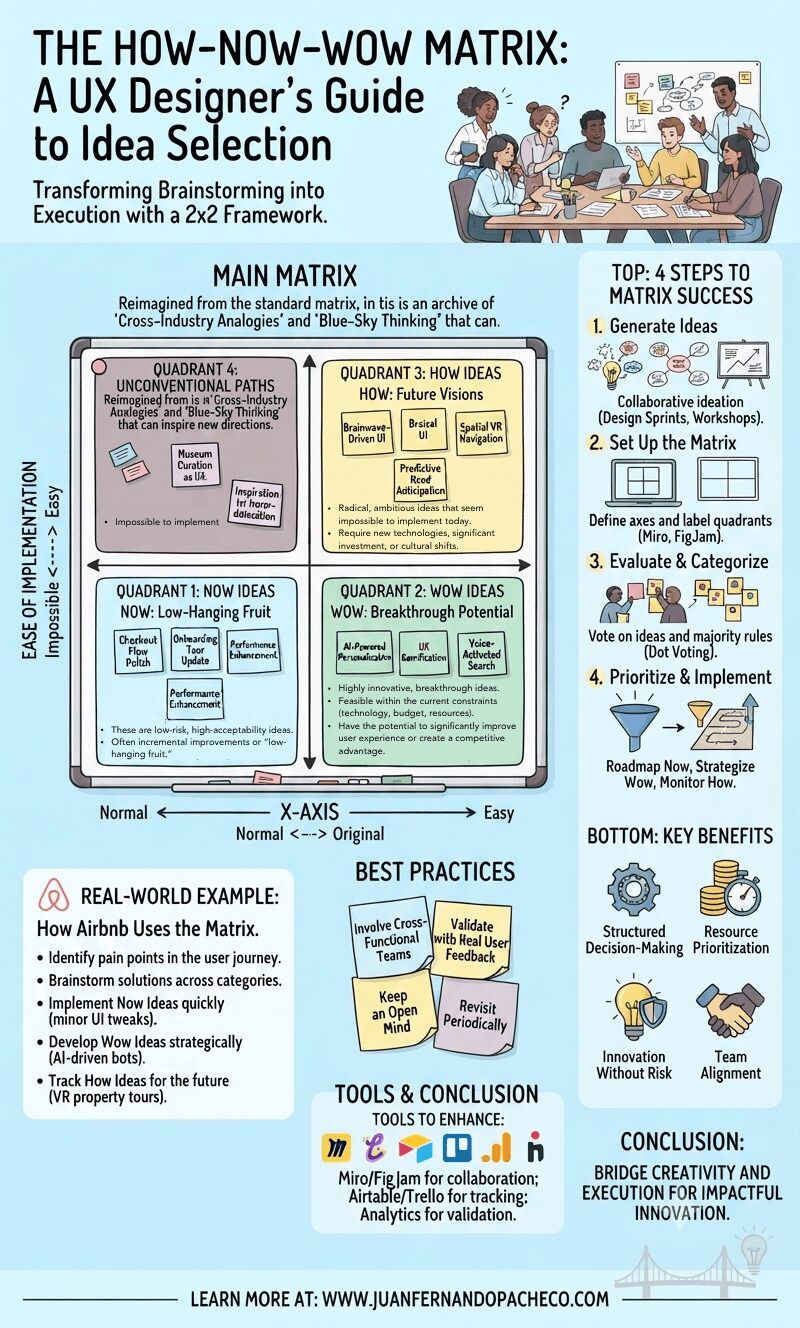
The How-Now-Wow Matrix is an invaluable tool in the UX designer’s toolkit. It bridges the gap between creativity and execution, ensuring that the best ideas move forward in a structured, strategic manner. Whether you’re optimizing an existing product or envisioning the future of user experience, integrating this framework will enhance your decision-making process and lead to impactful innovation.
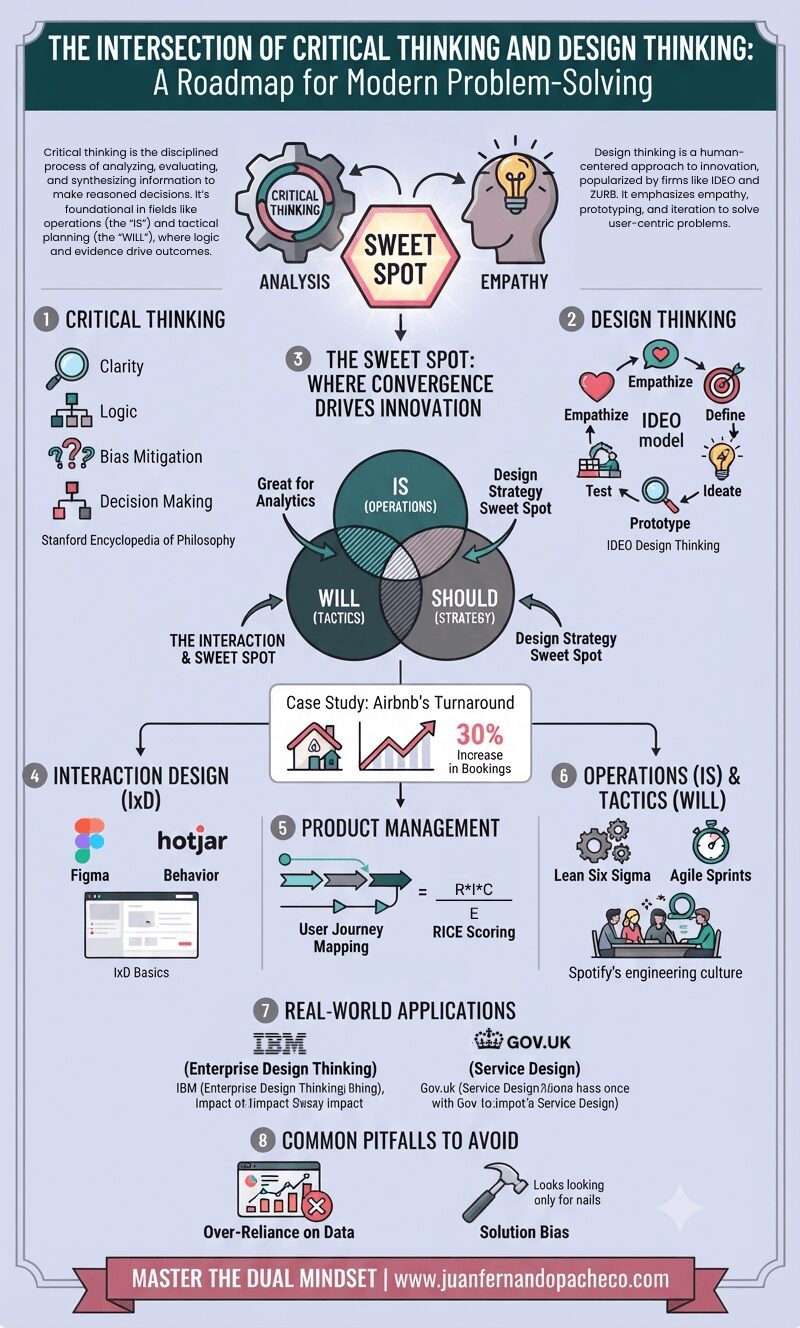
Critical and design thinking are not opposing forces—they’re complementary. By mastering their intersection, teams can craft solutions that are both innovative and actionable.
Whether you’re a UX designer, product manager, or operations lead, this dual mindset is your key to staying ahead.
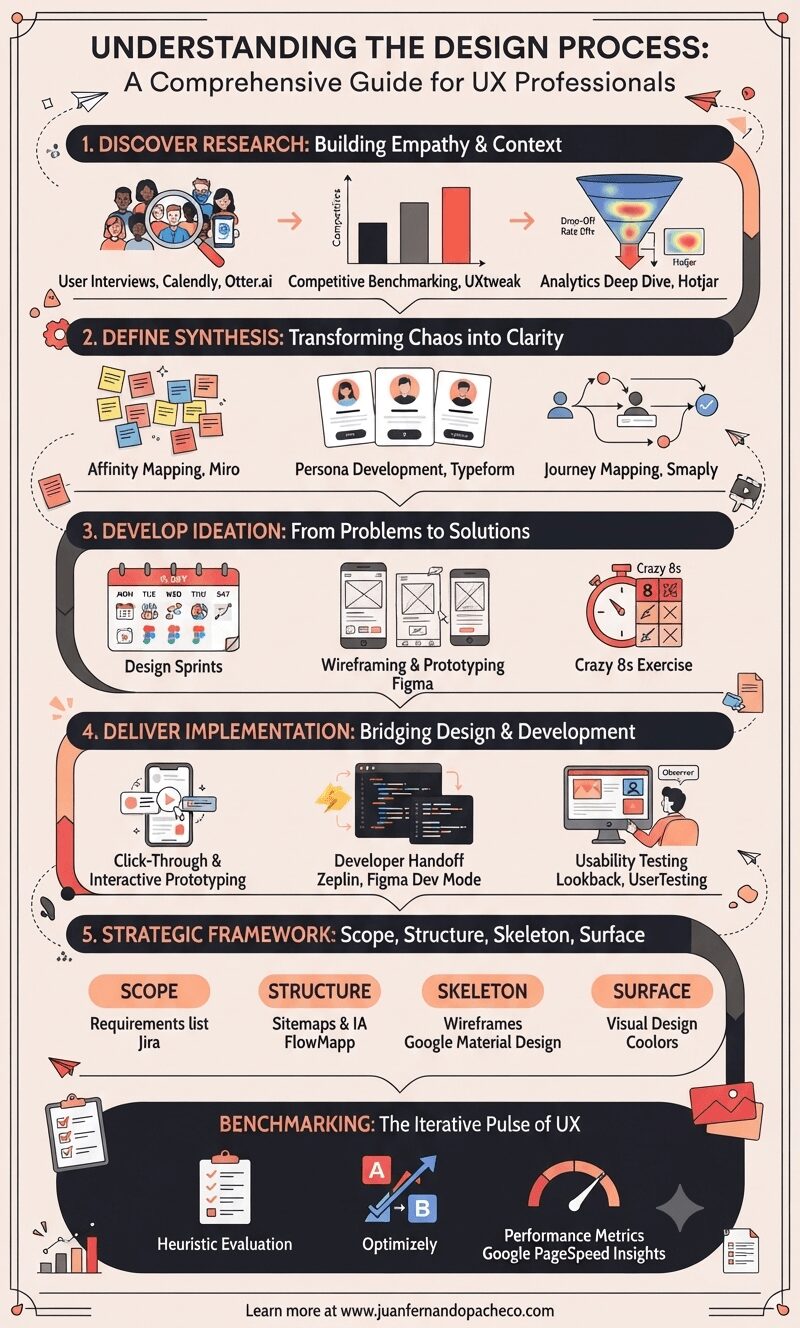
Mastering the design process requires balancing creativity with rigor.
By integrating tools like Figma for prototyping, Miro for synthesis, and Optimizely for testing, teams can deliver exceptional user experiences.
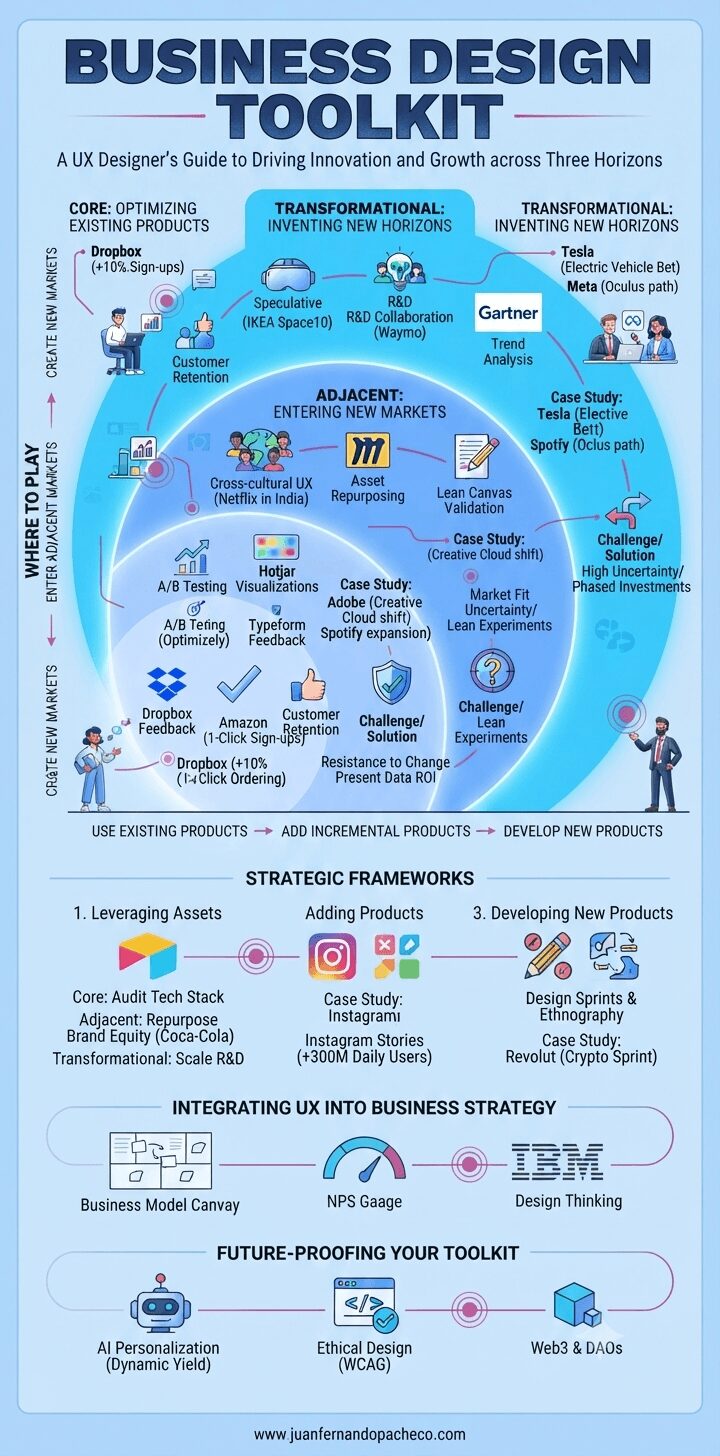
A business design toolkit is not static—it evolves with market shifts and technological advancements. By mastering Core optimization, Adjacent expansion, and Transformational disruption, UX designers can become strategic partners in driving sustainable growth.