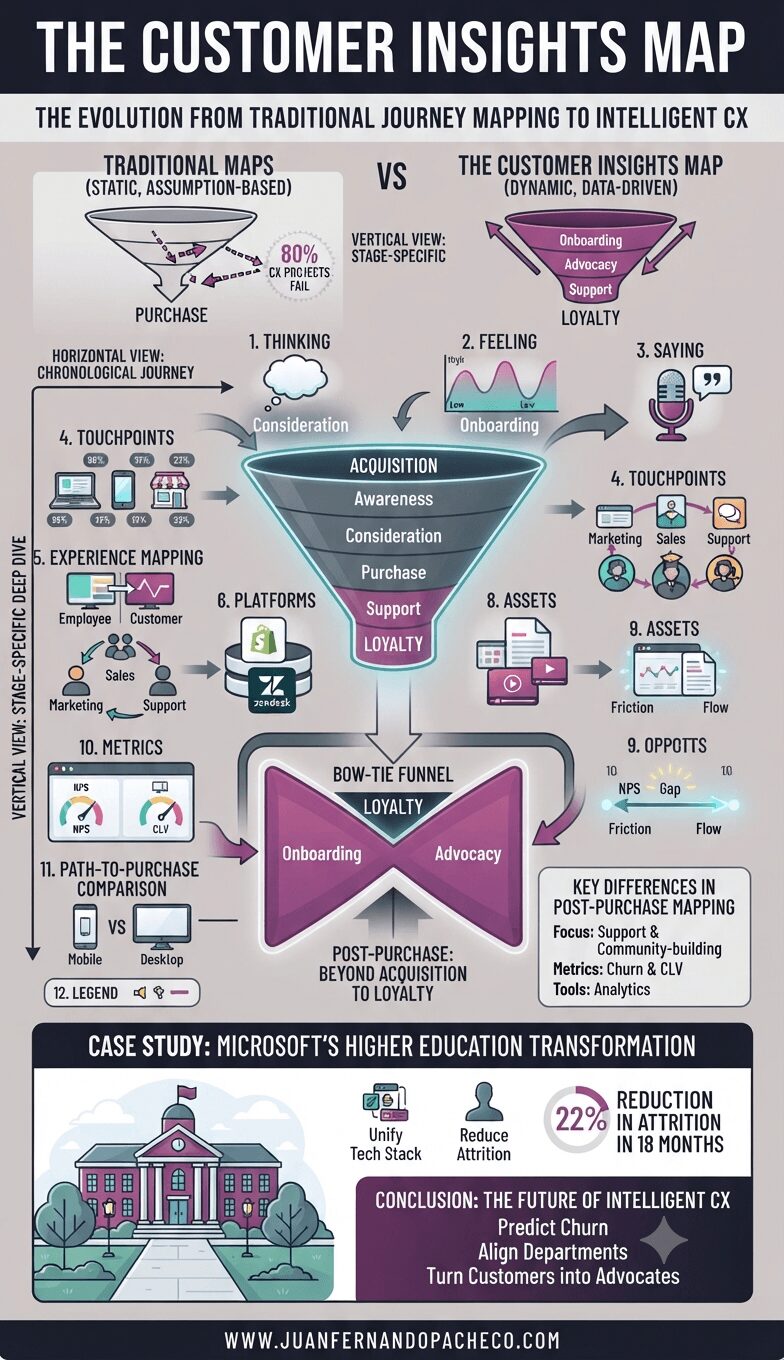
Enter the Customer Insights Map—a fusion of qualitative empathy, quantitative analytics, and strategic frameworks like StoryVesting and Hoshin methodology.
Tag: Product Creation
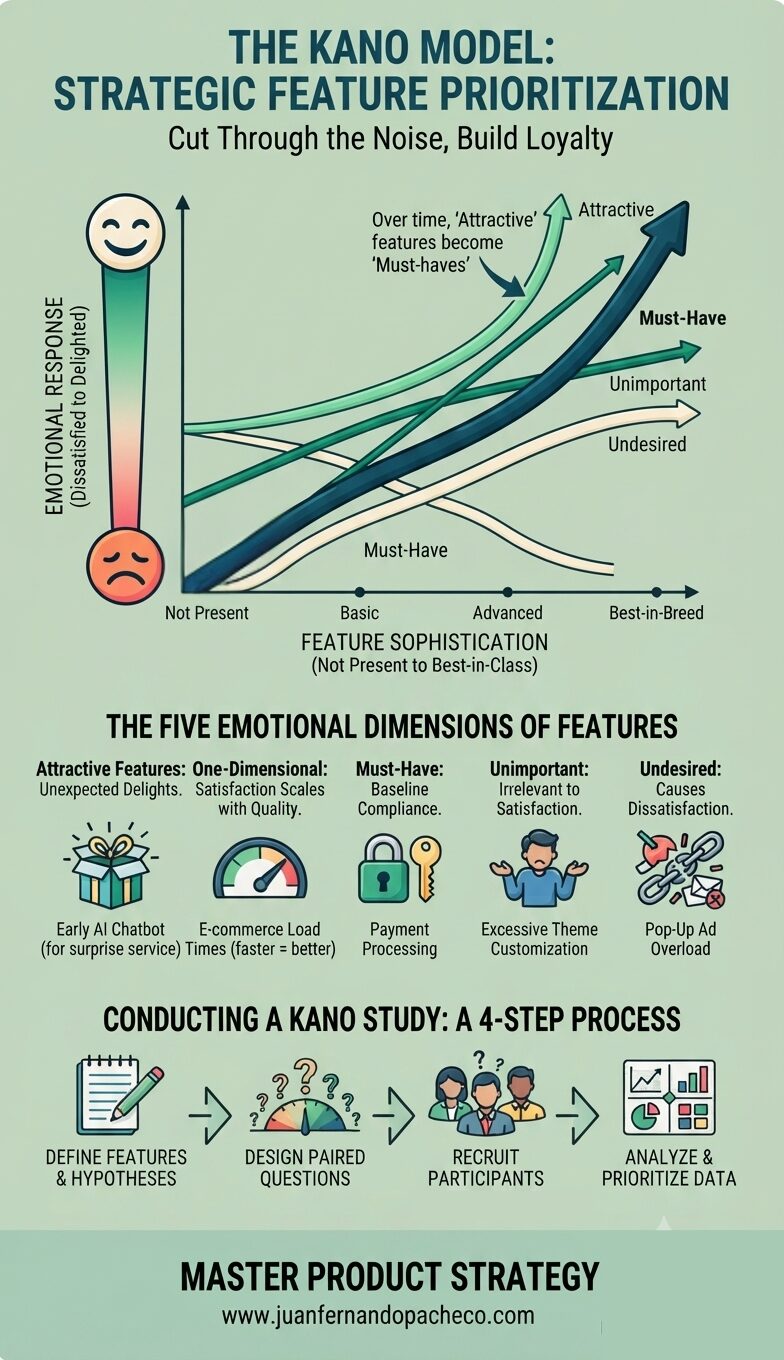
The Kano Model isn’t just a prioritization tool—it’s a mindset. By relentlessly seeking features that surprise and solve, you’ll build products users love today and depend on tomorrow. Start small: Pick 3 features, run a micro-study, and let data—not hunches—guide your roadmap.
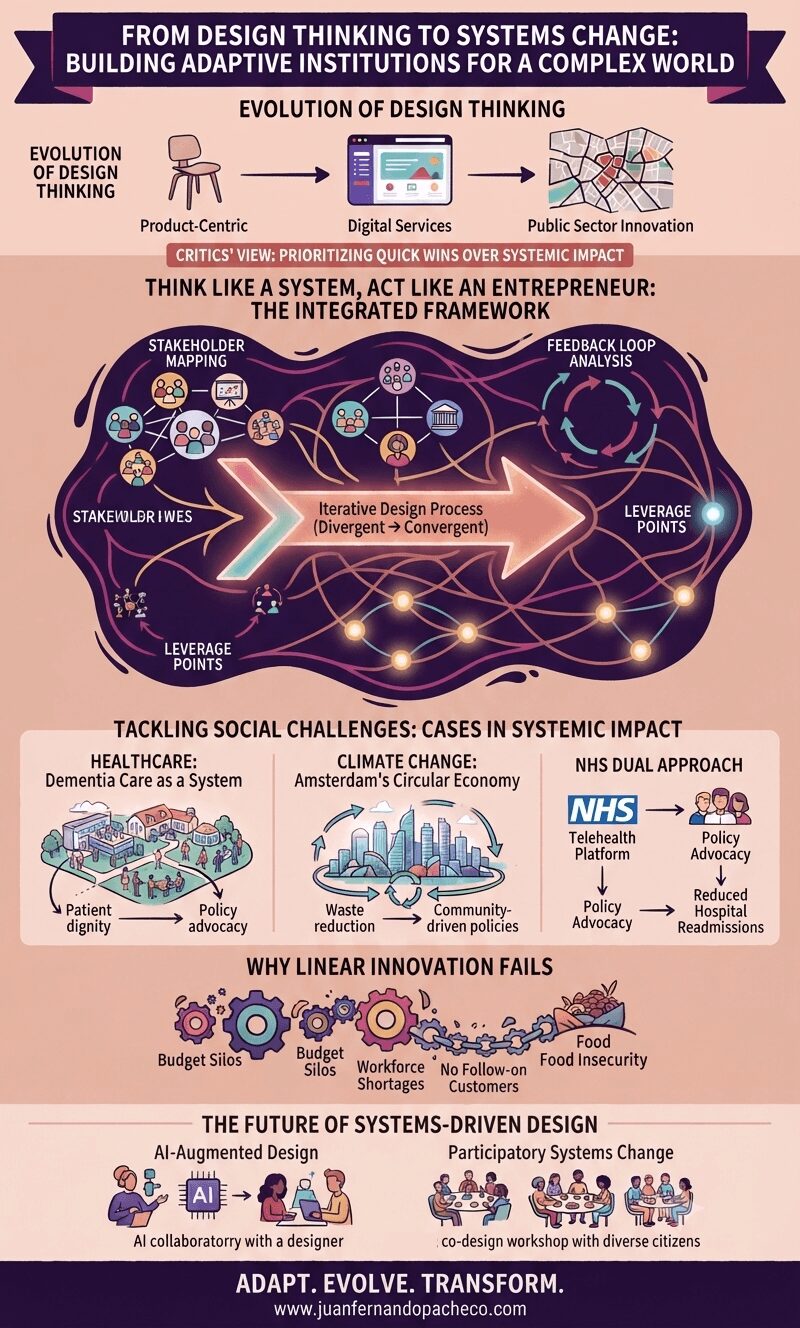
Design thinking’s fusion with systems change marks its coming of age. By embracing complexity, nurturing cross-sector partnerships, and prioritizing adaptive learning, institutions can tackle 21st-century challenges with resilience.
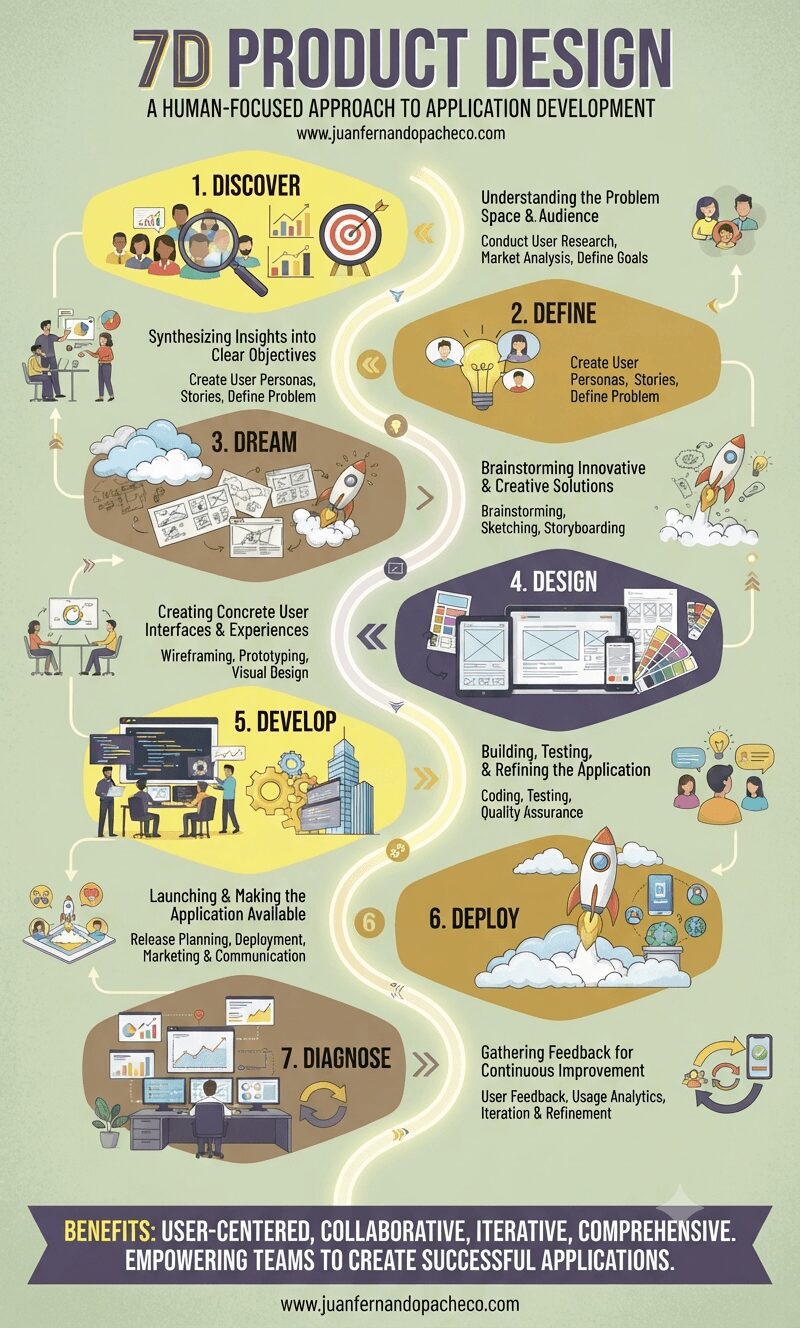
7D Product Design offers a holistic and human-focused approach to application development. By emphasizing user needs, collaboration, and iterative development, it empowers teams to create successful applications that delight users and achieve business goals.
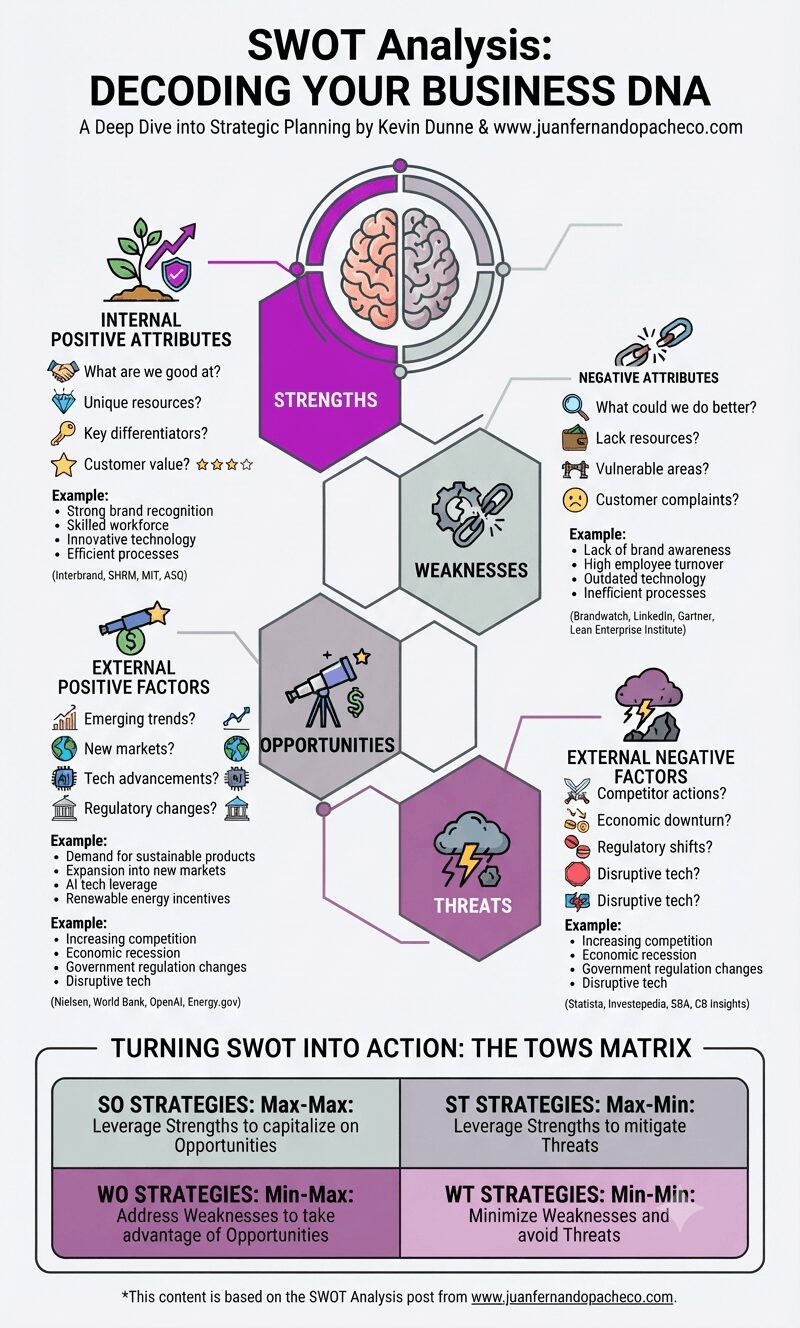
A SWOT analysis is a powerful tool for understanding your organization’s current position and charting a course for future success. By systematically analyzing your strengths, weaknesses, opportunities, and threats, you can develop targeted strategies that leverage your competitive advantages and mitigate potential risks.
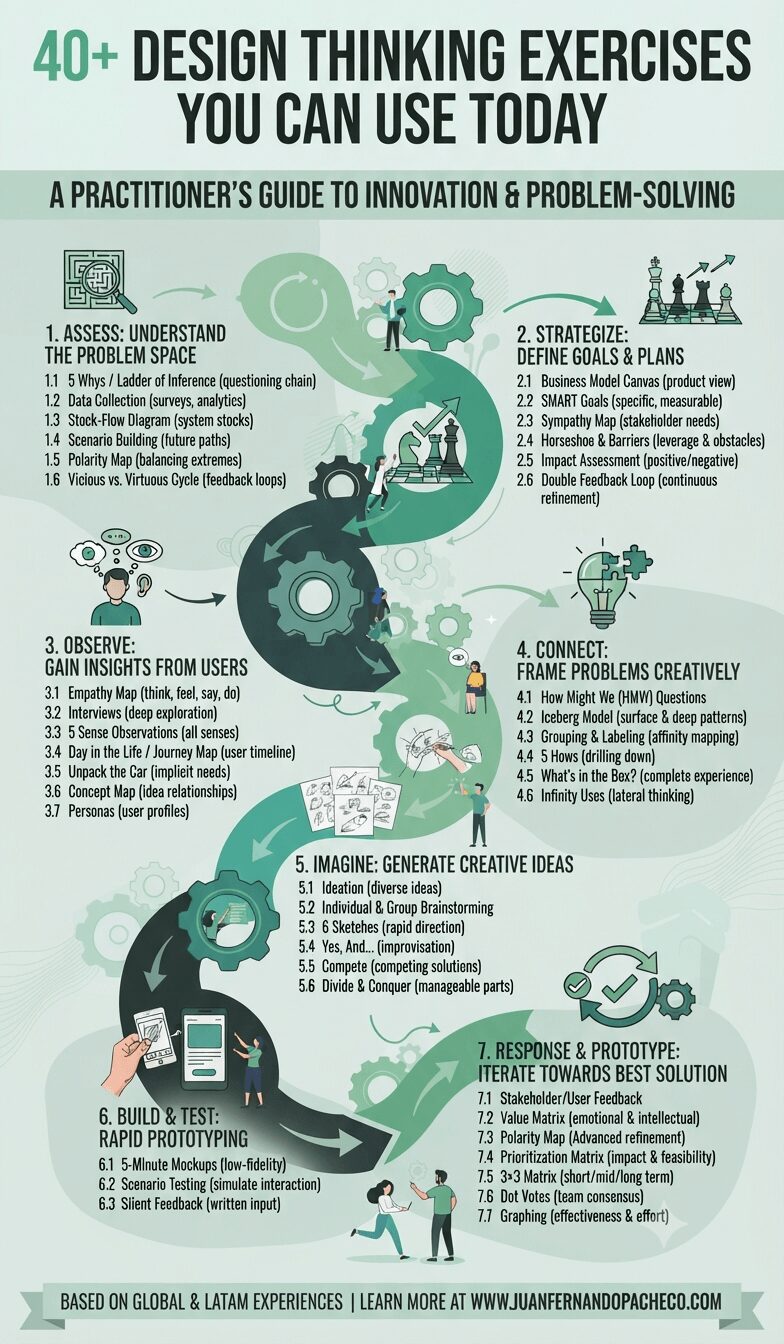
These 45+ design thinking exercises provide a practical and structured approach to problem-solving.
By incorporating these exercises into your UX practice, you can foster creativity, enhance user understanding, and drive impactful results.
Remember that design thinking is an iterative process, so don’t be afraid to experiment and adapt these exercises to fit your specific needs.
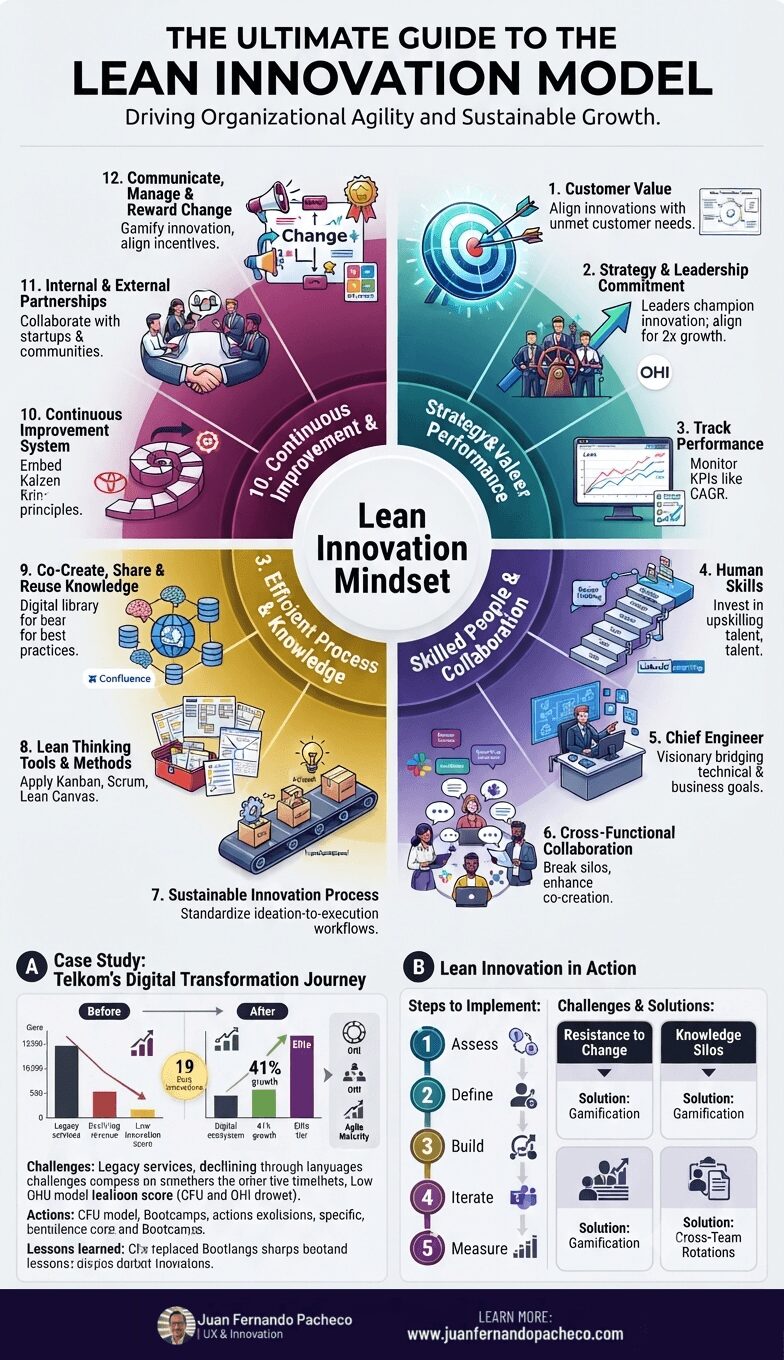
The Lean Innovation Model isn’t just a framework—it’s a mindset. By integrating customer value, agile structures, and continuous learning, organizations like Telkom can thrive in disruption.
Start your journey by auditing organizational health and embedding lean principles into every process.
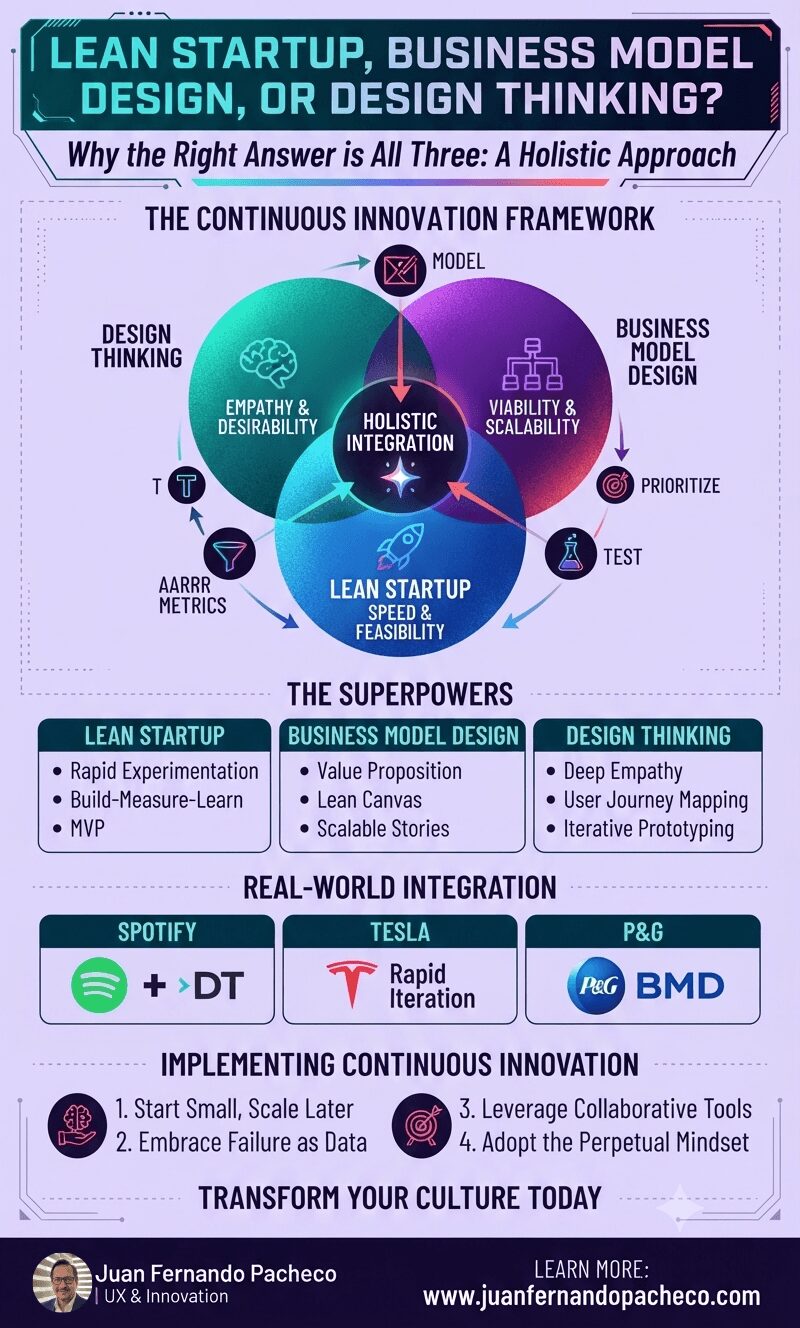
The future belongs to organizations that blend Lean Startup’s agility, Business Model Design’s structure, and Design Thinking’s empathy. By adopting the Continuous Innovation Framework, you’ll build a culture where innovation isn’t a one-time event but a perpetual mindset.