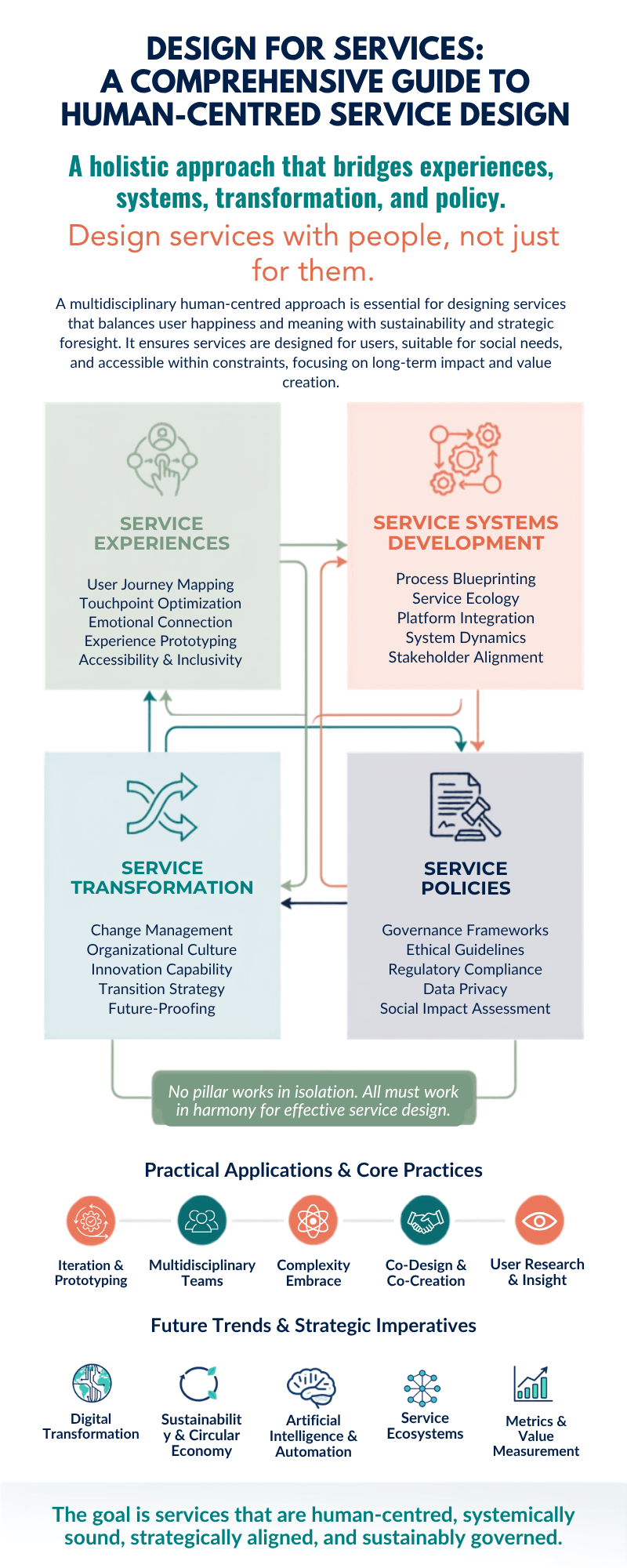
xplore the comprehensive framework of design for services through a human-centred lens. Learn how the four pillars of service design—experiences, systems development, transformation, and policies—integrate multiple disciplines to create meaningful, sustainable solutions that put people at the heart of innovation.
Tag: Service Design
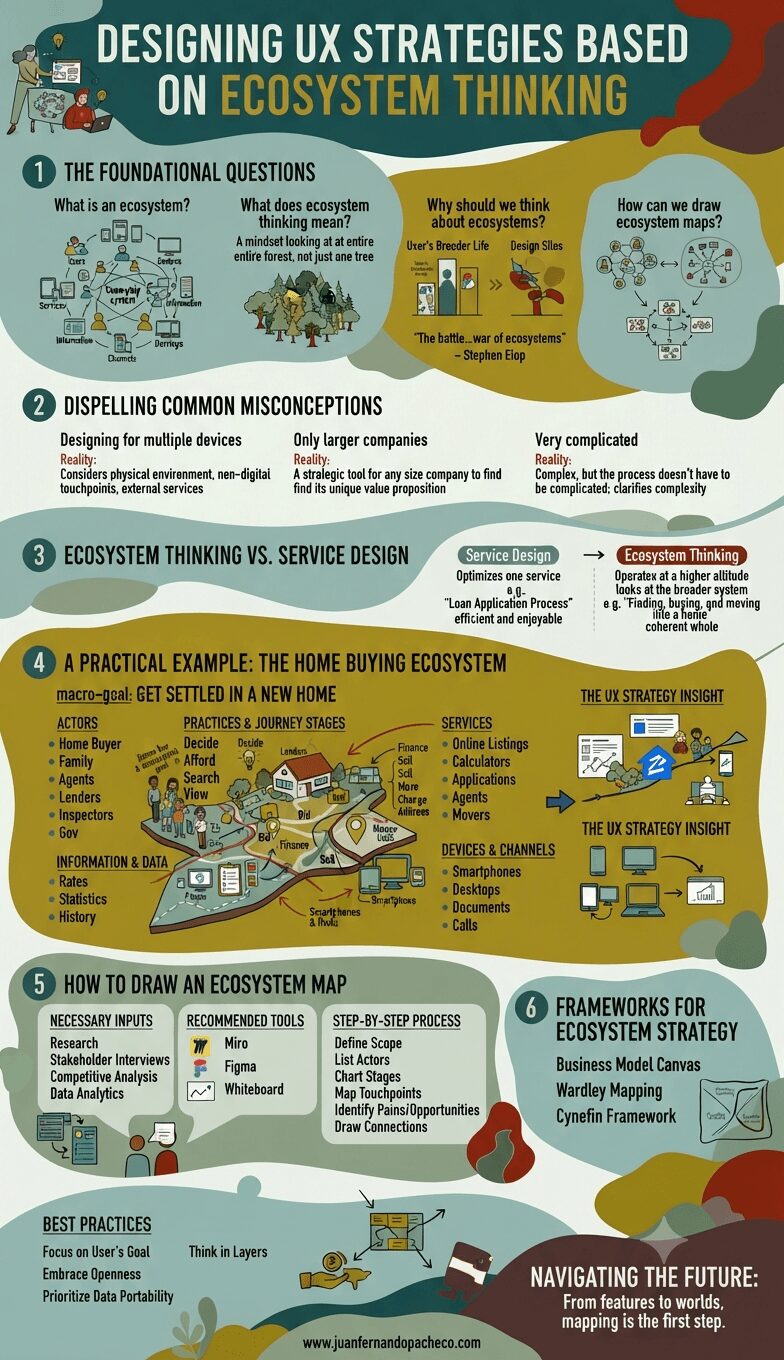
The future of UX design is not in crafting perfect, isolated interactions. It is in designing intelligent, adaptive, and respectful nodes within a vast and complex human ecosystem. It requires us to be not just designers, but strategists, systems thinkers, and diplomats who can navigate the relationships between services, businesses, and most importantly, people.
By adopting ecosystem thinking, we move from creating products that people use to crafting environments that people live in. We stop building features and start building worlds. The map is the first step. It’s time to start charting.
Crafting Seamless Experiences Ever had an experience with a company or service that just worked?
Design Thinking isn’t just a trendy term—it’s a human-centered revolution in problem-solving. Rooted in industrial design
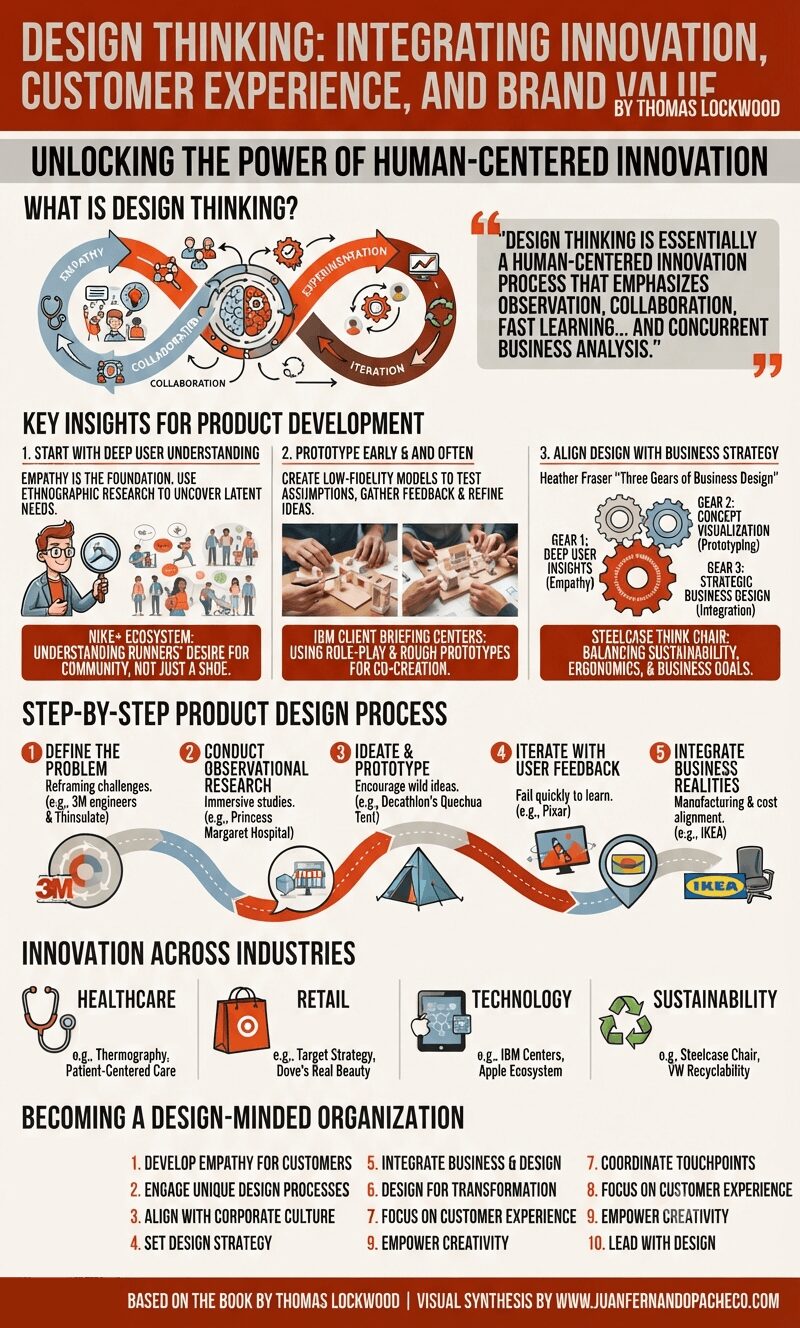
Design Thinking: Integrating Innovation, Customer Experience, and Brand Value is more than a manual—it’s a call to action. By blending human insight with business acumen, organizations can navigate complexity, foster loyalty, and drive growth. As Lockwood writes:
“The real value of design is in discovering and solving all manner of problems. It’s not about what design is—it’s about what design does.”
Whether you’re refining a product, reimagining a service, or transforming a business model, this book offers the tools and inspiration to lead with creativity. In a world where change is the only constant, design thinking isn’t just an advantage—it’s a necessity.
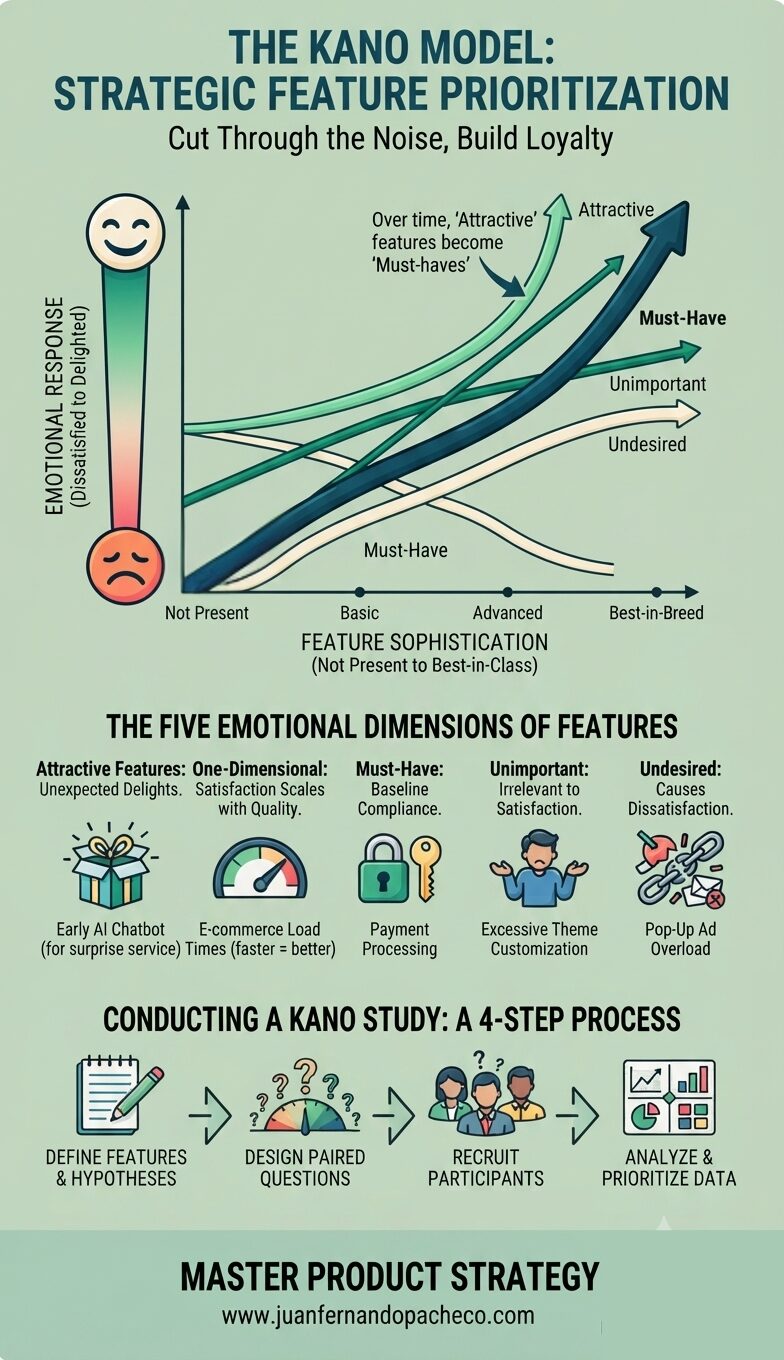
The Kano Model isn’t just a prioritization tool—it’s a mindset. By relentlessly seeking features that surprise and solve, you’ll build products users love today and depend on tomorrow. Start small: Pick 3 features, run a micro-study, and let data—not hunches—guide your roadmap.
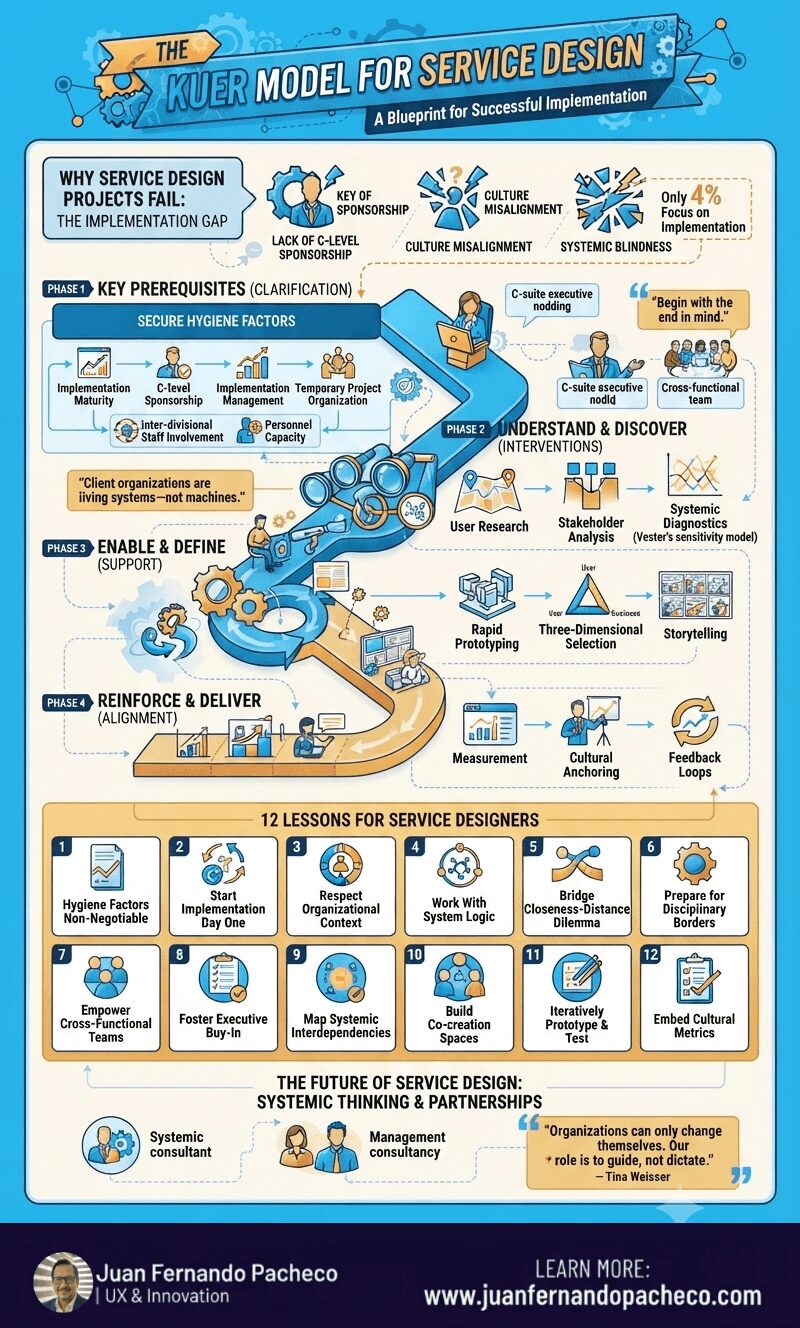
The KUER model underscores that service designers must evolve beyond UX expertise. Skills in systemic organizational consulting and partnerships with management consultancies (e.g., Capgemini, Etventure) are critical. As Tina Weisser notes:
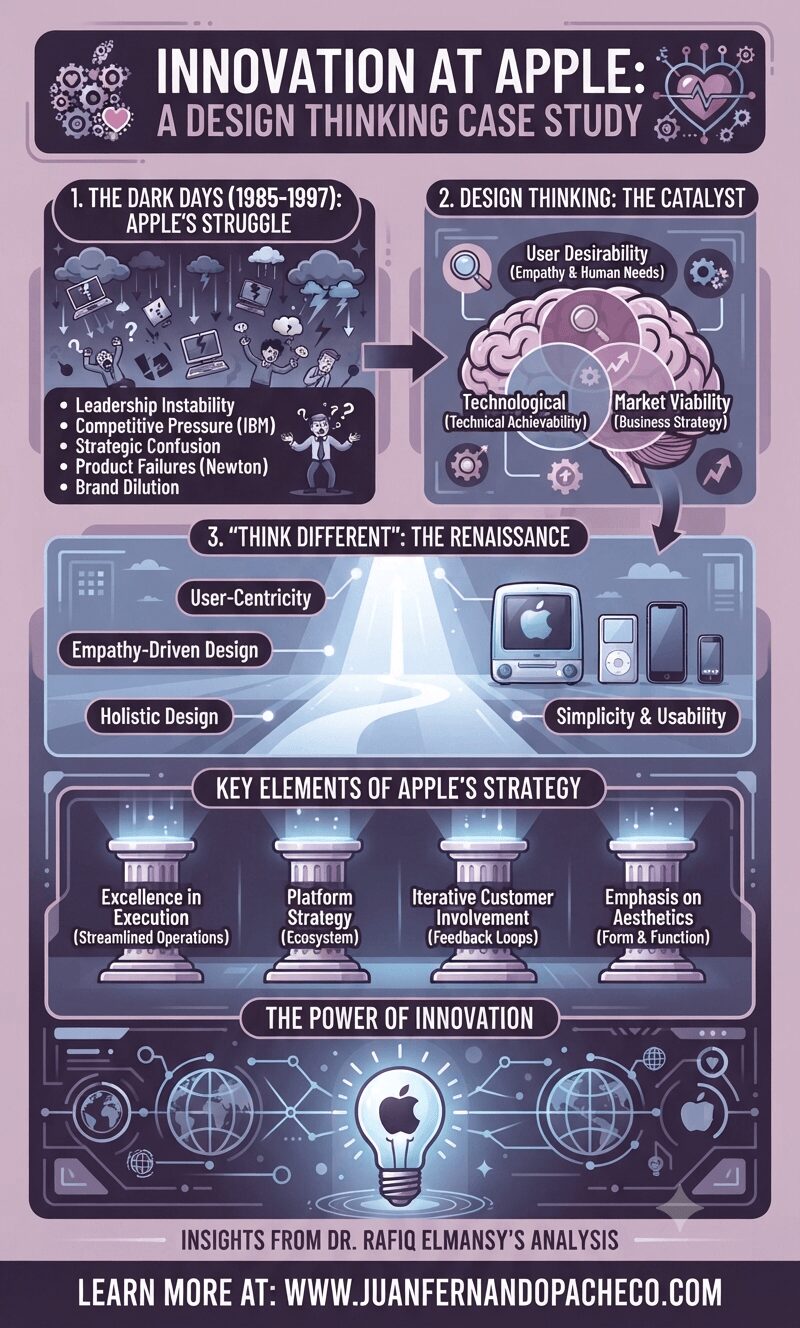
Apple’s resurgence is a compelling case study in the power of Design Thinking. By embracing a user-centric approach, prioritizing simplicity and usability, and fostering a culture of innovation, Apple has transformed itself from a struggling company to a global leader.
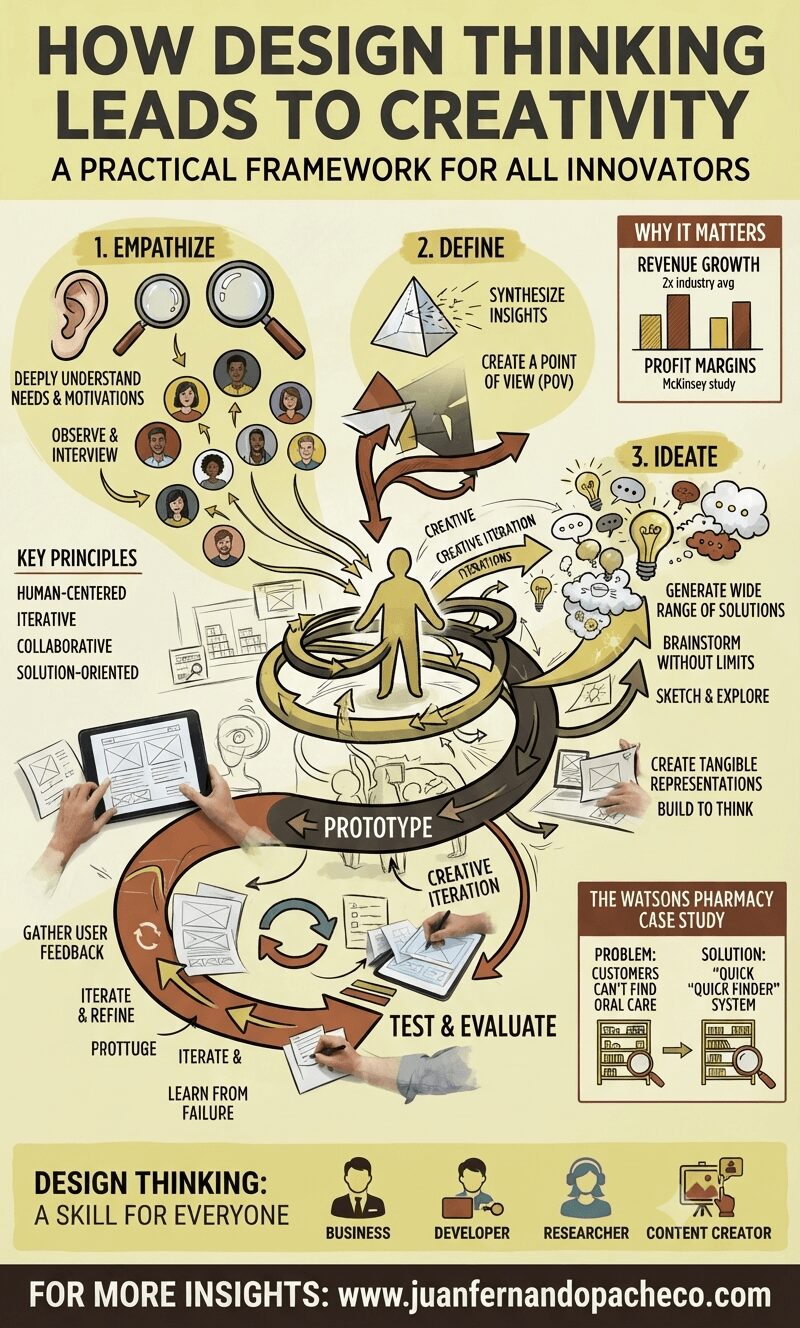
Design Thinking isn’t limited to professional designers. It’s a valuable skill for anyone who wants to solve problems creatively and drive innovation. By adopting a human-centered approach and embracing the iterative nature of design thinking, individuals and organizations can unlock their creative potential and achieve remarkable results.
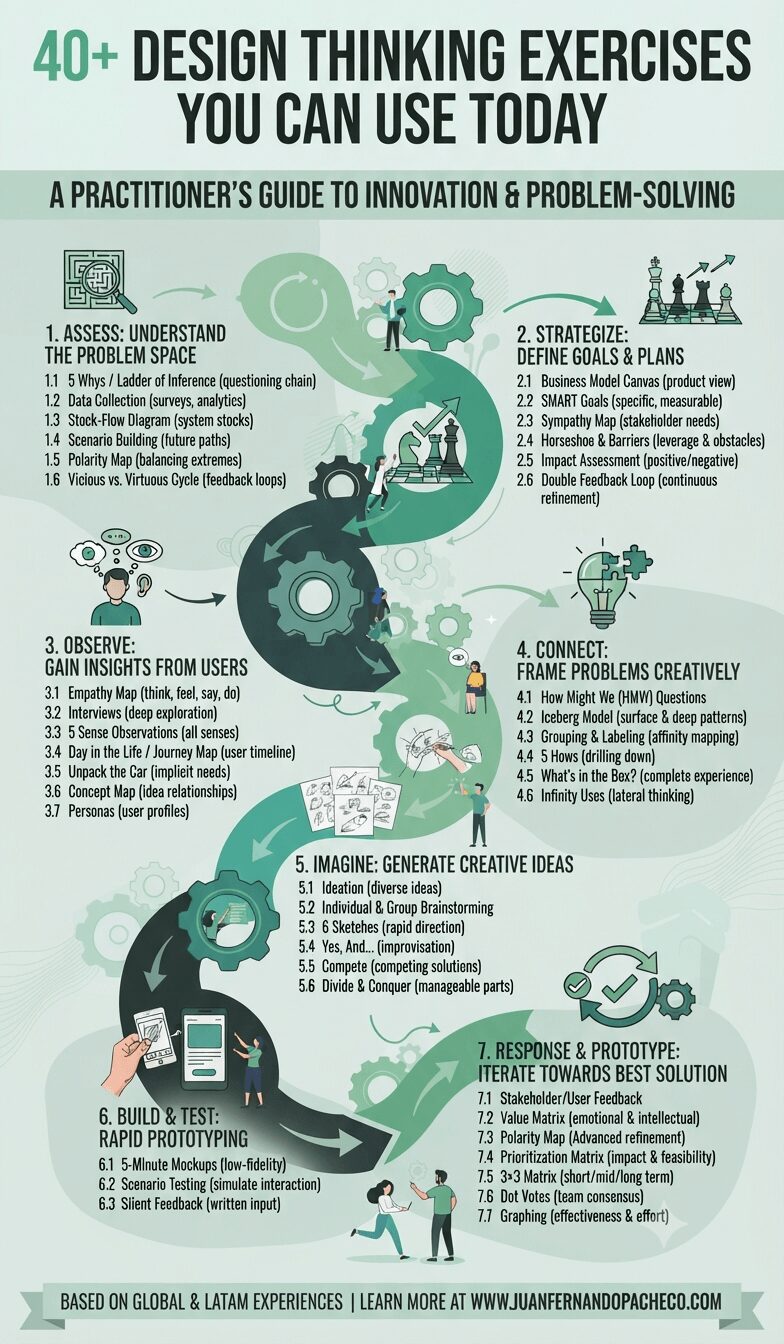
These 45+ design thinking exercises provide a practical and structured approach to problem-solving.
By incorporating these exercises into your UX practice, you can foster creativity, enhance user understanding, and drive impactful results.
Remember that design thinking is an iterative process, so don’t be afraid to experiment and adapt these exercises to fit your specific needs.