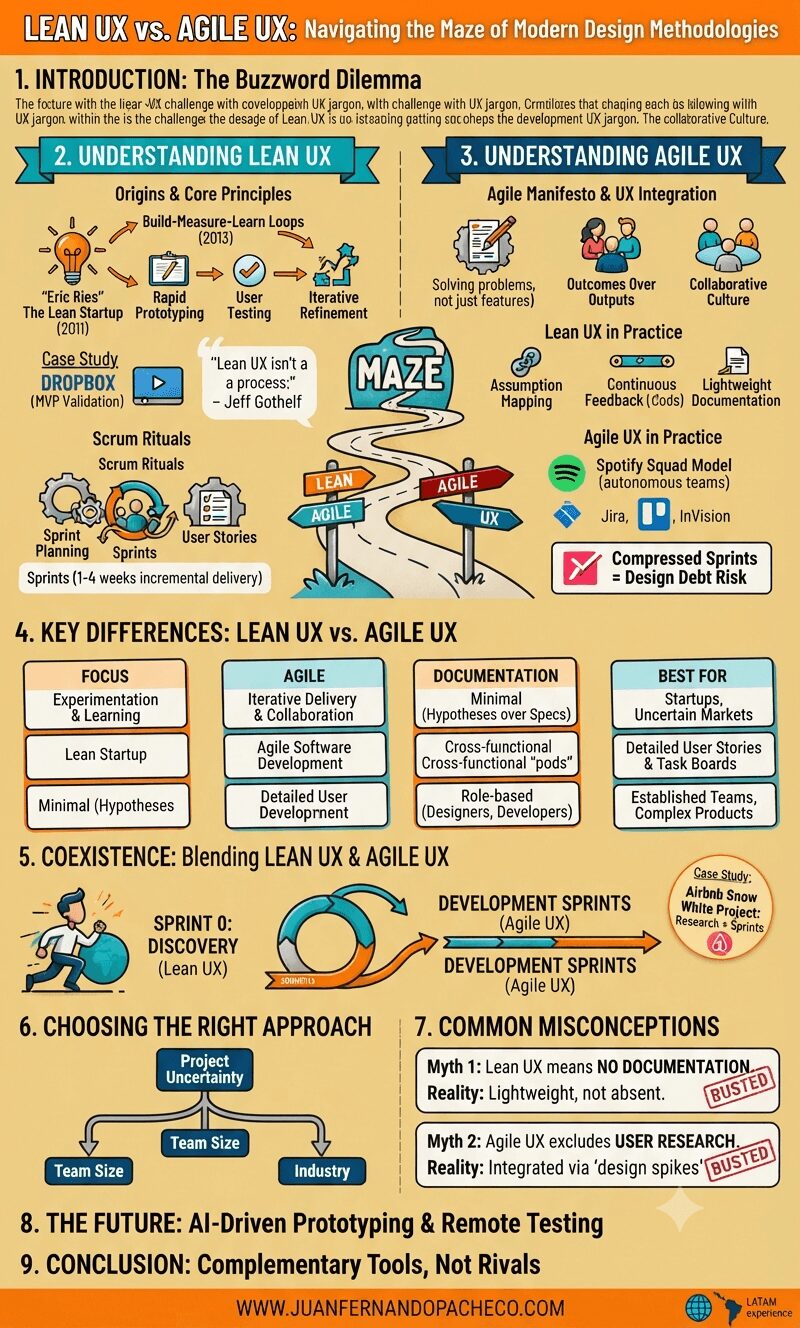
Lean UX and Agile UX are complementary tools, not rivals. By understanding their strengths, teams can navigate the buzzword labyrinth and deliver impactful user experiences.
Tag: Service Design
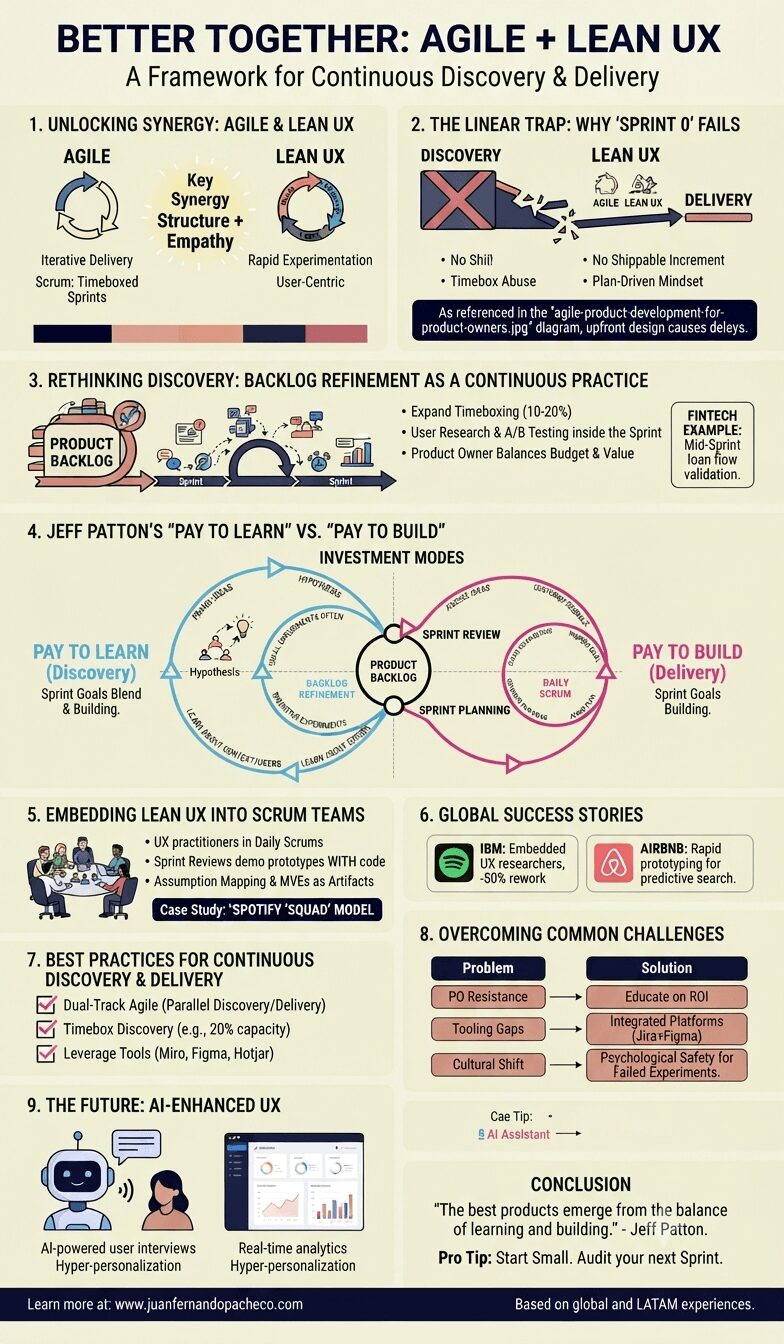
Agile + Lean UX are not competing frameworks—they’re complementary forces. By embedding continuous discovery into Sprints, teams can deliver value faster while staying user-centric. As Jeff Patton says, “The best products emerge from the balance of learning and building.”
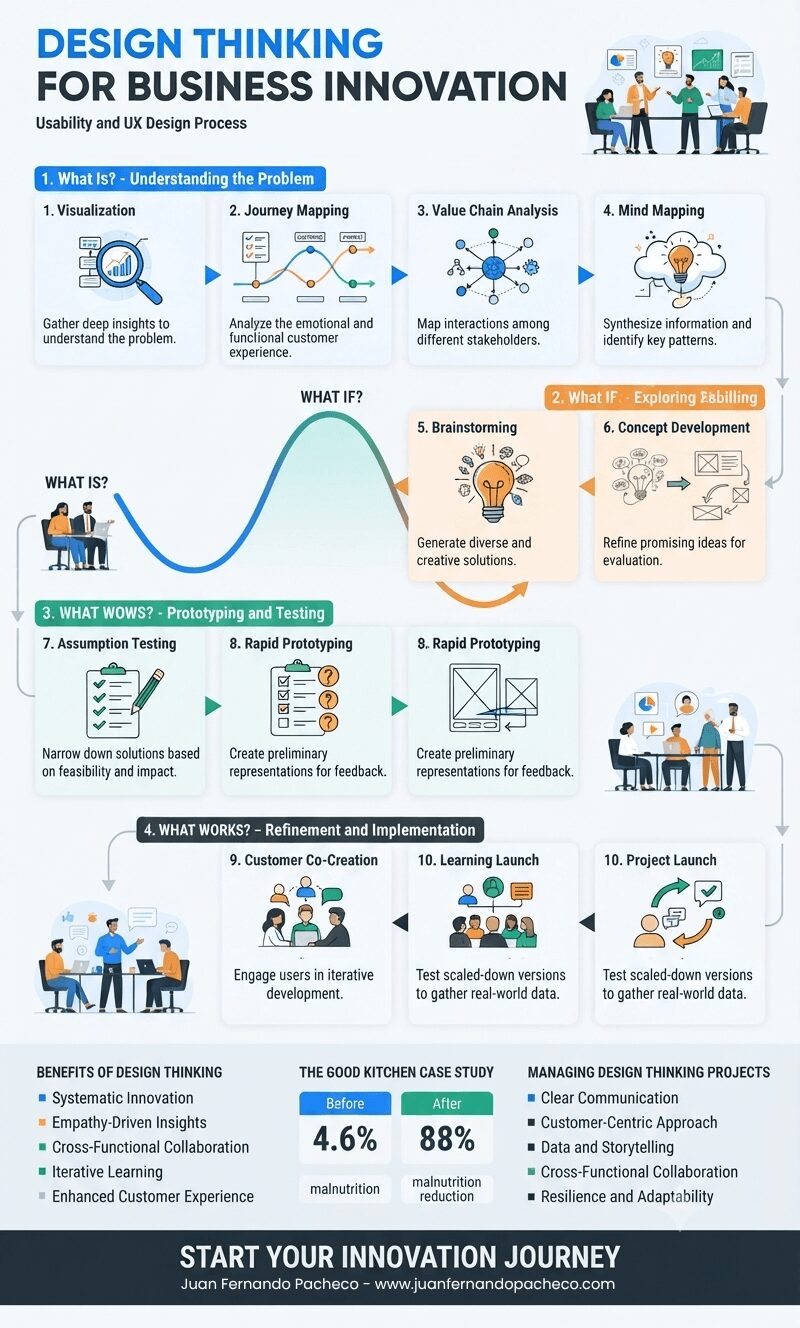
Design Thinking is not just a methodology—it is a philosophy that allows businesses to navigate uncertainty with creativity and confidence.
For businesses looking to integrate Design Thinking into their innovation strategy, the key is to start small, test often, and involve real users in the process.
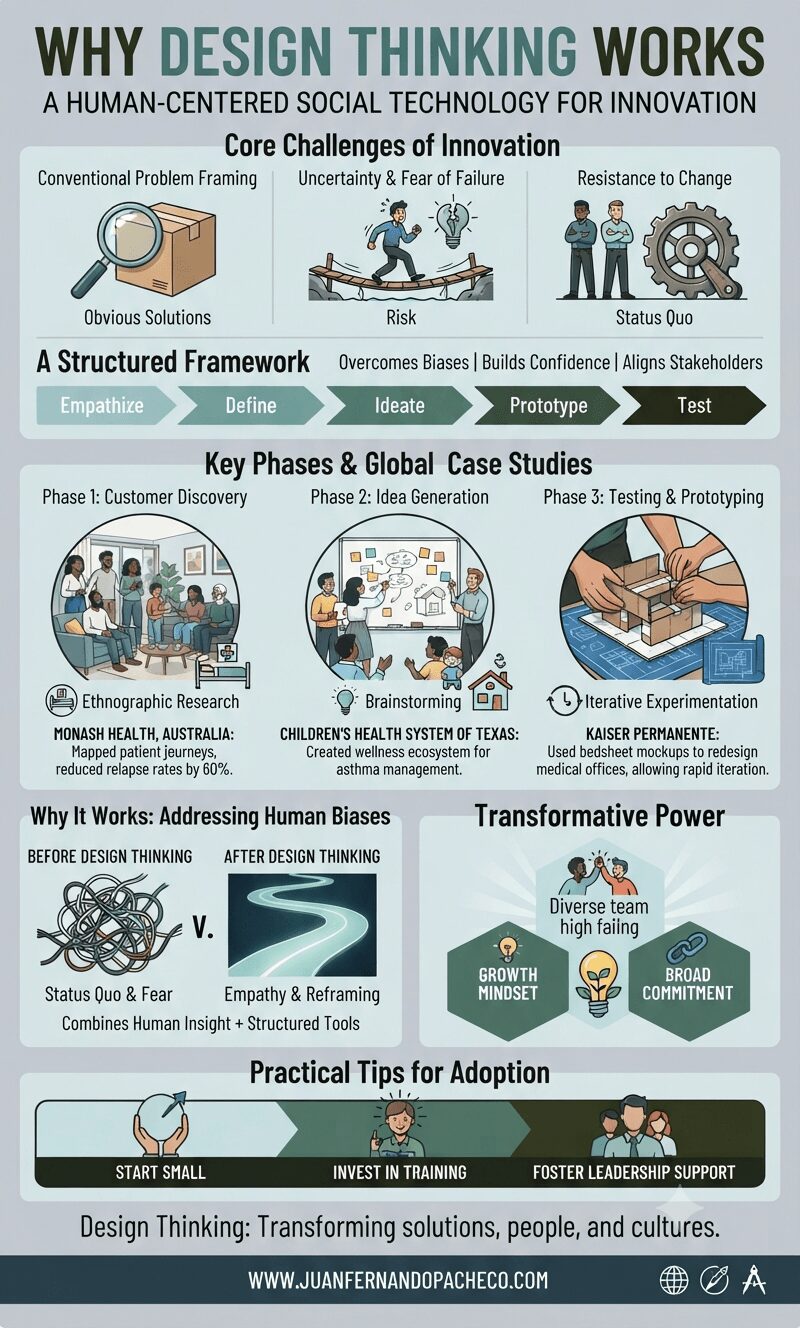
Design Thinking works because it combines the best of human insight with structured tools to drive innovation.
By addressing biases, fostering collaboration, and emphasizing empathy, it transforms not only the solutions organizations create but also the people and cultures behind them. As a social technology, its potential to reshape industries is unparalleled, making it a cornerstone of modern innovation strategies.
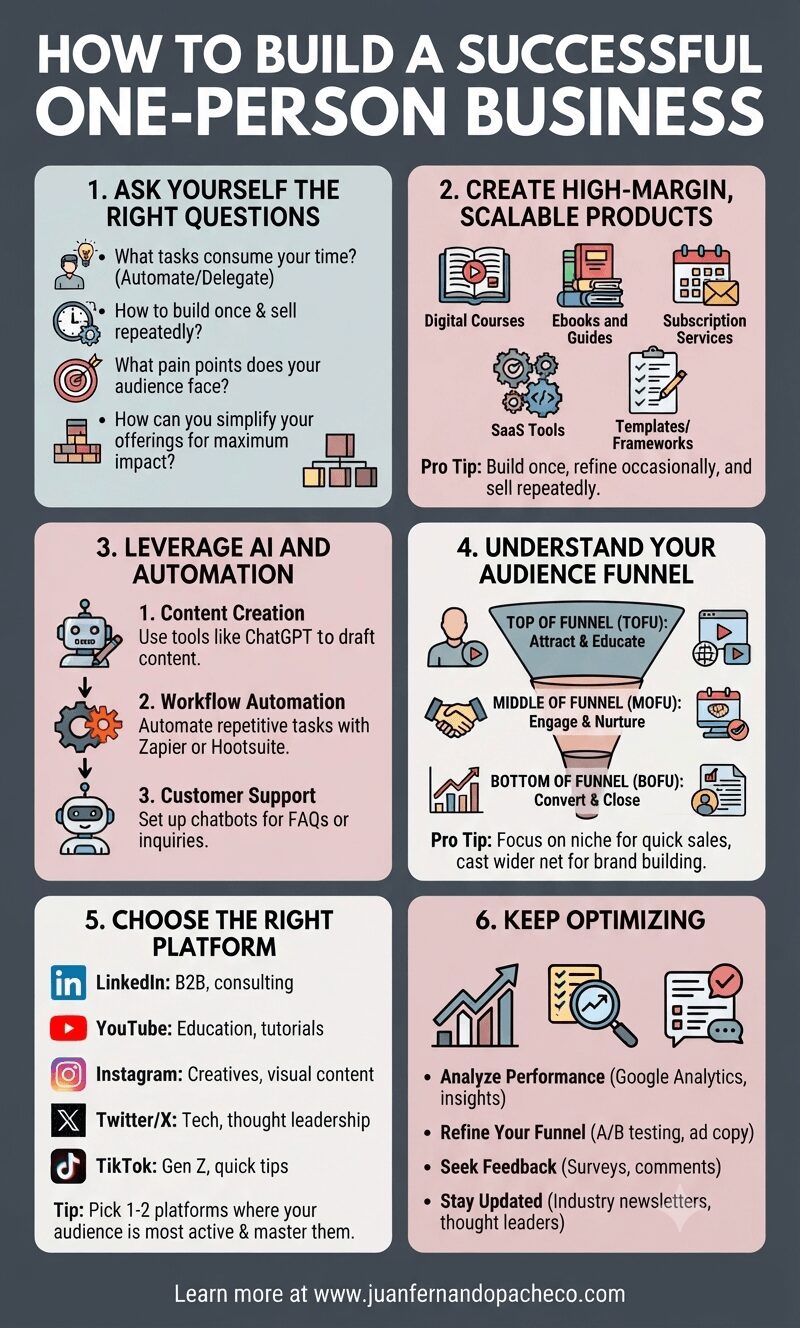
Building a one-person business is an exciting and rewarding journey. By asking the right questions, leveraging scalable products, automating workflows, and optimizing continuously, you can create a sustainable venture that aligns with your passions and skills.
Remember, consistency and adaptability are your greatest assets. Whether you’re just starting or looking to refine your business, the steps outlined here will help you achieve success.
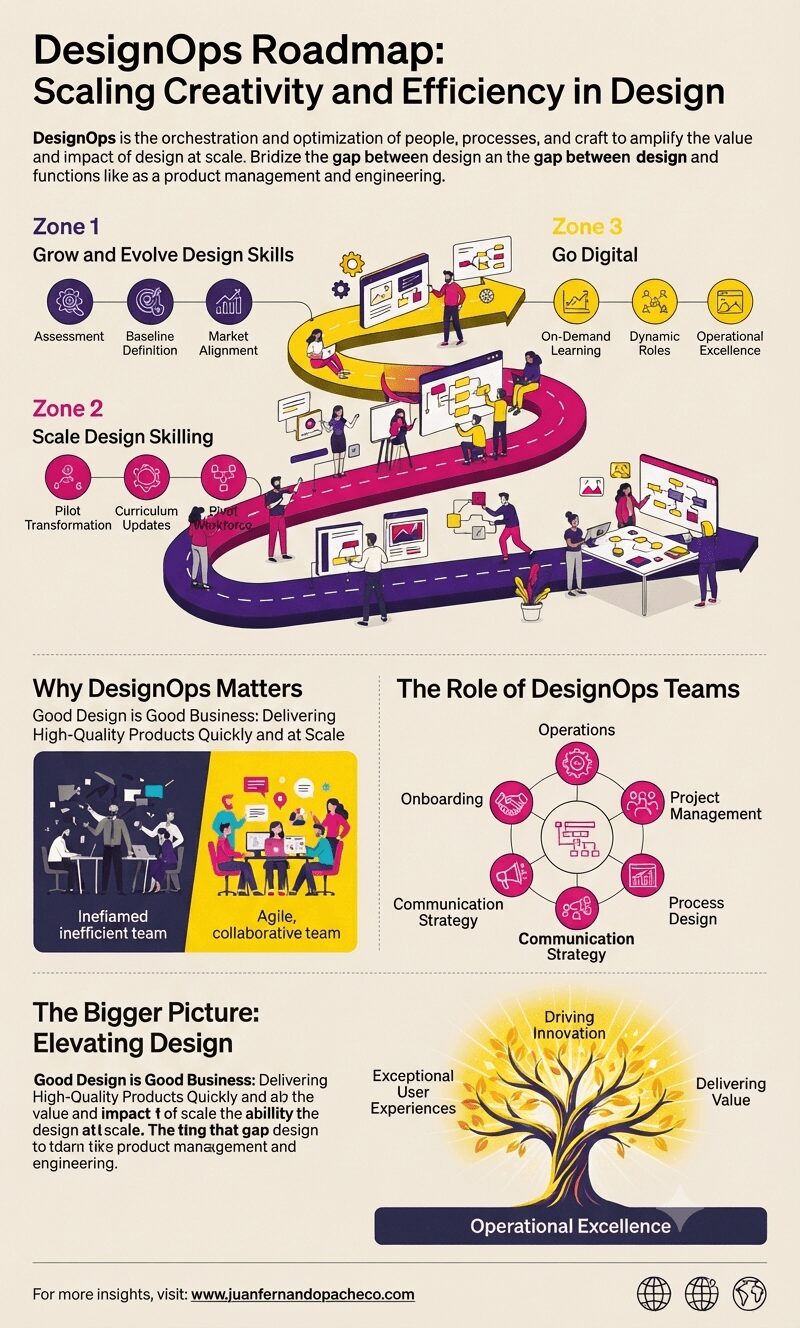
DesignOps is the orchestration and optimization of people, processes, and craft to amplify the value and impact of design at scale.
It focuses on streamlining design workflows, fostering collaboration, and enhancing the efficiency and effectiveness of design processes.
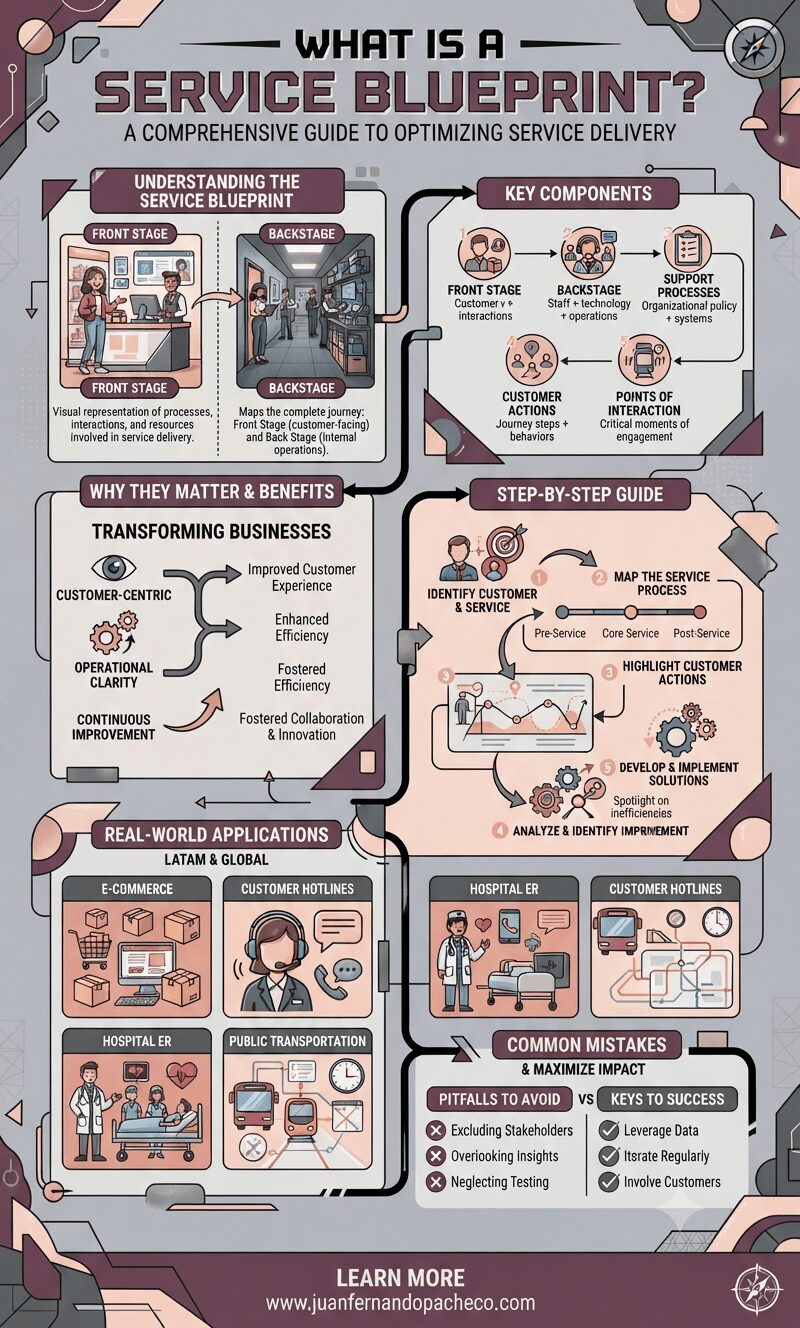
A service blueprint is an invaluable tool for organizations looking to optimize their service delivery. By providing a comprehensive view of the service process—from customer interactions to backend operations—it enables businesses to identify opportunities for improvement, foster collaboration, and innovate effectively.
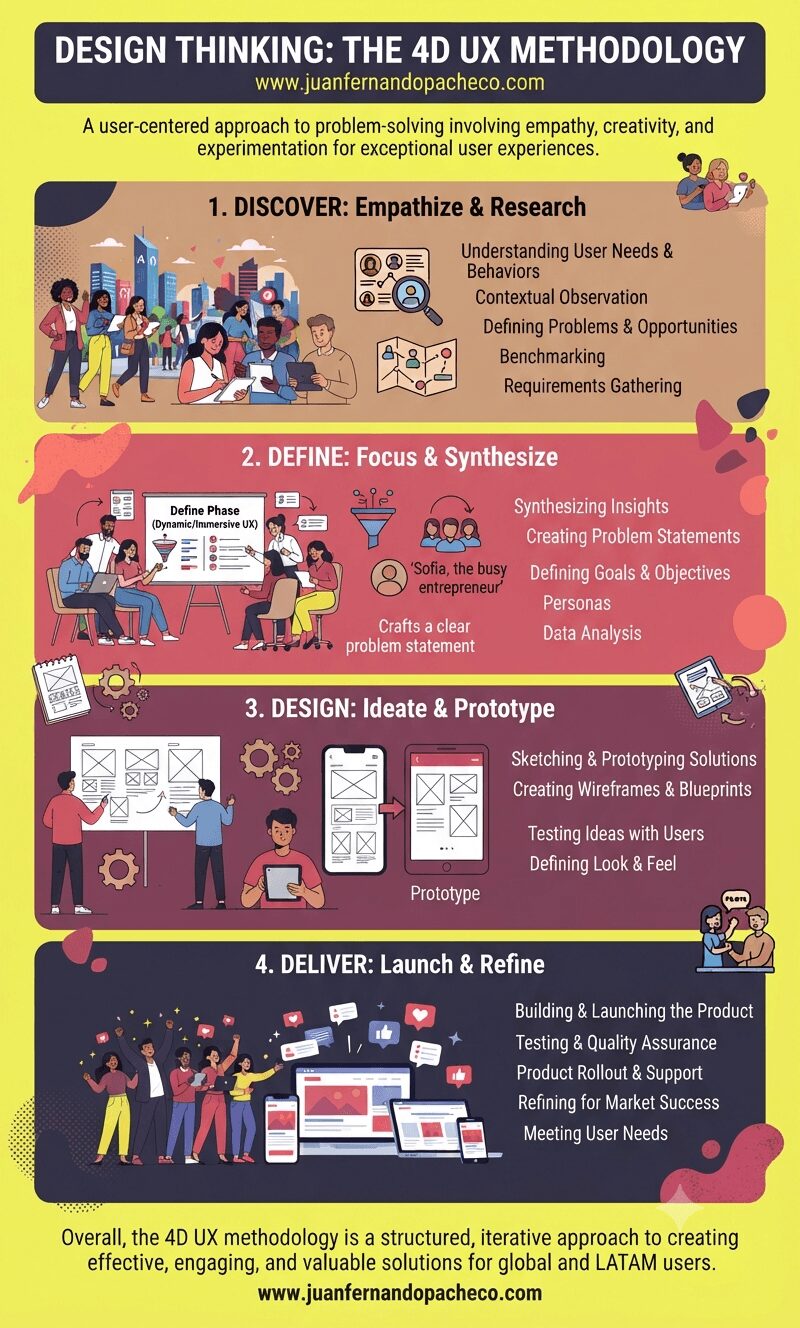
Overall, the 4D UX methodology is a structured and user-centered approach to design. It helps teams to create solutions that meet the needs of users and solve real-world problems.
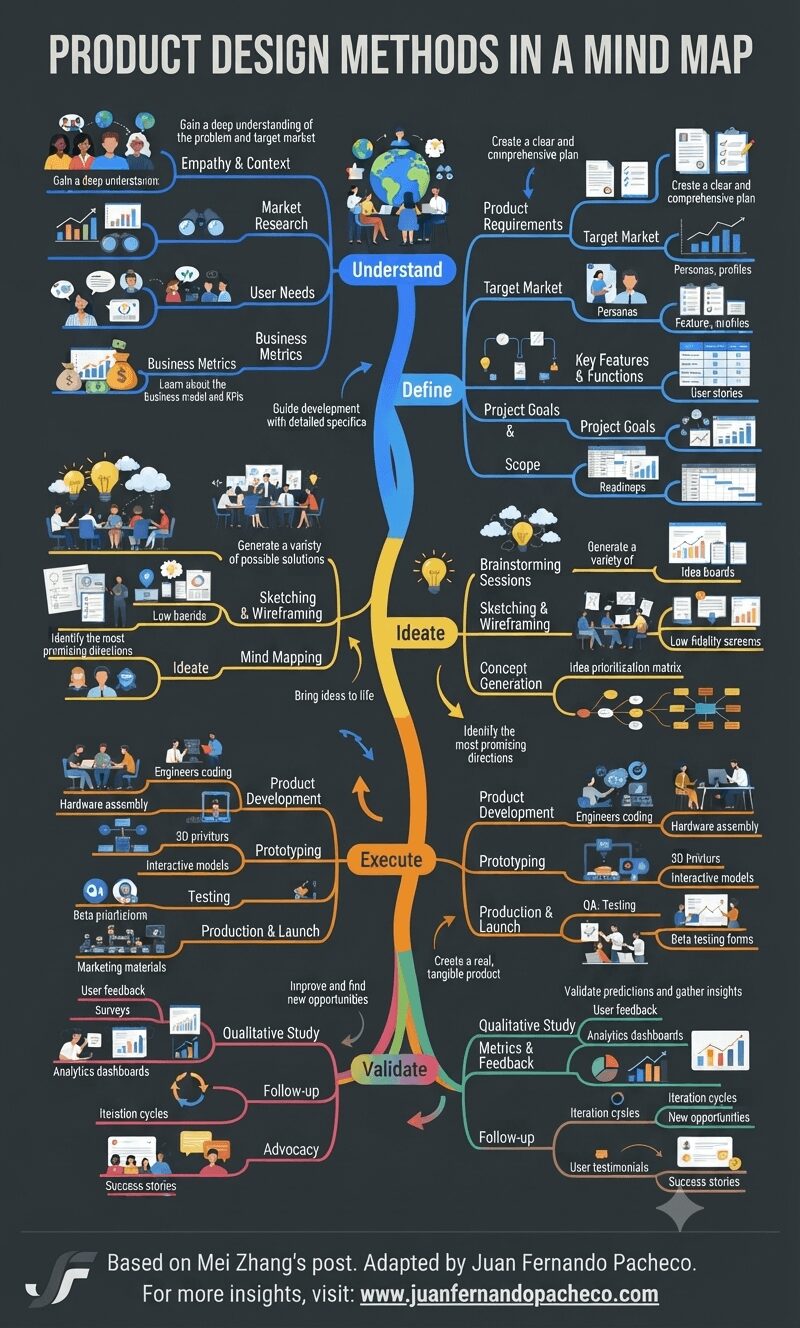
I discovered Mei Zhang’s post about when it’s the right time to apply specific product design methods.
And, for sure, it’s a common question not just among UX/UI designers, or even professionals related to design.
Just keep in mind. As a designer, designing pretty and useful interfaces and knowing user experience concepts and research methods are not enough to design a product.