
UX stands for “user experience.” Essentially, UX is about putting the user at the center
Tag: User-Centered Design
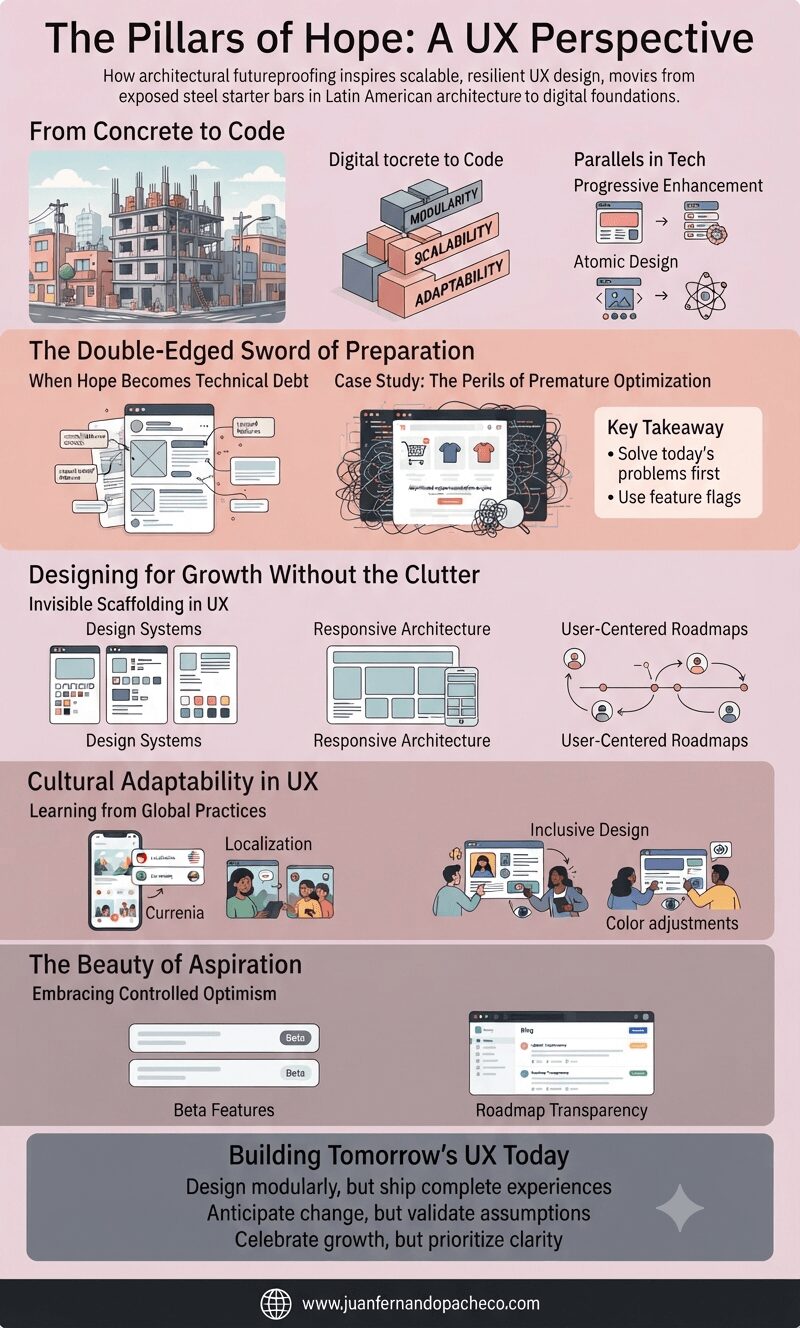
The first time I saw steel starter bars jutting out from rooftops in Latin America, I was baffled. These exposed rods, nicknamed “Pillars of Hope,” seemed like chaotic afterthoughts. But their purpose—preparing buildings for future expansion—reveals a profound lesson for UX designers
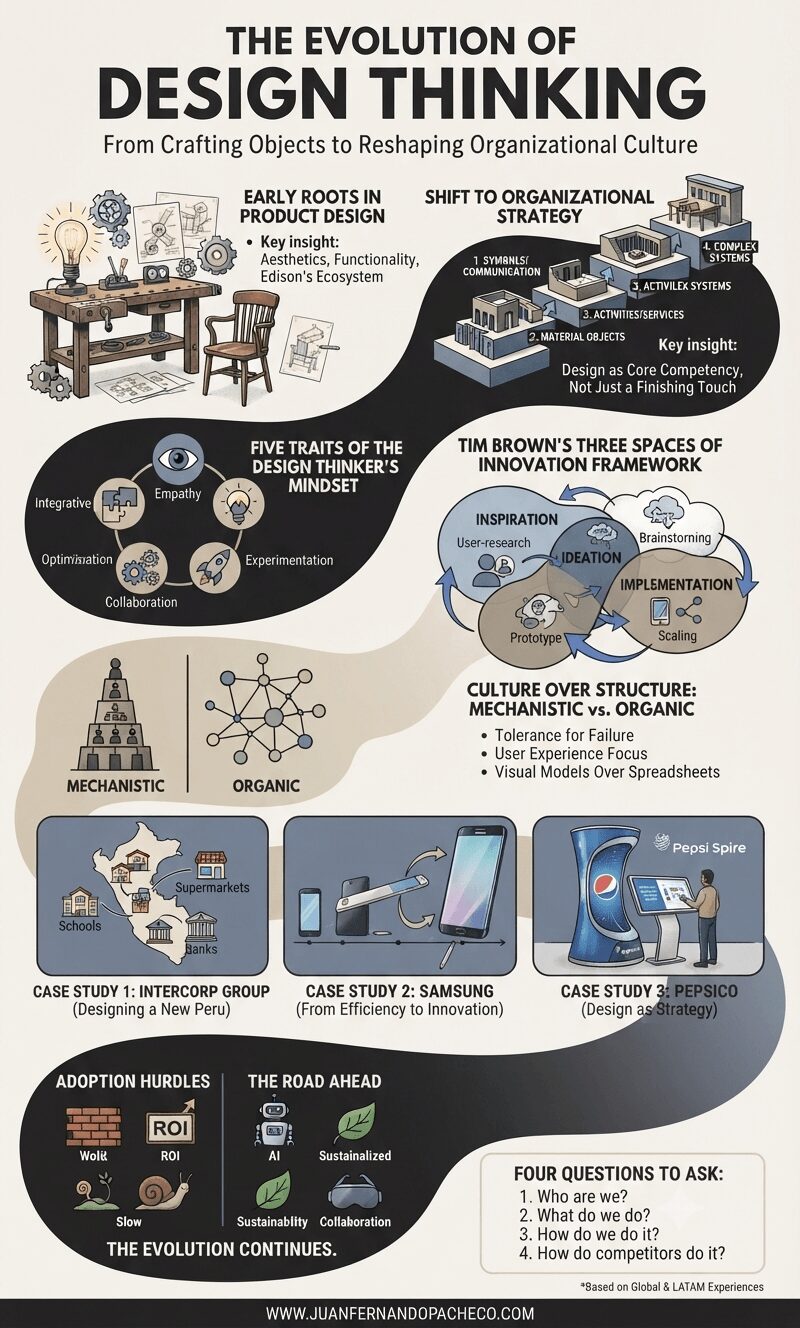
Discover how design thinking evolved from crafting physical objects to reshaping organizational culture.
Explore principles, case studies, and SEO-optimized insights into this transformative approach.
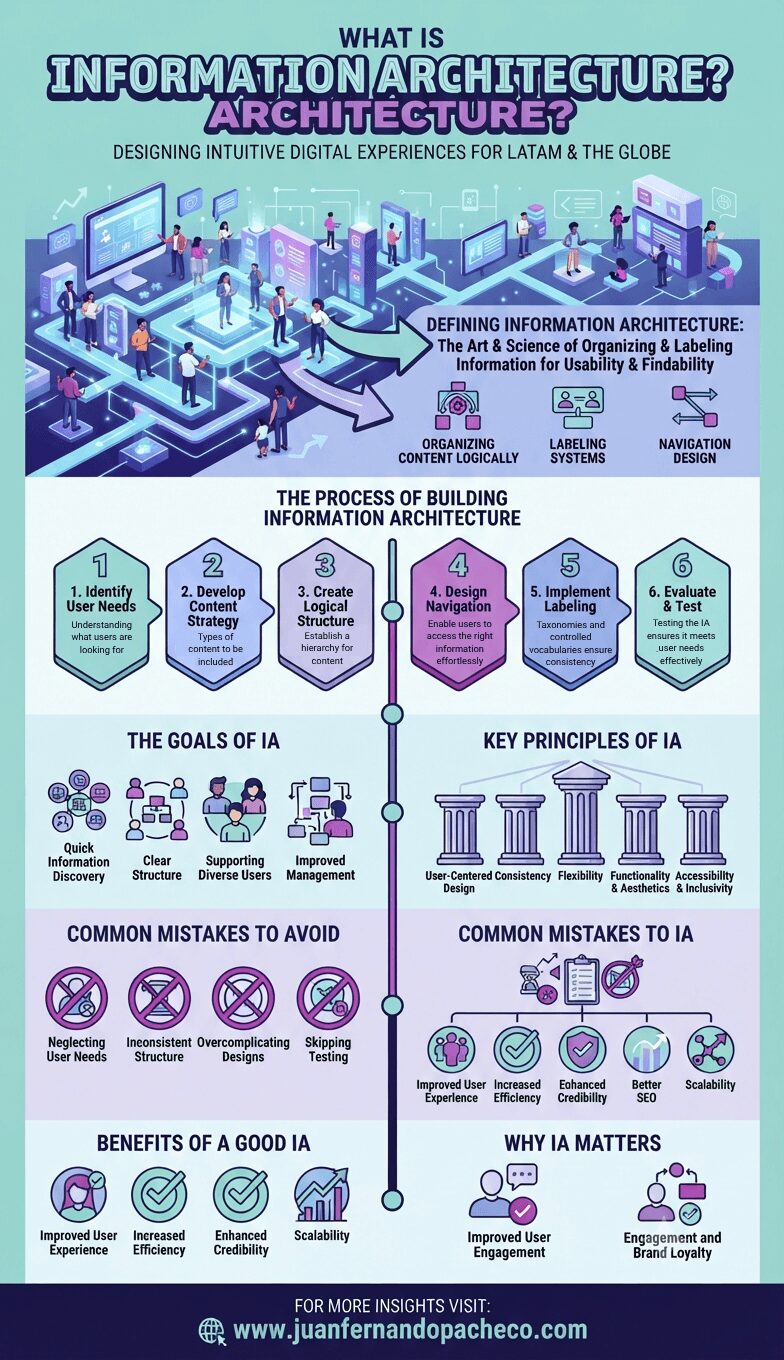
Information Architecture is much more than a technical discipline; it’s a thoughtful approach to creating digital environments that serve both users and organizations. By adhering to its principles, avoiding common mistakes, and continually evolving, designers and businesses can craft experiences that truly resonate.
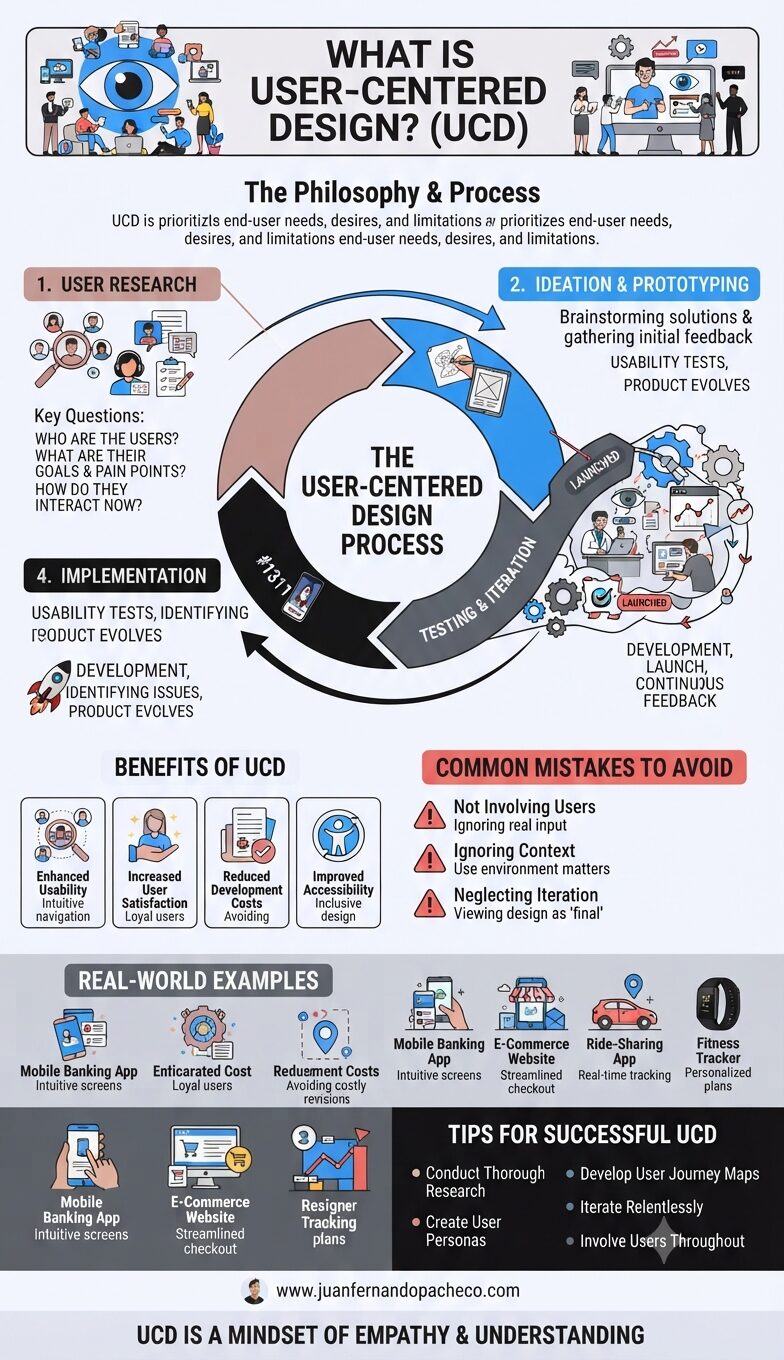
User-centered design is more than a methodology; it’s a mindset that prioritizes empathy and understanding. By involving users, embracing iteration, and focusing on real-world needs, UCD empowers teams to create impactful and meaningful experiences.