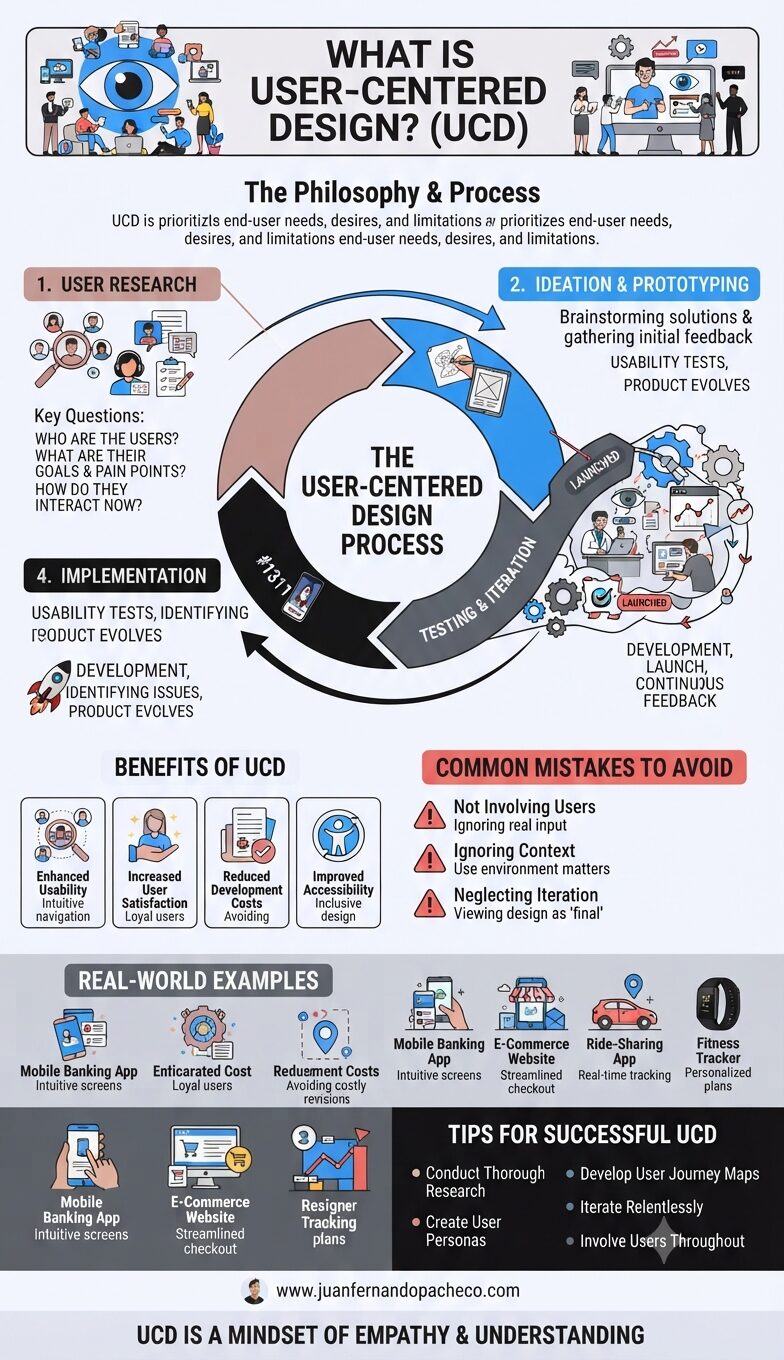
User-centered design is more than a methodology; it’s a mindset that prioritizes empathy and understanding. By involving users, embracing iteration, and focusing on real-world needs, UCD empowers teams to create impactful and meaningful experiences.
Tag: UX
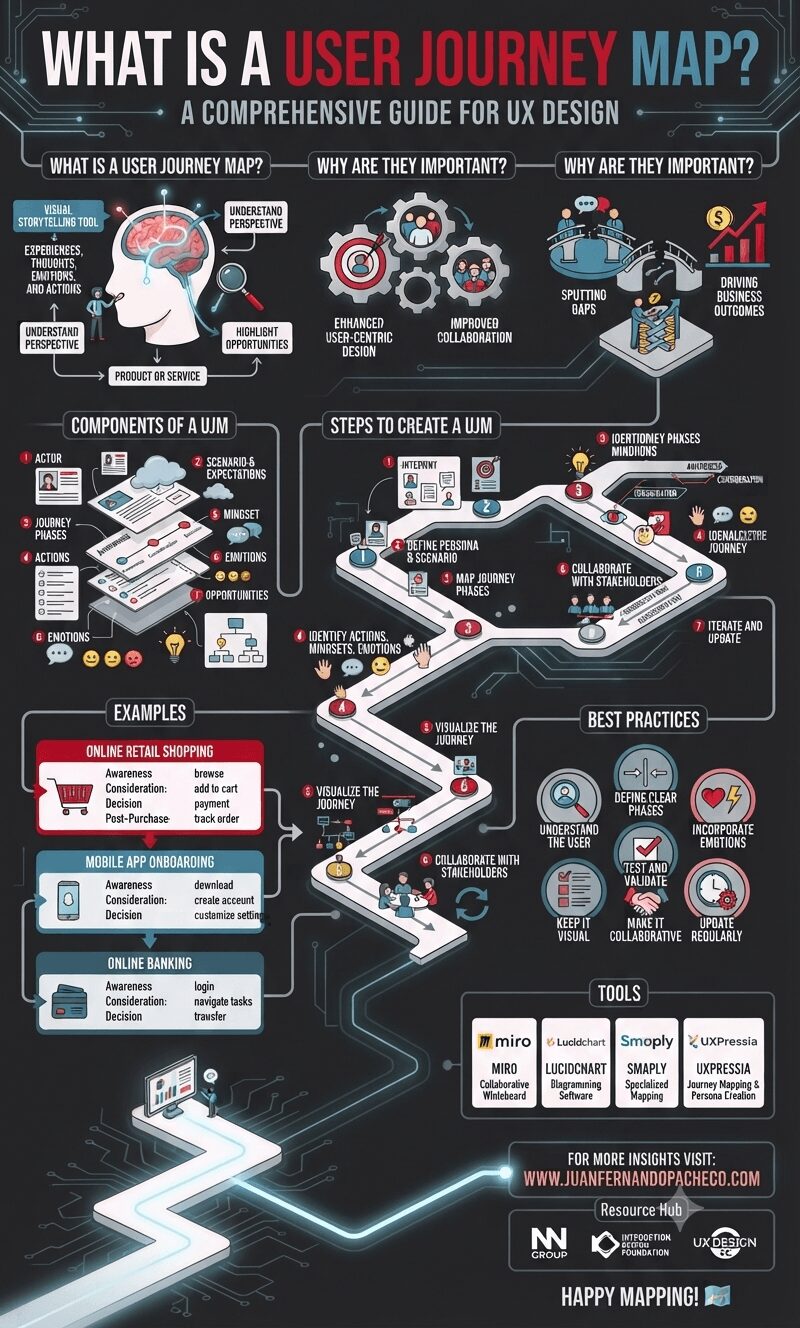
A User Journey Map is an indispensable tool in UX design, enabling teams to create user-centric products and services. By capturing the user’s actions, emotions, and pain points, it provides valuable insights that drive innovation and improve overall user satisfaction.
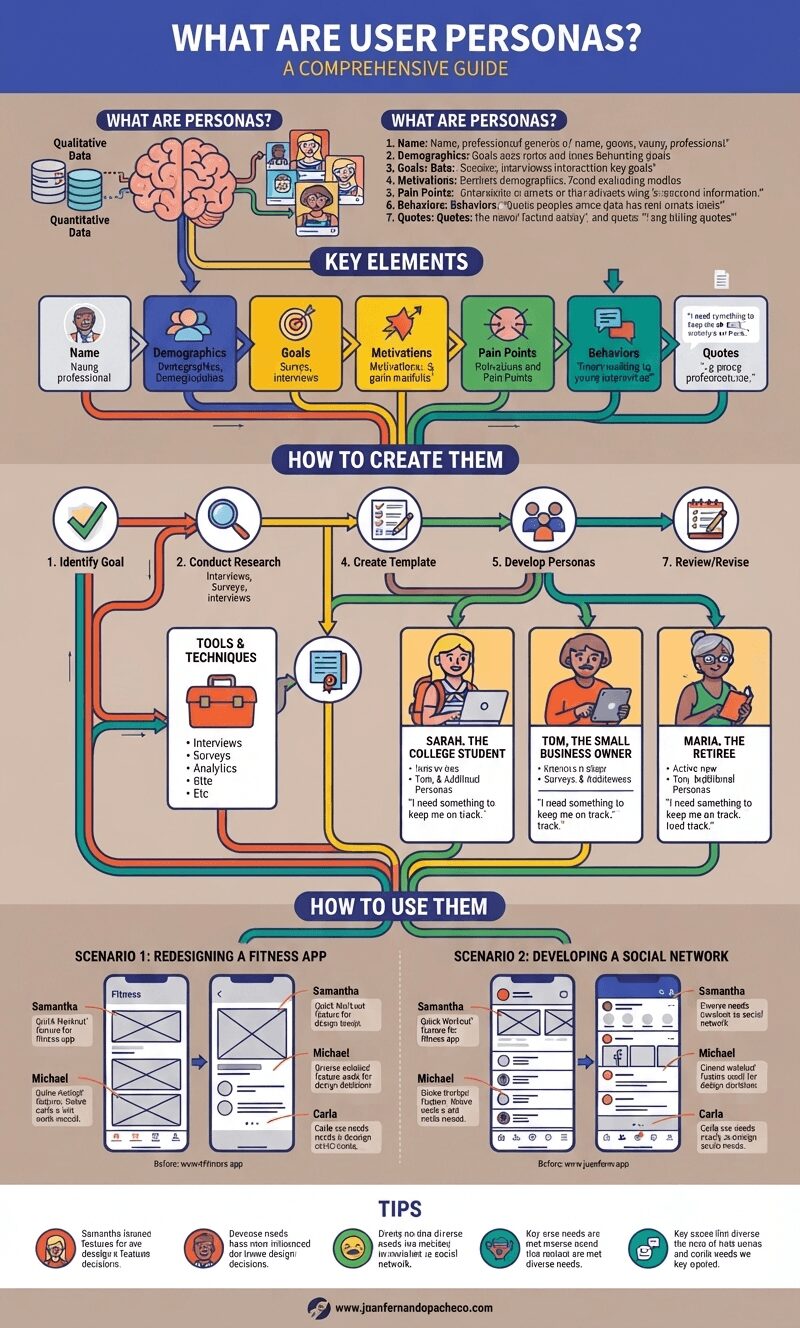
In the world of user experience (UX) design, User Personas play a pivotal role. These fictional, yet representative, characters embody the different types of users for a product or service.
Crafted from extensive research and data, personas help designers and stakeholders understand the diverse needs, goals, and behaviors of their target audience. In this blog post, we’ll dive deep into the concept of user personas, how to create them, and their role in the design process.
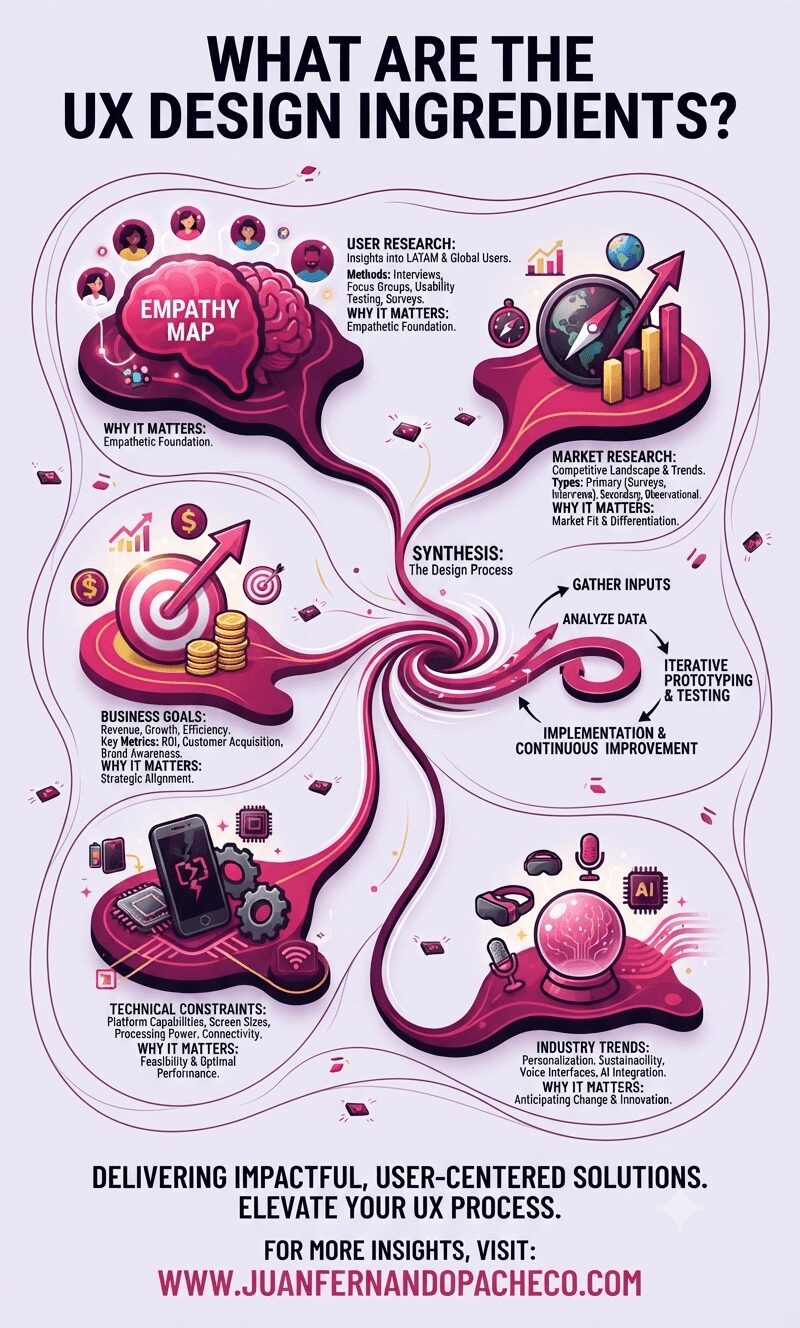
UX design (user experience design) is a multifaceted field requiring the integration of diverse inputs to create user-centric solutions.
The term “UX design ingredients” refers to the core elements that inform and shape the design process. These ingredients provide the foundation for building products and services that meet both user needs and business goals.
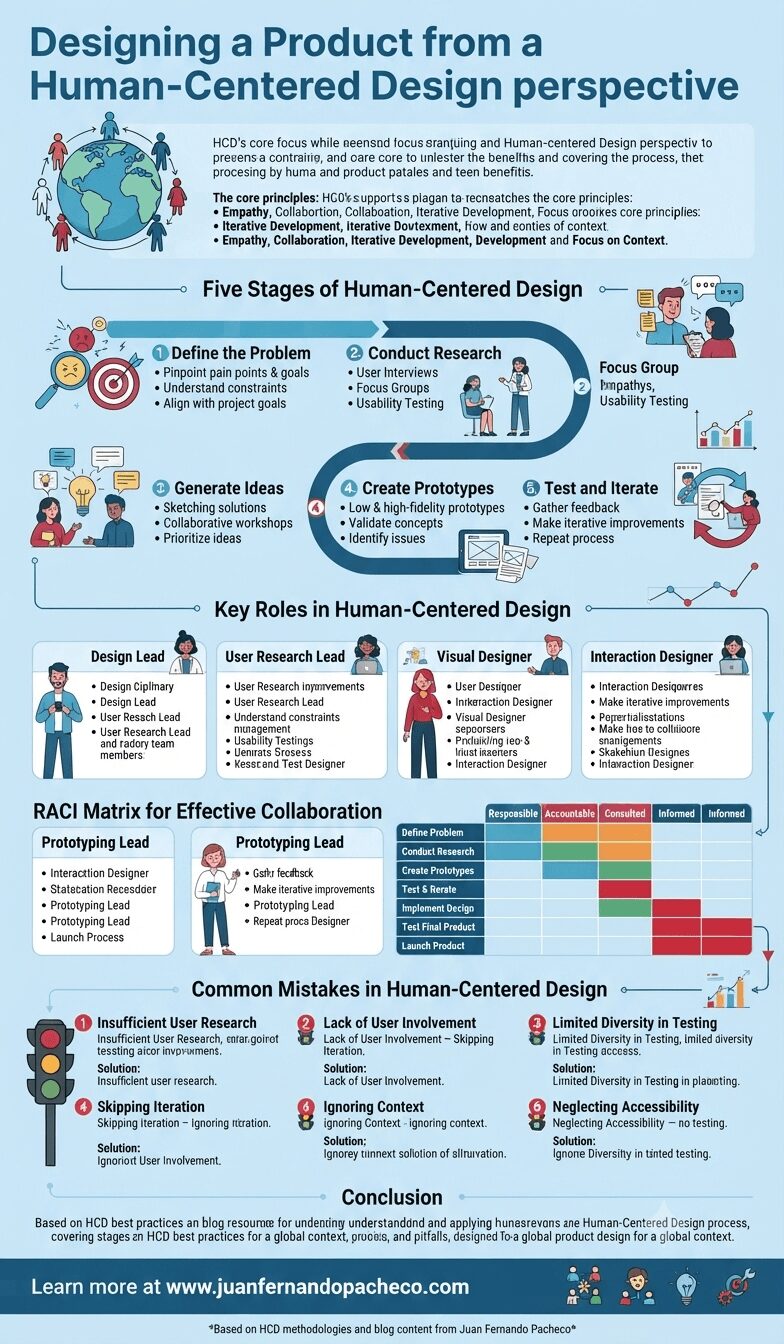
Designing from a Human-Centered Design perspective ensures that products are not only functional but also meaningful and accessible to users. By following the stages of HCD, collaborating effectively through clear roles, and avoiding common pitfalls, teams can create solutions that genuinely resonate with their audience.
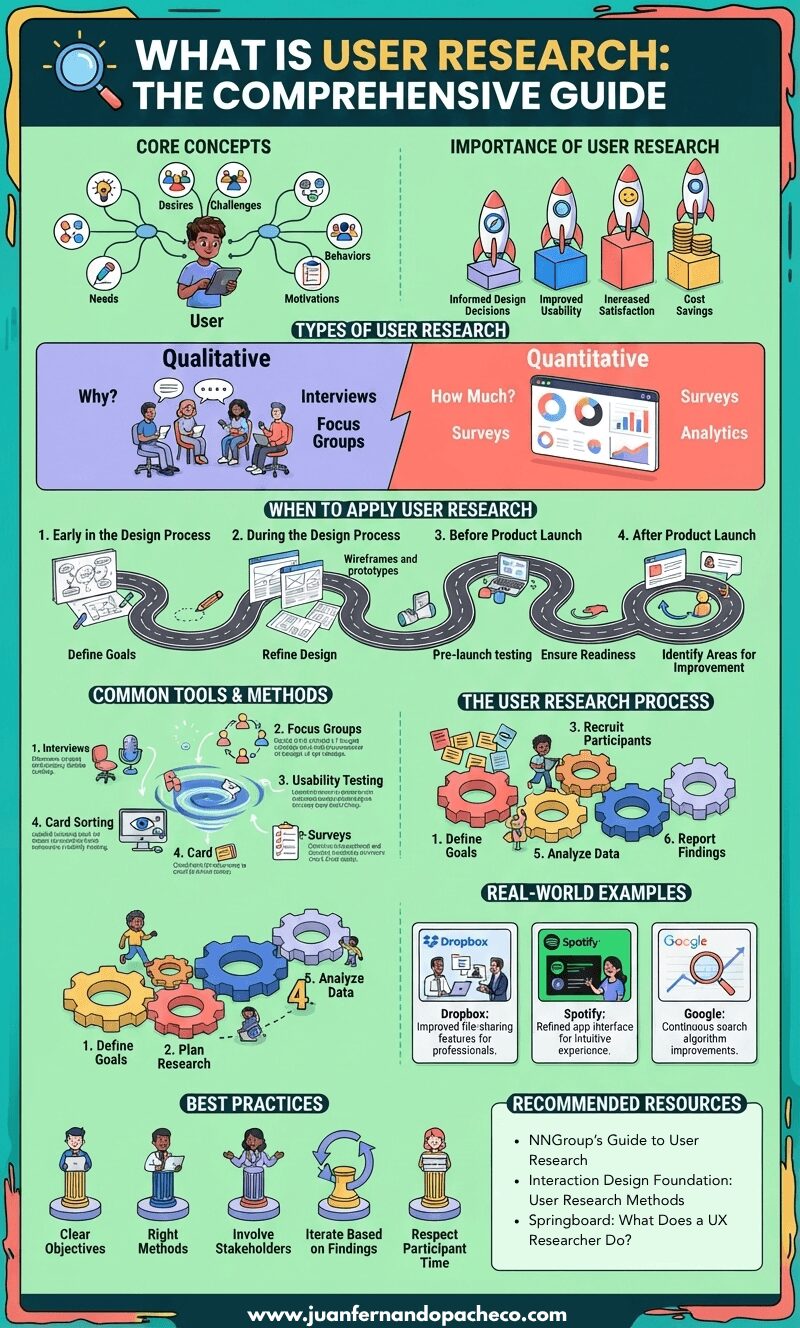
User research is the process of analyzing, studying, and understanding the needs, desires, challenges, behaviors, and motivations of the people who use a product or service.
It’s typically conducted to inform the design of new products or features or to improve an existing product. By uncovering how real users interact with a product, user research ensures that your designs are grounded in reality rather than assumptions.
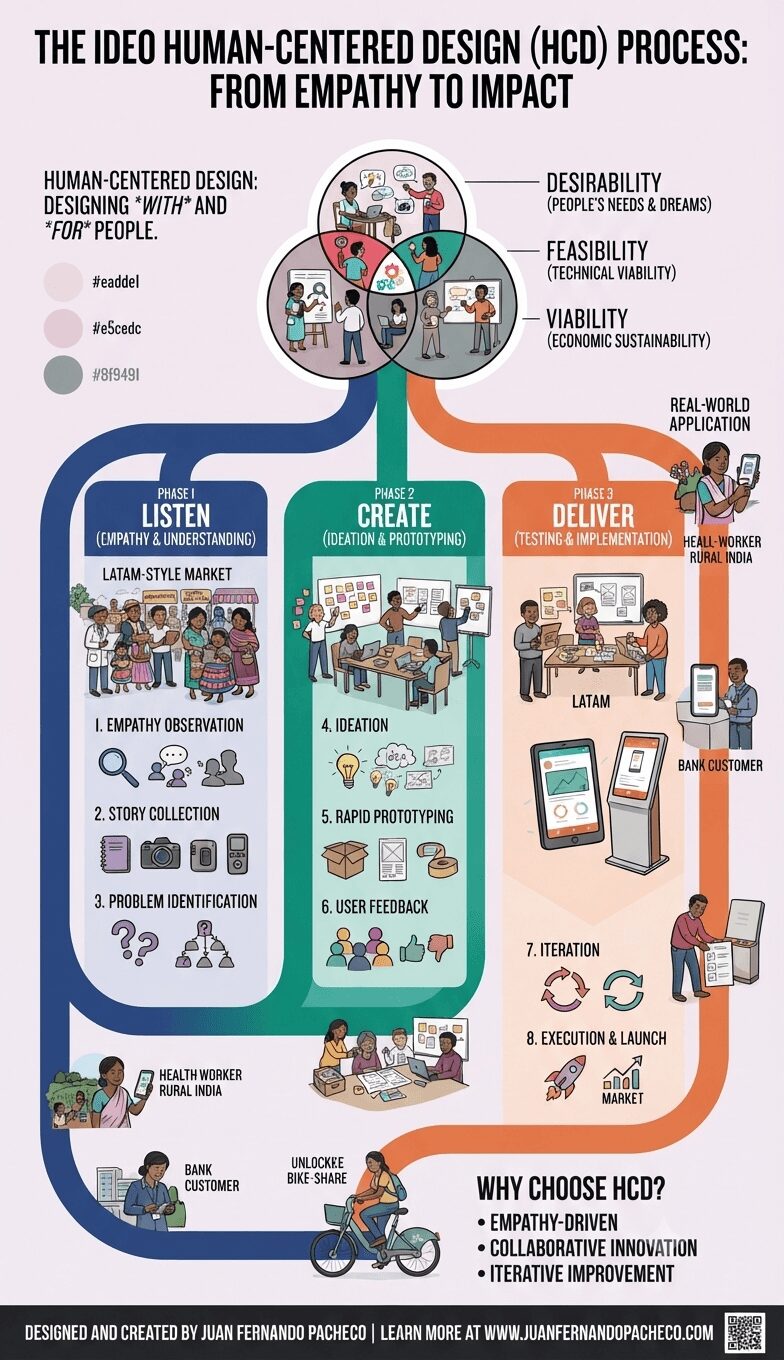
A Comprehensive Guide to Human-Centered Design (HCD) IDEO’s Human-Centered Design (HCD) methodology has revolutionized how
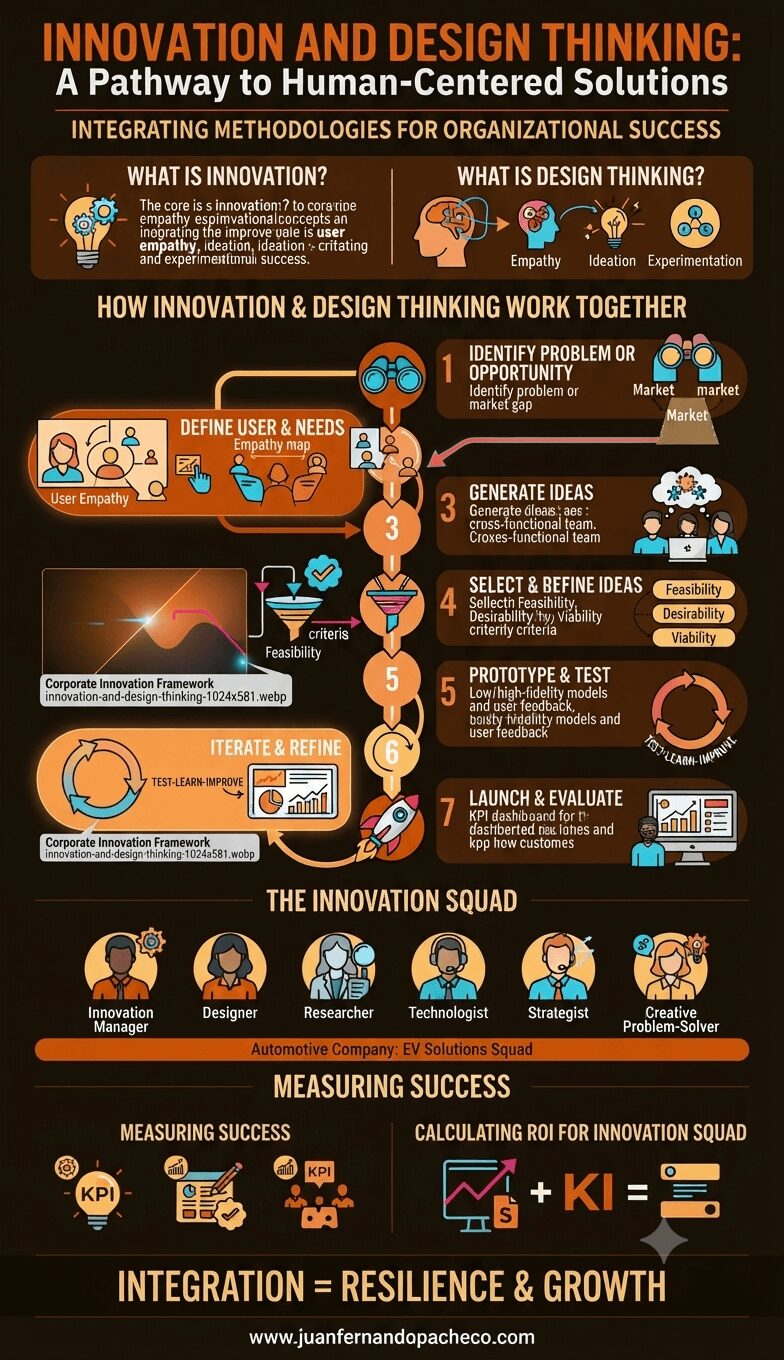
Integrating Innovation and Design Thinking is not just a methodology but a mindset. By fostering creativity, empathy, and experimentation, organizations can:
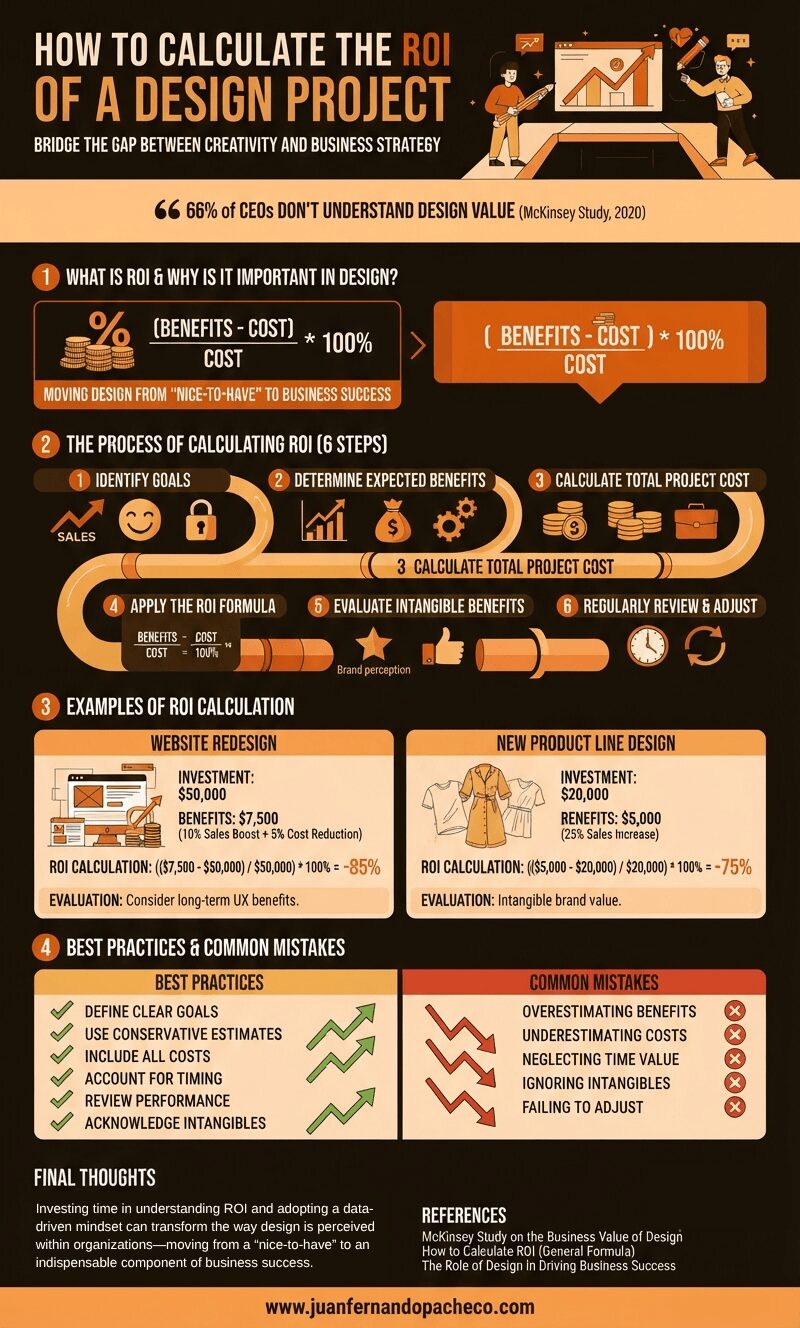
According to a McKinsey study from February 2020, nearly 66% of CEOs don’t understand what their senior designers are doing.
While design-driven companies are known to outperform competitors, the tangible benefits of design remain a mystery to many entrepreneurs.
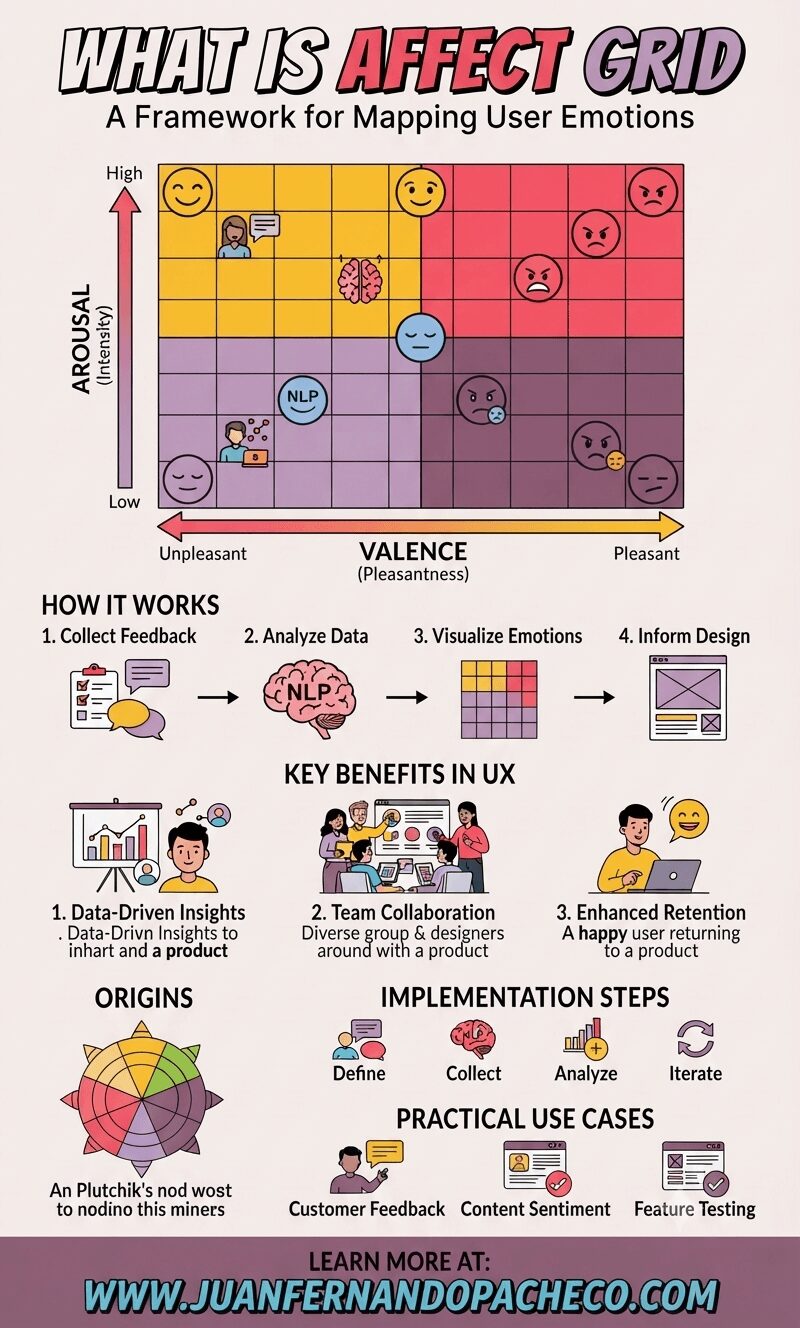
the Affect Grid stands out as a robust framework.
This tool helps designers analyze and predict how users feel about a product or service, ensuring emotional resonance and an optimized user journey.