Cognitive biases are mental shortcuts that humans often use to simplify decision-making and process complex information.
While these shortcuts can be helpful in many situations, they can also lead to errors in judgment and decision-making.
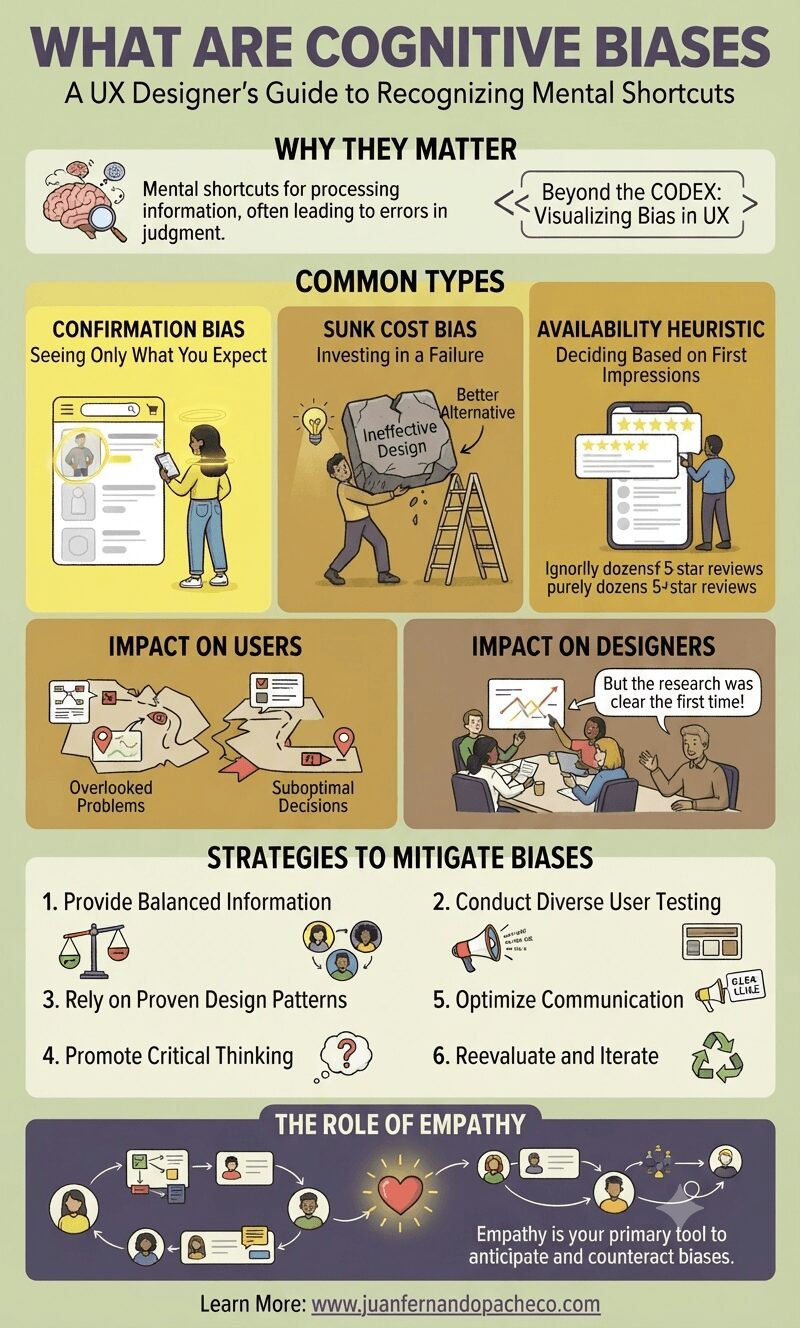
Cognitive biases are mental shortcuts that humans often use to simplify decision-making and process complex information.
While these shortcuts can be helpful in many situations, they can also lead to errors in judgment and decision-making.
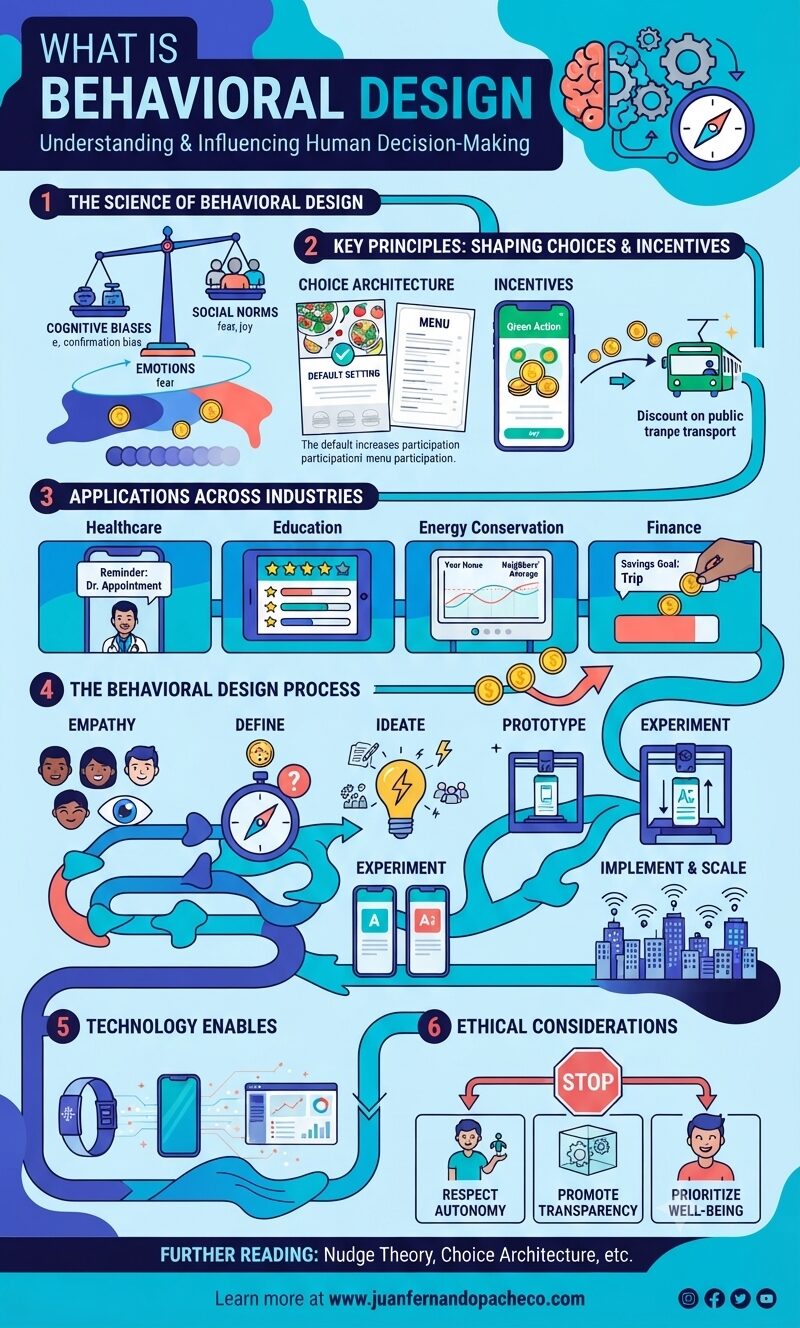
Behavioral design is a powerful approach to understanding and influencing human behavior. By combining insights from psychology, design, and technology, it provides practical tools for addressing complex challenges across various industries. From improving health outcomes to promoting sustainability, behavioral design empowers individuals to make better decisions and achieve their goals.
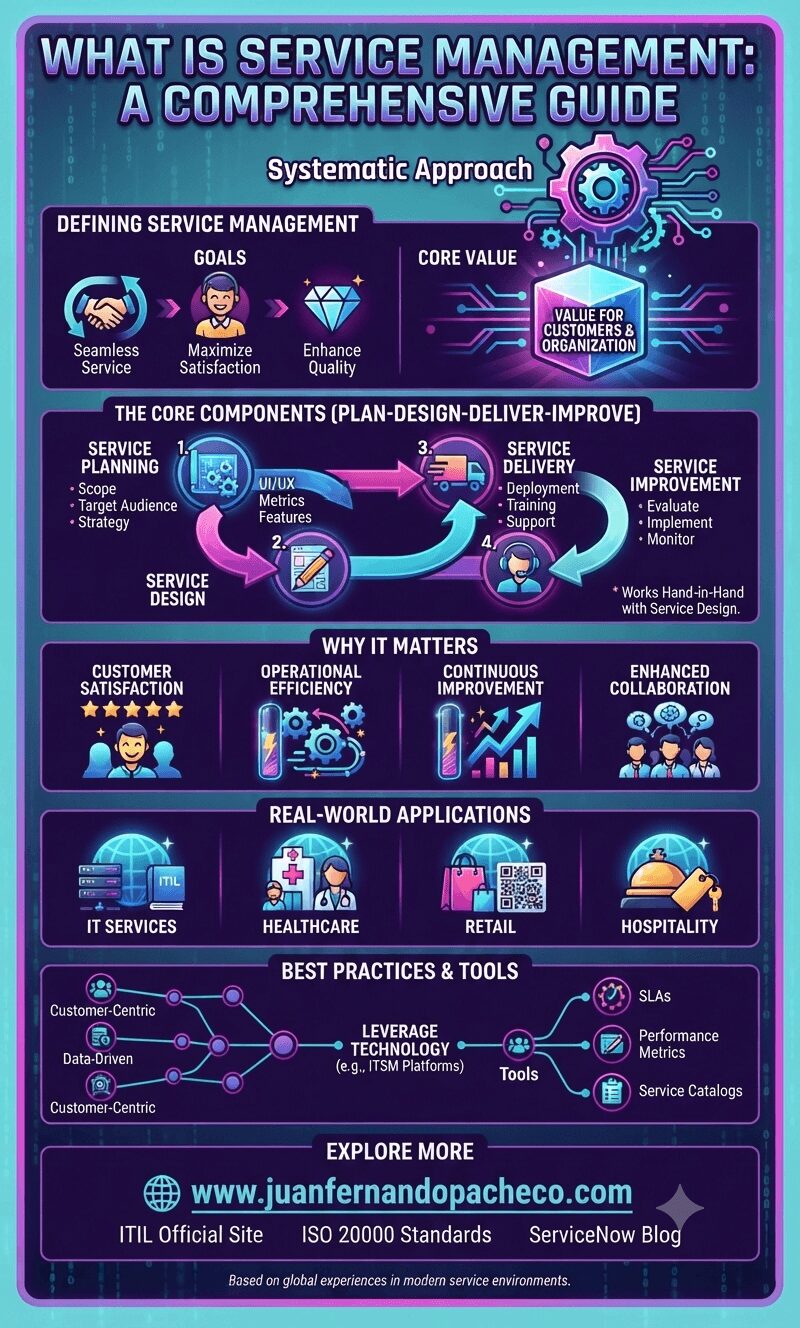
Service management is a cornerstone of modern business operations. By systematically planning, designing, delivering, and improving services, organizations can drive customer satisfaction, operational efficiency, and long-term success.
Whether you’re a small business or a global enterprise, adopting robust service management practices is essential for thriving in today’s dynamic marketplace.
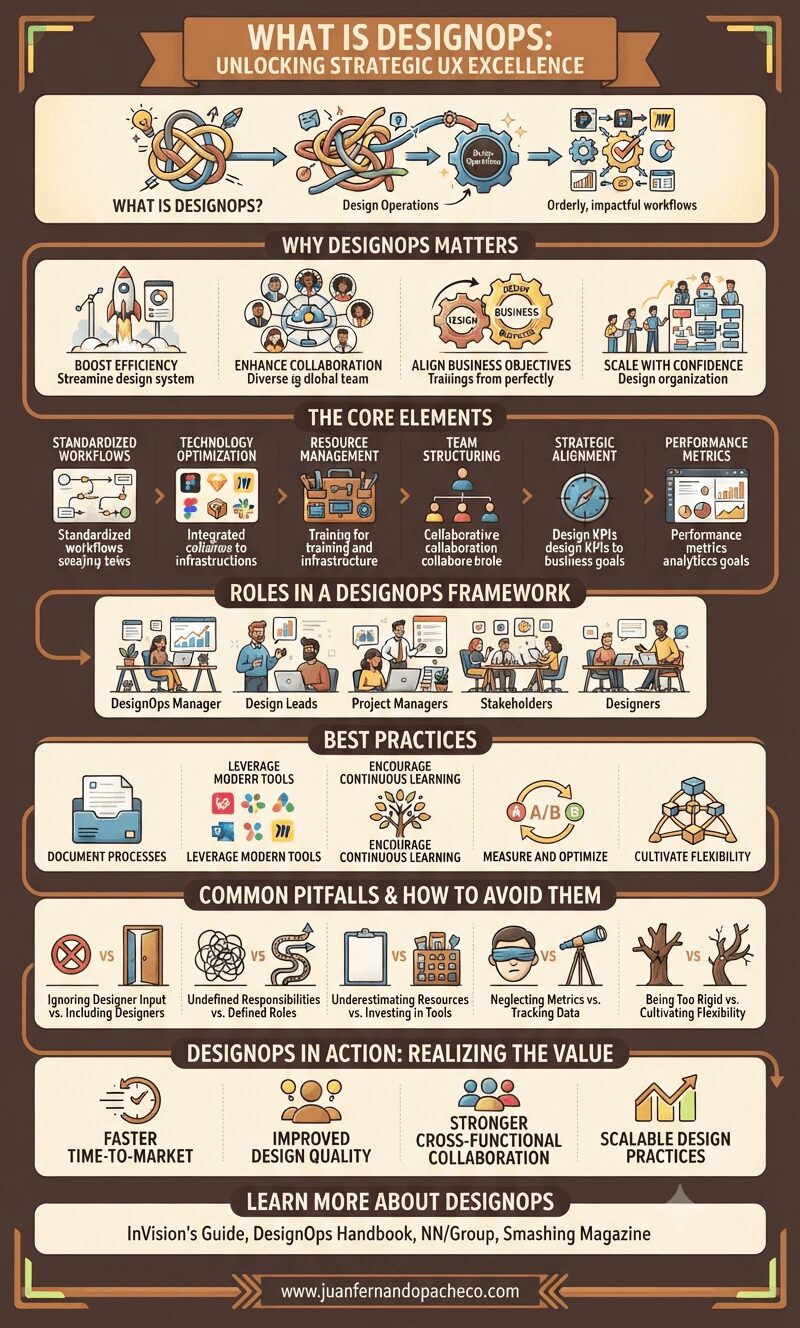
By adopting DesignOps, organizations can harness the full potential of their design teams, driving innovation, efficiency, and alignment with strategic goals.
The result? Exceptional user experiences that propel business success.
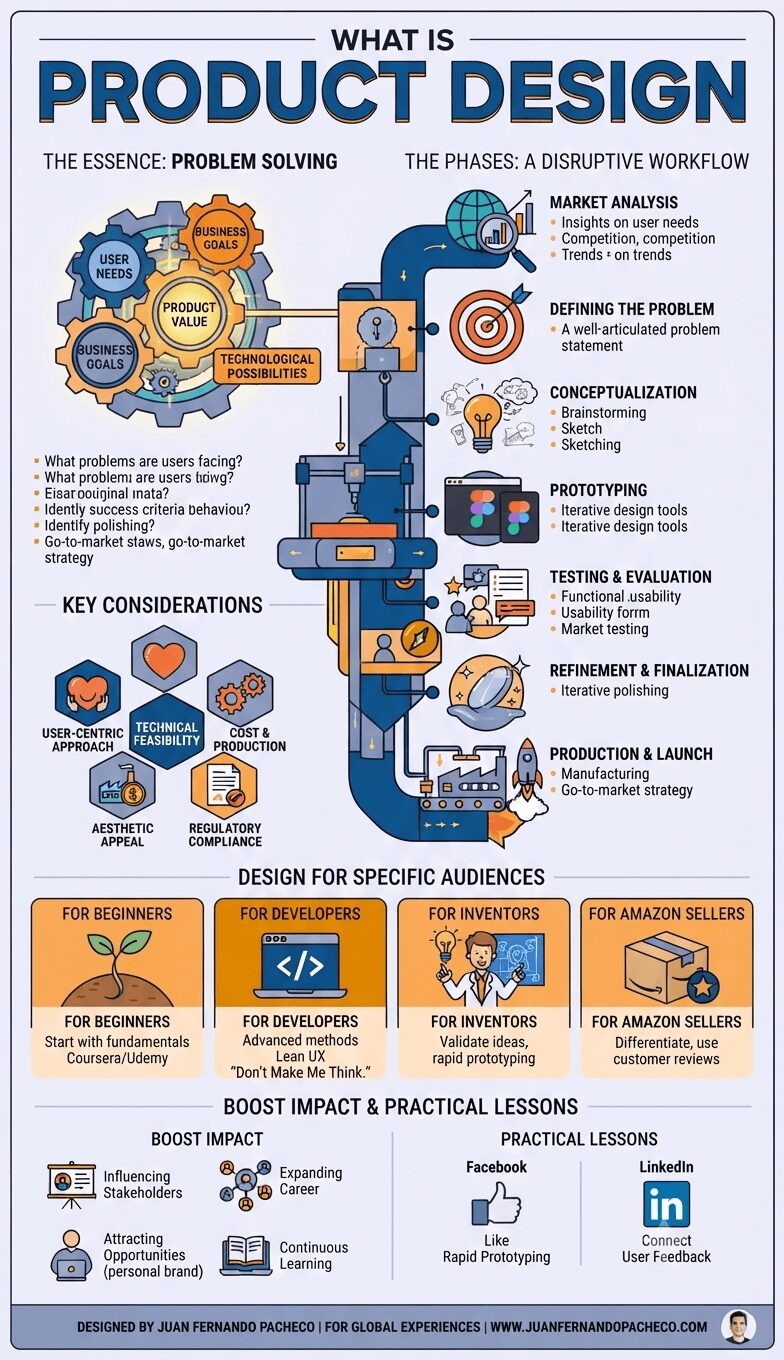
Product design is a dynamic field that blends creativity, technical expertise, and user empathy. By understanding the phases of product design and leveraging best practices, anyone can create impactful products that resonate with their audience.
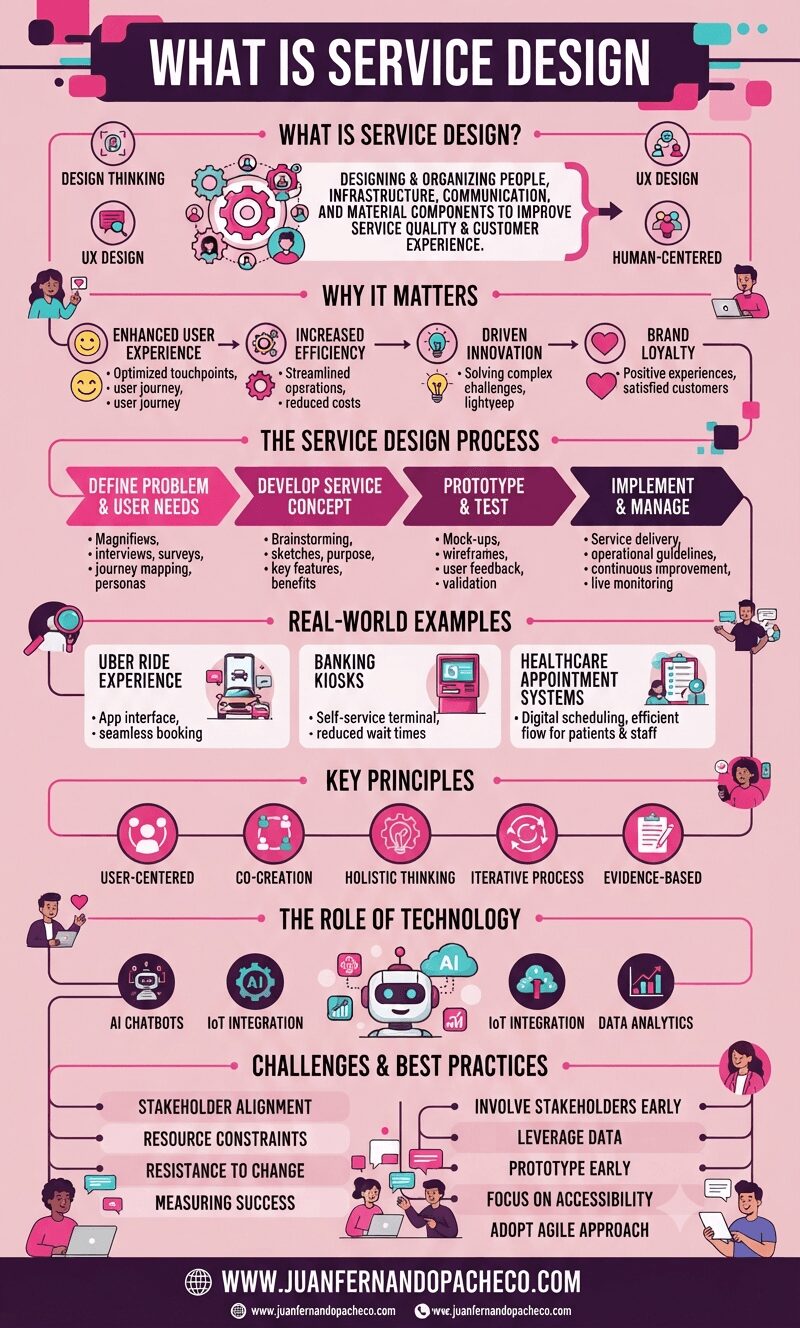
Service design is a dynamic and essential discipline that focuses on designing and delivering services that meet the needs and expectations of both users and business stakeholders.
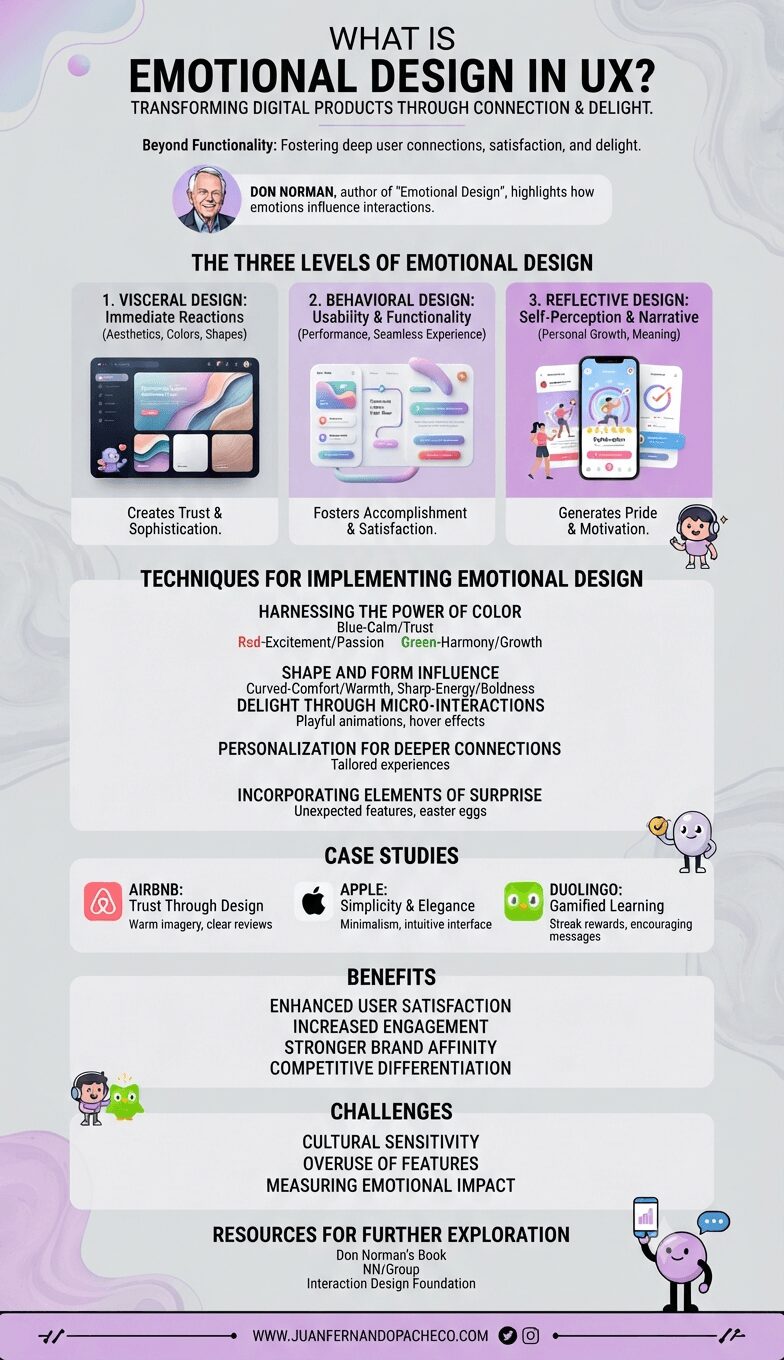
Emotional Design in UX (User Experience) represents a transformative approach to creating products and services that resonate deeply with users.
By crafting experiences that evoke specific emotional responses, designers can foster a sense of connection, satisfaction, and delight that extends beyond mere functionality.
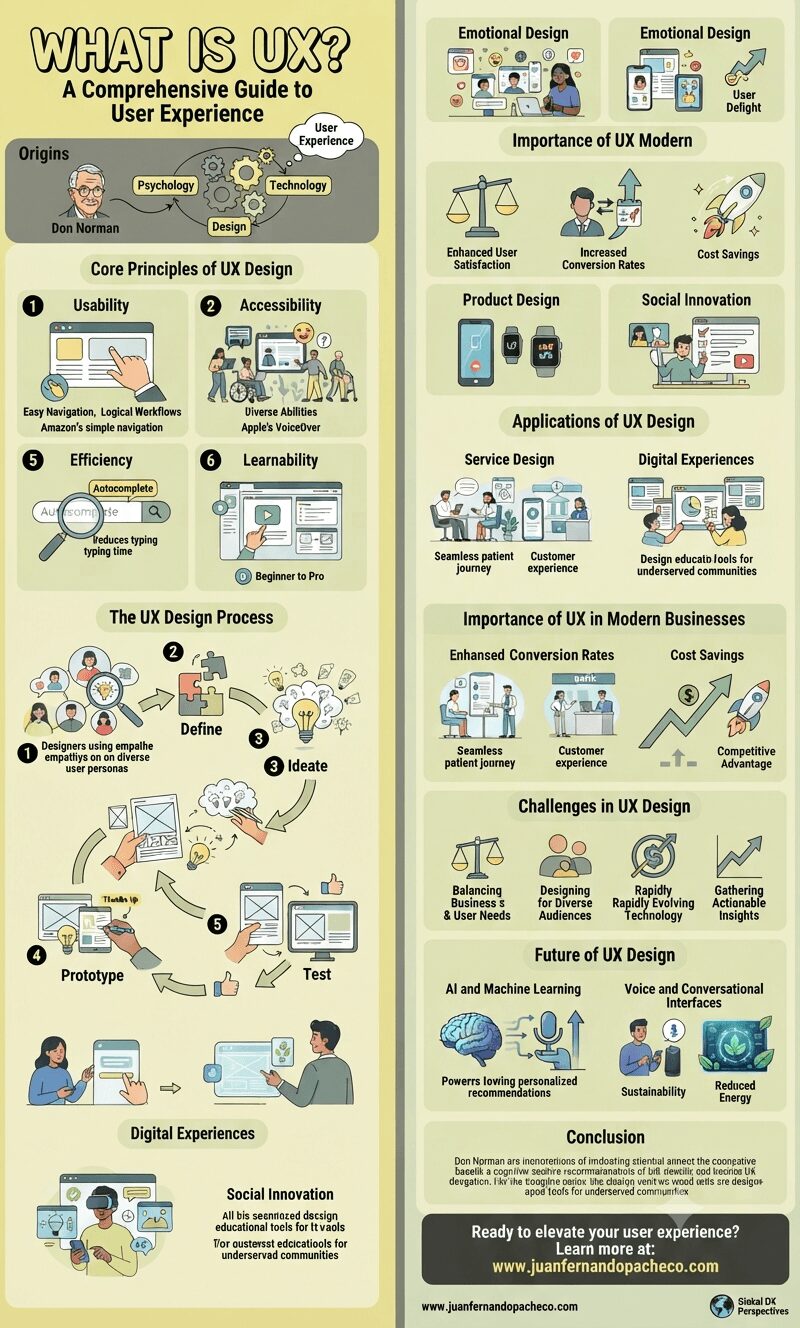
UX is the overall interaction and satisfaction a person derives from using a product, system, or service. User Experience design focuses on crafting seamless, efficient, and enjoyable experiences for users, emphasizing usability, accessibility, and emotional resonance.
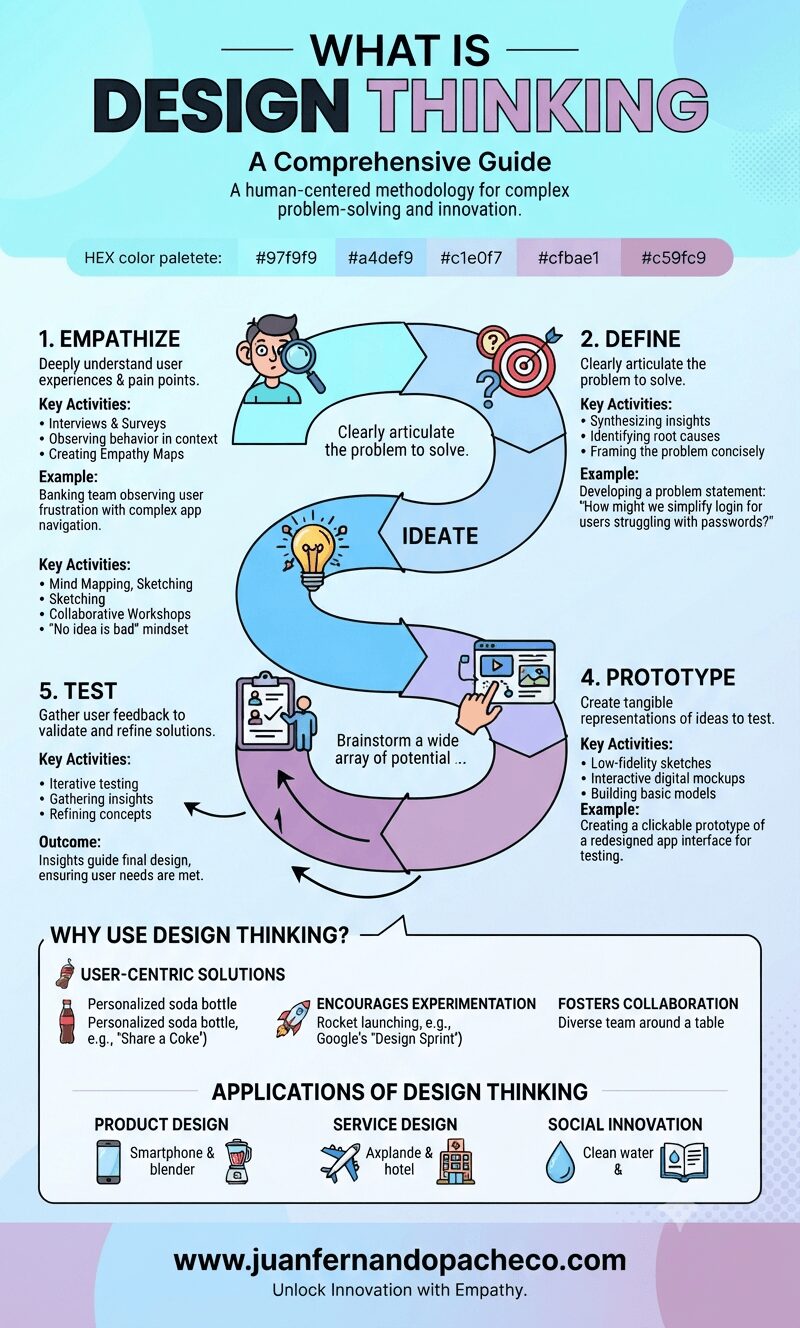
Design Thinking is not just a process but a mindset—a way of approaching problems with curiosity, empathy, and creativity. Focusing on end-user needs and fostering collaboration, the framework enables teams to create solutions that are impactful, user-friendly, and sustainable. Whether you’re a designer, developer, marketer, or business leader, adopting this approach can drive meaningful innovation and success.
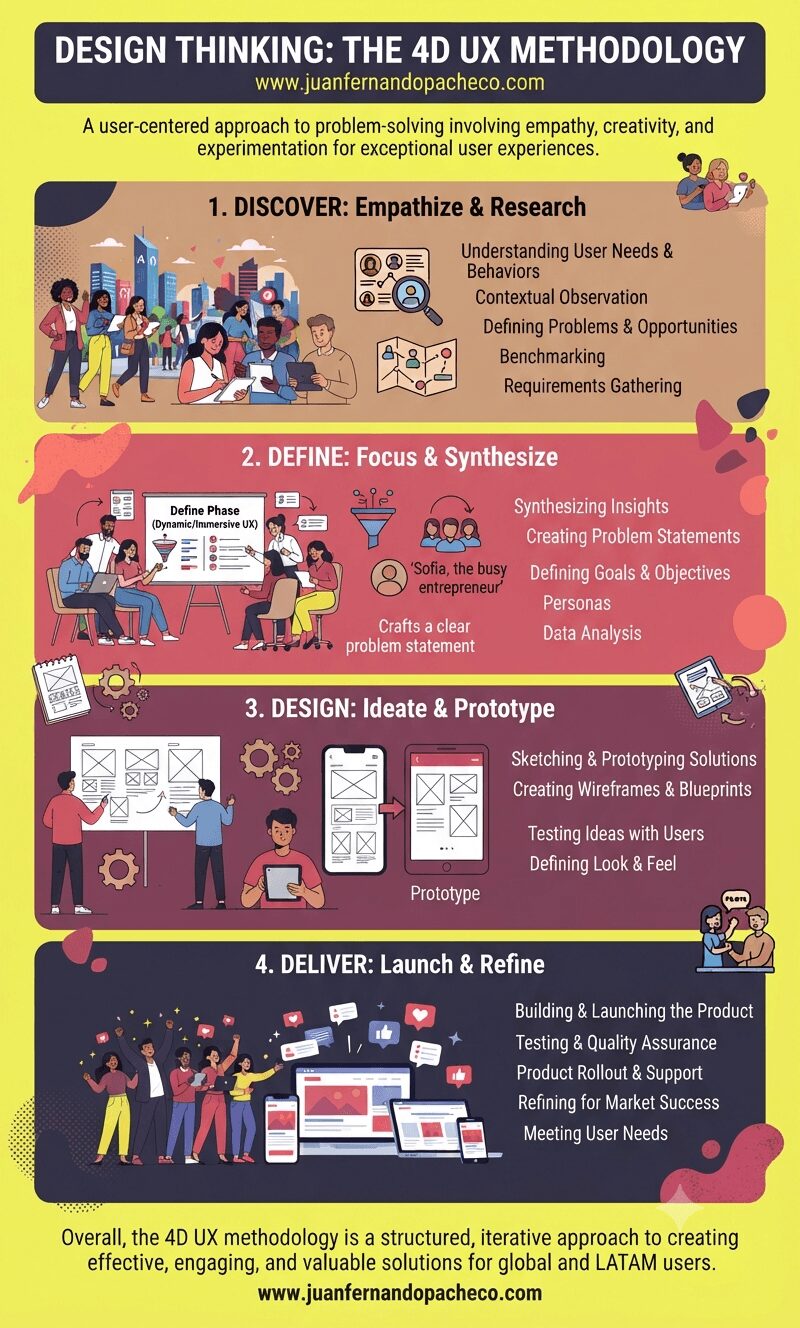
Overall, the 4D UX methodology is a structured and user-centered approach to design. It helps teams to create solutions that meet the needs of users and solve real-world problems.