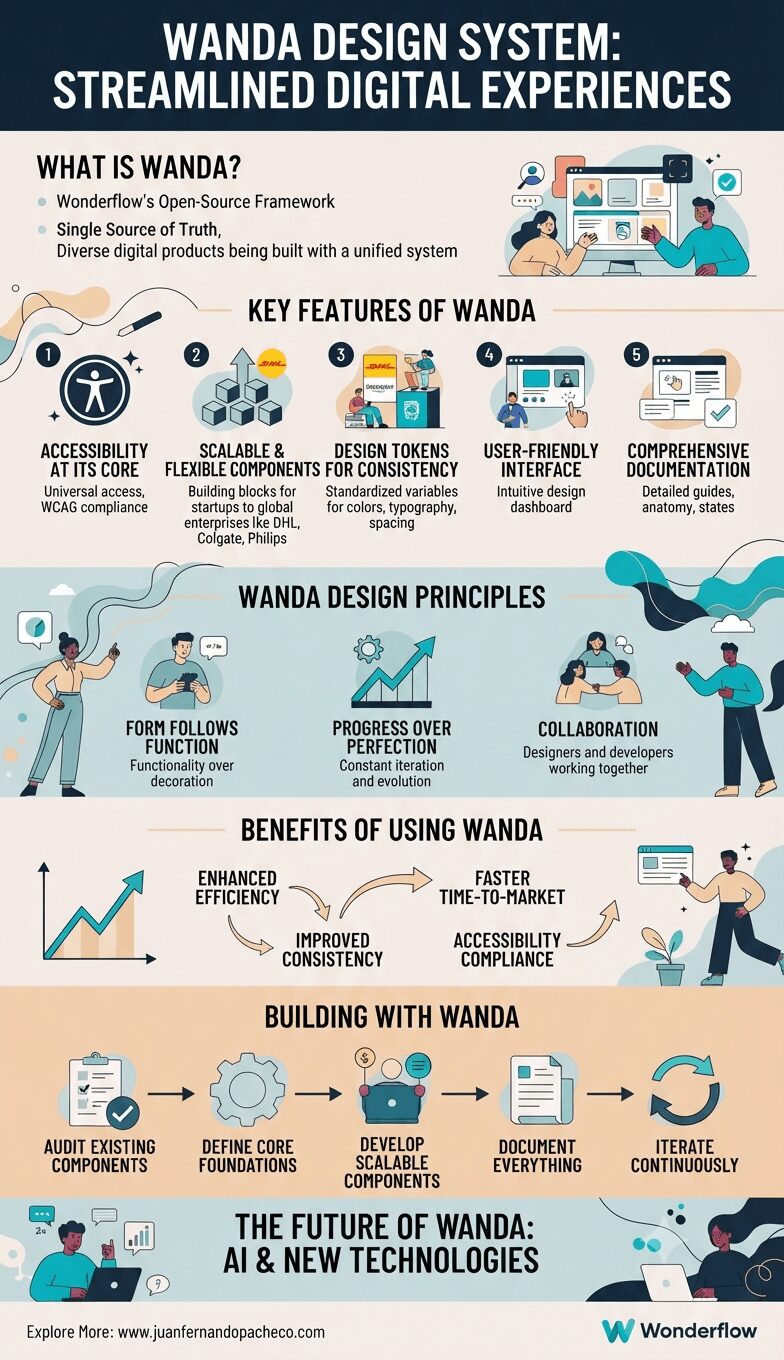
The Wanda Design System is a game-changer for digital product development. By combining accessibility, scalability, and user-centric principles into one cohesive framework, it empowers organizations to create exceptional digital experiences efficiently and consistently.
Month: May 2025

A Practical Guide for UI and Graphic Designers The visual world around us offers an
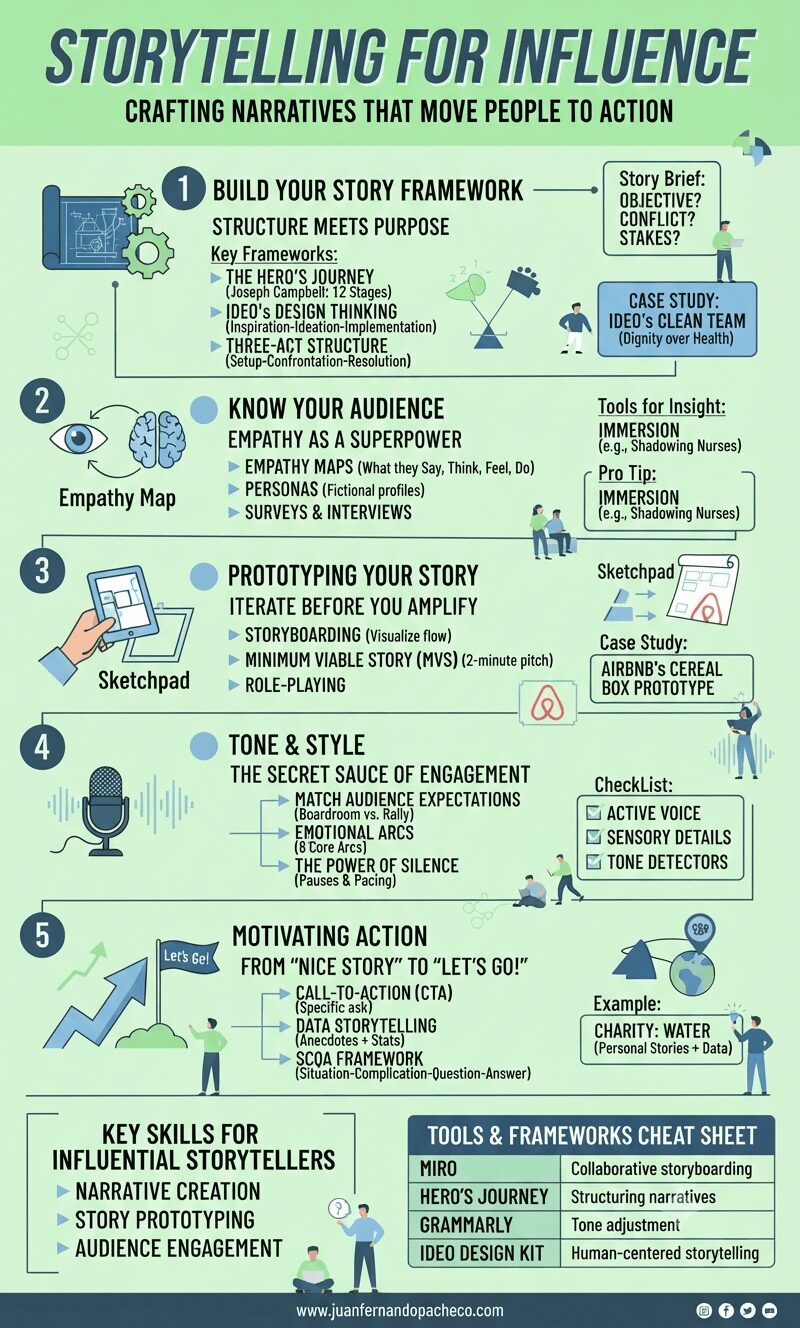
Your Story Starts Now
Influence isn’t about loud voices—it’s about stories that stick. By blending frameworks like the Hero’s Journey with IDEO’s iterative ethos, you’ll turn ideas into movements.
Remember: prototype boldly, listen deeply, and let your audience’s needs guide your narrative. Now, go craft a story that doesn’t just speak—it roars.
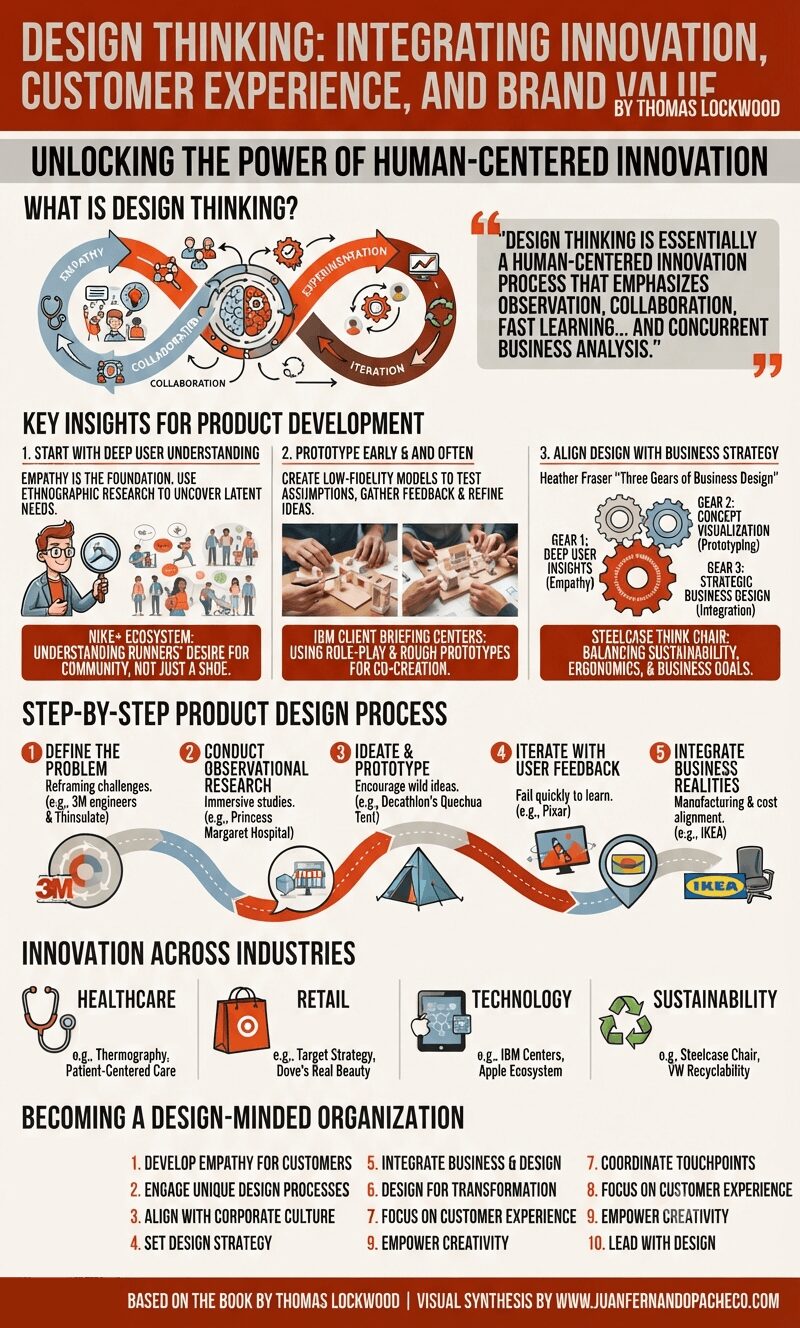
Design Thinking: Integrating Innovation, Customer Experience, and Brand Value is more than a manual—it’s a call to action. By blending human insight with business acumen, organizations can navigate complexity, foster loyalty, and drive growth. As Lockwood writes:
“The real value of design is in discovering and solving all manner of problems. It’s not about what design is—it’s about what design does.”
Whether you’re refining a product, reimagining a service, or transforming a business model, this book offers the tools and inspiration to lead with creativity. In a world where change is the only constant, design thinking isn’t just an advantage—it’s a necessity.
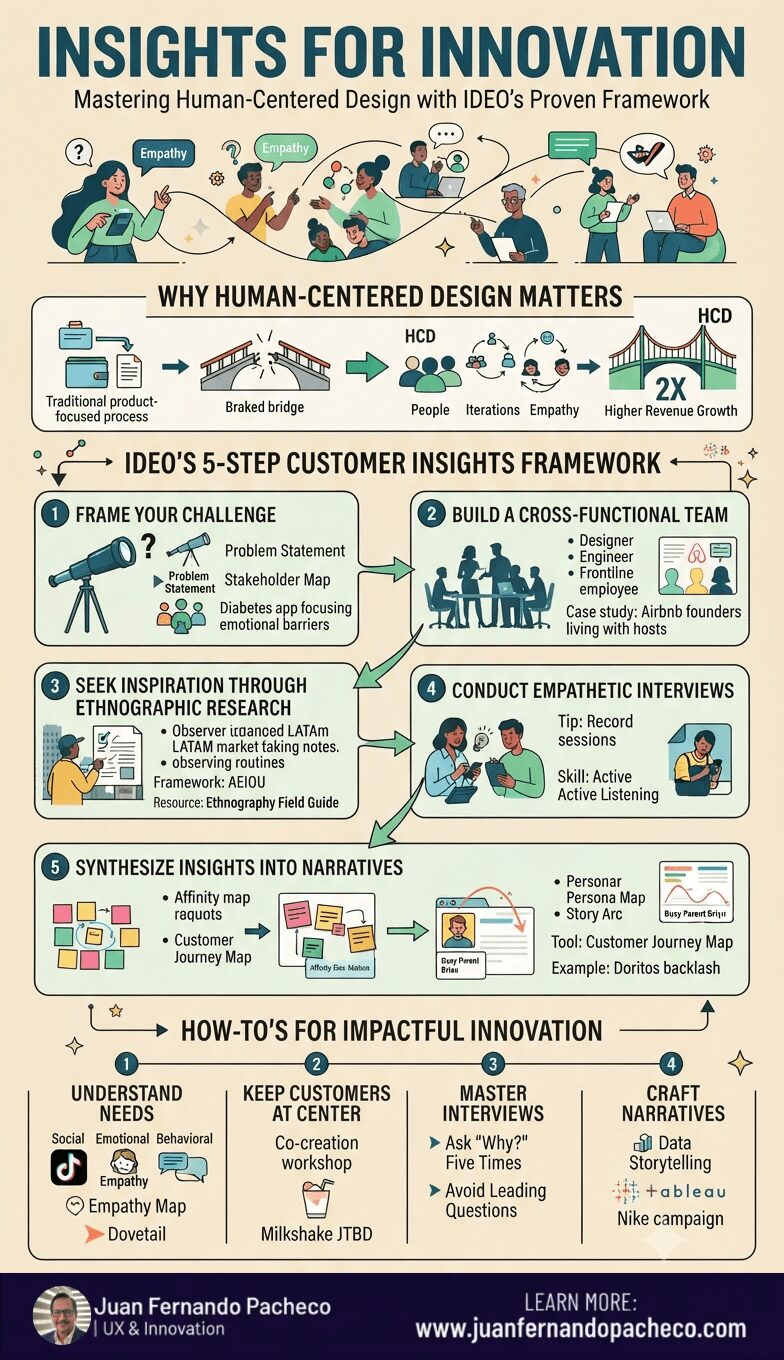
Insights for Innovation isn’t a checklist—it’s a mindset. By grounding every decision in empathy, curiosity, and storytelling, you’ll build products that don’t just solve problems, but enrich lives. Ready to start? Dive deeper with IDEO’s Design Thinking Resources and remember: The next breakthrough lies in the stories your customers haven’t told you yet.
This episode unpacks the UX design process through a structured, empathetic lens, guided by Mei
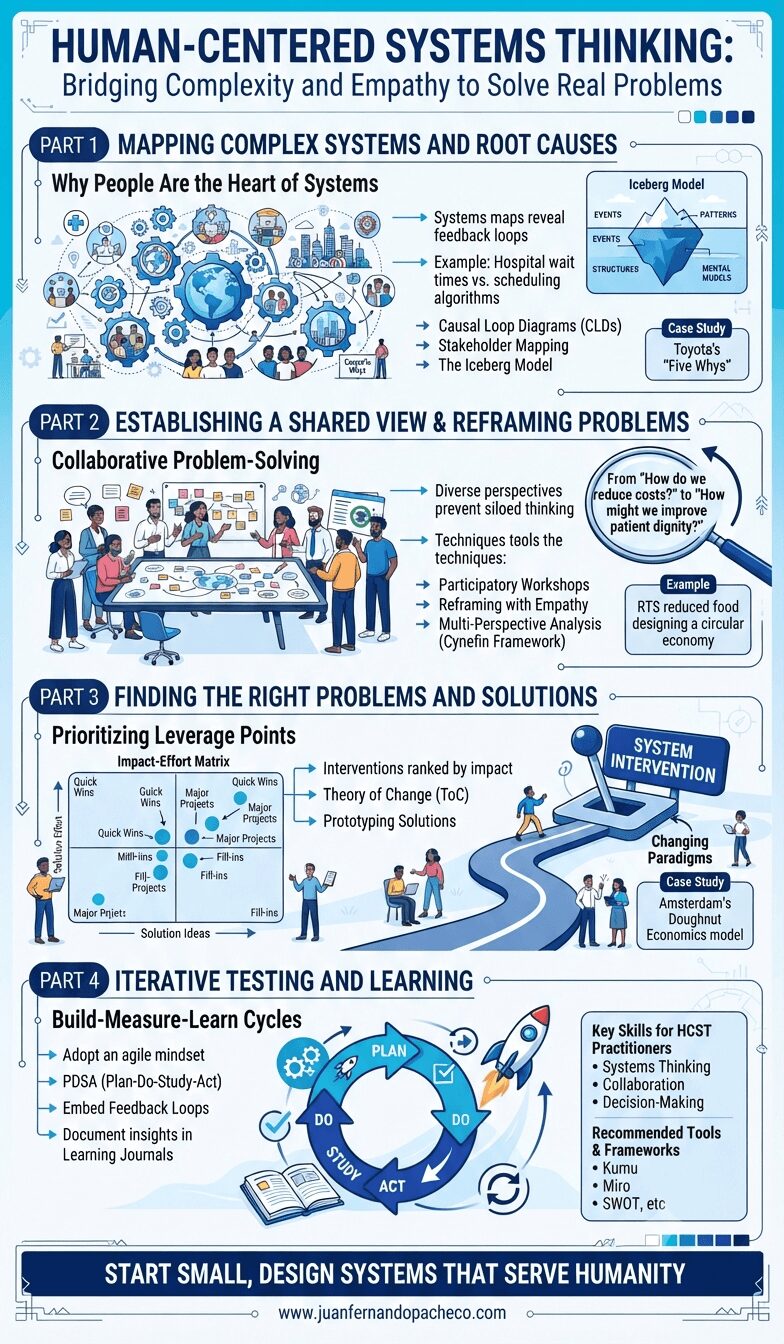
Human-Centered Systems Thinking isn’t a checklist—it’s a mindset. By grounding systemic analysis in empathy and experimentation, we can redesign education, healthcare, and organizations to prioritize human dignity and resilience.
Start small: map a personal challenge, host a reframing workshop, or prototype a solution. The systems of tomorrow depend on the choices we make today.
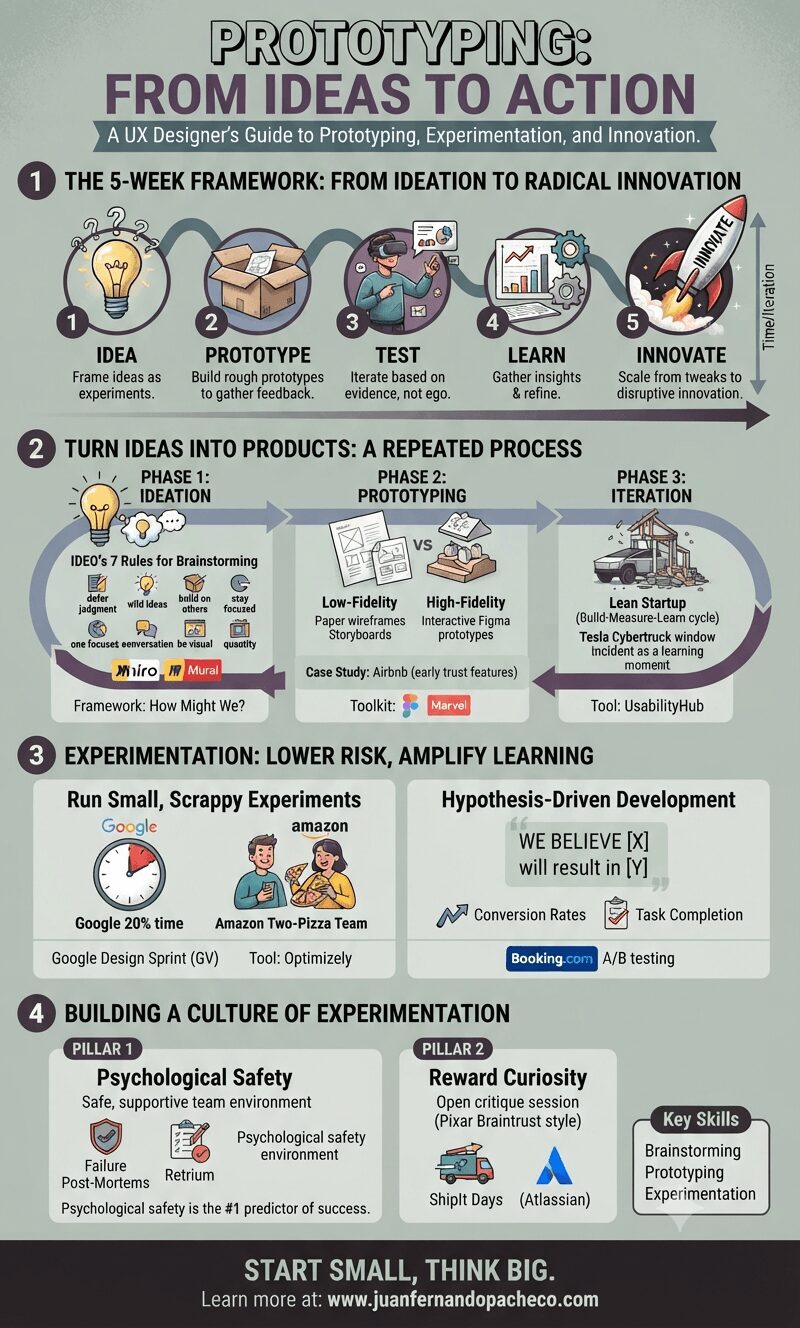
Start Small, Think Big
Innovation isn’t a lightning strike—it’s a campfire built from tiny sparks. By embracing prototyping, experimentation, and iteration, you’ll transform vague ideas into impactful solutions.