Start Small, Think Big
Innovation isn’t a lightning strike—it’s a campfire built from tiny sparks. By embracing prototyping, experimentation, and iteration, you’ll transform vague ideas into impactful solutions.
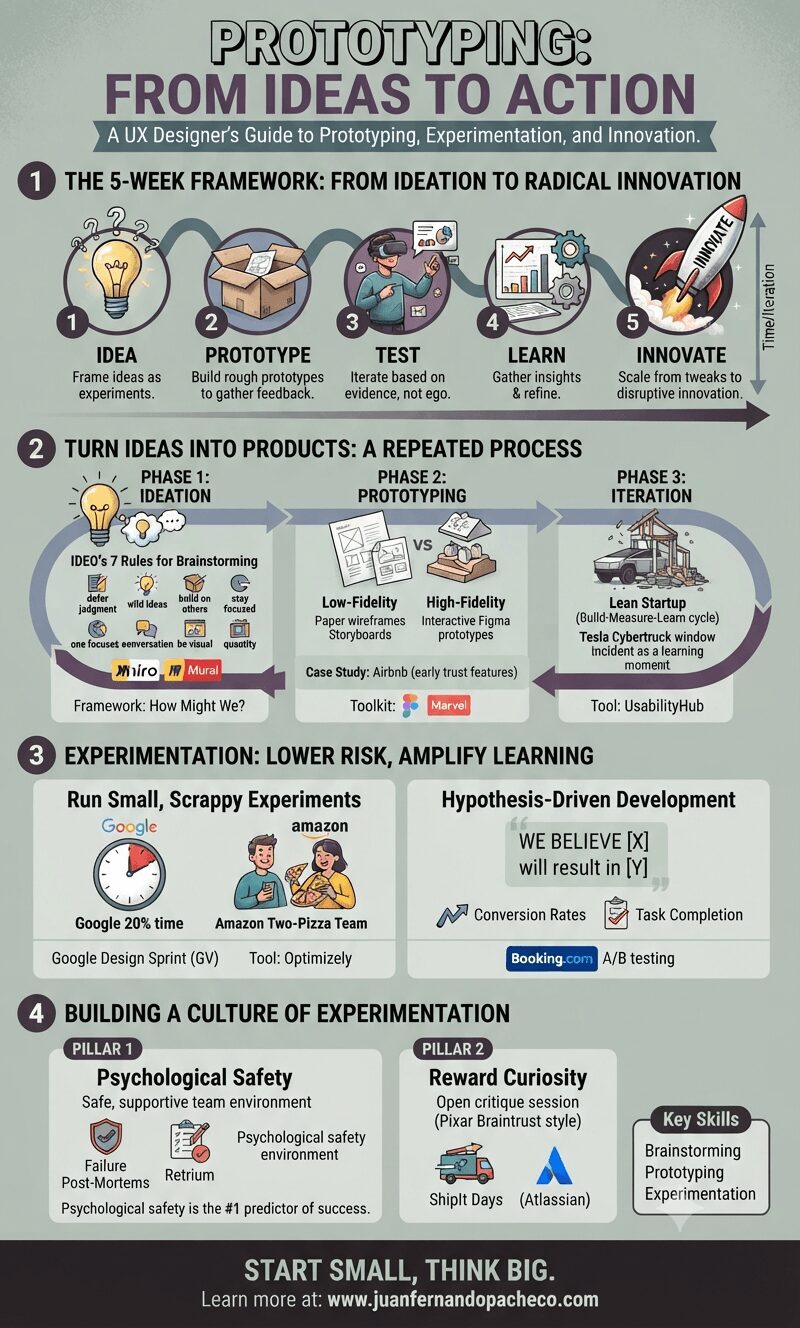
Start Small, Think Big
Innovation isn’t a lightning strike—it’s a campfire built from tiny sparks. By embracing prototyping, experimentation, and iteration, you’ll transform vague ideas into impactful solutions.
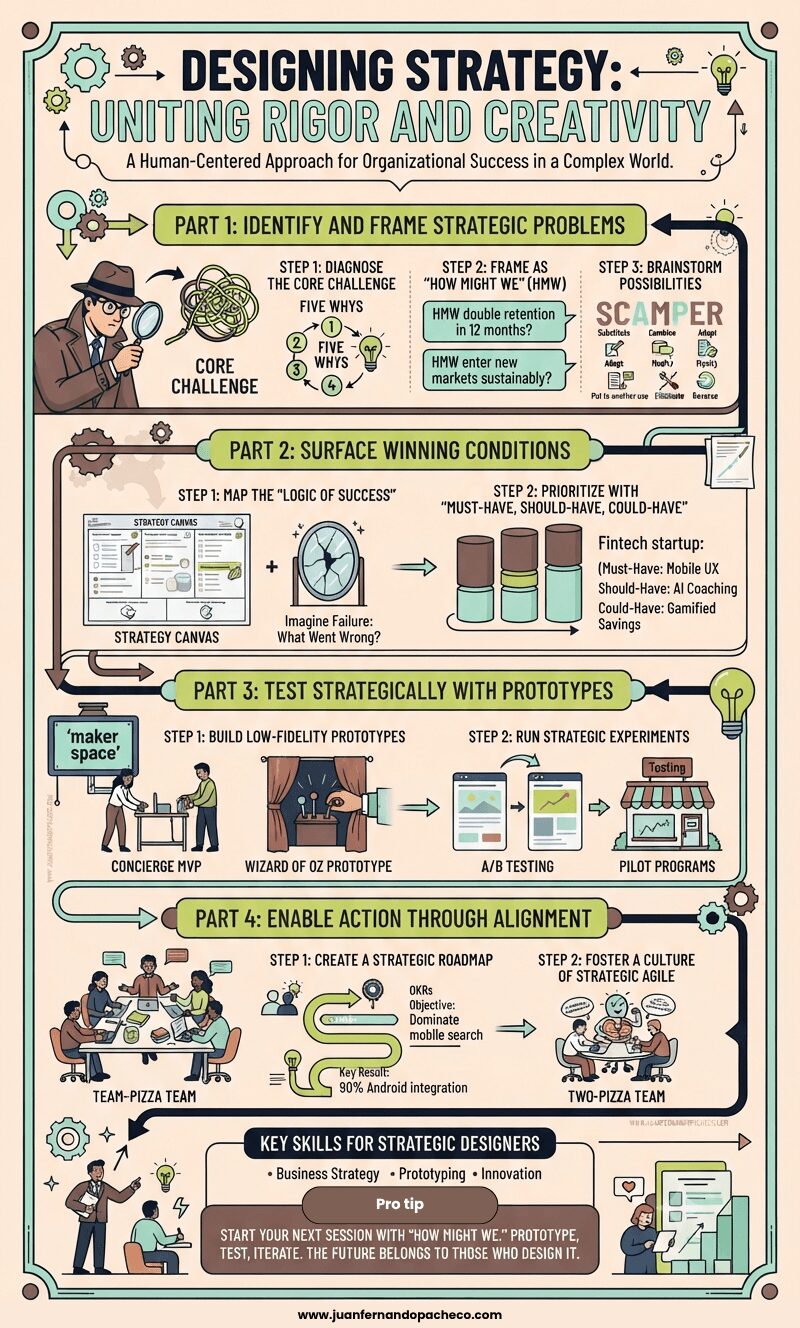
Designing strategy isn’t a one-time event—it’s a cycle of learning, adapting, and evolving. By blending analytical tools with creative methods, leaders can build strategies resilient enough for today’s volatility and visionary enough for tomorrow’s opportunities.
Start your next strategic session with a “How Might We” question. Then prototype, test, and iterate. The future belongs to those who design it.
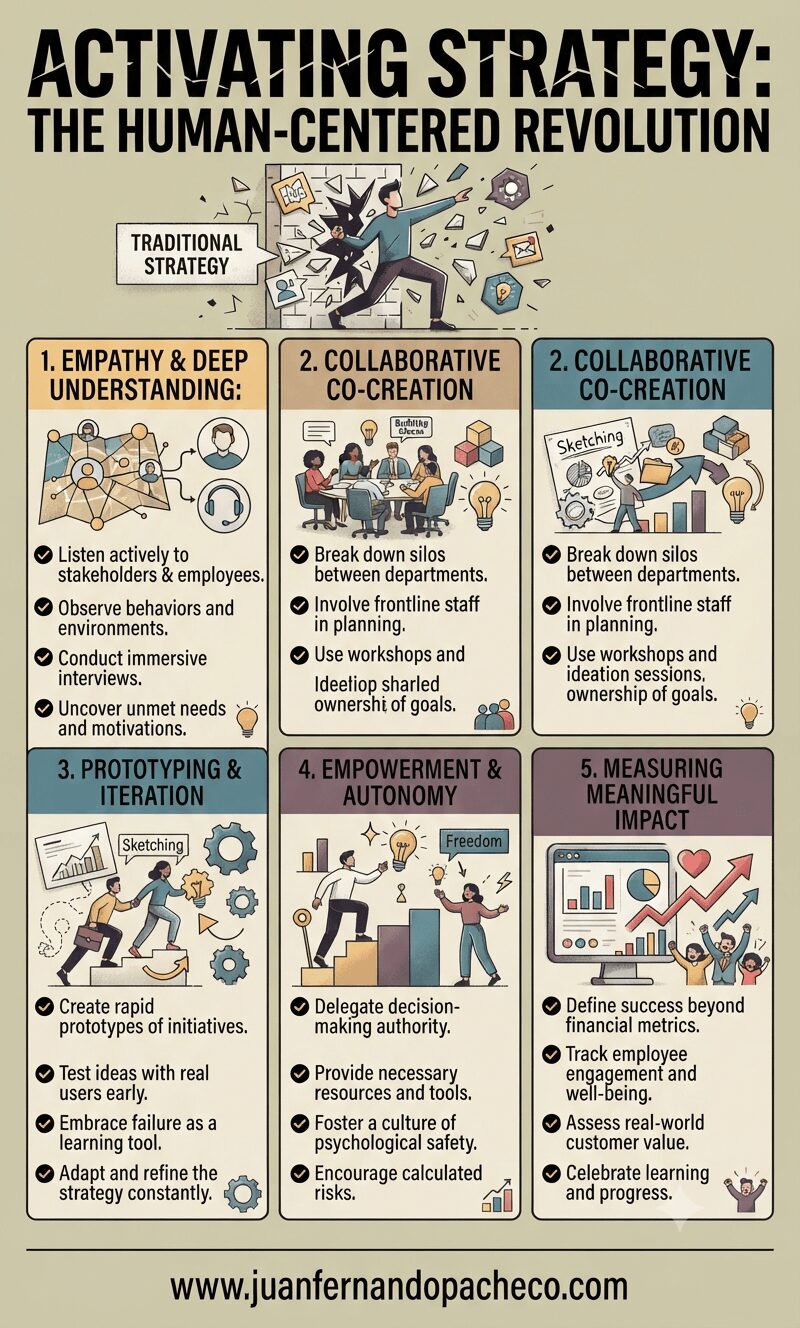
Activating strategy requires shifting from “planning” to “doing” through collaboration, experimentation, and agility. As Reed Hastings of Netflix says,
“Strategy is never done; it’s a living process”.
Start small, engage broadly, and iterate relentlessly.
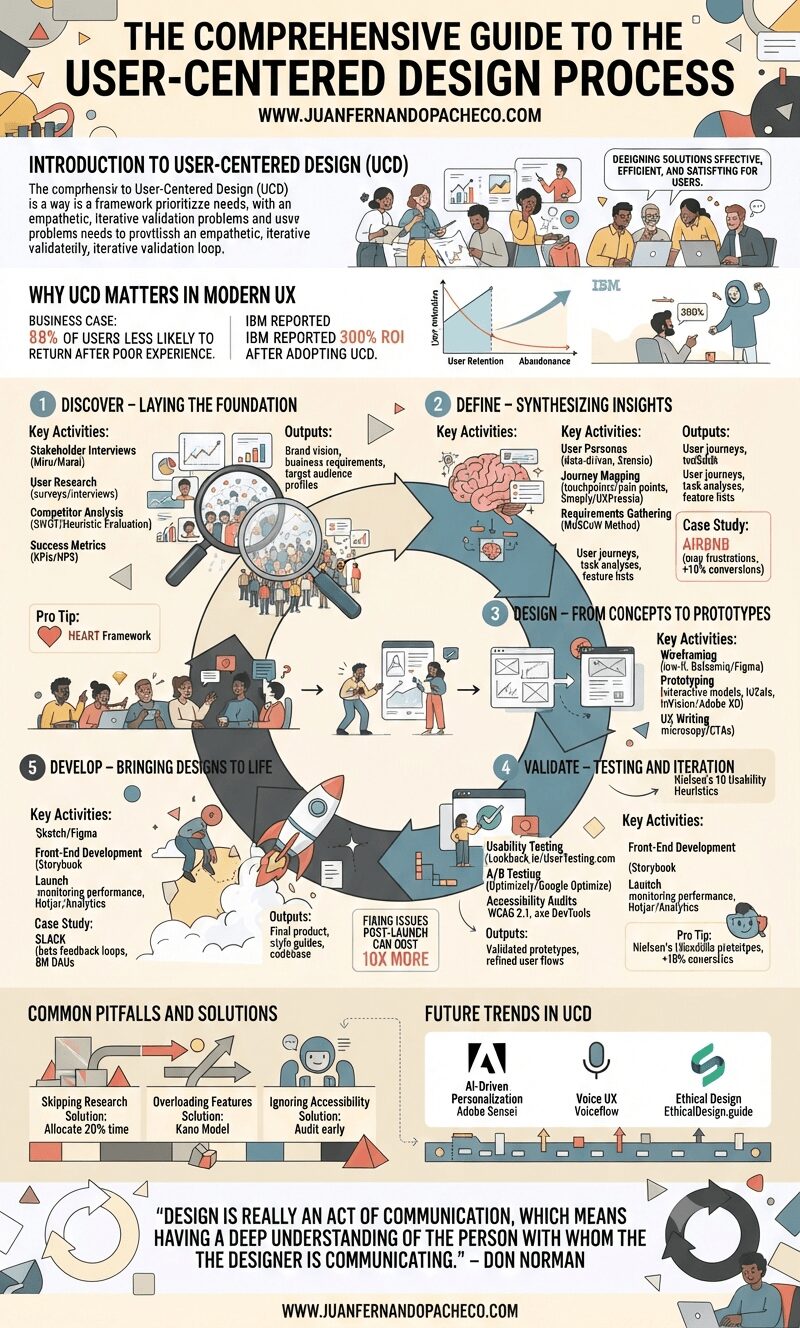
The UCD process is not linear but cyclical. By embracing empathy, iteration, and collaboration, teams create solutions that resonate deeply with users.
As Don Norman, the father of UX, said:
“Design is really an act of communication, which means having a deep understanding of the person with whom the designer is communicating.”
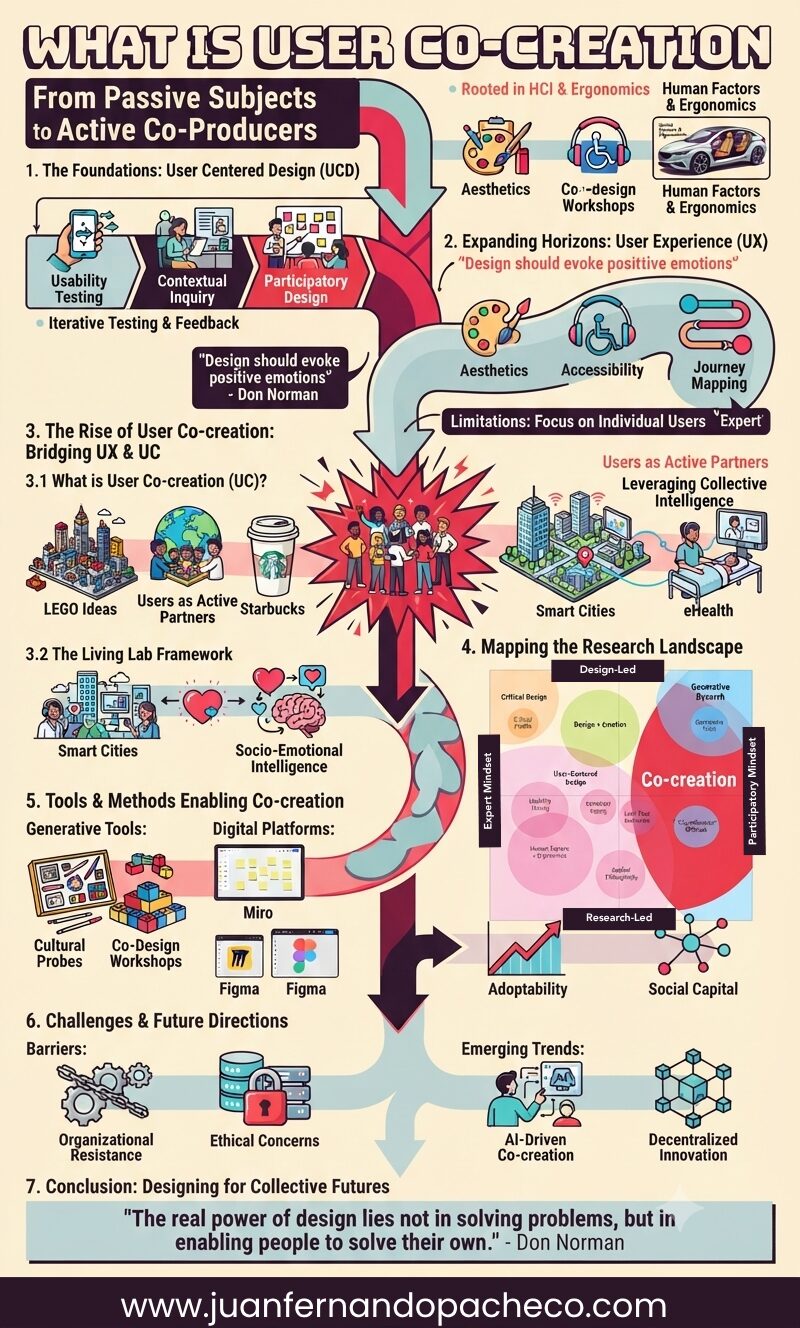
The shift from User Centred Design (UCD) to User Co-creation (UC) marks a democratization of innovation. By embracing Living Labs and participatory frameworks, designers can harness the collective genius of users. As Don Norman aptly stated:
“The real power of design lies not in solving problems, but in enabling people to solve their own.”
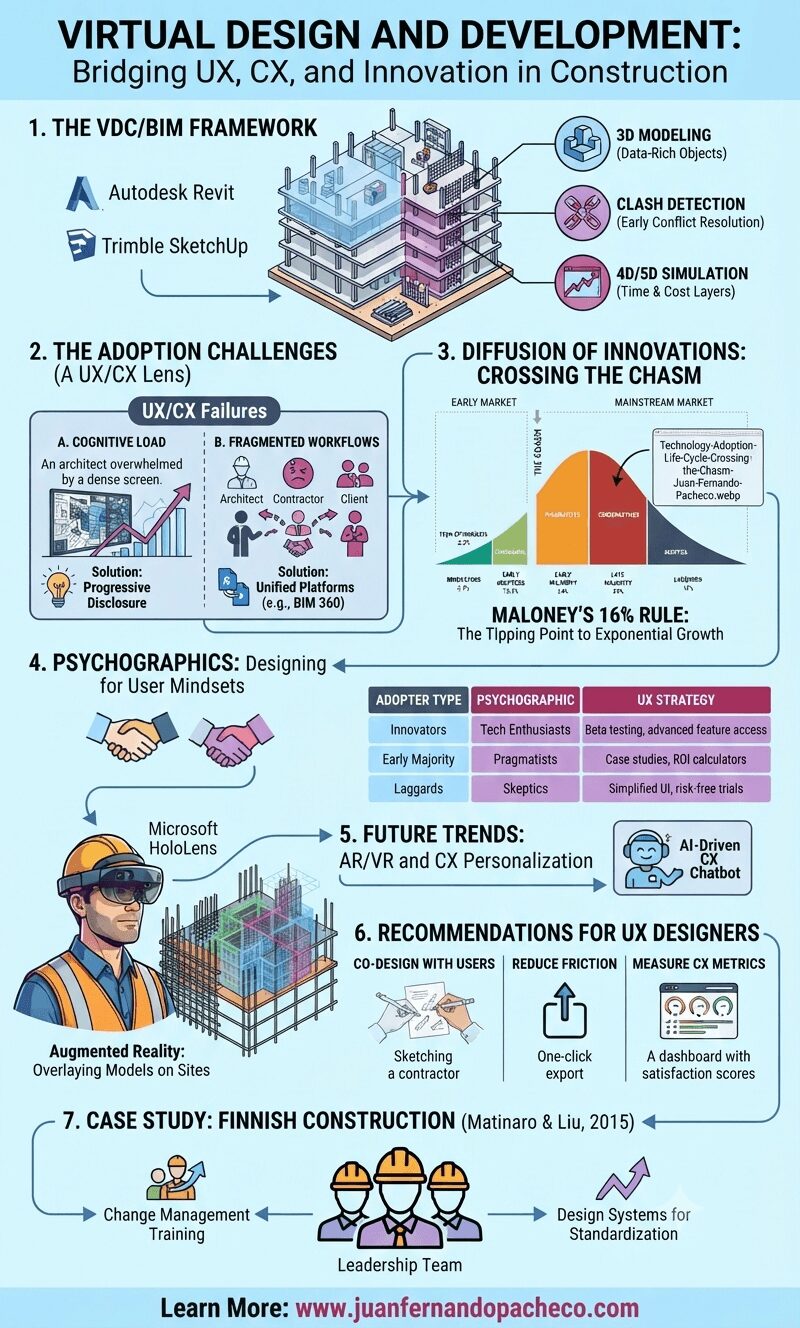
VDC/BIM’s potential is undeniable, but its success hinges on human-centered design. By applying UX/CX principles—from progressive disclosure to psychographic segmentation—we can accelerate innovation diffusion and transform the construction industry.
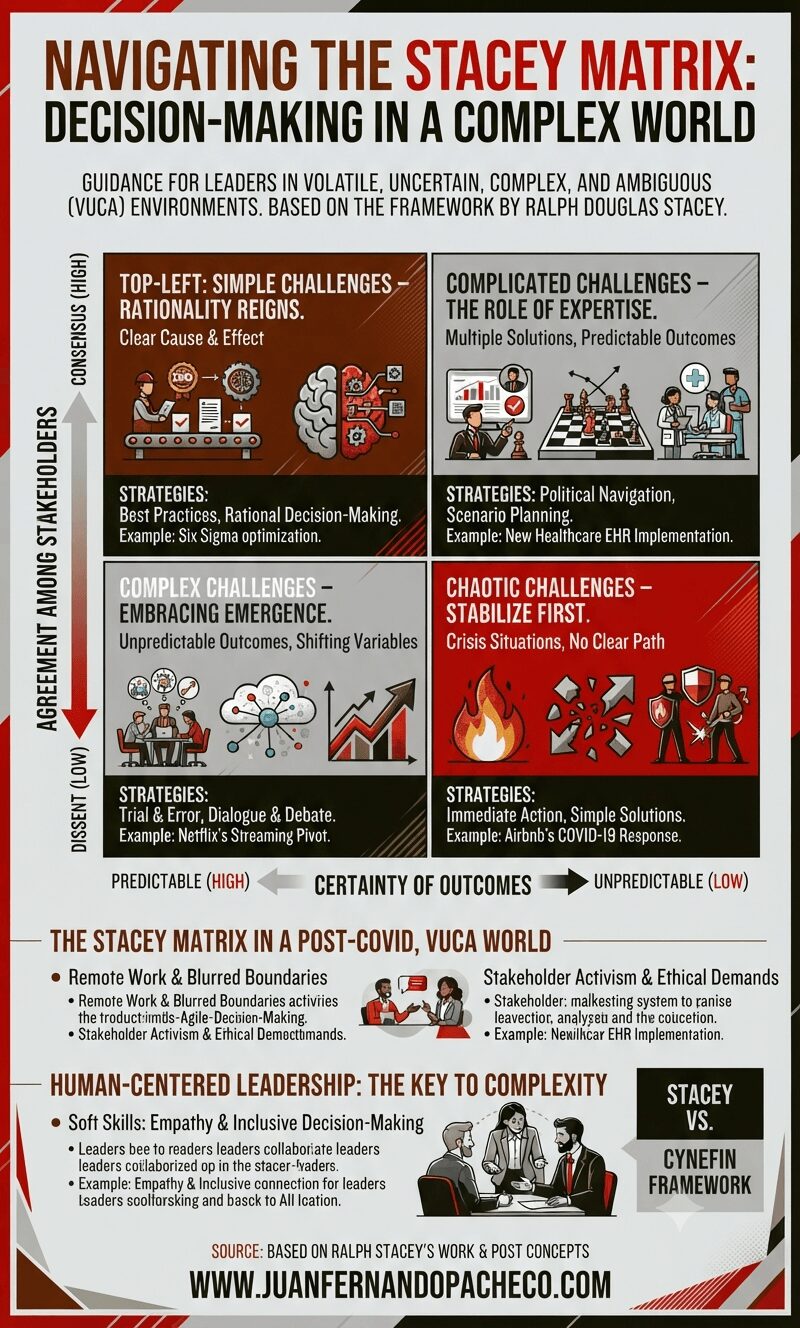
The Stacey Matrix is not just a tool—it’s a mindset shift. In a world where 73% of leaders cite complexity as their top challenge (per Gartner), mastering this framework requires courage to embrace ambiguity and humility to learn from failure.
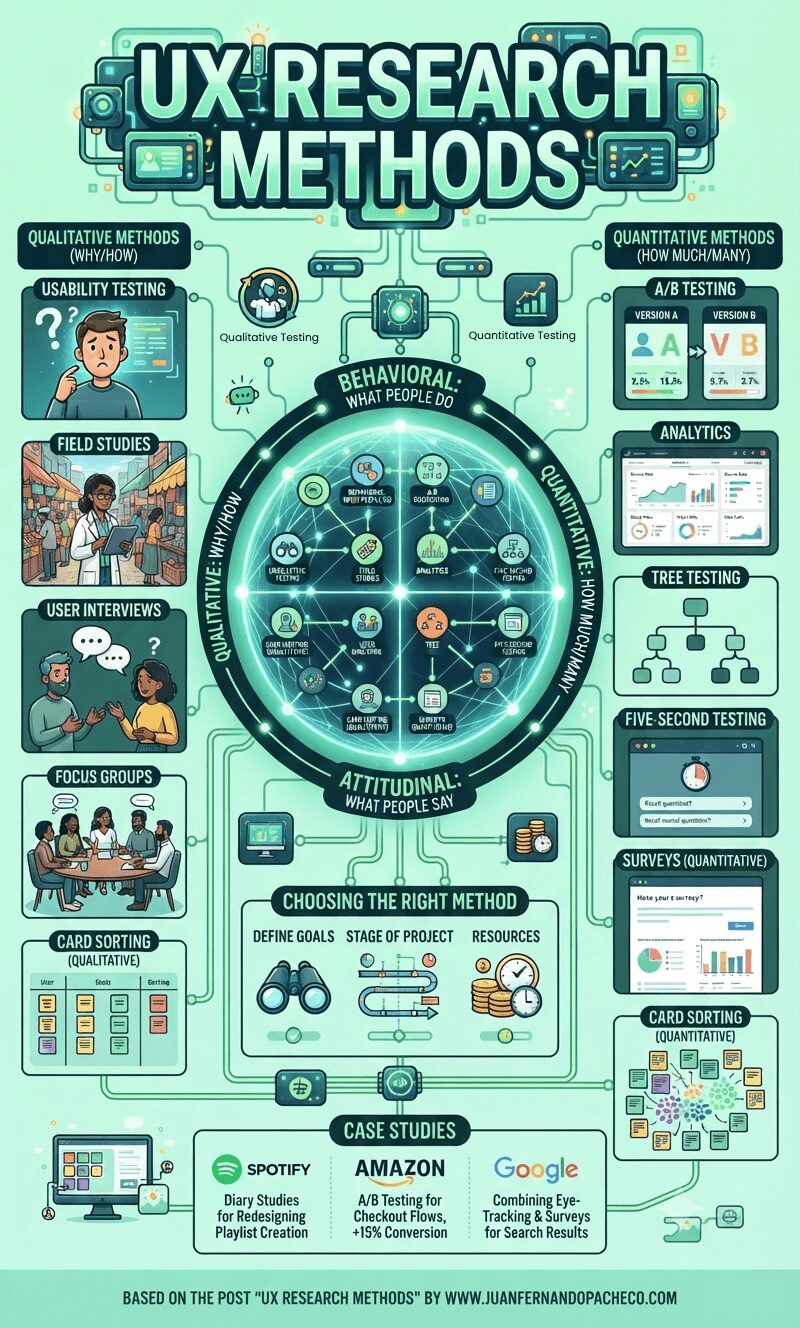
UX research is not a one-size-fits-all process. By blending behavioral and attitudinal methods, designers can create holistic, user-driven solutions. Start small—try a five-second test or a quick survey—and scale as you gain confidence. Remember, the best designs are rooted in empathy and evidence.
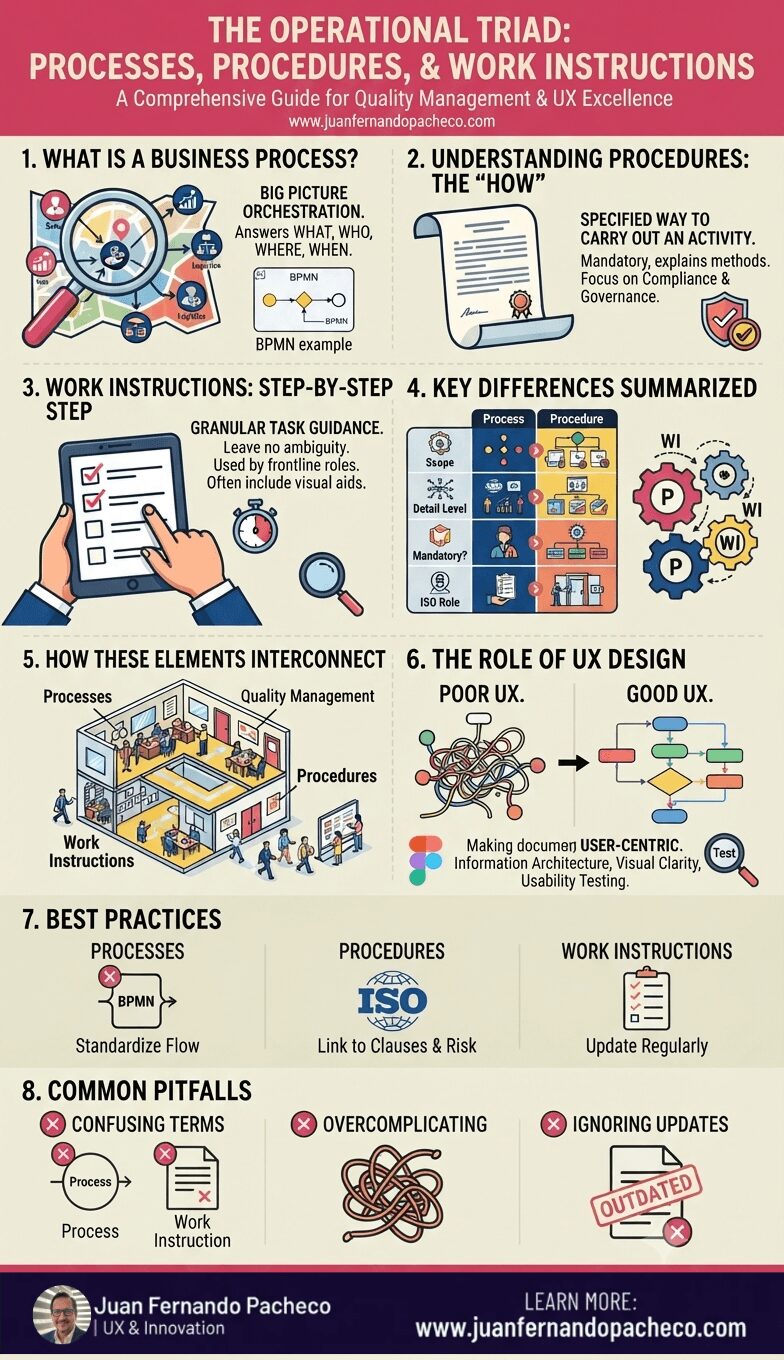
Processes, procedures, and work instructions are not mere paperwork—they’re the backbone of operational excellence.
By aligning them with ISO standards, leveraging BPMN, and applying UX principles, organizations can reduce errors, improve compliance, and empower employees.
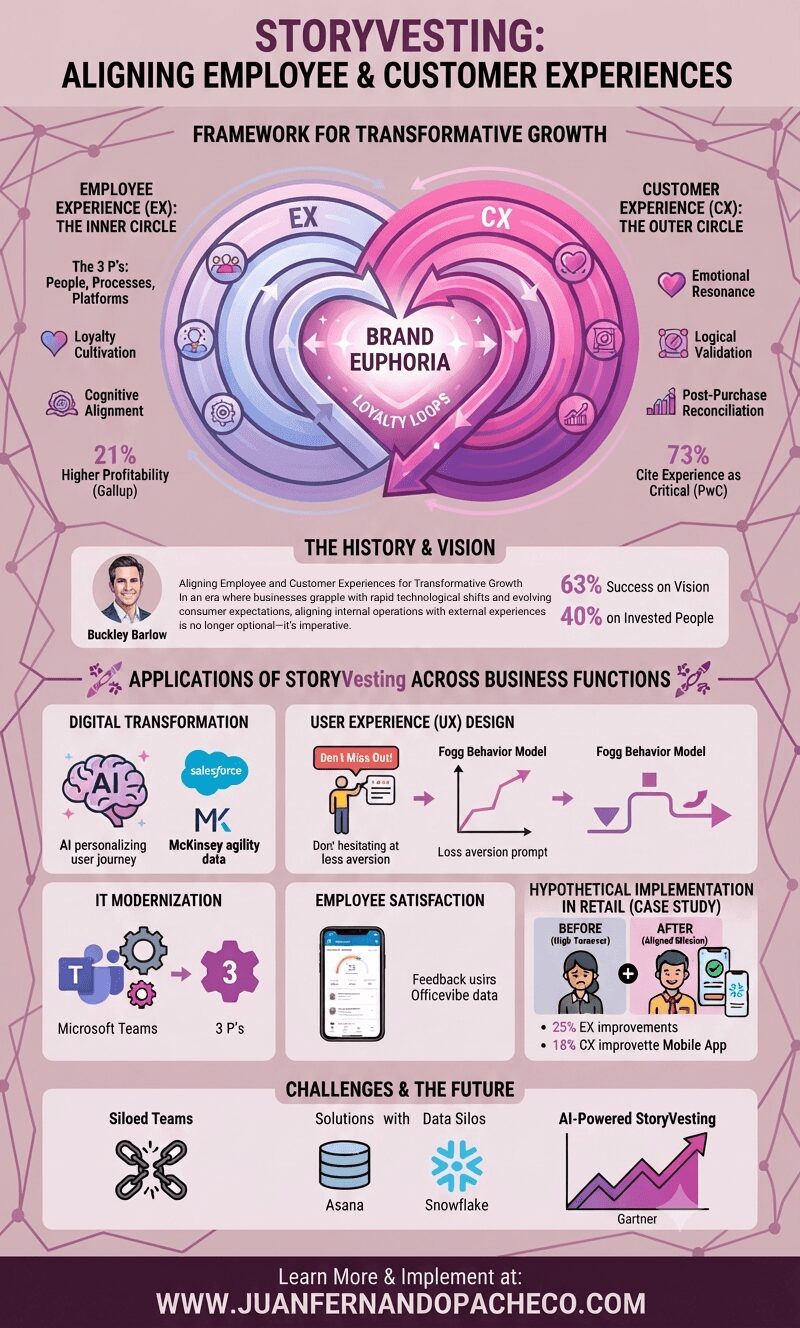
StoryVesting™, a business transformation framework developed by RocketSource that bridges the gap between employee engagement and customer loyalty. By harmonizing these two pillars, organizations can unlock sustainable growth, even in volatile markets.