Mastering the design process requires balancing creativity with rigor.
By integrating tools like Figma for prototyping, Miro for synthesis, and Optimizely for testing, teams can deliver exceptional user experiences.
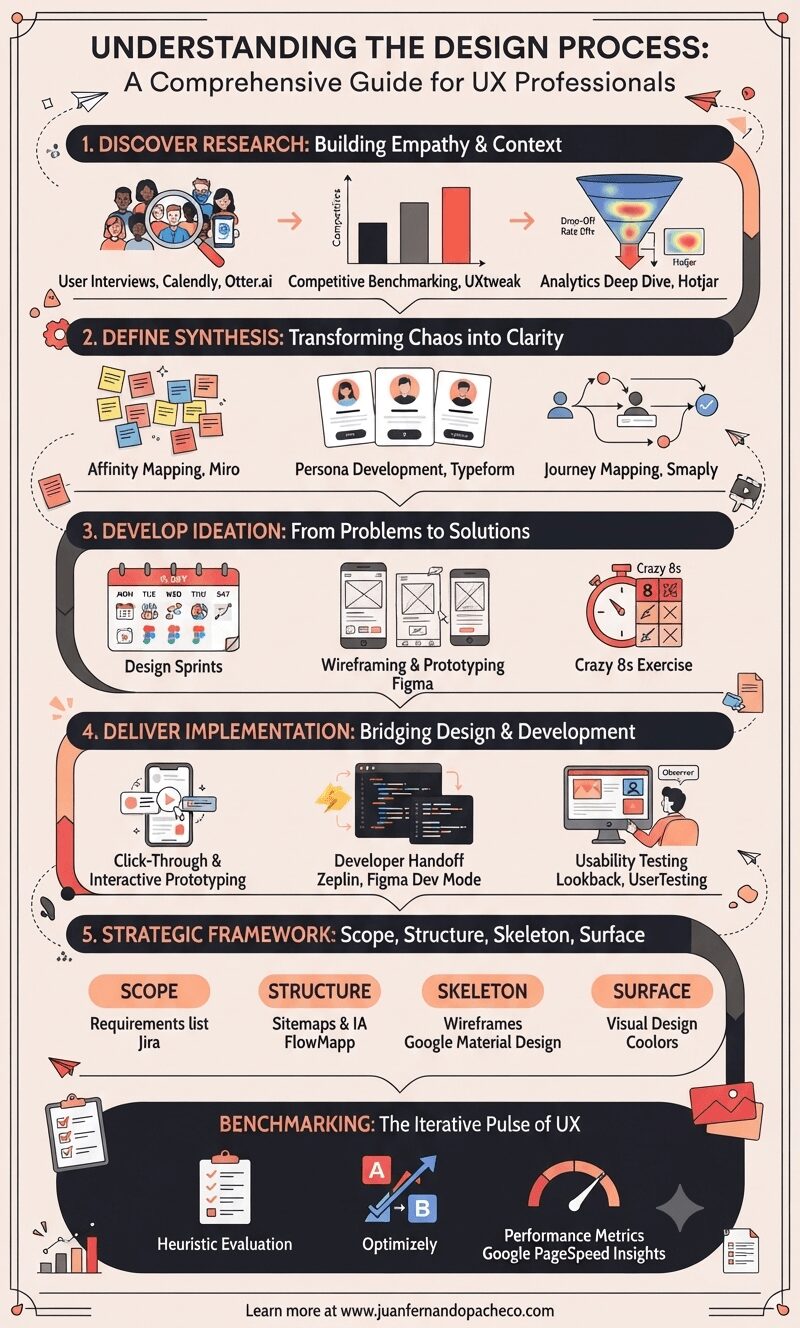
Mastering the design process requires balancing creativity with rigor.
By integrating tools like Figma for prototyping, Miro for synthesis, and Optimizely for testing, teams can deliver exceptional user experiences.
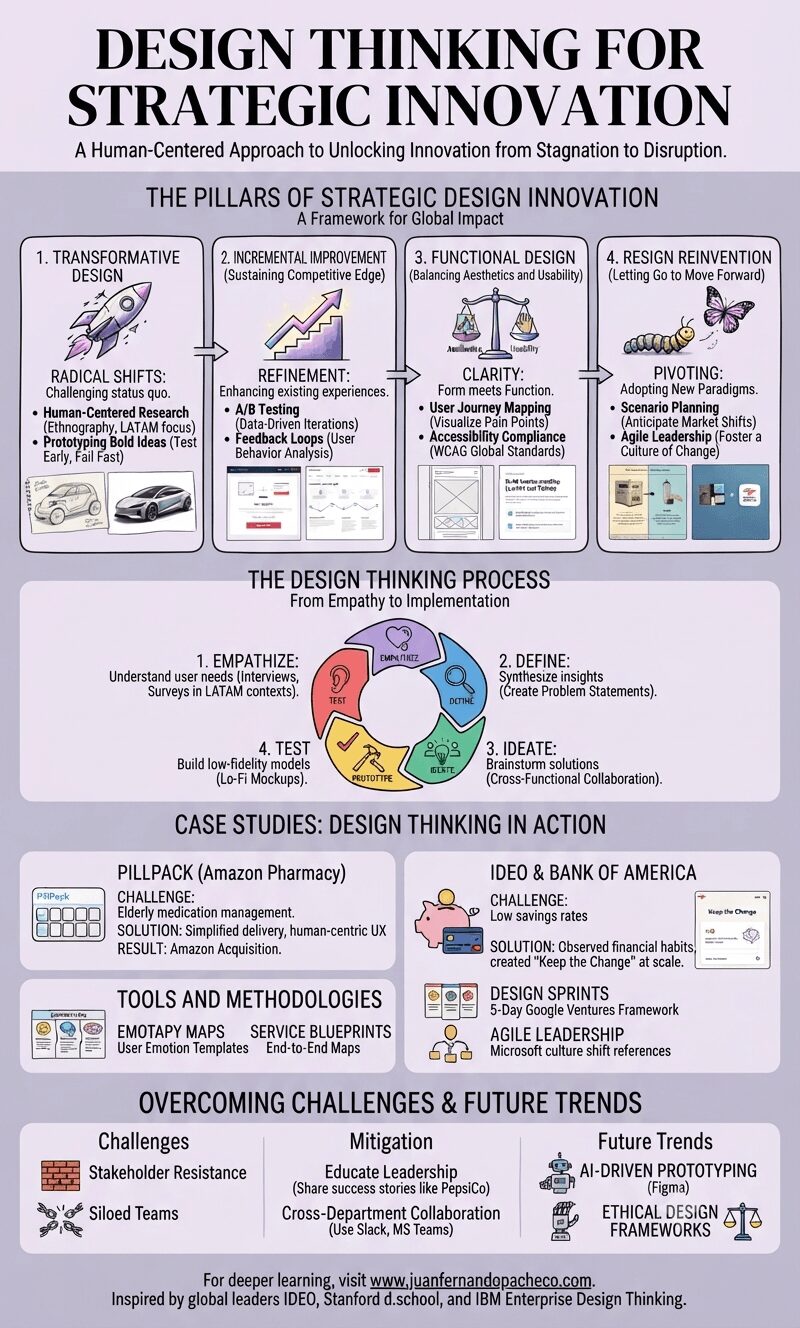
Design Thinking is more than a buzzword—it’s a human-centered approach to solving complex problems and unlocking strategic innovation.
By blending empathy, creativity, and iterative learning, organizations can pivot from stagnation to disruption. This post unpacks how Design Thinking intersects with four pillars of innovation: Transformative Design, Incremental Improvement, Functional Design, and Resign Reinvention.
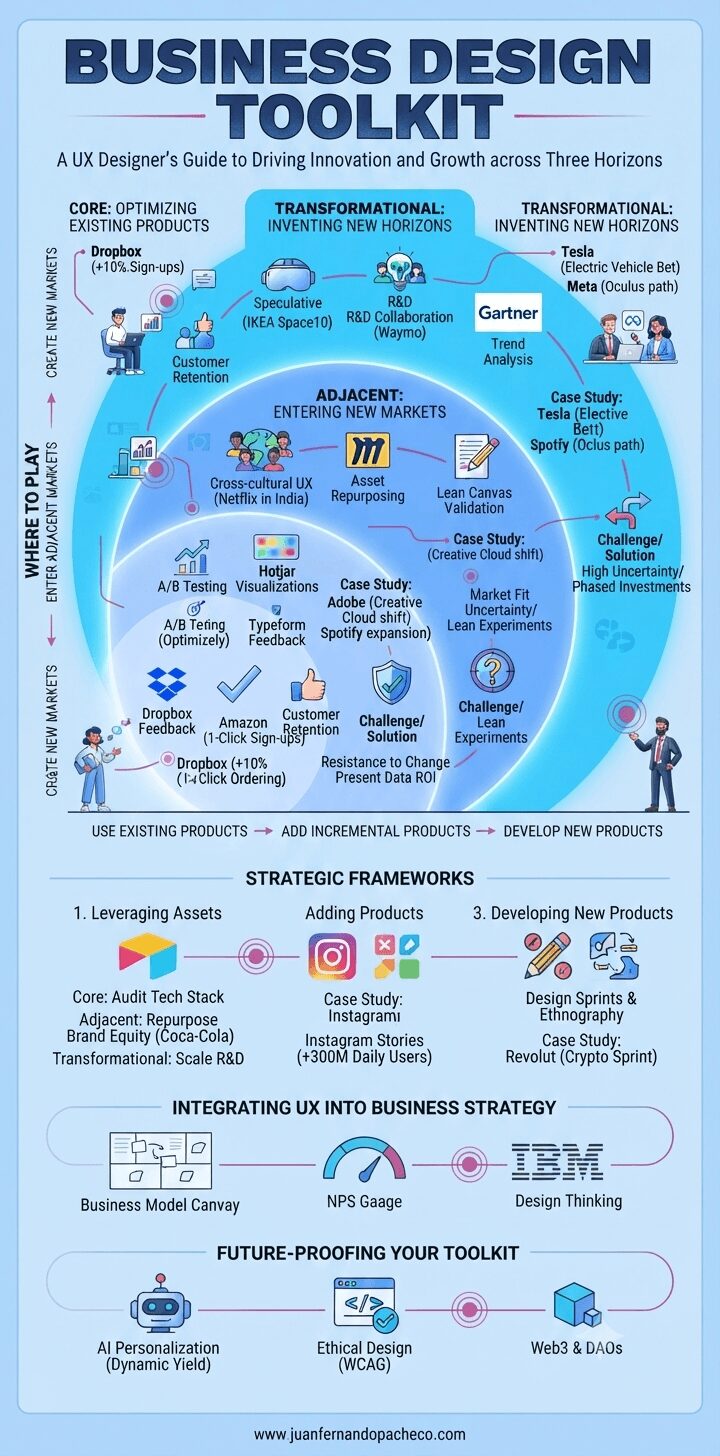
A business design toolkit is not static—it evolves with market shifts and technological advancements. By mastering Core optimization, Adjacent expansion, and Transformational disruption, UX designers can become strategic partners in driving sustainable growth.
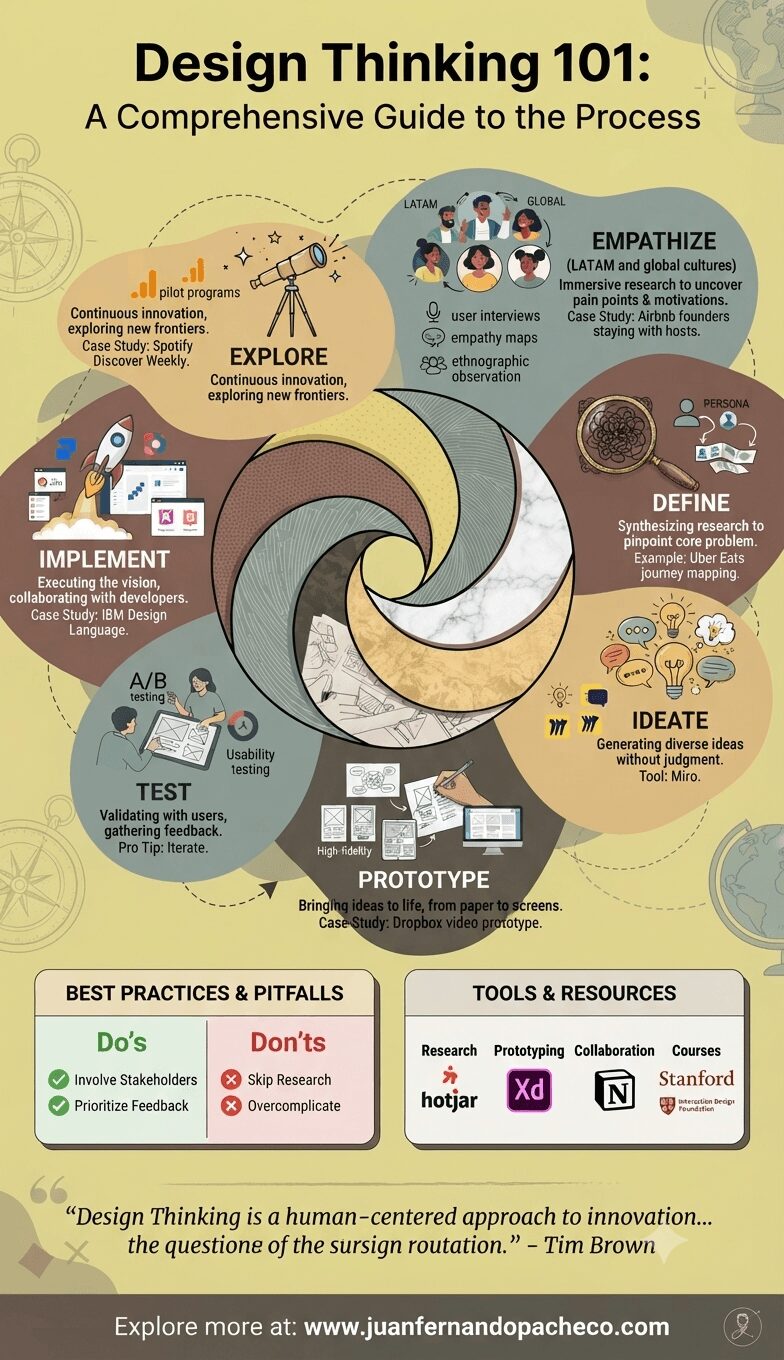
Design Thinking is a human-centered methodology that empowers teams to solve complex problems through creativity, empathy, and iterative learning.
Rooted in disciplines like UX design and systems thinking, it bridges the gap between user needs and business goals. According to the Stanford d.school, Design Thinking is “a methodology for innovation that combines creative and analytical approaches.”
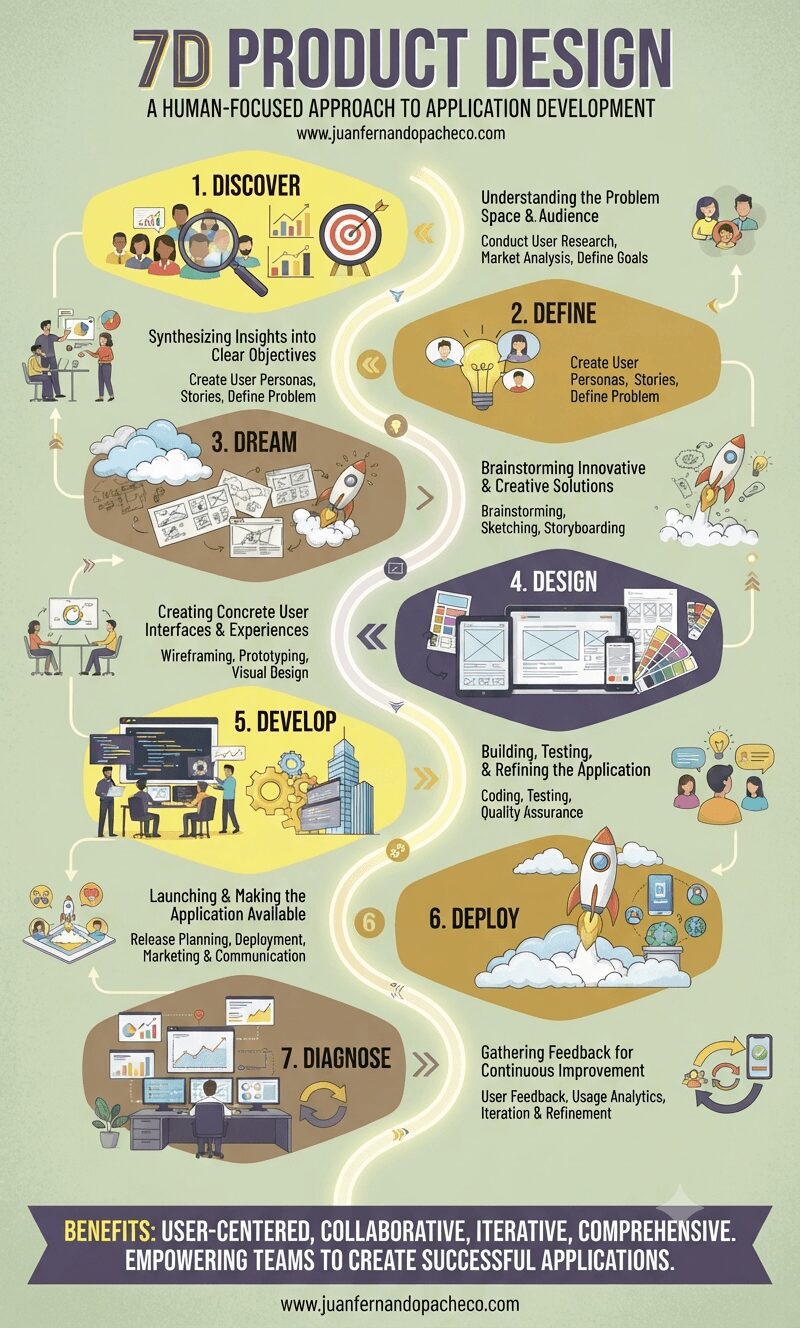
7D Product Design offers a holistic and human-focused approach to application development. By emphasizing user needs, collaboration, and iterative development, it empowers teams to create successful applications that delight users and achieve business goals.
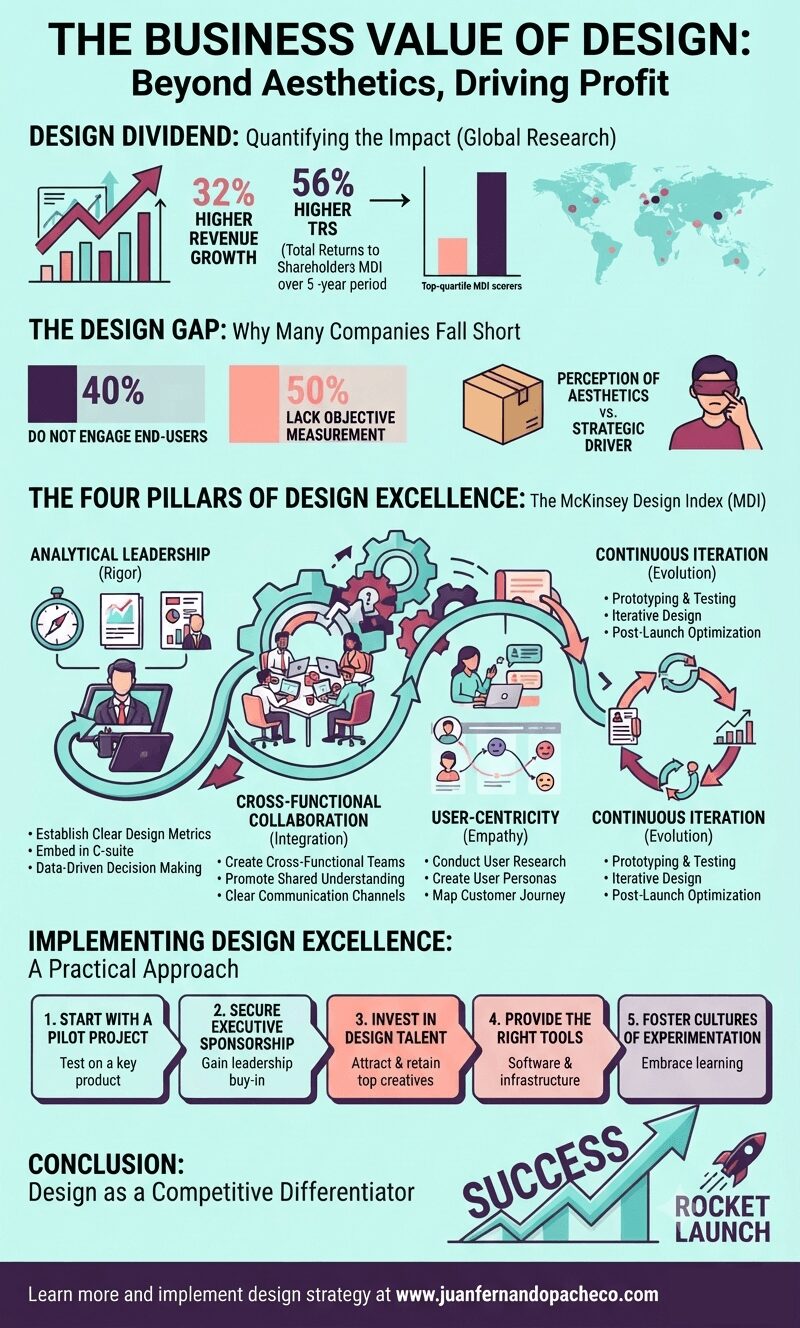
Design is no longer just a nice-to-have—it’s a must-have. Companies that prioritize design and effectively implement the four pillars of design excellence outlined in this blog post will be well-positioned to outperform their competitors and achieve sustainable growth.
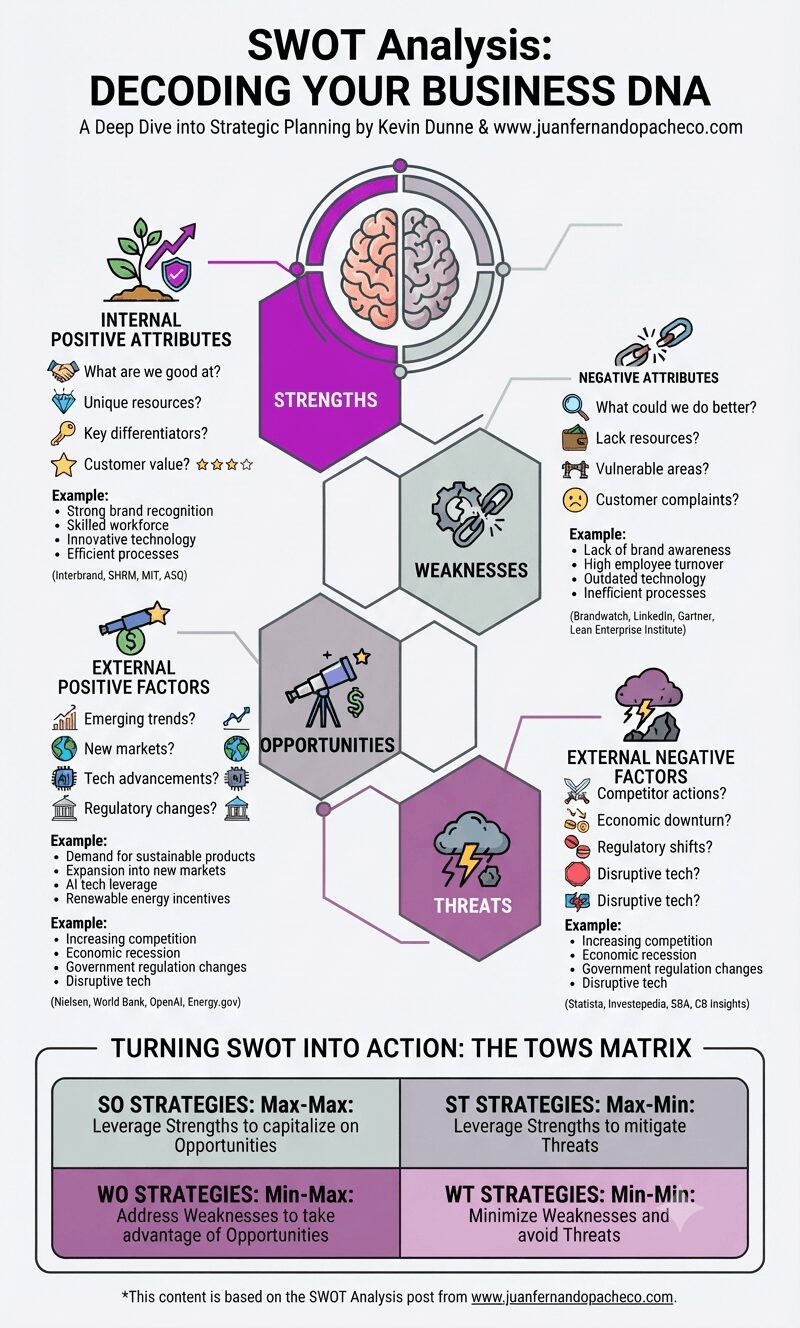
A SWOT analysis is a powerful tool for understanding your organization’s current position and charting a course for future success. By systematically analyzing your strengths, weaknesses, opportunities, and threats, you can develop targeted strategies that leverage your competitive advantages and mitigate potential risks.
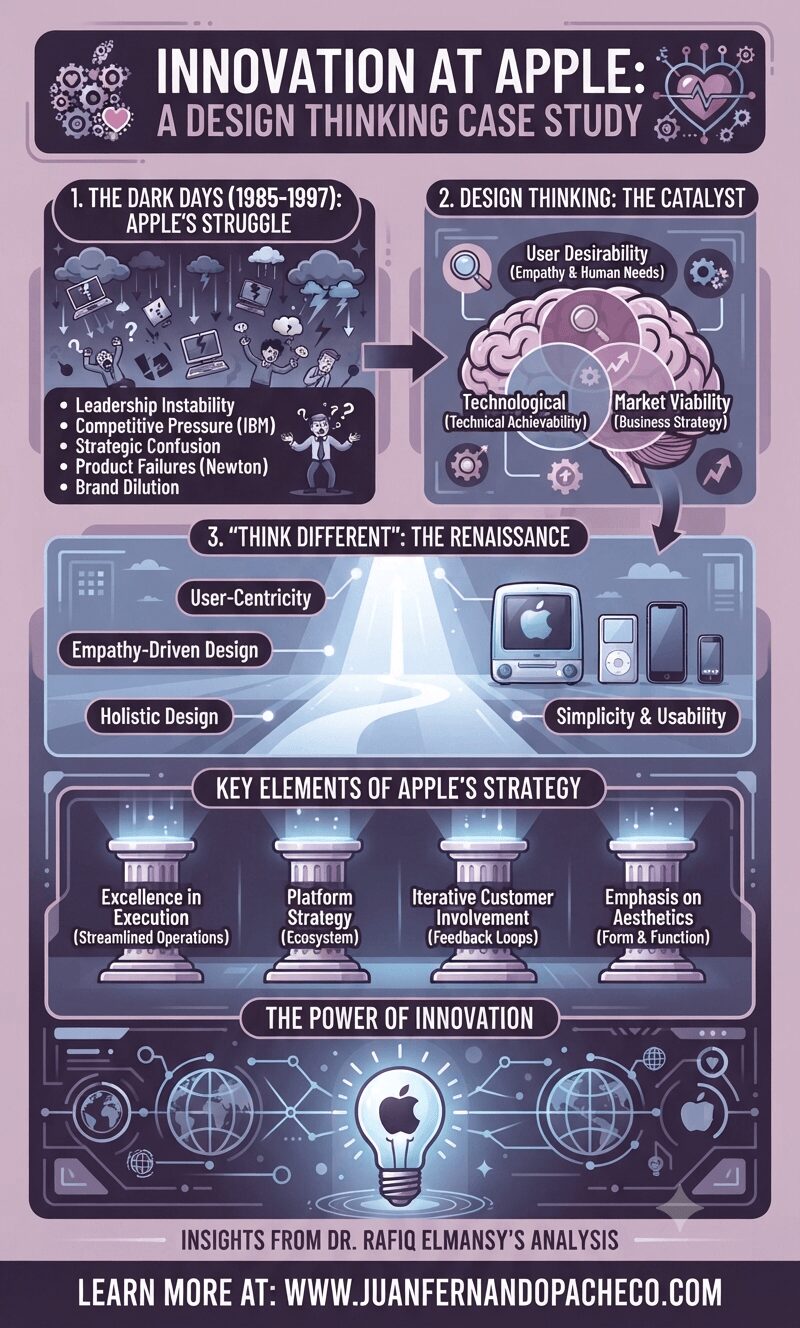
Apple’s resurgence is a compelling case study in the power of Design Thinking. By embracing a user-centric approach, prioritizing simplicity and usability, and fostering a culture of innovation, Apple has transformed itself from a struggling company to a global leader.
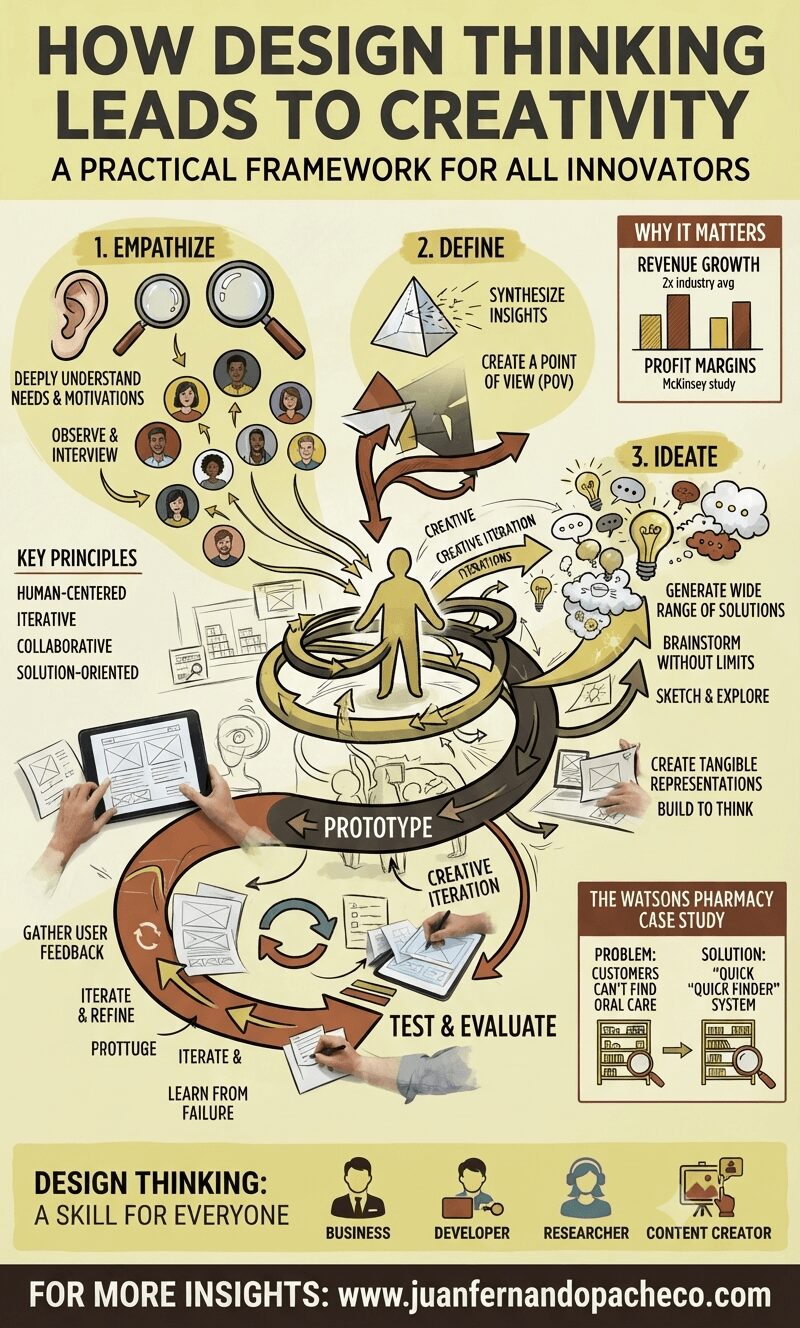
Design Thinking isn’t limited to professional designers. It’s a valuable skill for anyone who wants to solve problems creatively and drive innovation. By adopting a human-centered approach and embracing the iterative nature of design thinking, individuals and organizations can unlock their creative potential and achieve remarkable results.
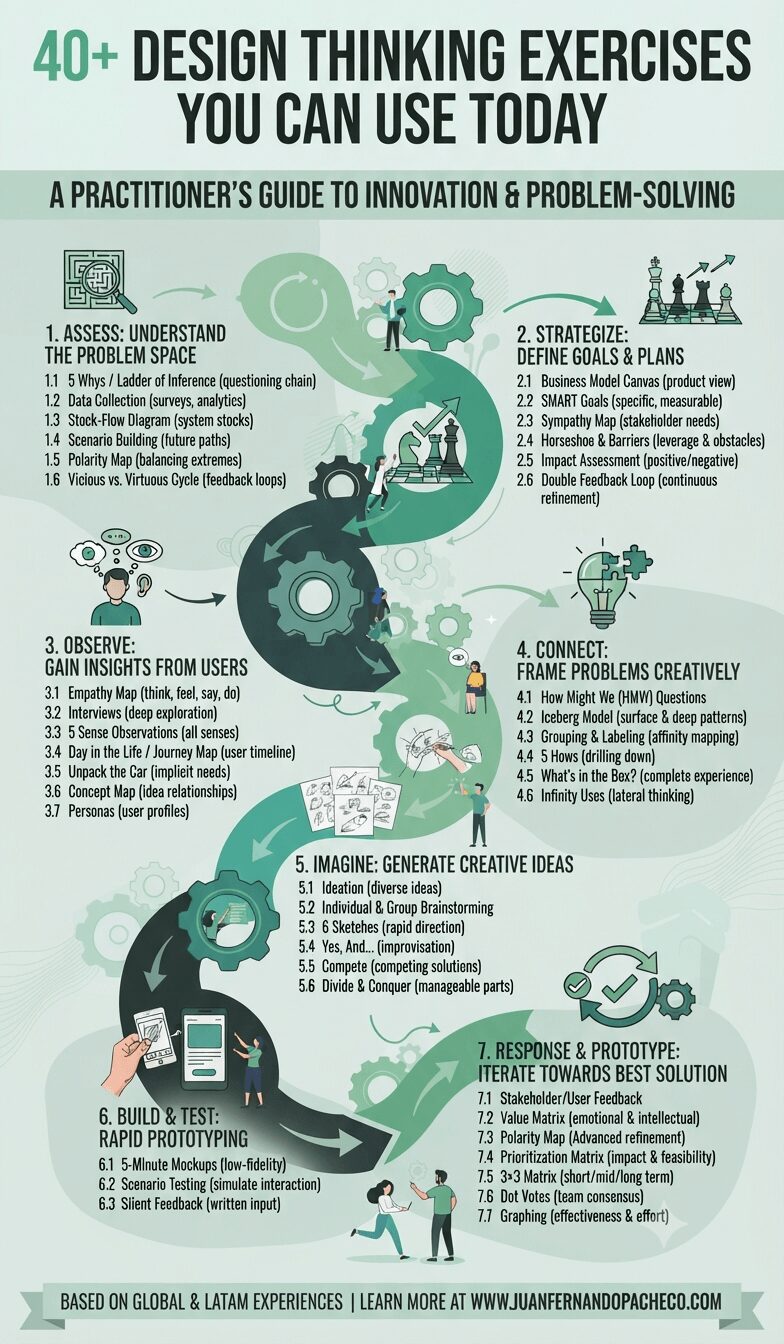
These 45+ design thinking exercises provide a practical and structured approach to problem-solving.
By incorporating these exercises into your UX practice, you can foster creativity, enhance user understanding, and drive impactful results.
Remember that design thinking is an iterative process, so don’t be afraid to experiment and adapt these exercises to fit your specific needs.