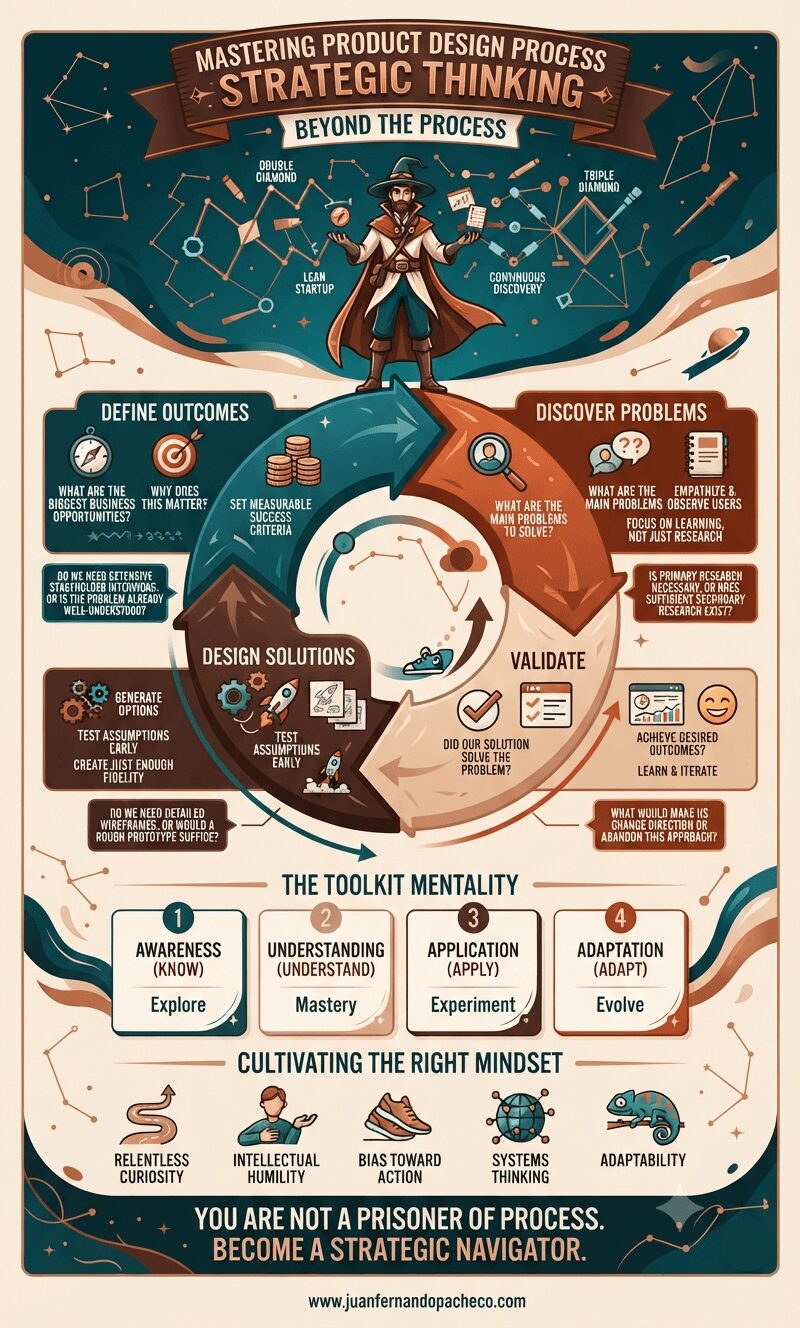
There is no single “correct” design process—only the right tools for the right problems. Learn to think strategically, adapt your approach, and build a versatile toolkit that helps you solve the right problems faster while minimizing risk.
Tag: Product Design Process
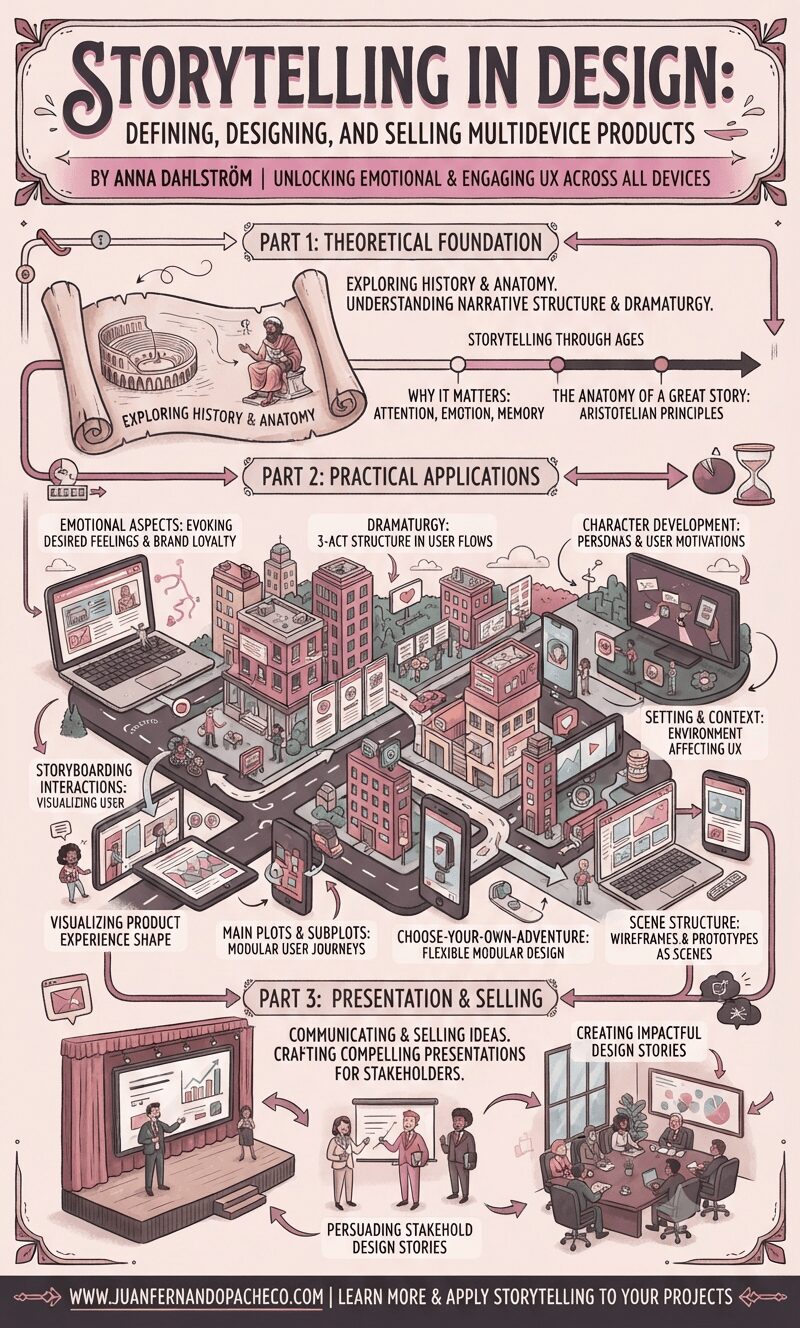
Throughout the book, Dahlström provides practical exercises and examples to help readers apply storytelling principles to their design projects.
She emphasizes that storytelling is not just about creating entertaining narratives but also about designing effective and user-centered experiences.
By drawing on the power of storytelling in design, designers can create products that are not only functional but also engaging, meaningful, and memorable.
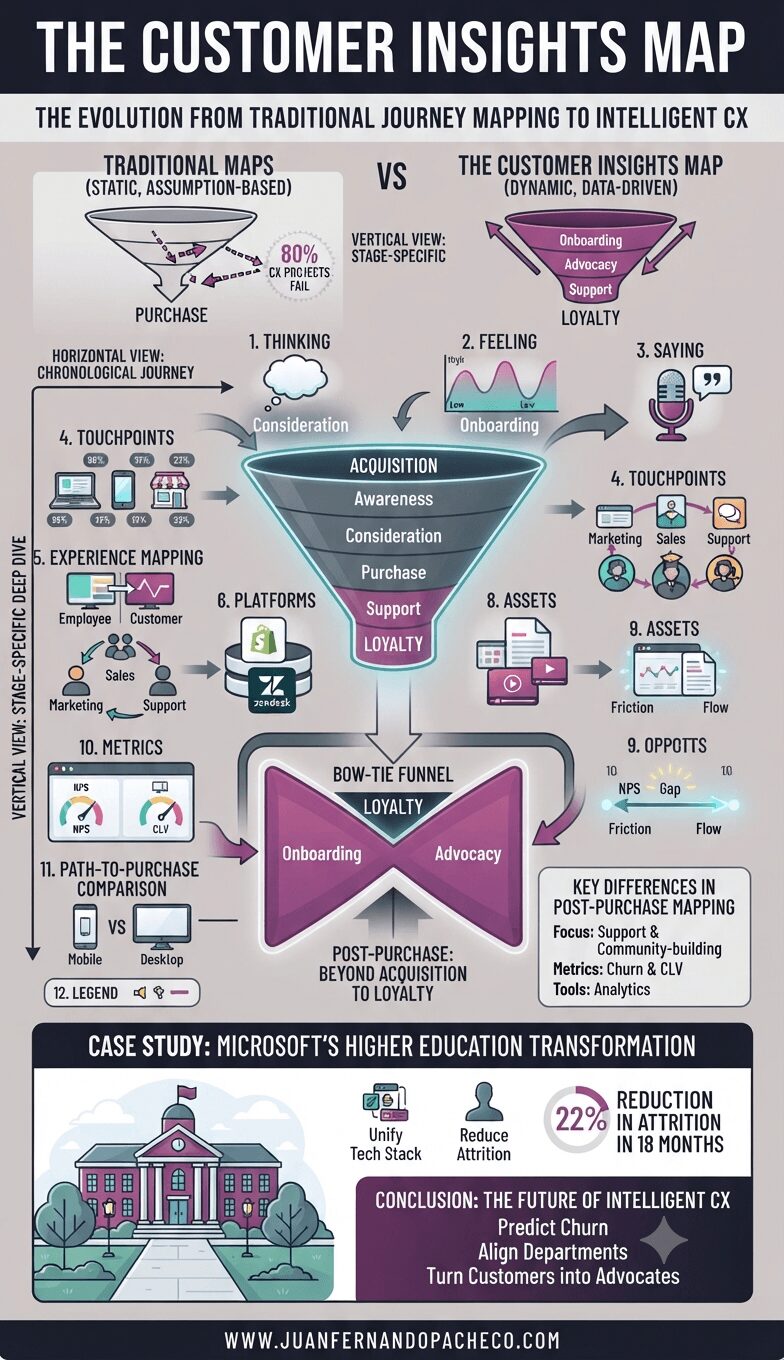
Enter the Customer Insights Map—a fusion of qualitative empathy, quantitative analytics, and strategic frameworks like StoryVesting and Hoshin methodology.
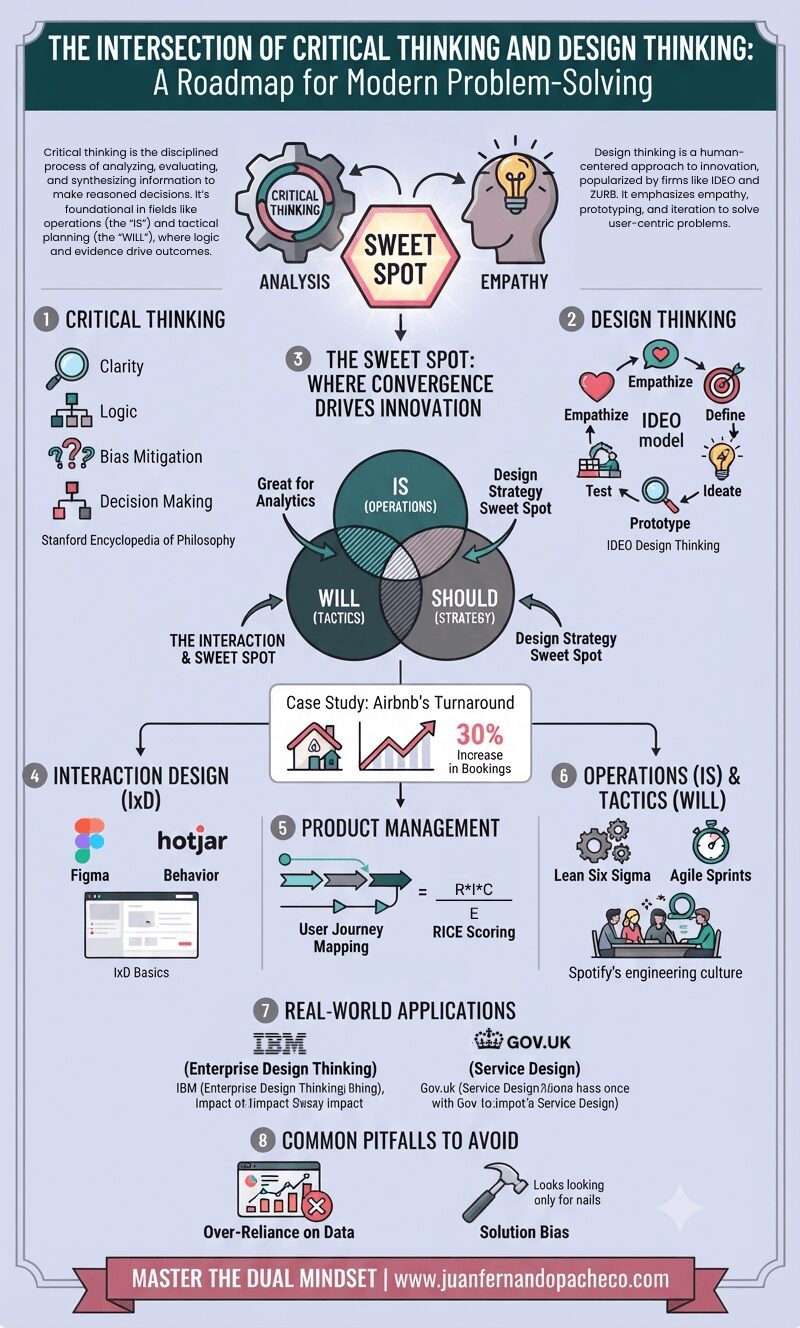
Critical and design thinking are not opposing forces—they’re complementary. By mastering their intersection, teams can craft solutions that are both innovative and actionable.
Whether you’re a UX designer, product manager, or operations lead, this dual mindset is your key to staying ahead.
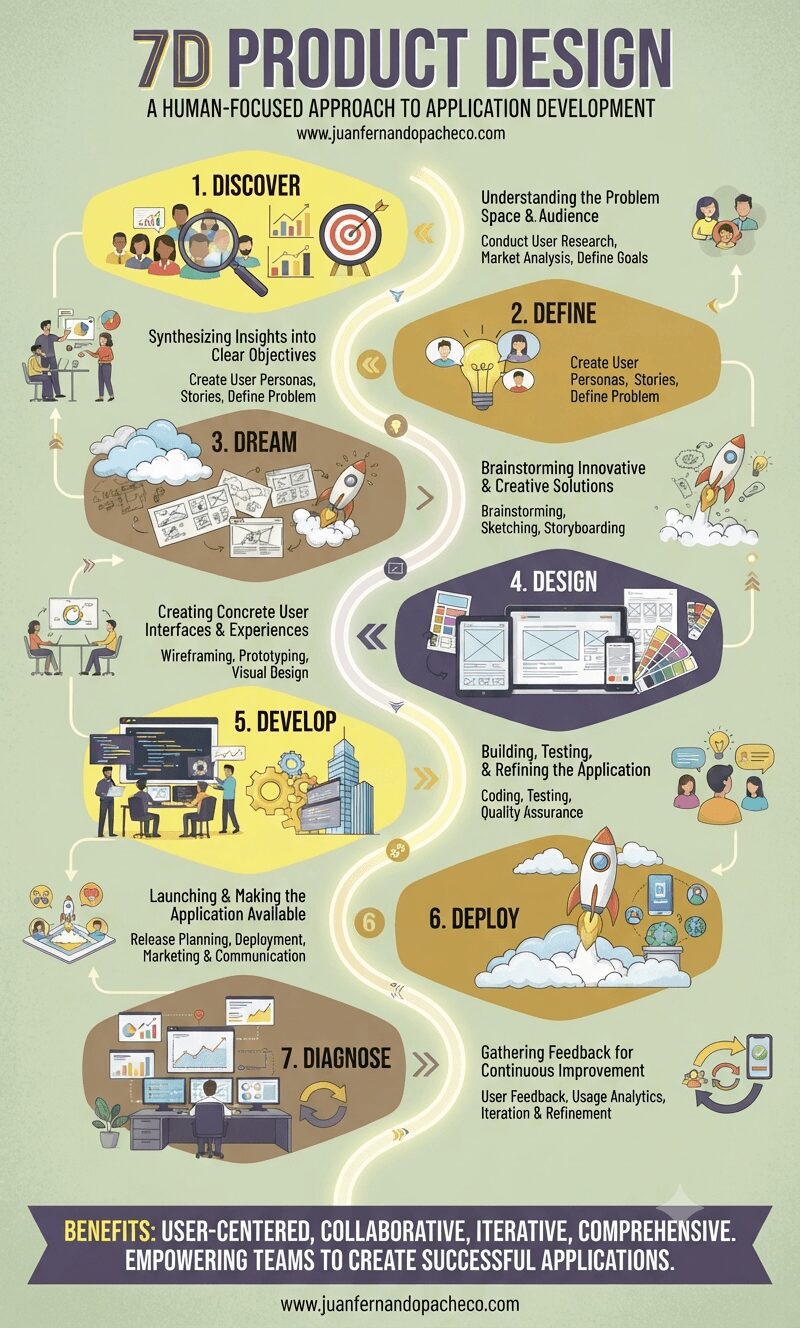
7D Product Design offers a holistic and human-focused approach to application development. By emphasizing user needs, collaboration, and iterative development, it empowers teams to create successful applications that delight users and achieve business goals.
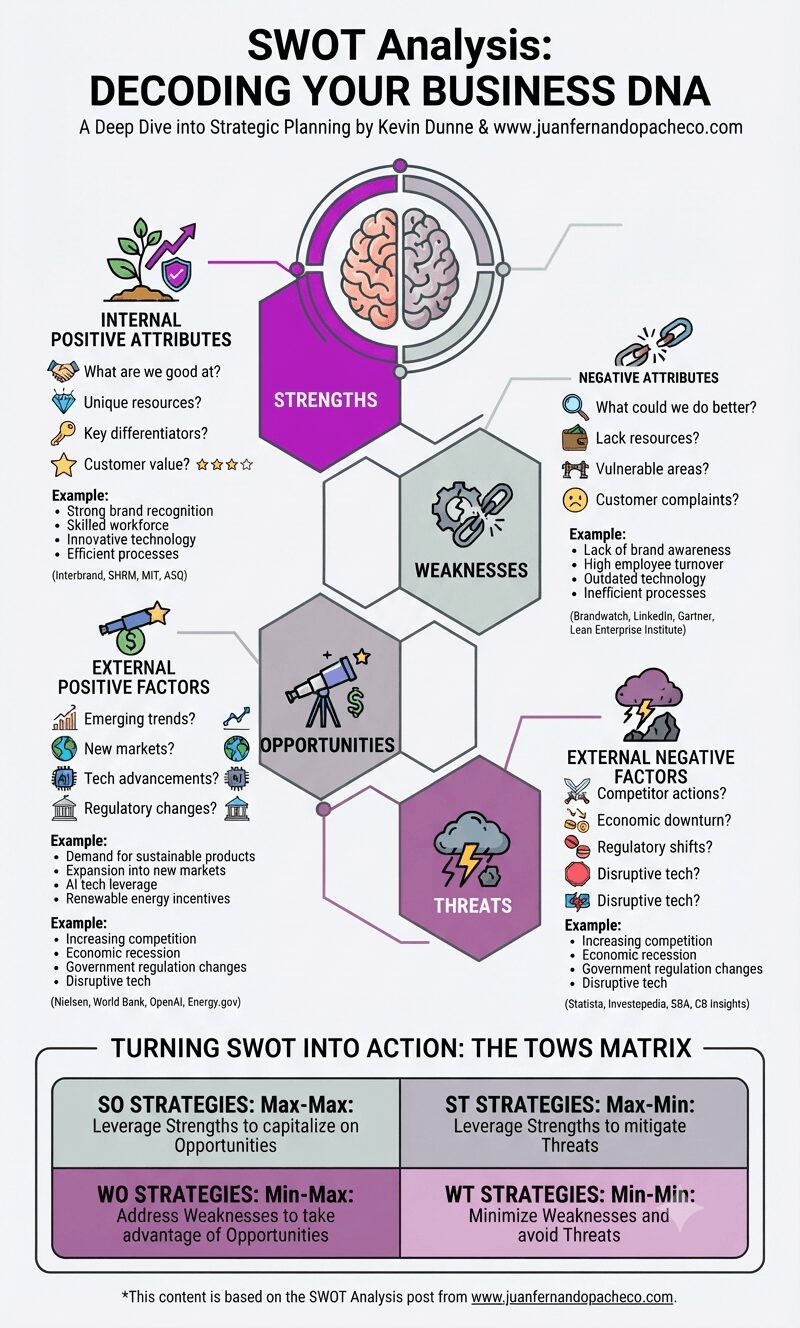
A SWOT analysis is a powerful tool for understanding your organization’s current position and charting a course for future success. By systematically analyzing your strengths, weaknesses, opportunities, and threats, you can develop targeted strategies that leverage your competitive advantages and mitigate potential risks.
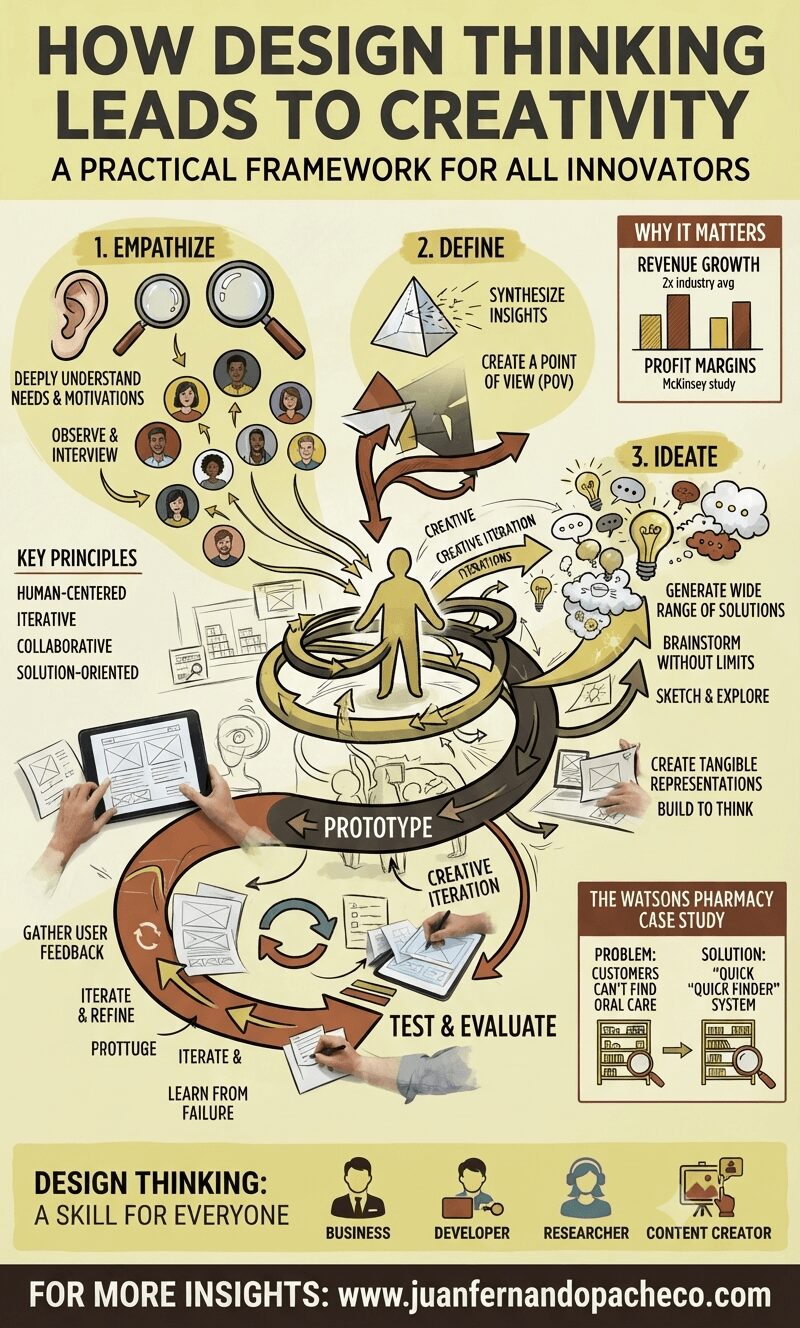
Design Thinking isn’t limited to professional designers. It’s a valuable skill for anyone who wants to solve problems creatively and drive innovation. By adopting a human-centered approach and embracing the iterative nature of design thinking, individuals and organizations can unlock their creative potential and achieve remarkable results.
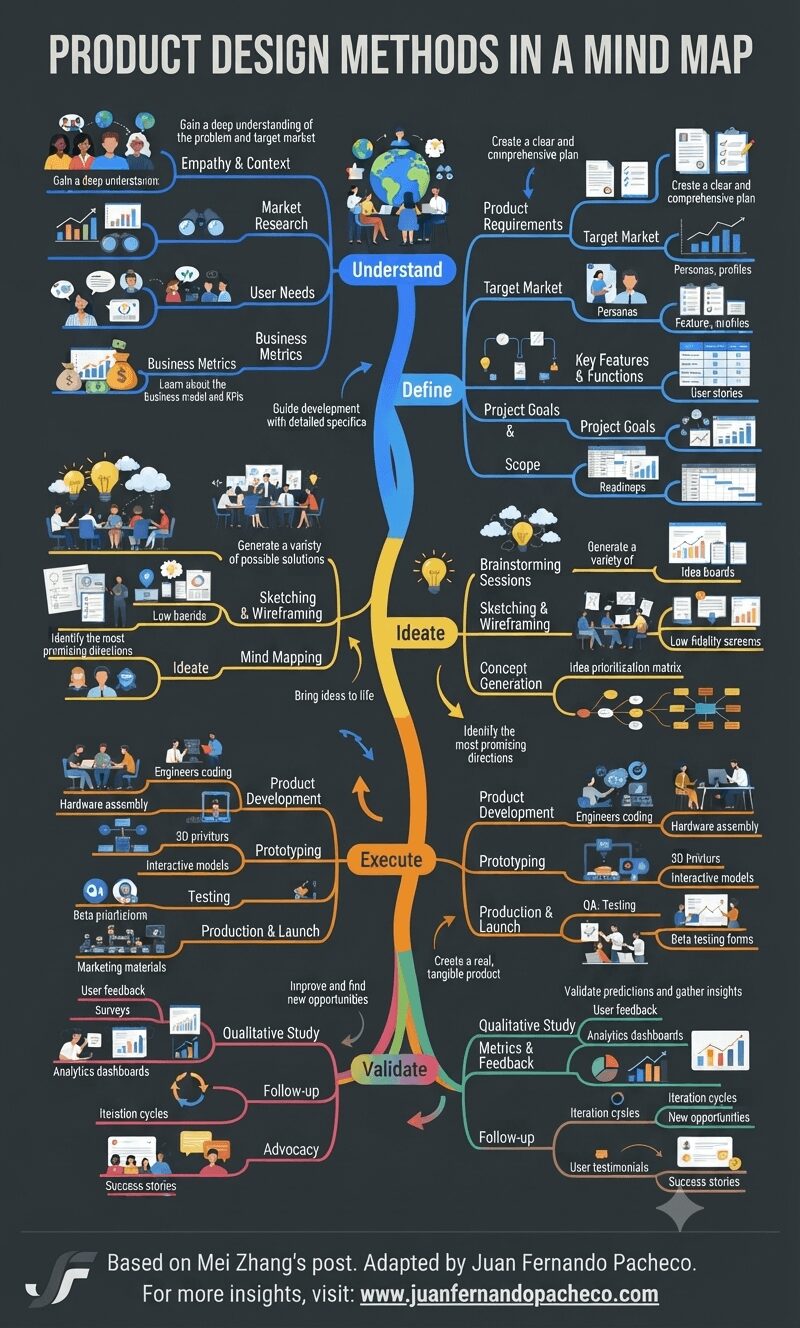
I discovered Mei Zhang’s post about when it’s the right time to apply specific product design methods.
And, for sure, it’s a common question not just among UX/UI designers, or even professionals related to design.
Just keep in mind. As a designer, designing pretty and useful interfaces and knowing user experience concepts and research methods are not enough to design a product.