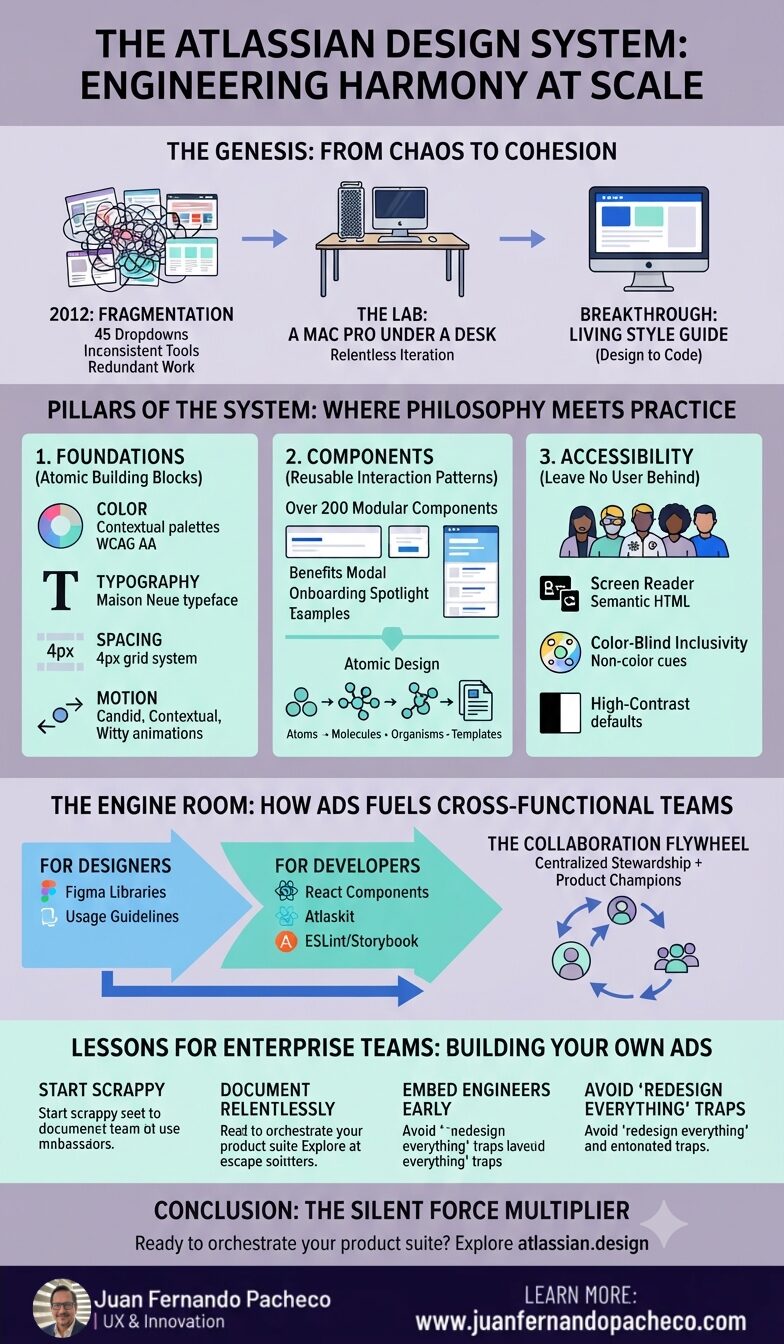
The Atlassian Design System transcends aesthetics—it’s a strategic accelerant. By transforming redundancy into reuse, friction into flow, and isolation into collaboration, ADS proves that design systems aren’t constraints. They’re liberators of creativity. As teams worldwide grapple with scaling digital products, ADS offers a blueprint: Clarity through tokens, innovation through components, and harmony through shared purpose.
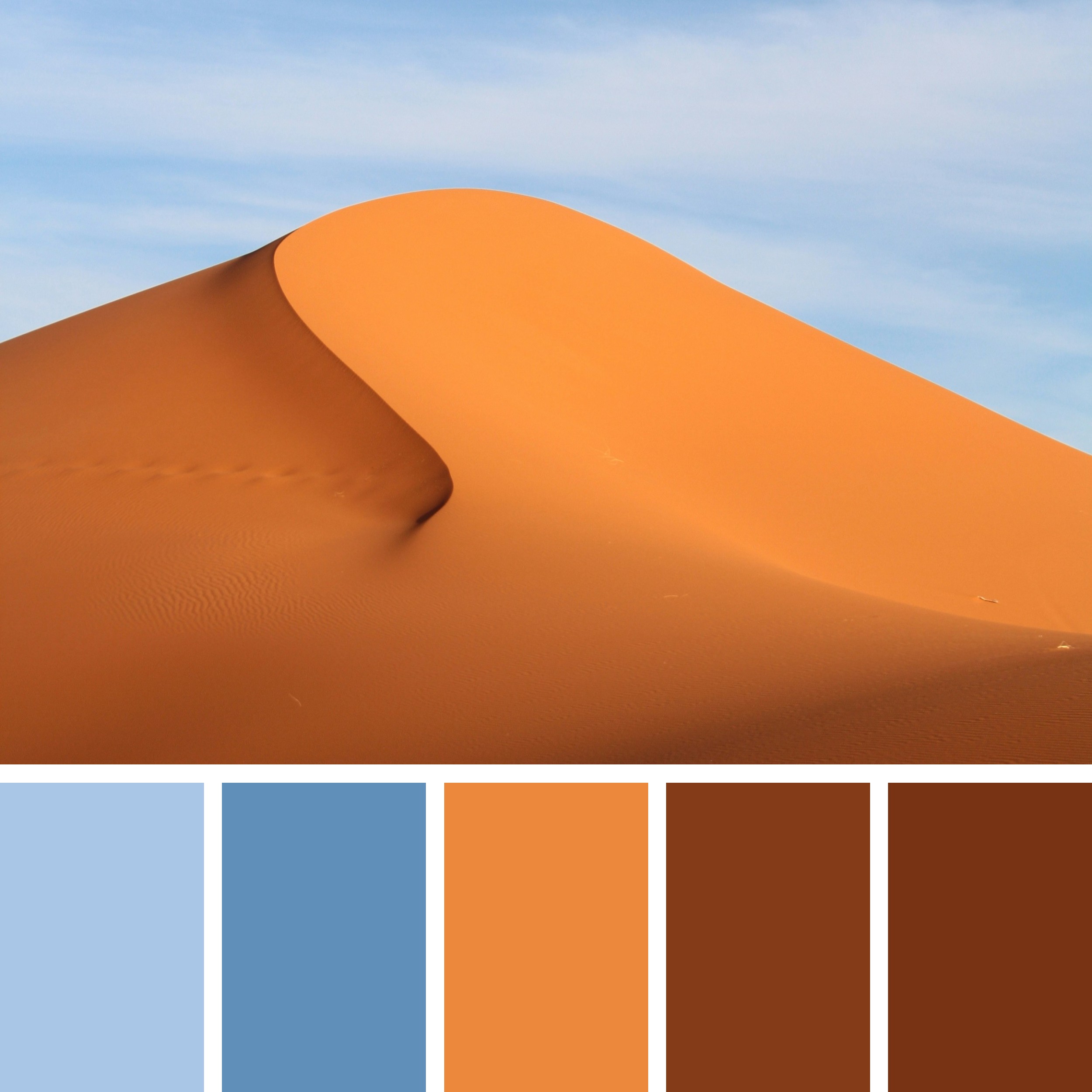
Desert’s Embrace Color, a cornerstone of effective UI and graphic design, holds immense power to
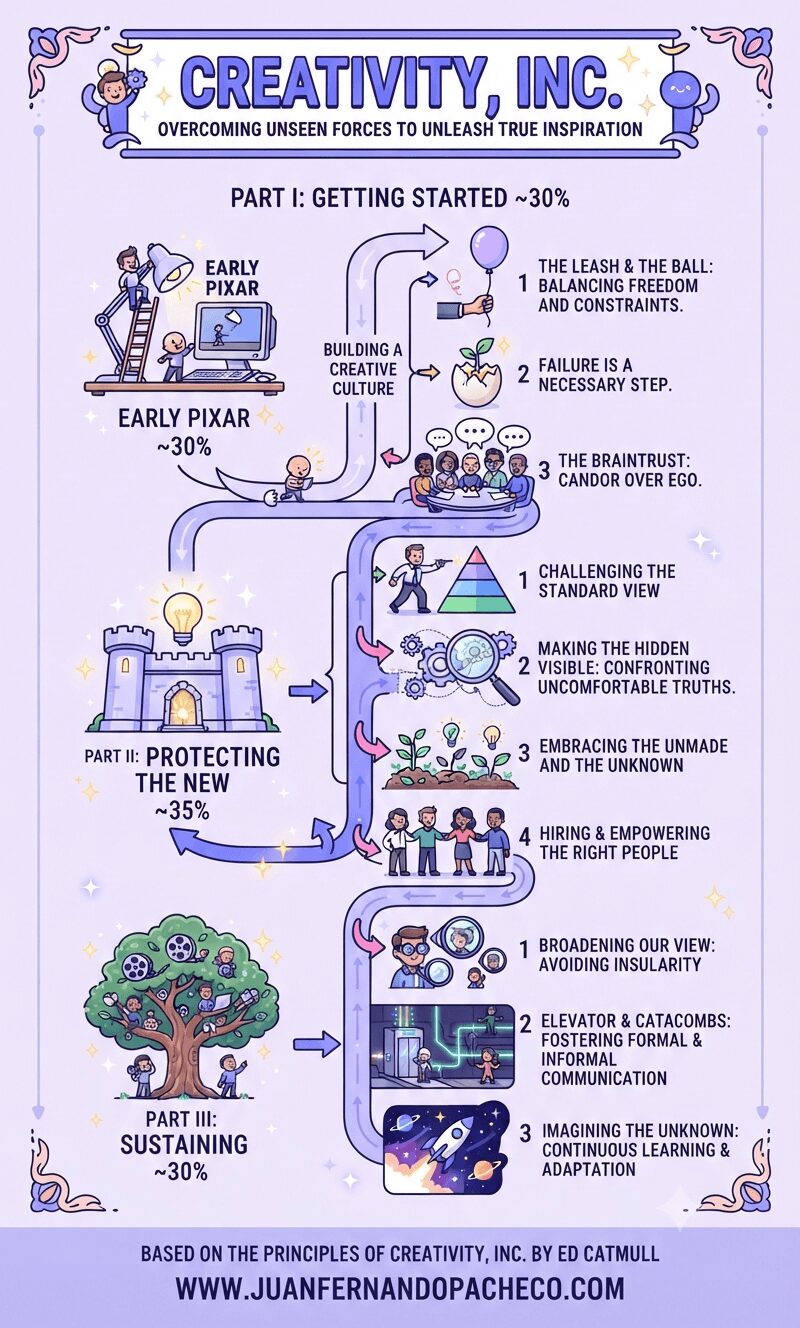
Creativity, Inc. is more than a business book; it’s a testament to the enduring power of human creativity and the leadership principles required to unleash it.
Ed Catmull, through his unique blend of technical expertise and empathetic leadership, provides a masterclass in building a culture where talent can flourish, ideas can be rigorously challenged yet nurtured, and true innovation can become a consistent output.
Why Product Design is More Than Just Pretty Pictures Beyond the Surface When you hear
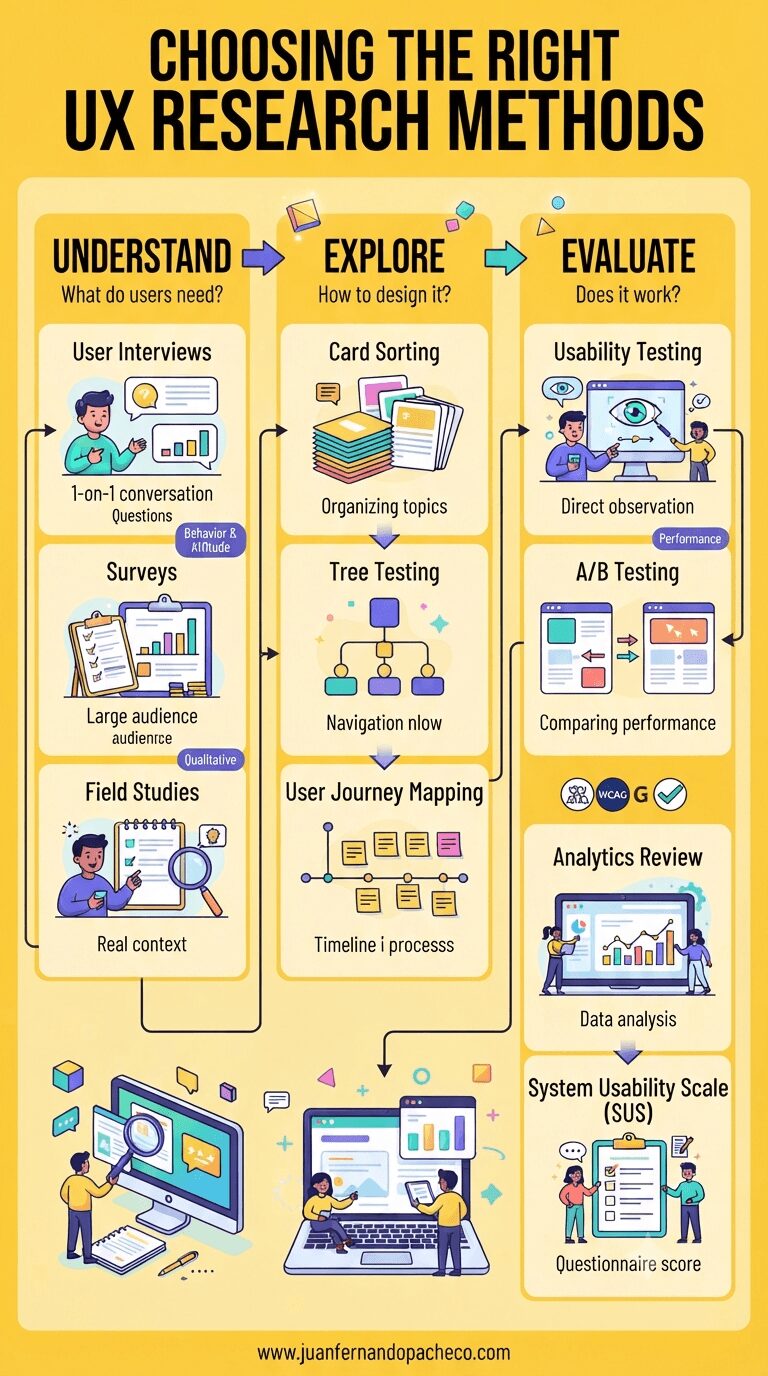
I’ve learned this brutal truth: Choosing the wrong research methods costs companies $2.4M per project (IBM Research).
That landscape graphic you’re seeing? It’s not just a pretty chart—it’s your battle map for navigating the minefield of user insights. Let’s decode it together.
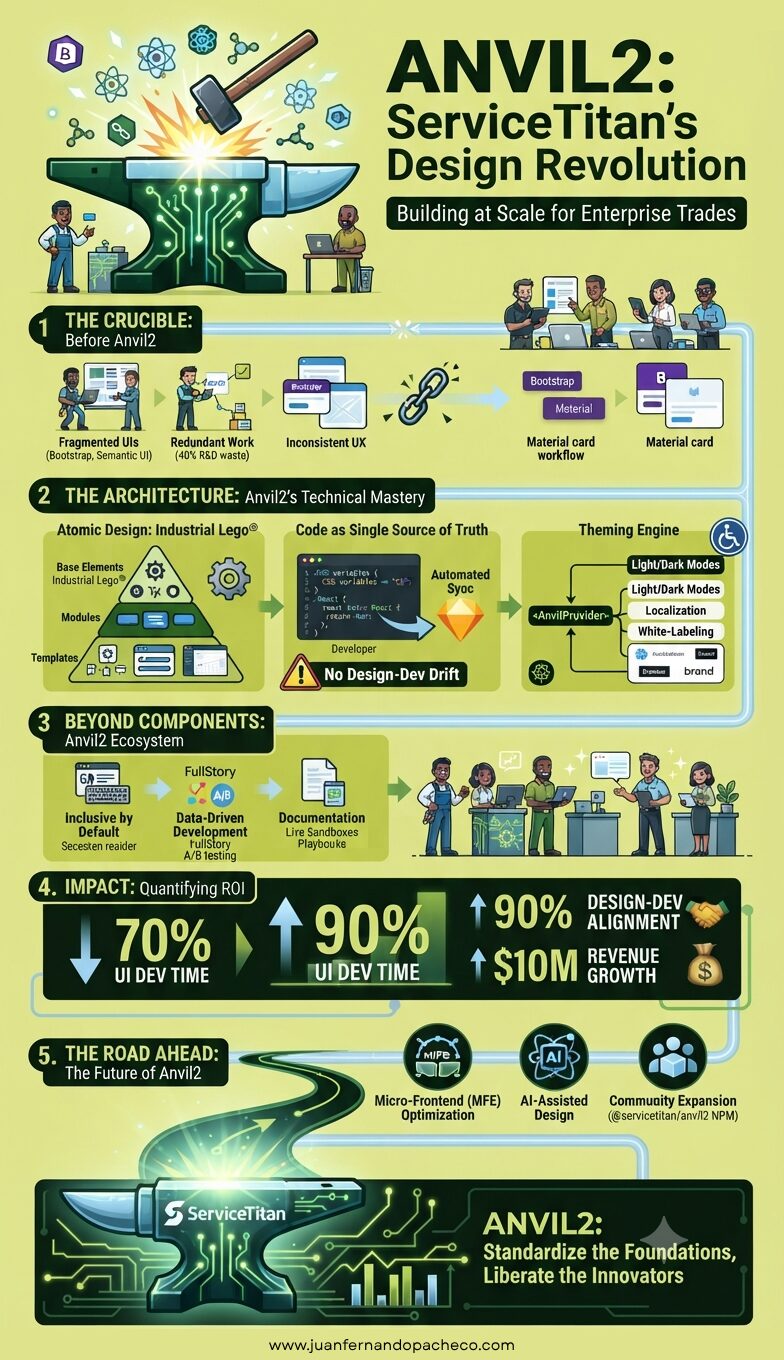
Anvil2: a design system engineered to unify 86,000+ professionals 10 and accelerate product innovation. More than a component library, it’s the bedrock of ServiceTitan’s mission to “build great products, faster” .
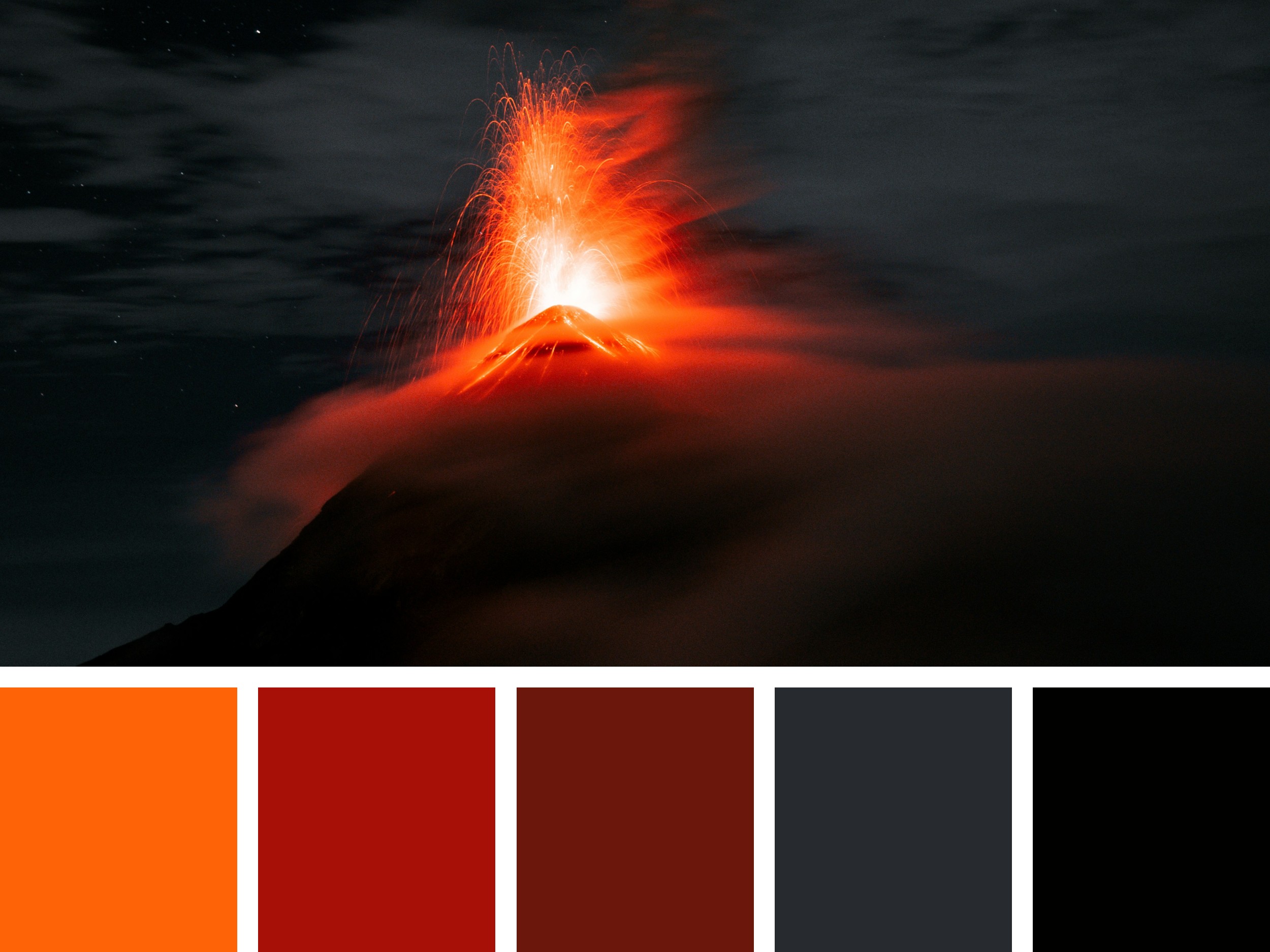
Igniting Natural Design In the dynamic and ever-evolving landscape of UI and graphic design, color
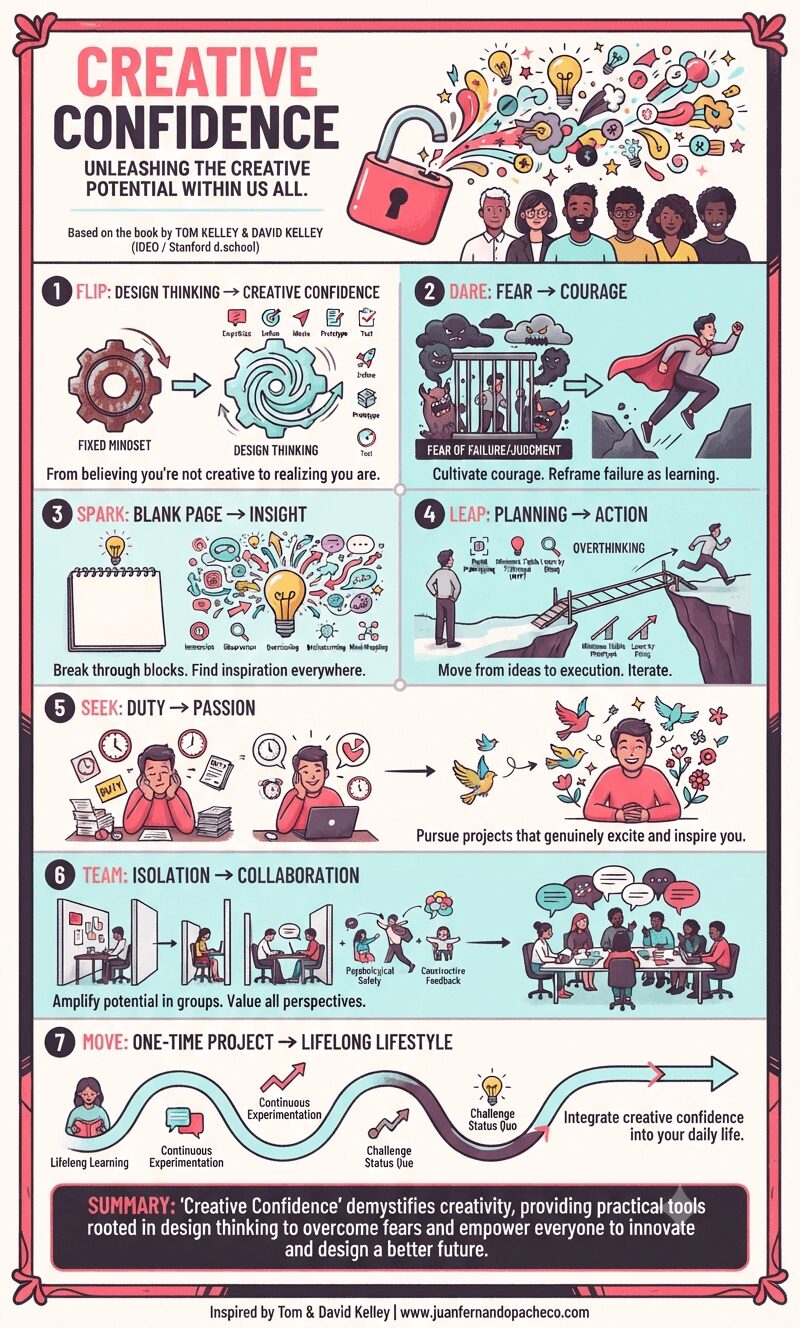
Creative Confidence is a profoundly inspiring and practical book that demystifies creativity and makes it accessible to everyone. Tom and David Kelley skillfully blend personal anecdotes, insightful observations, and concrete methodologies (rooted in design thinking) to illustrate how creative potential can be unlocked and harnessed.
Crafting Seamless Experiences Ever had an experience with a company or service that just worked?
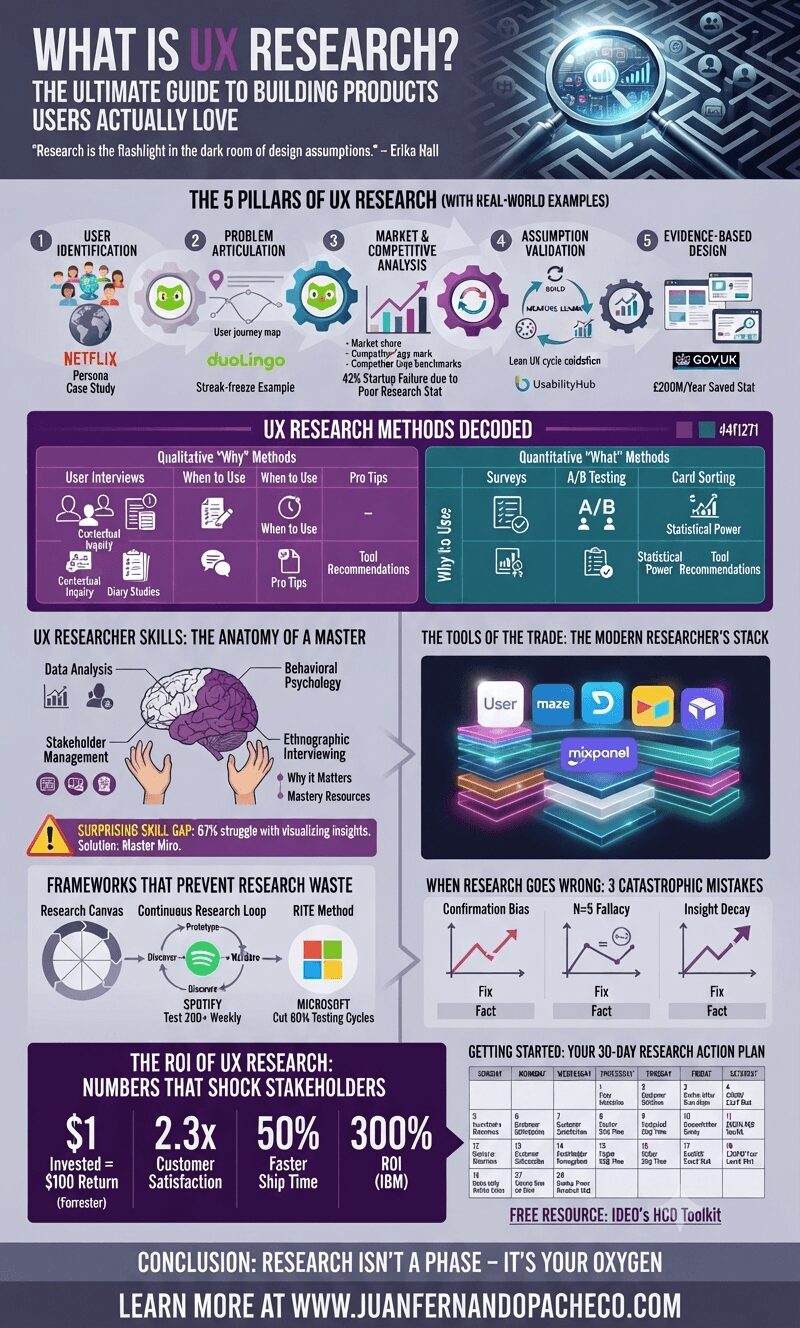
UX research transforms gut feelings into actionable intelligence. As Adobe’s VP of Design once told me: “Designers argue. Researchers prove.” In 2024, research isn’t optional – it’s the bedrock of product survival.