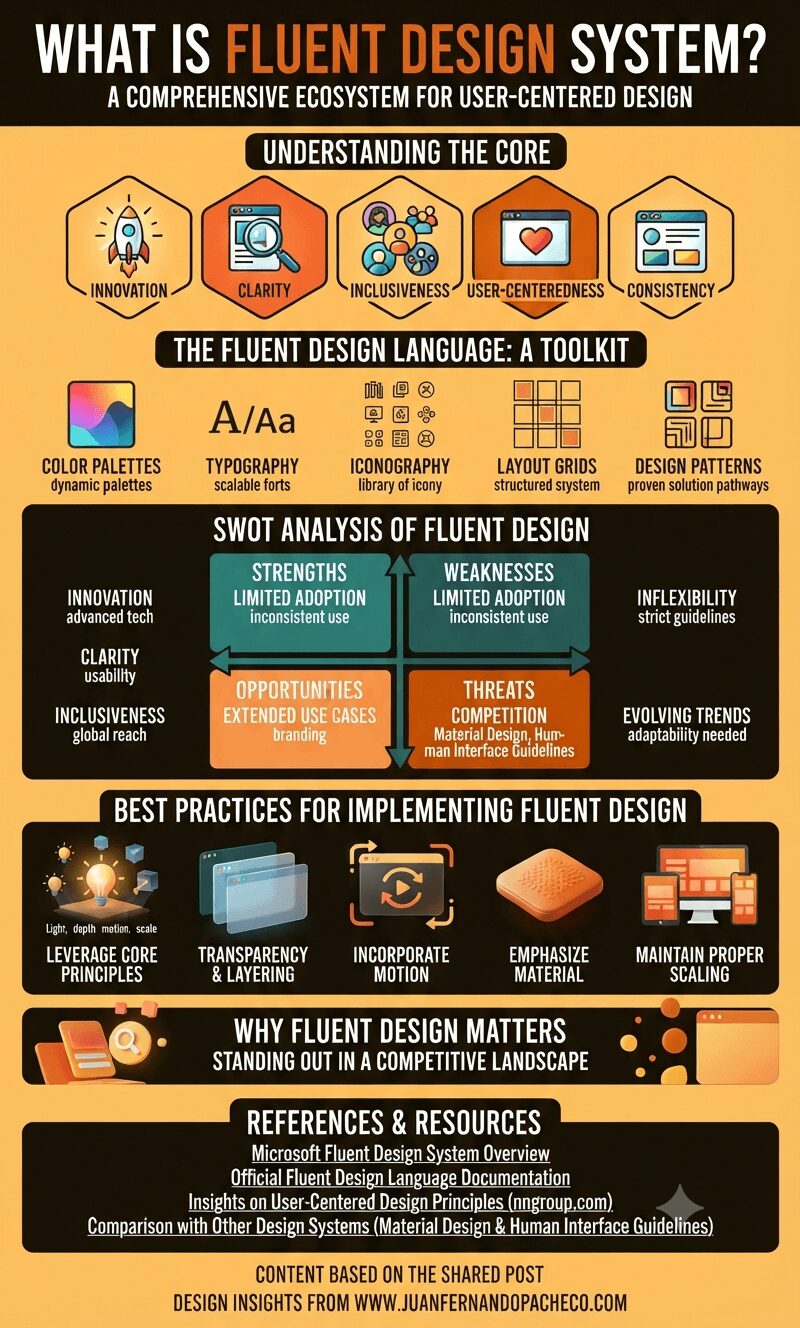
Fluent Design is more than just a design system—it is a philosophy that prioritizes user satisfaction through innovation, inclusivity, and consistency. By creating interfaces that are both functional and aesthetically pleasing, Fluent Design helps Microsoft stand out in a competitive digital landscape.
Tag: Product Design
Product design is the process of identifying a market opportunity, clearly defining the problem, developing a proper solution for that problem and validating the solution with real users.
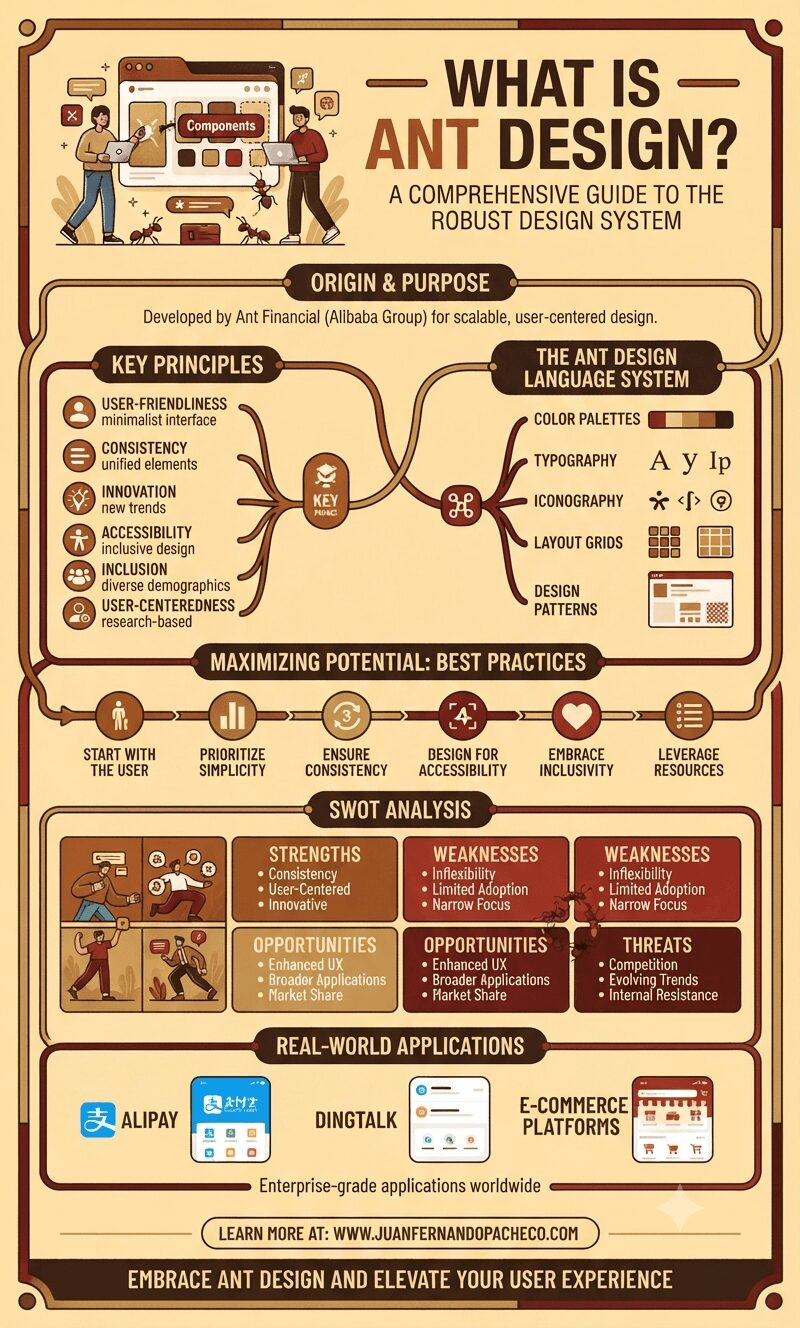
Ant Design, is a robust design system developed by Ant Financial, a subsidiary of the Alibaba Group. The design system has rapidly gained traction among designers and developers for its ability to simplify the design process while ensuring superior user experiences.
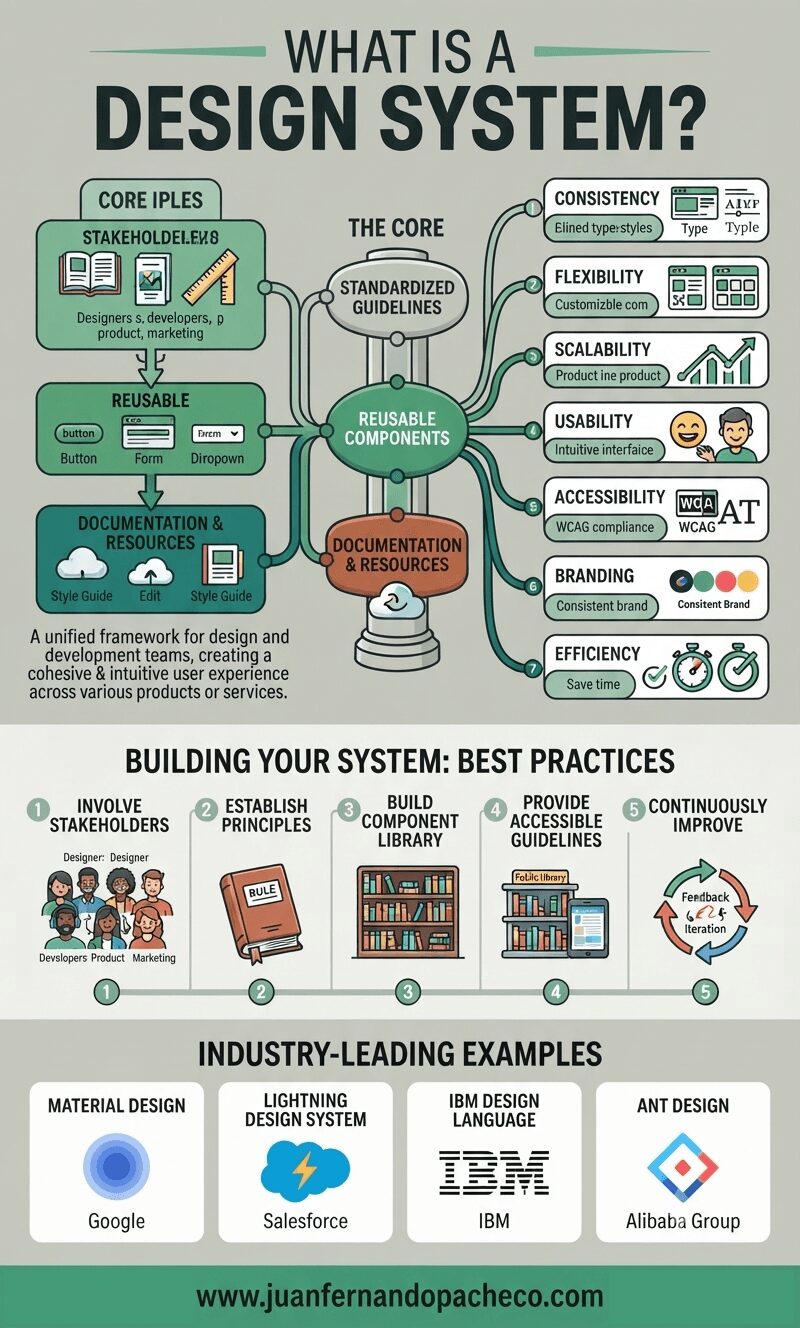
A design system is a powerful tool that drives consistency, efficiency, and innovation in product design. By adopting a design system, organizations can deliver cohesive and intuitive user experiences while streamlining their workflows.
Whether you’re developing your first system or refining an existing one, following the principles and best practices outlined in this guide will set you on the path to success.
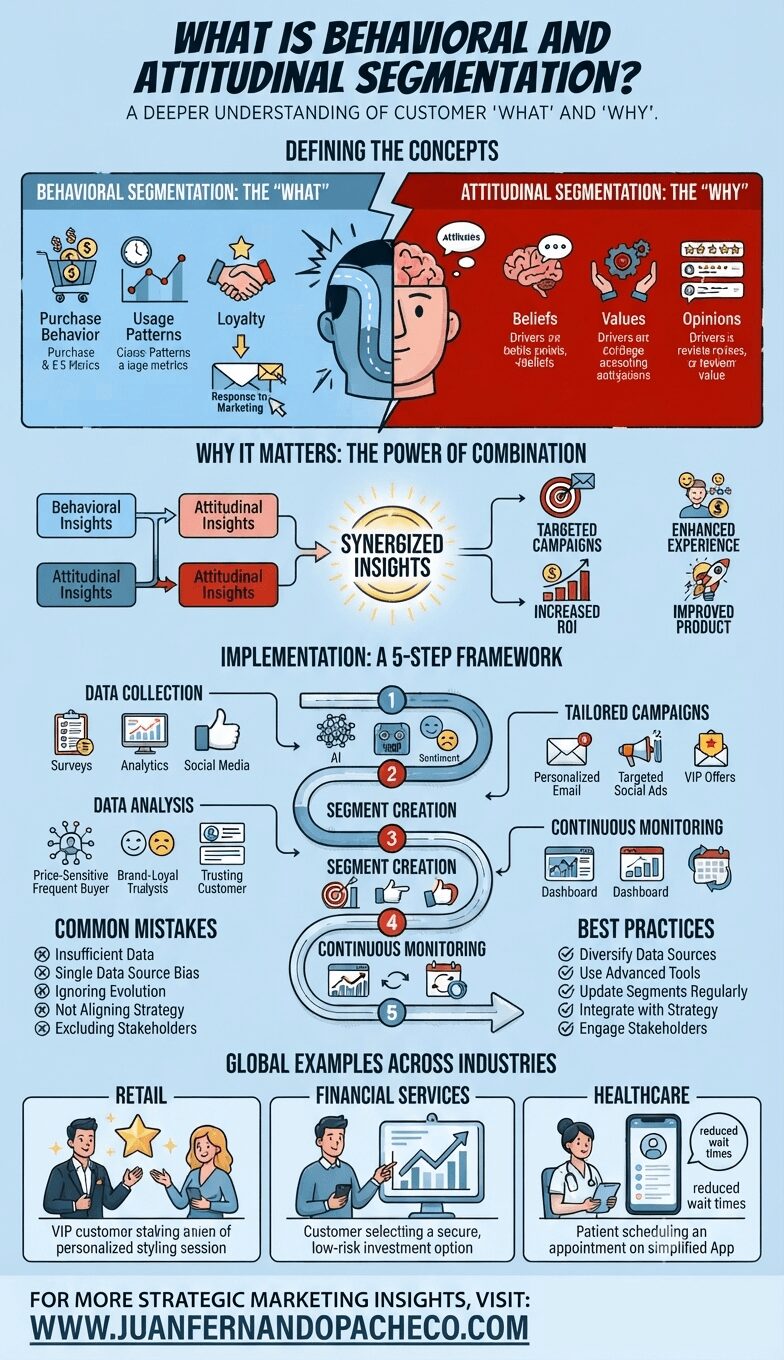
Behavioral and attitudinal segmentation is a powerful strategy for marketers aiming to connect with their audience on a deeper level. By understanding both what customers do and why they do it, businesses can craft personalized experiences that drive engagement and loyalty. By avoiding common pitfalls and following best practices, organizations can maximize the effectiveness of their segmentation efforts, ultimately leading to stronger customer relationships and improved ROI.
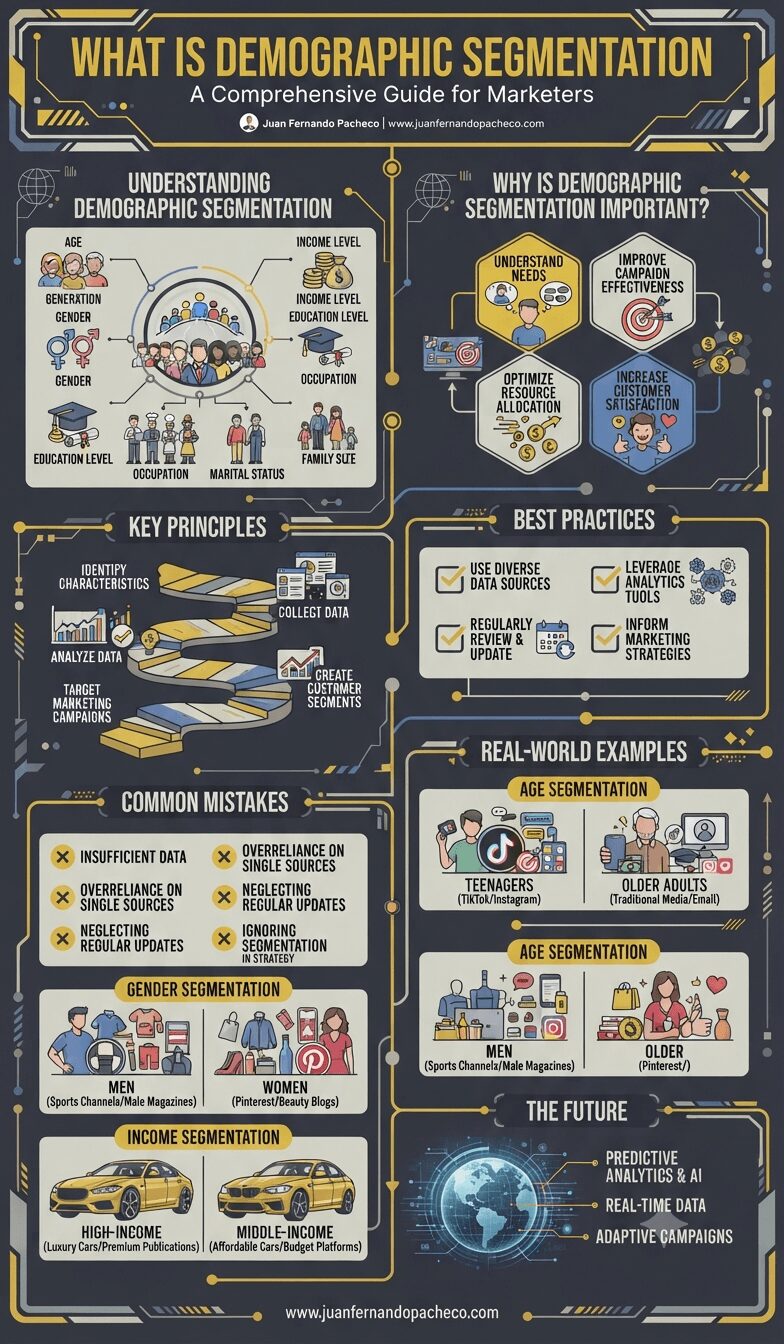
Demographic segmentation is a powerful tool for marketers aiming to understand their audience and craft effective campaigns. By following best practices and avoiding common pitfalls, businesses can achieve better results, foster customer loyalty, and gain a competitive edge. Start implementing demographic segmentation today and watch your marketing efforts soar!
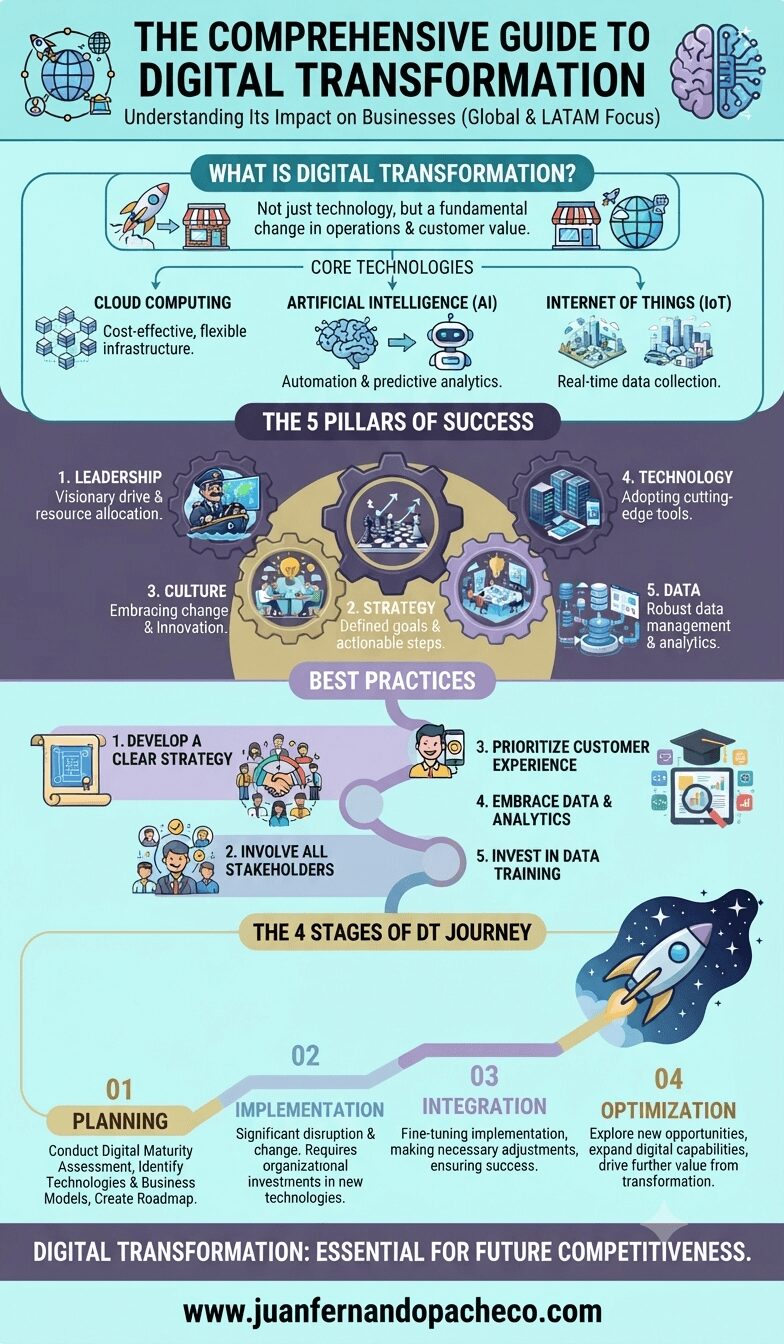
Digital transformation is no longer optional but essential for organizations that wish to stay competitive in today’s fast-paced, technology-driven market. By understanding the core pillars, best practices, stages, and common mistakes, organizations can navigate the complexities of digital transformation and drive long-term success. As companies embrace these changes, they will enhance their customer experiences, optimize operations, and create new growth opportunities that will propel them forward in the digital age.
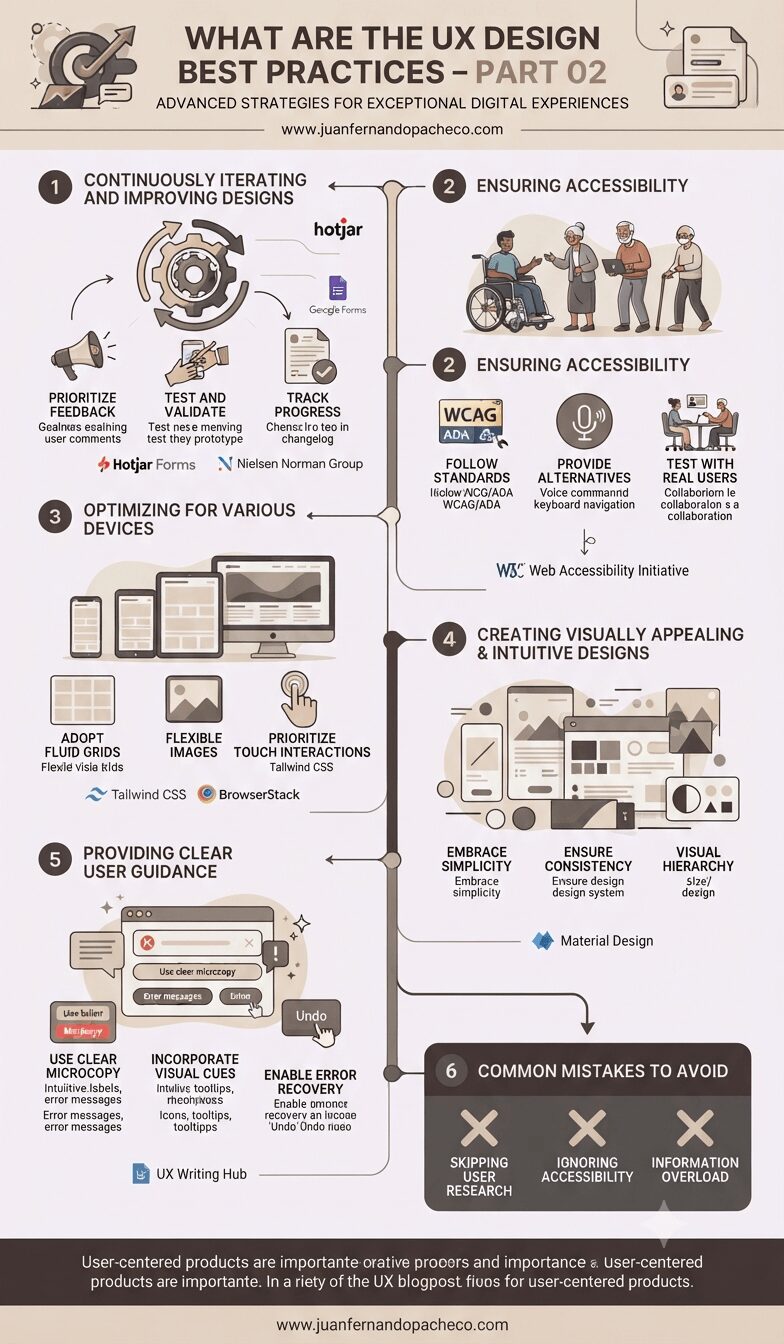
Adhering to UX design best practices ensures the creation of intuitive, inclusive, and visually compelling digital experiences. By embracing continuous iteration, prioritizing accessibility, optimizing for diverse devices, crafting intuitive designs, and providing clear guidance, designers can deliver products that delight users and drive engagement.
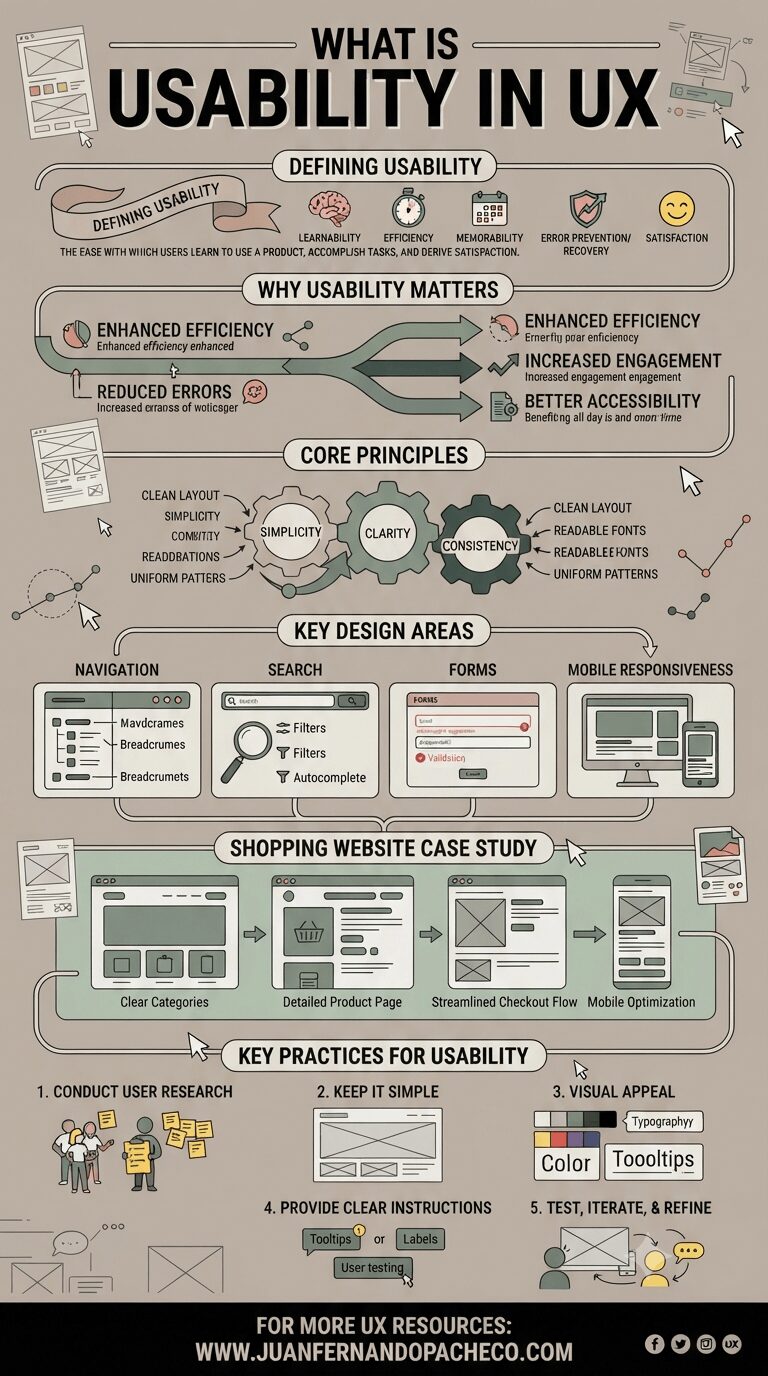
Usability is the backbone of exceptional UX design, ensuring products are intuitive, efficient, and satisfying to use.
By focusing on simplicity, clarity, and consistency, and addressing critical areas like navigation, forms, and mobile responsiveness, designers can craft experiences that delight users.
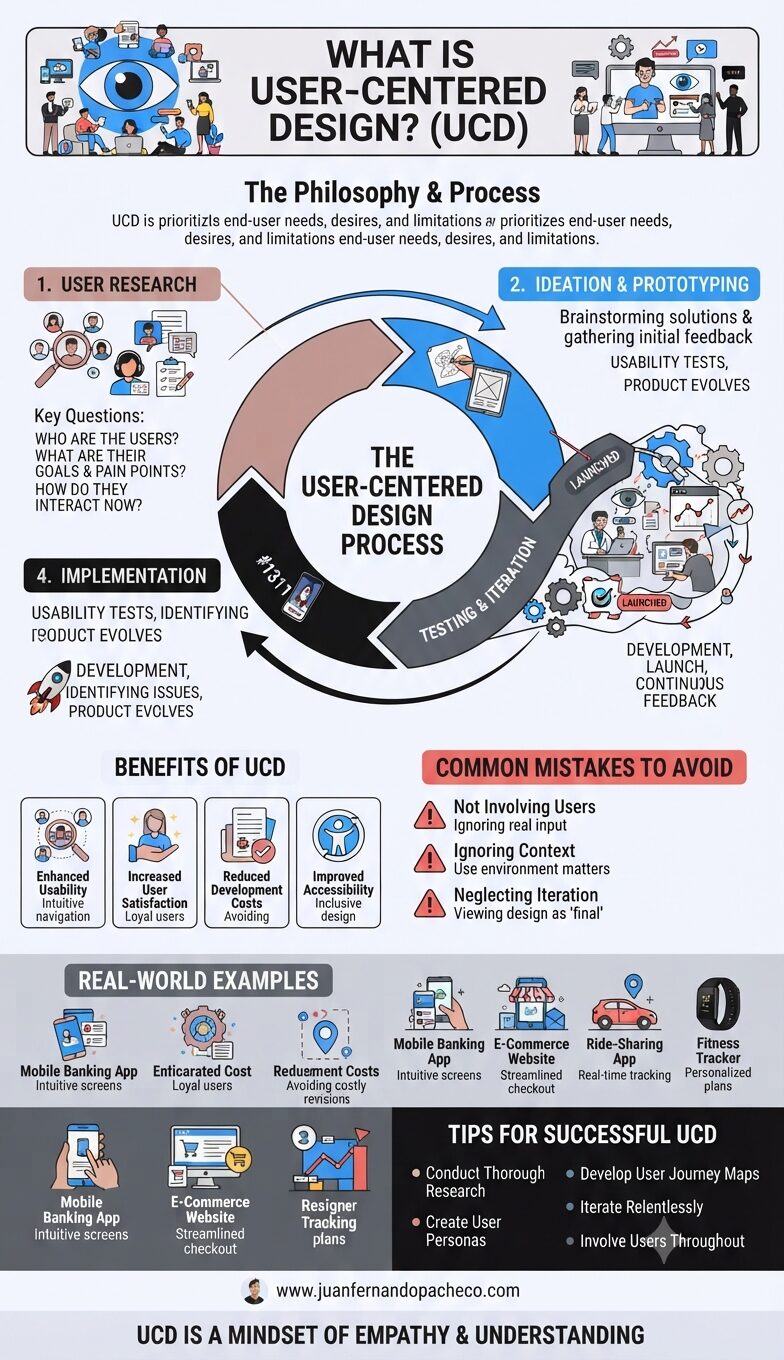
User-centered design is more than a methodology; it’s a mindset that prioritizes empathy and understanding. By involving users, embracing iteration, and focusing on real-world needs, UCD empowers teams to create impactful and meaningful experiences.
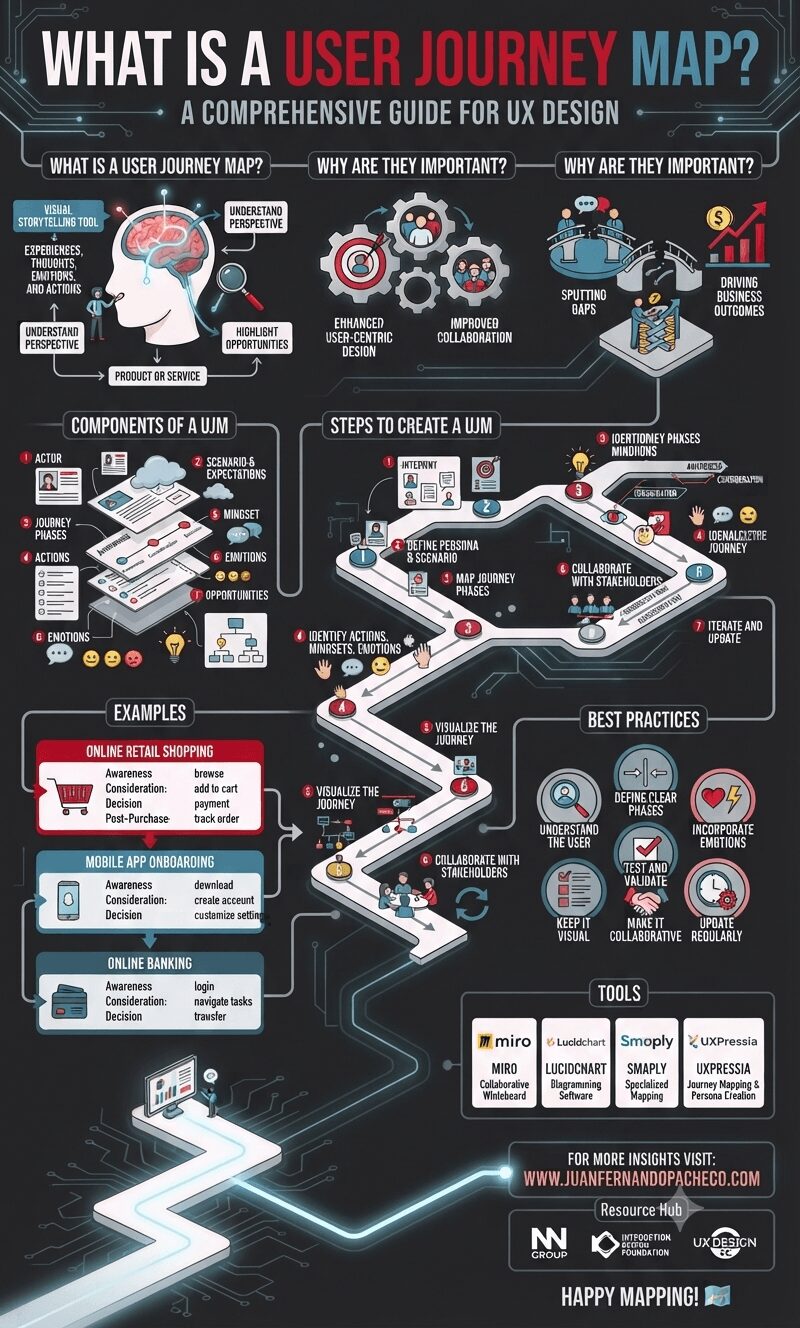
A User Journey Map is an indispensable tool in UX design, enabling teams to create user-centric products and services. By capturing the user’s actions, emotions, and pain points, it provides valuable insights that drive innovation and improve overall user satisfaction.