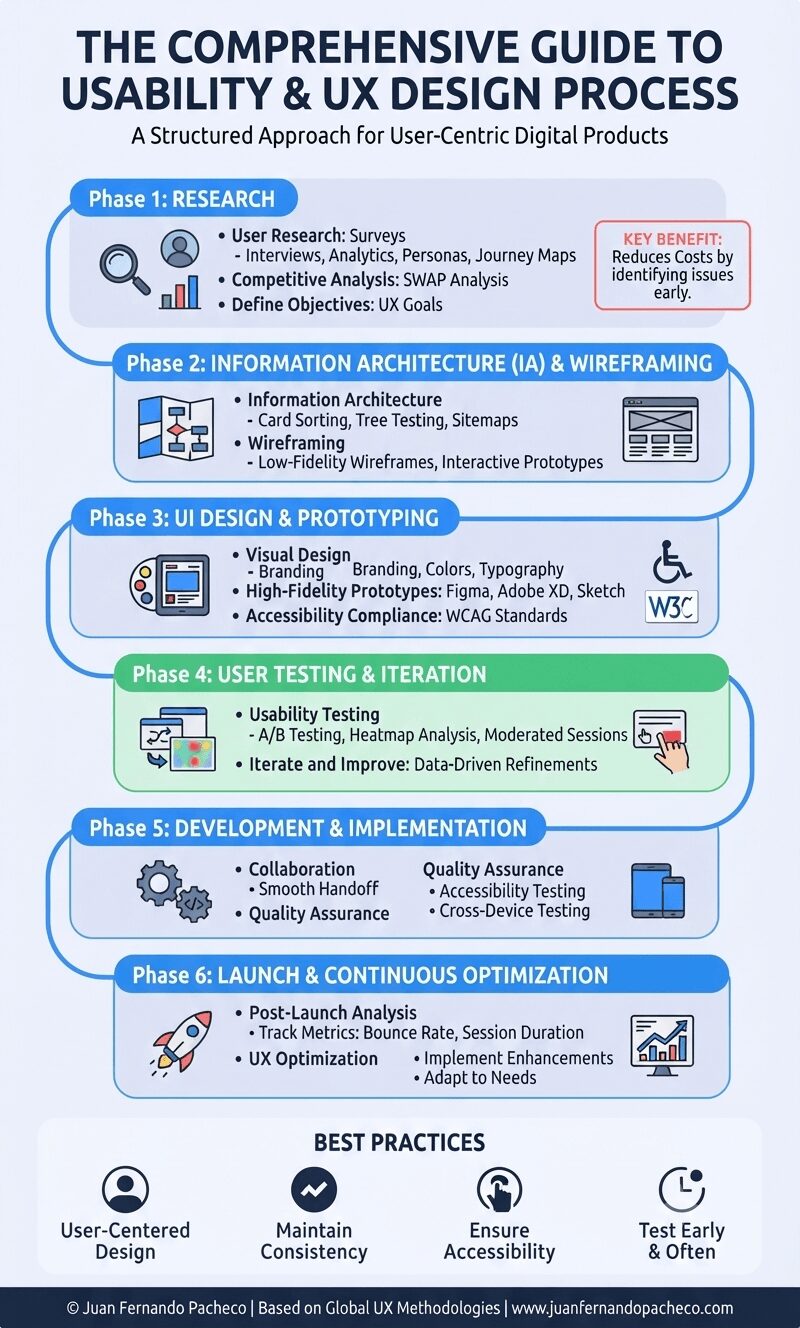
The UX design process is essential for creating user-friendly, effective digital experiences. By following structured methodologies, leveraging research, and continuously improving based on feedback, businesses can enhance user satisfaction and drive success.
Tag: UX Design
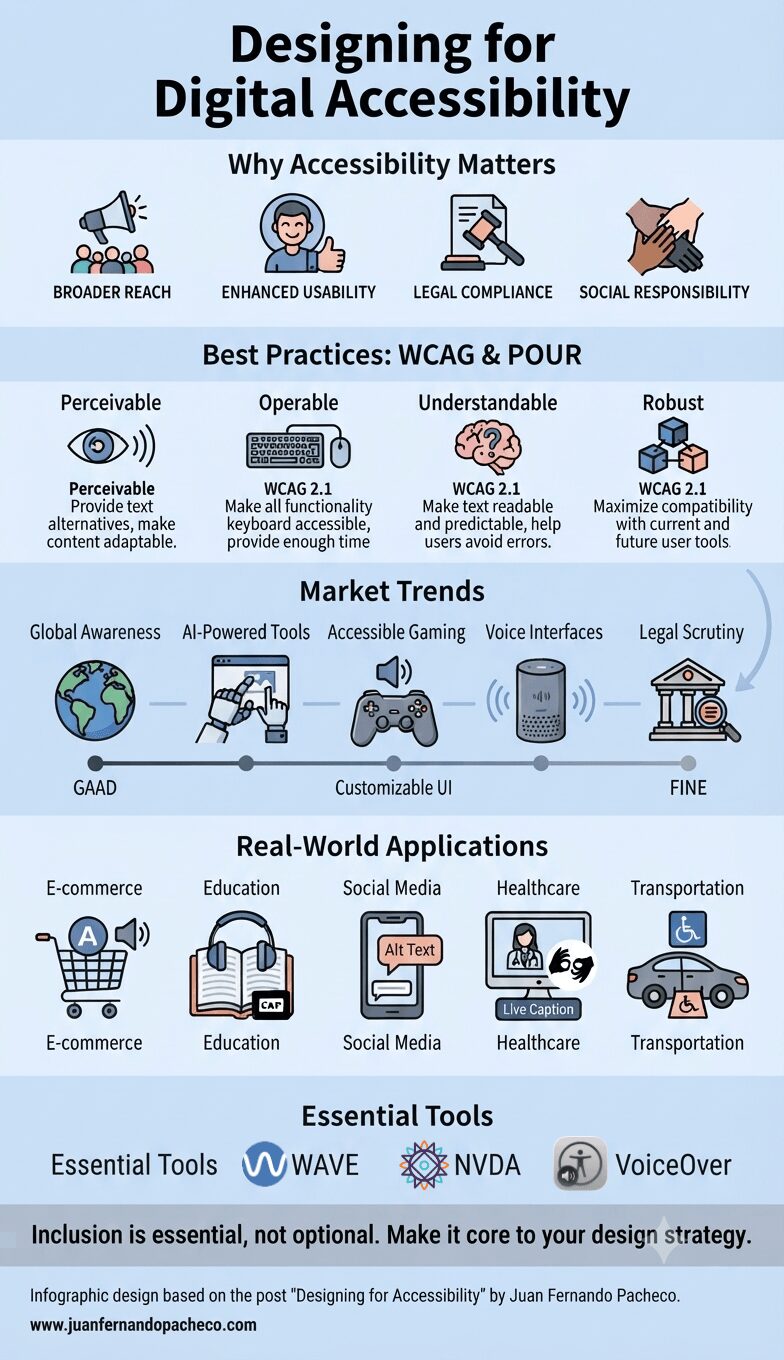
Designing for accessibility is a journey of empathy, innovation, and inclusivity.
By following best practices, staying informed about market trends, and leveraging real-world applications, you can create experiences that empower everyone.
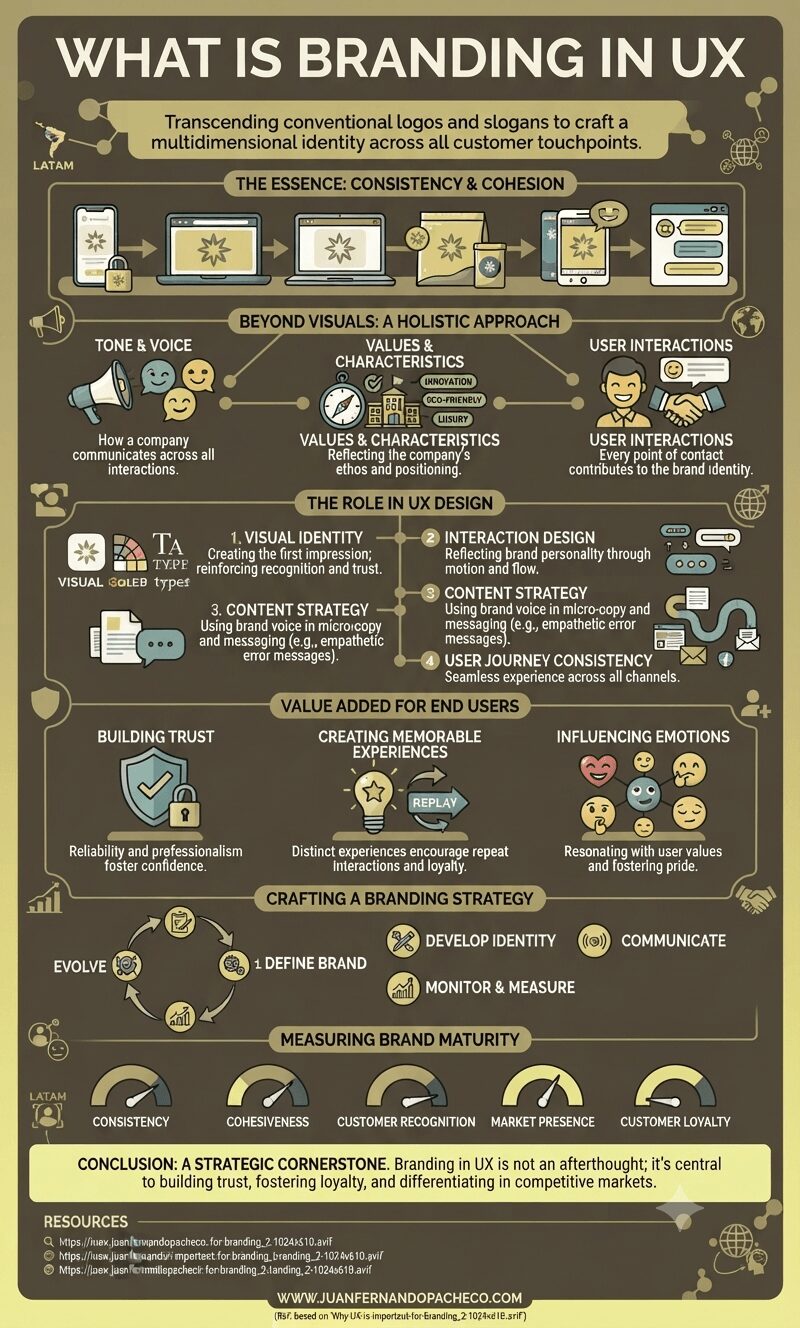
Branding from a UX perspective is a strategic endeavor that goes beyond visuals. It’s about creating a consistent, cohesive, and memorable experience that resonates with users at every touchpoint. By integrating branding into UX design, companies can build trust, foster loyalty, and differentiate themselves in competitive markets.
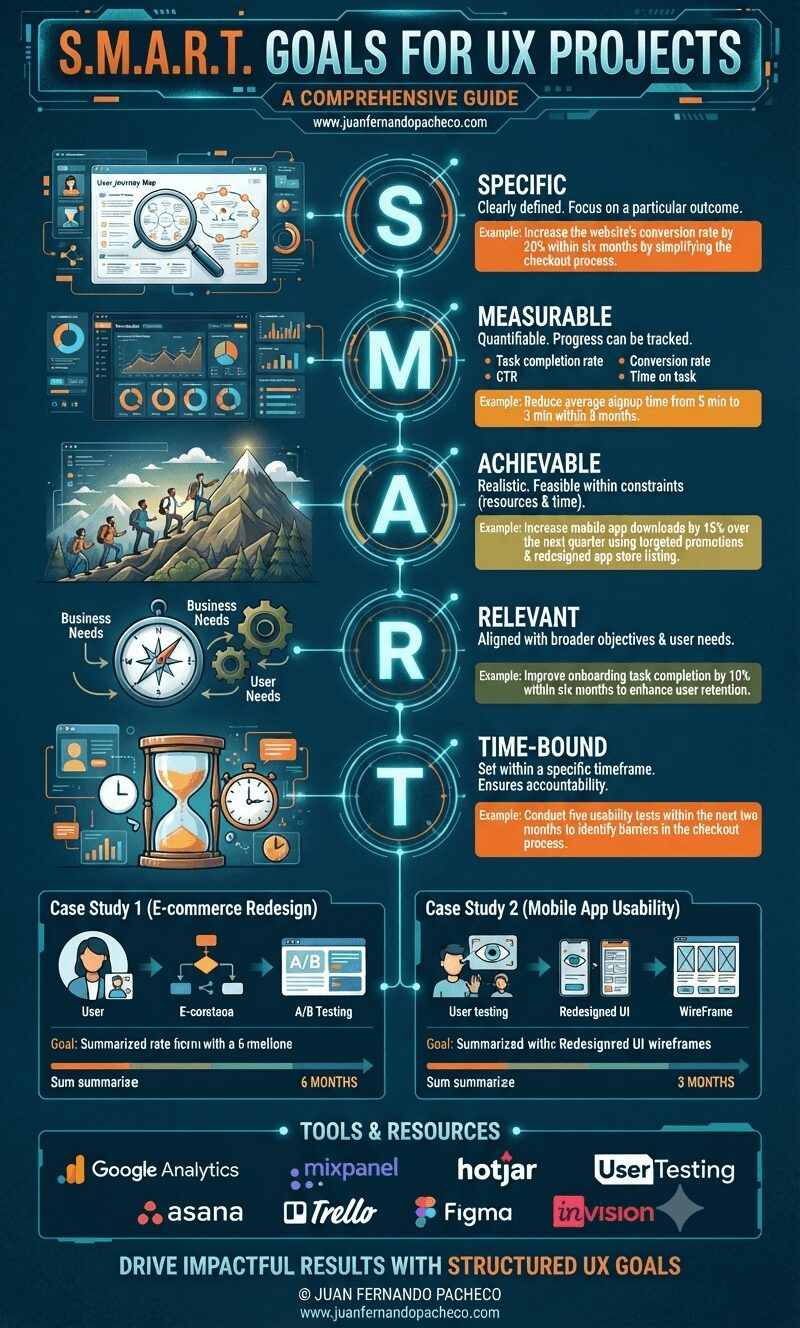
Setting clear, actionable, and achievable goals is critical to the success of any UX project.
Without defined objectives, measuring progress, evaluating outcomes, or ensuring alignment with user and business needs becomes challenging.
That’s where the S.M.A.R.T. framework comes in. In this post, we’ll explore how to write S.M.A.R.T. goals for UX projects and why this approach can dramatically improve project outcomes.
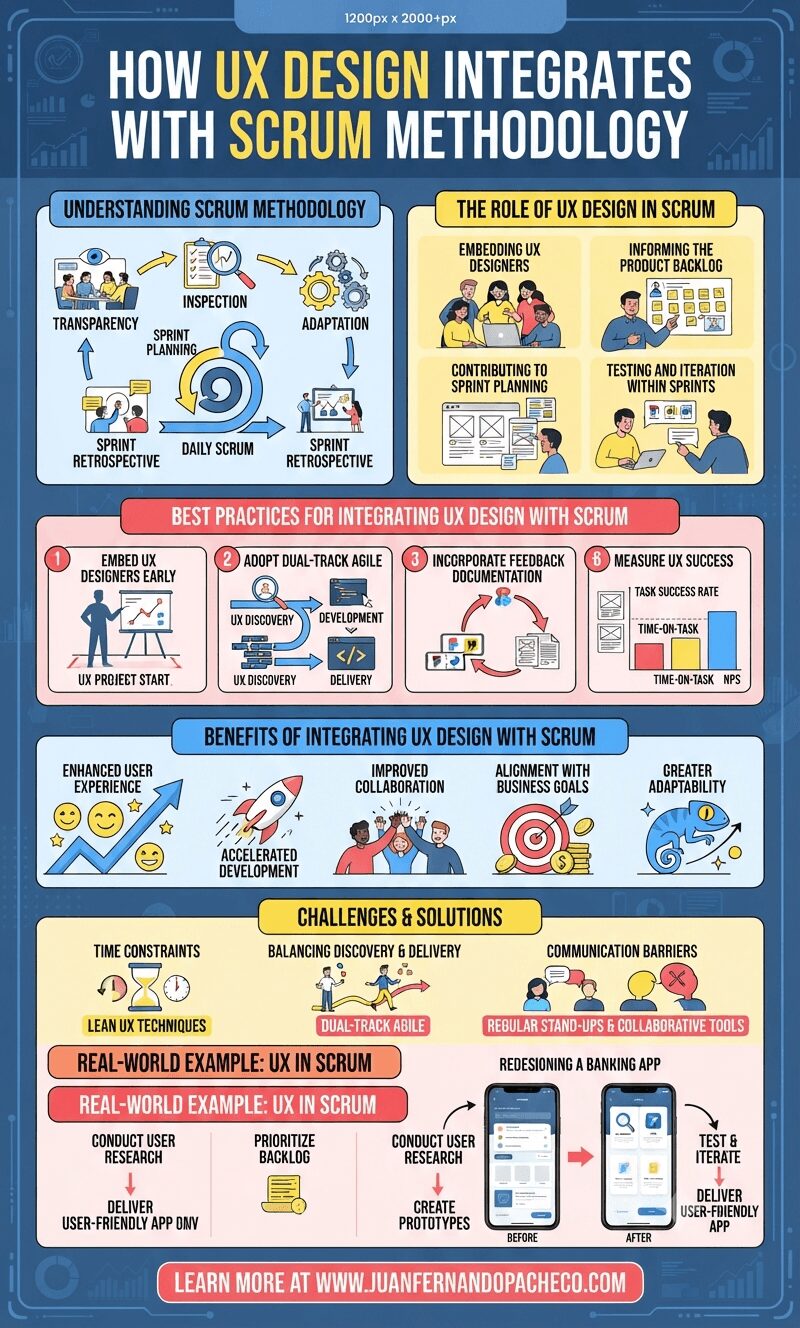
Integrating UX design into Scrum is more than a best practice; it’s a necessity for delivering products that resonate with users. By embedding UX designers in teams, leveraging agile design methods, and prioritizing user feedback, organizations can achieve faster development cycles, improved collaboration, and superior user experiences.
As the demand for user-centric products grows, mastering the integration of UX design with Scrum will remain a critical skill for successful product teams.
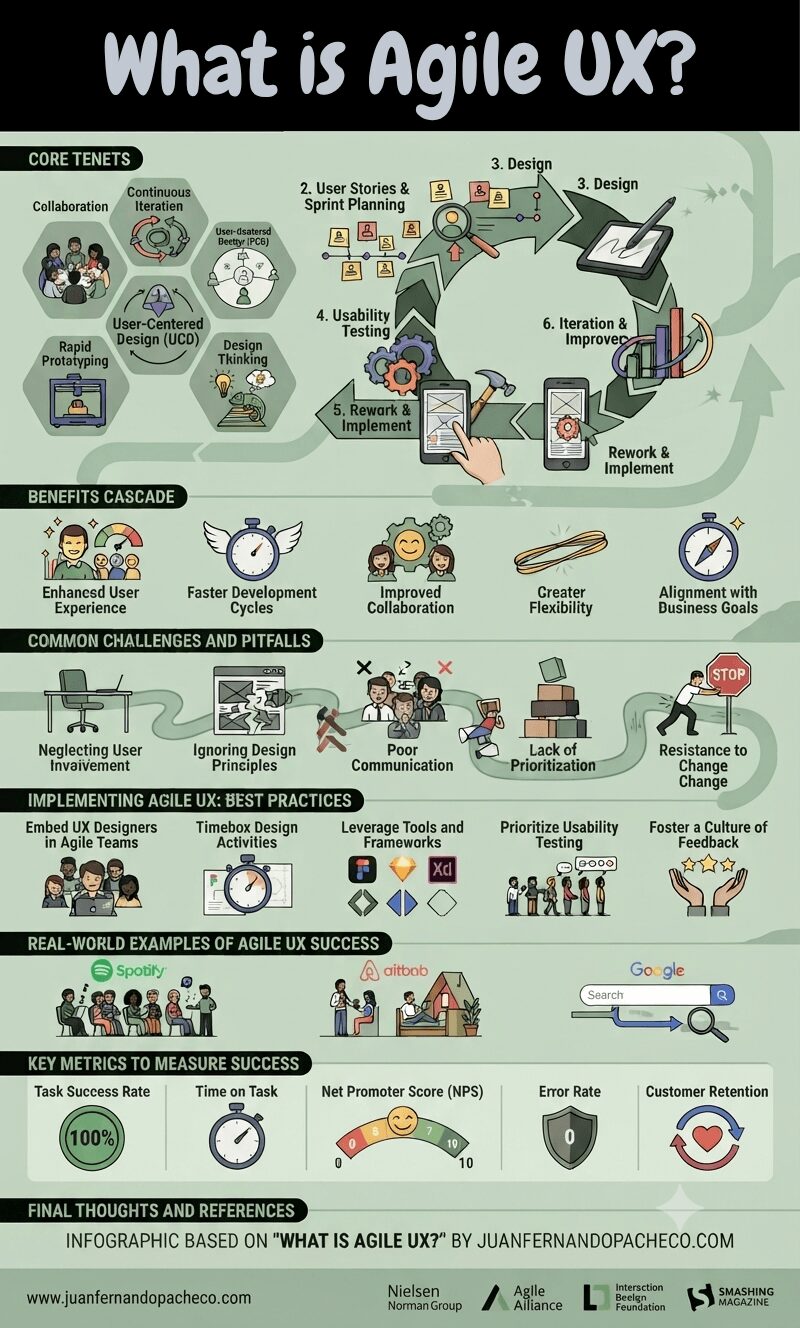
Agile UX is a user experience design methodology that integrates seamlessly with Agile software development principles.
It emphasizes collaboration, flexibility, and continuous iteration to create user-centric and high-quality products.
A Comprehensive Guide to Accessibility Accessibility is a cornerstone of modern user experience (UX) design,
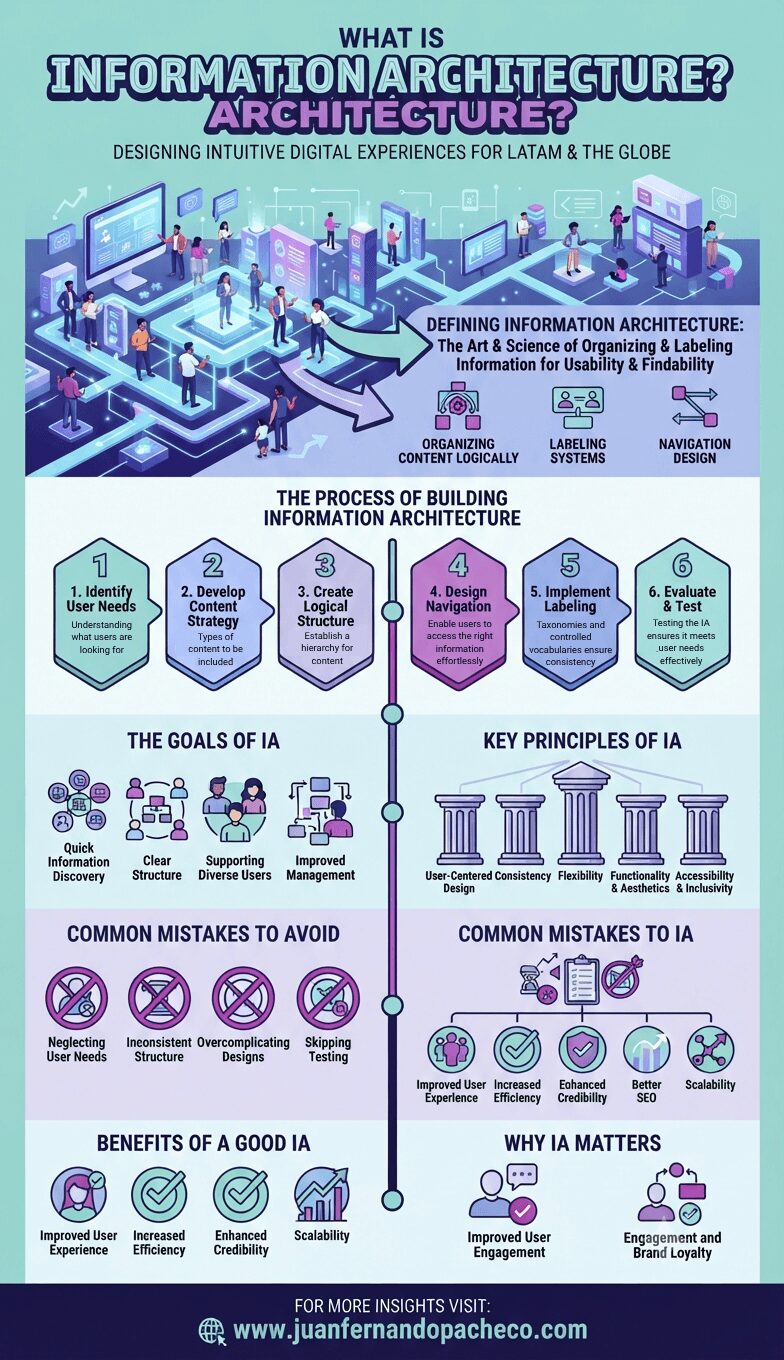
Information Architecture is much more than a technical discipline; it’s a thoughtful approach to creating digital environments that serve both users and organizations. By adhering to its principles, avoiding common mistakes, and continually evolving, designers and businesses can craft experiences that truly resonate.
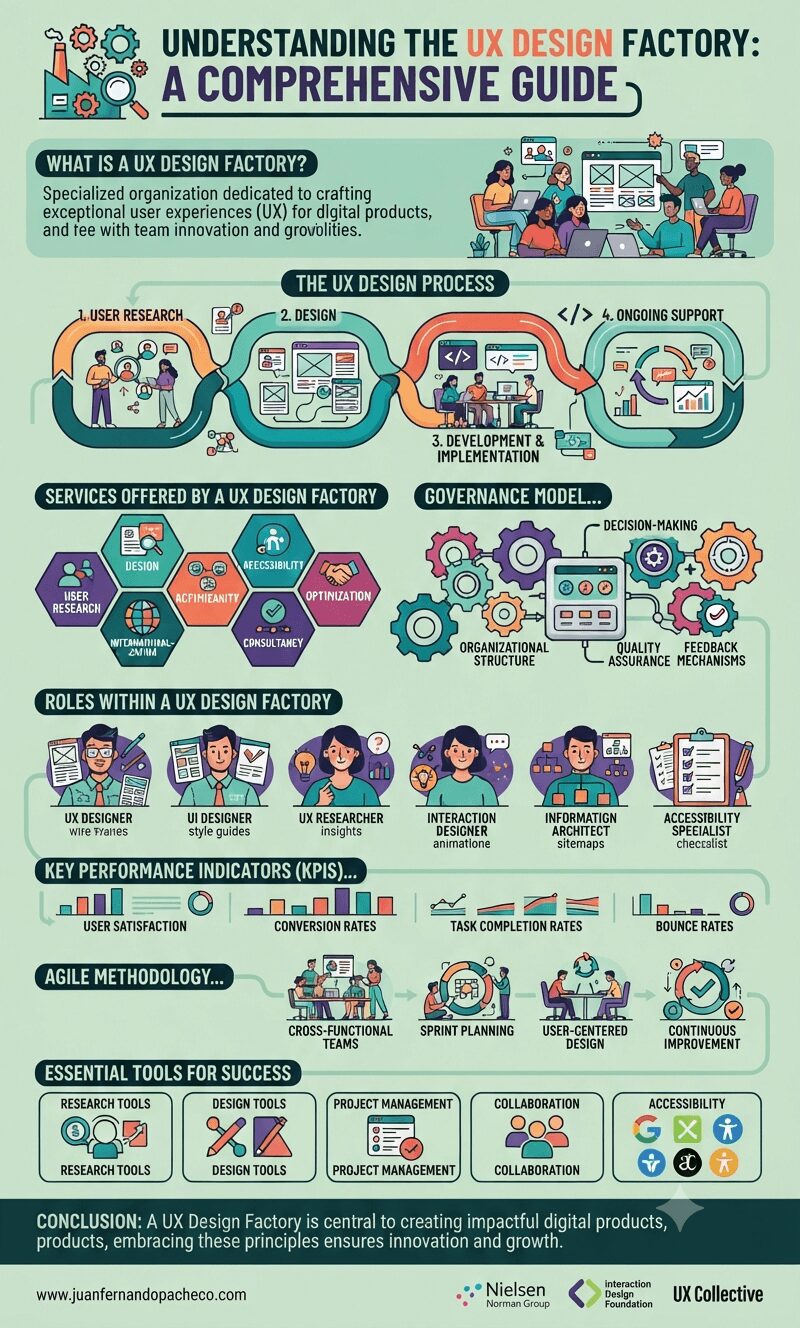
A UX Design Factory is a specialized organization dedicated to crafting exceptional user experiences (UX) for digital products such as websites, mobile applications, and software solutions.
Its primary objective is to help businesses create digital products that are intuitive, efficient, and enjoyable for their target audience.
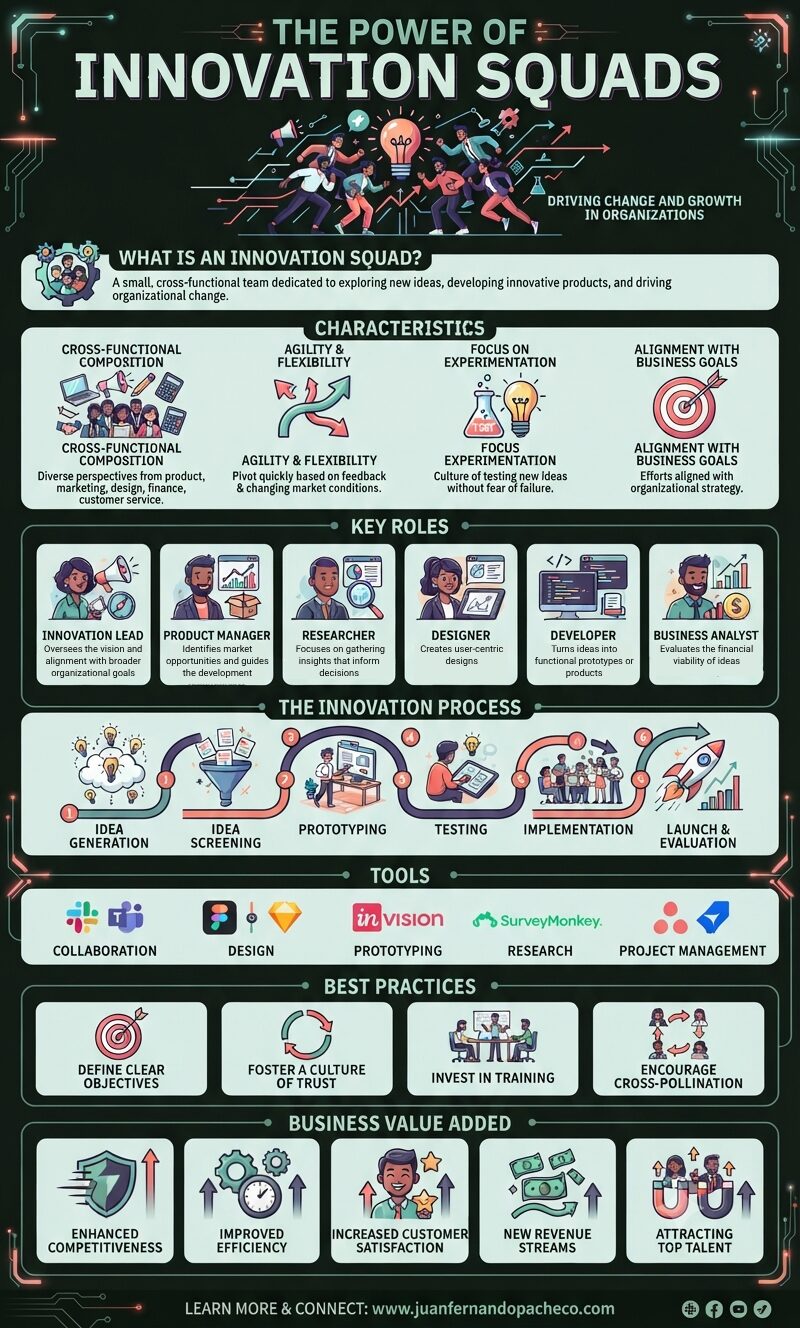
Innovation squads represent a transformative approach to problem-solving and growth in modern organizations. By embracing cross-functional collaboration and fostering a culture of trust and experimentation, companies position themselves to thrive amidst uncertainty.
As we venture into the future, nurturing environments that prioritize creativity and innovation will be pivotal to unlocking new opportunities and achieving sustained success.