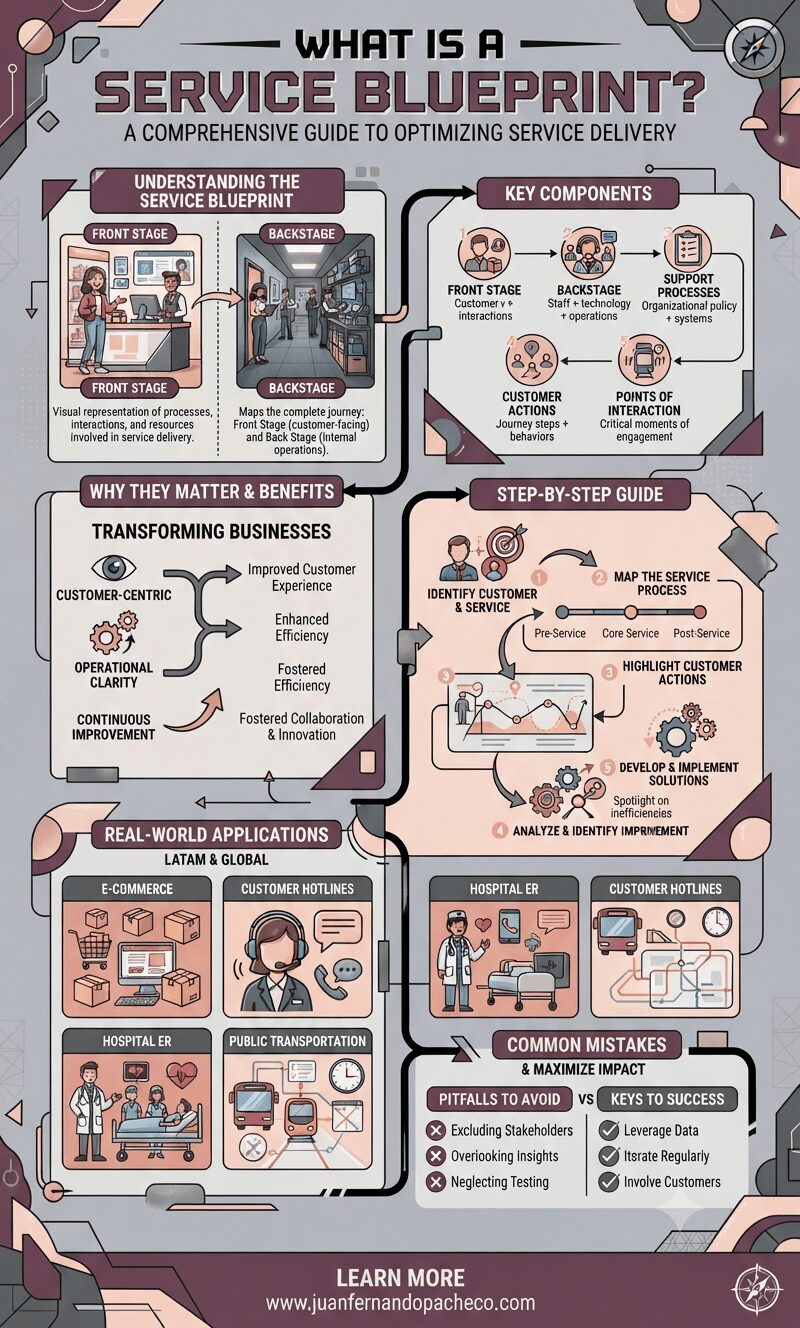
A service blueprint is an invaluable tool for organizations looking to optimize their service delivery. By providing a comprehensive view of the service process—from customer interactions to backend operations—it enables businesses to identify opportunities for improvement, foster collaboration, and innovate effectively.
Author: Juan Fernando Pacheco
I am Juan Fernando Pacheco, a Business Development Manager, Senior Product Designer, and UX Designer with 20+ years of experience working on user-centered experiences, developing products and services driven by research and design.
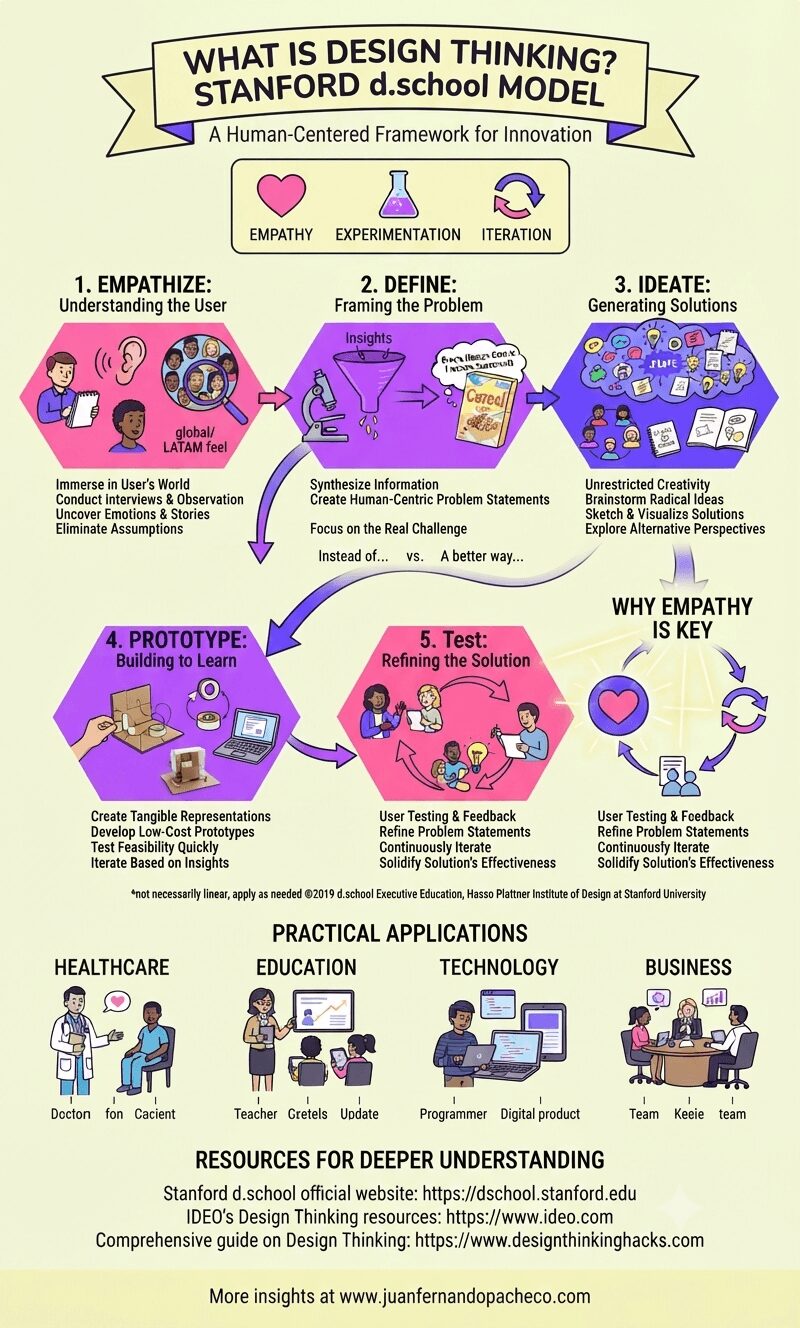
The Stanford d.school’s Design Thinking model is more than a methodology; it’s a mindset that fosters creativity, innovation, and human-centered problem-solving.
By emphasizing empathy, iteration, and flexibility, it equips teams to tackle complex challenges and deliver impactful solutions.
Whether you’re a seasoned designer or a newcomer to the field, embracing this model can transform how you approach problems, unlocking new possibilities for success.
What Industry Leaders Need To Know About Telecom Trends In 2025, the ongoing digital transformation
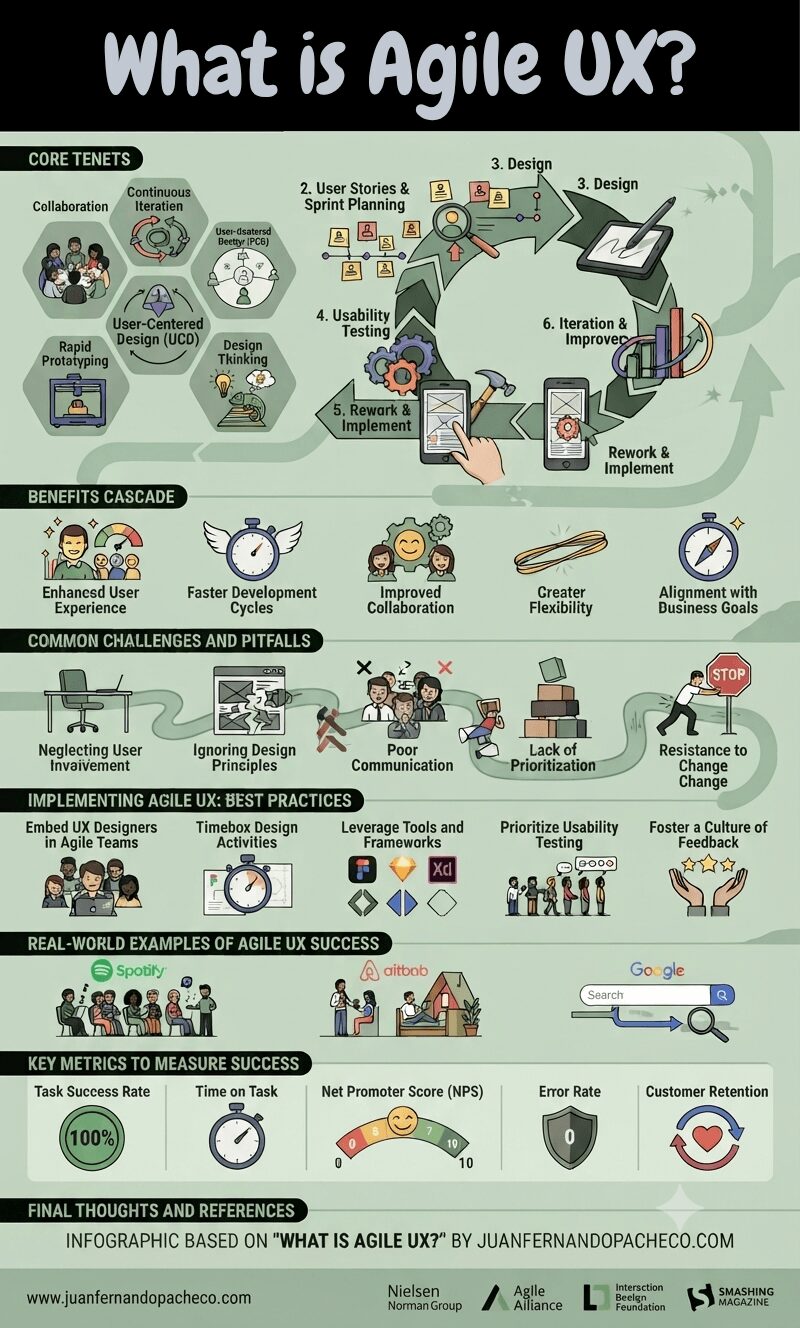
Agile UX is a user experience design methodology that integrates seamlessly with Agile software development principles.
It emphasizes collaboration, flexibility, and continuous iteration to create user-centric and high-quality products.
A Comprehensive Guide to Accessibility Accessibility is a cornerstone of modern user experience (UX) design,
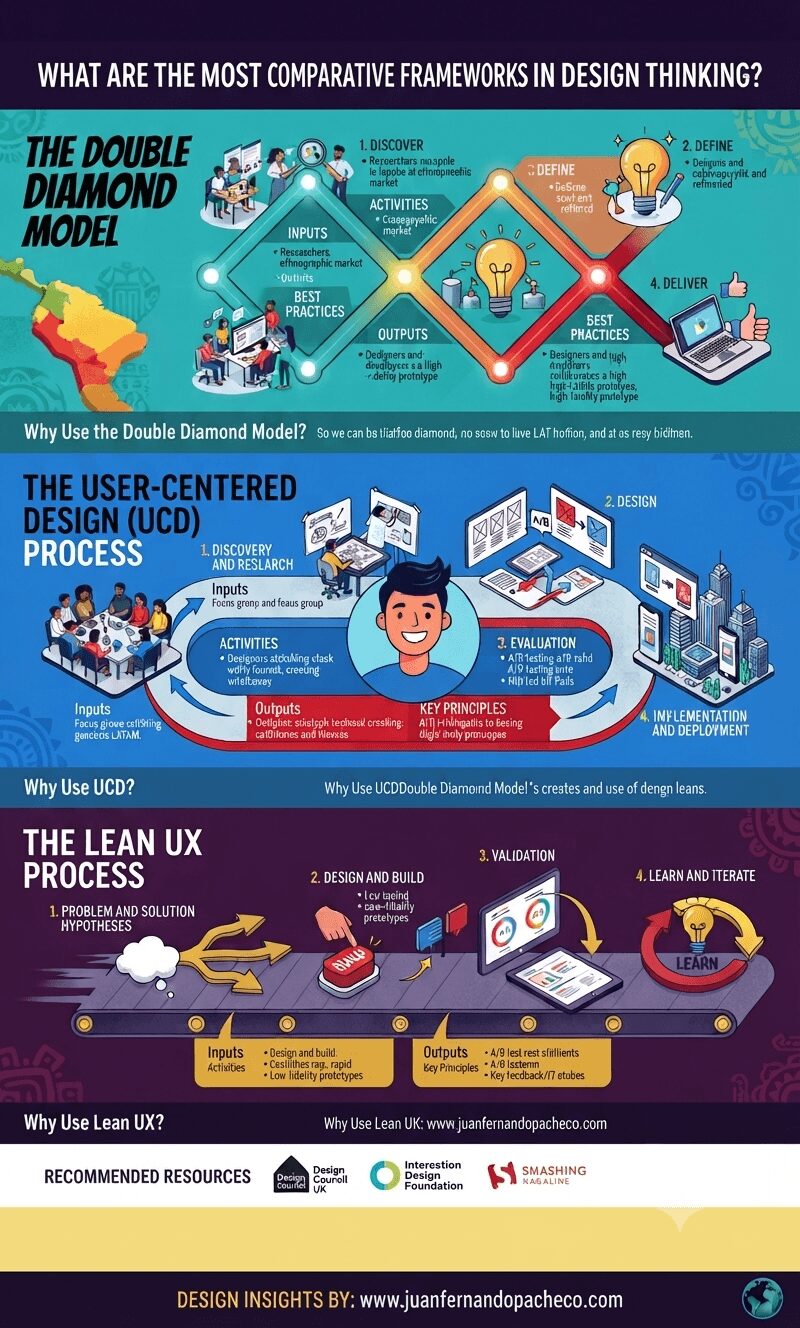
Each of these frameworks—the Double Diamond model, UCD process, and Lean UX process—offers unique advantages. The Double Diamond excels in providing a structured approach to complex problems, UCD ensures user-centricity, and Lean UX fosters rapid experimentation and delivery. By understanding these methodologies, UX teams can choose the one that best aligns with their project goals and constraints.
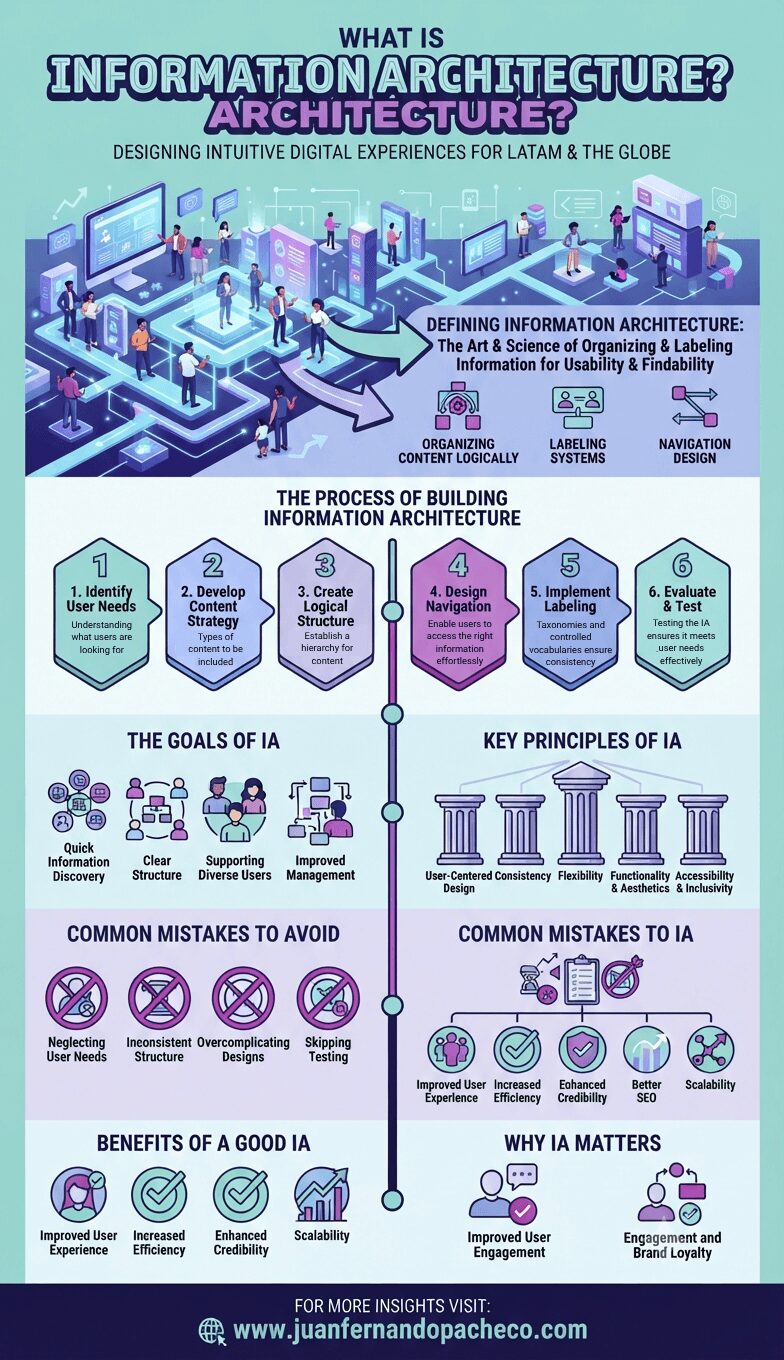
Information Architecture is much more than a technical discipline; it’s a thoughtful approach to creating digital environments that serve both users and organizations. By adhering to its principles, avoiding common mistakes, and continually evolving, designers and businesses can craft experiences that truly resonate.
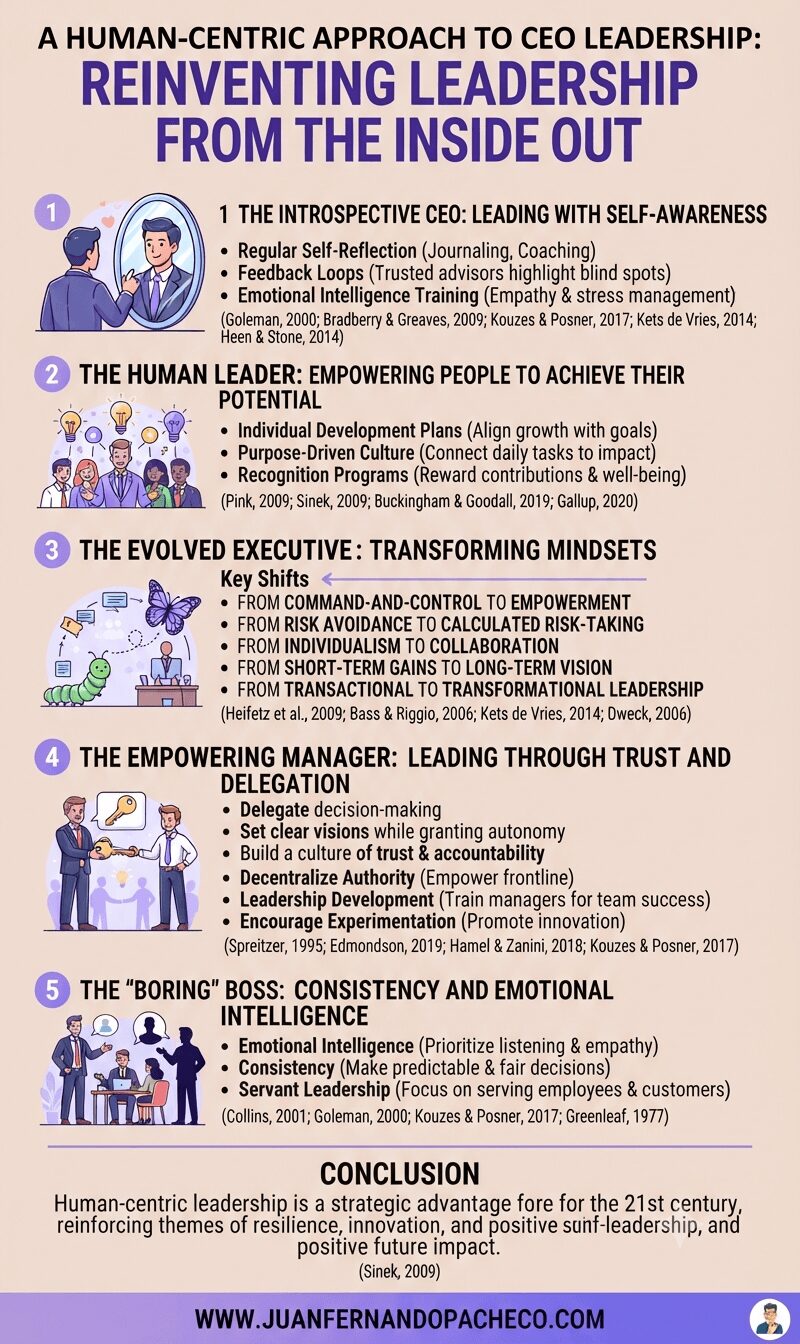
Human-centric leadership is not just about fostering a positive workplace—it’s a strategic advantage. CEOs who lead with empathy, foster collaboration, and inspire growth will meet today’s challenges and shape their organizations’ futures
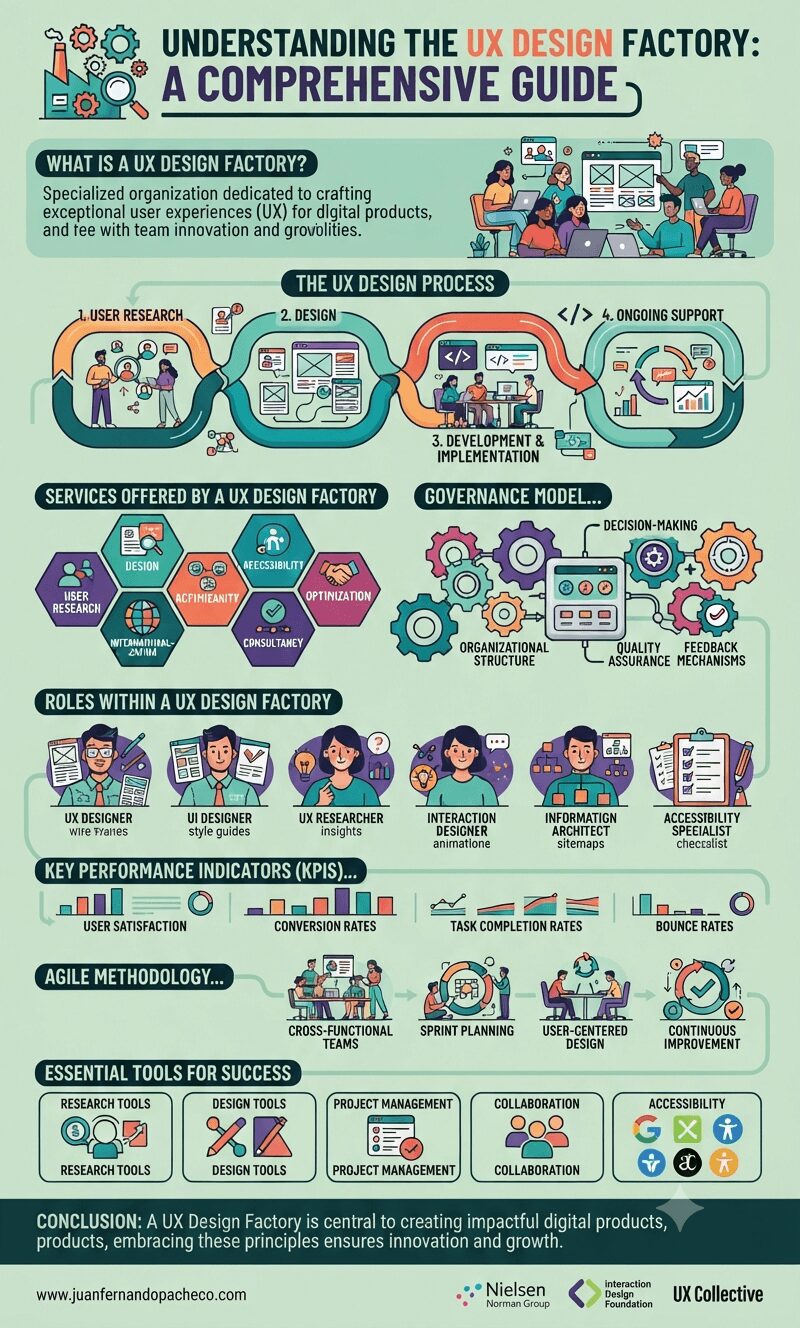
A UX Design Factory is a specialized organization dedicated to crafting exceptional user experiences (UX) for digital products such as websites, mobile applications, and software solutions.
Its primary objective is to help businesses create digital products that are intuitive, efficient, and enjoyable for their target audience.
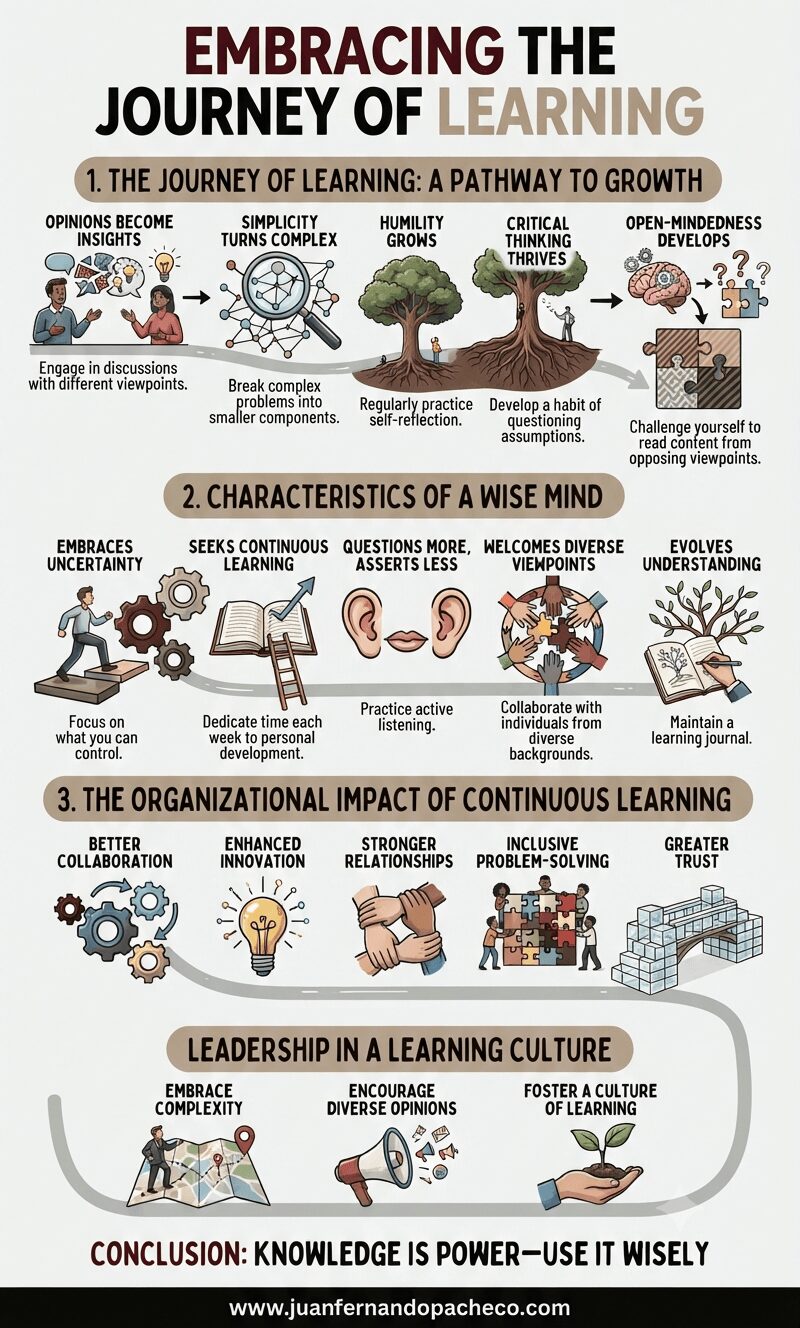
Knowledge Is Power—Use It Wisely
Intelligence is not about possessing knowledge but recognizing how much there is yet to learn. By embracing humility, critical thinking, and open-mindedness, we unlock our potential and contribute meaningfully to the world around us. For organizations, fostering a culture of continuous learning leads to innovation, trust, and long-term success.