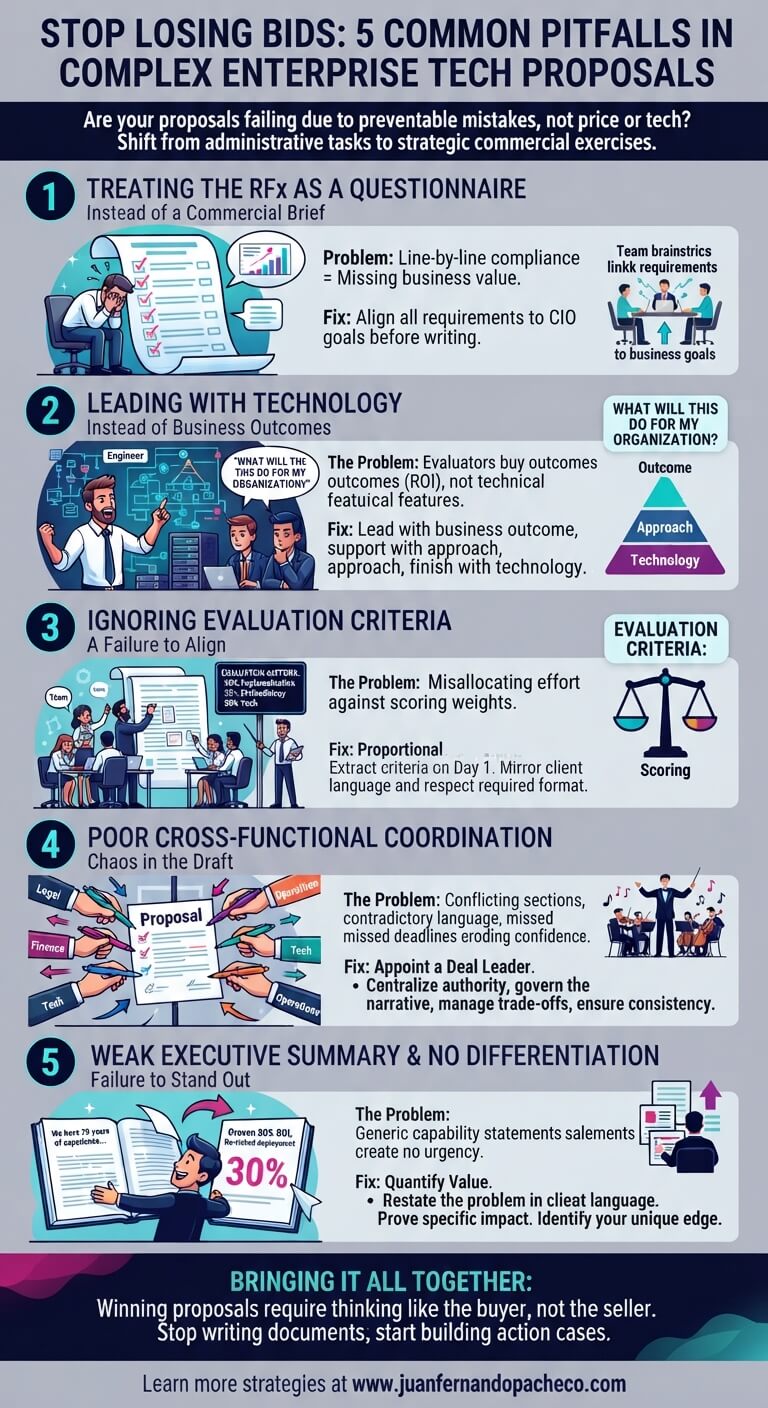
Most enterprise tech proposals fail before the evaluation committee even finishes reading them. This article breaks down five recurring mistakes that cost technology firms millions in lost revenue, and it offers practical corrections drawn from two decades of high-stakes RFx execution across LATAM and global markets.
Tag: Business Strategy

A high-stakes RFP demands more than a polished response document. It requires engineering, legal, and sales teams to operate as a single commercial unit from day one. This guide breaks down the frameworks, communication rhythms, and leadership decisions that turn fragmented departments into a unified deal-winning machine.
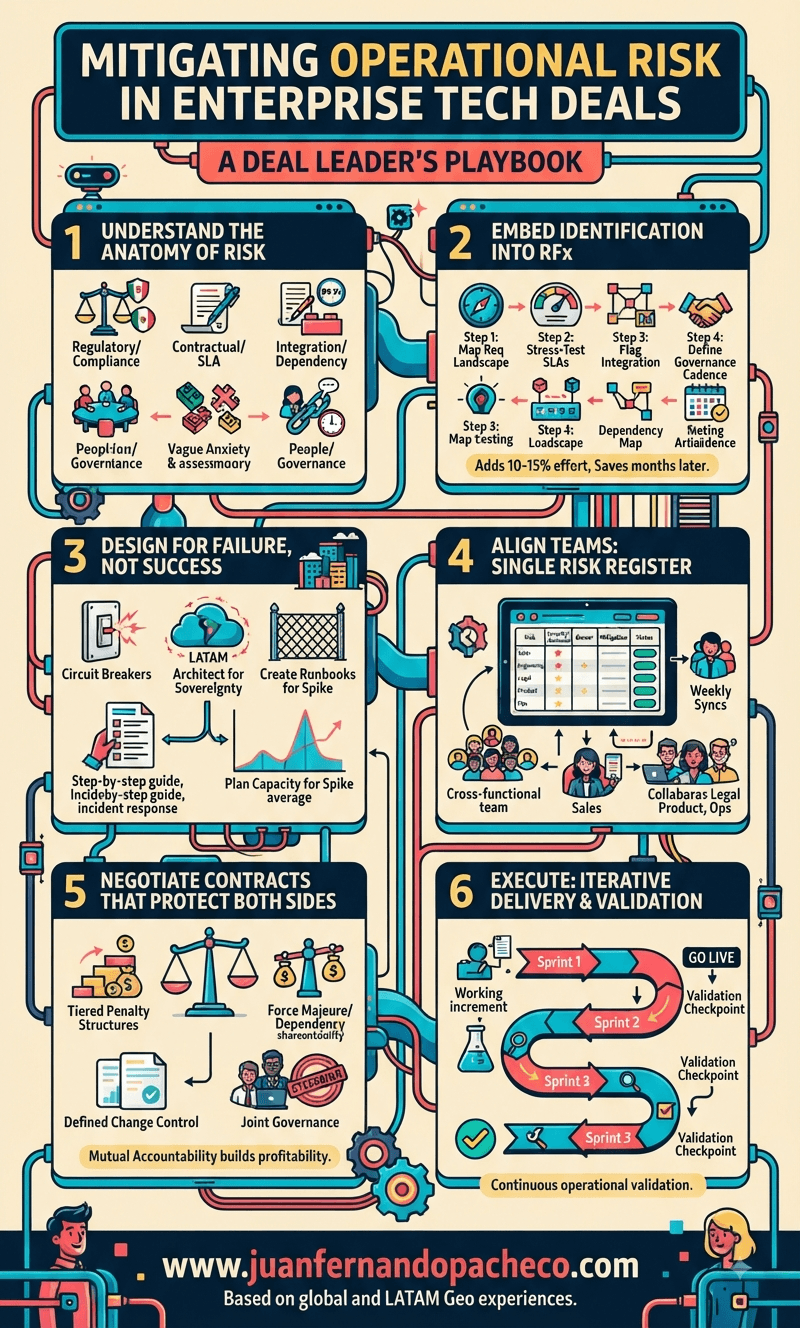
Enterprise technology deals carry layers of operational risk that can unravel even the strongest commercial agreements. This playbook draws on two decades of high-stakes RFx execution across Latin America to offer a repeatable framework for identifying, containing, and eliminating those risks before they cost you the contract.
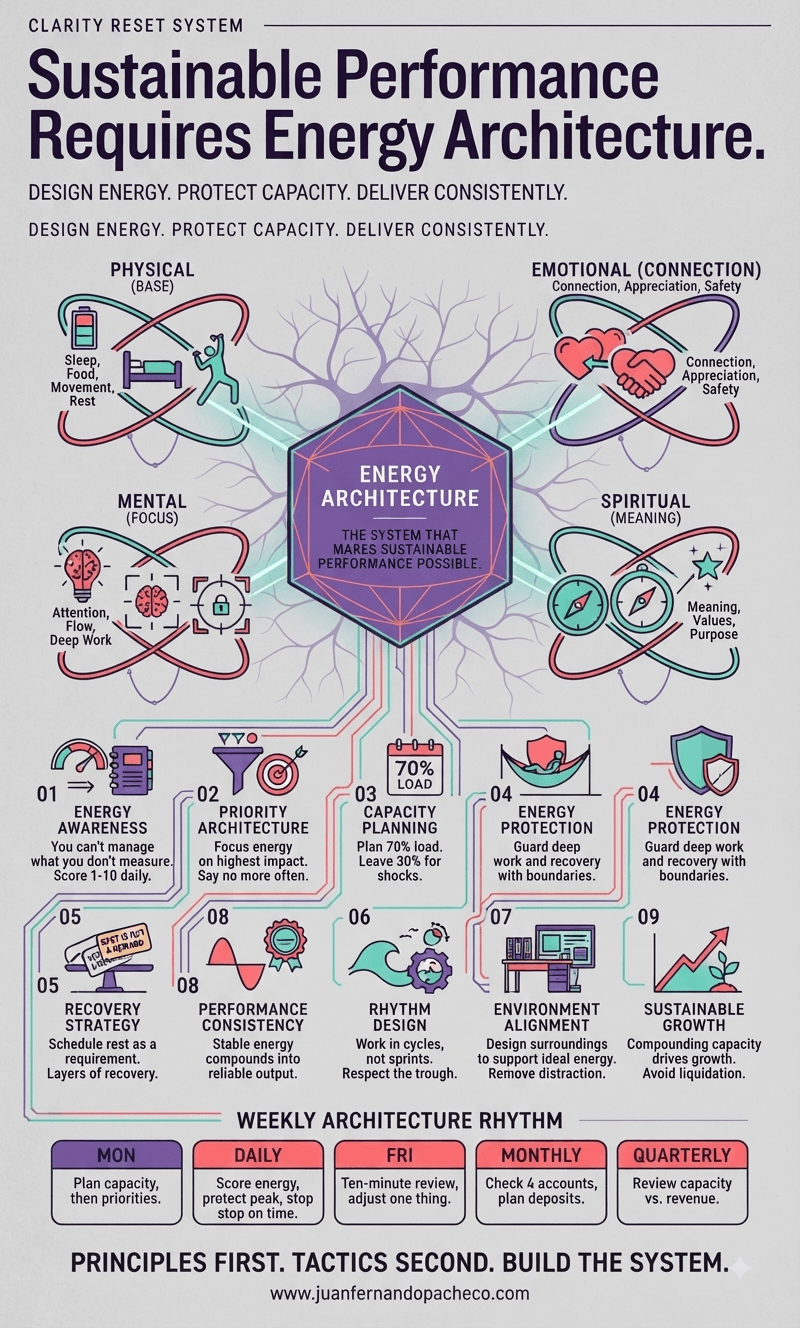
Most professionals manage time and ignore energy, then wonder why their output collapses. This post breaks down the nine pillars of energy architecture and shows how to apply them to deals, design work, and leadership. The practices stay useful whether you read them today or five years from now.
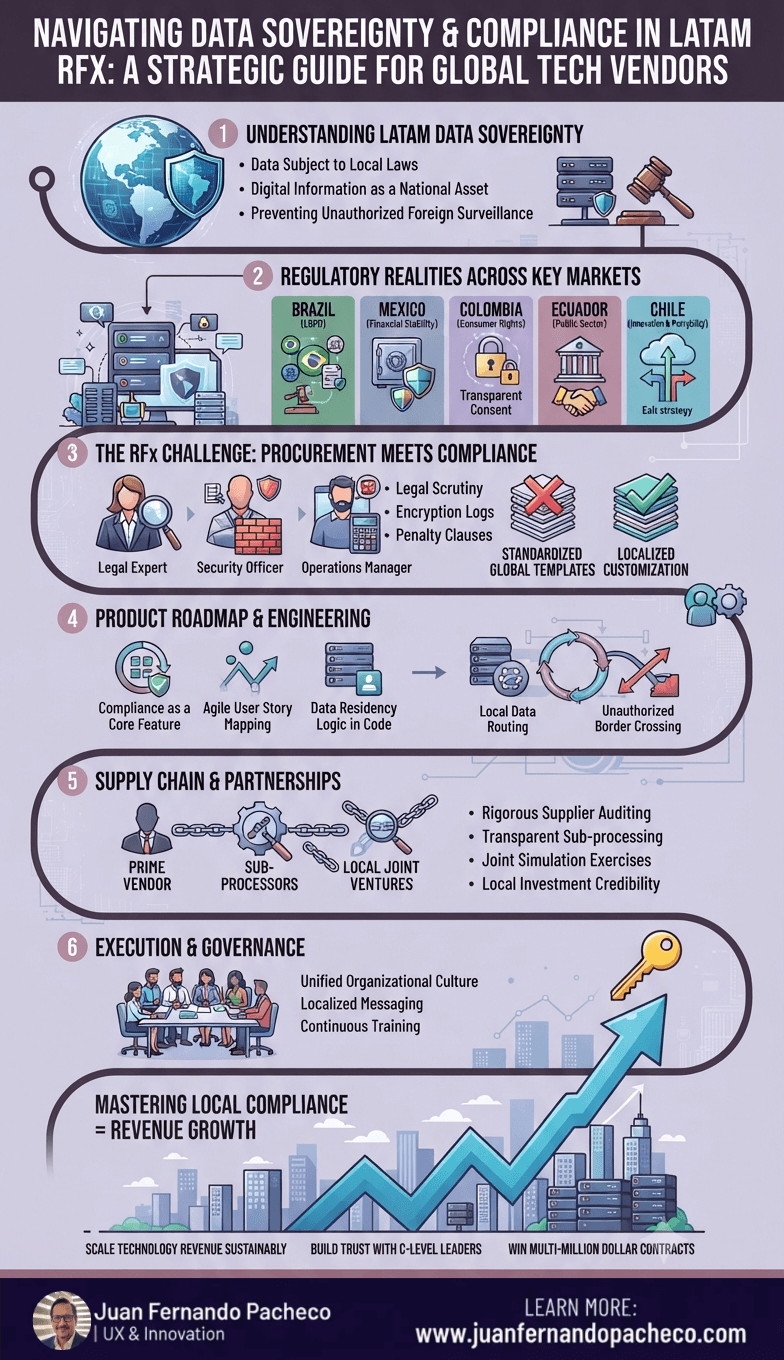
Technology leaders face complex regulatory hurdles when bidding on enterprise contracts in Latin America. This guide explores strategies to align product roadmaps with local compliance mandates and win high-stakes deals involving LATAM data sovereignty RFx.
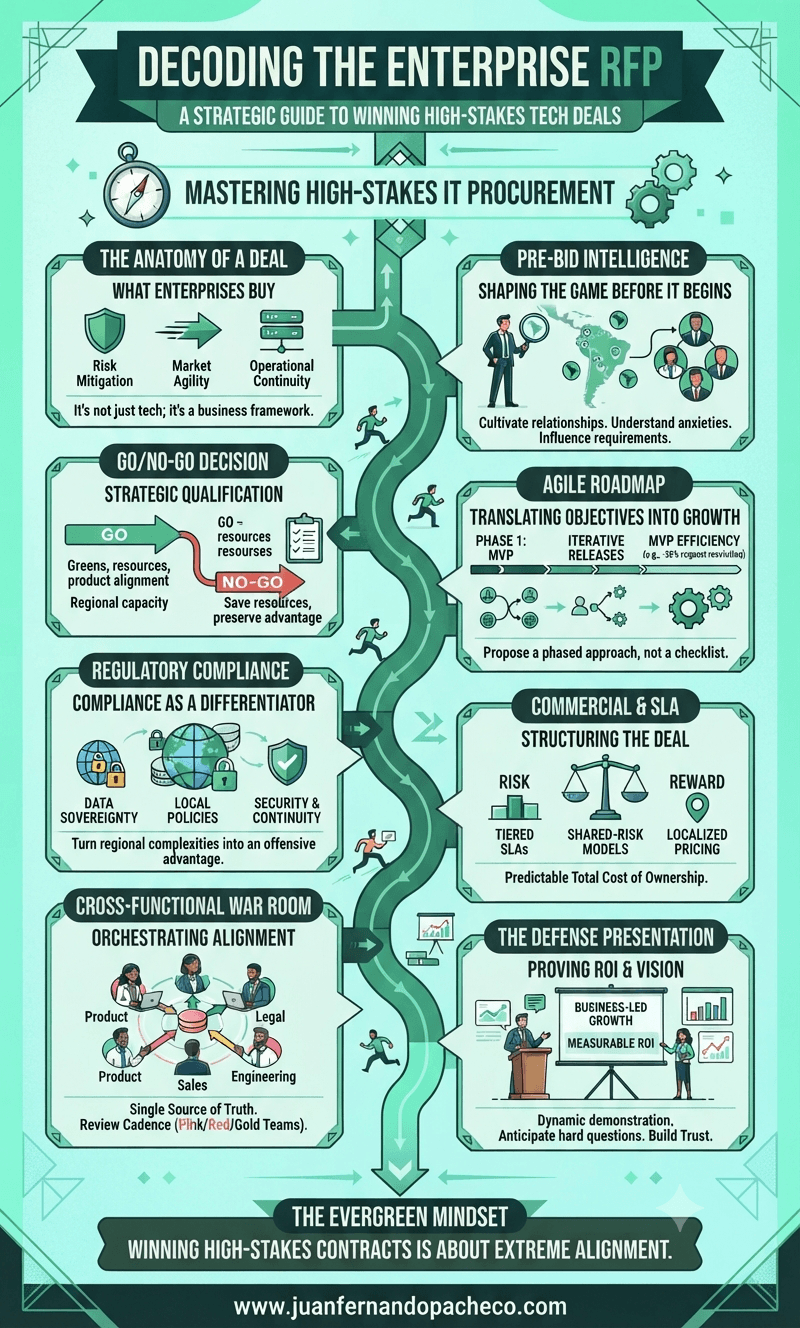
Winning multi-million-dollar technology contracts requires more than just compliance; it demands a deep understanding of commercial-product synergy, risk mitigation, and regional nuances. This guide breaks down the anatomy of a winning enterprise RFP strategy from pre-bid intelligence to final defense.
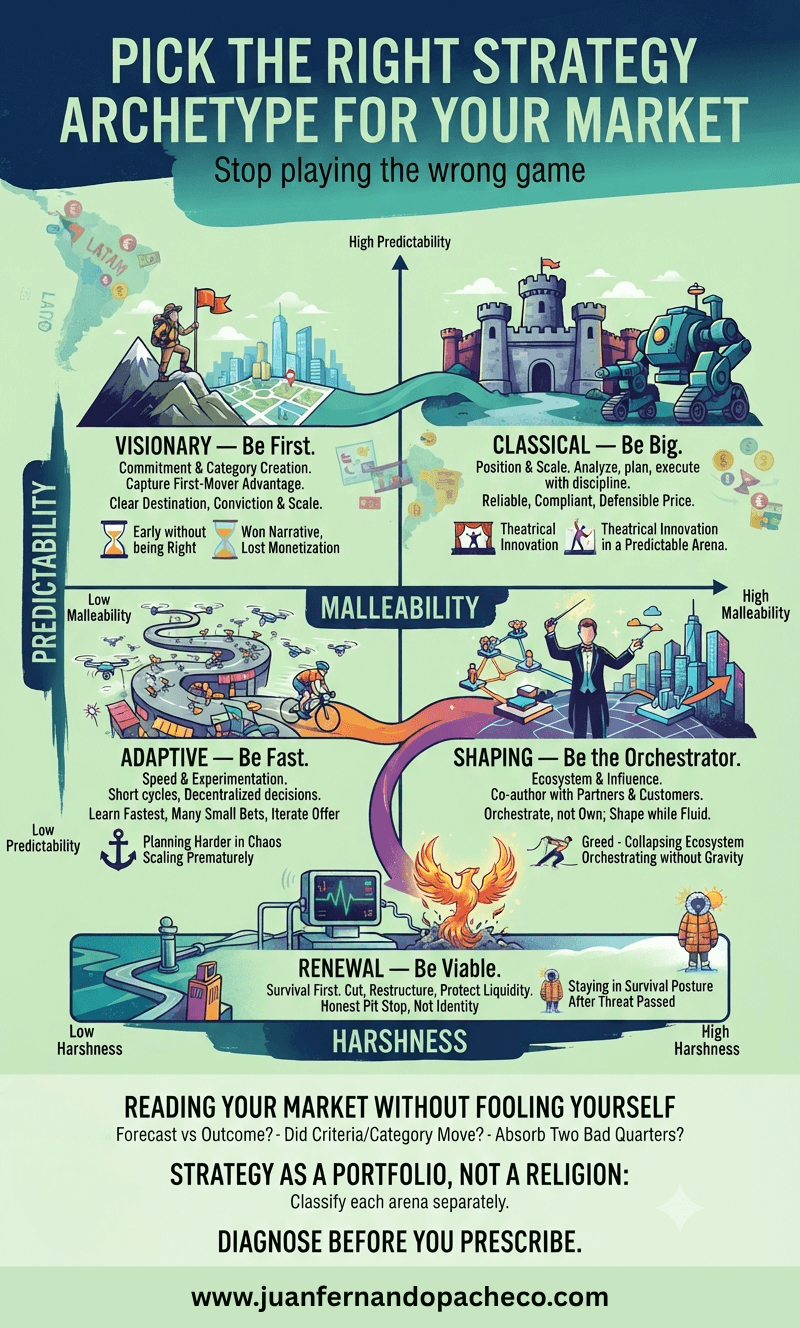
Markets fail strategies more often than strategies fail markets. This post walks through the five strategy archetypes — classical, visionary, adaptive, shaping and renewal — and shows how to match each play to the predictability, malleability and harshness of your environment, with plain-spoken lessons from enterprise technology deals in Latin America.
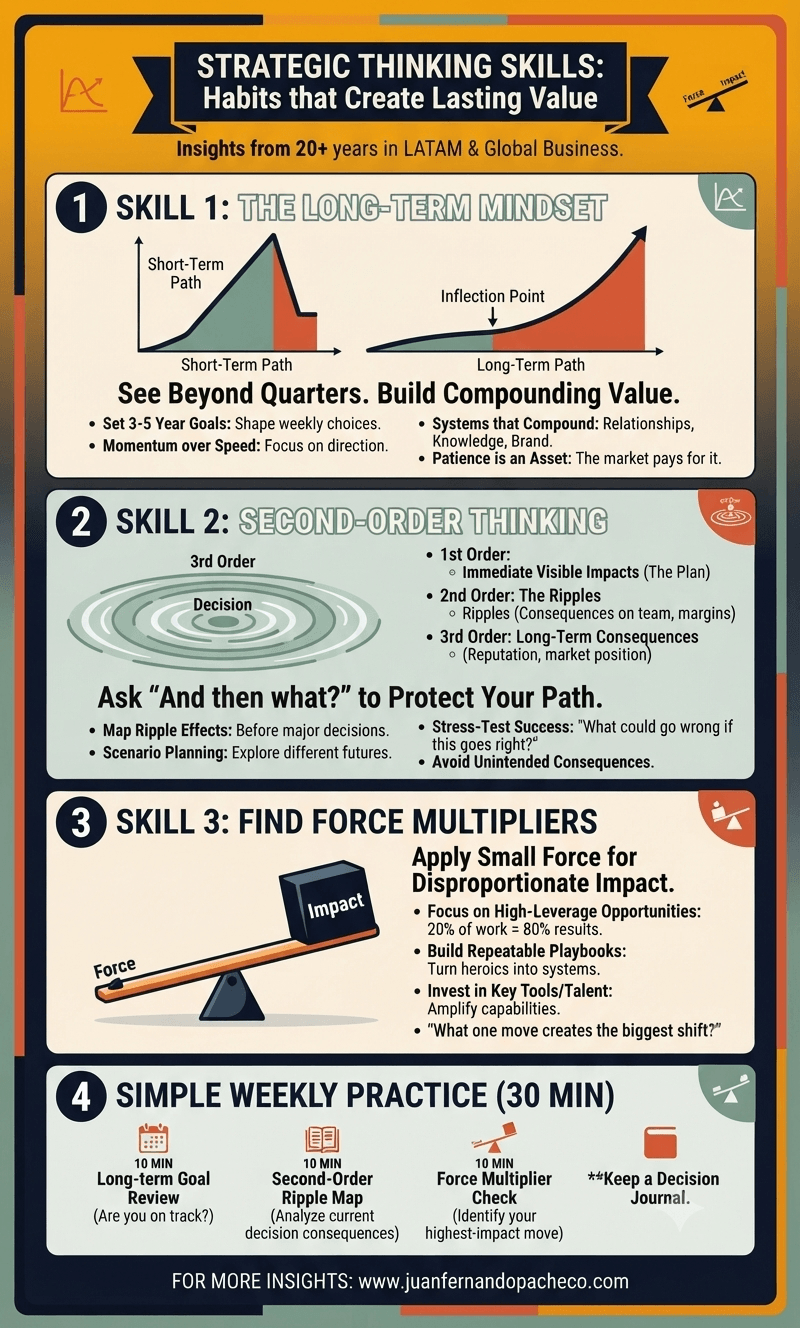
Strategy rarely fails for lack of analysis; it fails for lack of thinking discipline. This post breaks down the three skills that separate strategists from planners — long term mindset, second order thinking and the force multiplier — and shows how to apply them to deals, products and careers so the value compounds for years.
.](https://juanfernandopacheco.com/wp-content/uploads/2026/08/Influence-Skills-From-Insight-to-Action-for-Strategists.png)
Strategy fails more often in the room than in the analysis. This post breaks down the three influence skills — synthesis, storytelling and decision making — with practical habits that keep working no matter the year, the tool or the market.
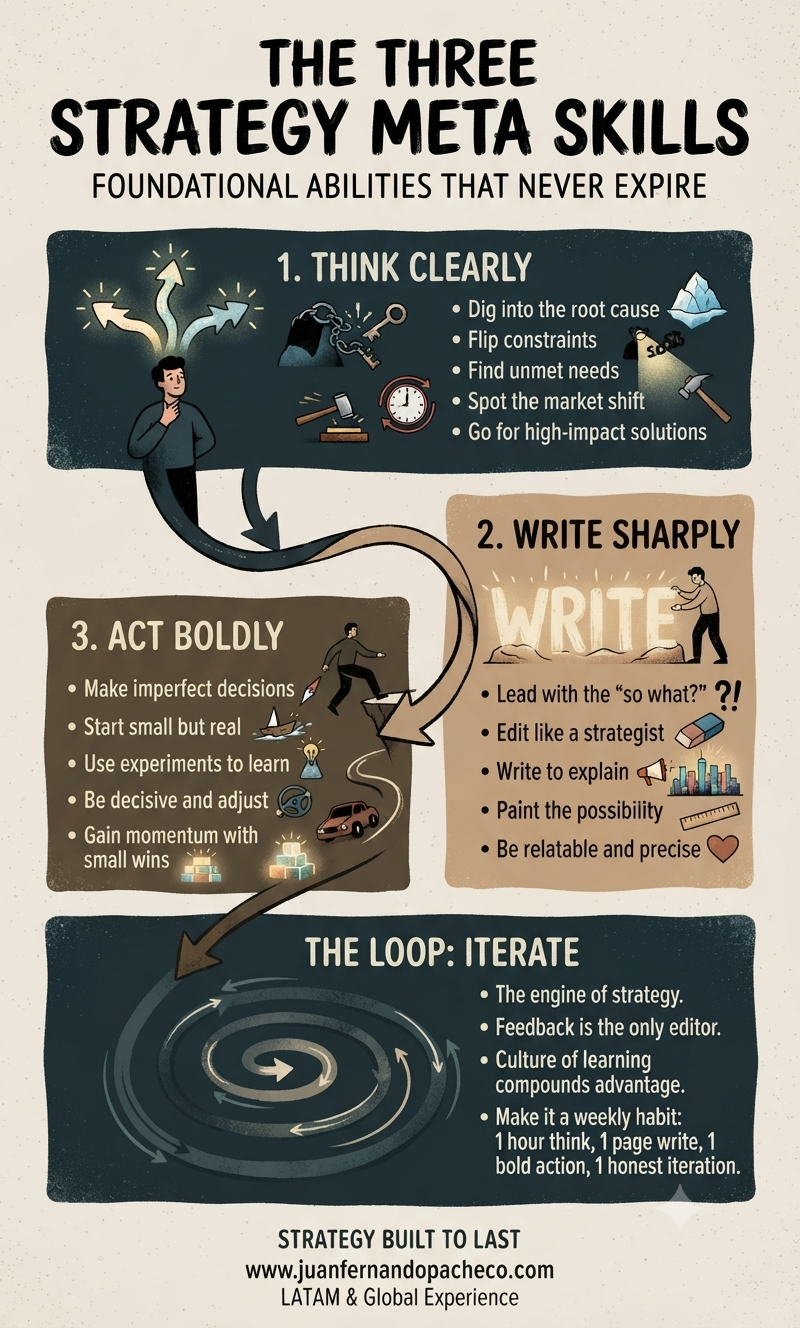
The three strategy meta skills that never expire. Most strategy fails quietly – fuzzy thinking, vague writing, hesitant execution. This post breaks down the three strategy meta skills (think clearly, write sharply, act boldly) and the iteration loop that turns them into a durable advantage, with lessons from two decades of product and deal leadership across Latin America.