
A high-stakes RFP demands more than a polished response document. It requires engineering, legal, and sales teams to operate as a single commercial unit from day one. This guide breaks down the frameworks, communication rhythms, and leadership decisions that turn fragmented departments into a unified deal-winning machine.
Tag: Innovation
Innovation is the practical implementation of ideas that result in the introduction of new goods or services or improvement in offering goods or services.
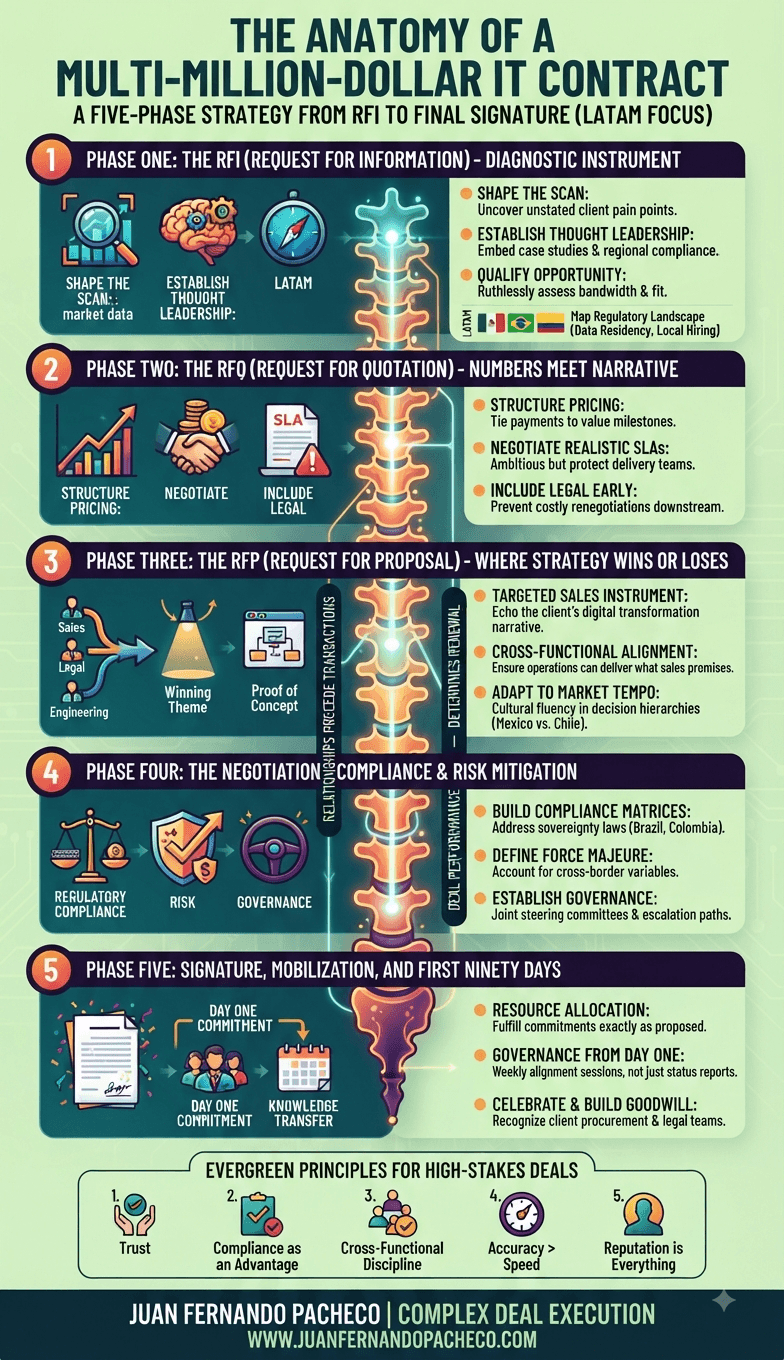
A multi-million-dollar IT contract never materializes overnight. It demands disciplined execution across every procurement phase, from the first RFI to the final ink on paper. This guide breaks down each stage through the lens of two decades closing complex deals across Latin America.
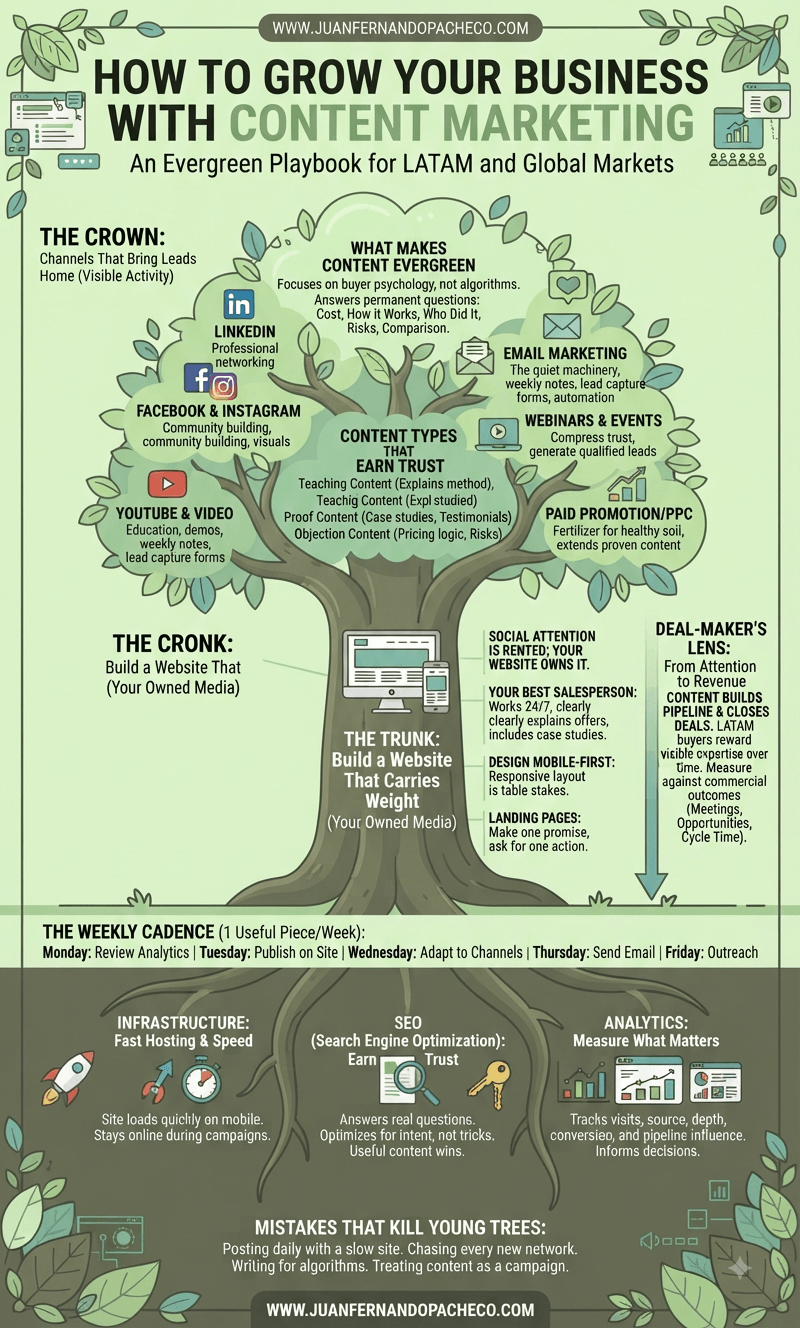
Content marketing works when you treat it as a system, not a lottery of posts. This playbook organizes the strategy into roots, trunk, and crown, so you can build growth that still pays you in five years.
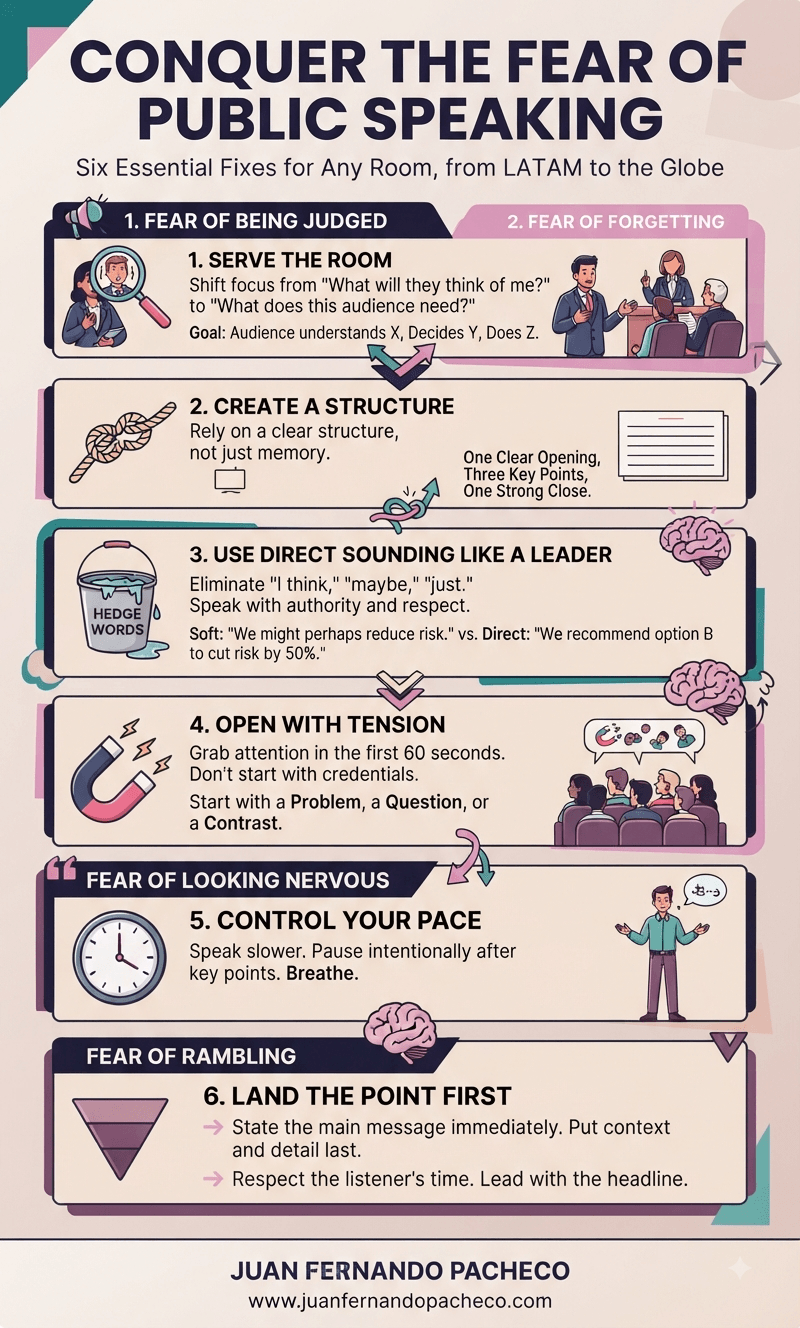
The fear of public speaking rarely comes from weakness; it comes from vague preparation. This post splits that fear into six specific worries and pairs each one with a concrete fix, so your next presentation, bid defense, or executive review starts strong and lands clean.
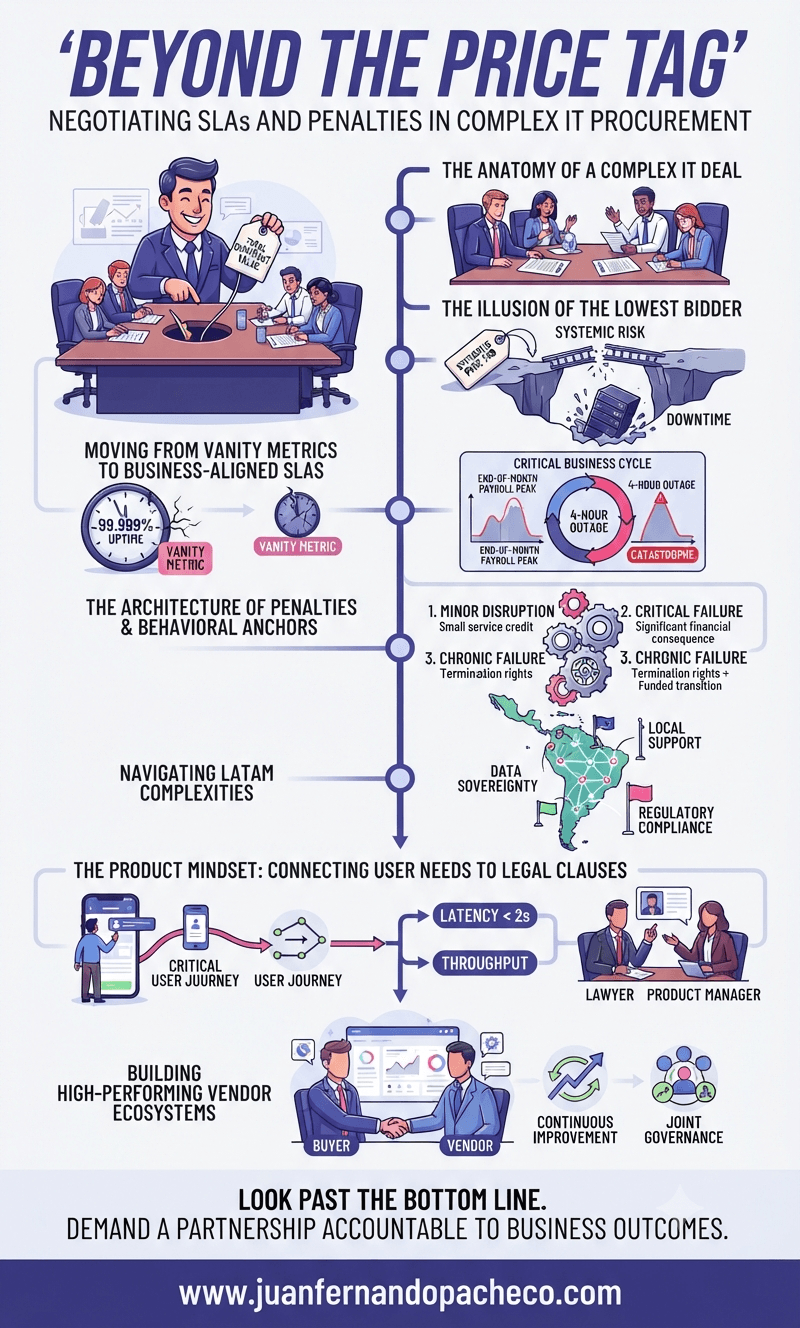
In high-stakes IT procurement, the initial price tag is merely the cost of entry. This guide explores how strategic leaders can negotiate SLAs and penalties that protect enterprise value, ensure regulatory compliance, and align vendor performance with actual business outcomes across complex markets.
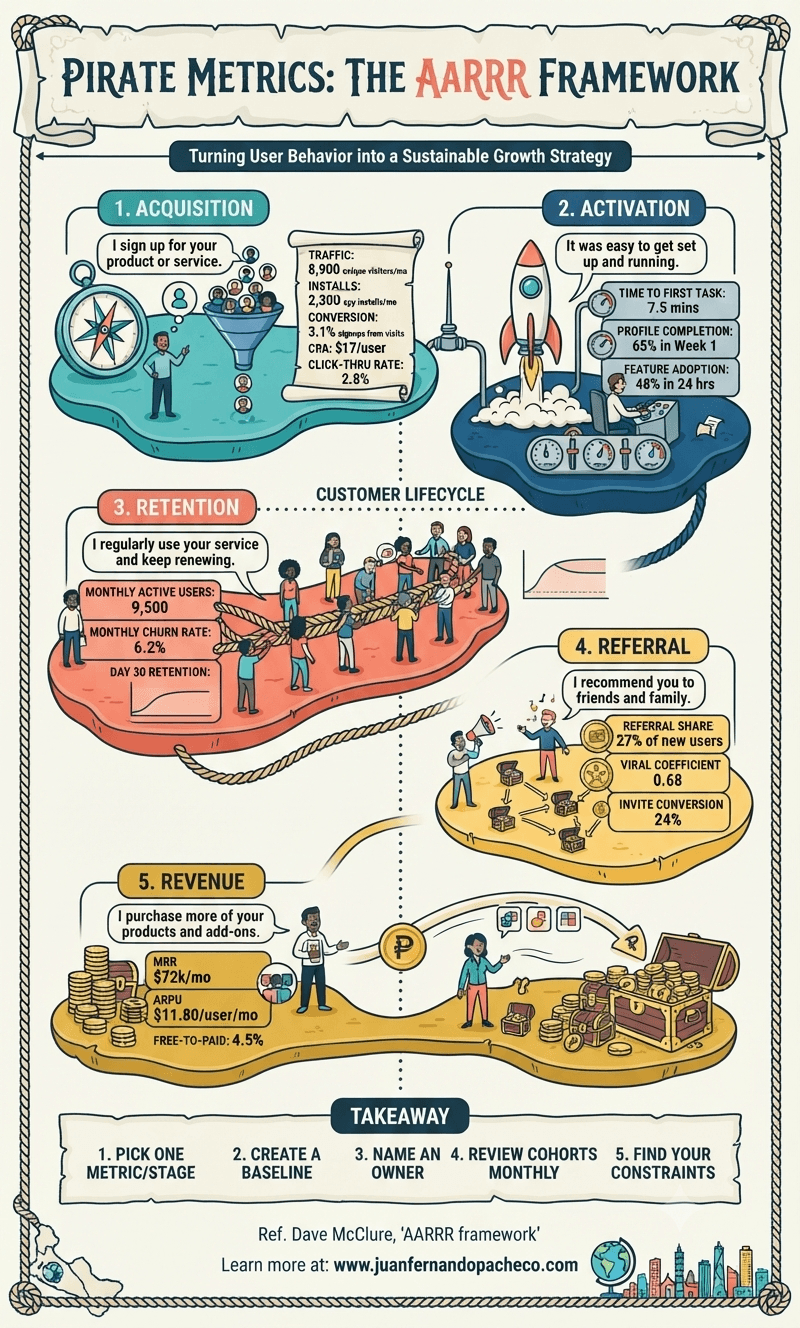
A practical, evergreen walkthrough of pirate metrics, the AARRR framework of acquisition, activation, retention, referral and revenue. It explains what to measure at each stage, how to read the numbers honestly, and how to use the lifecycle to find the real constraint in your growth model.
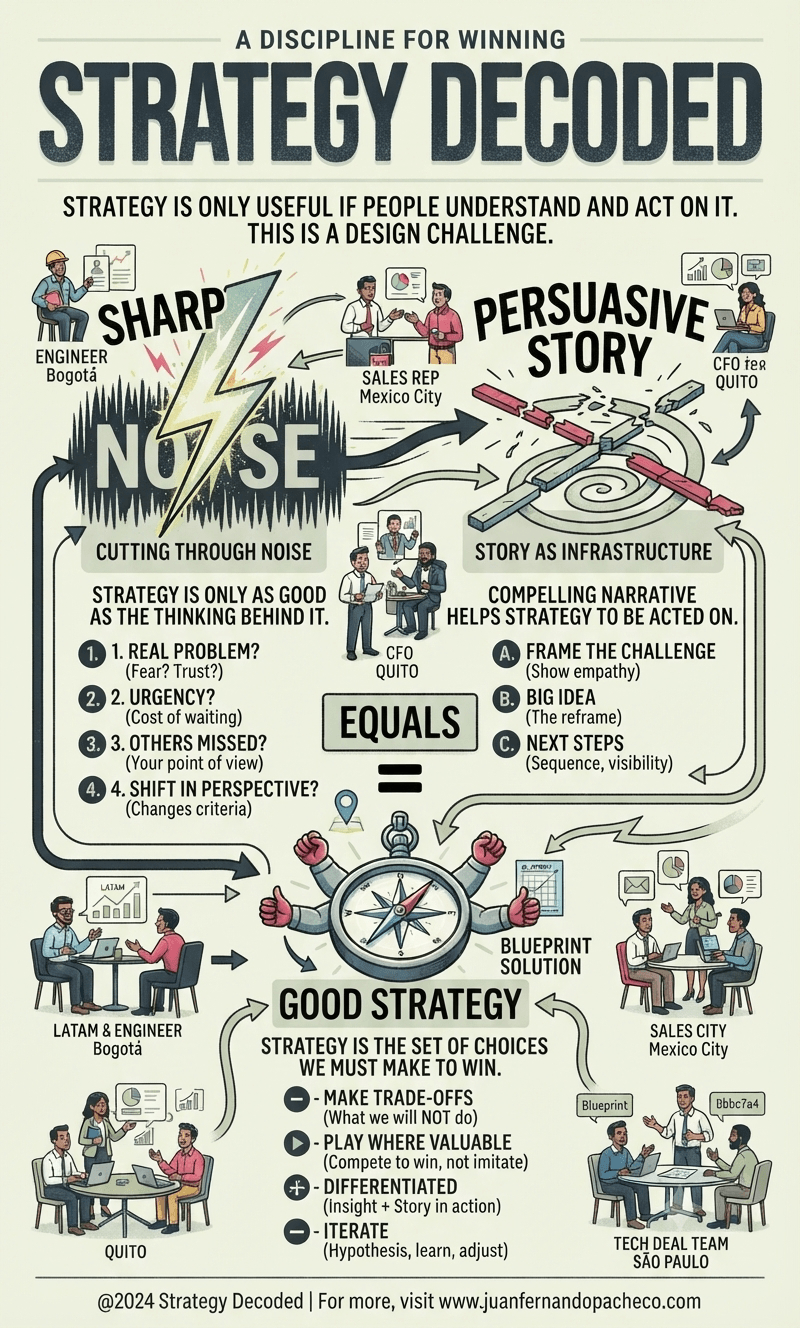
A good strategy is not a long document; it is a clear insight told as a persuasive story that people can actually act on. This post shows how to find what others miss, turn it into a message that sticks, and convert both into the choices that win deals, markets and careers.
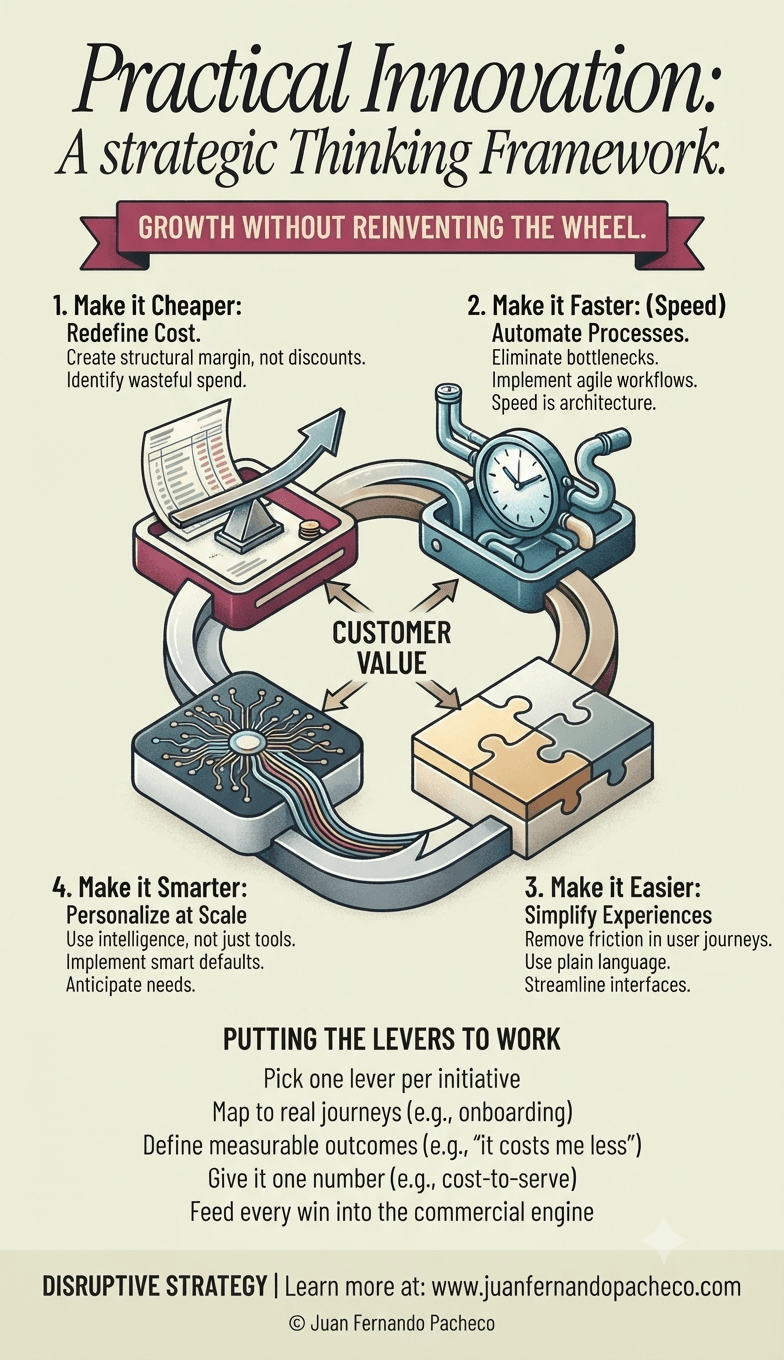
Lasting growth rarely arrives as a breakthrough; it arrives as a habit. This post breaks down the four levers of practical innovation — cheaper, faster, easier, smarter — and shows how to apply them to products, services and enterprise deals so the value keeps compounding for years.
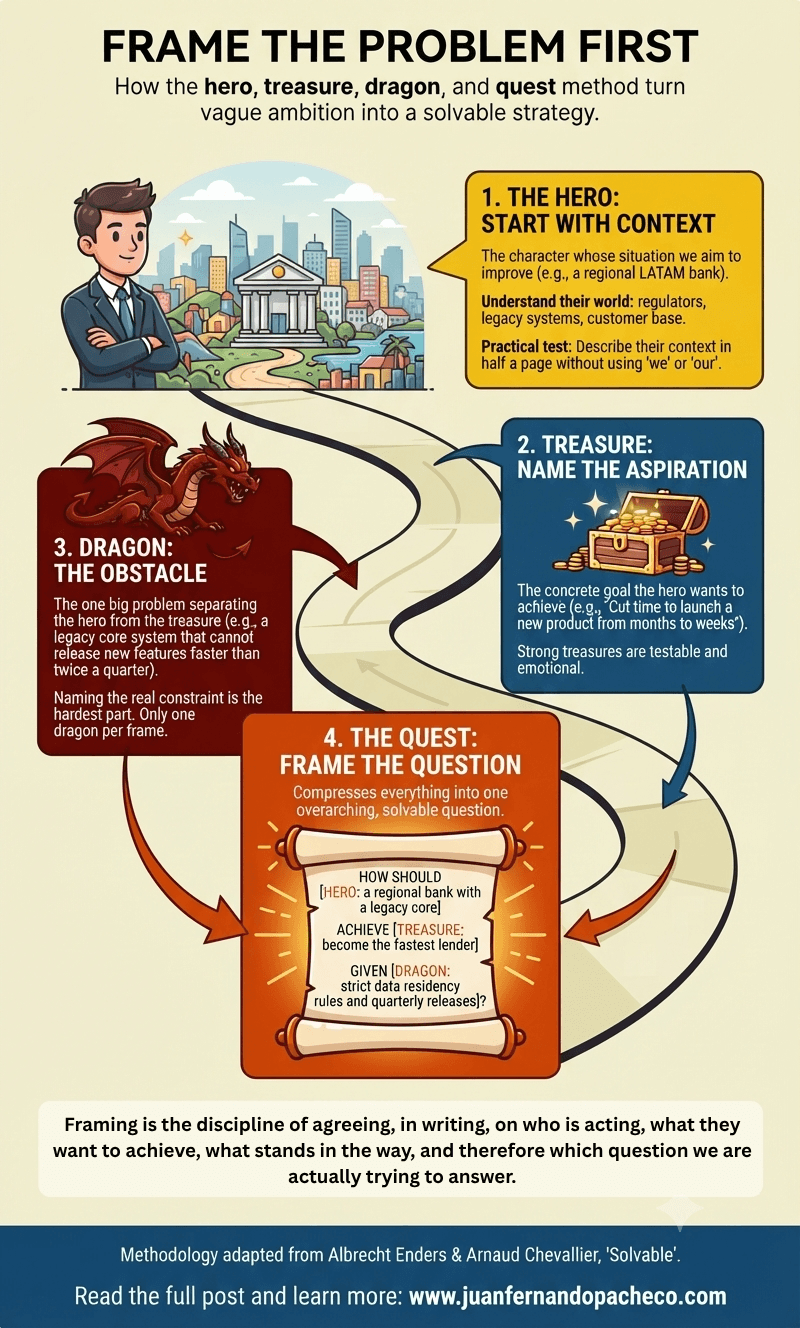
Most strategies and enterprise deals fail because teams rush to solve a problem nobody bothered to define. This post walks through a simple four part framing method (hero, treasure, dragon, quest) and shows how to apply it to products, sales deals and RFx processes so your effort always lands on the real issue.
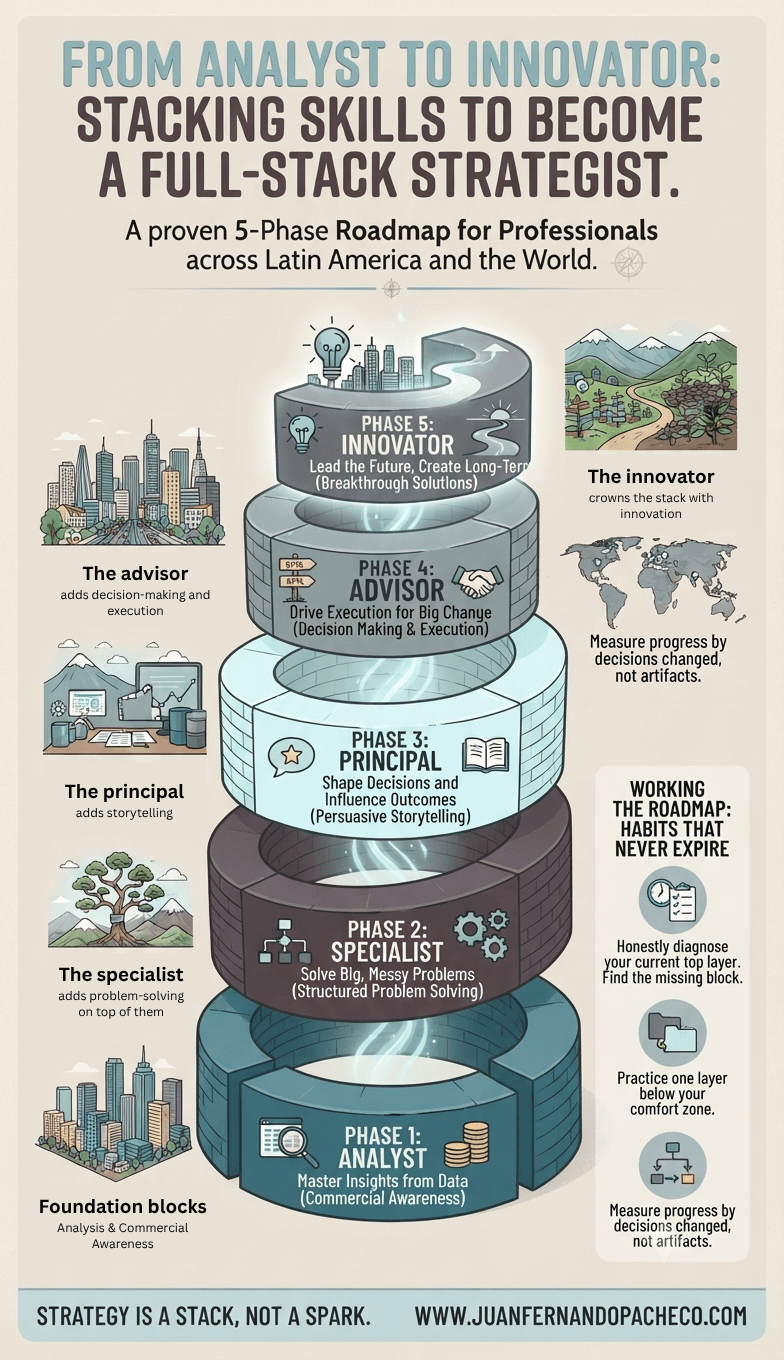
Strategy is not a title you are given; it is a stack of skills you build in a deliberate order. This post walks the five-phase roadmap — analyst, specialist, principal, advisor, innovator — and translates each layer into habits you can practice in any market, in any era.