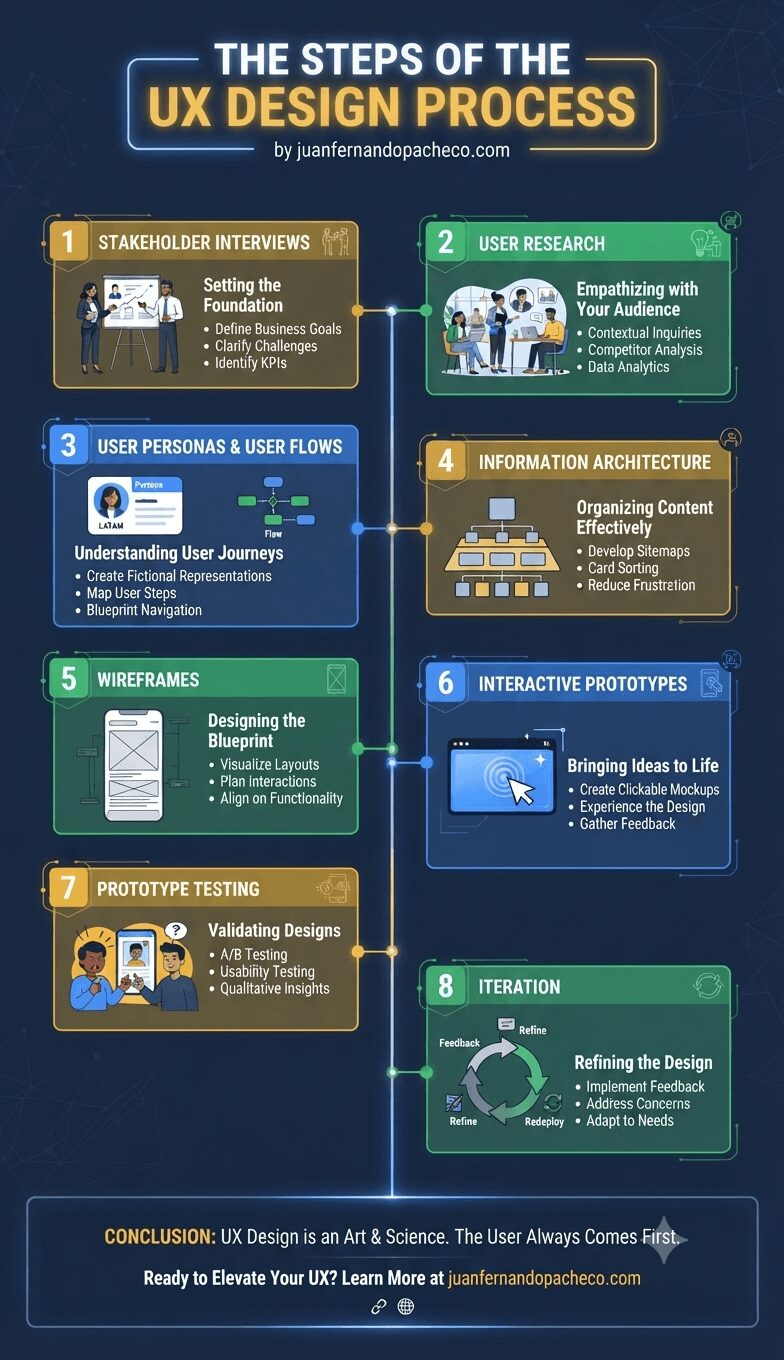
The UX design process is both an art and a science. By following these steps, you’ll create products that resonate with users and achieve business goals. Whether you’re designing a simple app or a complex enterprise platform, remember: the user always comes first.
Tag: User Experience
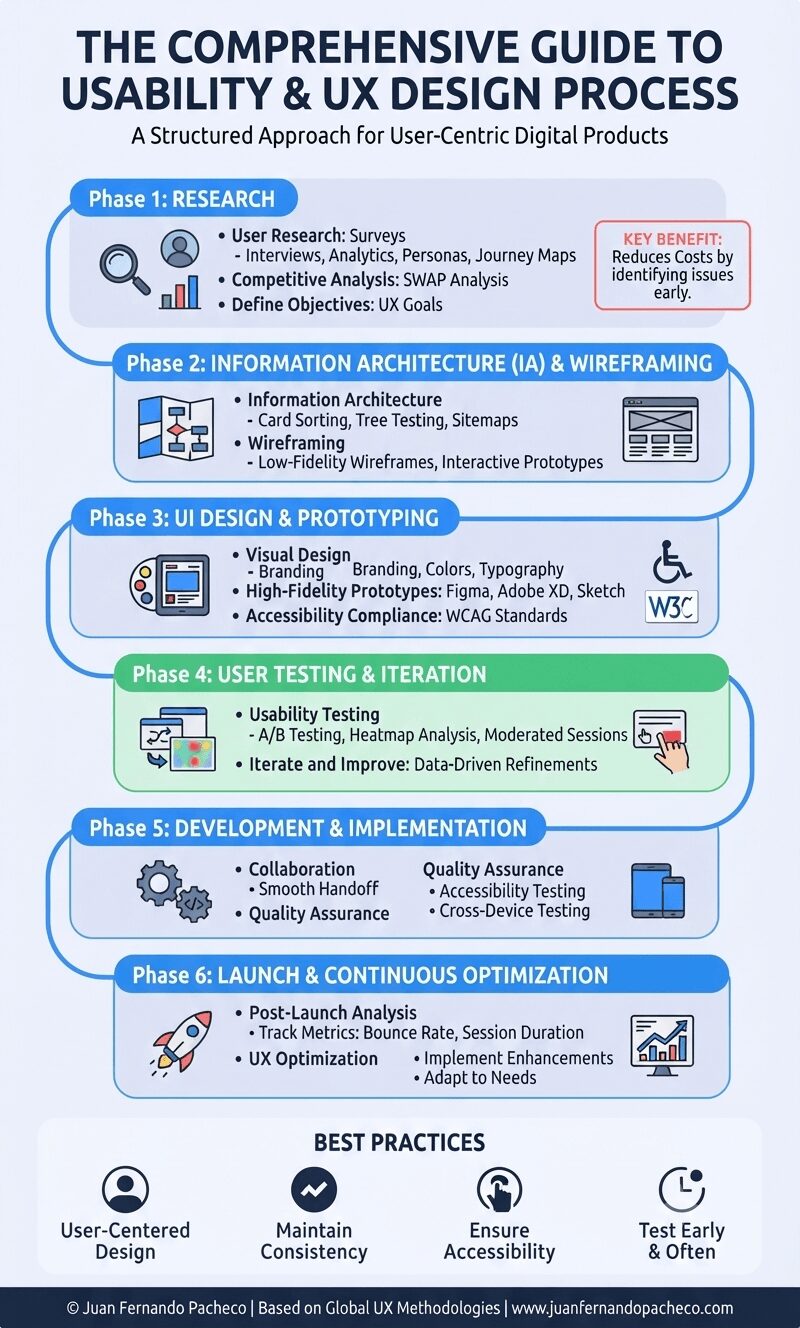
The UX design process is essential for creating user-friendly, effective digital experiences. By following structured methodologies, leveraging research, and continuously improving based on feedback, businesses can enhance user satisfaction and drive success.
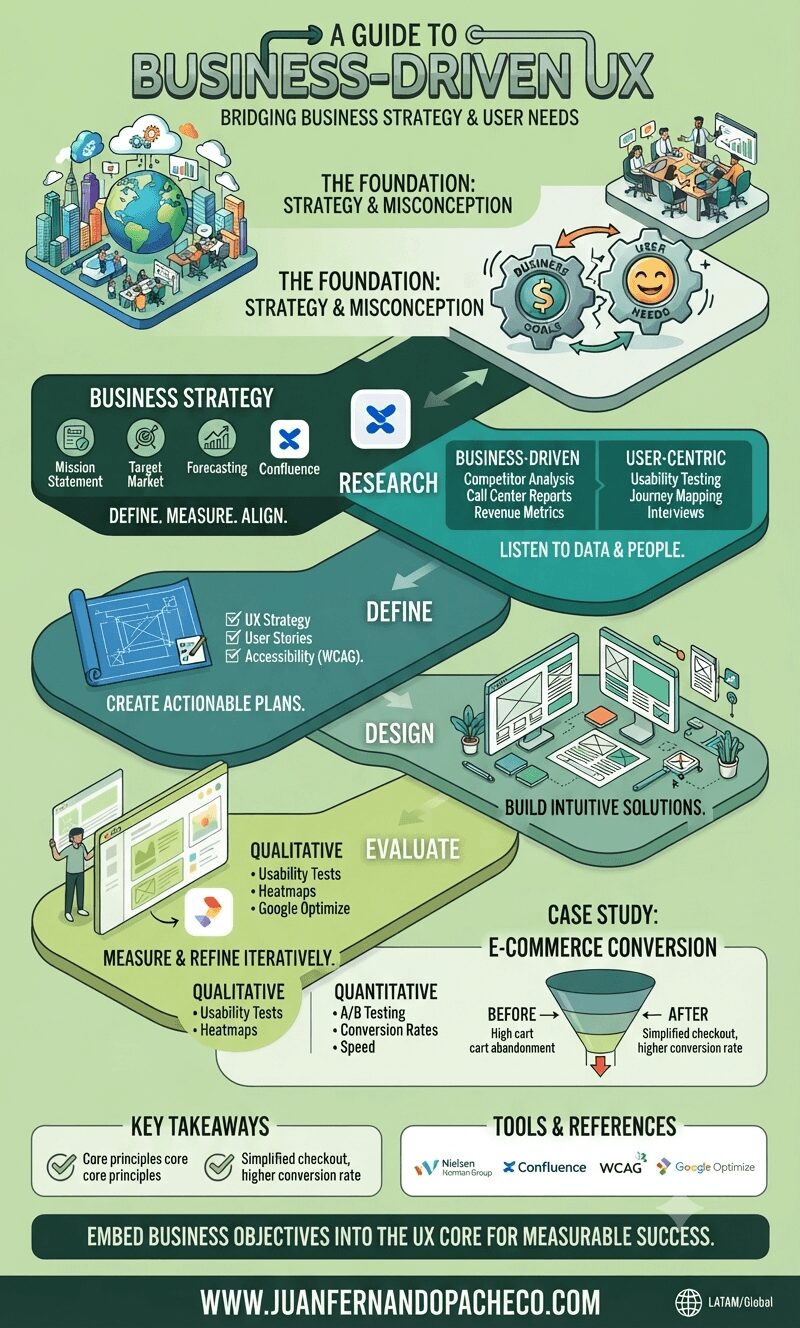
Connecting Business-Driven UX strategy with user needs
In the fast-evolving digital landscape, achieving an optimal user experience (UX) is no longer just about meeting user needs—it’s about aligning these needs with overarching business goals.
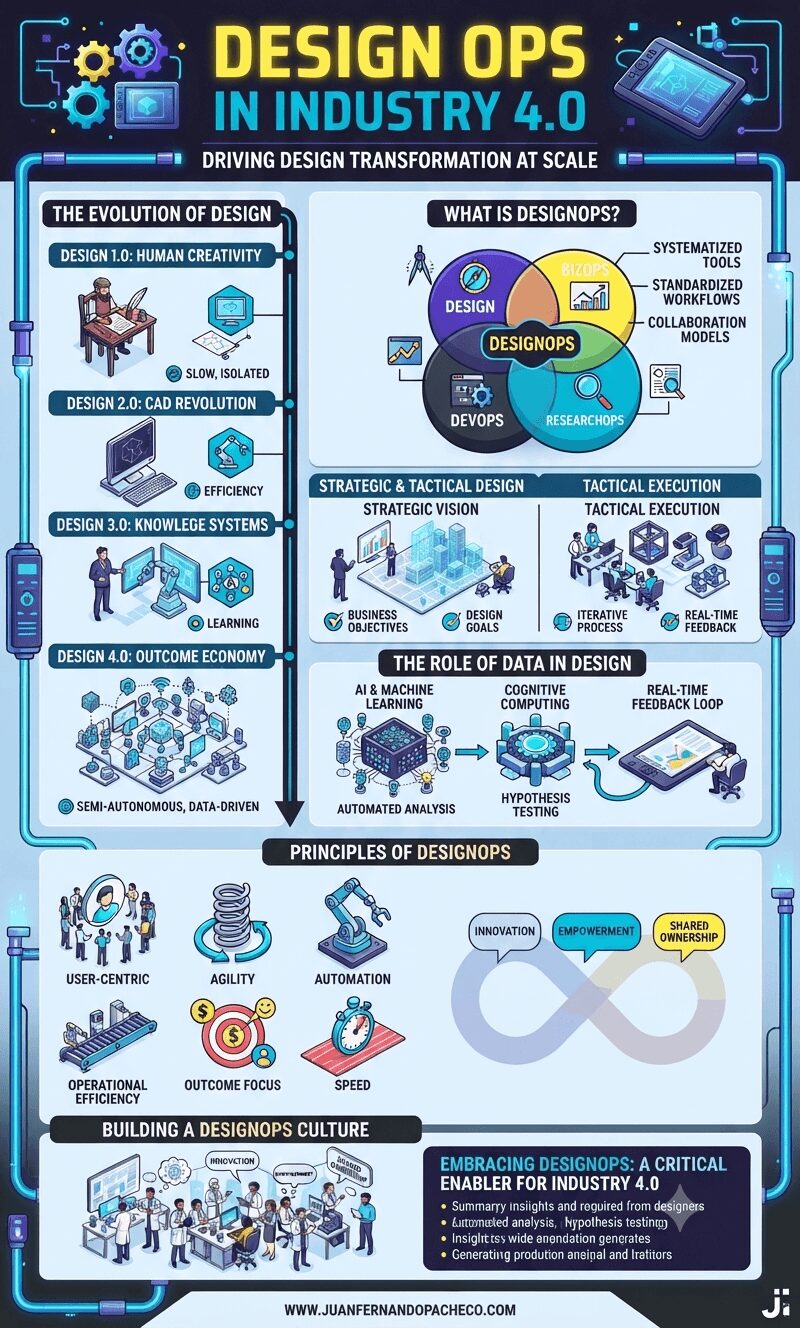
As organizations navigate the complexities of Industry 4.0, DesignOps emerges as a critical enabler of success. By operationalizing design, fostering collaboration, and leveraging data, companies can deliver innovative solutions at scale.
Embracing DesignOps is not just about optimizing processes; it’s about transforming how businesses think, design, and deliver value in a rapidly changing world.
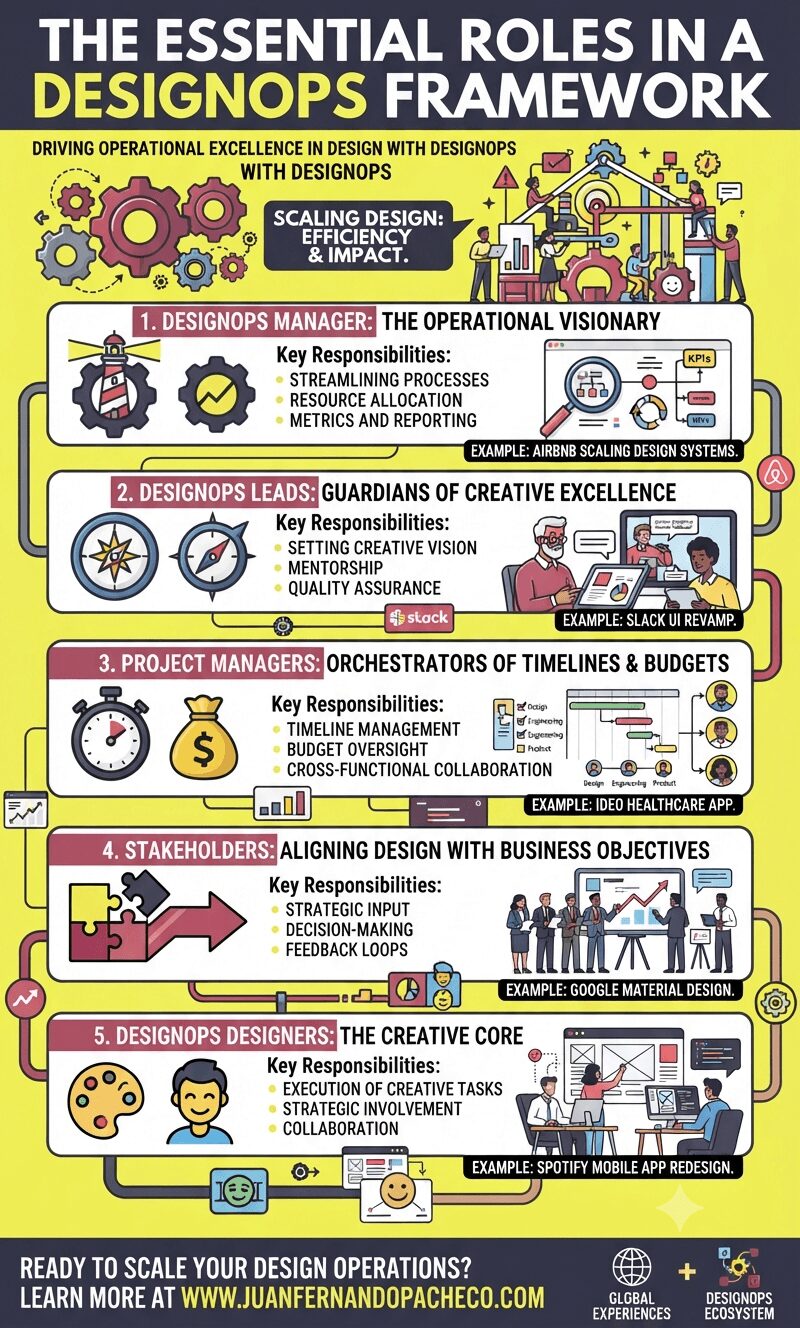
The rapid pace of digital transformation has propelled organizations to place greater emphasis on design as a strategic lever for innovation and customer satisfaction.
Yet, scaling design efforts across teams, tools, and workflows remains a formidable challenge. This is where DesignOps (Design Operations) emerges as a critical discipline, providing the scaffolding for designers to focus on what they do best: creating impactful experiences.
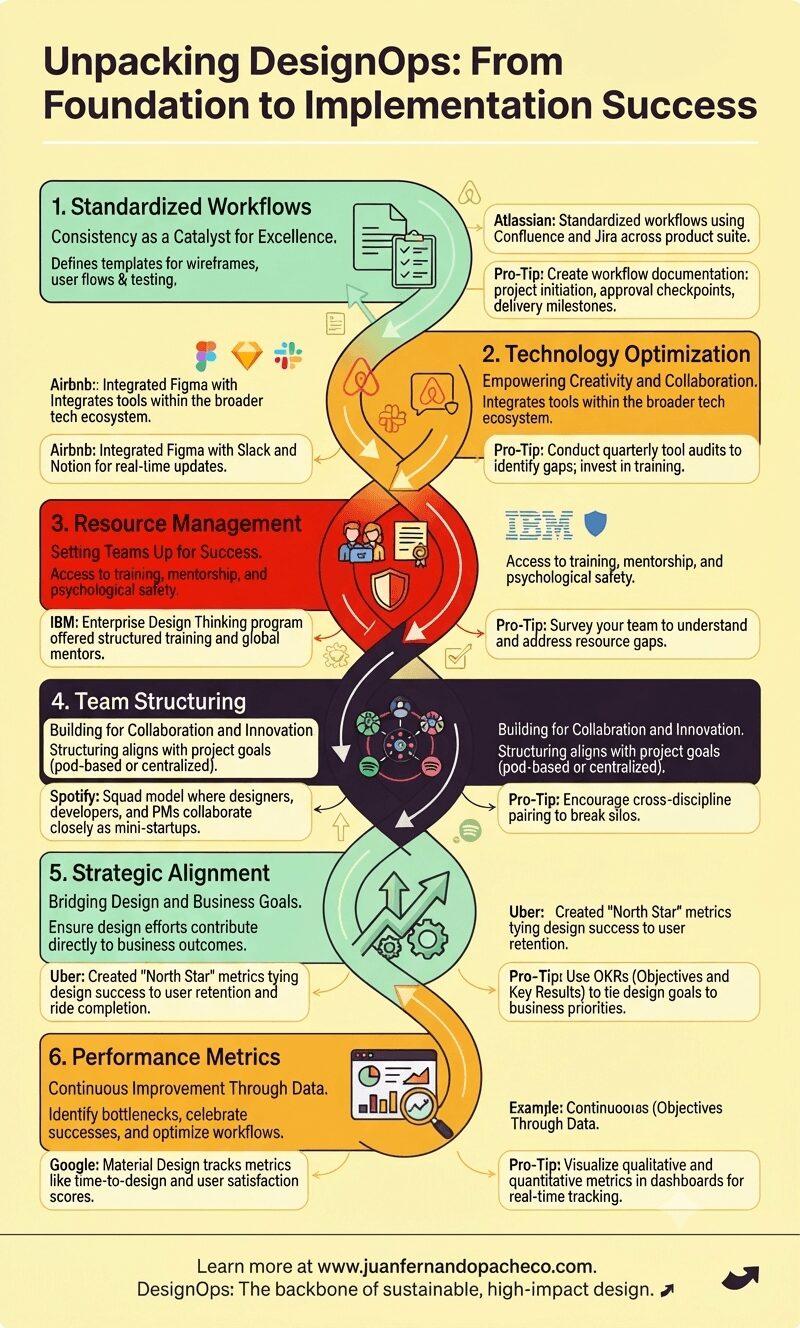
DesignOps isn’t just about scaling design; it’s about enabling designers to focus on what they do best: crafting exceptional user experiences.
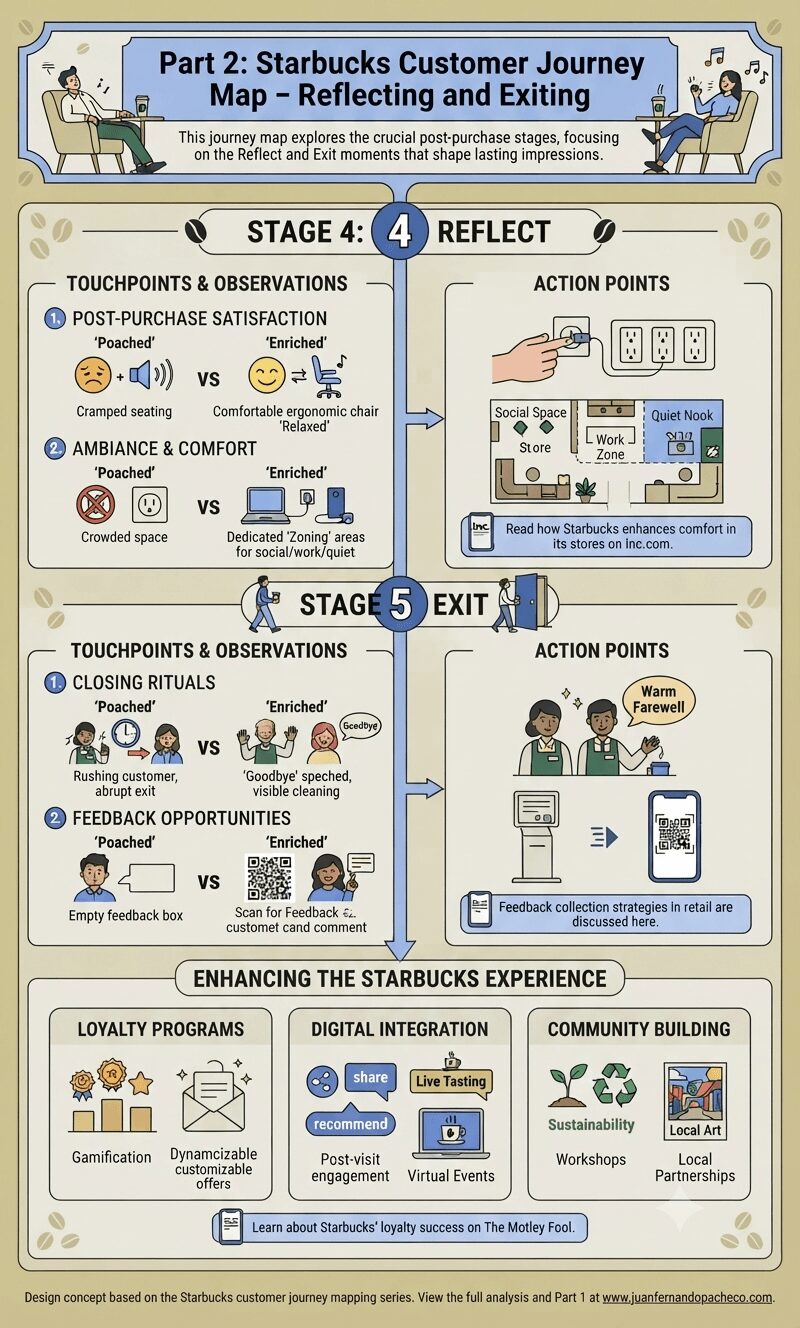
The second half of the Starbucks customer journey map focuses on post-purchase experiences, including the Reflect and Exit stages.
These stages are critical in leaving a lasting impression and influencing future visits.
Here, we delve into touchpoints, identify areas for improvement, and propose actionable strategies to ensure customer experience satisfaction remains high.
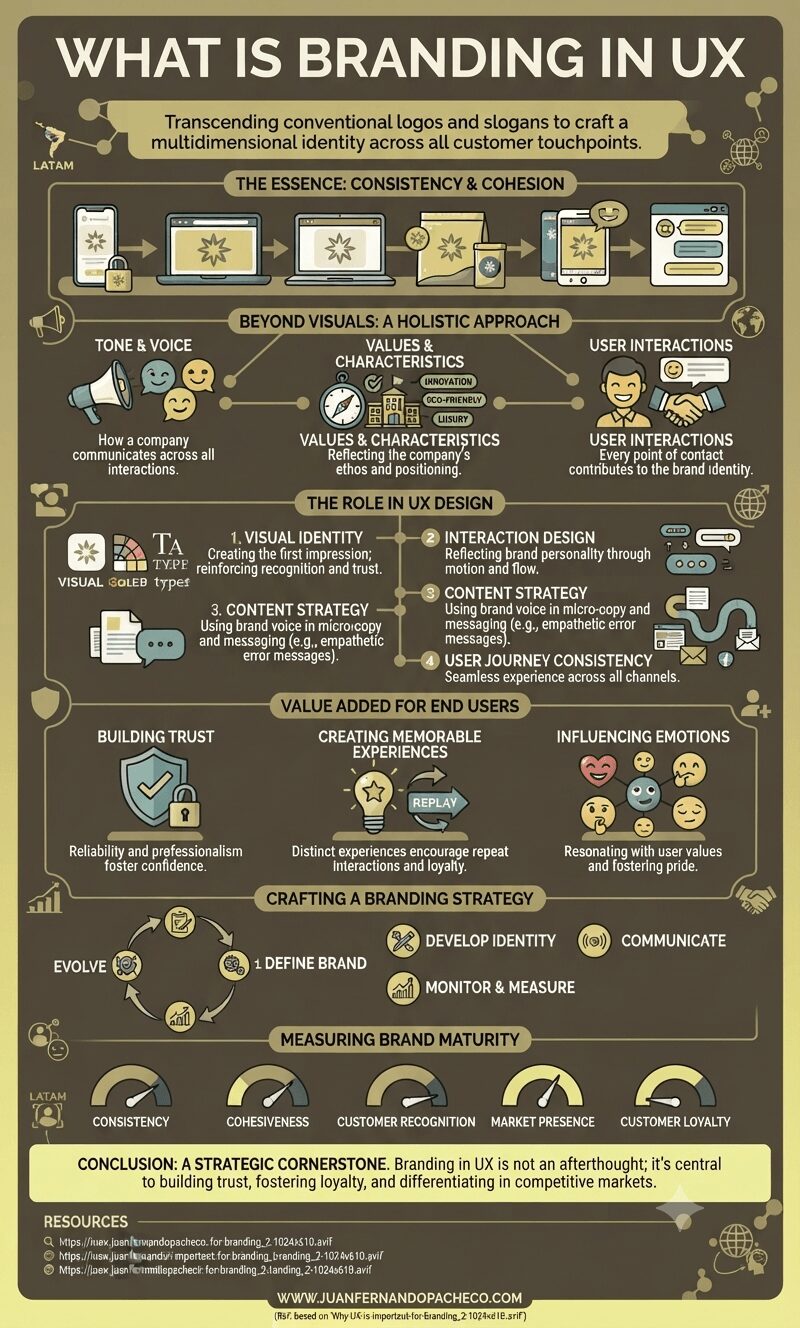
Branding from a UX perspective is a strategic endeavor that goes beyond visuals. It’s about creating a consistent, cohesive, and memorable experience that resonates with users at every touchpoint. By integrating branding into UX design, companies can build trust, foster loyalty, and differentiate themselves in competitive markets.
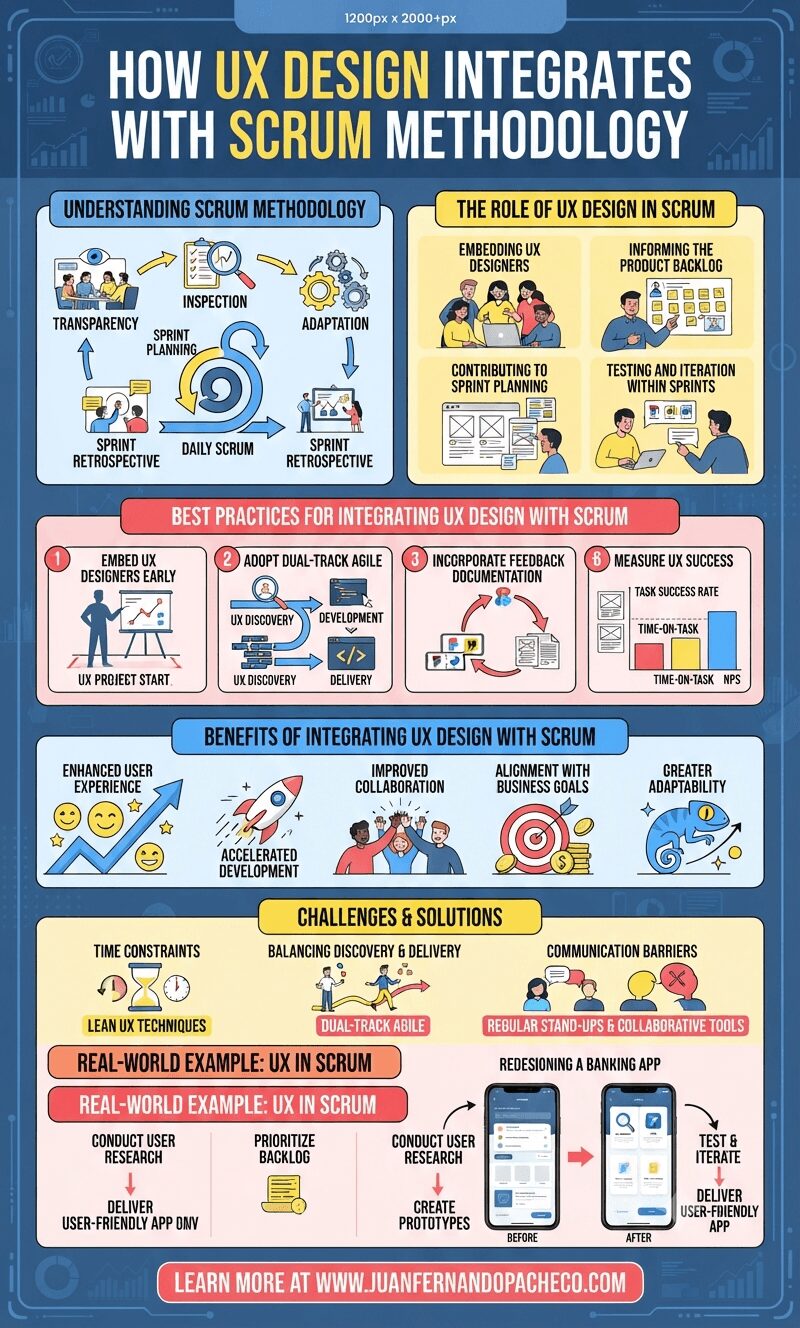
Integrating UX design into Scrum is more than a best practice; it’s a necessity for delivering products that resonate with users. By embedding UX designers in teams, leveraging agile design methods, and prioritizing user feedback, organizations can achieve faster development cycles, improved collaboration, and superior user experiences.
As the demand for user-centric products grows, mastering the integration of UX design with Scrum will remain a critical skill for successful product teams.
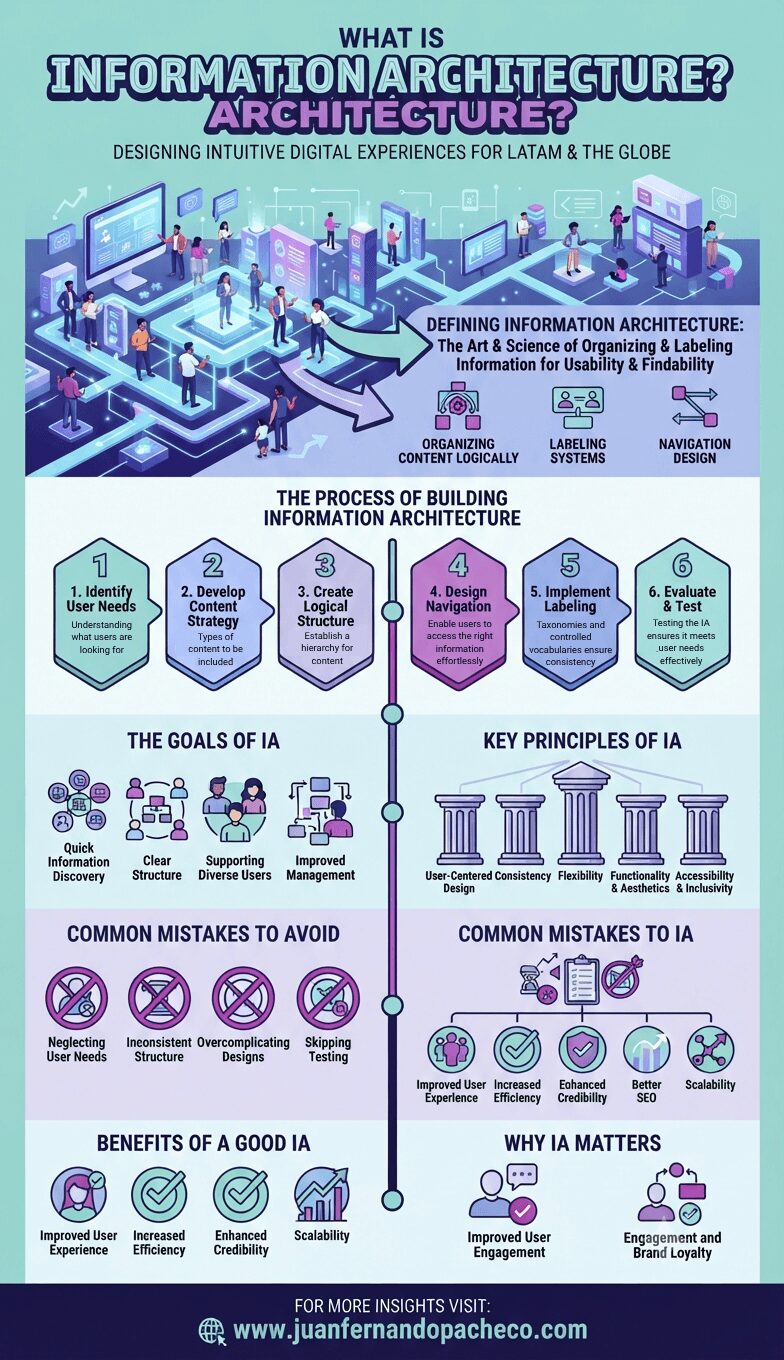
Information Architecture is much more than a technical discipline; it’s a thoughtful approach to creating digital environments that serve both users and organizations. By adhering to its principles, avoiding common mistakes, and continually evolving, designers and businesses can craft experiences that truly resonate.
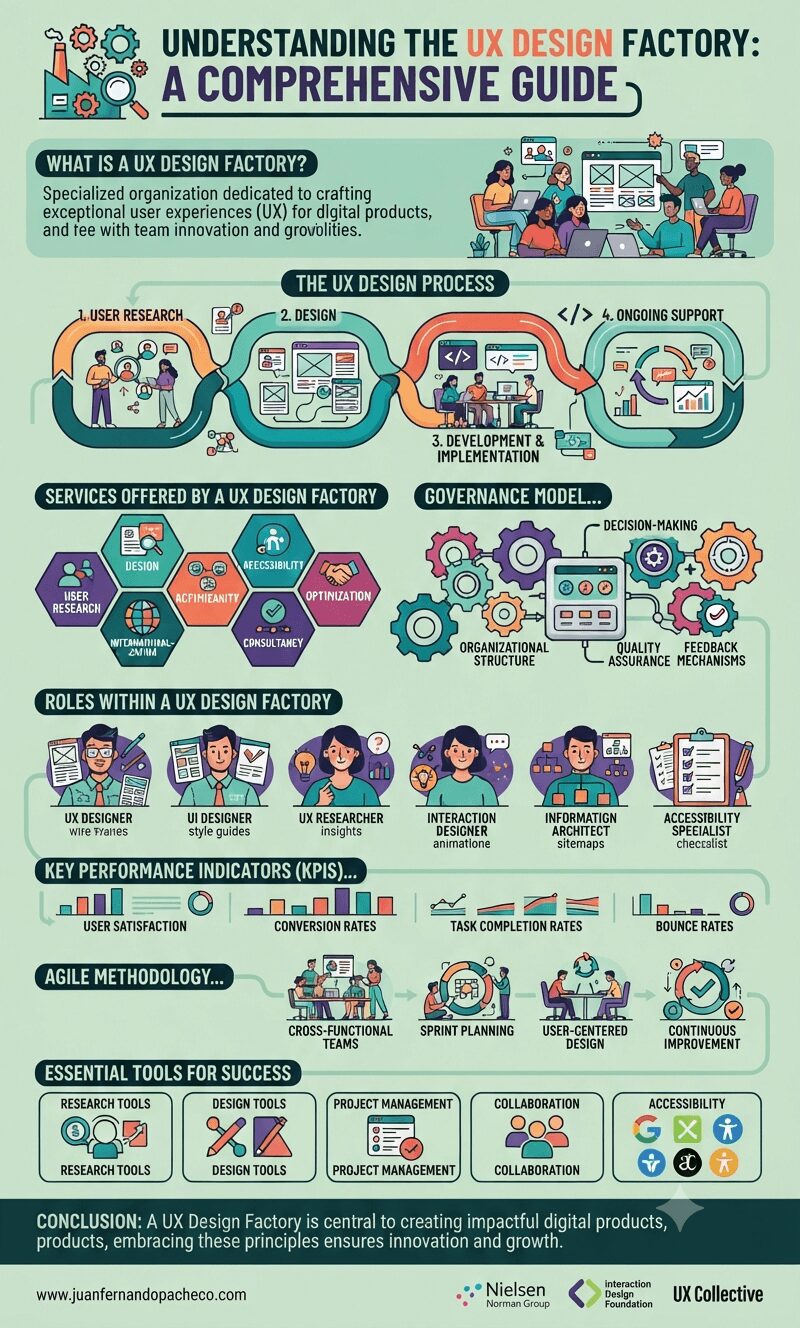
A UX Design Factory is a specialized organization dedicated to crafting exceptional user experiences (UX) for digital products such as websites, mobile applications, and software solutions.
Its primary objective is to help businesses create digital products that are intuitive, efficient, and enjoyable for their target audience.
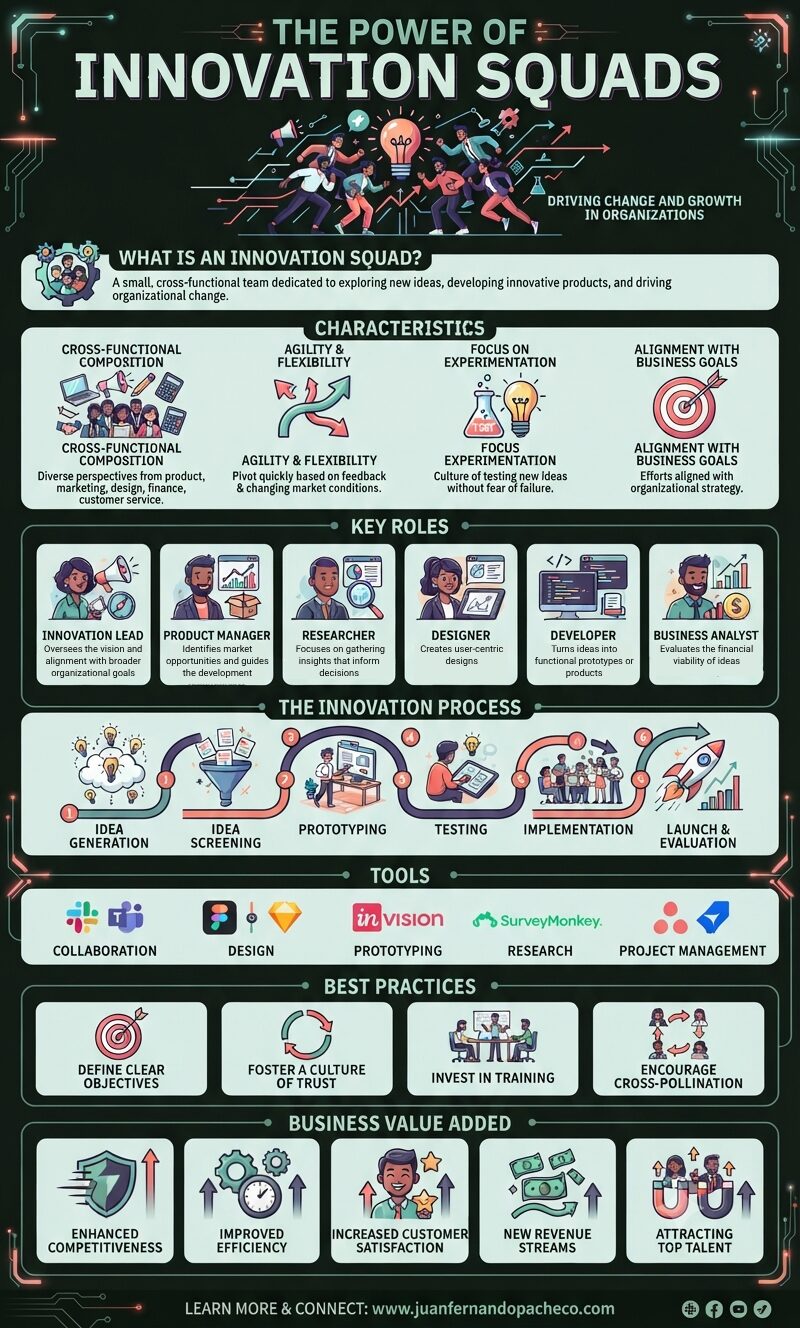
Innovation squads represent a transformative approach to problem-solving and growth in modern organizations. By embracing cross-functional collaboration and fostering a culture of trust and experimentation, companies position themselves to thrive amidst uncertainty.
As we venture into the future, nurturing environments that prioritize creativity and innovation will be pivotal to unlocking new opportunities and achieving sustained success.