the Affect Grid stands out as a robust framework.
This tool helps designers analyze and predict how users feel about a product or service, ensuring emotional resonance and an optimized user journey.
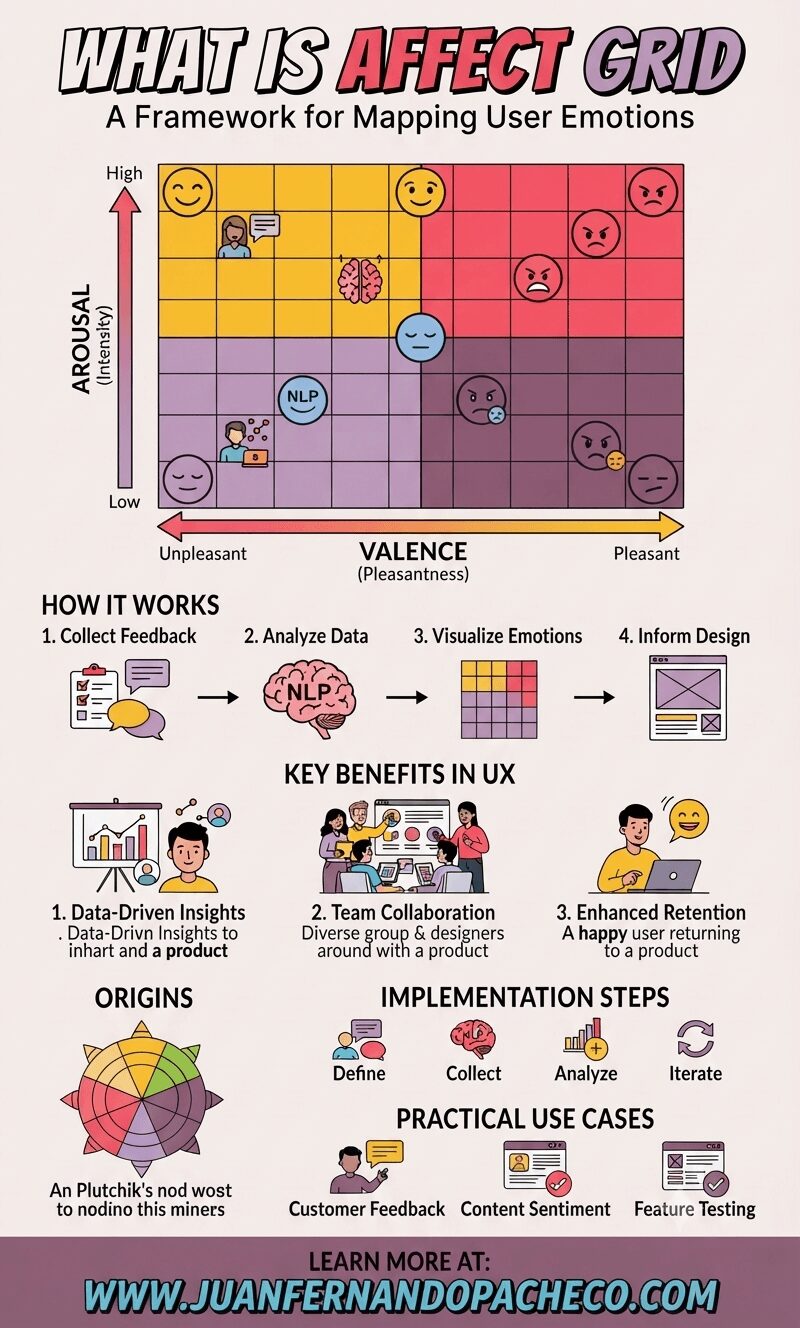
the Affect Grid stands out as a robust framework.
This tool helps designers analyze and predict how users feel about a product or service, ensuring emotional resonance and an optimized user journey.
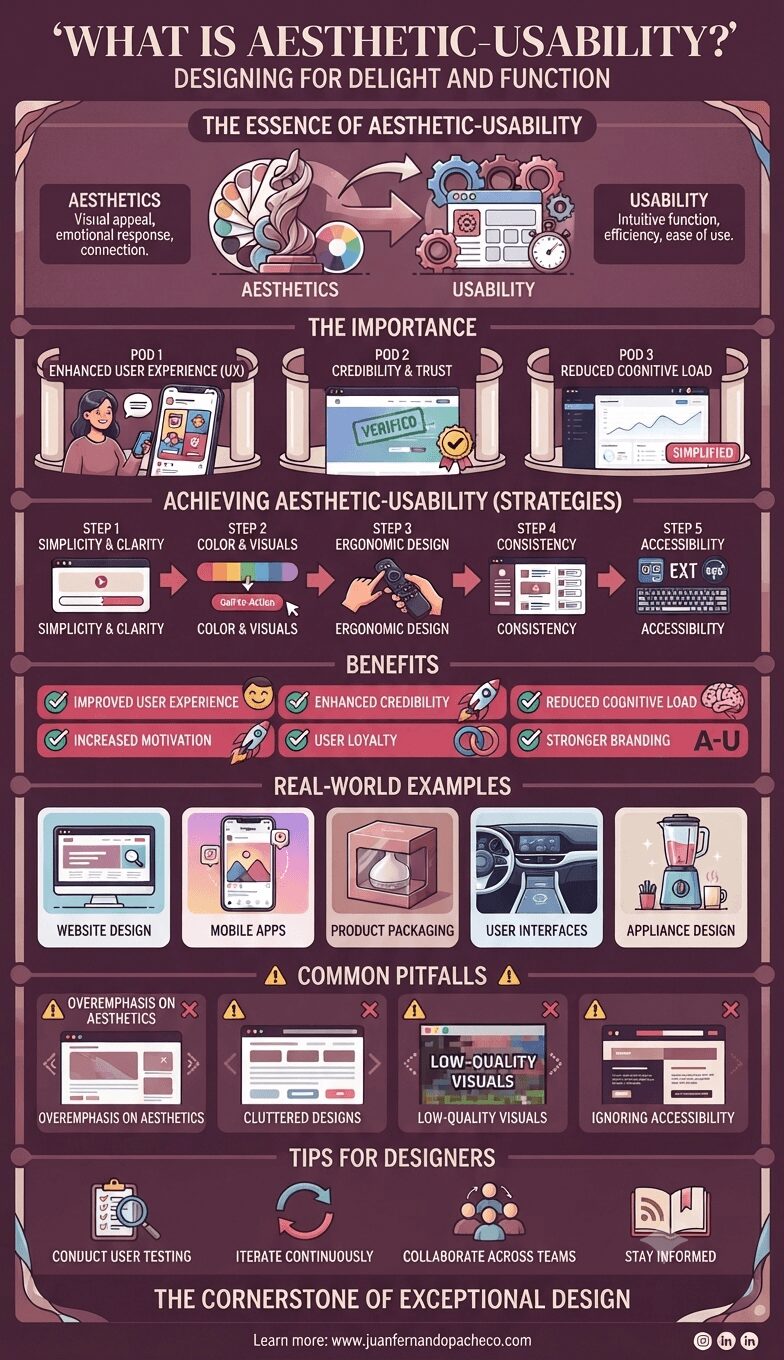
Aesthetic-Usability is a fundamental concept in user experience (UX) design, emphasizing that a product should be both visually appealing and easy to use.
Rooted in the idea that beauty can enhance functionality, aesthetic-usability plays a pivotal role in shaping how users interact with and perceive a product.
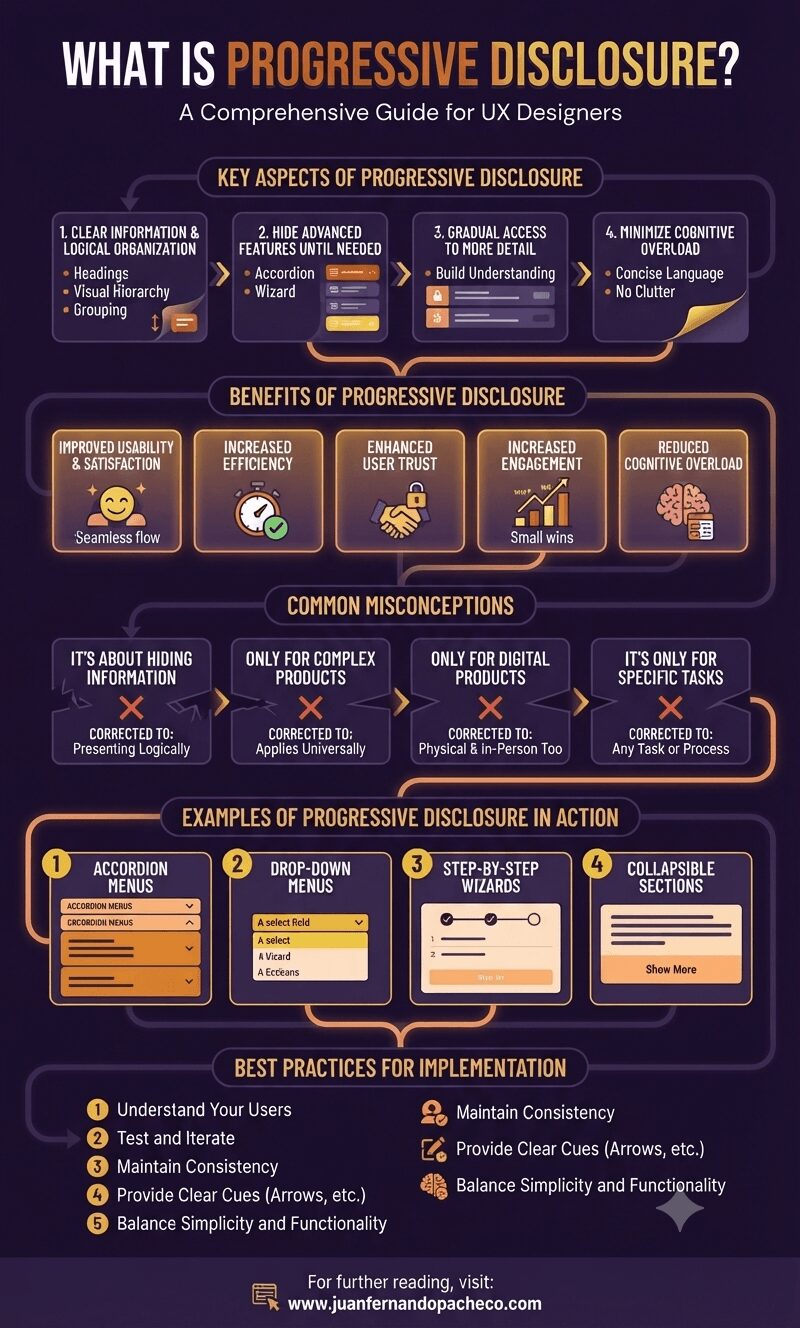
Progressive disclosure is a powerful design principle in user experience (UX) design, emphasizing the step-by-step presentation of information to reduce cognitive overload and enhance usability.
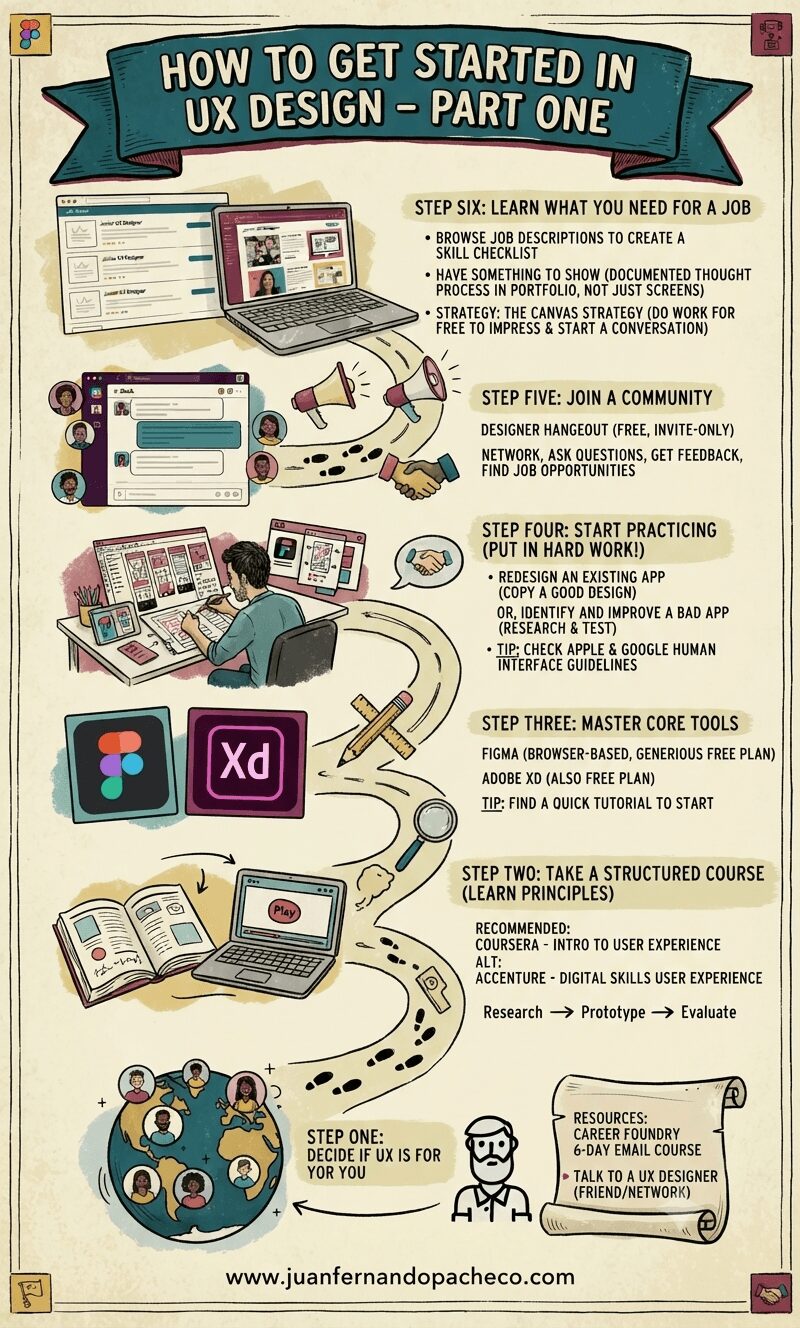
In this post, I’d like to share with you six simple steps for getting started in UX design.
In addition, I’m going to tell you the lessons I learned from it so you can avoid making the same mistakes.
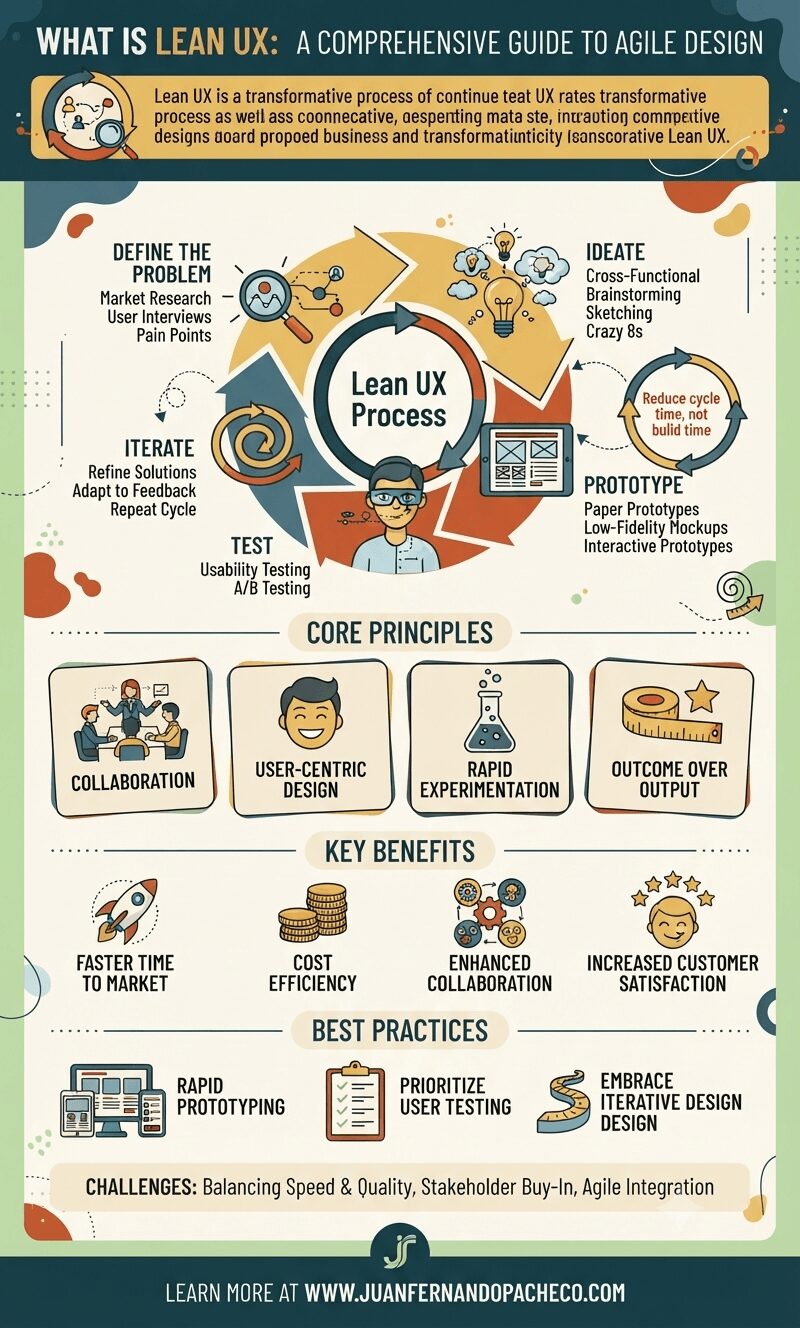
Lean UX, a methodology rooted in these principles, has emerged as a transformative approach to creating user-centric products efficiently.
By focusing on collaboration, rapid experimentation, and iterative processes, Lean UX addresses the dynamic needs of modern businesses and users alike.
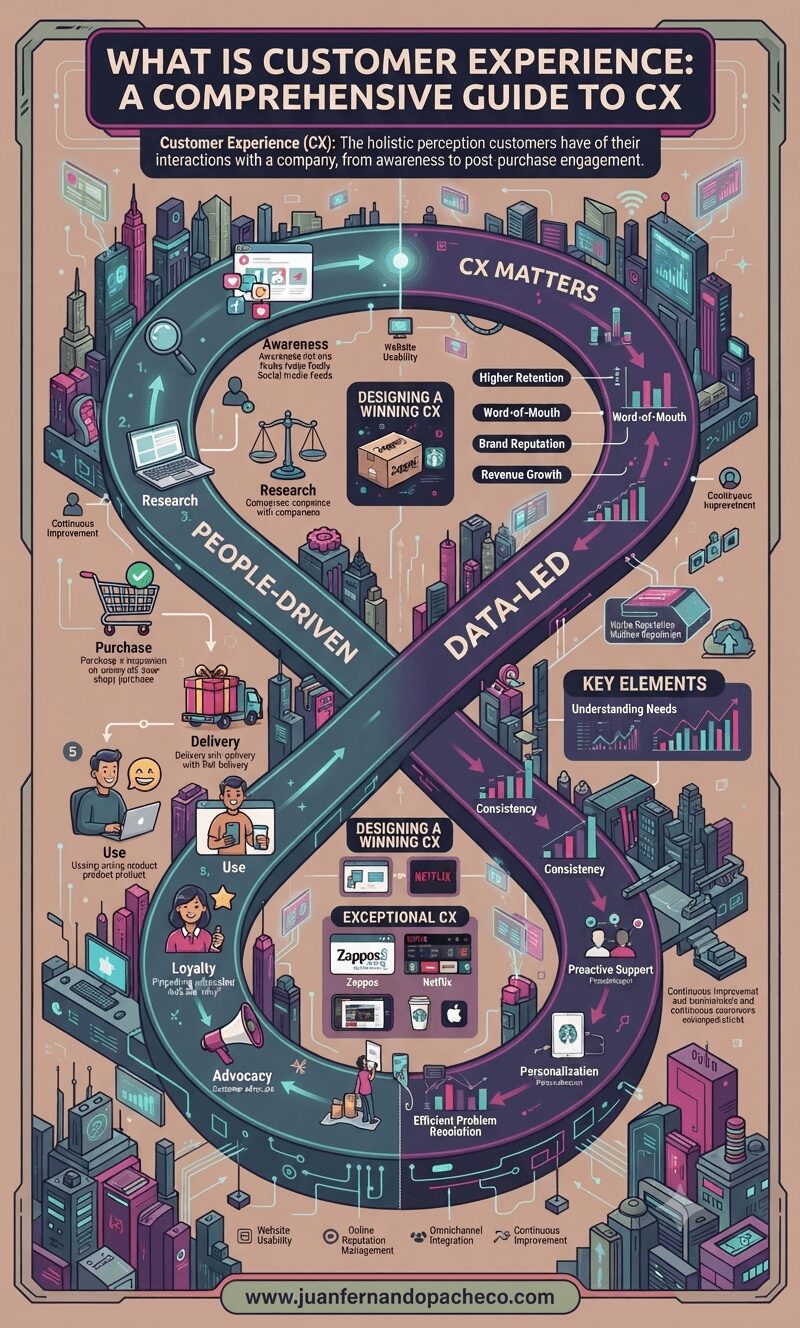
Customer experience is the cornerstone of modern business success. By understanding customer needs, delivering consistent and personalized interactions, and continually optimizing the journey, companies can foster long-term loyalty and differentiate themselves in the marketplace.Investing in customer experience isn’t just a trend; it’s a strategic imperative that drives growth, retention, and brand advocacy. Start focusing on CX today, and your business will reap the rewards for years to come.
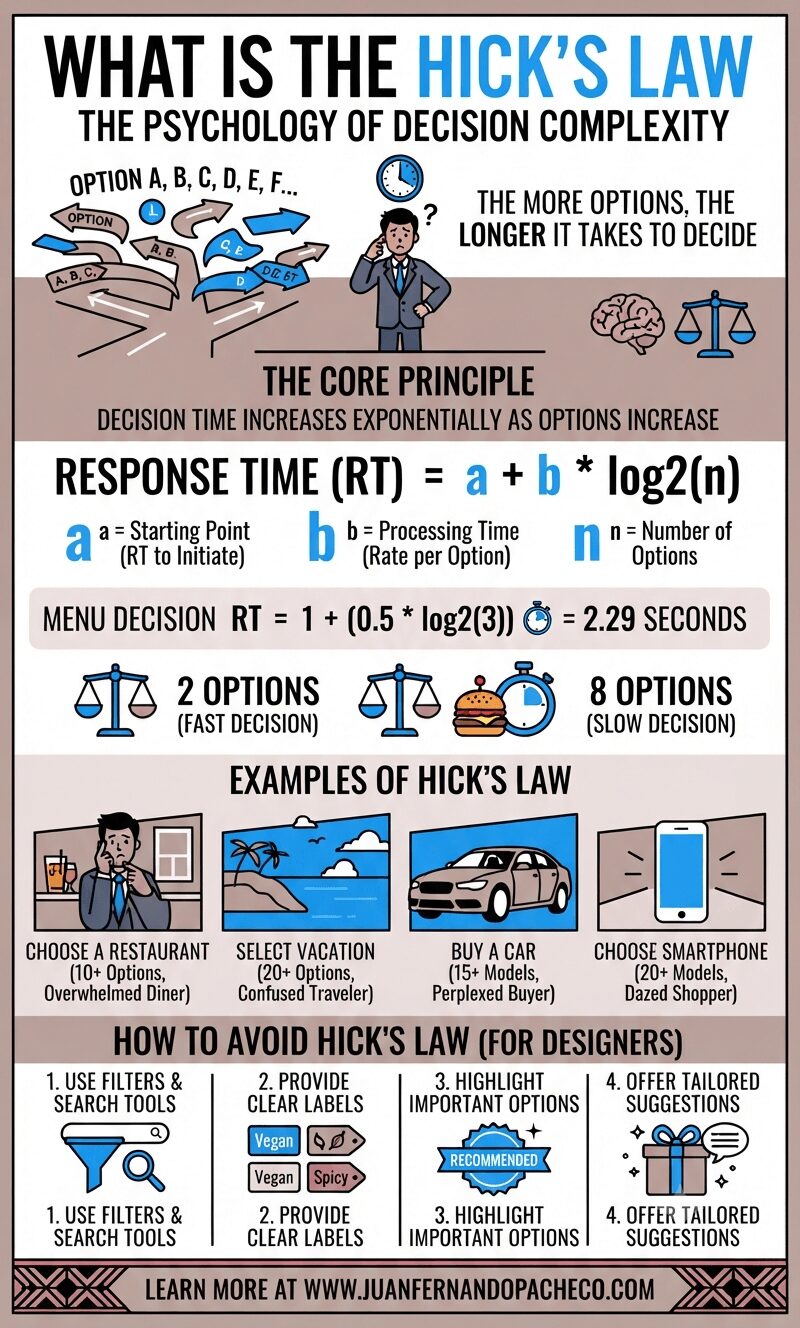
Hick’s law, also known as the Hick-Hyman law, is a psychological principle that describes the relationship between the complexity of a decision and the time it takes to make that decision.
The law states that the more options a person has to choose from, the longer it will take them to make a decision.
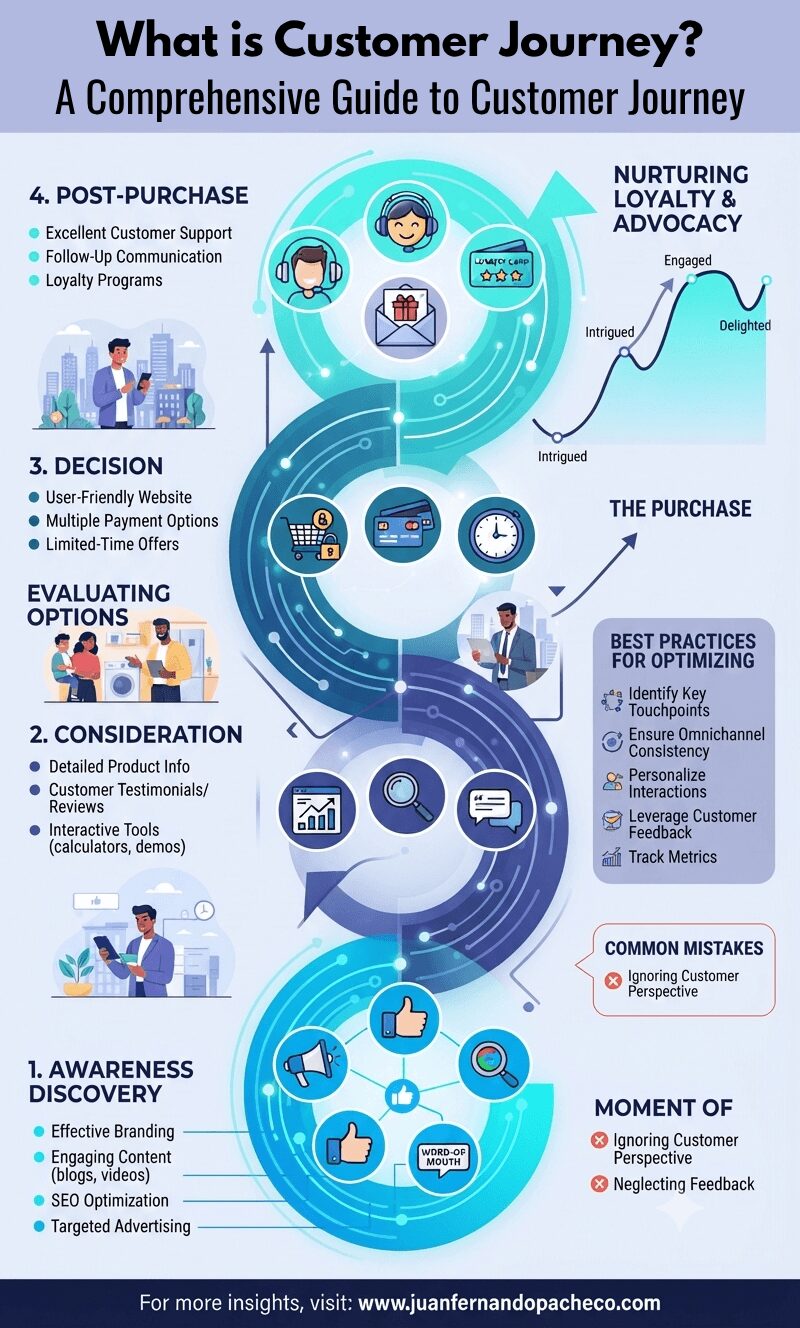
Understanding and optimizing the customer journey is a powerful way to build stronger relationships, enhance customer satisfaction, and drive revenue growth. By addressing customer needs at every stage and avoiding common pitfalls, businesses can create experiences that resonate with their audience and inspire loyalty.
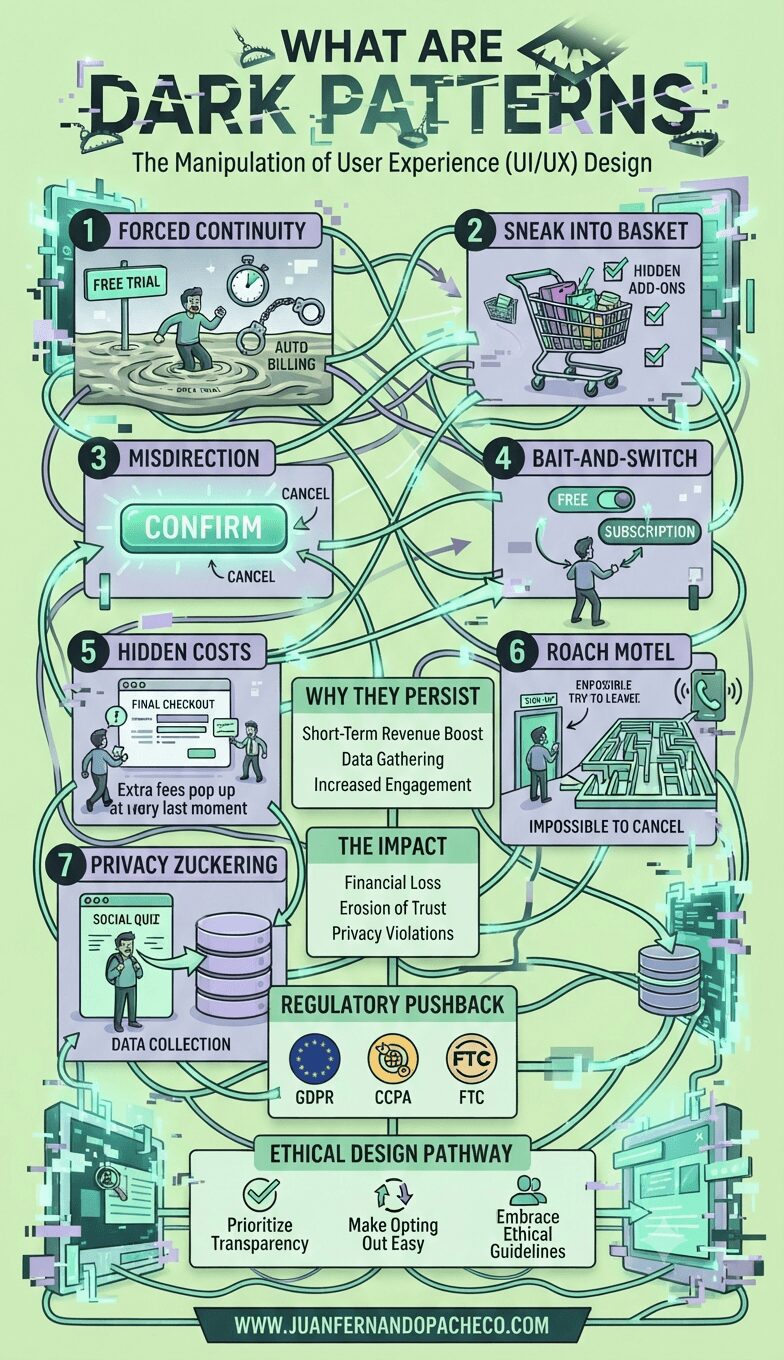
Dark patterns represent the darker side of design, exploiting user vulnerabilities for profit. While effective in the short term, they erode trust, invite regulatory scrutiny, and harm users. By embracing ethical design principles, businesses can foster loyalty, build sustainable relationships, and lead with integrity.
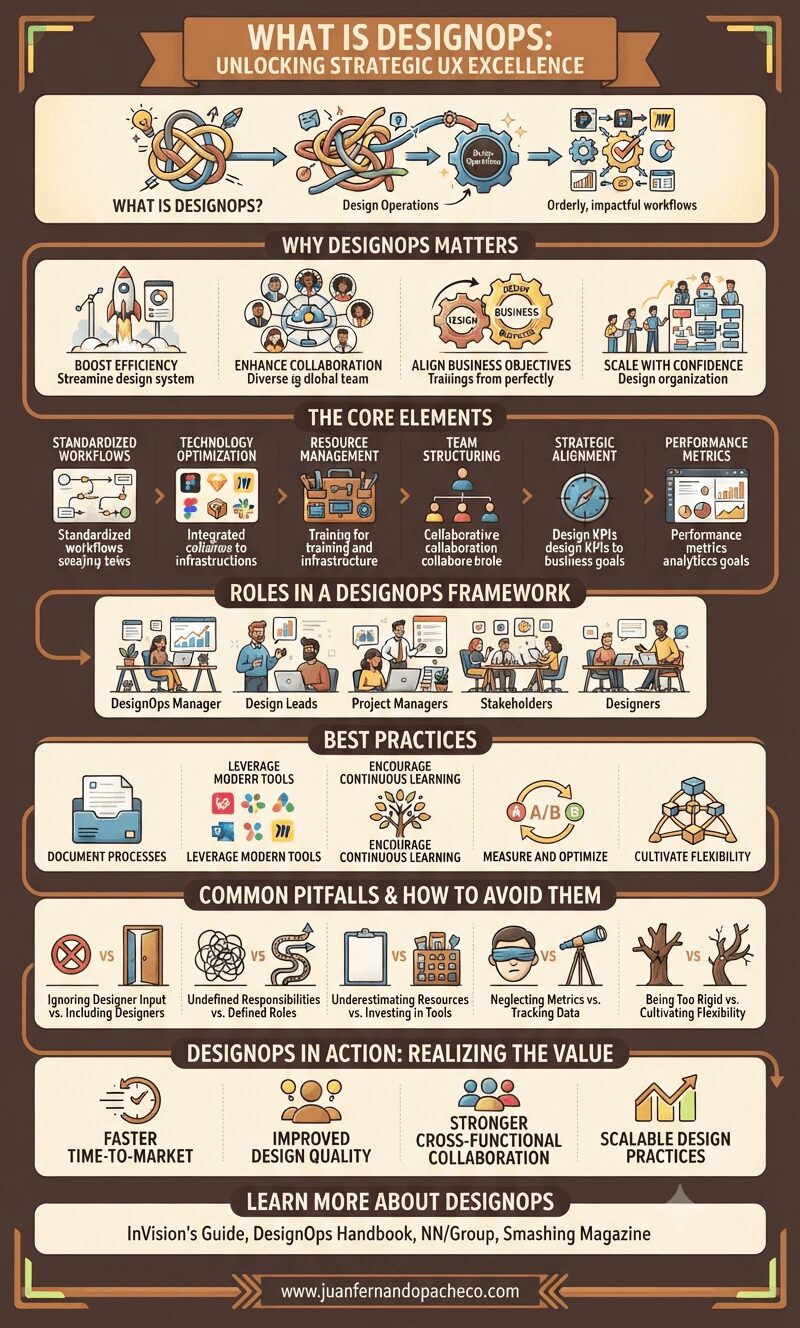
By adopting DesignOps, organizations can harness the full potential of their design teams, driving innovation, efficiency, and alignment with strategic goals.
The result? Exceptional user experiences that propel business success.