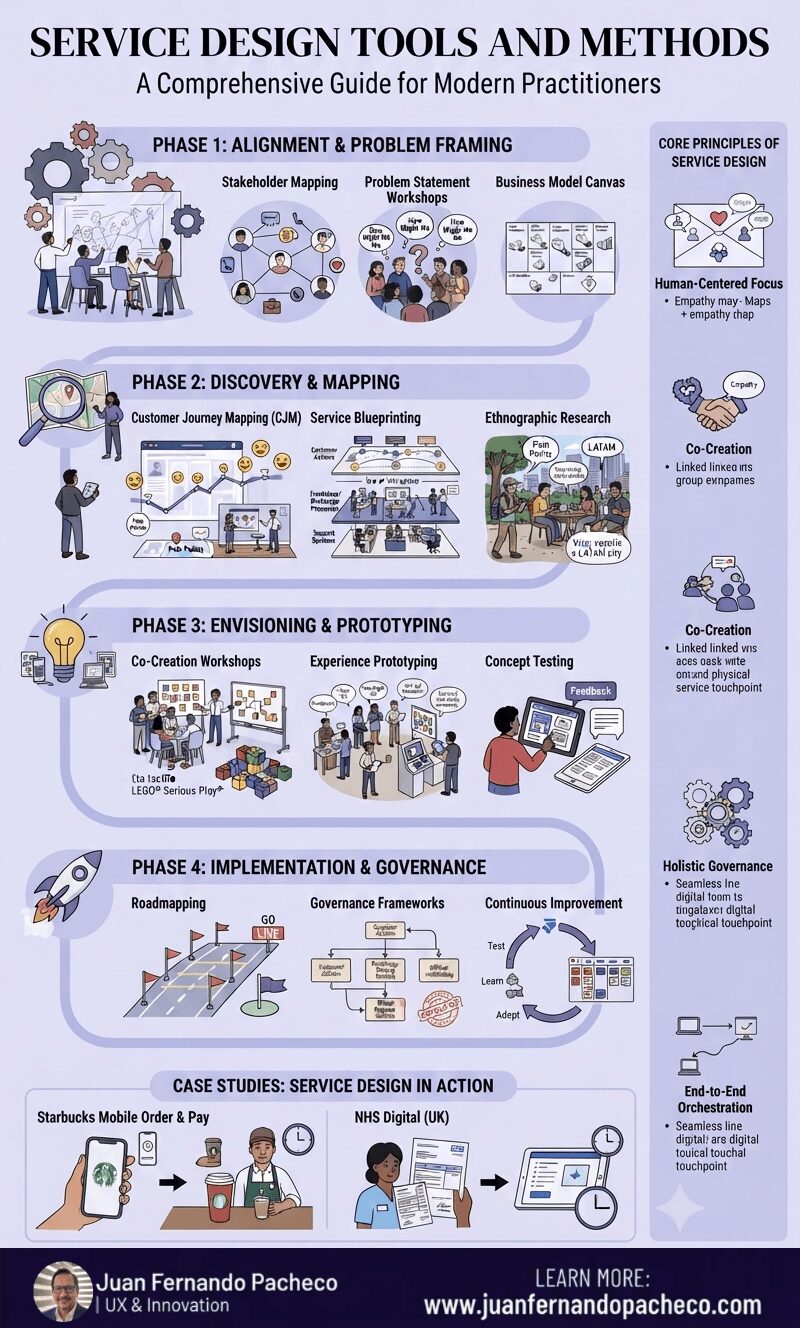
Service design isn’t a trend—it’s the backbone of modern customer-centricity. Whether you’re on a plane or in a boardroom, these tools will help you navigate the journey.
Author: Juan Fernando Pacheco
I am Juan Fernando Pacheco, a Business Development Manager, Senior Product Designer, and UX Designer with 20+ years of experience working on user-centered experiences, developing products and services driven by research and design.
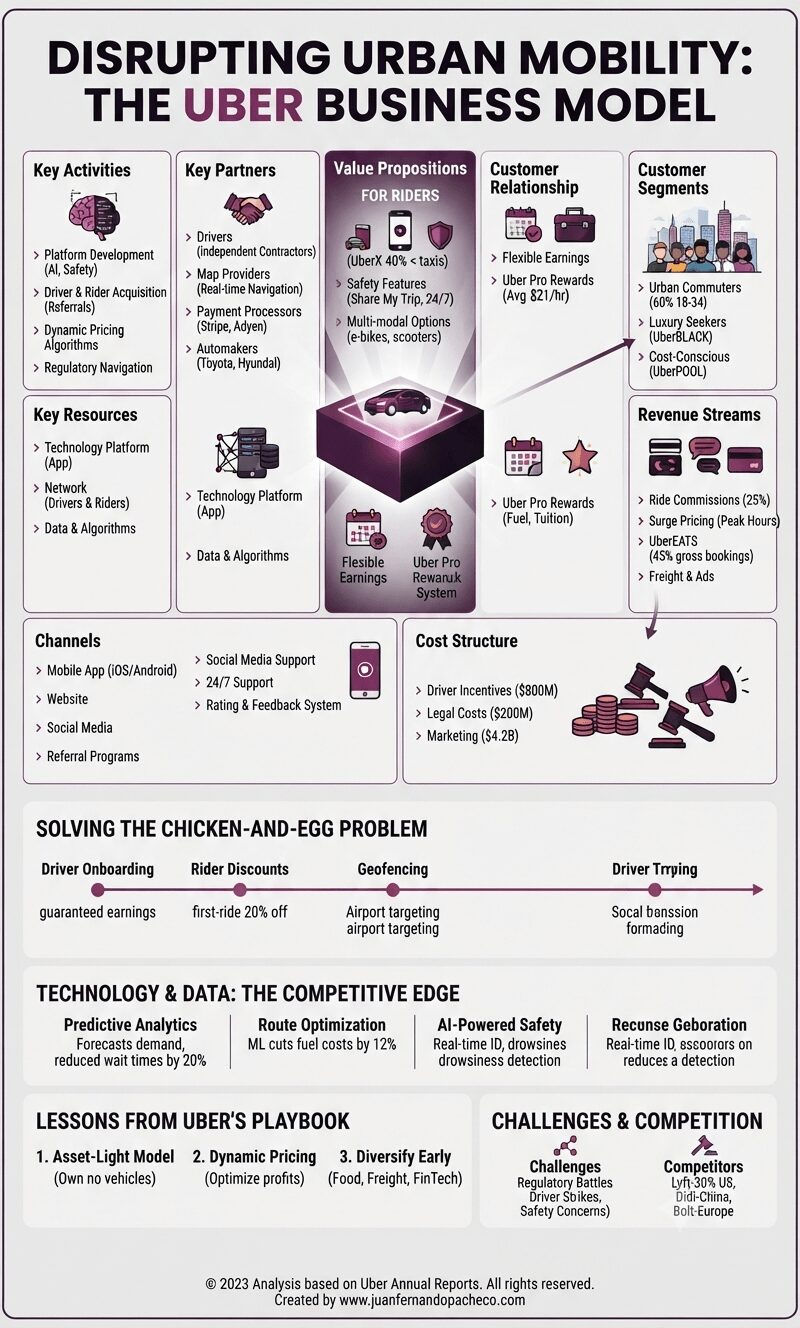
Uber’s relentless innovation—from self-driving cars to drone deliveries—positions it to dominate the future of mobility. By prioritizing scalability, data, and user experience, Uber remains a blueprint for disruptors worldwide.
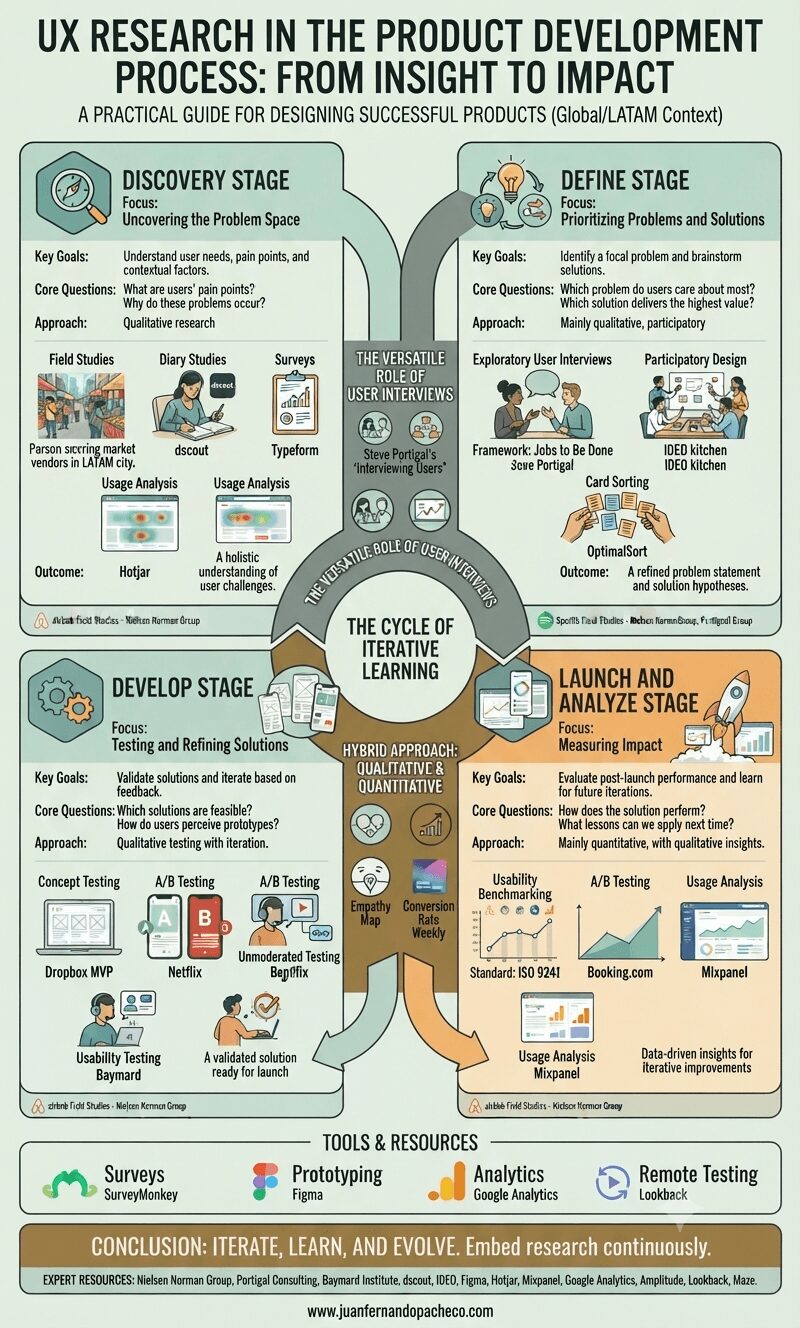
UX research is not a one-time task but a continuous cycle. By embedding research into every product stage, teams can build solutions that users love while staying agile in a competitive market. Start small—pick one method from each stage and scale as you learn.
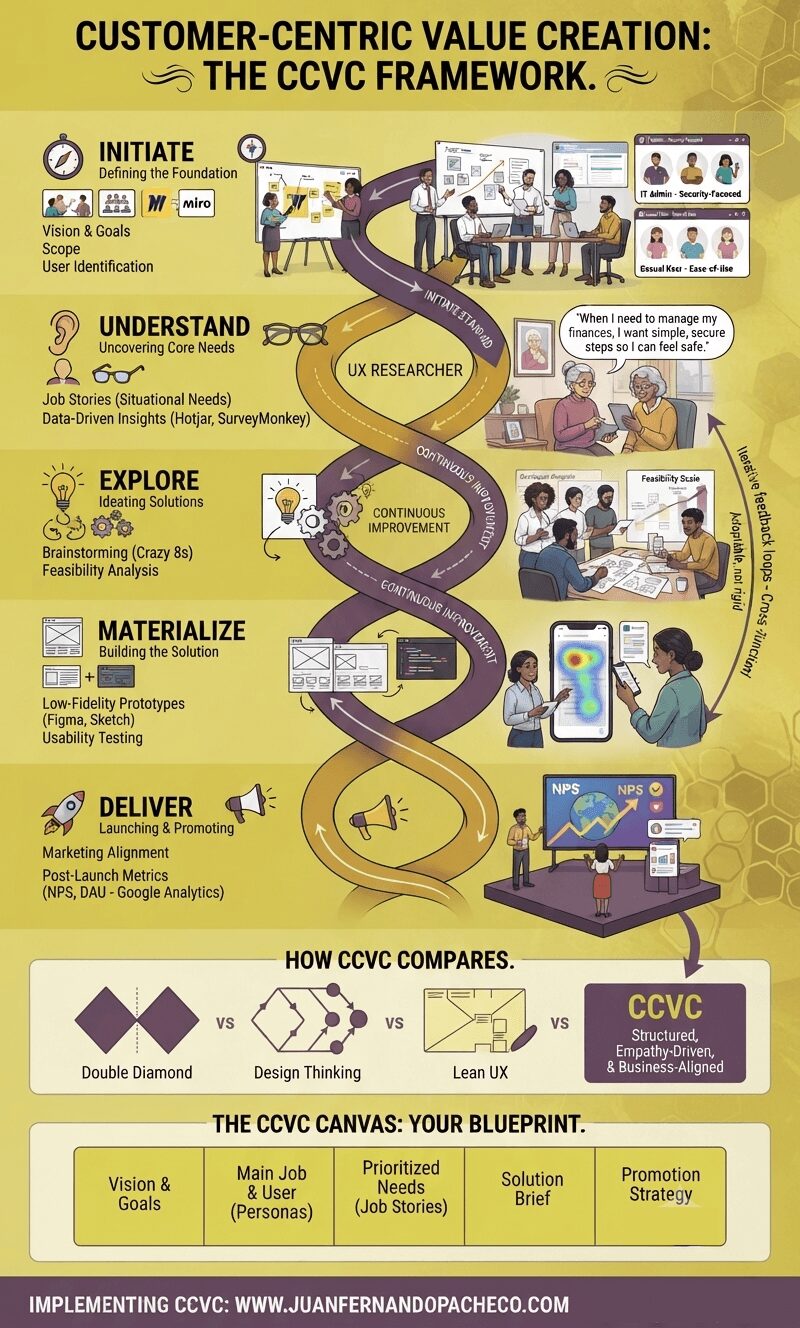
The CCVC Framework isn’t a silver bullet—it’s a mindset. By prioritizing empathy, agility, and measurable outcomes, UX designers can craft solutions that truly resonate. As Nagel prepares to delve deeper into the CCVC Canvas in future work, stay tuned for actionable insights.
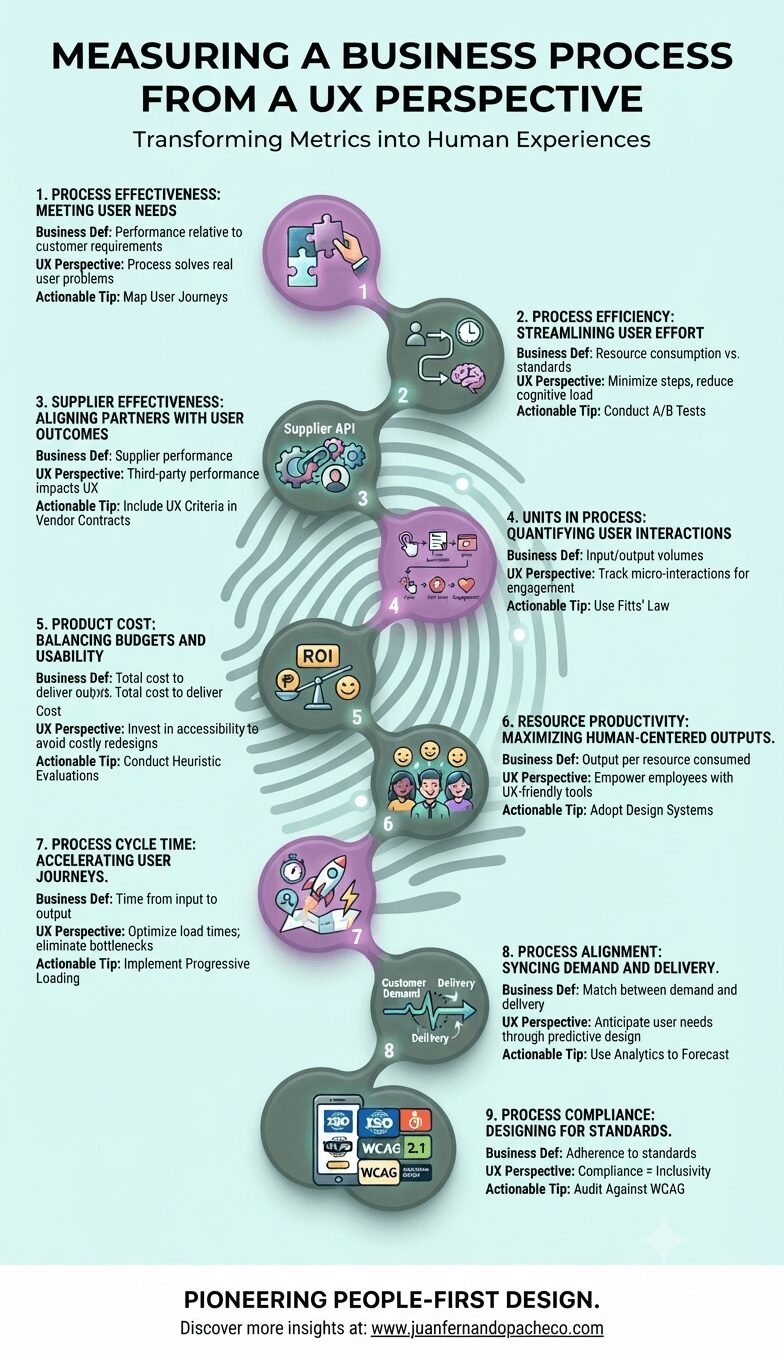
Measuring business processes through a UX lens transforms abstract metrics into human stories. By aligning efficiency with empathy, and compliance with inclusivity, organizations can create processes that delight users and drive ROI. As UX pioneers, our task is to ensure that every click, second, and dollar spent reflects a commitment to people-first design.
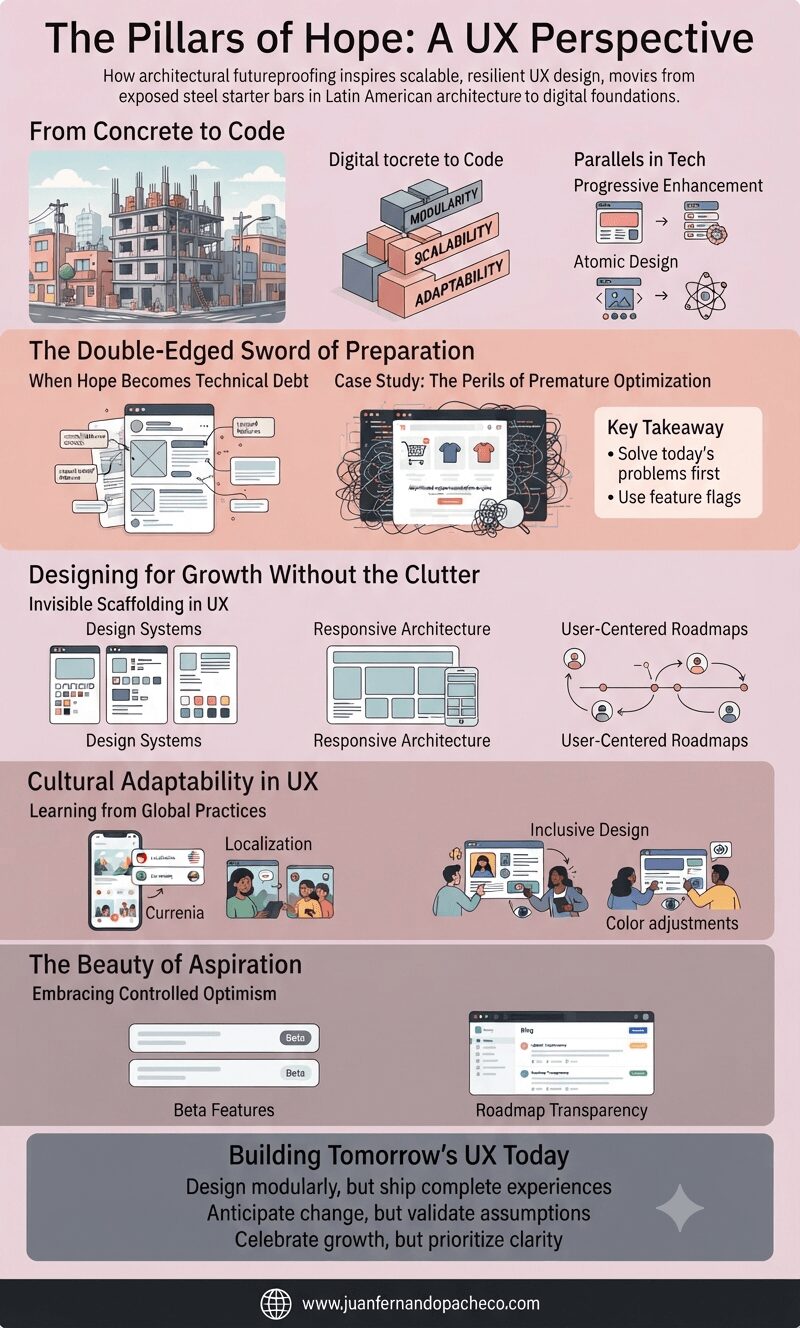
The first time I saw steel starter bars jutting out from rooftops in Latin America, I was baffled. These exposed rods, nicknamed “Pillars of Hope,” seemed like chaotic afterthoughts. But their purpose—preparing buildings for future expansion—reveals a profound lesson for UX designers
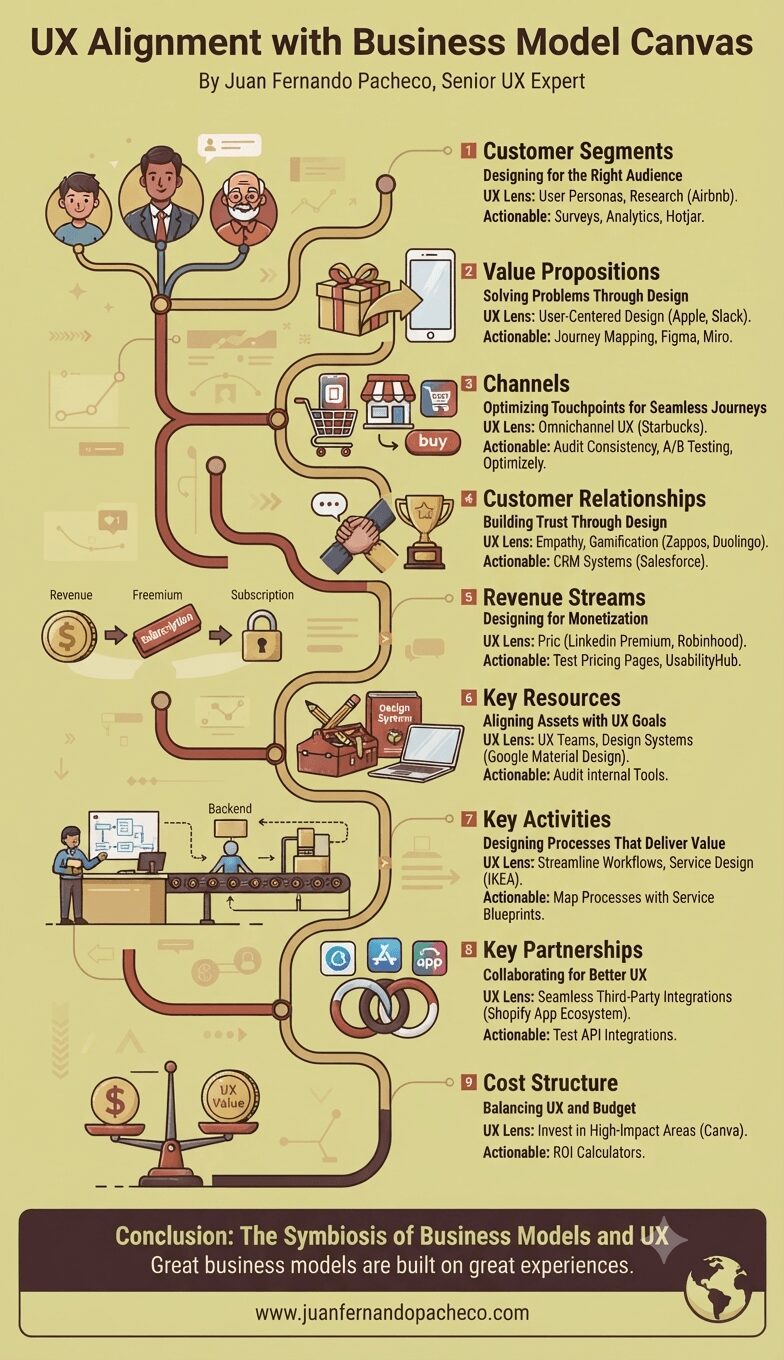
The Business Model Canvas isn’t just a strategic tool—it’s a blueprint for designing experiences that resonate. By aligning each building block with UX principles, businesses can create value that’s both sustainable and user-centric. Whether you’re a startup or an enterprise, remember:
Great business models are built on great experiences.
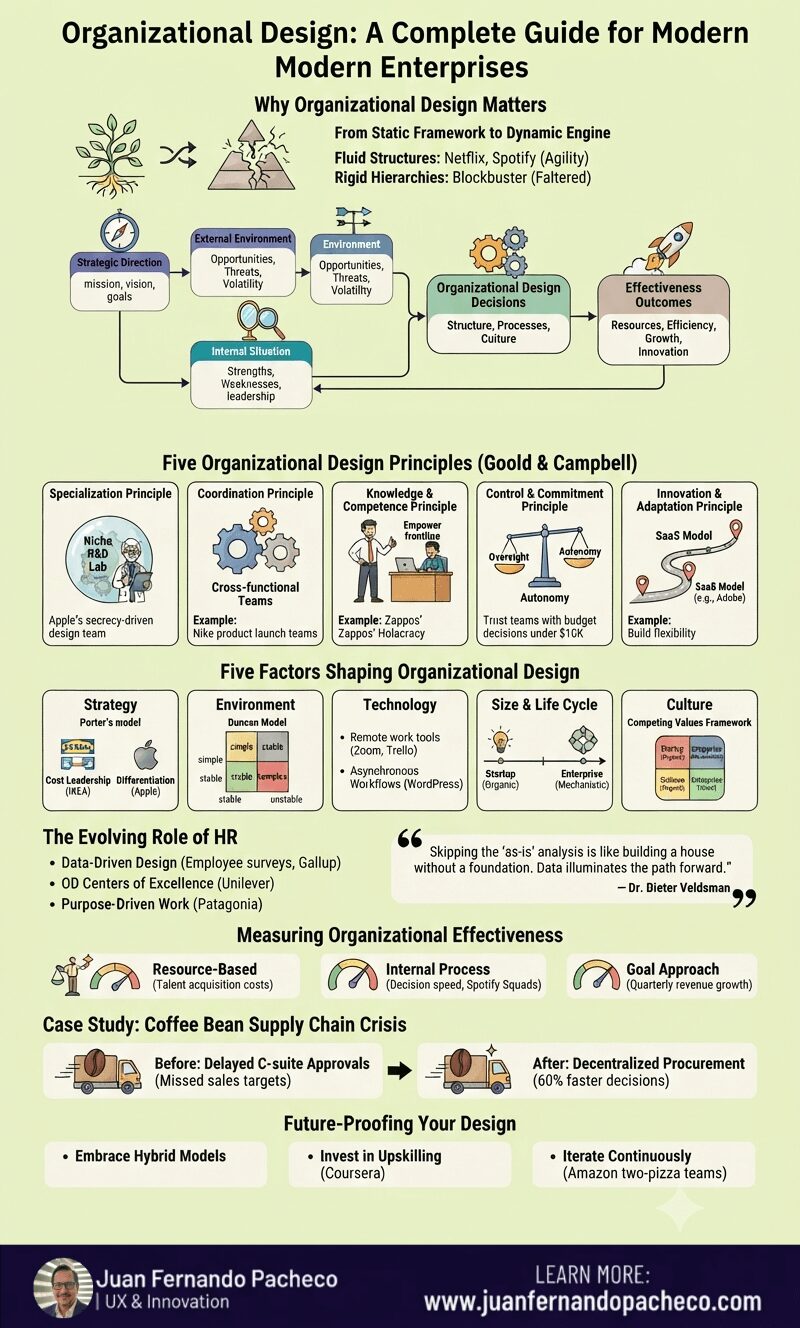
Organizational design isn’t a one-time project—it’s a journey. By aligning strategy, culture, and structure, businesses can navigate disruption, attract top talent, and outperform competitors. Start small: Audit your current design, involve cross-functional stakeholders, and prioritize flexibility. As the Greek philosopher Heraclitus said, “Change is the only constant.” Design for it.
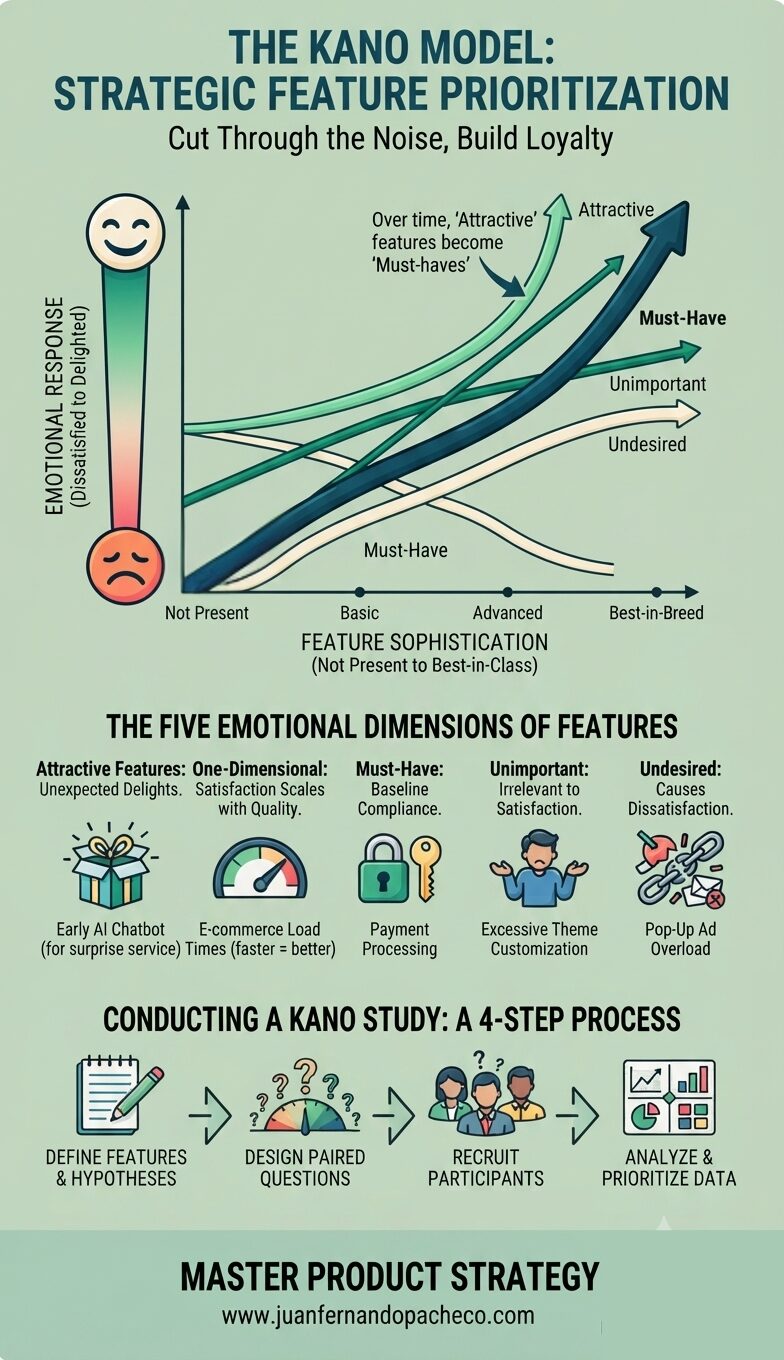
The Kano Model isn’t just a prioritization tool—it’s a mindset. By relentlessly seeking features that surprise and solve, you’ll build products users love today and depend on tomorrow. Start small: Pick 3 features, run a micro-study, and let data—not hunches—guide your roadmap.
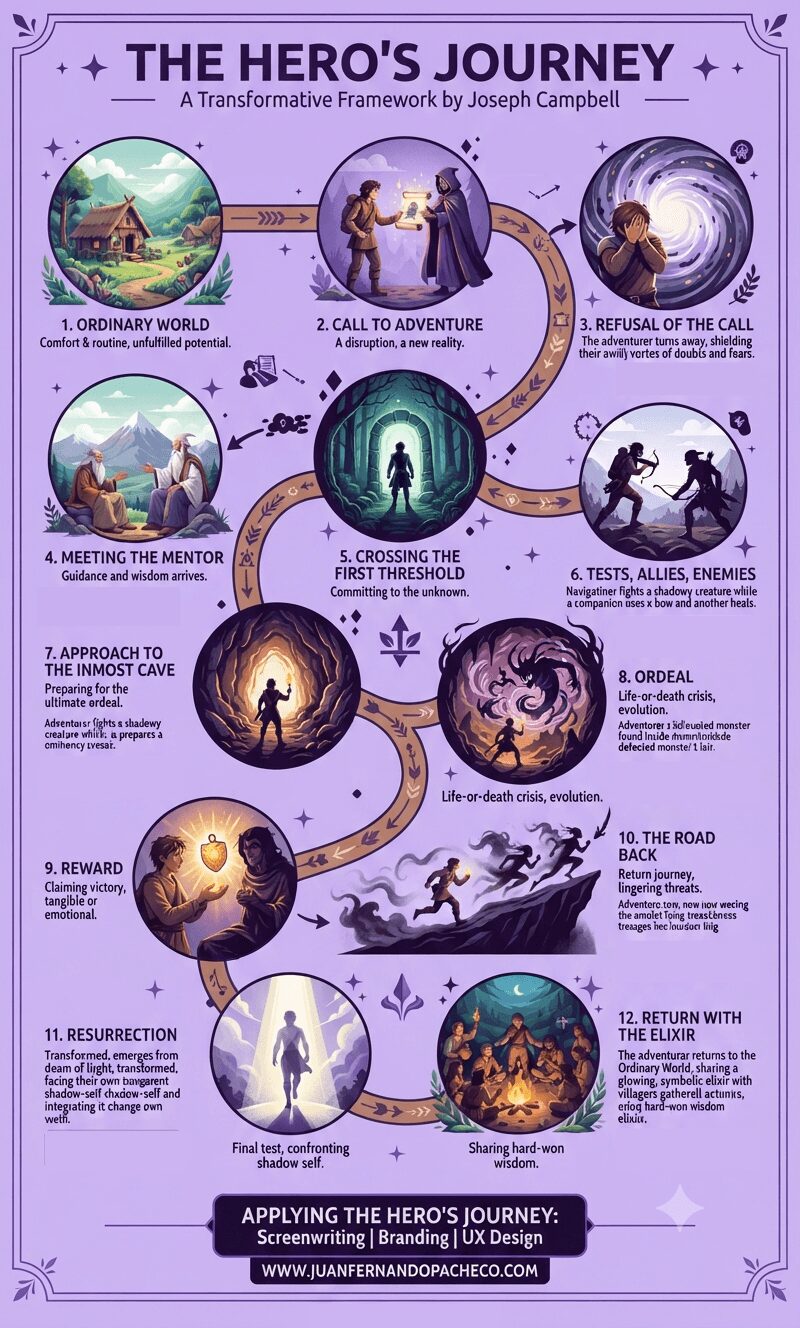
The Hero’s Journey isn’t just a storytelling tool—it’s a mirror reflecting our collective struggles and triumphs. Whether you’re writing a novel, designing an app, or navigating personal growth, remember Campbell’s words: “Where you stumble, there lies your treasure.”