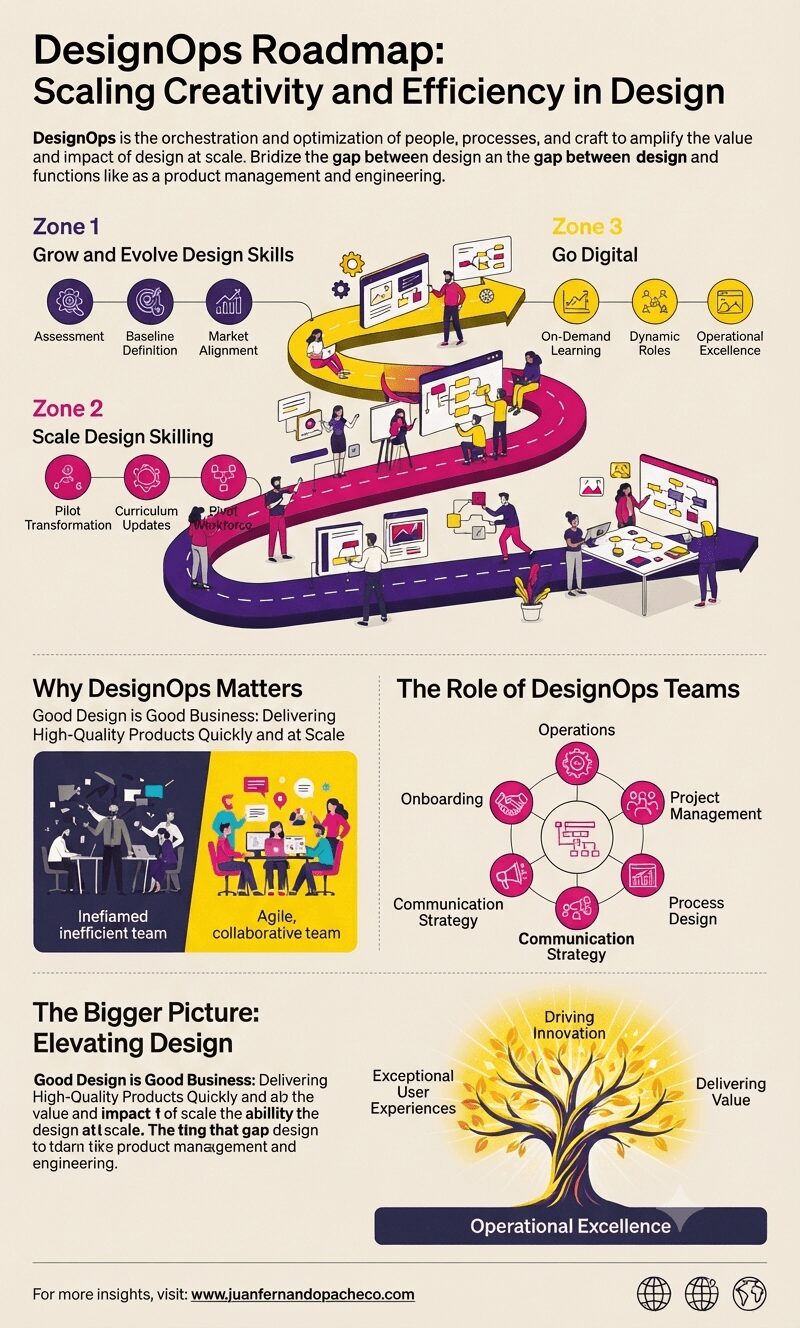
DesignOps is the orchestration and optimization of people, processes, and craft to amplify the value and impact of design at scale.
It focuses on streamlining design workflows, fostering collaboration, and enhancing the efficiency and effectiveness of design processes.
Tag: Service Management
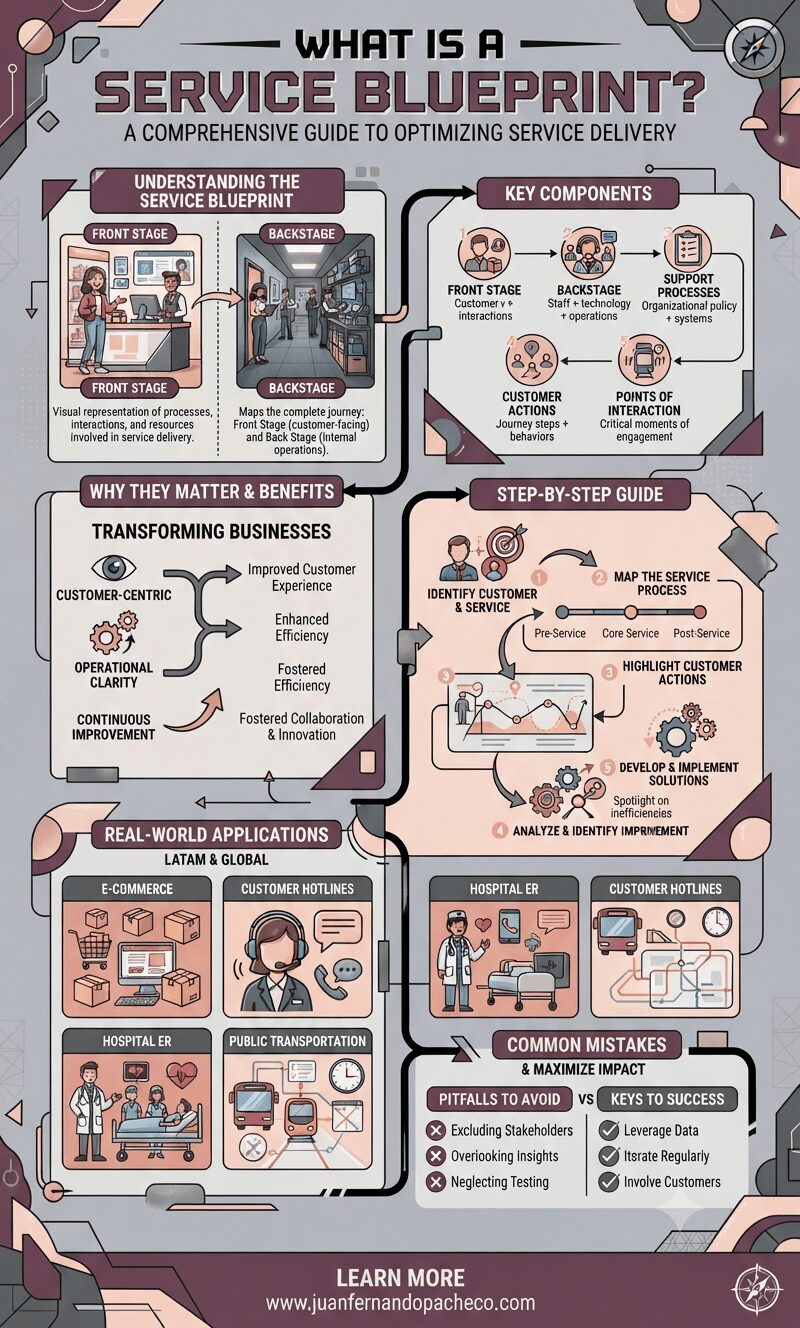
A service blueprint is an invaluable tool for organizations looking to optimize their service delivery. By providing a comprehensive view of the service process—from customer interactions to backend operations—it enables businesses to identify opportunities for improvement, foster collaboration, and innovate effectively.
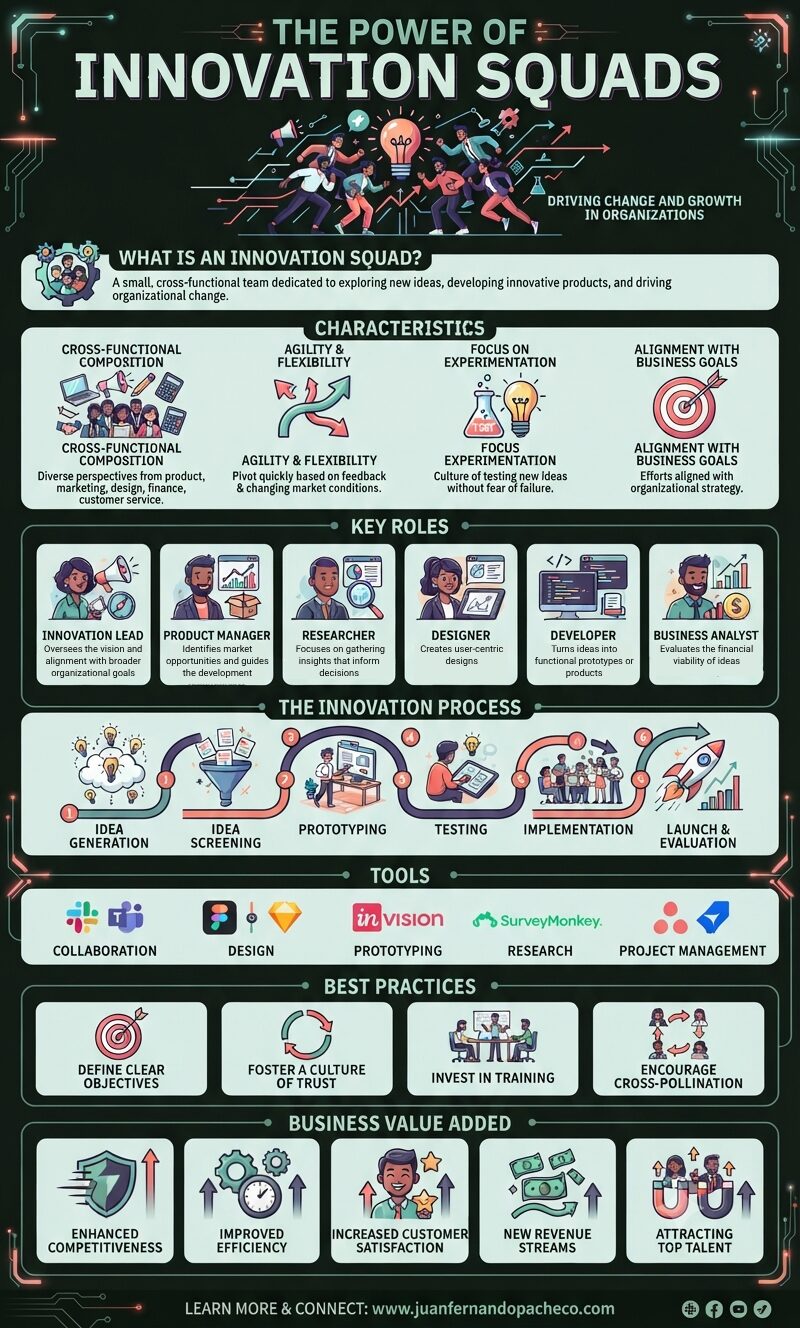
Innovation squads represent a transformative approach to problem-solving and growth in modern organizations. By embracing cross-functional collaboration and fostering a culture of trust and experimentation, companies position themselves to thrive amidst uncertainty.
As we venture into the future, nurturing environments that prioritize creativity and innovation will be pivotal to unlocking new opportunities and achieving sustained success.
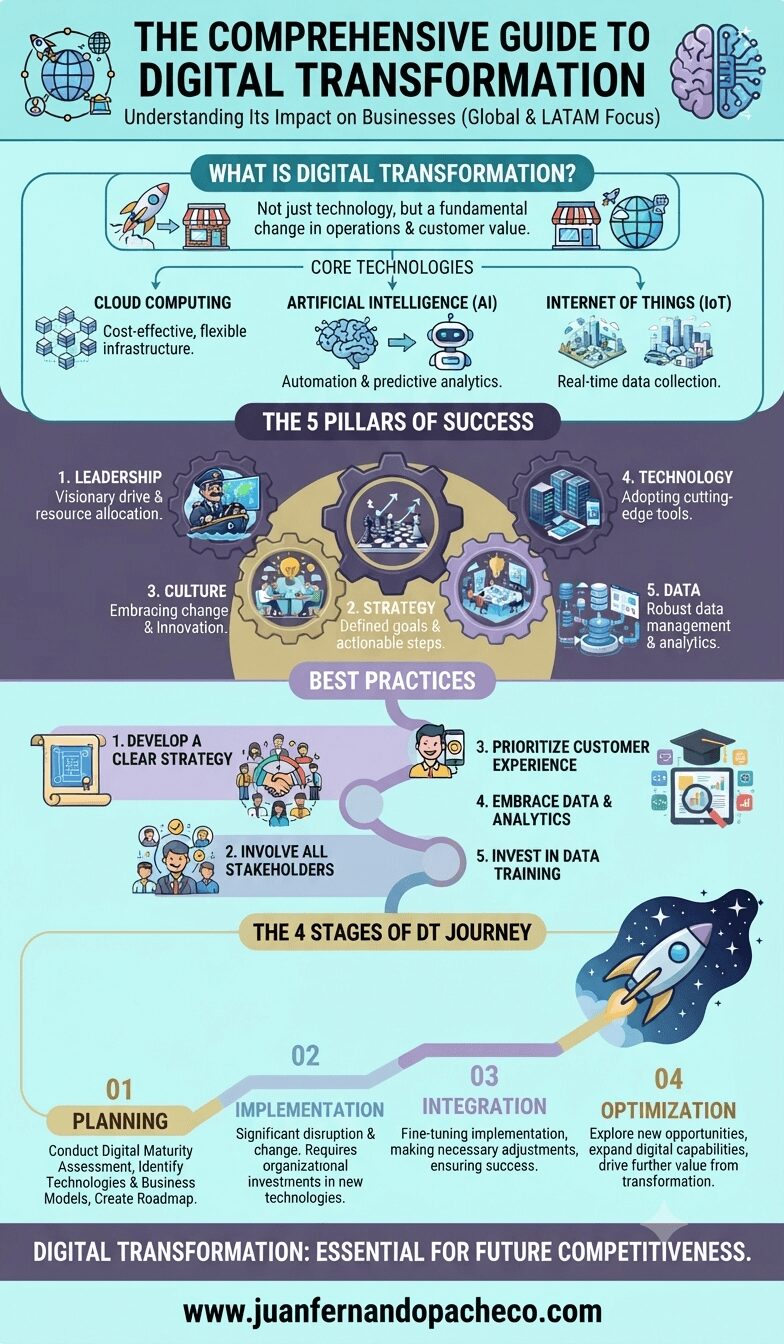
Digital transformation is no longer optional but essential for organizations that wish to stay competitive in today’s fast-paced, technology-driven market. By understanding the core pillars, best practices, stages, and common mistakes, organizations can navigate the complexities of digital transformation and drive long-term success. As companies embrace these changes, they will enhance their customer experiences, optimize operations, and create new growth opportunities that will propel them forward in the digital age.
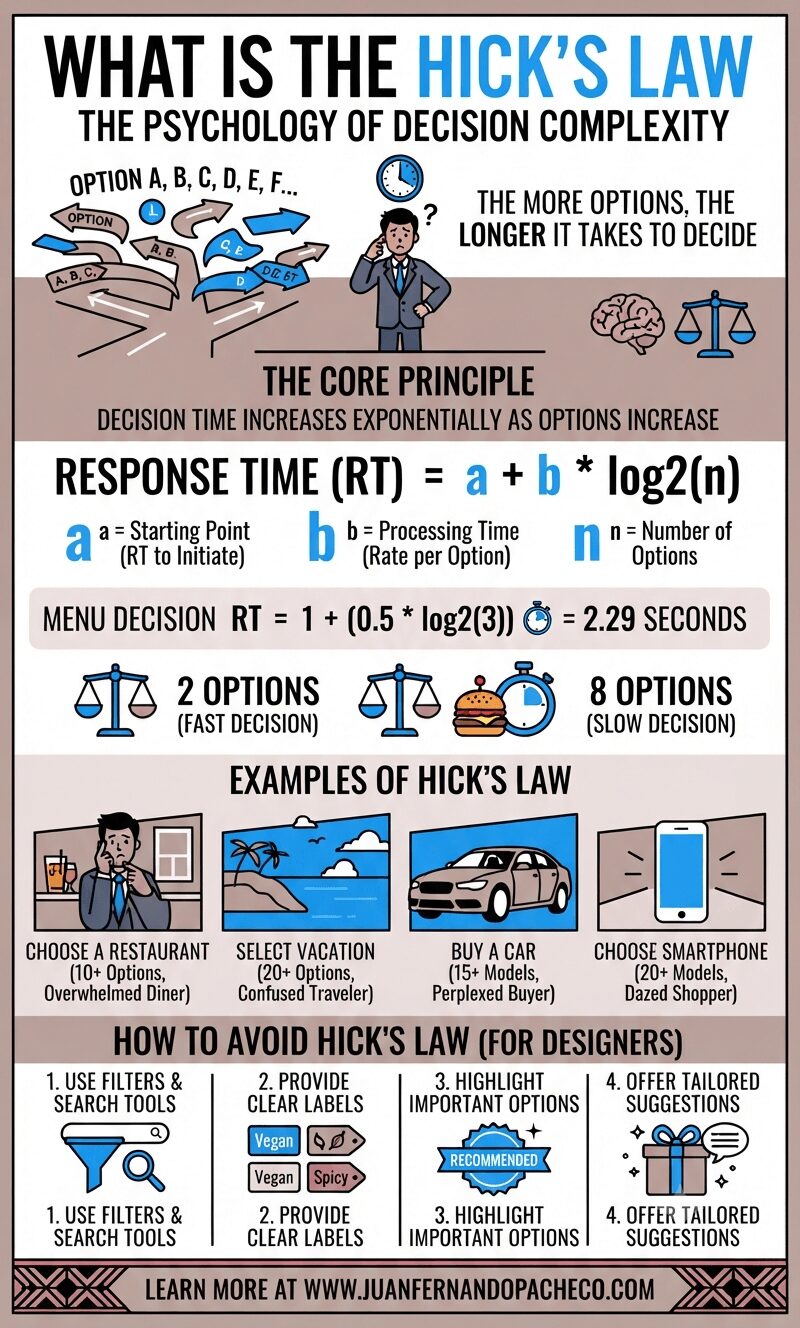
Hick’s law, also known as the Hick-Hyman law, is a psychological principle that describes the relationship between the complexity of a decision and the time it takes to make that decision.
The law states that the more options a person has to choose from, the longer it will take them to make a decision.
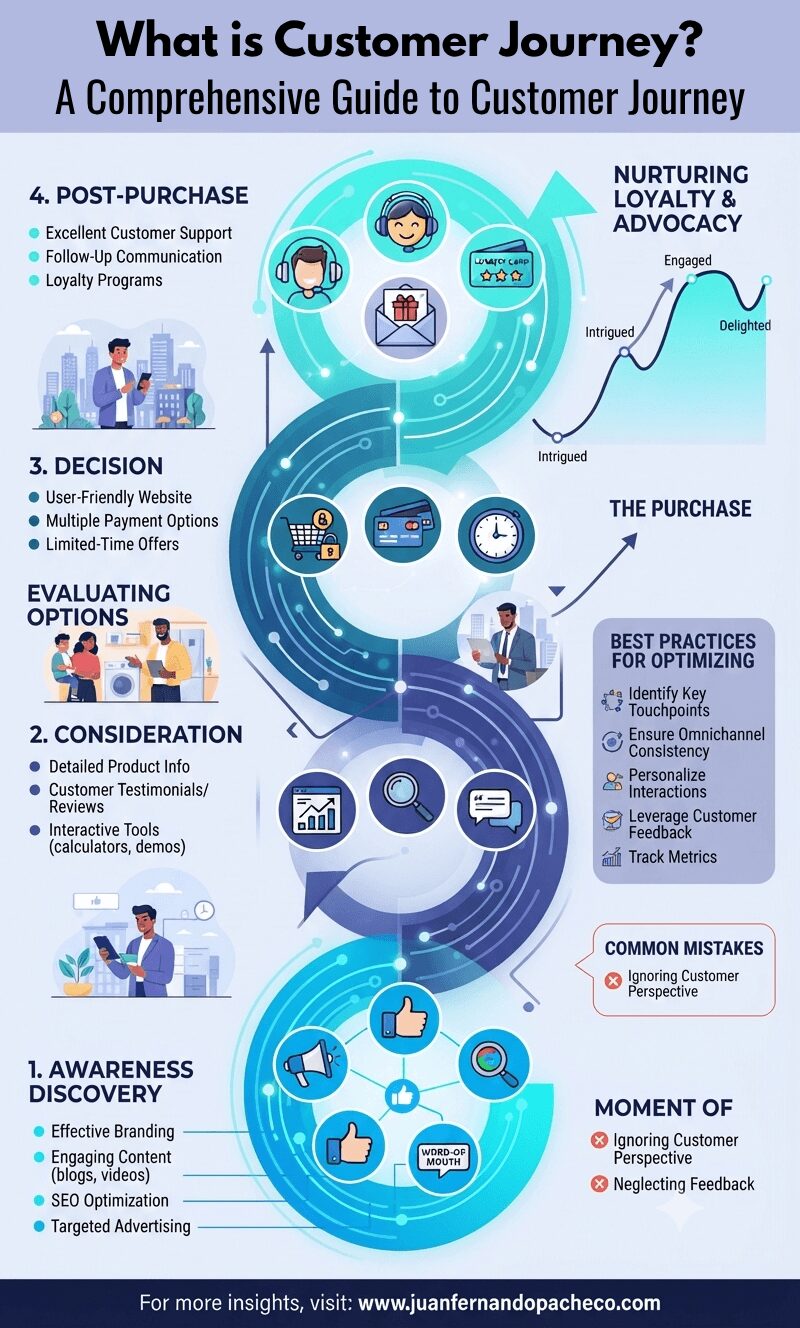
Understanding and optimizing the customer journey is a powerful way to build stronger relationships, enhance customer satisfaction, and drive revenue growth. By addressing customer needs at every stage and avoiding common pitfalls, businesses can create experiences that resonate with their audience and inspire loyalty.
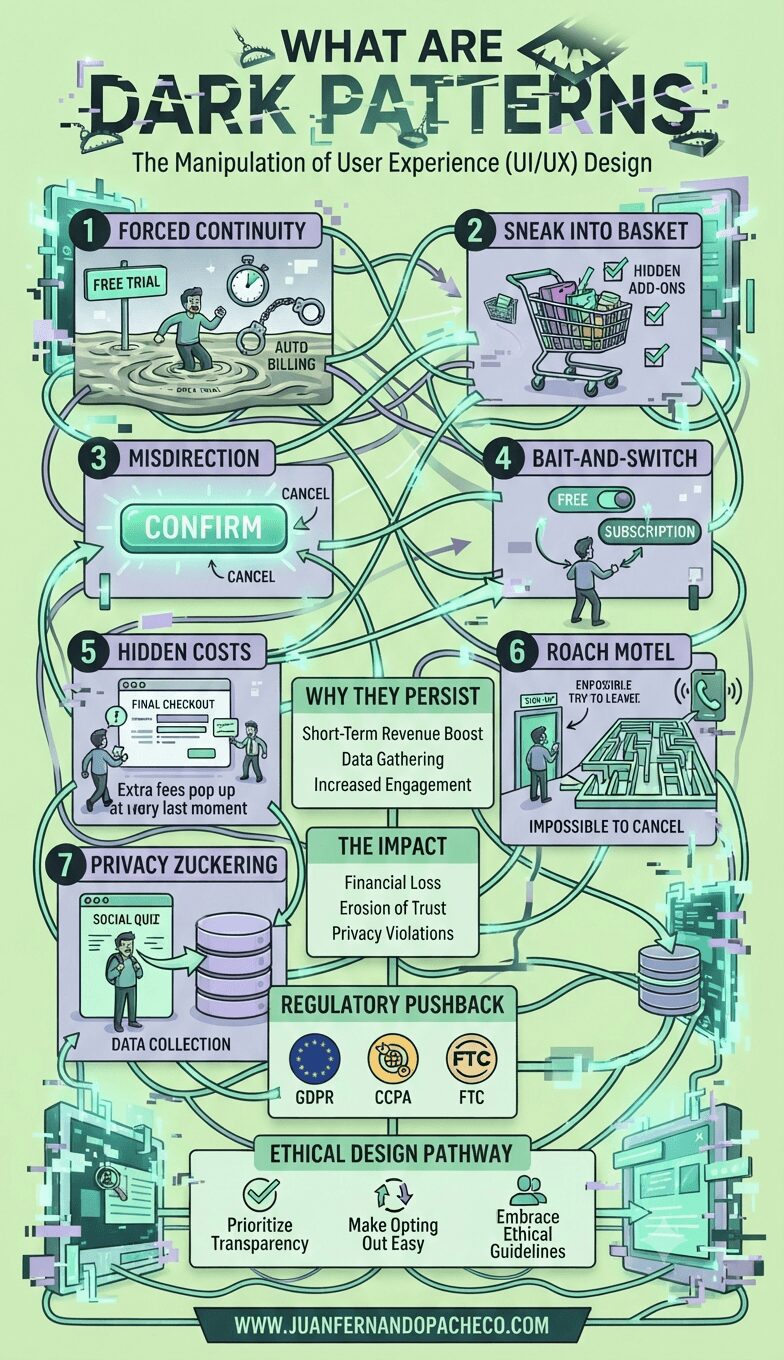
Dark patterns represent the darker side of design, exploiting user vulnerabilities for profit. While effective in the short term, they erode trust, invite regulatory scrutiny, and harm users. By embracing ethical design principles, businesses can foster loyalty, build sustainable relationships, and lead with integrity.