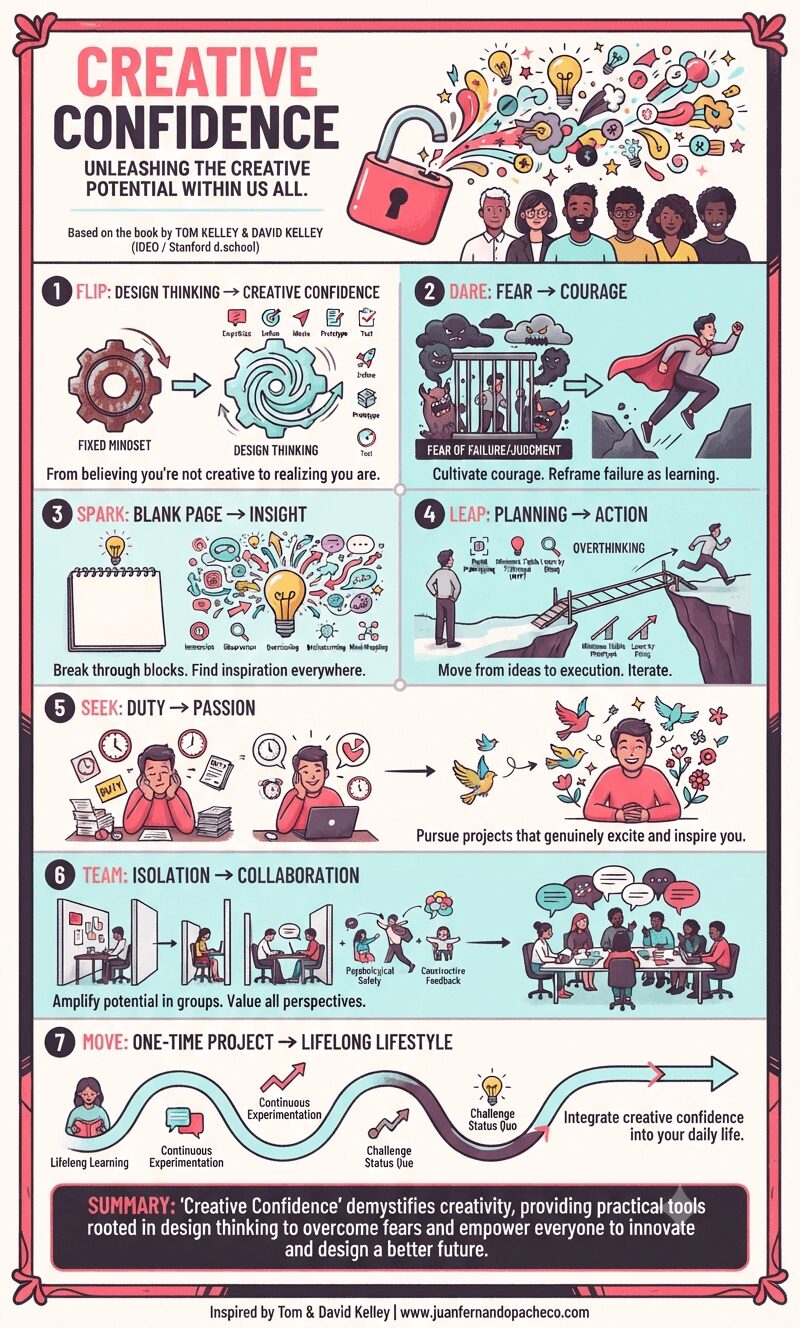
Creative Confidence is a profoundly inspiring and practical book that demystifies creativity and makes it accessible to everyone. Tom and David Kelley skillfully blend personal anecdotes, insightful observations, and concrete methodologies (rooted in design thinking) to illustrate how creative potential can be unlocked and harnessed.
Tag: Design Thinking
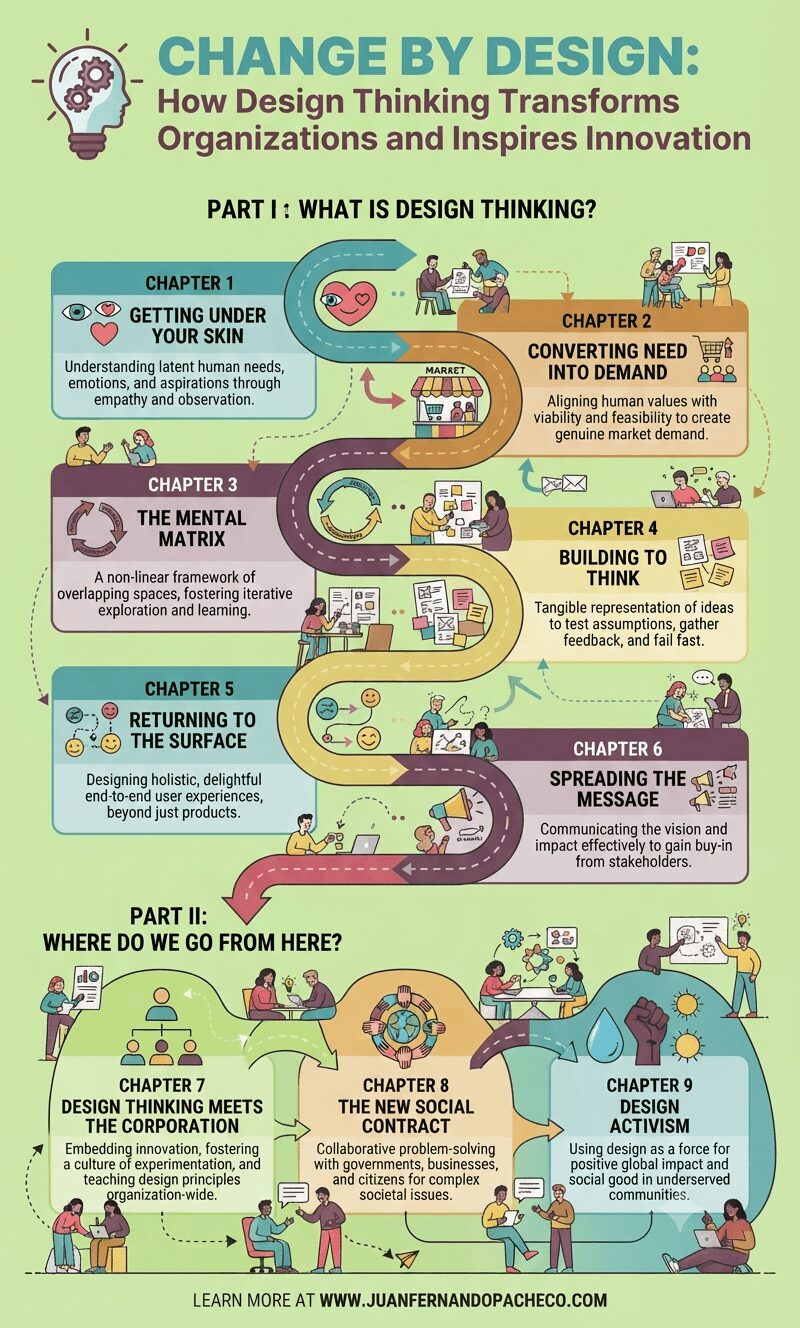
In essence, “Change by Design” is a powerful testament to the transformative potential of design thinking. Tim Brown meticulously dismantles traditional notions of design, repositioning it as a versatile and potent tool for innovation that extends far beyond aesthetics.
Design Thinking isn’t just a trendy term—it’s a human-centered revolution in problem-solving. Rooted in industrial design
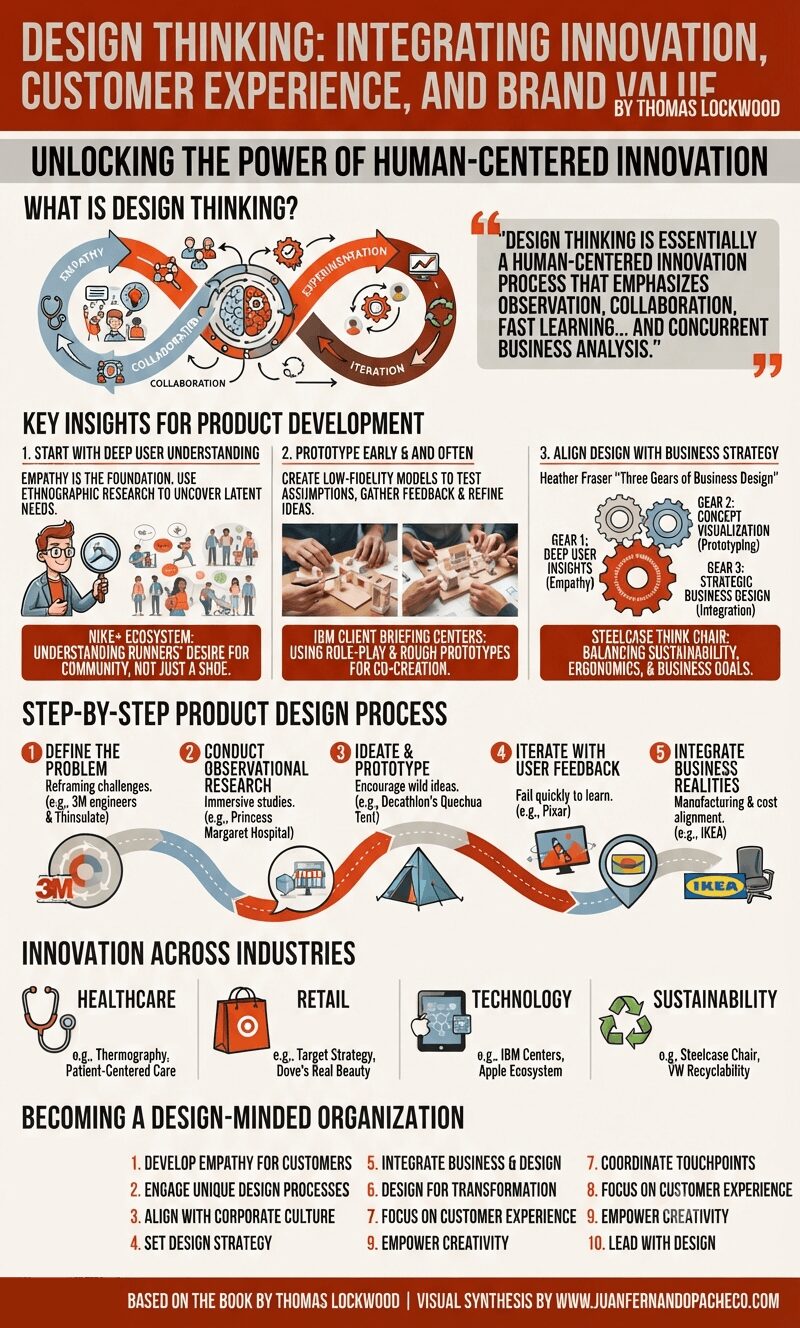
Design Thinking: Integrating Innovation, Customer Experience, and Brand Value is more than a manual—it’s a call to action. By blending human insight with business acumen, organizations can navigate complexity, foster loyalty, and drive growth. As Lockwood writes:
“The real value of design is in discovering and solving all manner of problems. It’s not about what design is—it’s about what design does.”
Whether you’re refining a product, reimagining a service, or transforming a business model, this book offers the tools and inspiration to lead with creativity. In a world where change is the only constant, design thinking isn’t just an advantage—it’s a necessity.
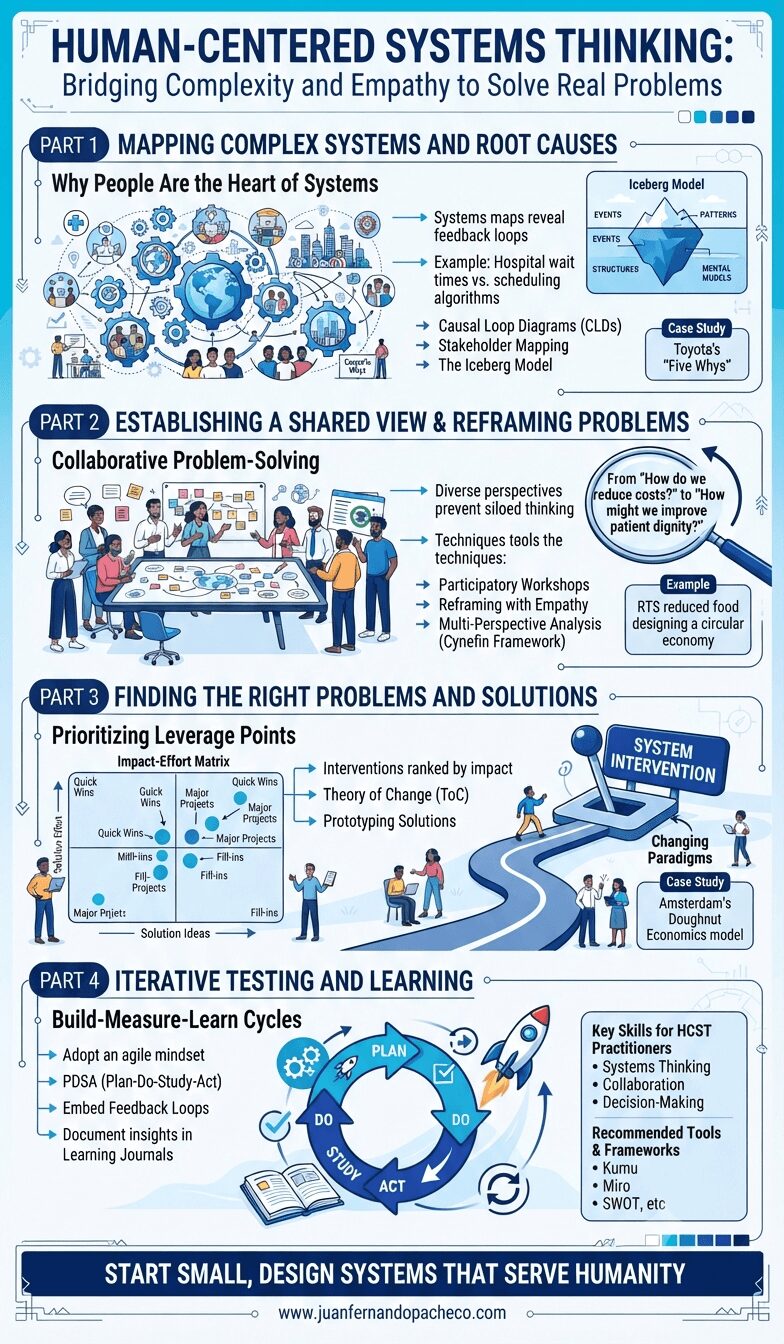
Human-Centered Systems Thinking isn’t a checklist—it’s a mindset. By grounding systemic analysis in empathy and experimentation, we can redesign education, healthcare, and organizations to prioritize human dignity and resilience.
Start small: map a personal challenge, host a reframing workshop, or prototype a solution. The systems of tomorrow depend on the choices we make today.
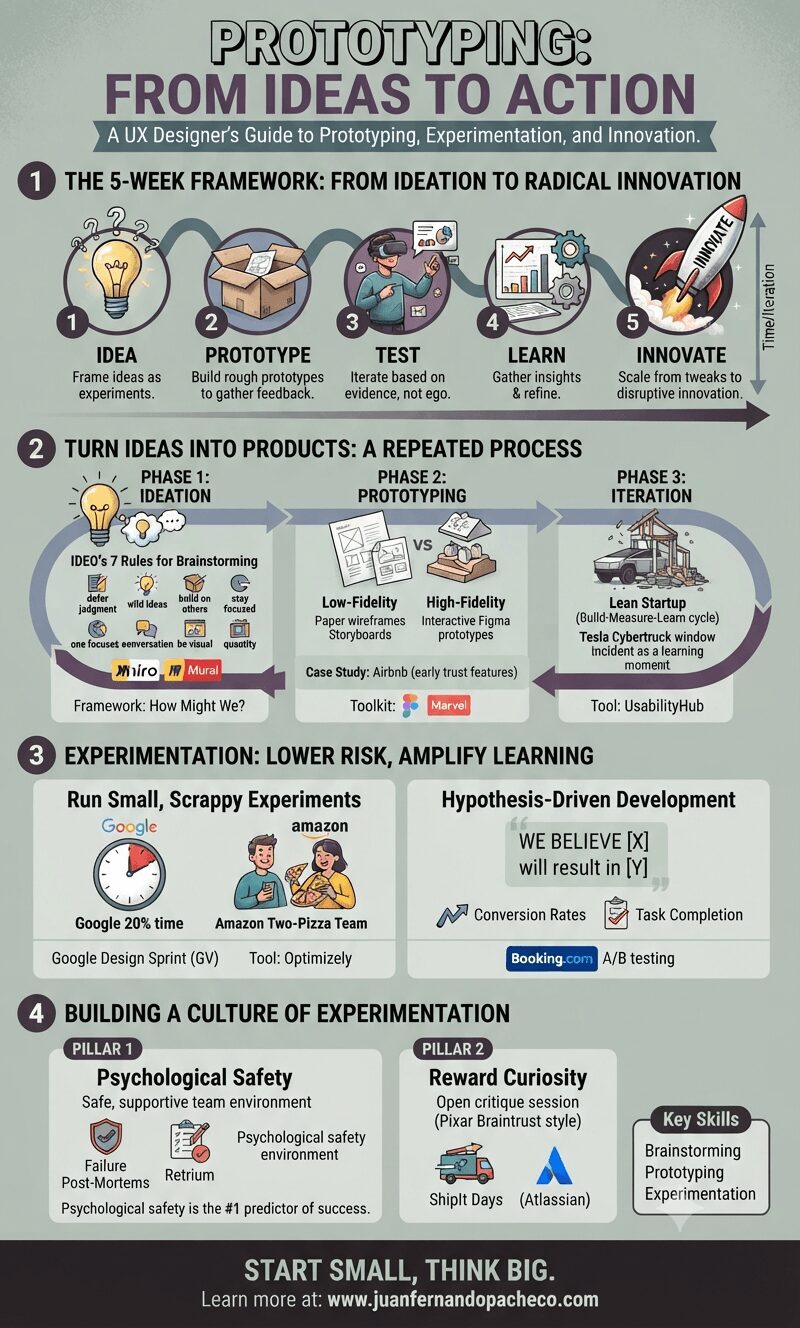
Start Small, Think Big
Innovation isn’t a lightning strike—it’s a campfire built from tiny sparks. By embracing prototyping, experimentation, and iteration, you’ll transform vague ideas into impactful solutions.
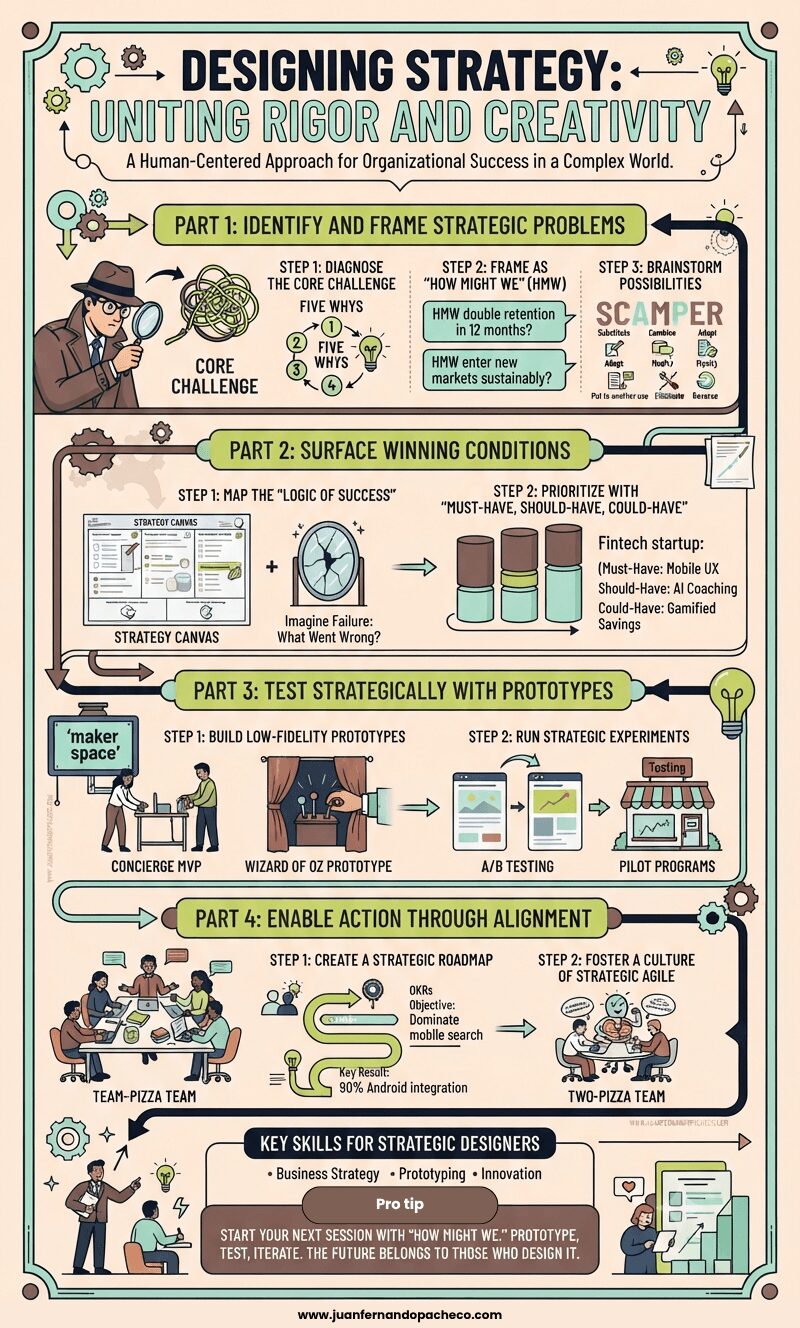
Designing strategy isn’t a one-time event—it’s a cycle of learning, adapting, and evolving. By blending analytical tools with creative methods, leaders can build strategies resilient enough for today’s volatility and visionary enough for tomorrow’s opportunities.
Start your next strategic session with a “How Might We” question. Then prototype, test, and iterate. The future belongs to those who design it.
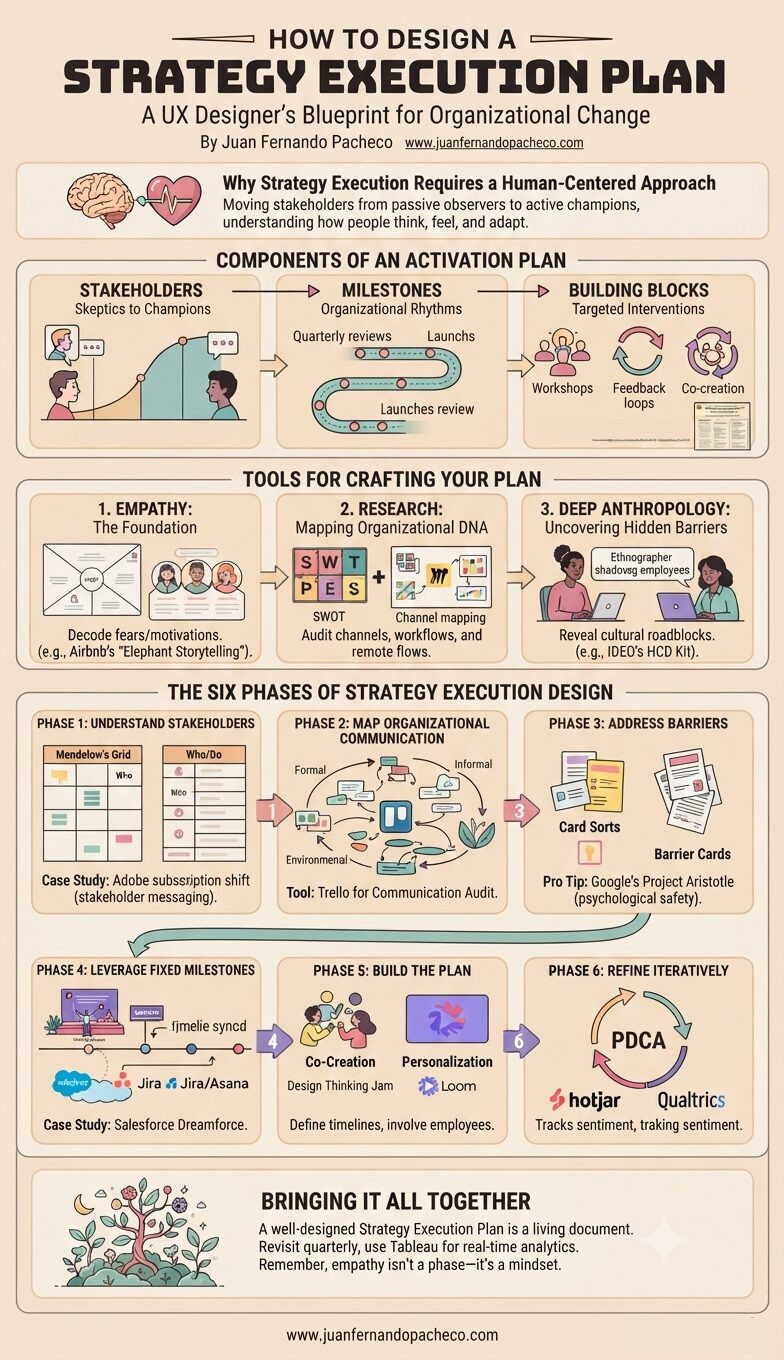
Designing a Strategy Execution Plan is less about checklists and more about understanding the human ecosystem. By marrying UX principles with organizational psychology, you turn resistance into momentum.
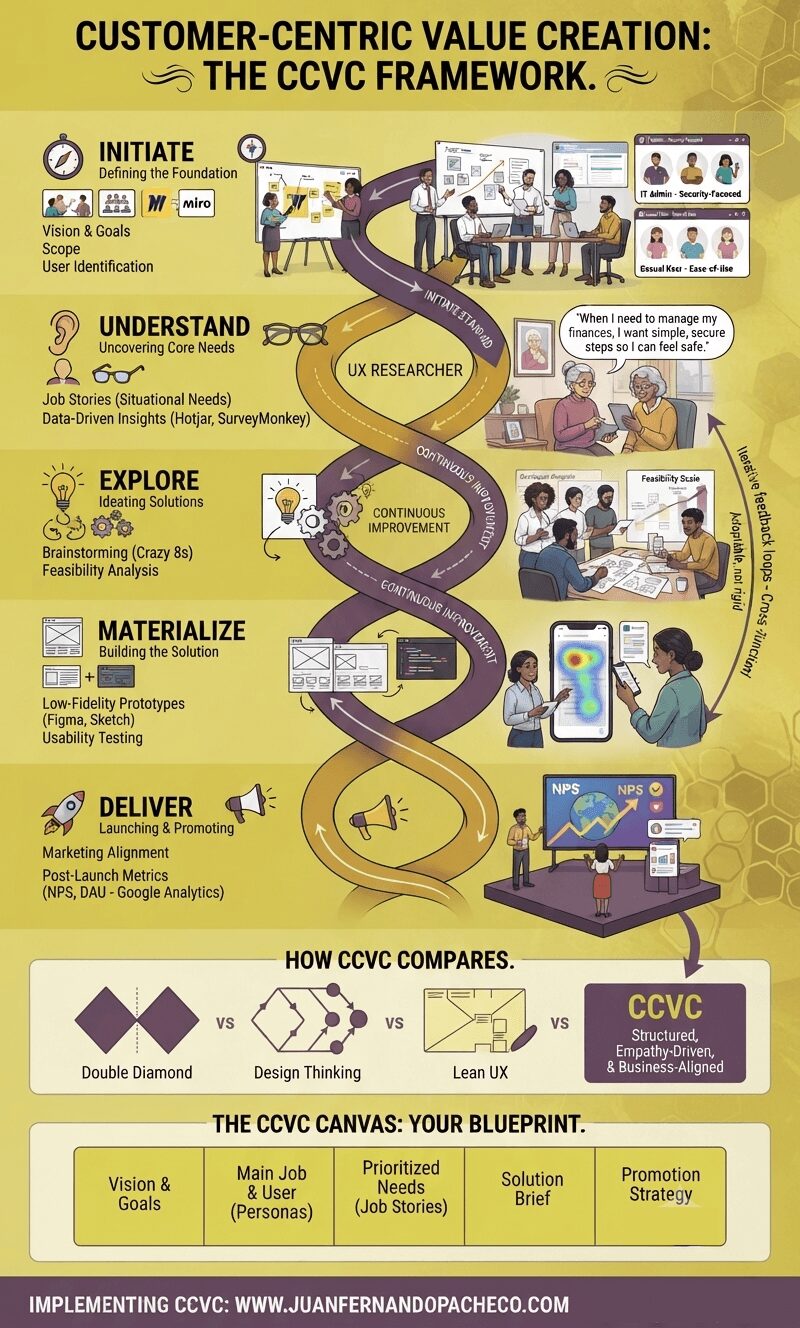
The CCVC Framework isn’t a silver bullet—it’s a mindset. By prioritizing empathy, agility, and measurable outcomes, UX designers can craft solutions that truly resonate. As Nagel prepares to delve deeper into the CCVC Canvas in future work, stay tuned for actionable insights.
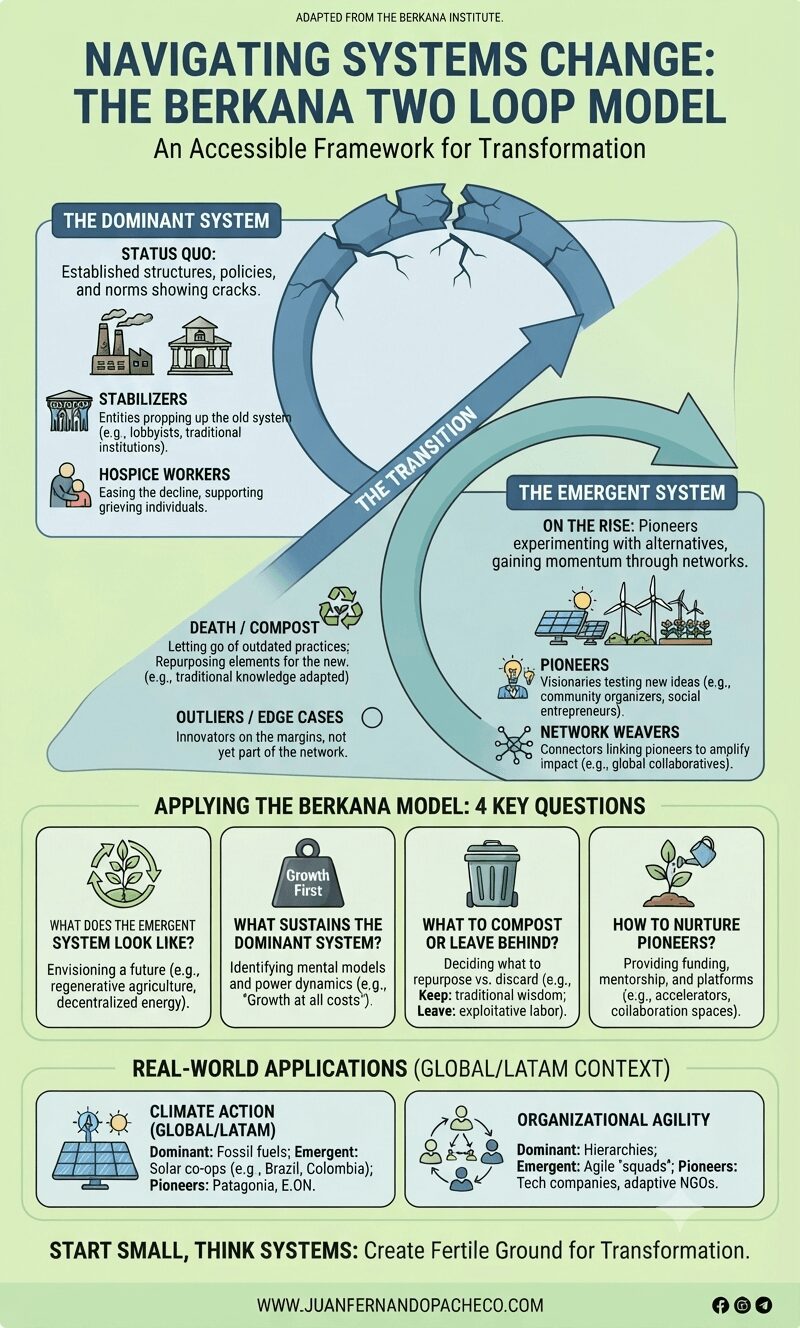
The Berkana Two Loop Model demystifies systems change. By naming pioneers, building networks, and composting the old, we create fertile ground for transformation.