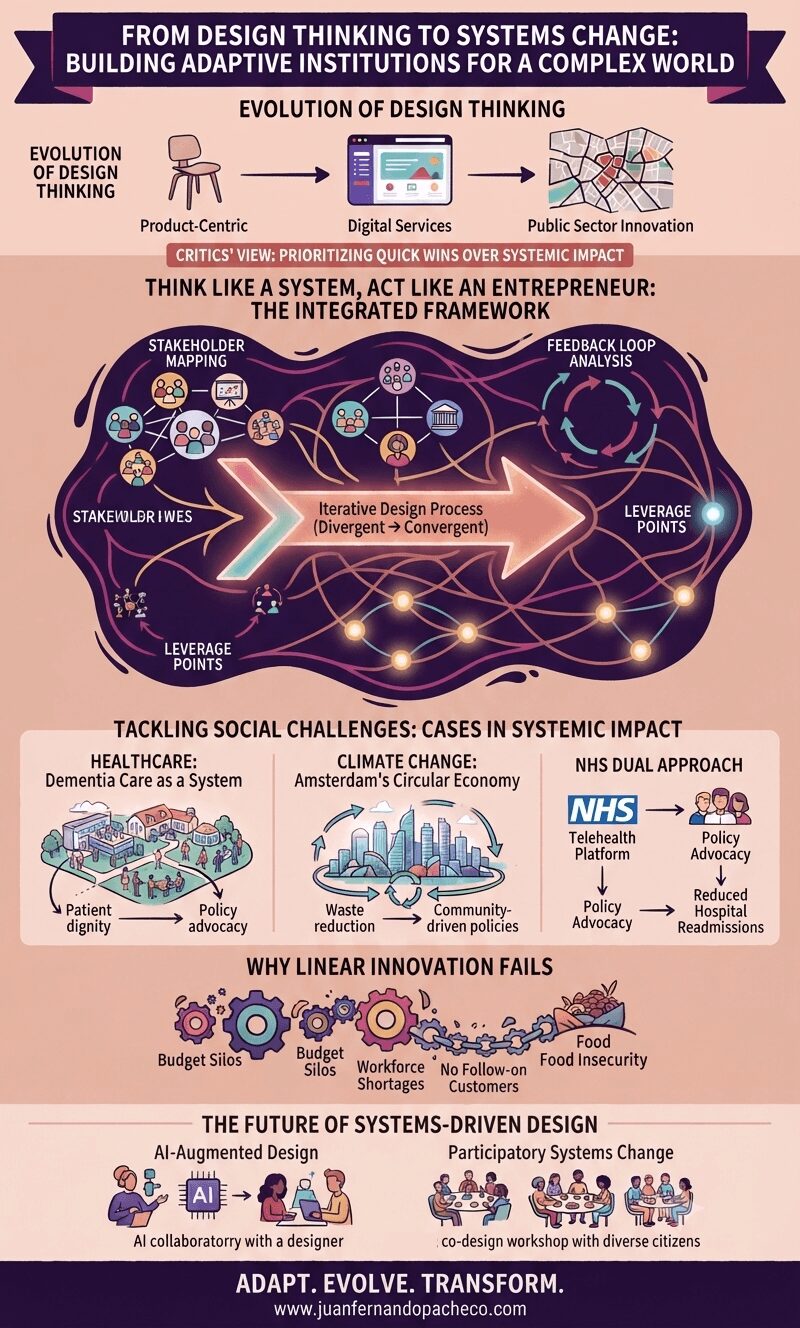
Design thinking’s fusion with systems change marks its coming of age. By embracing complexity, nurturing cross-sector partnerships, and prioritizing adaptive learning, institutions can tackle 21st-century challenges with resilience.
Tag: Design Thinking
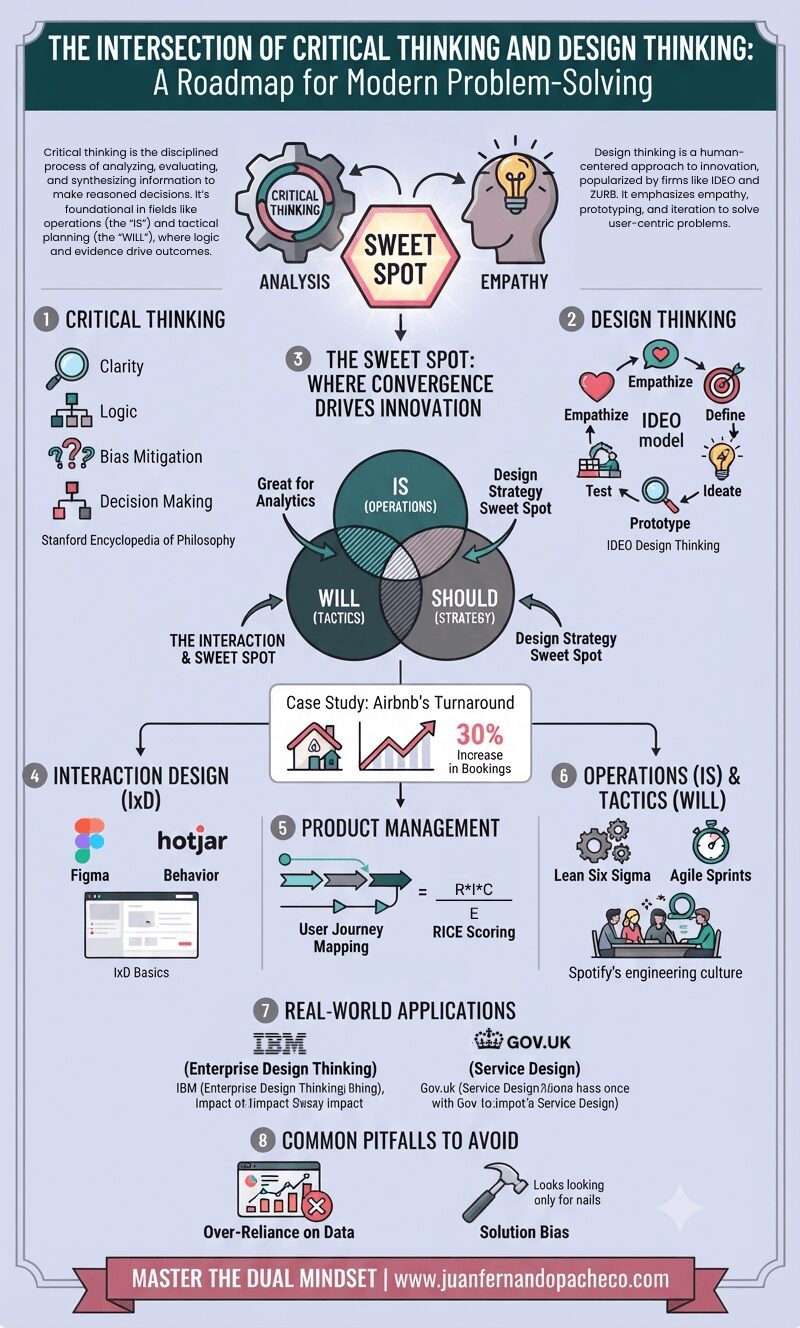
Critical and design thinking are not opposing forces—they’re complementary. By mastering their intersection, teams can craft solutions that are both innovative and actionable.
Whether you’re a UX designer, product manager, or operations lead, this dual mindset is your key to staying ahead.
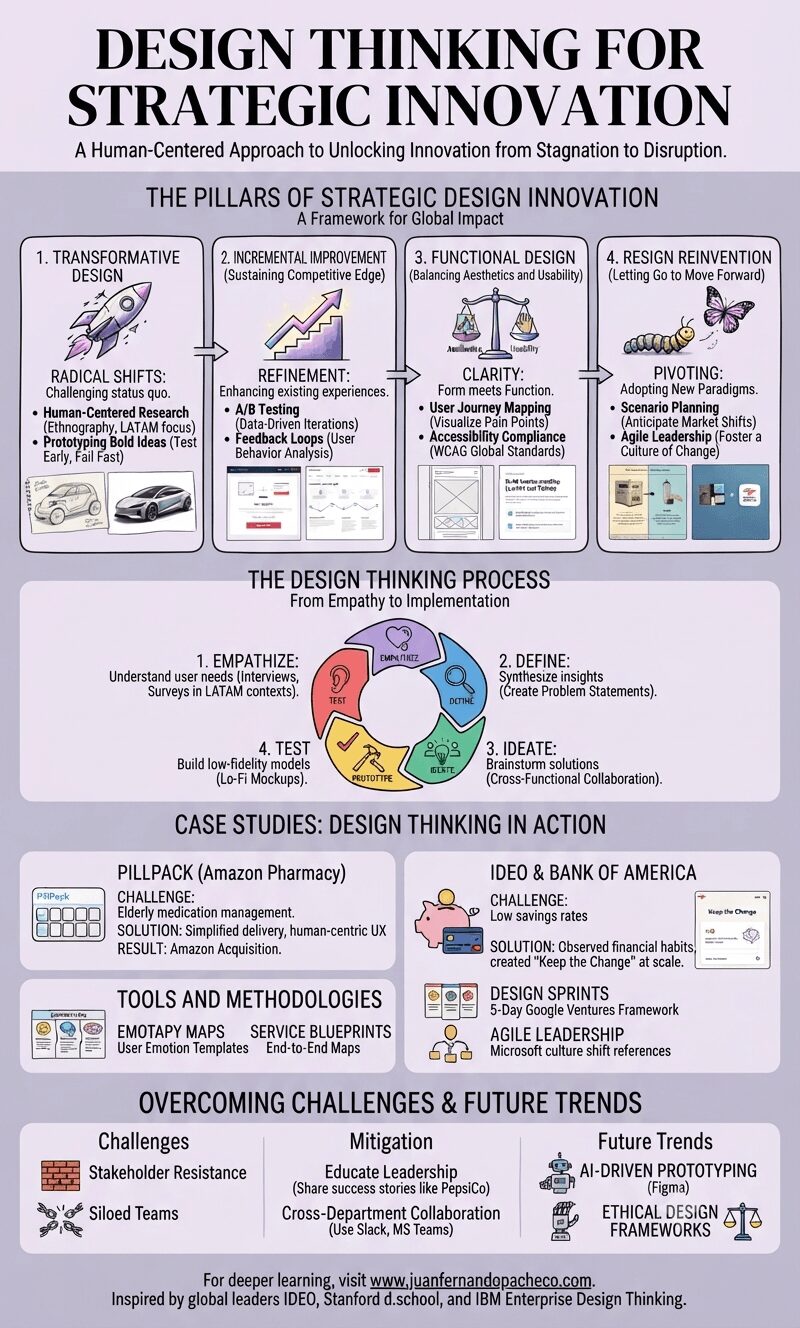
Design Thinking is more than a buzzword—it’s a human-centered approach to solving complex problems and unlocking strategic innovation.
By blending empathy, creativity, and iterative learning, organizations can pivot from stagnation to disruption. This post unpacks how Design Thinking intersects with four pillars of innovation: Transformative Design, Incremental Improvement, Functional Design, and Resign Reinvention.
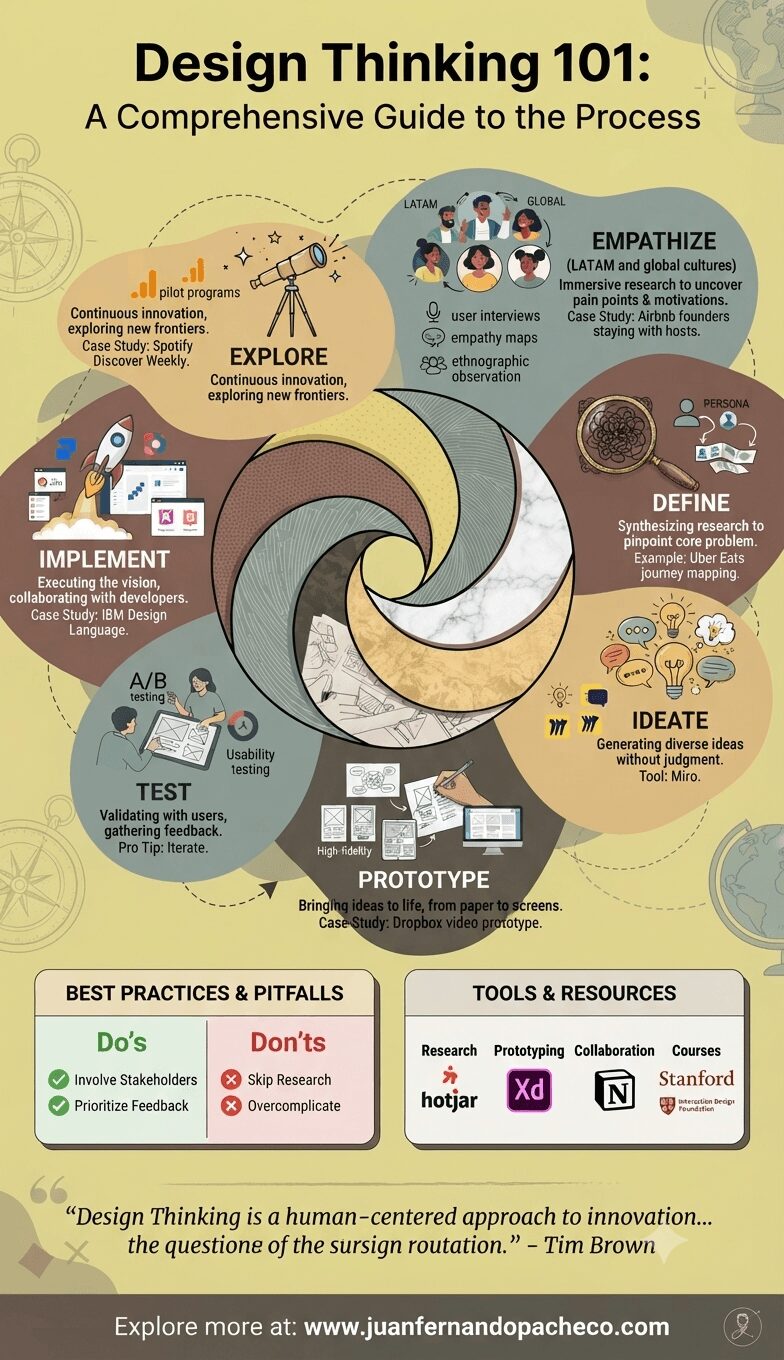
Design Thinking is a human-centered methodology that empowers teams to solve complex problems through creativity, empathy, and iterative learning.
Rooted in disciplines like UX design and systems thinking, it bridges the gap between user needs and business goals. According to the Stanford d.school, Design Thinking is “a methodology for innovation that combines creative and analytical approaches.”
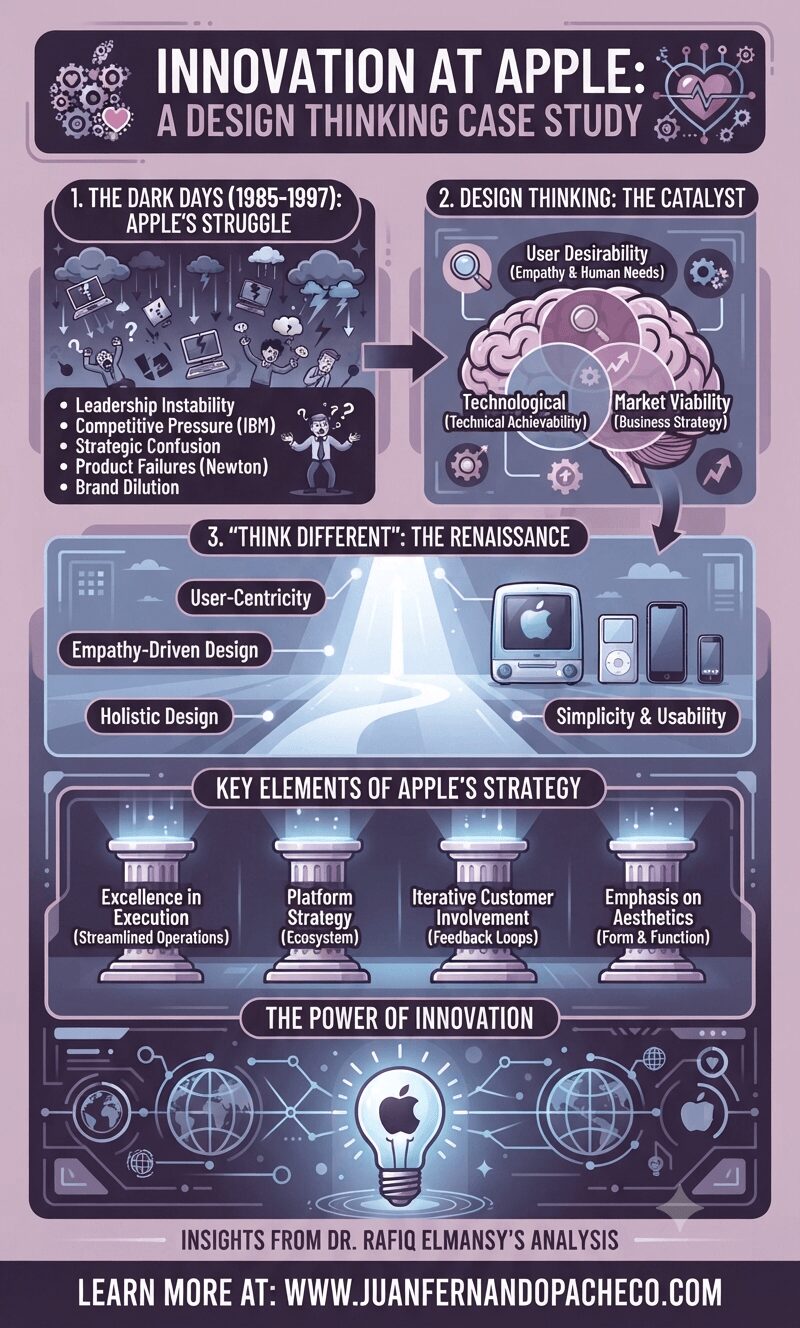
Apple’s resurgence is a compelling case study in the power of Design Thinking. By embracing a user-centric approach, prioritizing simplicity and usability, and fostering a culture of innovation, Apple has transformed itself from a struggling company to a global leader.
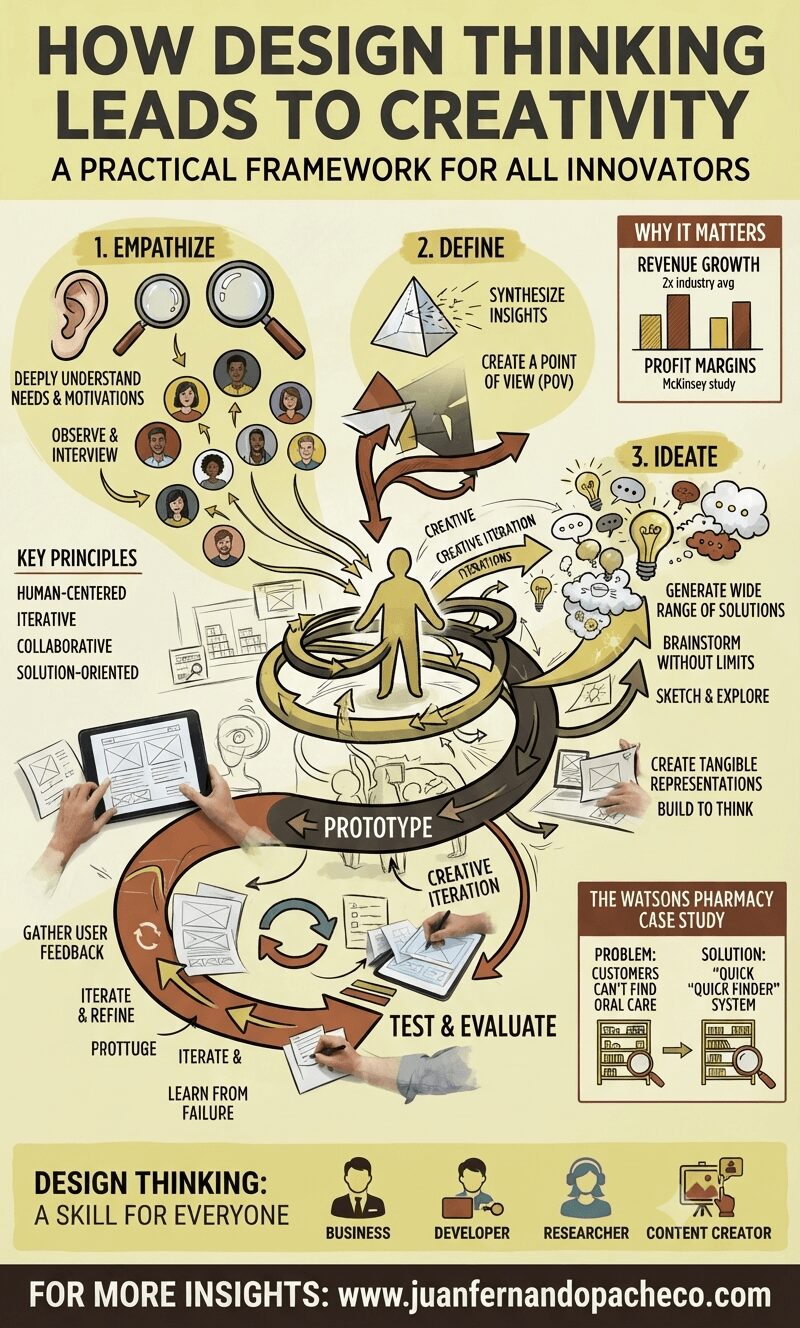
Design Thinking isn’t limited to professional designers. It’s a valuable skill for anyone who wants to solve problems creatively and drive innovation. By adopting a human-centered approach and embracing the iterative nature of design thinking, individuals and organizations can unlock their creative potential and achieve remarkable results.
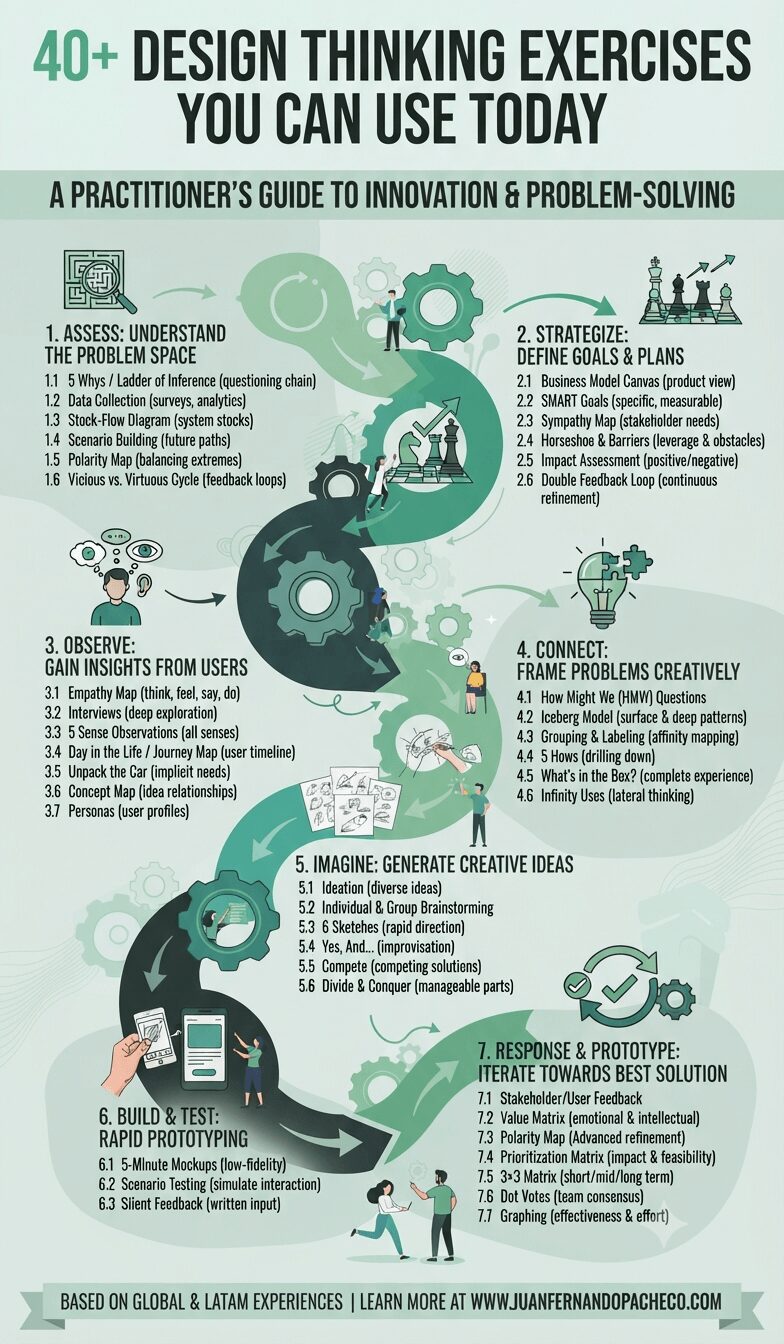
These 45+ design thinking exercises provide a practical and structured approach to problem-solving.
By incorporating these exercises into your UX practice, you can foster creativity, enhance user understanding, and drive impactful results.
Remember that design thinking is an iterative process, so don’t be afraid to experiment and adapt these exercises to fit your specific needs.
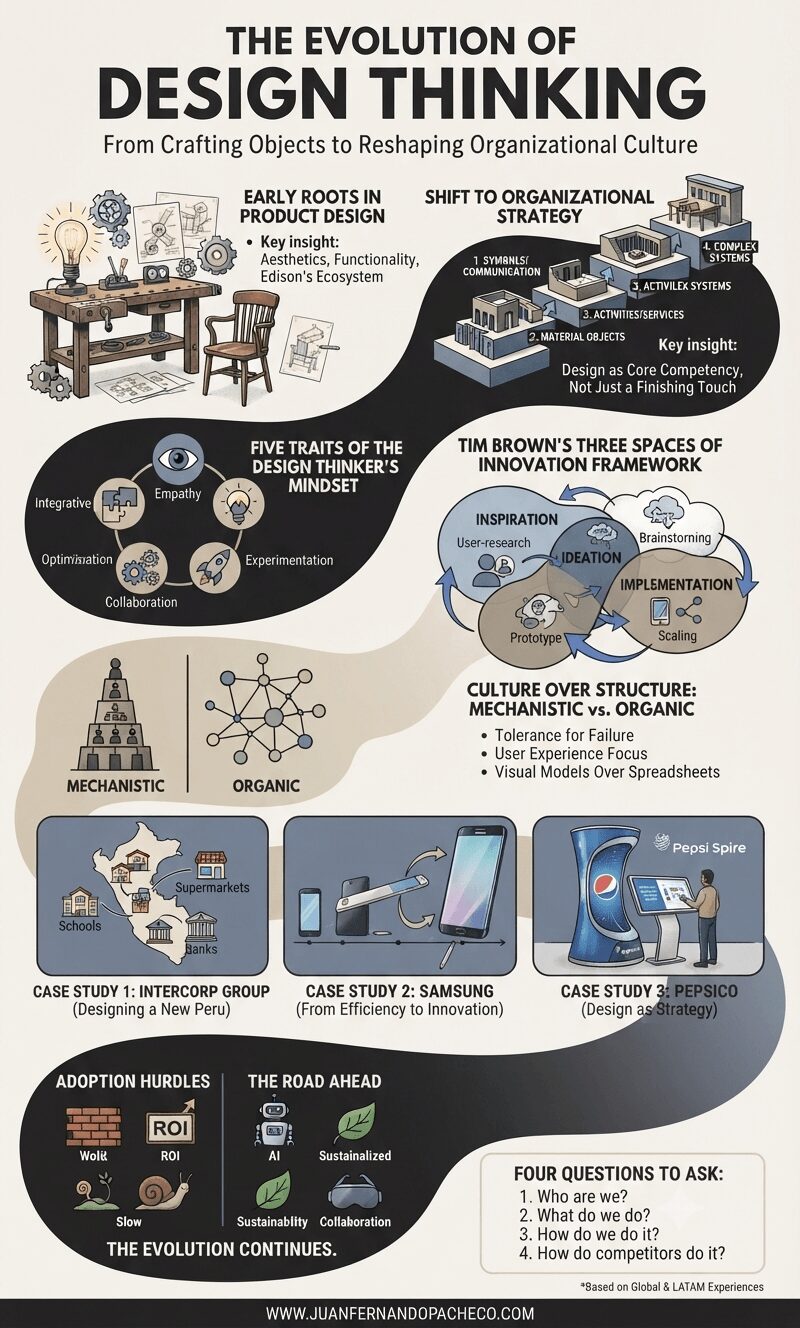
Discover how design thinking evolved from crafting physical objects to reshaping organizational culture.
Explore principles, case studies, and SEO-optimized insights into this transformative approach.
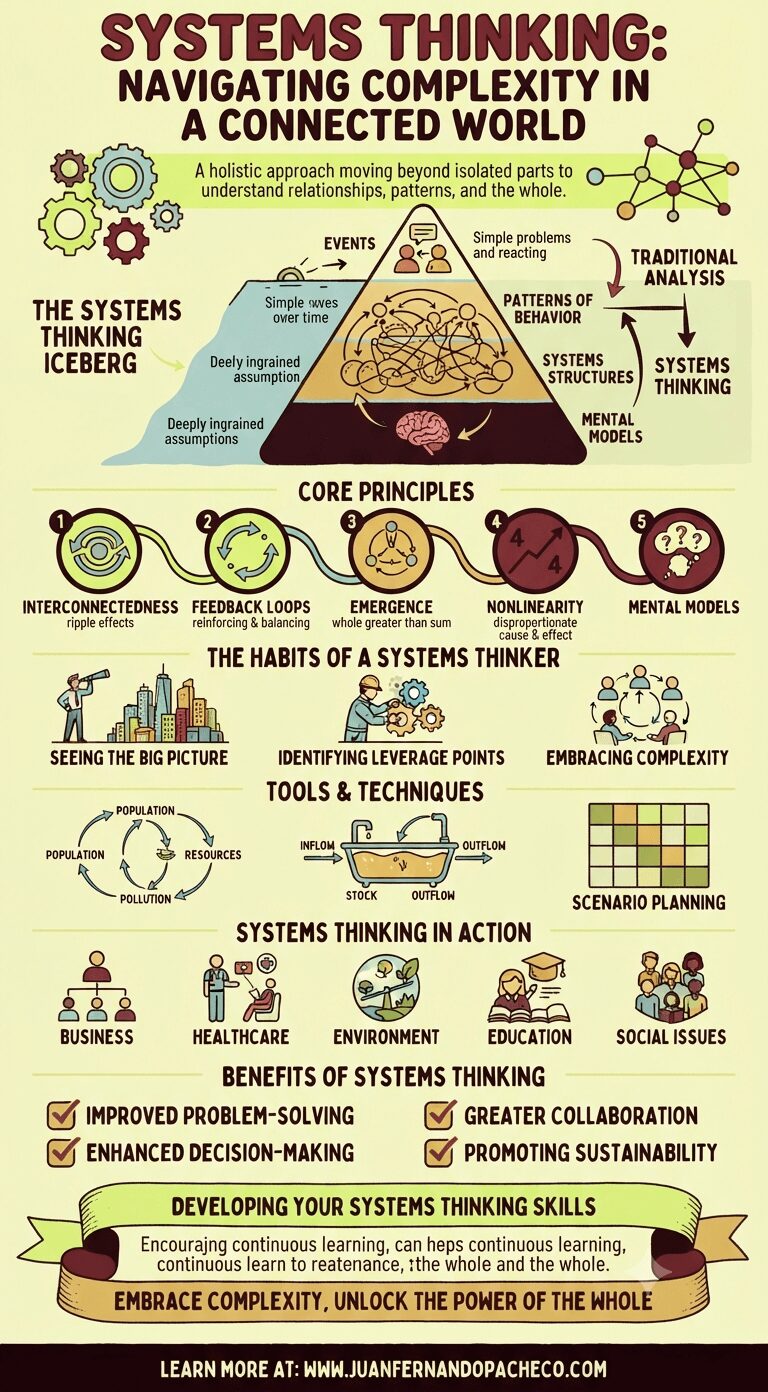
In a world characterized by complexity and rapid change, systems thinking is no longer a luxury, but a necessity.
By understanding the interconnectedness of systems and developing the skills to think holistically, we can unlock the power of the whole and create a more sustainable and prosperous future.
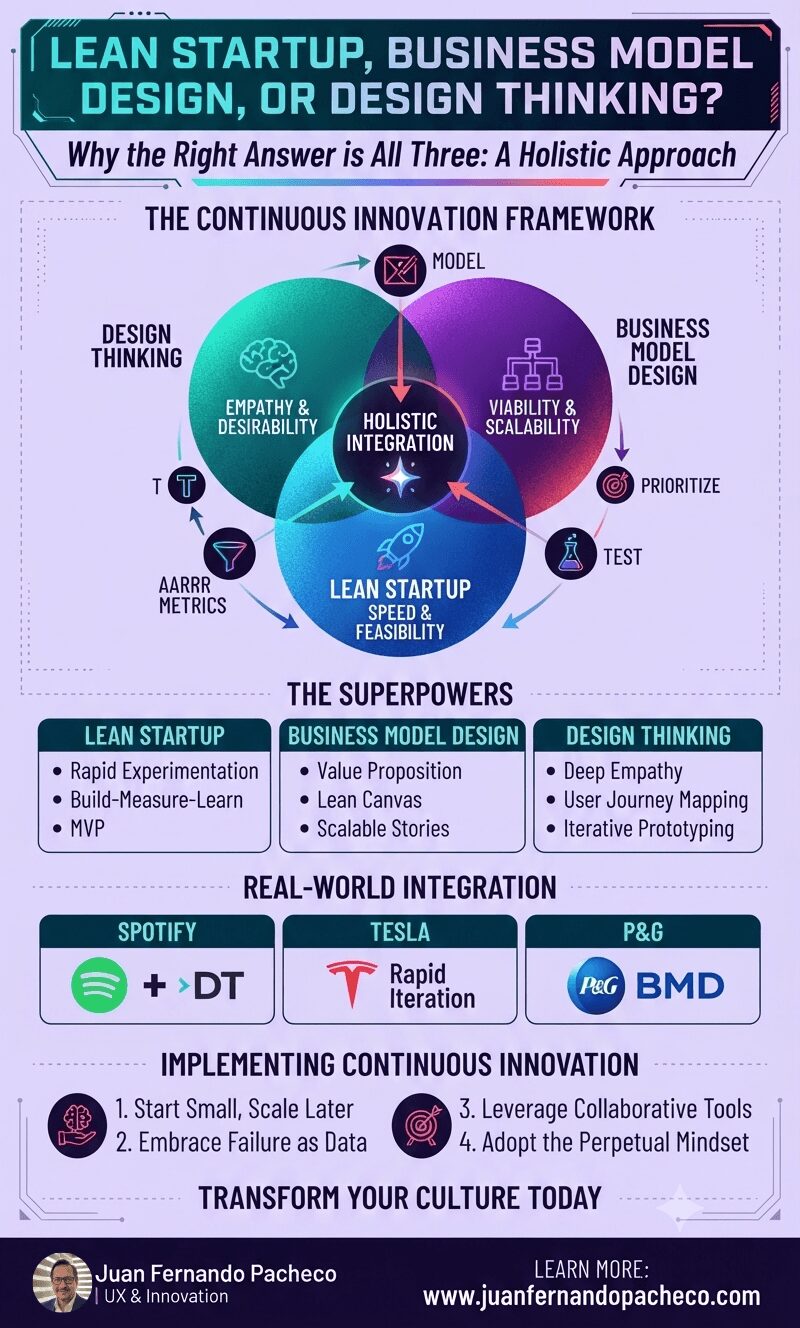
The future belongs to organizations that blend Lean Startup’s agility, Business Model Design’s structure, and Design Thinking’s empathy. By adopting the Continuous Innovation Framework, you’ll build a culture where innovation isn’t a one-time event but a perpetual mindset.