UX is about understanding humans, navigating complexity, and aligning those human needs with business viability.
In 2026, the bar for entry is higher because the tactical work is automated. But the ceiling for strategic impact is limitless.
Product design is the process of identifying a market opportunity, clearly defining the problem, developing a proper solution for that problem and validating the solution with real users.
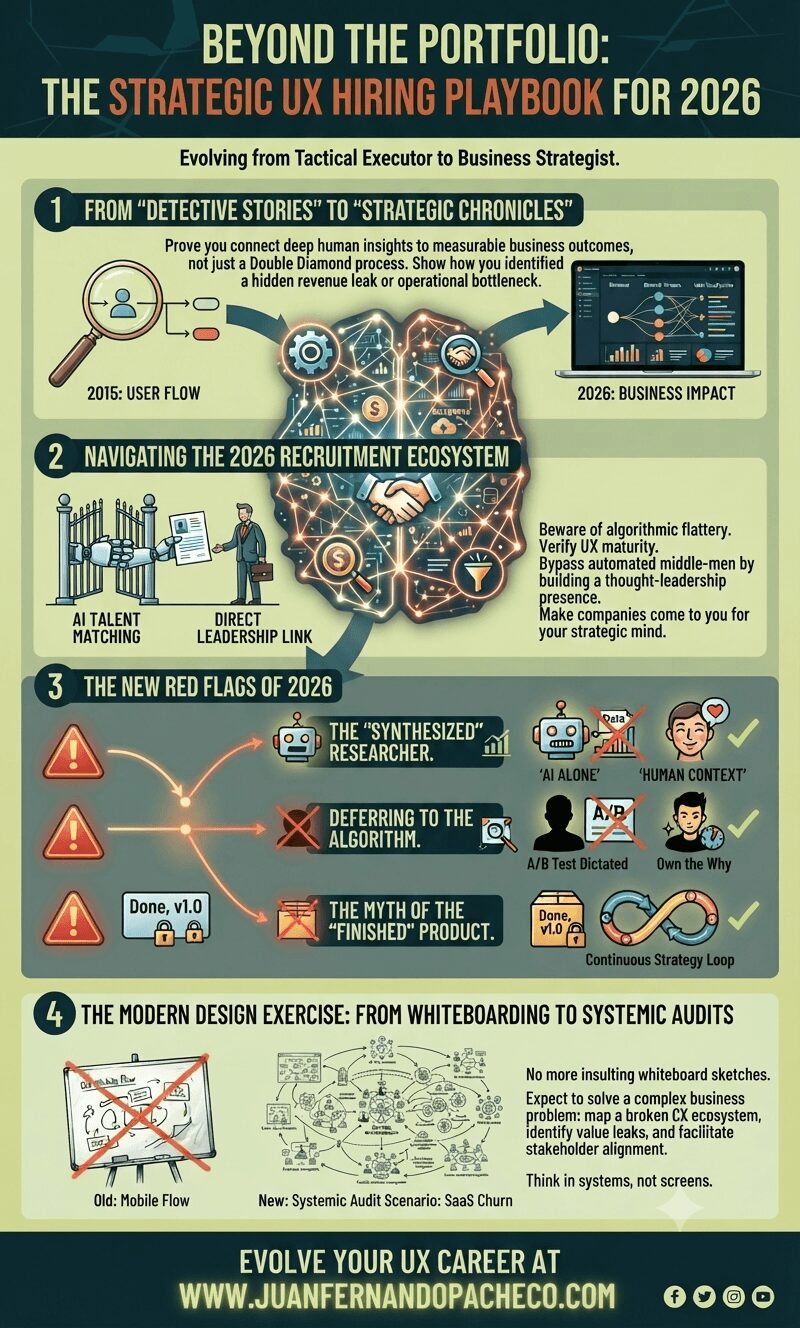
UX is about understanding humans, navigating complexity, and aligning those human needs with business viability.
In 2026, the bar for entry is higher because the tactical work is automated. But the ceiling for strategic impact is limitless.
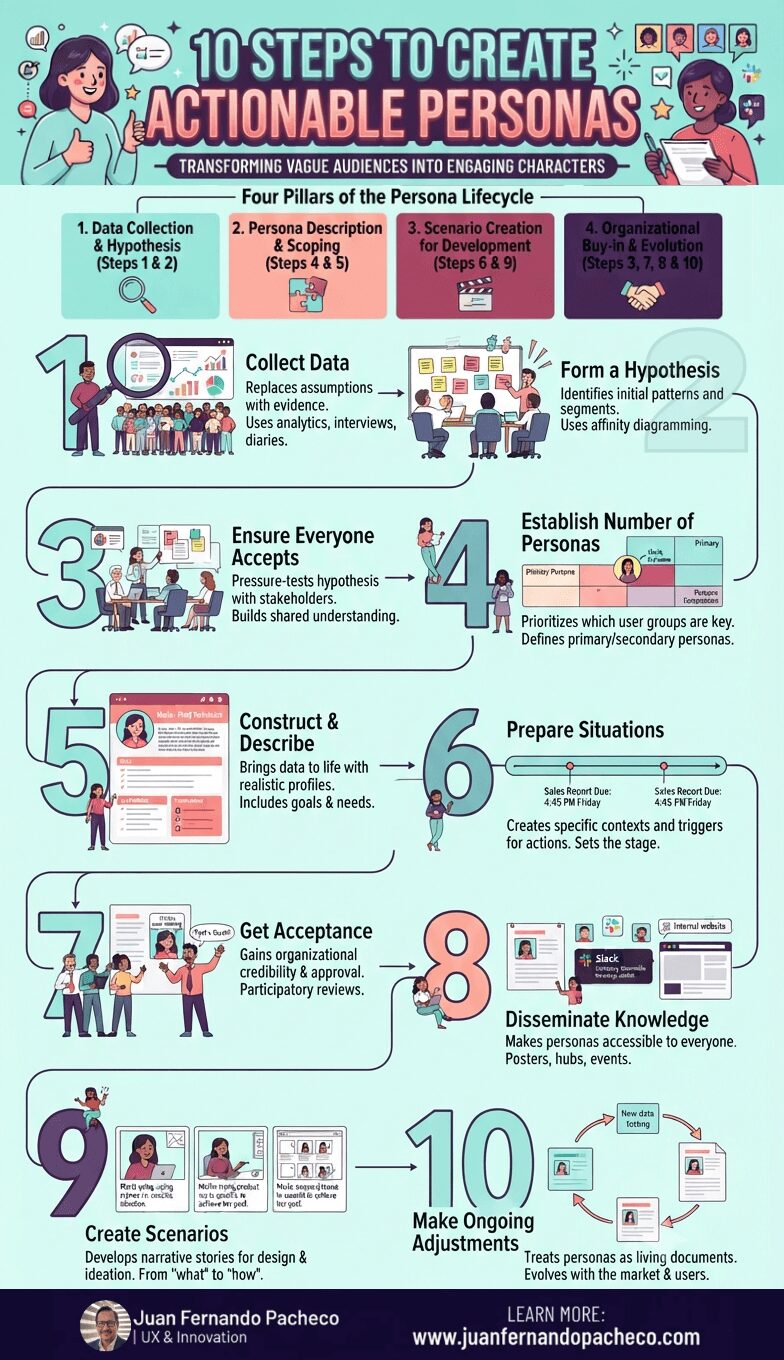
Creating engaging personas is not a one-week exercise to be filed away and forgotten. It is a strategic commitment to human-centered design. This 10-step process provides a robust framework, but its success hinges on a cultural shift within your organization—a shift from building for “the user” to designing for “Maria,” “John,” and “Akira.”
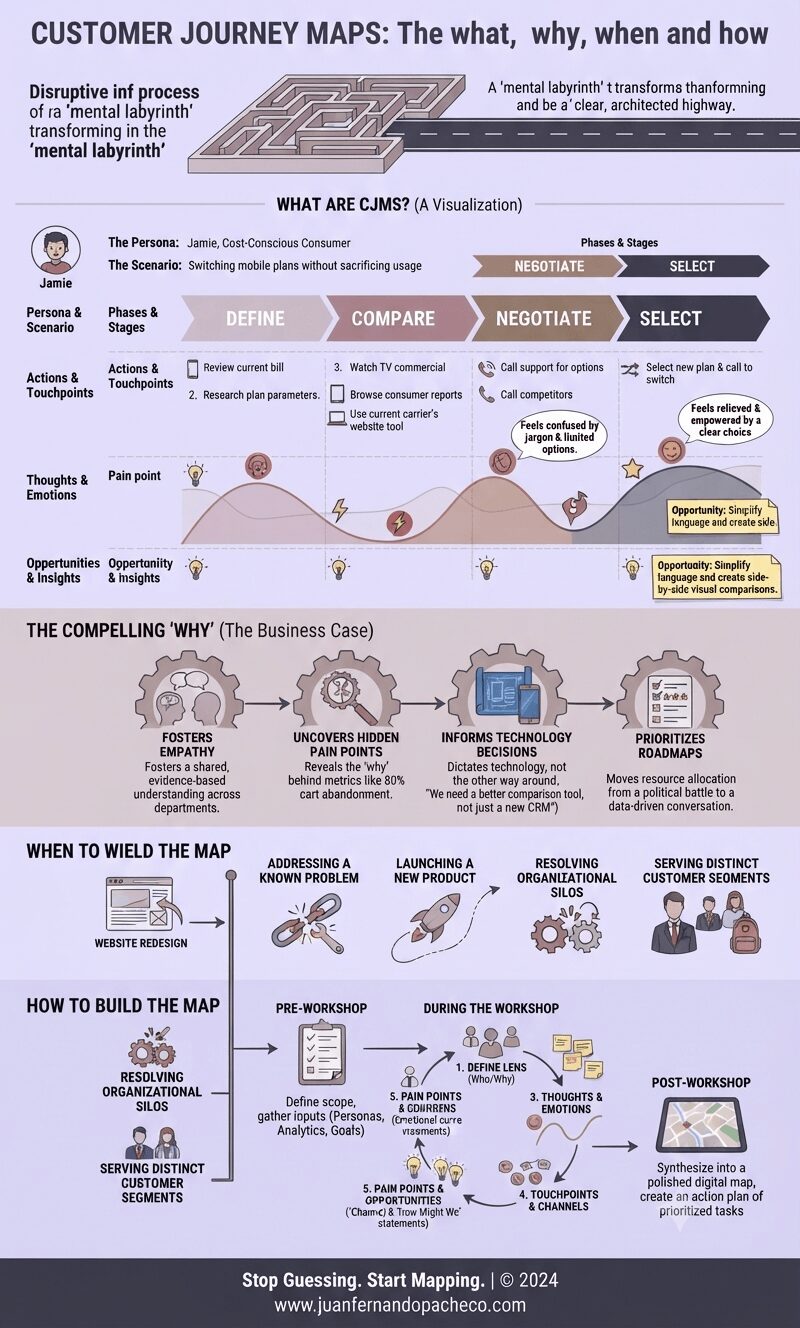
A Customer Journey Map is more than a diagram; it’s a strategic compass. It aligns your organization’s internal machinery with the external reality of your customer’s experience. It transforms abstract data into human stories, and those stories into a clear, actionable blueprint for improvement.
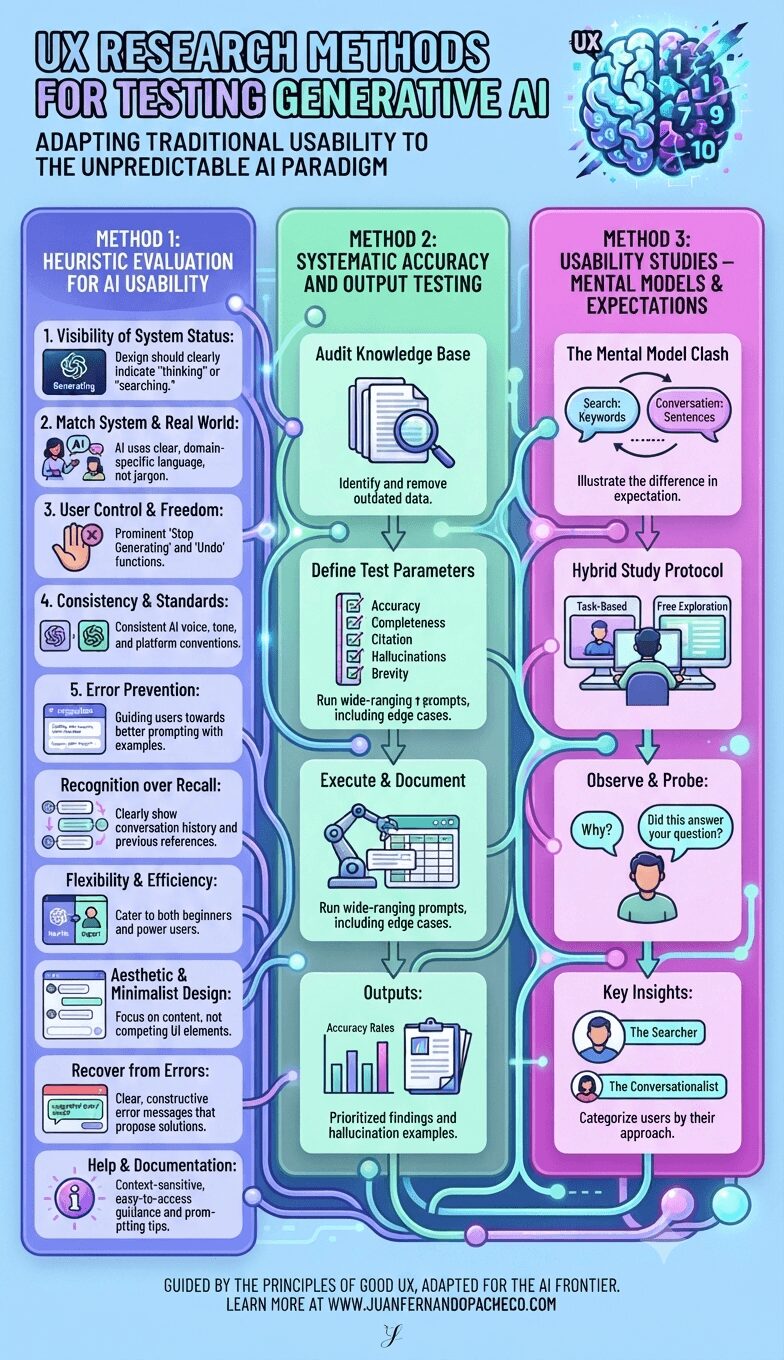
Testing generative AI requires us to expand our UX research toolkit. We can no longer rely solely on prototyping predictable flows. Instead, we must adopt a multi-pronged strategy that assesses not just the interface’s usability but also the quality of its output and its alignment with deeply ingrained user mental models.
Why Product Design is More Than Just Pretty Pictures Beyond the Surface When you hear
Design Thinking isn’t just a trendy term—it’s a human-centered revolution in problem-solving. Rooted in industrial design
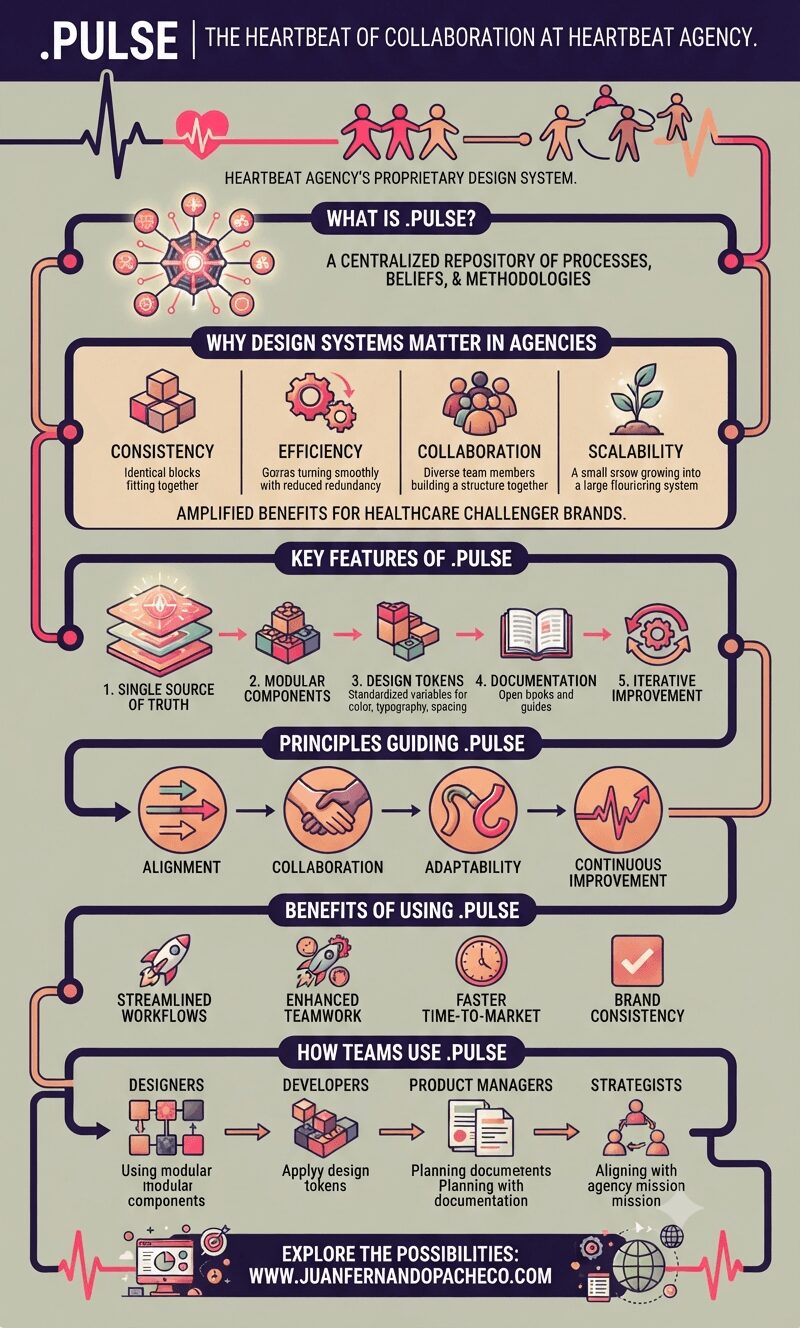
.pulse exemplifies how a well-crafted design system can transform an organization’s workflows while fostering collaboration and innovation. For Heartbeat Agency—a pioneer in healthcare marketing—this centralized source of truth has become a cornerstone of its success.
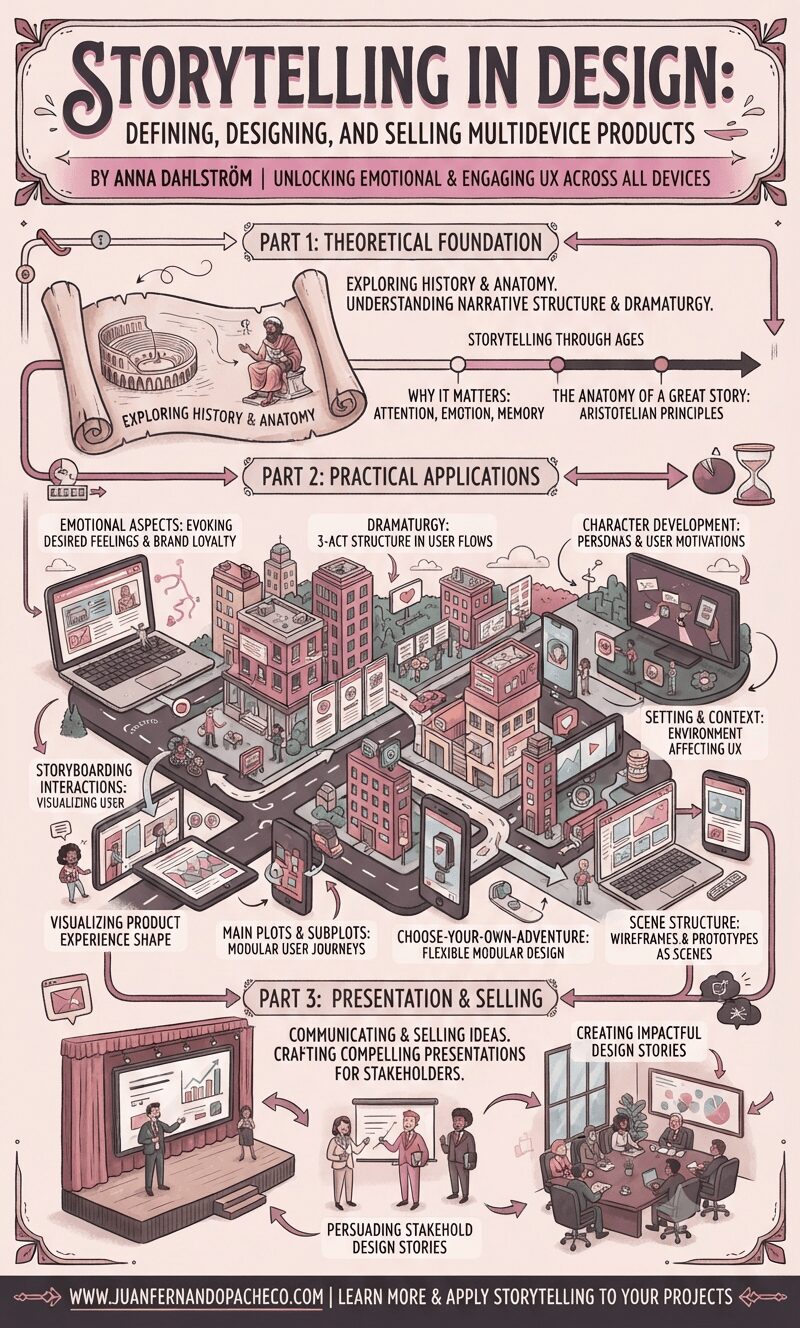
Throughout the book, Dahlström provides practical exercises and examples to help readers apply storytelling principles to their design projects.
She emphasizes that storytelling is not just about creating entertaining narratives but also about designing effective and user-centered experiences.
By drawing on the power of storytelling in design, designers can create products that are not only functional but also engaging, meaningful, and memorable.
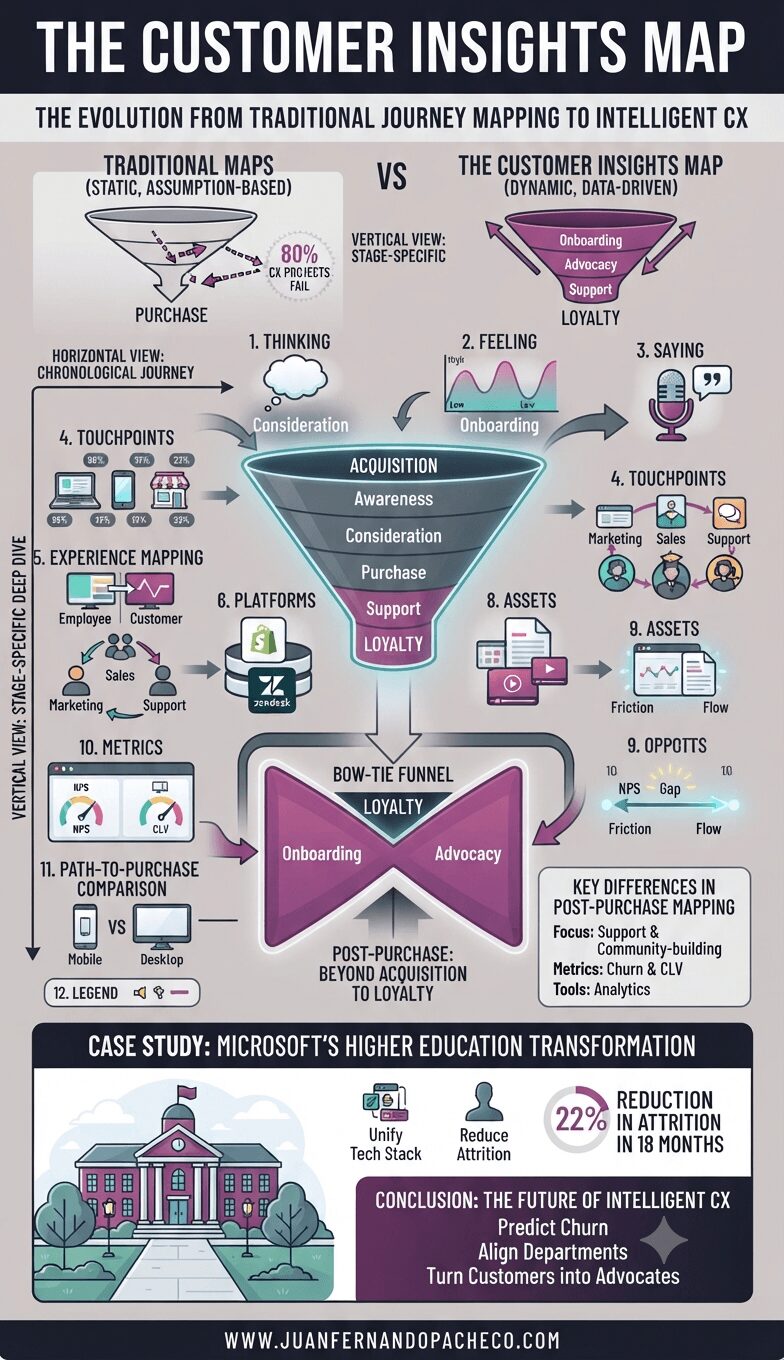
Enter the Customer Insights Map—a fusion of qualitative empathy, quantitative analytics, and strategic frameworks like StoryVesting and Hoshin methodology.
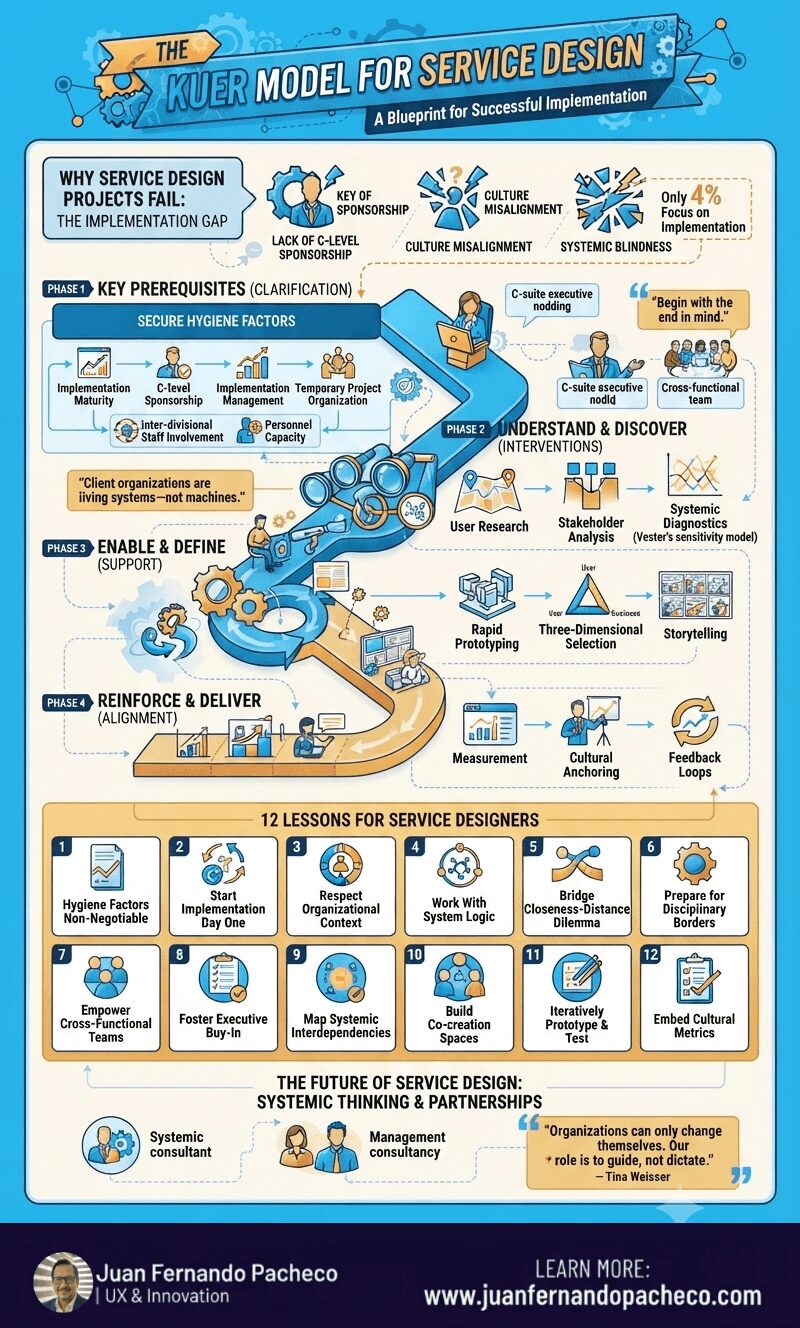
The KUER model underscores that service designers must evolve beyond UX expertise. Skills in systemic organizational consulting and partnerships with management consultancies (e.g., Capgemini, Etventure) are critical. As Tina Weisser notes: