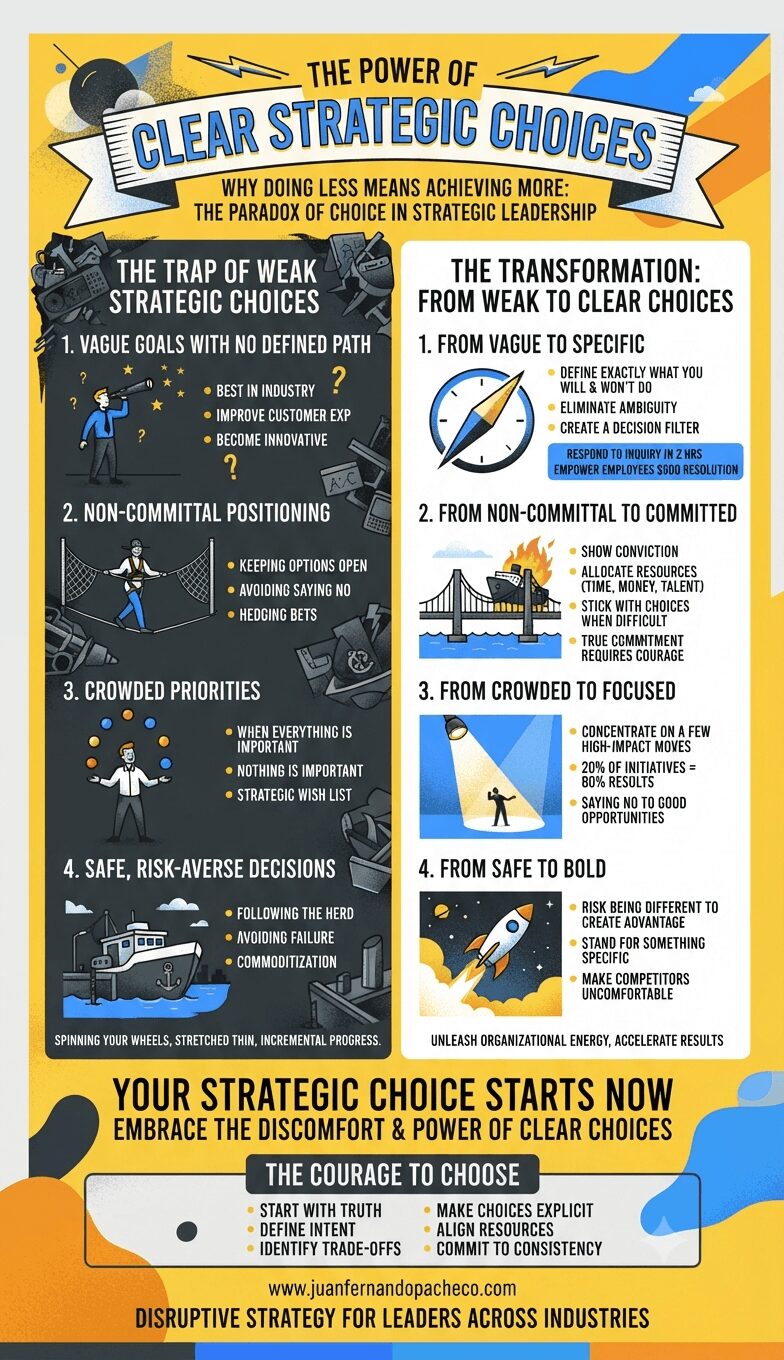
The journey from strategic confusion to clarity requires four essential steps: defining your vision, setting clear priorities, making necessary trade-offs, and committing fully to your choices.
Year: 2026
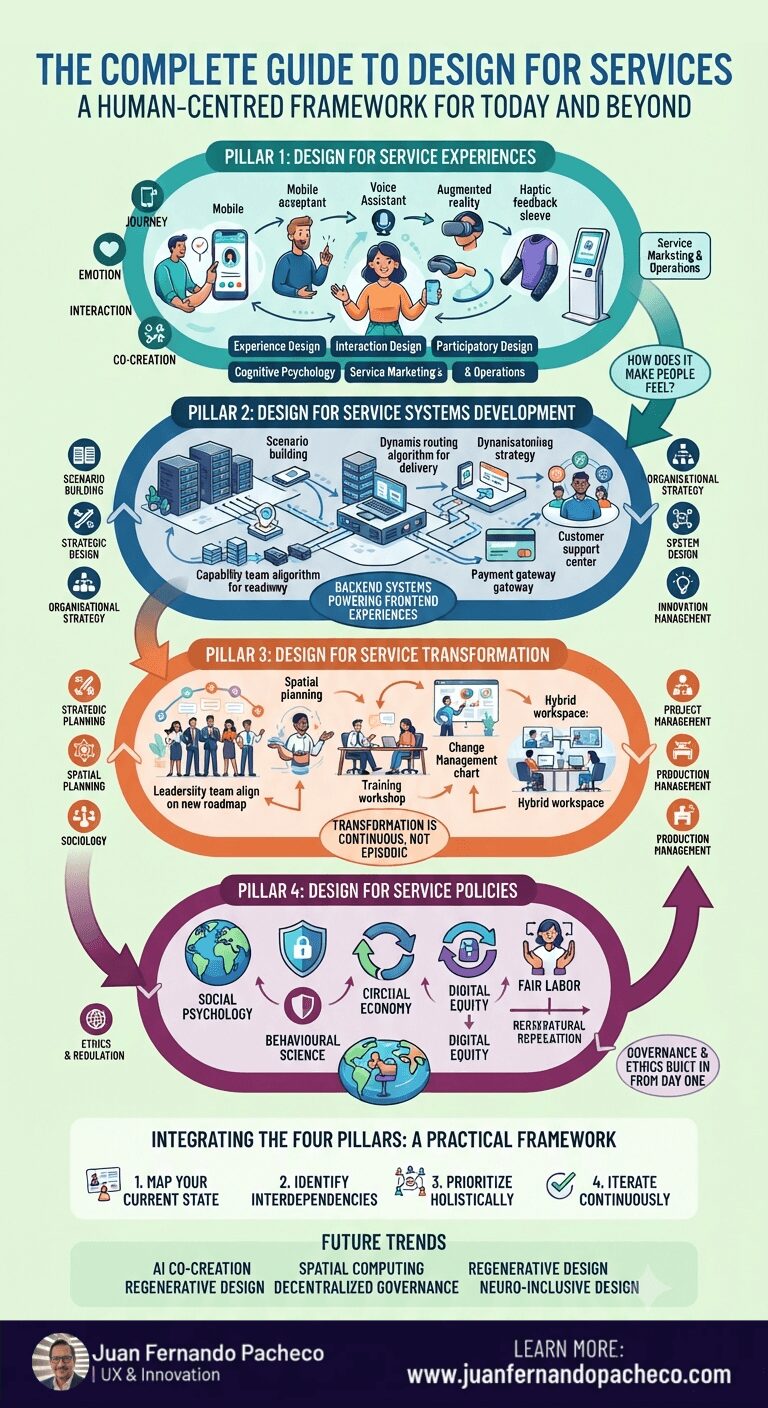
Circular diagram showing Design for Services framework with four quadrants: Design for Service Experiences, Design for Service Systems Development, Design for Service Transformation, and Design for Service Policies, surrounded by 27 interconnected disciplines and approaches for human-centred service design in today’s world
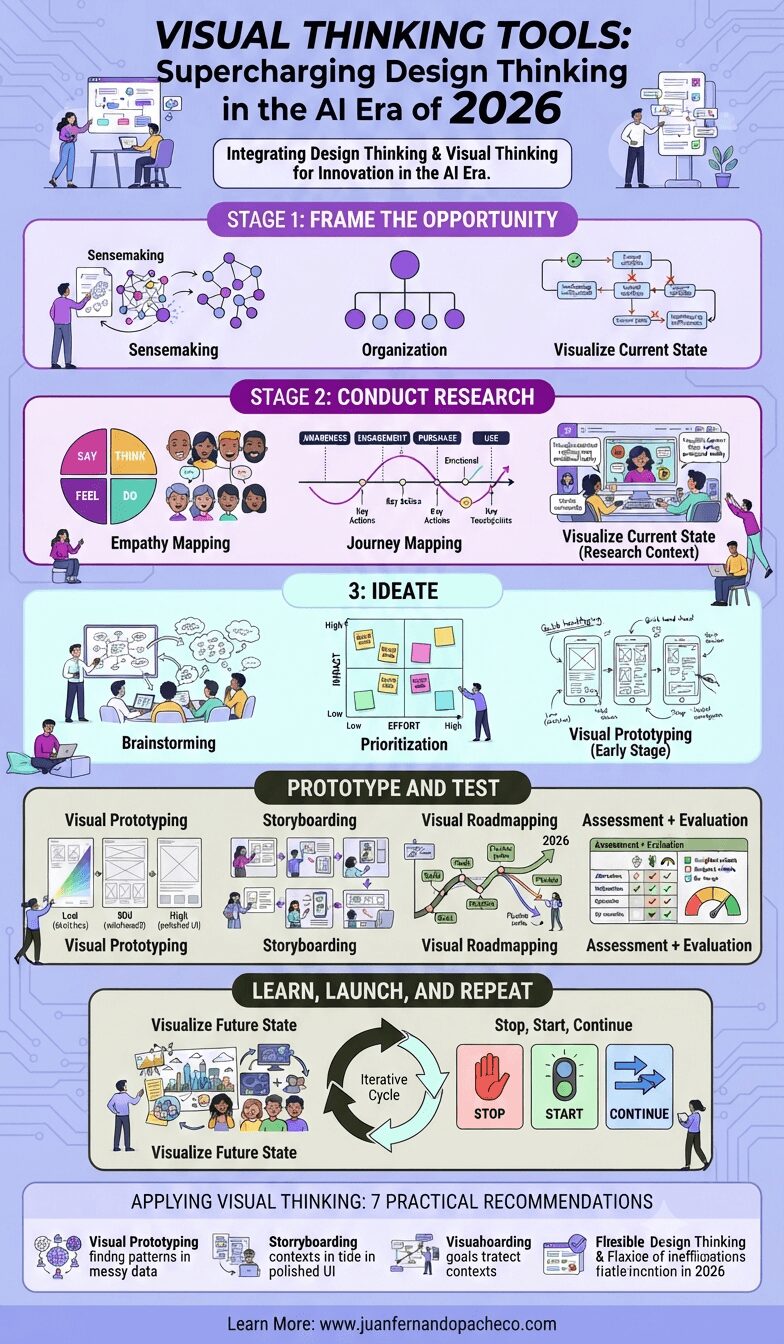
The design thinking methodology with visual thinking tools I’ve outlined here represents more than just a process—it’s a mindset shift toward collaborative, iterative, human-centered innovation. In 2026, where complexity is the norm and user expectations continue to rise, this approach isn’t optional; it’s essential.
Whether you’re a seasoned designer, a business leader driving digital transformation, or an entrepreneur launching your first product, these visual thinking tools can elevate your work. They’ll help you see problems more clearly, generate better solutions, and create experiences that truly resonate with users.
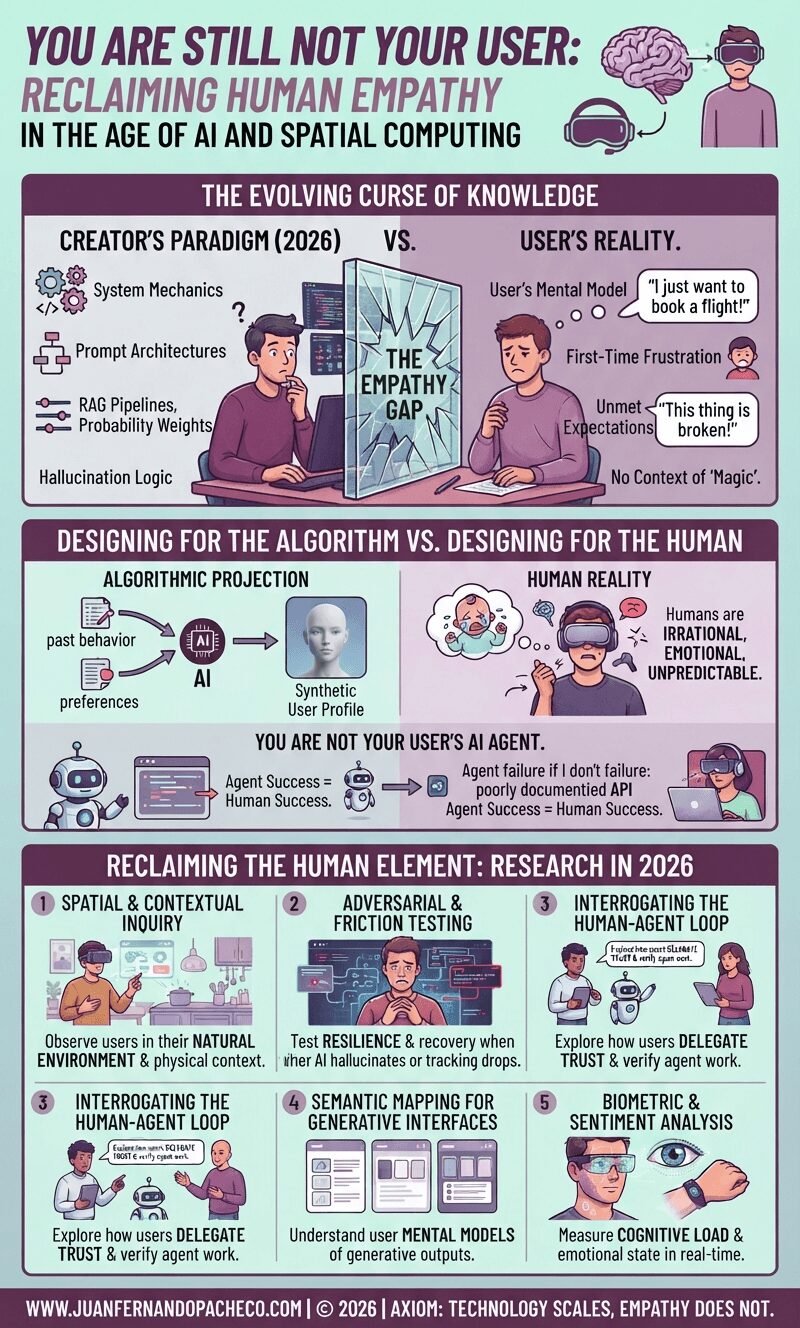
Fifteen years after the classic UX axiom was coined, the tools of our trade have evolved from static screens to generative interfaces and spatial computing. Yet, the fundamental rule remains: you are not your user. In 2026, as we navigate the complexities of AI agents and synthetic data, remembering this has never been more critical—or more challenging
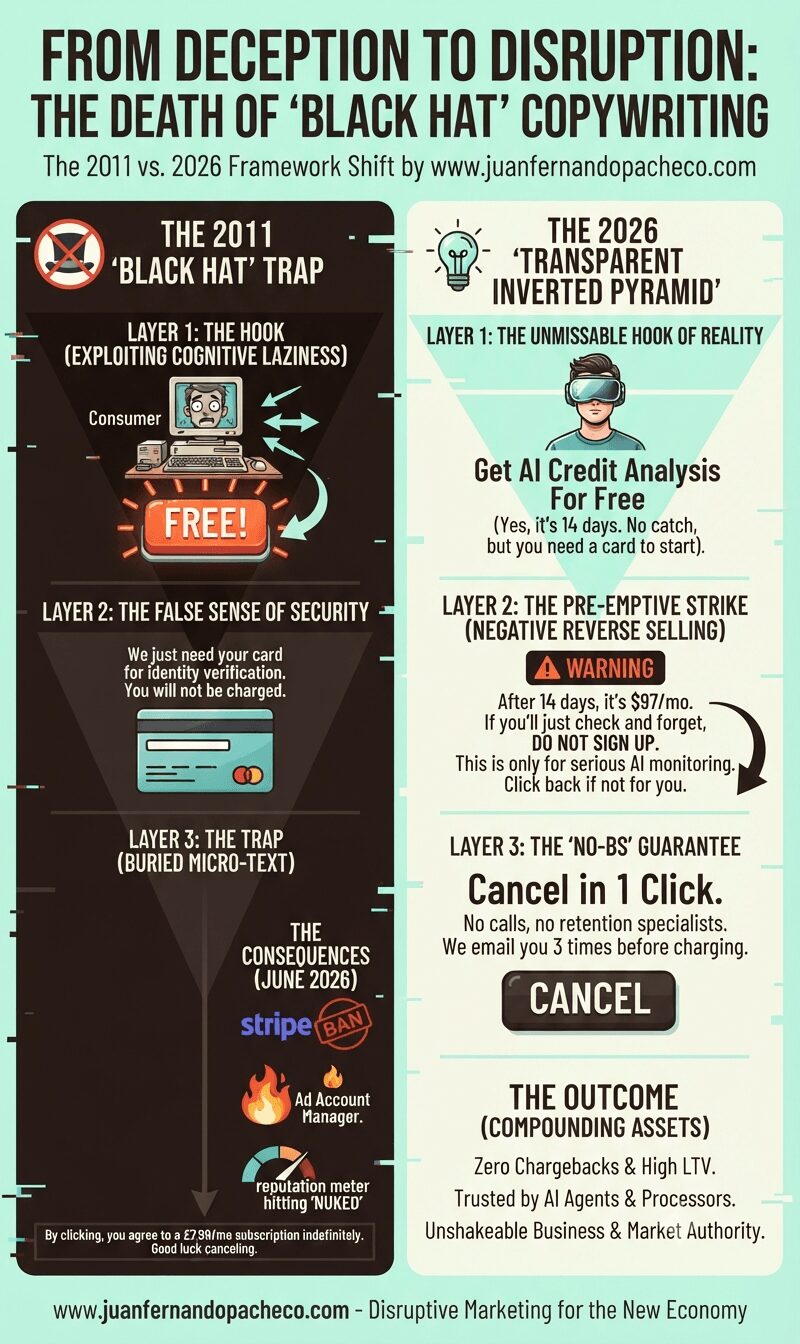
In 2011, black hat copywriting relied on hiding the catch in the fine print. In 2026, that trick will get your payment processors banned and your ads destroyed. Here is the new psychology of persuasion you need to master instead.
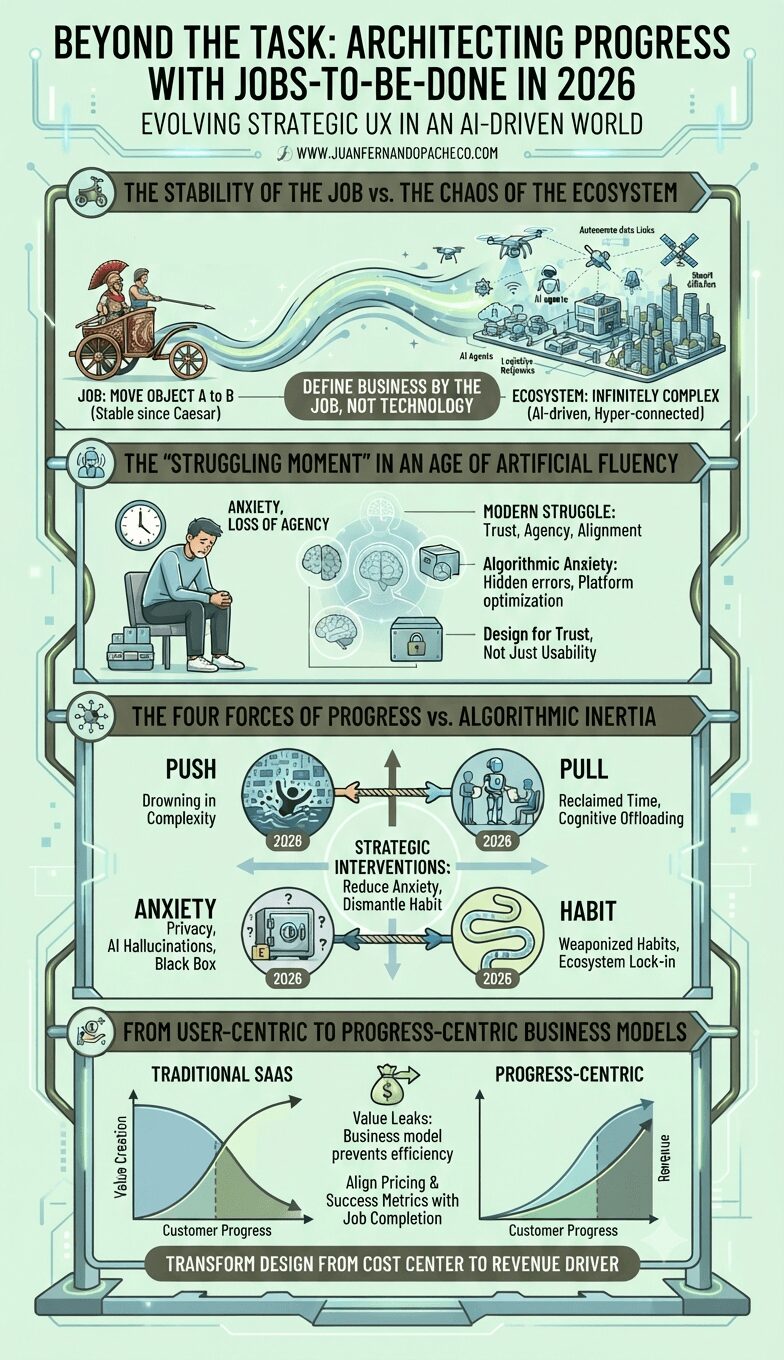
To truly master Strategic UX and Jobs-to-be-Done, we must look beyond the functional task and dive into the deep psychology of the user.
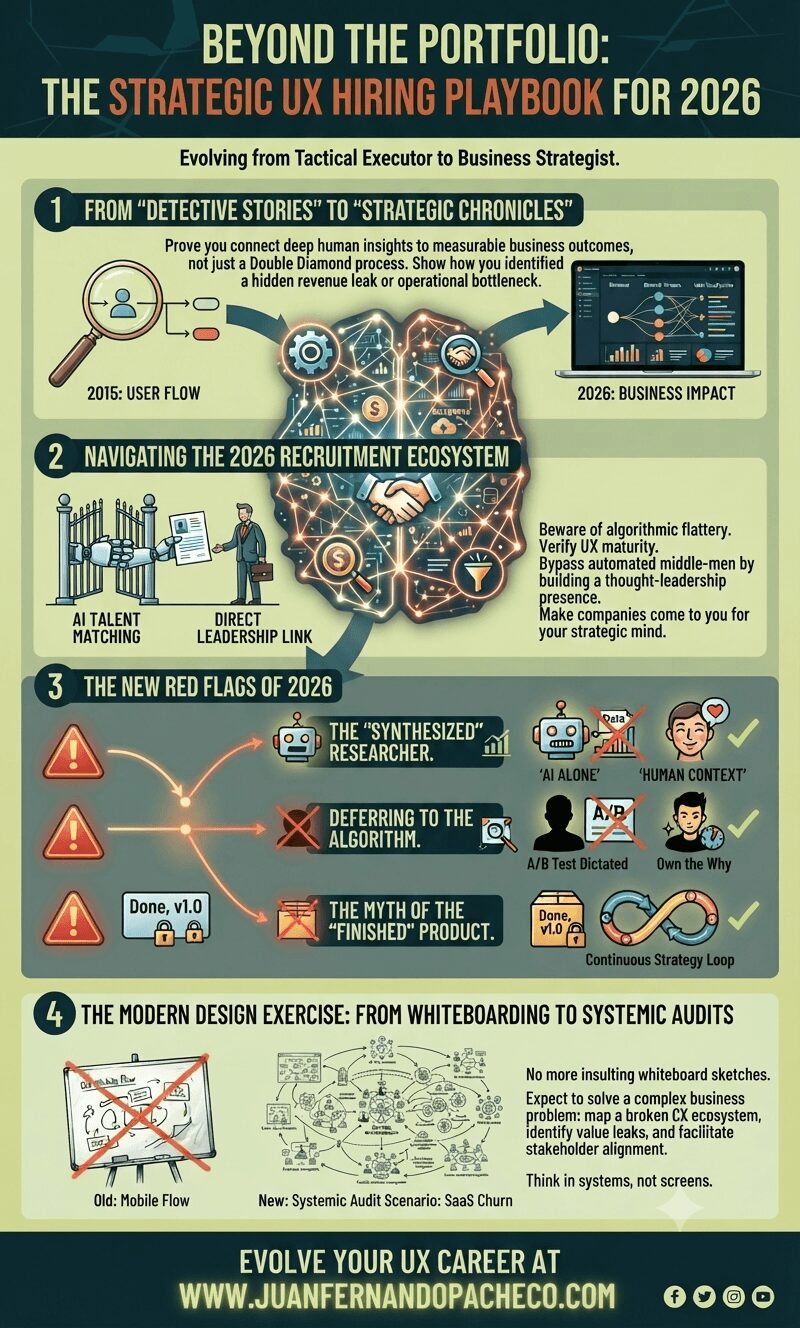
UX is about understanding humans, navigating complexity, and aligning those human needs with business viability.
In 2026, the bar for entry is higher because the tactical work is automated. But the ceiling for strategic impact is limitless.