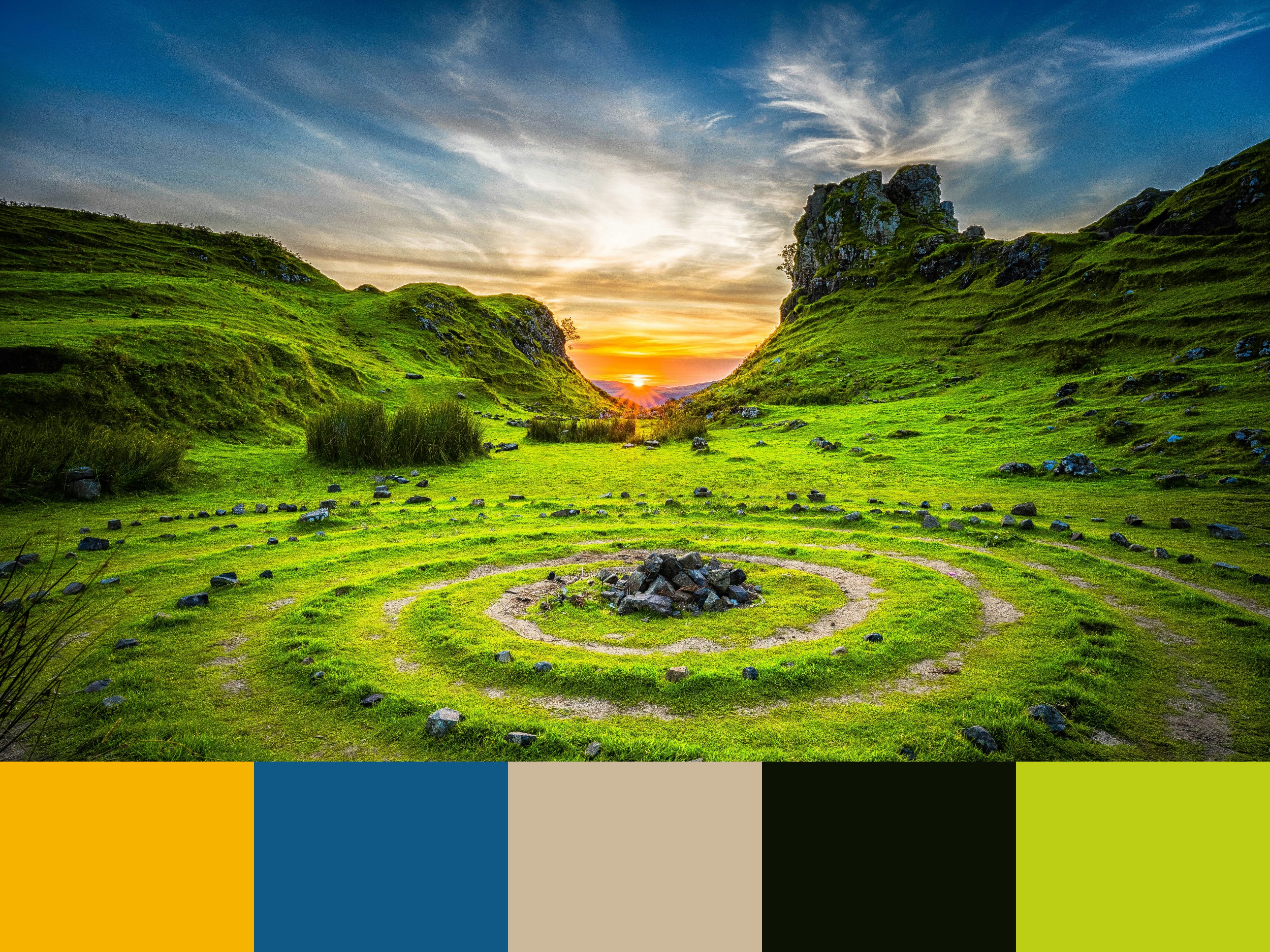
A Designer’s Guide to Utilizing Nature-Inspired Color Palettes The visual landscape surrounding us offers an
Tag: User Experience

A Guide to Using Nature’s Canvas Colors in UI and Graphic Design In the realm
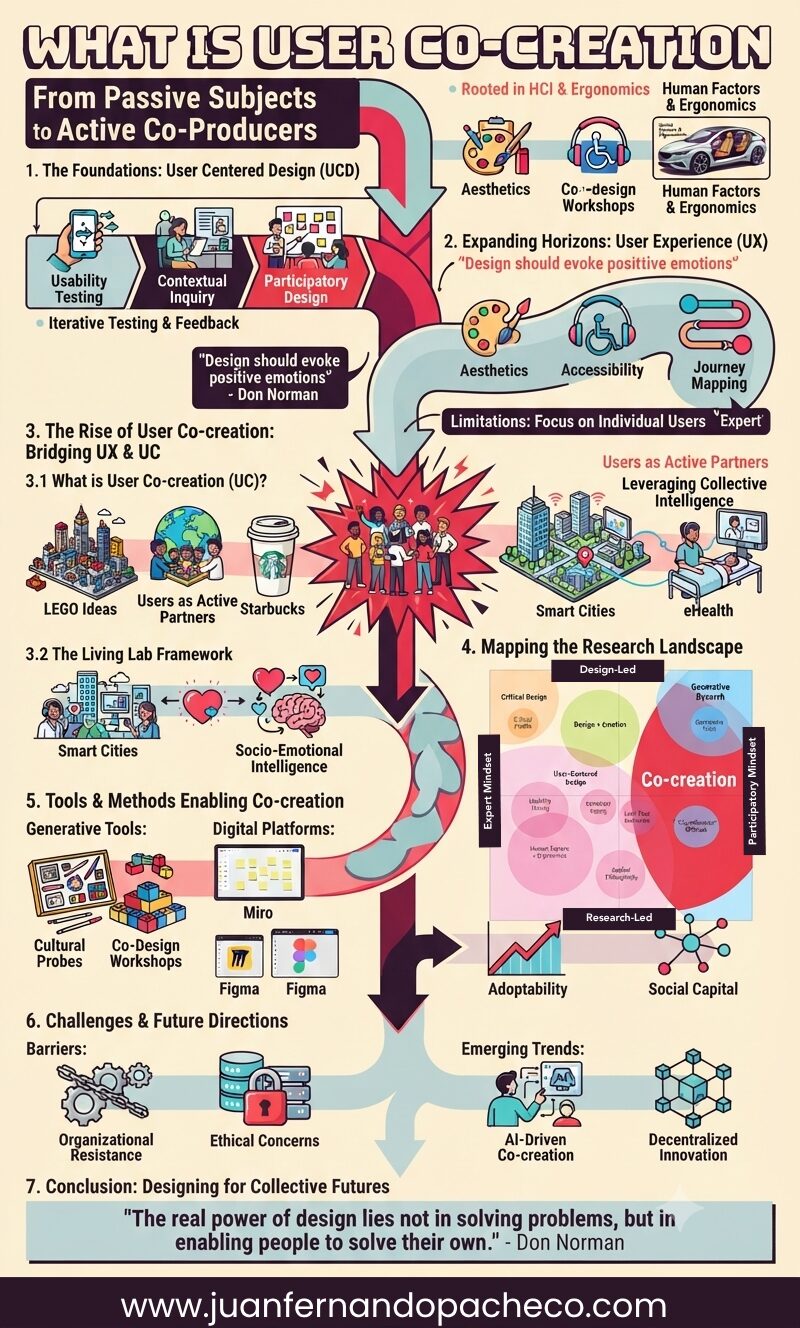
The shift from User Centred Design (UCD) to User Co-creation (UC) marks a democratization of innovation. By embracing Living Labs and participatory frameworks, designers can harness the collective genius of users. As Don Norman aptly stated:
“The real power of design lies not in solving problems, but in enabling people to solve their own.”
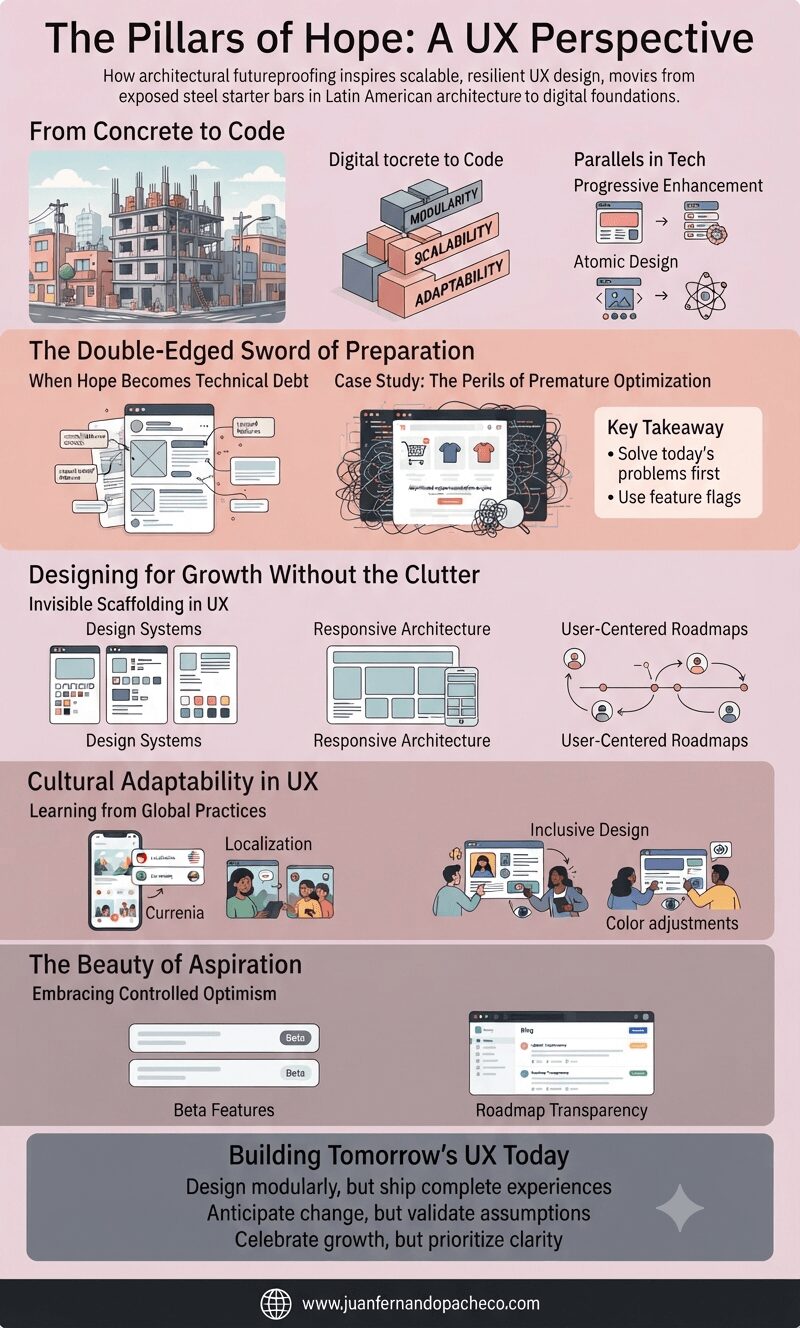
The first time I saw steel starter bars jutting out from rooftops in Latin America, I was baffled. These exposed rods, nicknamed “Pillars of Hope,” seemed like chaotic afterthoughts. But their purpose—preparing buildings for future expansion—reveals a profound lesson for UX designers
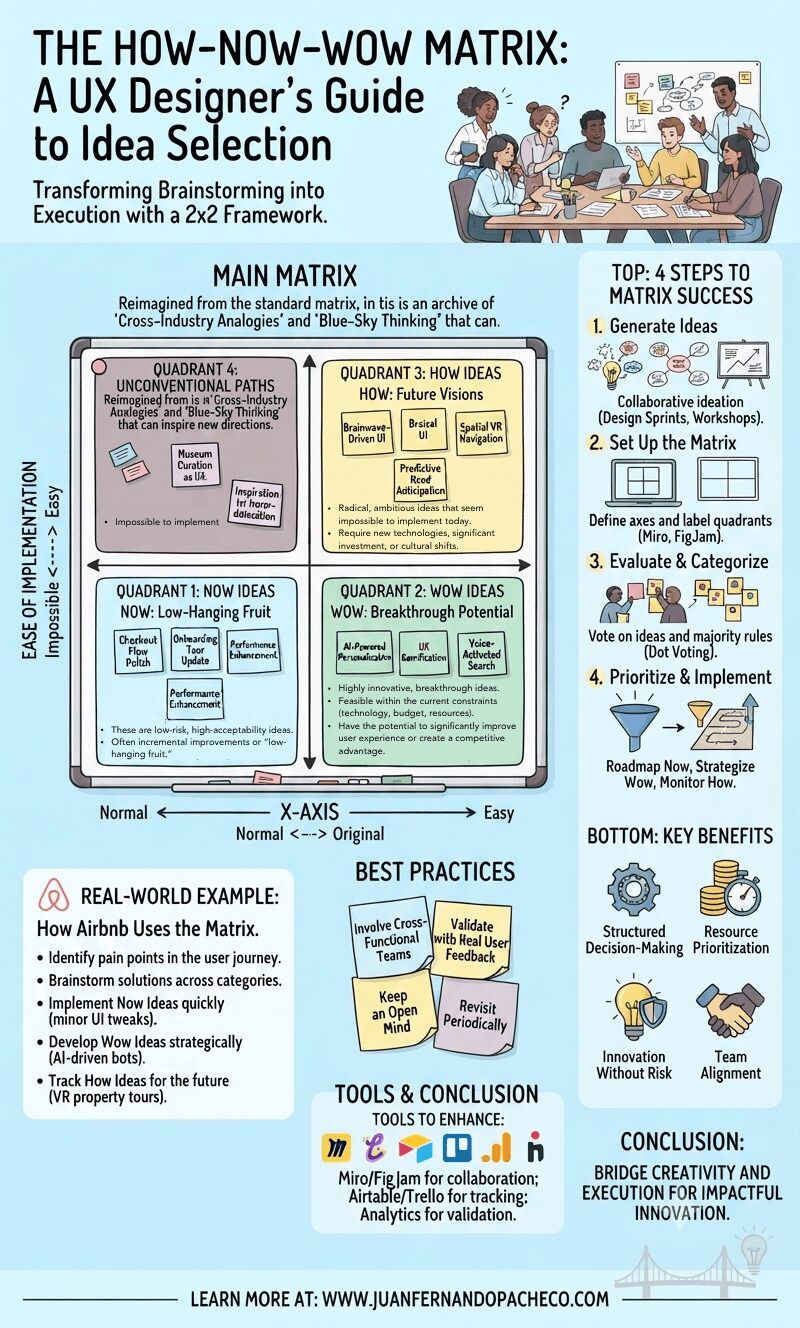
The How-Now-Wow Matrix is an invaluable tool in the UX designer’s toolkit. It bridges the gap between creativity and execution, ensuring that the best ideas move forward in a structured, strategic manner. Whether you’re optimizing an existing product or envisioning the future of user experience, integrating this framework will enhance your decision-making process and lead to impactful innovation.
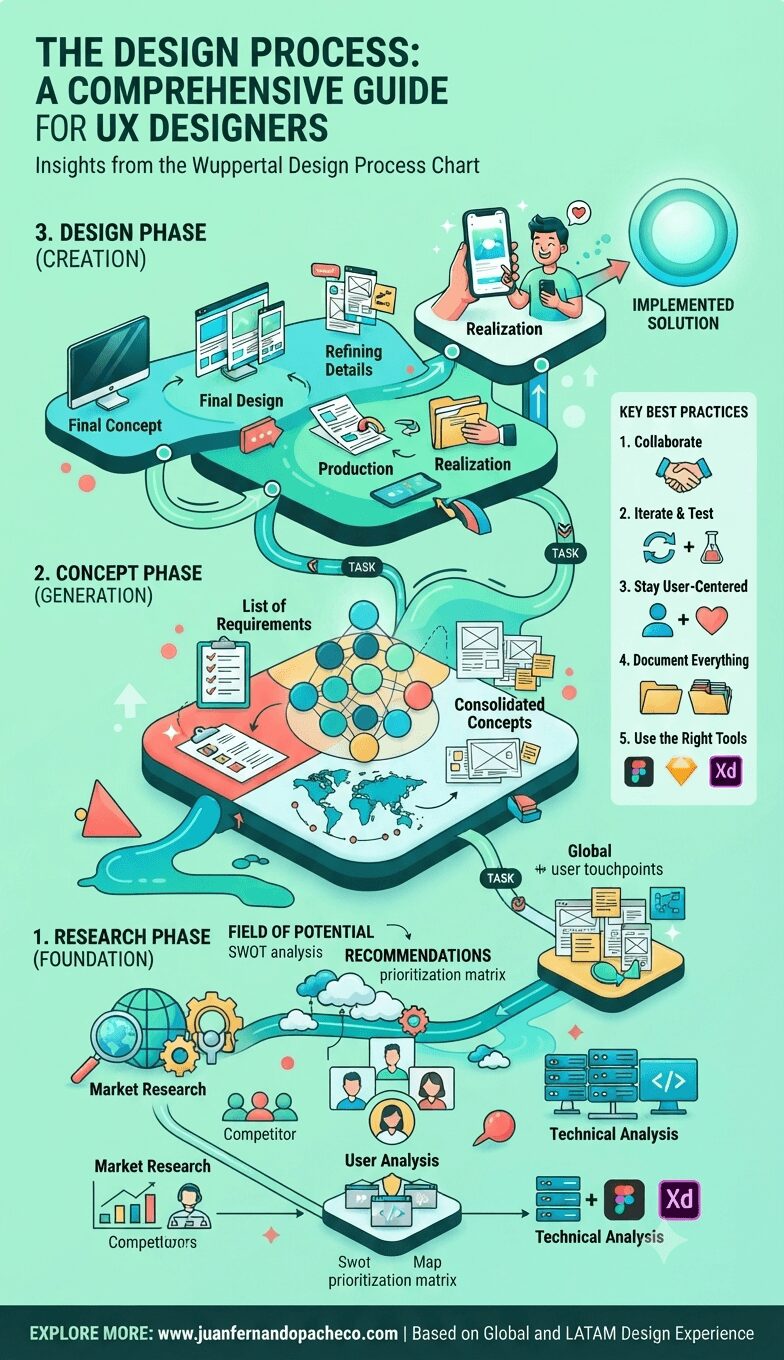
The Design Process is a critical component of creating successful products and services. By following a structured approach like the one outlined in the Wuppertal Design Process Chart, designers can ensure that their work is thorough, user-centered, and effective. Remember to stay flexible and adapt the process to fit the specific needs of your project.
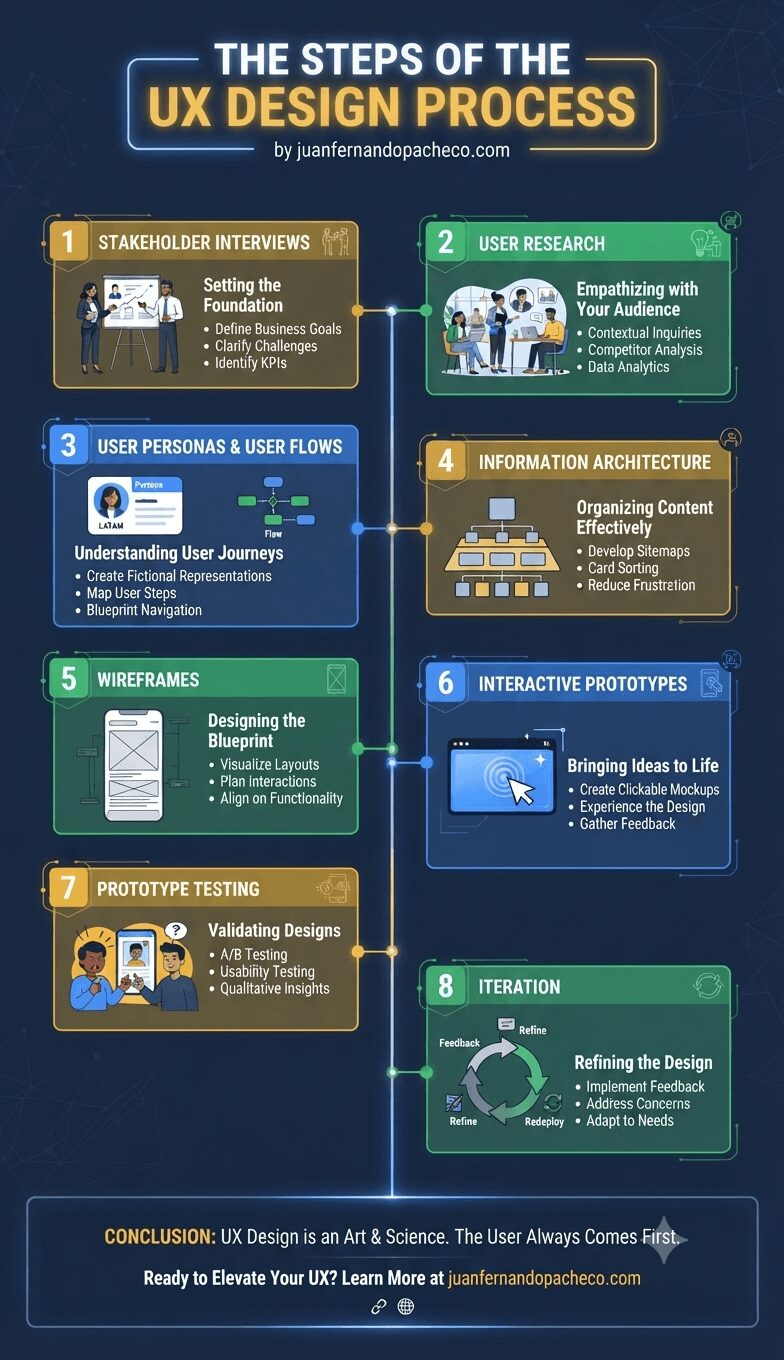
The UX design process is both an art and a science. By following these steps, you’ll create products that resonate with users and achieve business goals. Whether you’re designing a simple app or a complex enterprise platform, remember: the user always comes first.
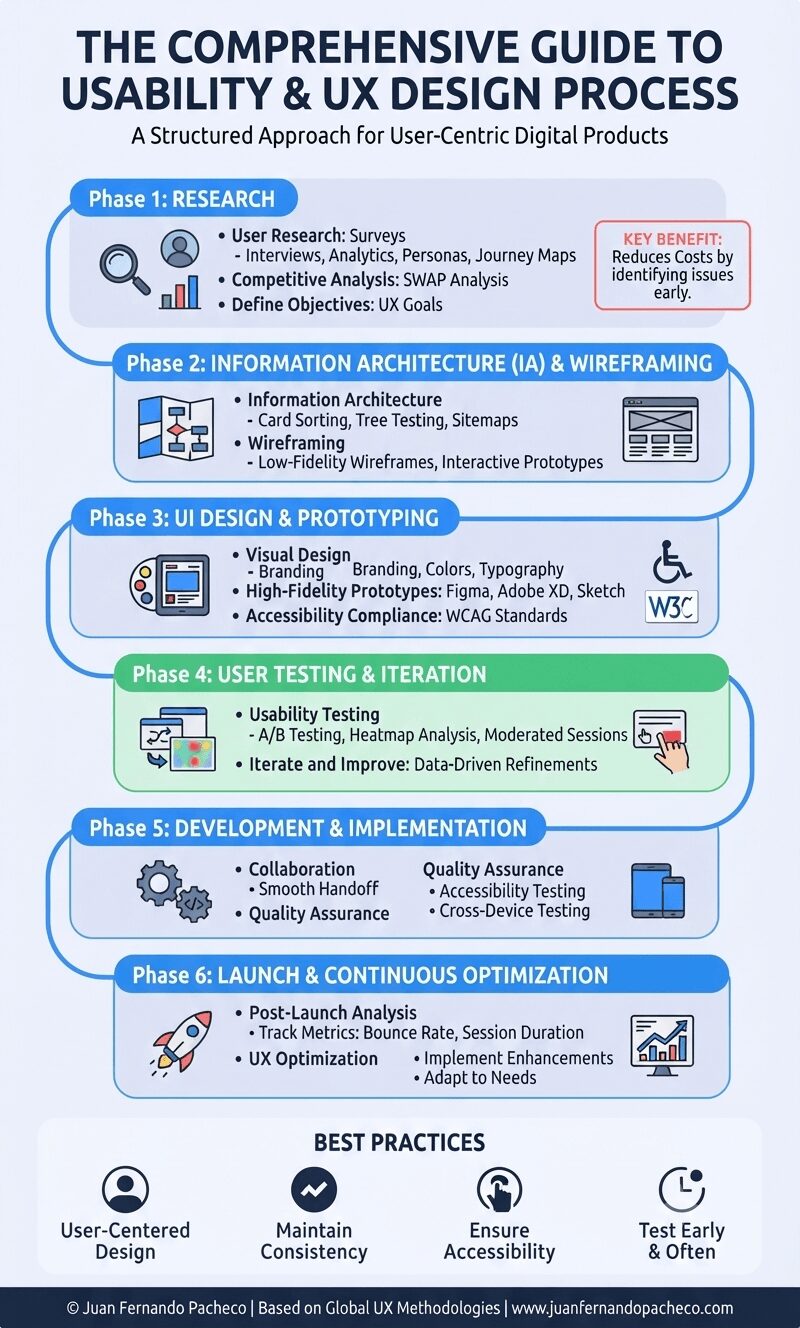
The UX design process is essential for creating user-friendly, effective digital experiences. By following structured methodologies, leveraging research, and continuously improving based on feedback, businesses can enhance user satisfaction and drive success.
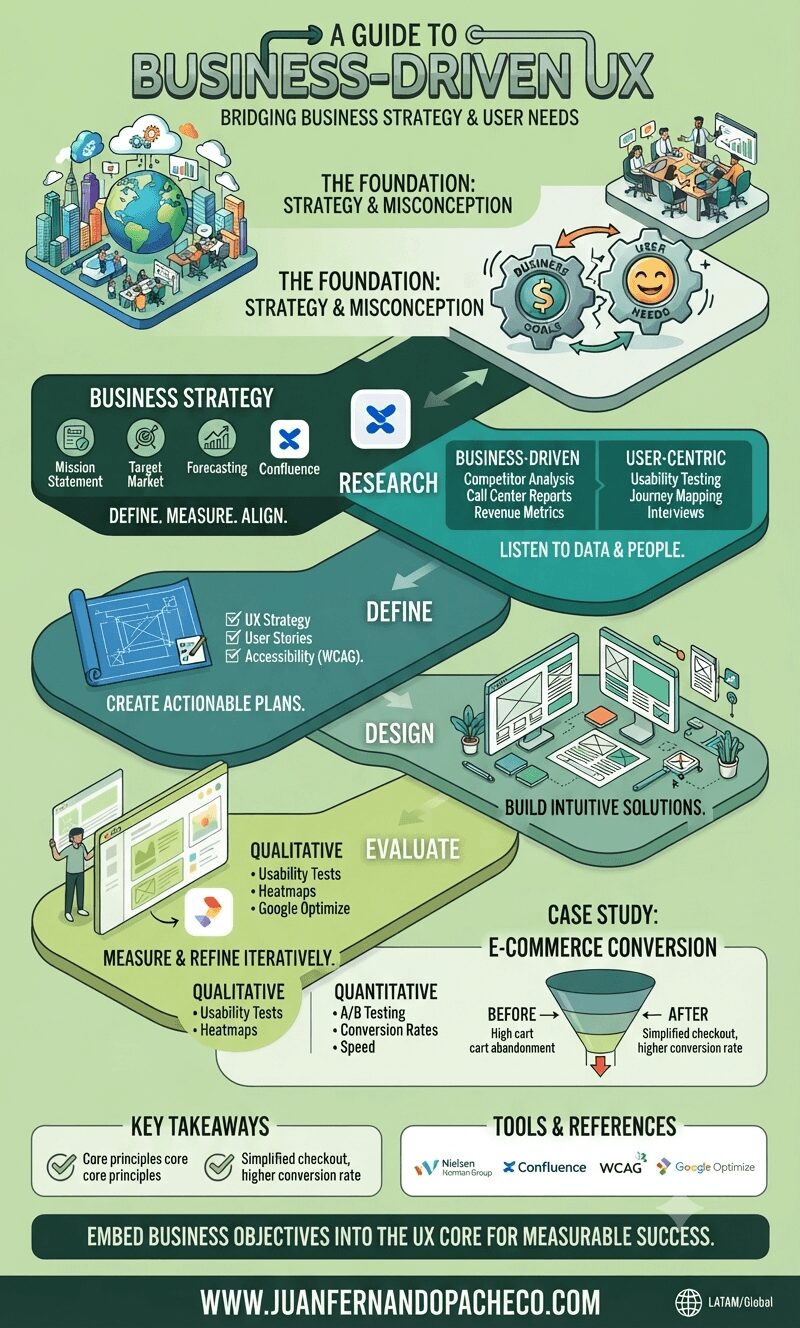
Connecting Business-Driven UX strategy with user needs
In the fast-evolving digital landscape, achieving an optimal user experience (UX) is no longer just about meeting user needs—it’s about aligning these needs with overarching business goals.
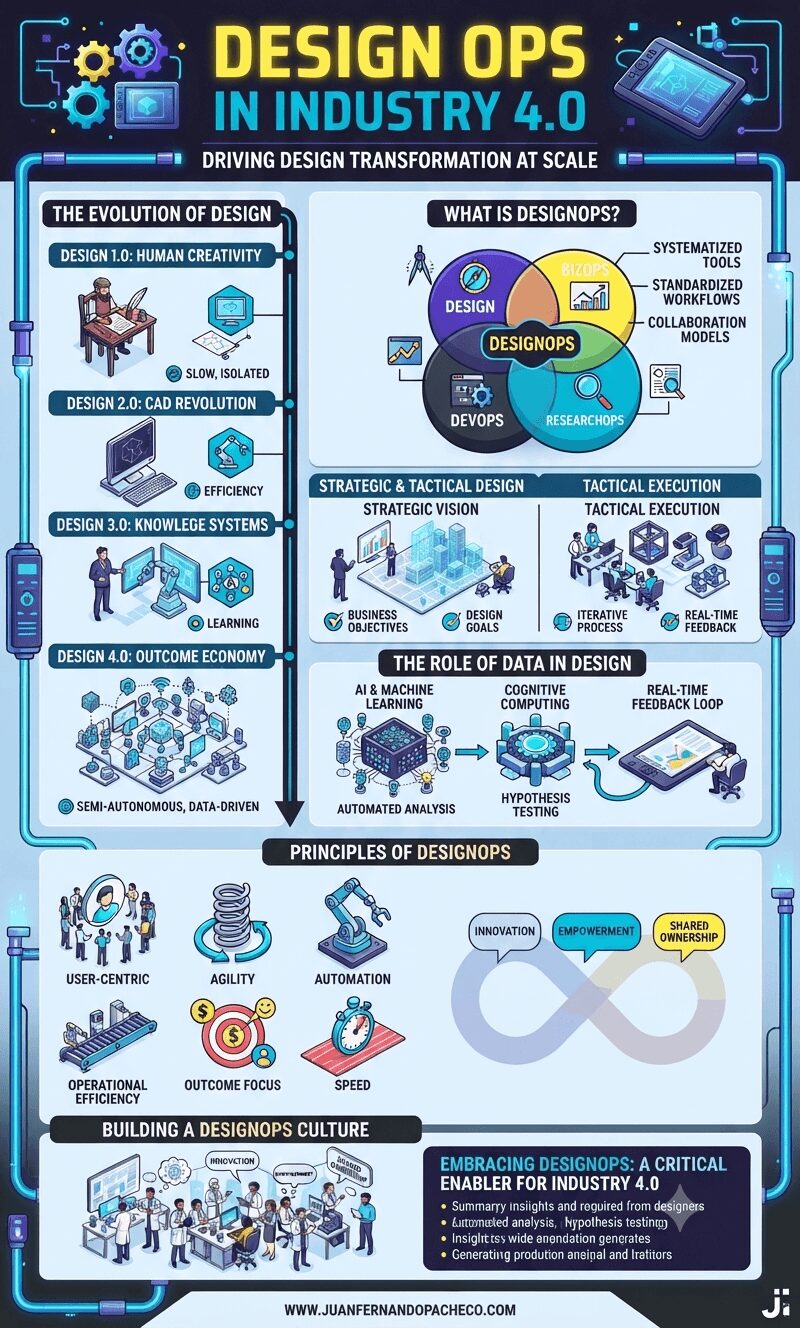
As organizations navigate the complexities of Industry 4.0, DesignOps emerges as a critical enabler of success. By operationalizing design, fostering collaboration, and leveraging data, companies can deliver innovative solutions at scale.
Embracing DesignOps is not just about optimizing processes; it’s about transforming how businesses think, design, and deliver value in a rapidly changing world.