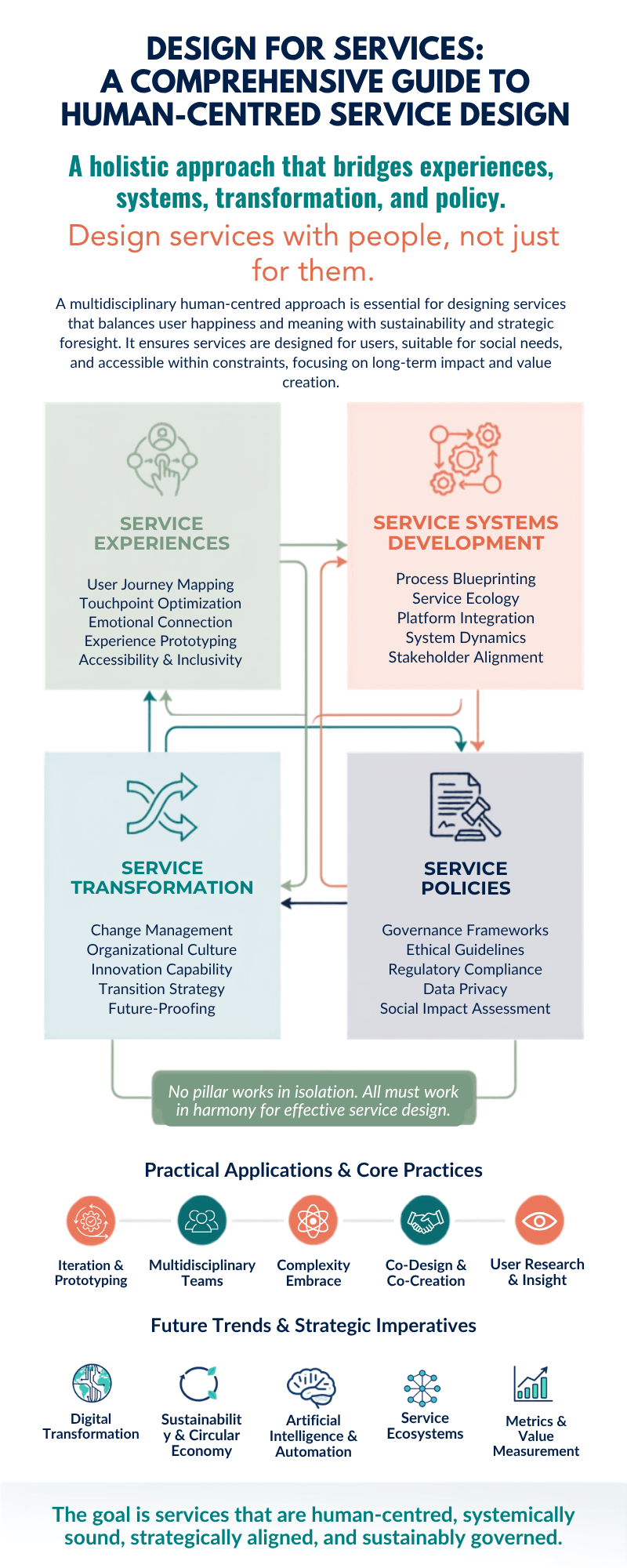
xplore the comprehensive framework of design for services through a human-centred lens. Learn how the four pillars of service design—experiences, systems development, transformation, and policies—integrate multiple disciplines to create meaningful, sustainable solutions that put people at the heart of innovation.
Tag: UX research
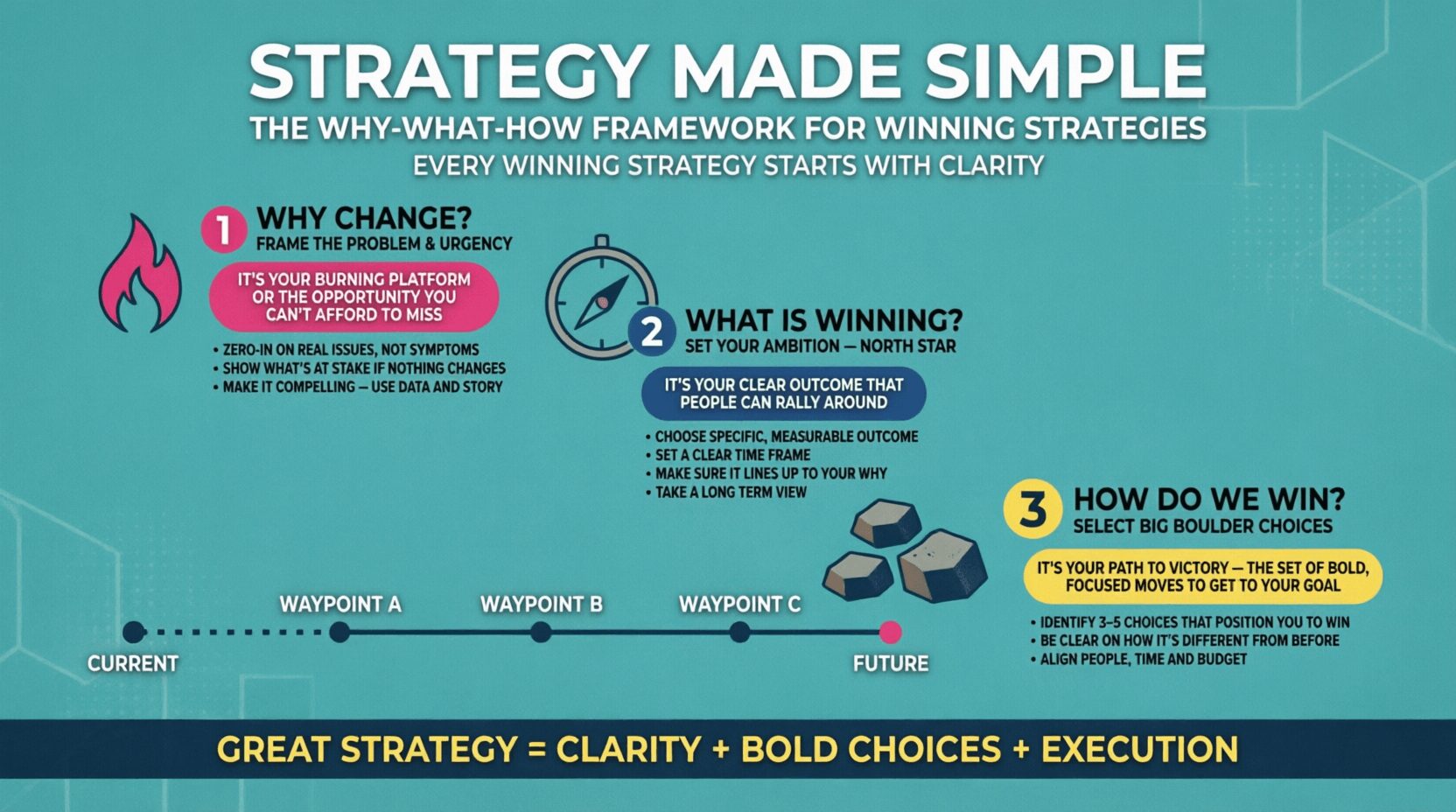
The Why-What-How Framework for Winning Strategies Let me ask you something: How many times have
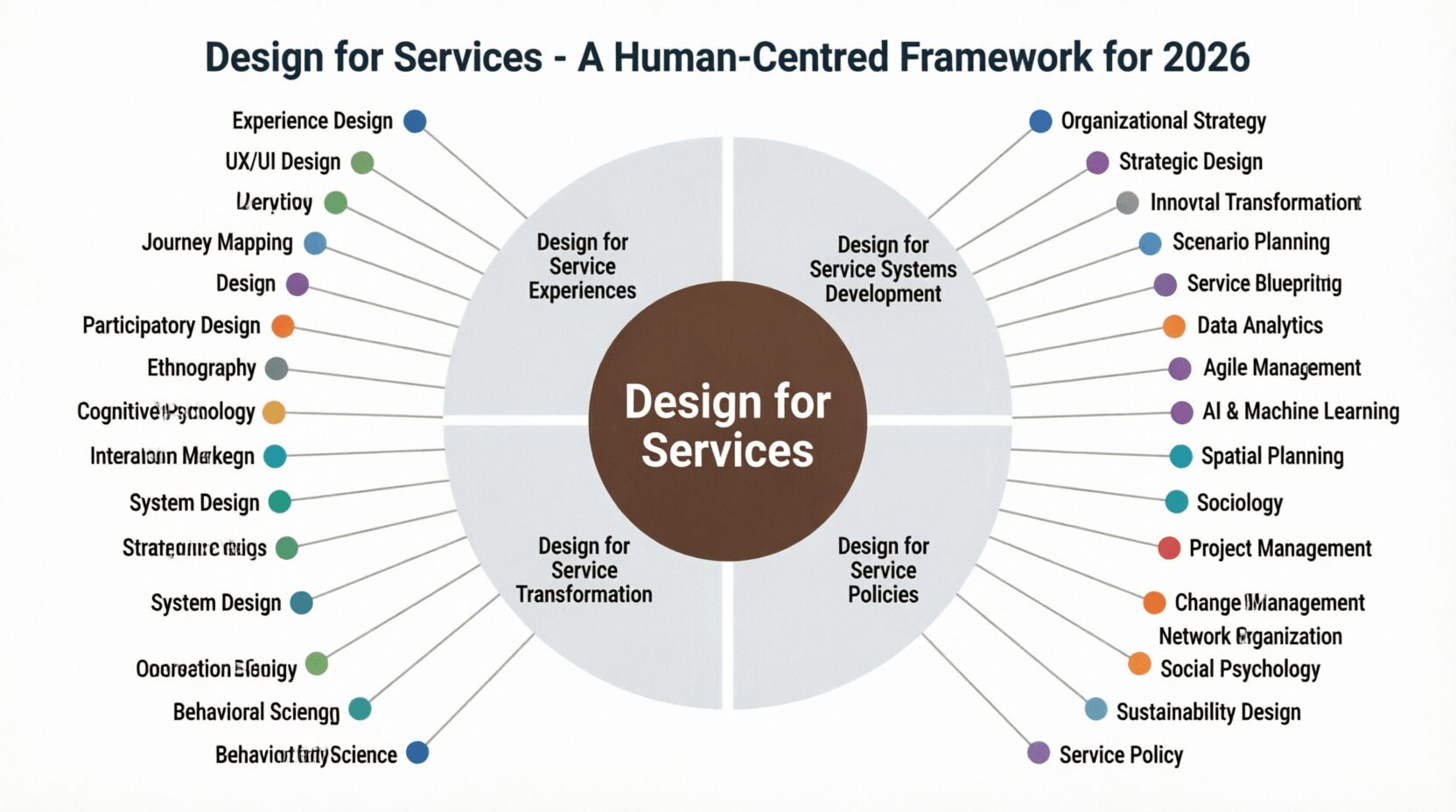
Circular diagram showing Design for Services framework with four quadrants: Design for Service Experiences, Design for Service Systems Development, Design for Service Transformation, and Design for Service Policies, surrounded by 27 interconnected disciplines and approaches for human-centred service design in today’s world
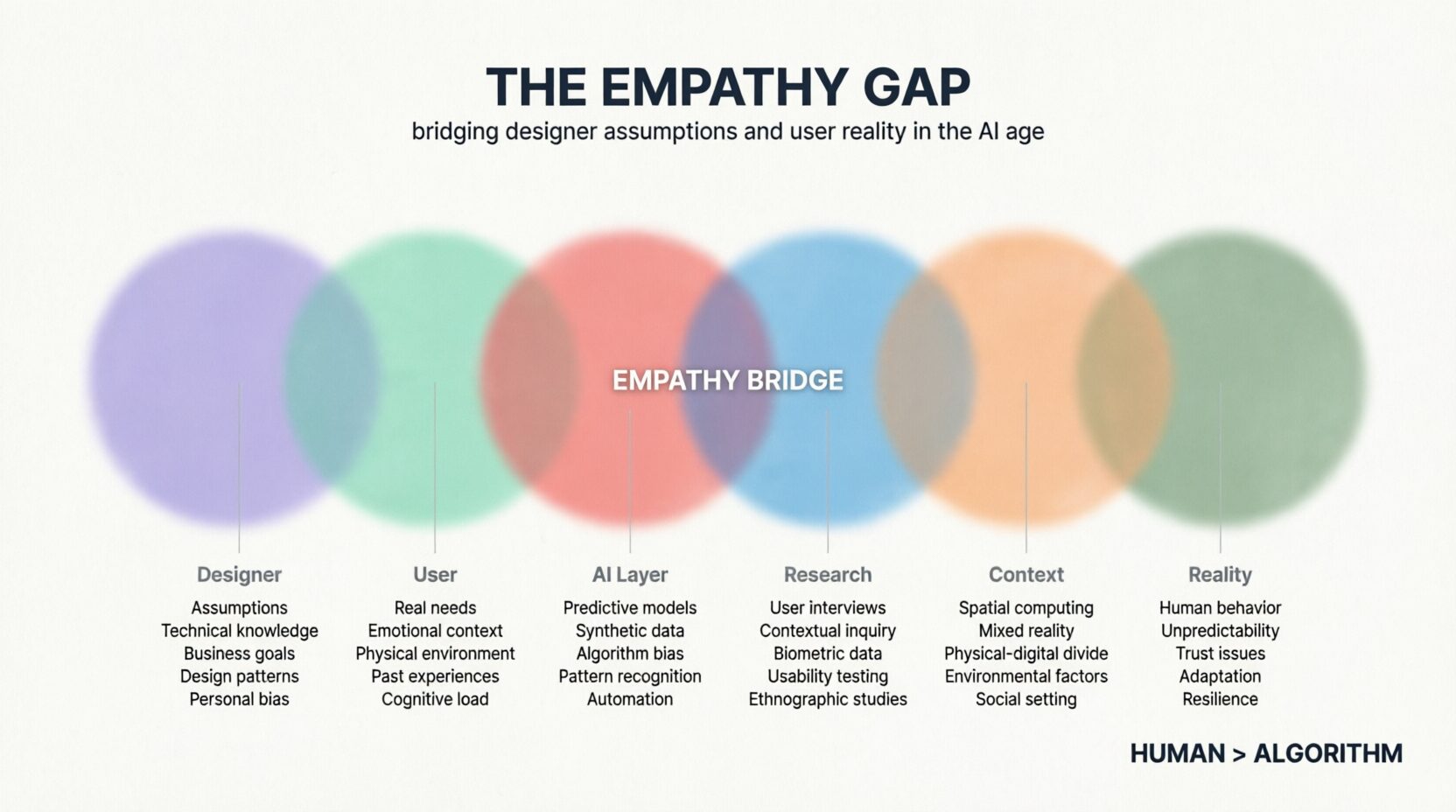
Fifteen years after the classic UX axiom was coined, the tools of our trade have evolved from static screens to generative interfaces and spatial computing. Yet, the fundamental rule remains: you are not your user. In 2026, as we navigate the complexities of AI agents and synthetic data, remembering this has never been more critical—or more challenging
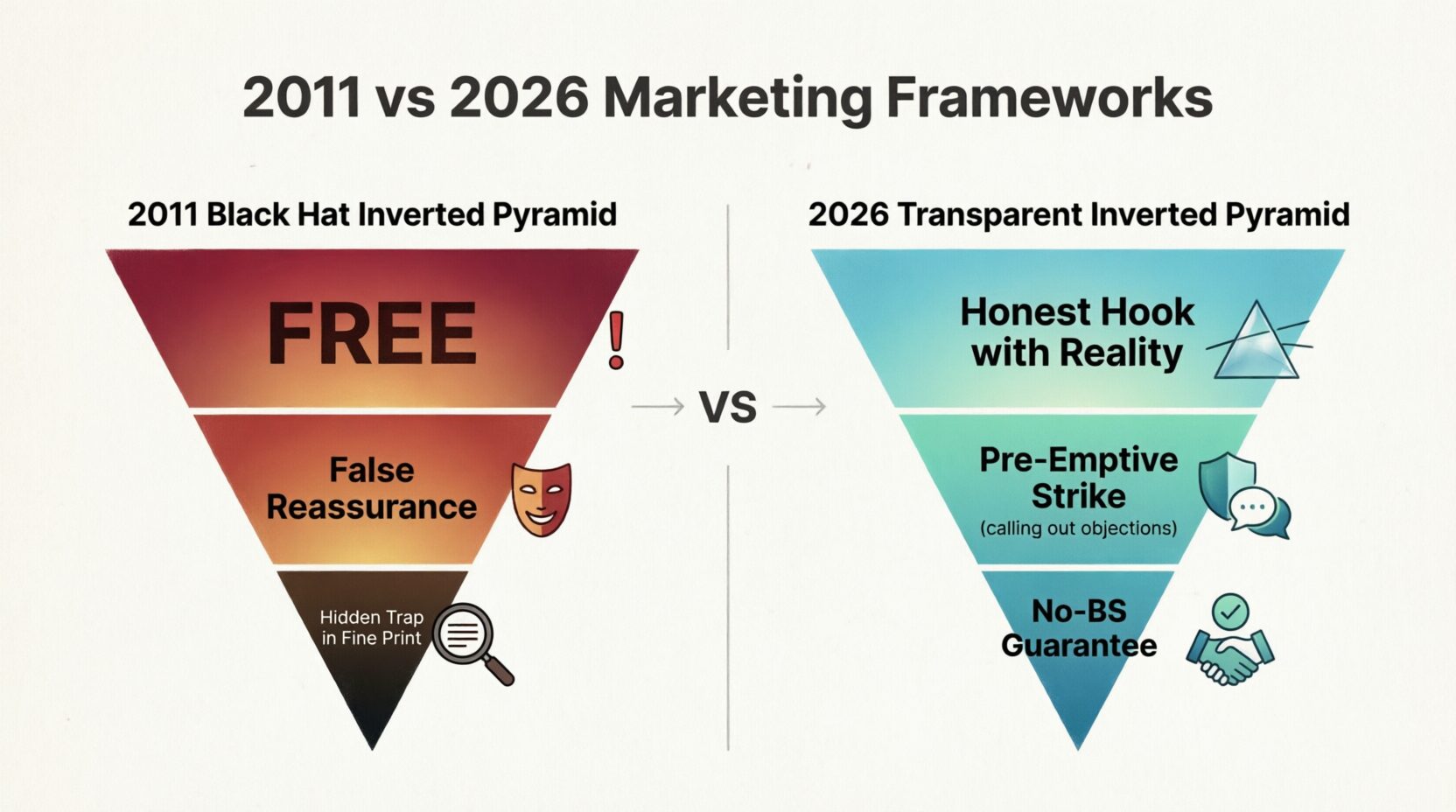
: In 2011, black hat copywriting relied on hiding the catch in the fine print. In 2026, that trick will get your payment processors banned and your ads destroyed. Here is the new psychology of persuasion you need to master instead.
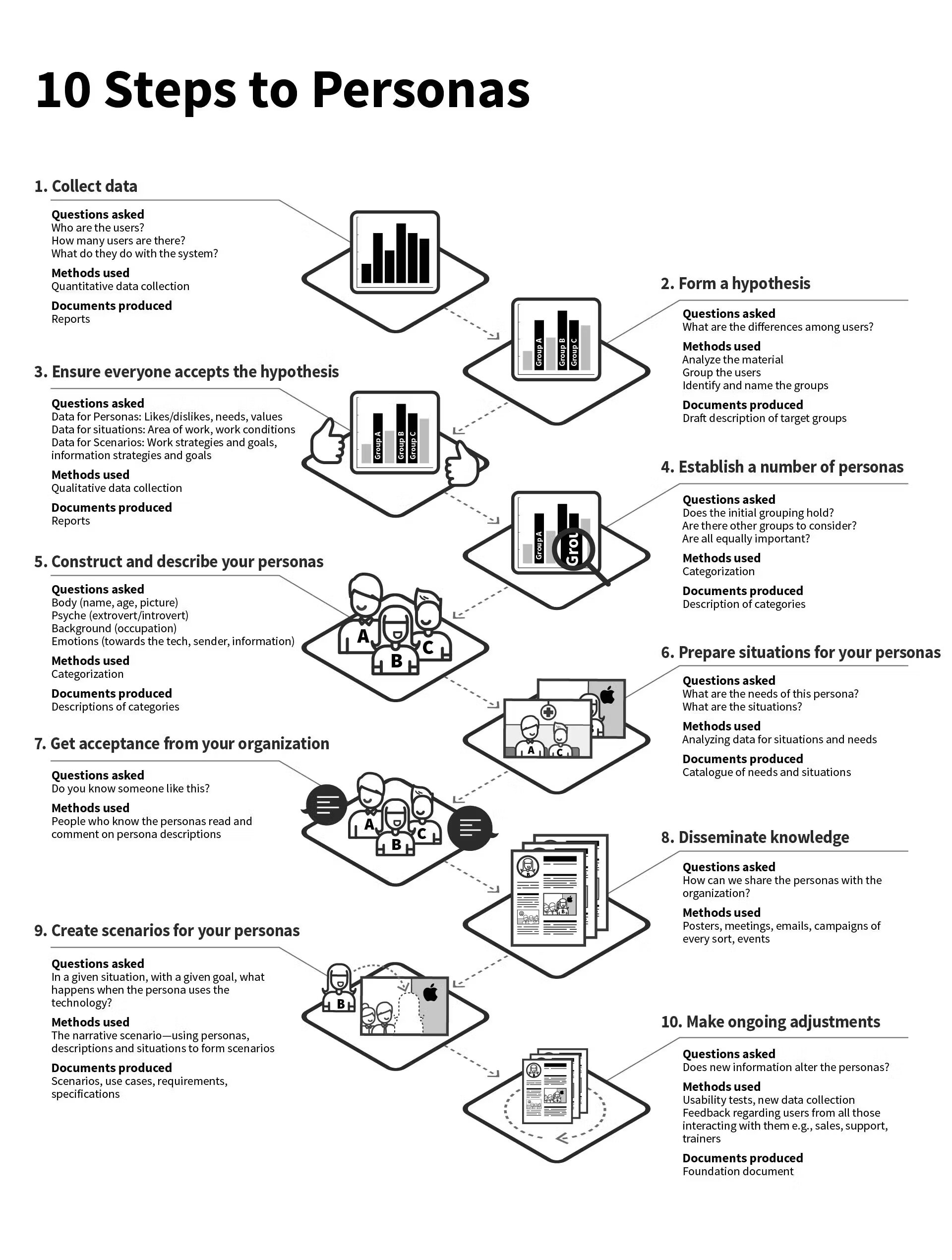
In the complex world of product development, it’s alarmingly easy to build for a vague,
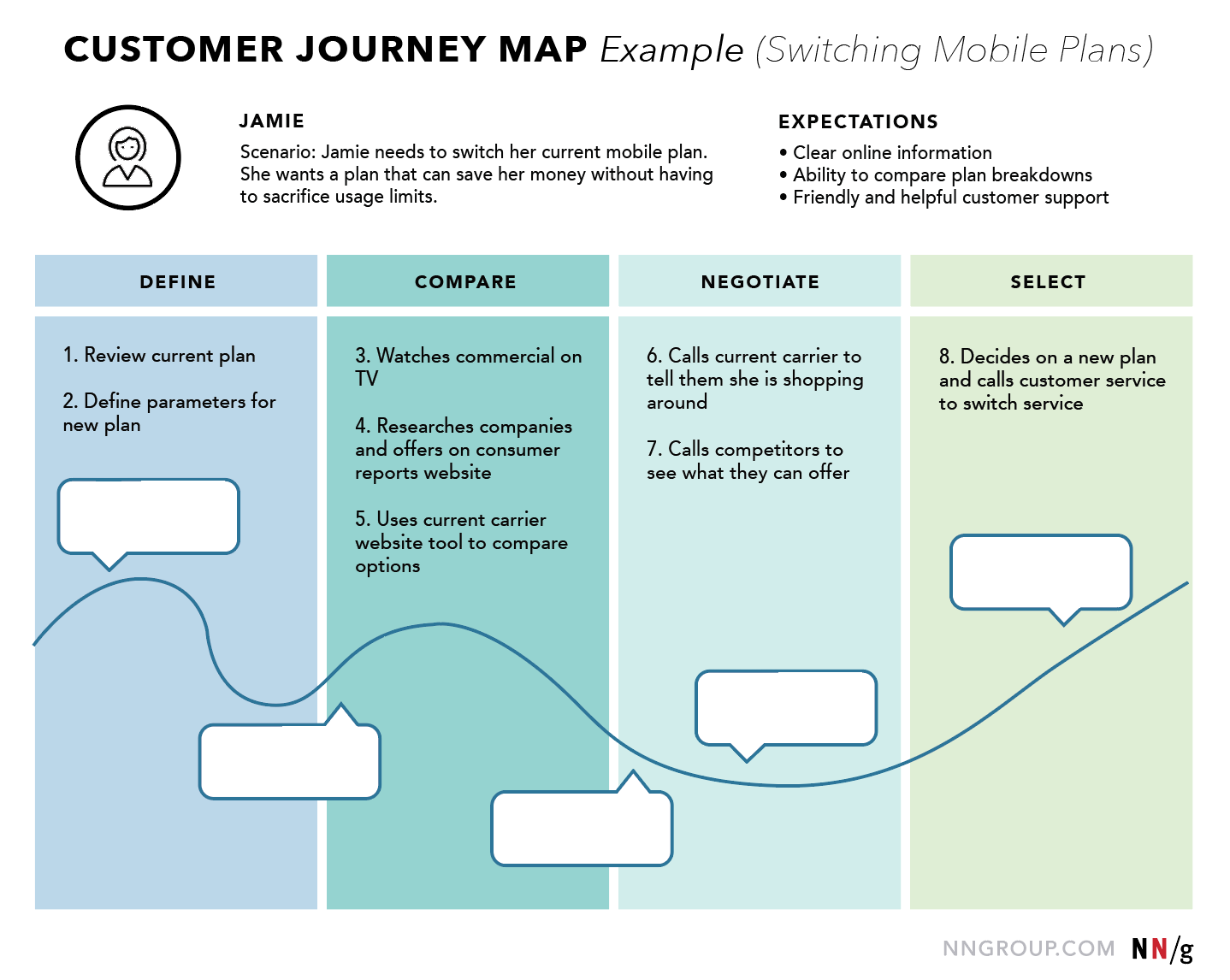
In the complex ecosystem of modern business, where customers interact with brands across a dozen
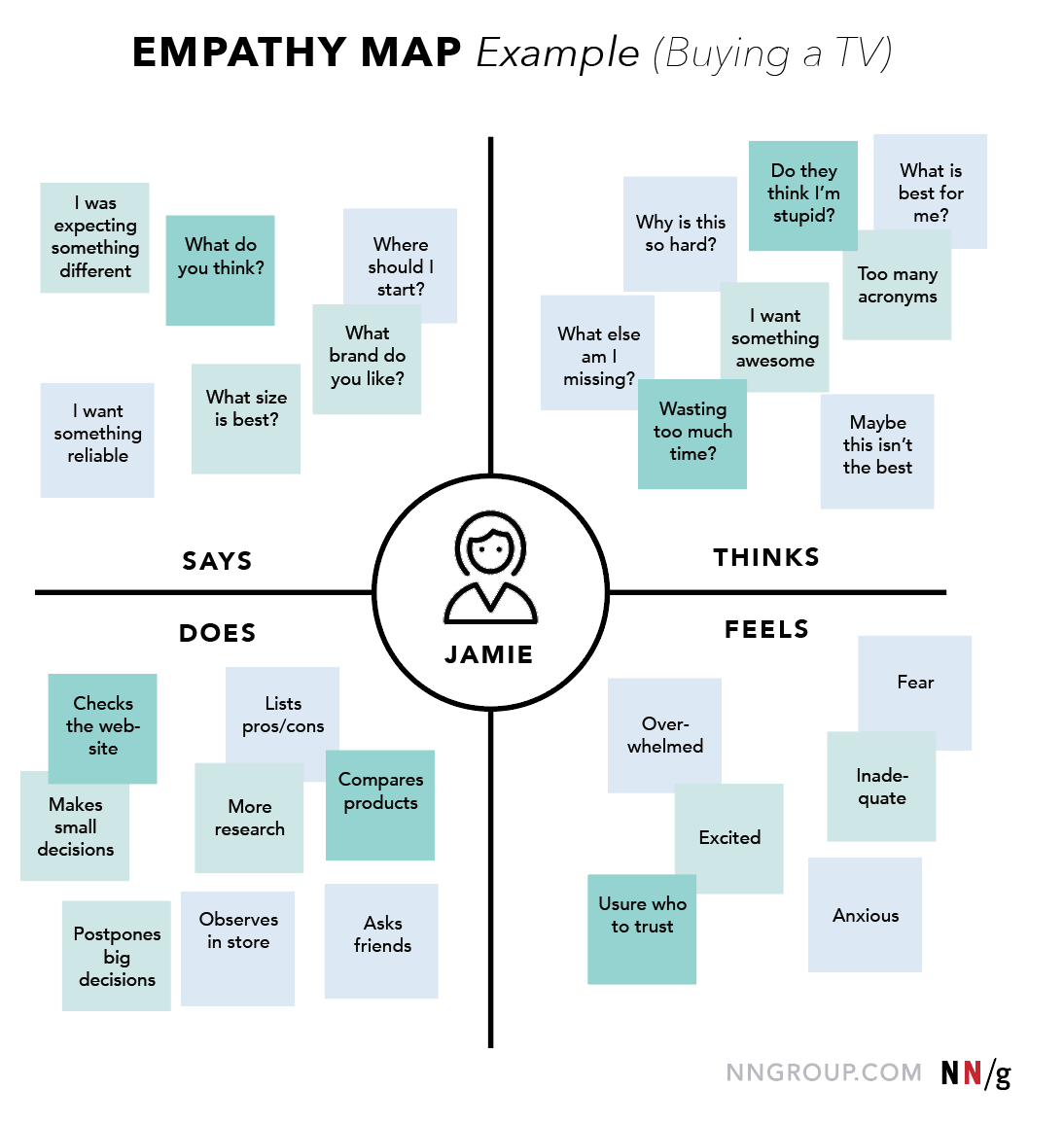
The First Step Toward Human-Centered Design In the intricate dance of creating technology that serves
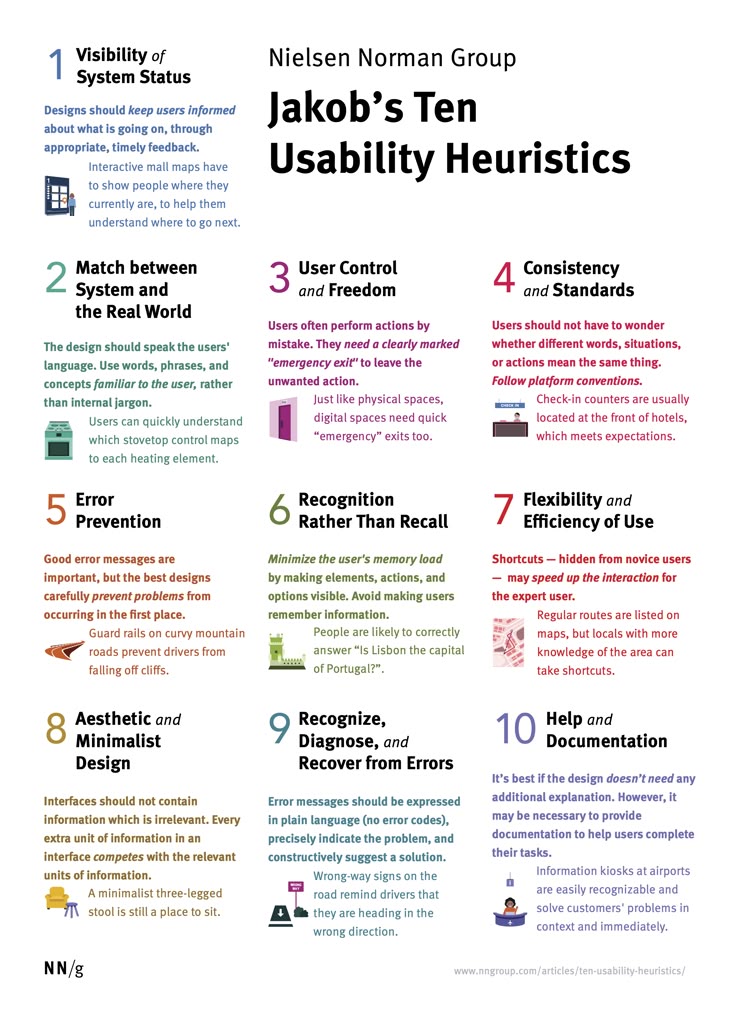
How to adapt traditional usability principles for the unpredictable world of large language models and
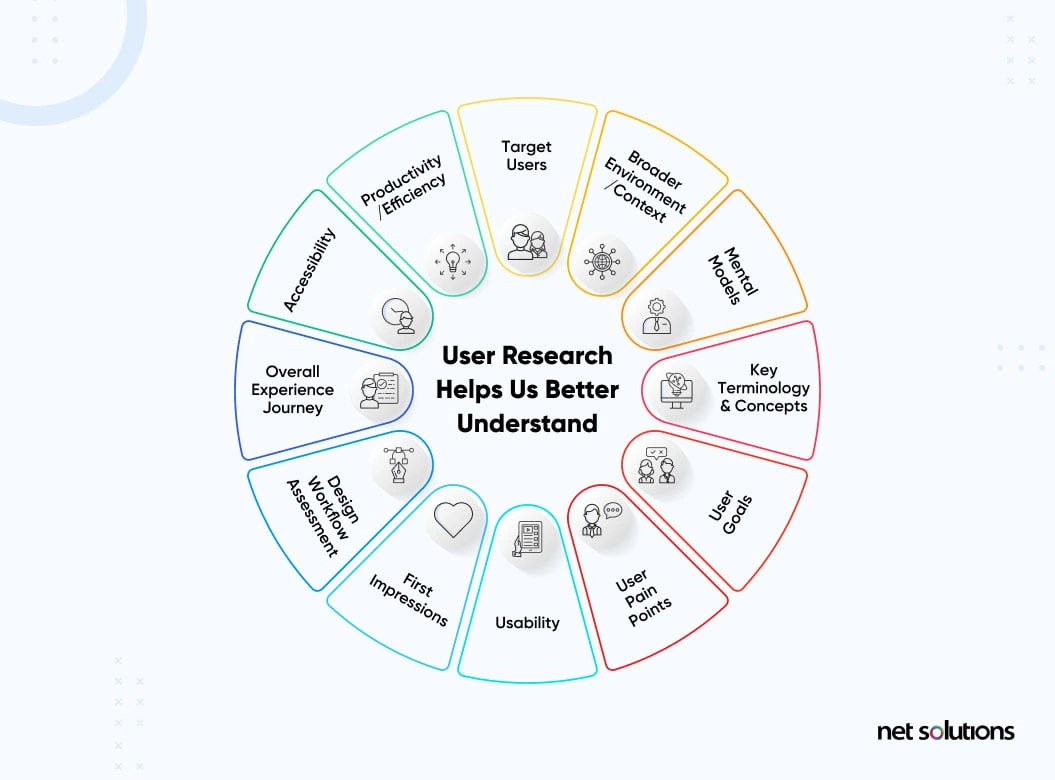
The Ultimate Guide to Building Products Users Actually Love As a UX designer with many
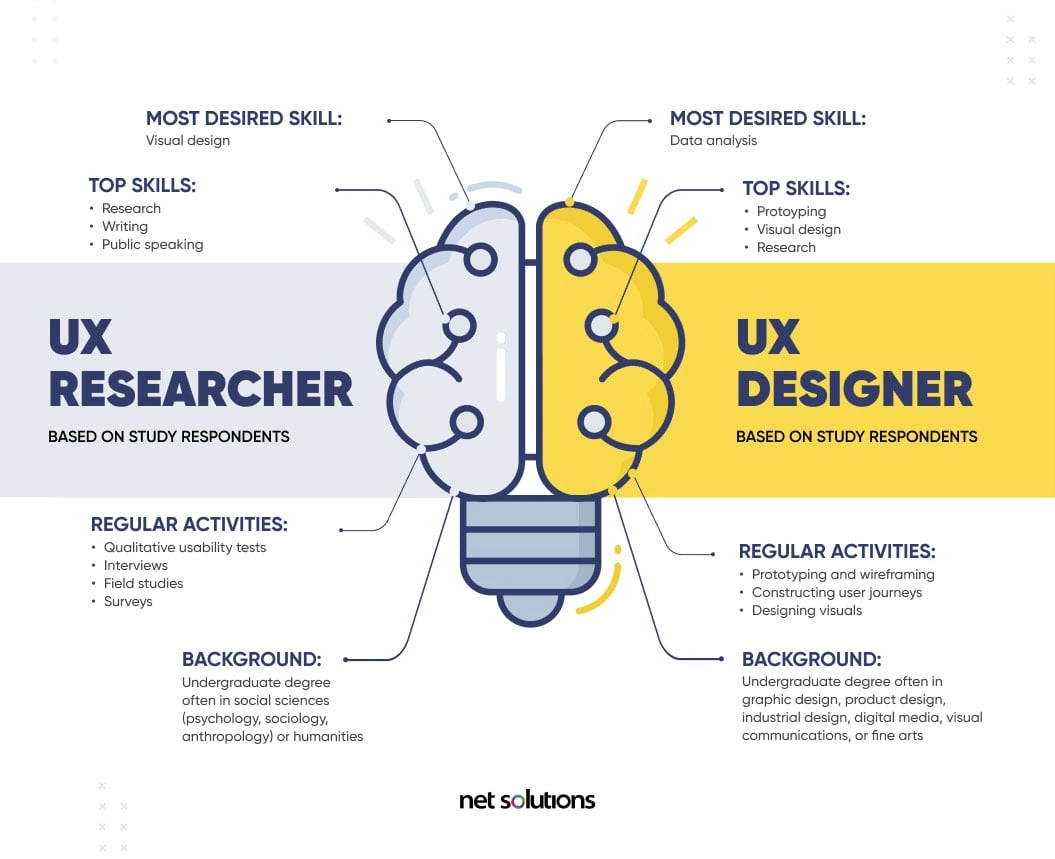
Unpacking the Critical Differences That Drive Product Success In today’s digital battleground, user experience (UX)
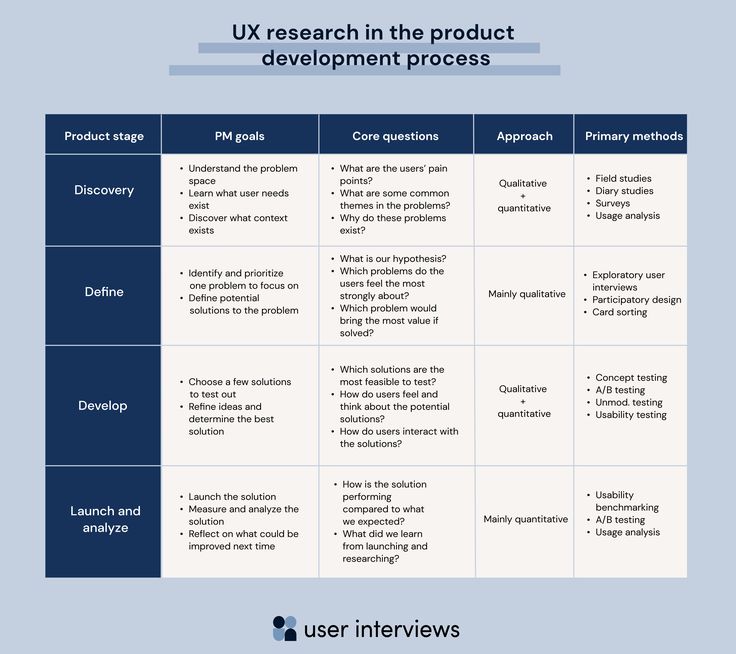
The Critical Role of UX Research User Experience (UX) research is the backbone of successful