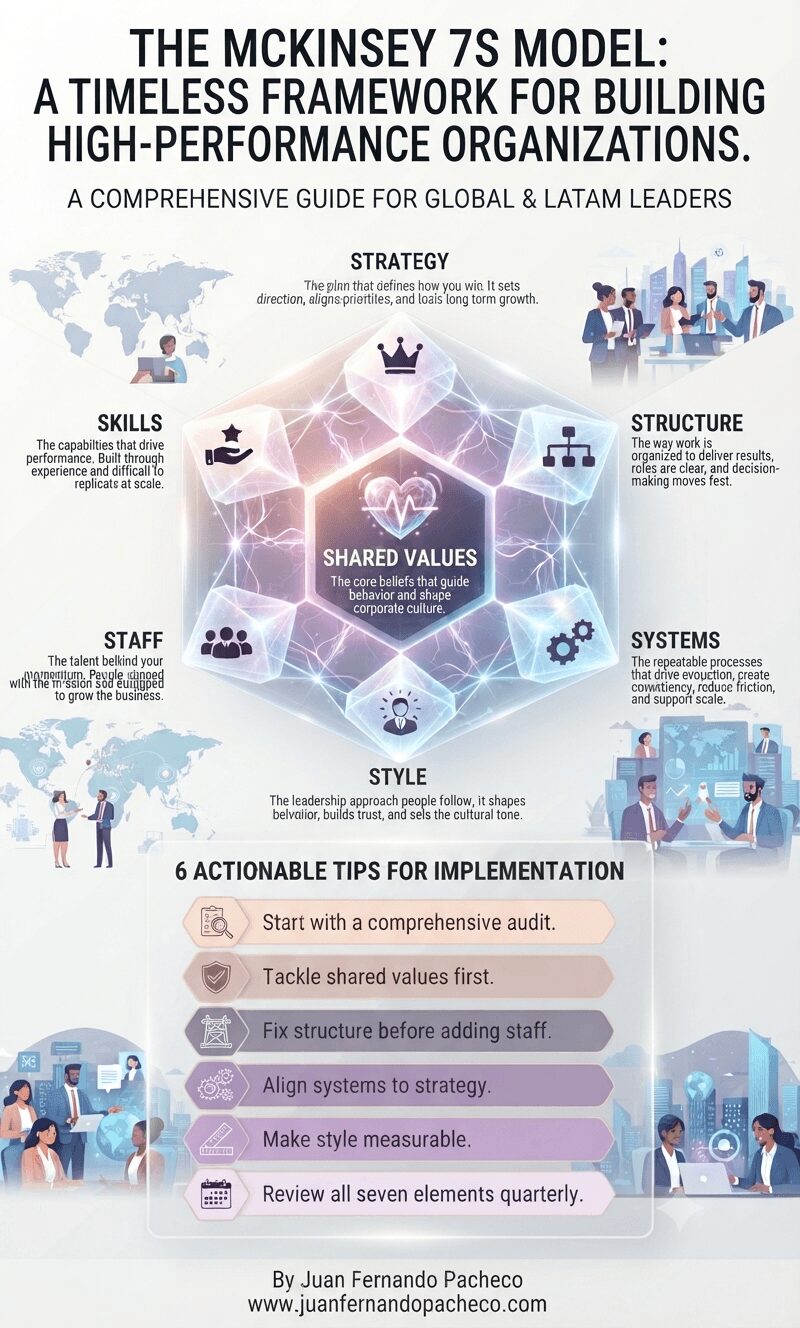
Discover how the McKinsey 7S Model can transform your organization’s effectiveness through strategic alignment of seven critical elements. Learn practical implementation tips from two decades of leading complex deals and scaling technology revenue across Latin American markets.
Month: July 2026
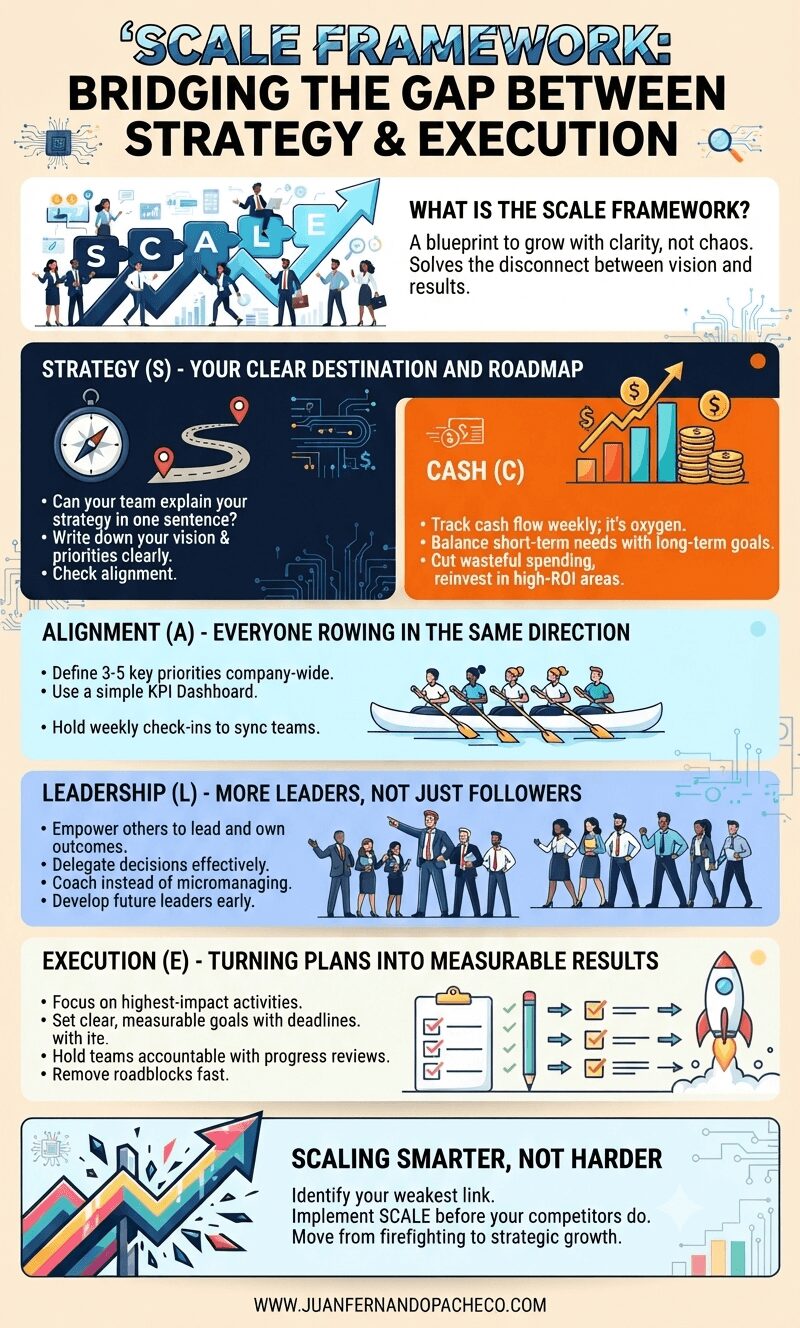
Bridging the Gap Between Strategy and Execution in Technology Business Growth After many years of
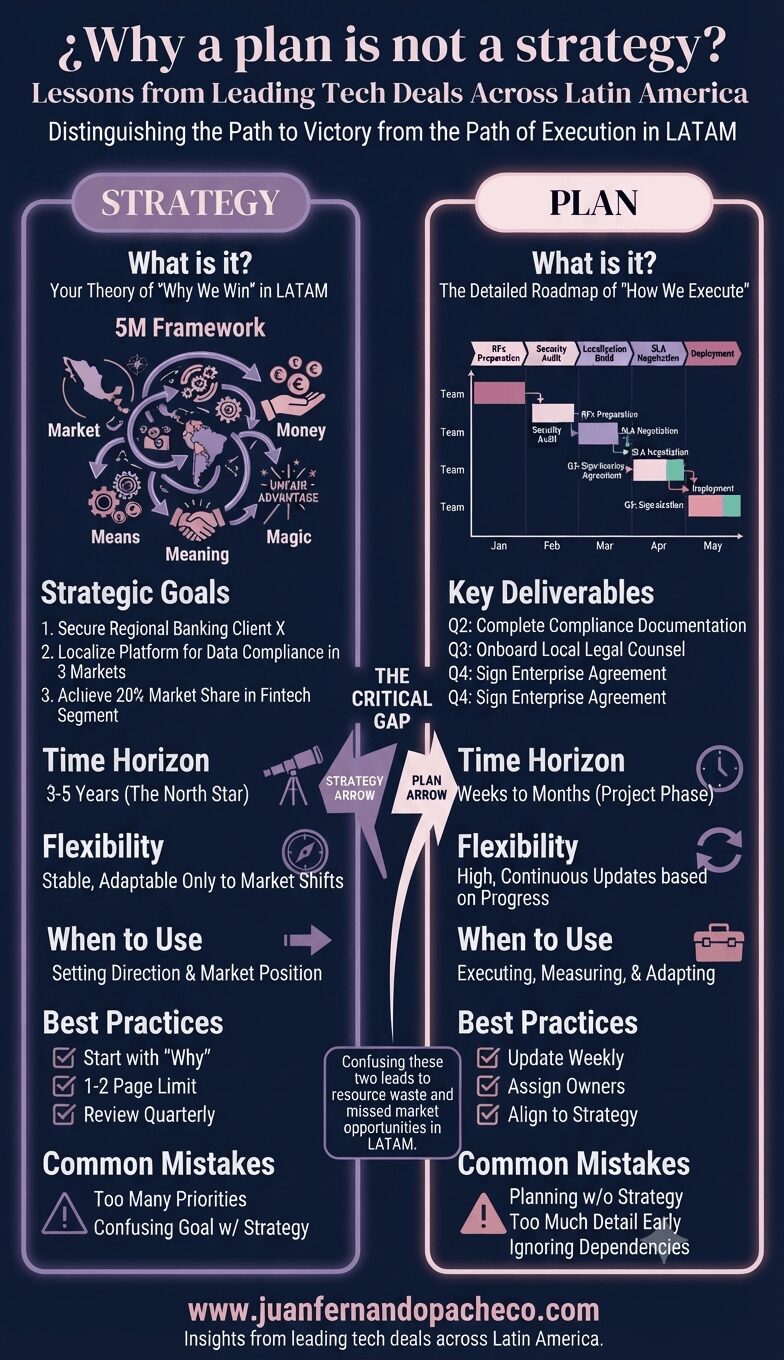
Many executives confuse detailed plans with winning strategies. Learn the critical distinction and how to build both to scale technology revenue across complex markets.
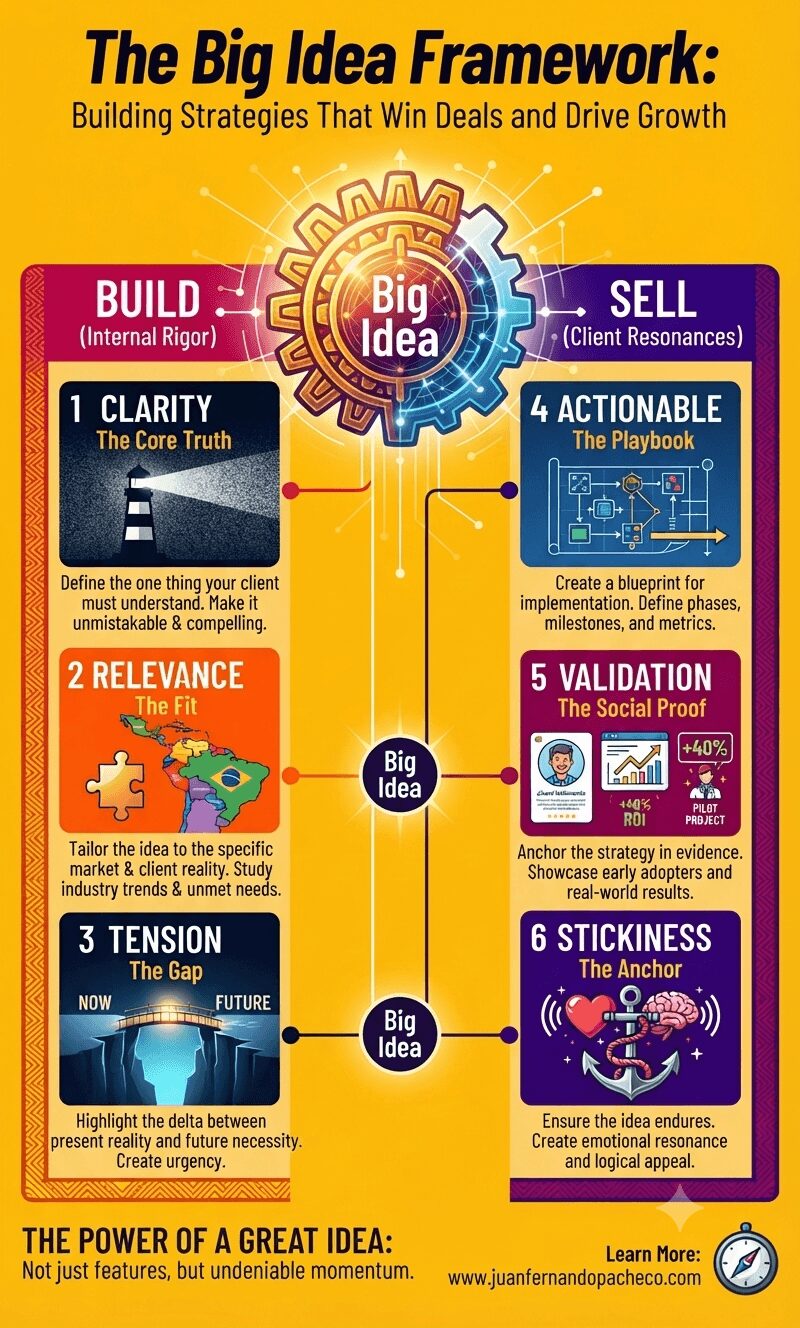
Discover the six-element Big Idea framework that separates winning strategies from forgettable ones. Learn how to build clarity, relevance, and tension.
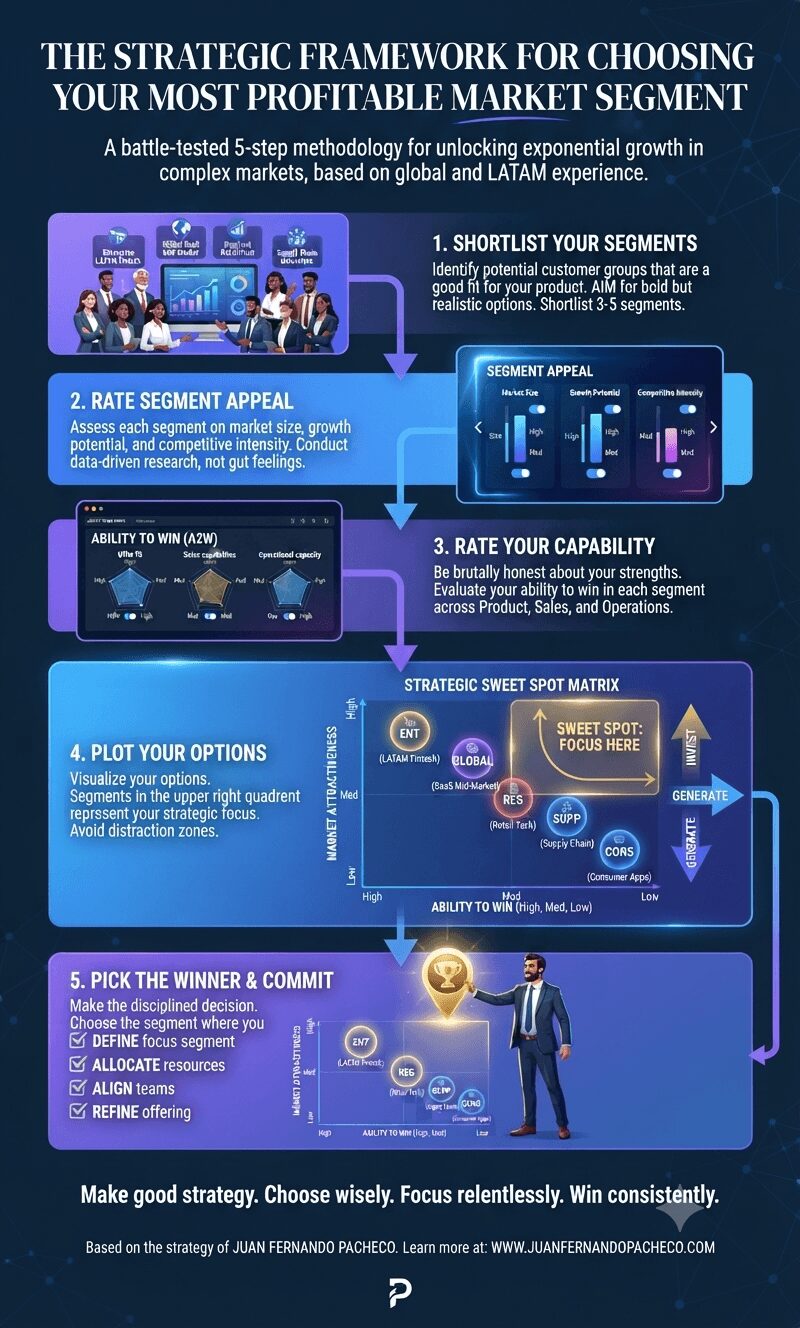
Learn a proven five-step framework to identify and dominate your most profitable market segment. Discover how to balance market attractiveness with your ability to win, ensuring sustainable growth and maximum impact.
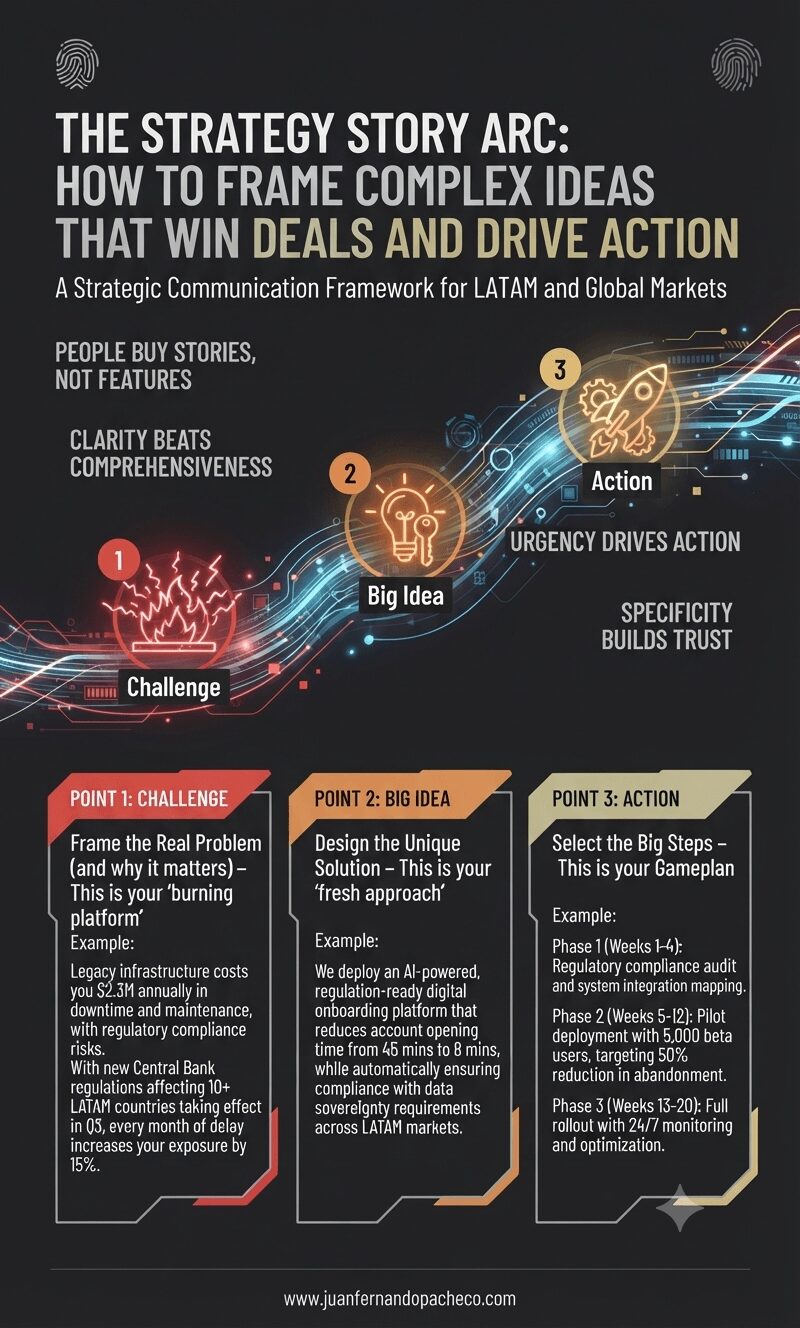
Master the three-part Strategy Story Arc framework to transform complex business challenges into compelling narratives that secure stakeholder buy-in, win multi-million dollar deals, and drive strategic execution across LATAM markets.
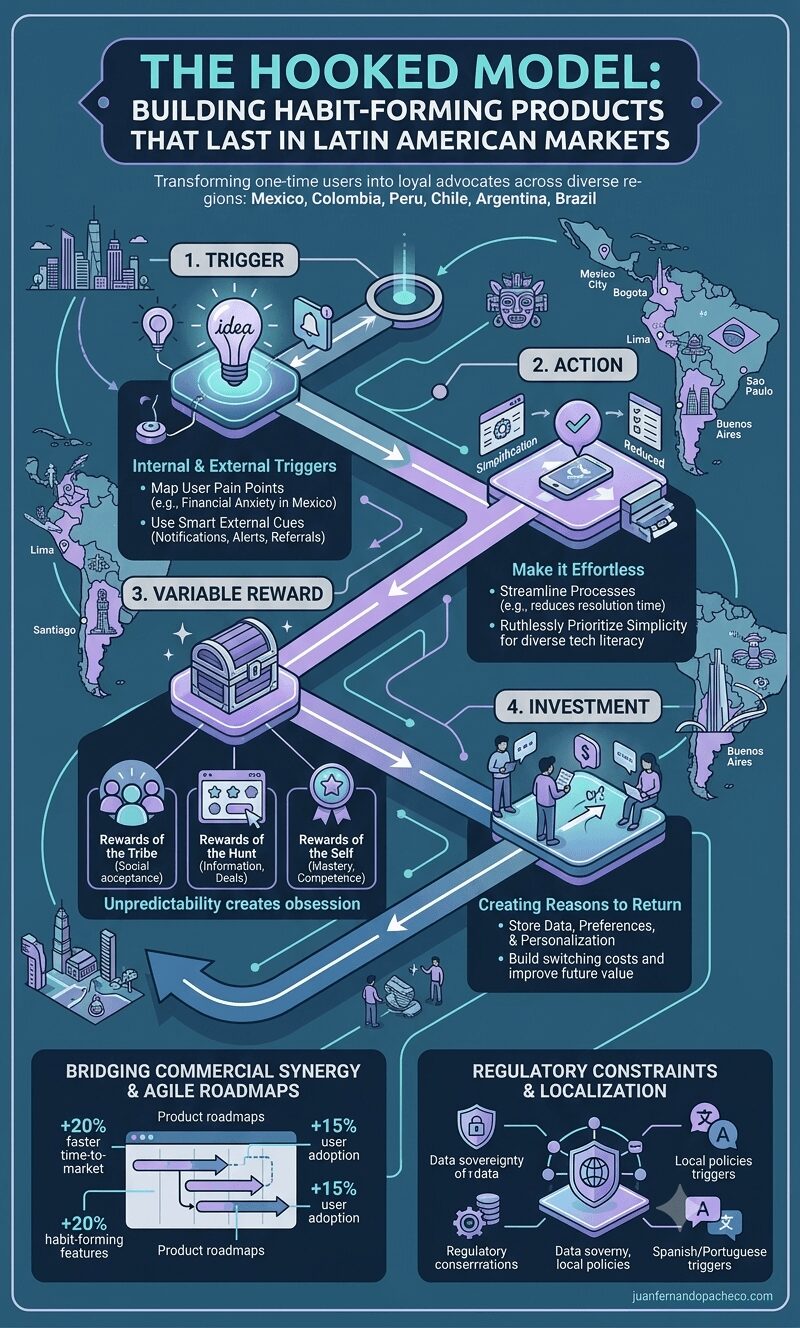
Discover how the hooked model’s four-phase framework helps product leaders create habit-forming digital experiences that drive long-term user engagement and business growth across Latin American markets.
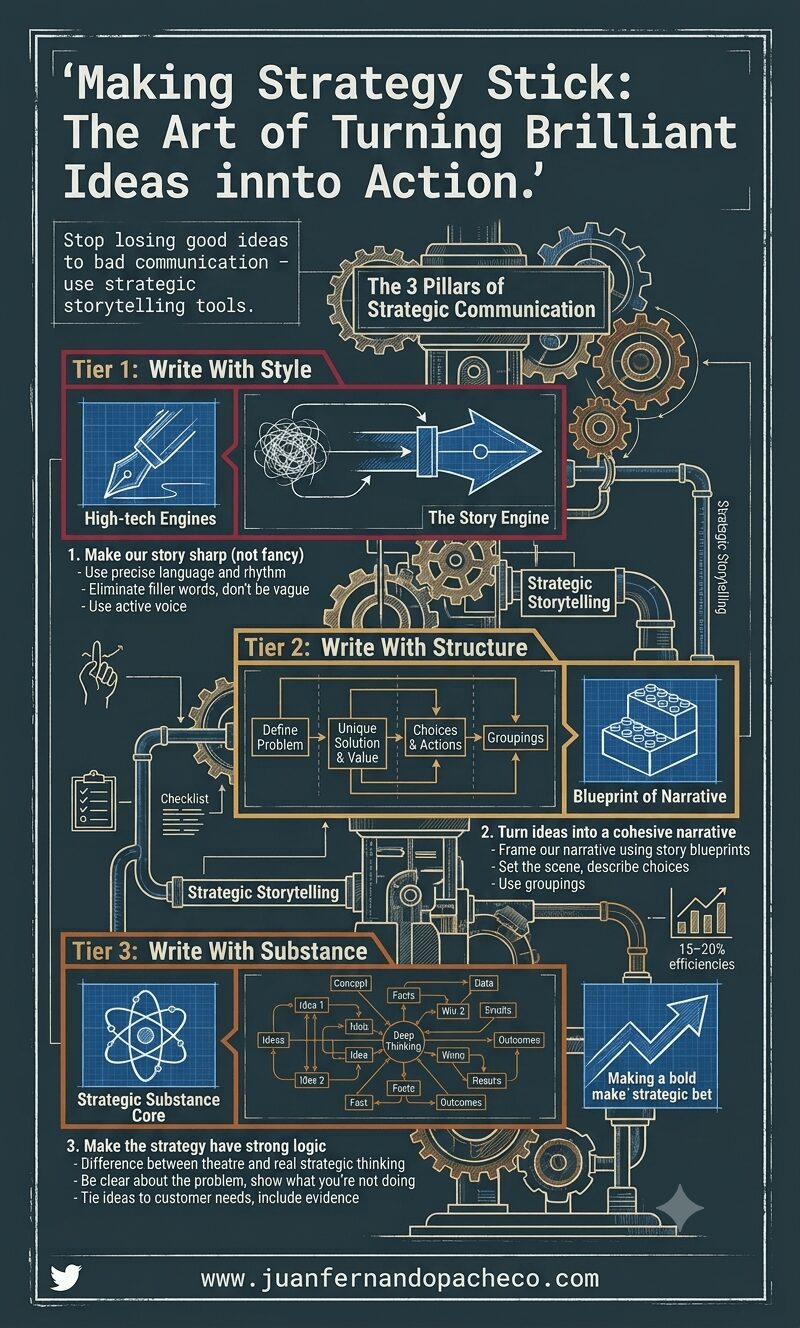
Great strategies fail when communication fails. Discover the three essential pillars—style, structure, and substance—that transform complex ideas into clear, actionable narratives that drive results in enterprise deals and organizational change.
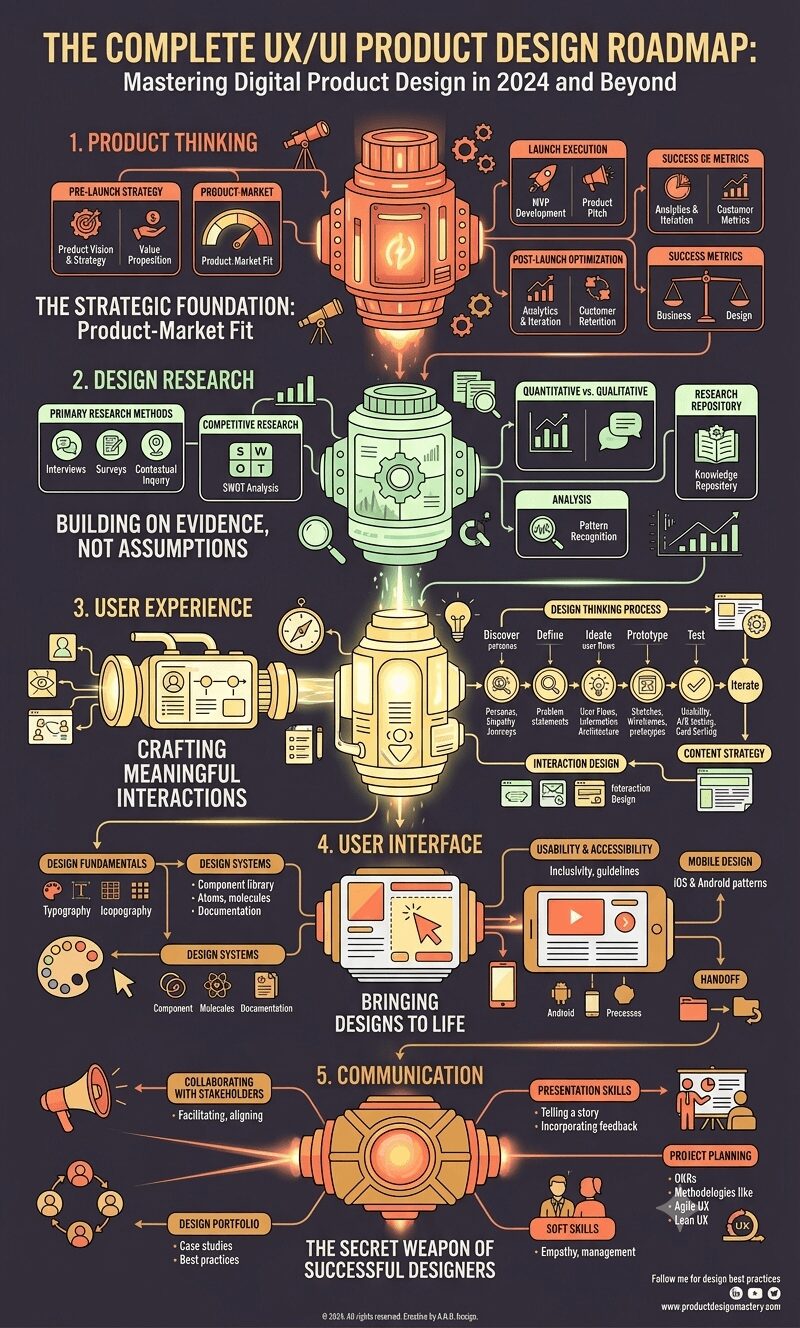
A comprehensive guide to mastering UX/UI product design through a structured roadmap covering product thinking, design research, user experience, user interface design, and essential communication skills for long-term career success.
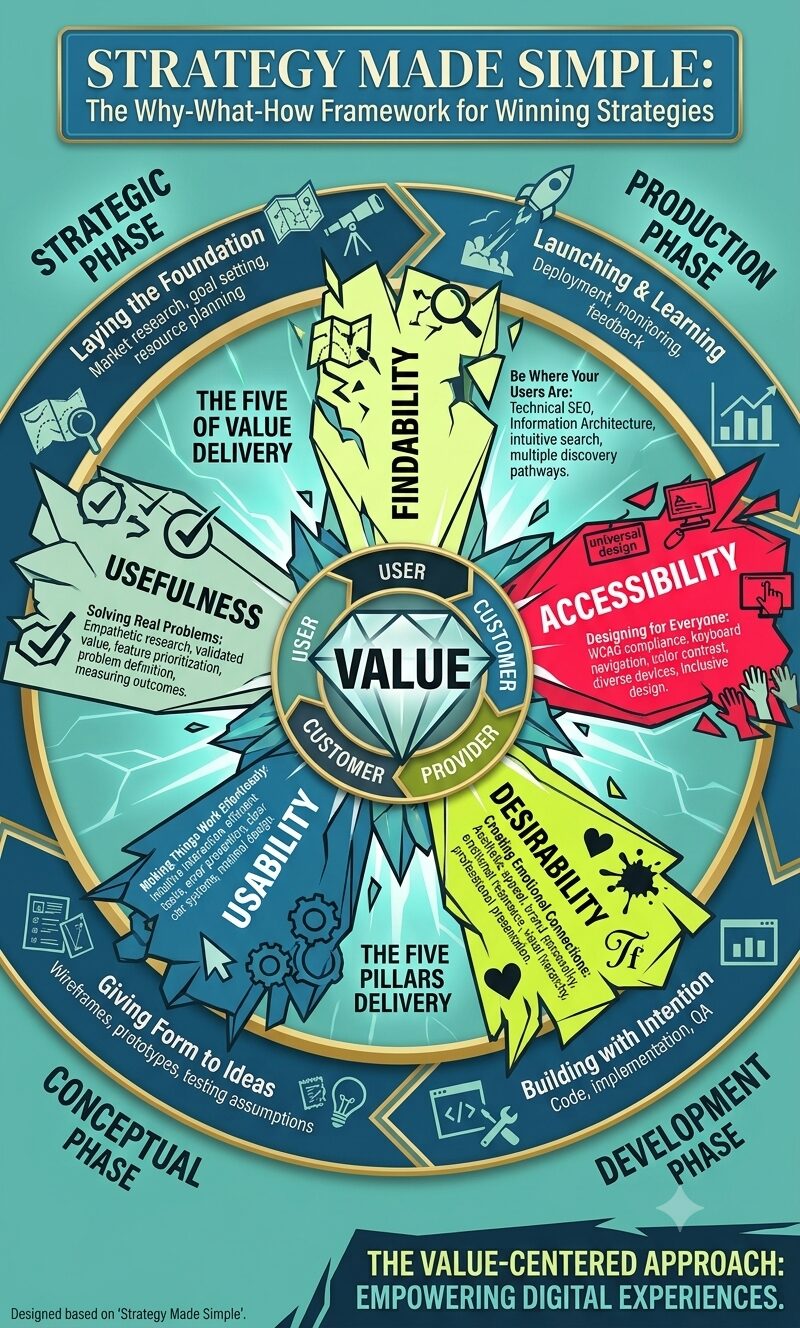
Discover a comprehensive approach to creating digital products that deliver real value by balancing findability, accessibility, desirability, usability, and usefulness. This timeless framework guides teams through strategic, conceptual, development, and production phases to build experiences that matter.
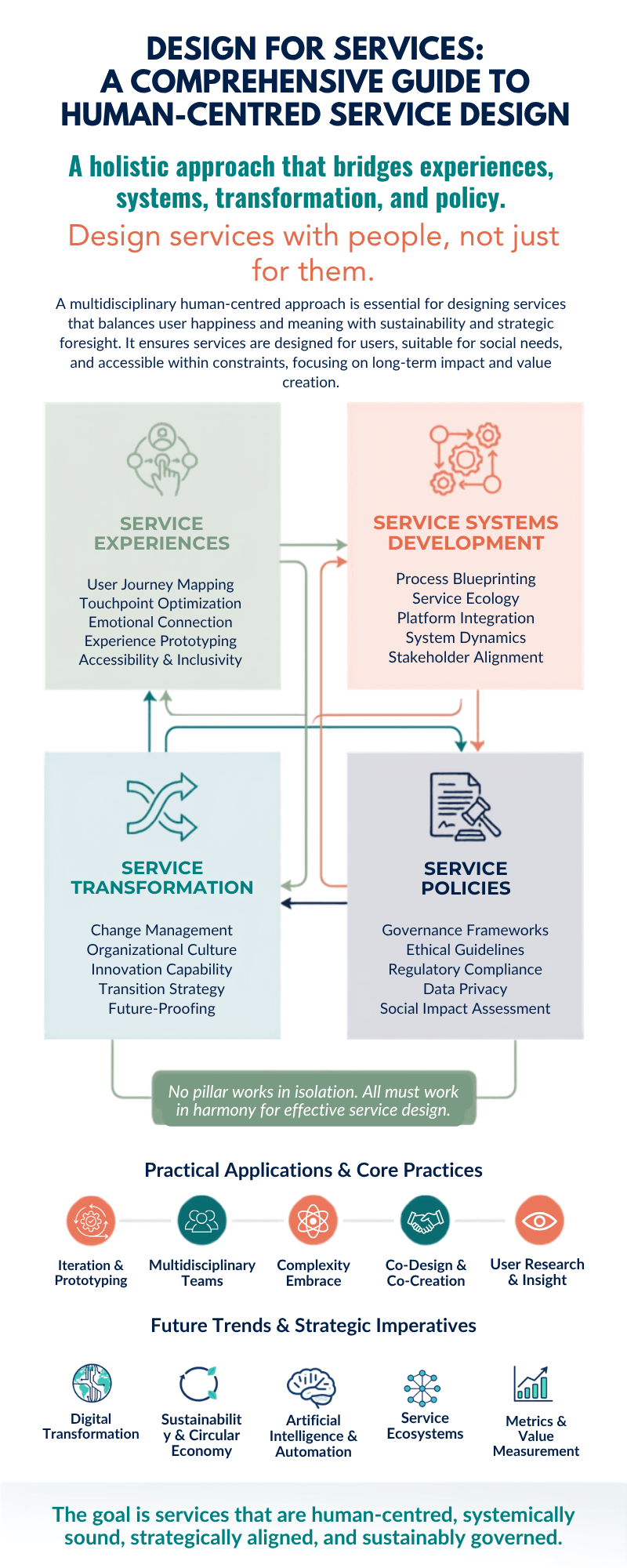
xplore the comprehensive framework of design for services through a human-centred lens. Learn how the four pillars of service design—experiences, systems development, transformation, and policies—integrate multiple disciplines to create meaningful, sustainable solutions that put people at the heart of innovation.