Agile UX is a user experience design methodology that integrates seamlessly with Agile software development principles.
It emphasizes collaboration, flexibility, and continuous iteration to create user-centric and high-quality products.
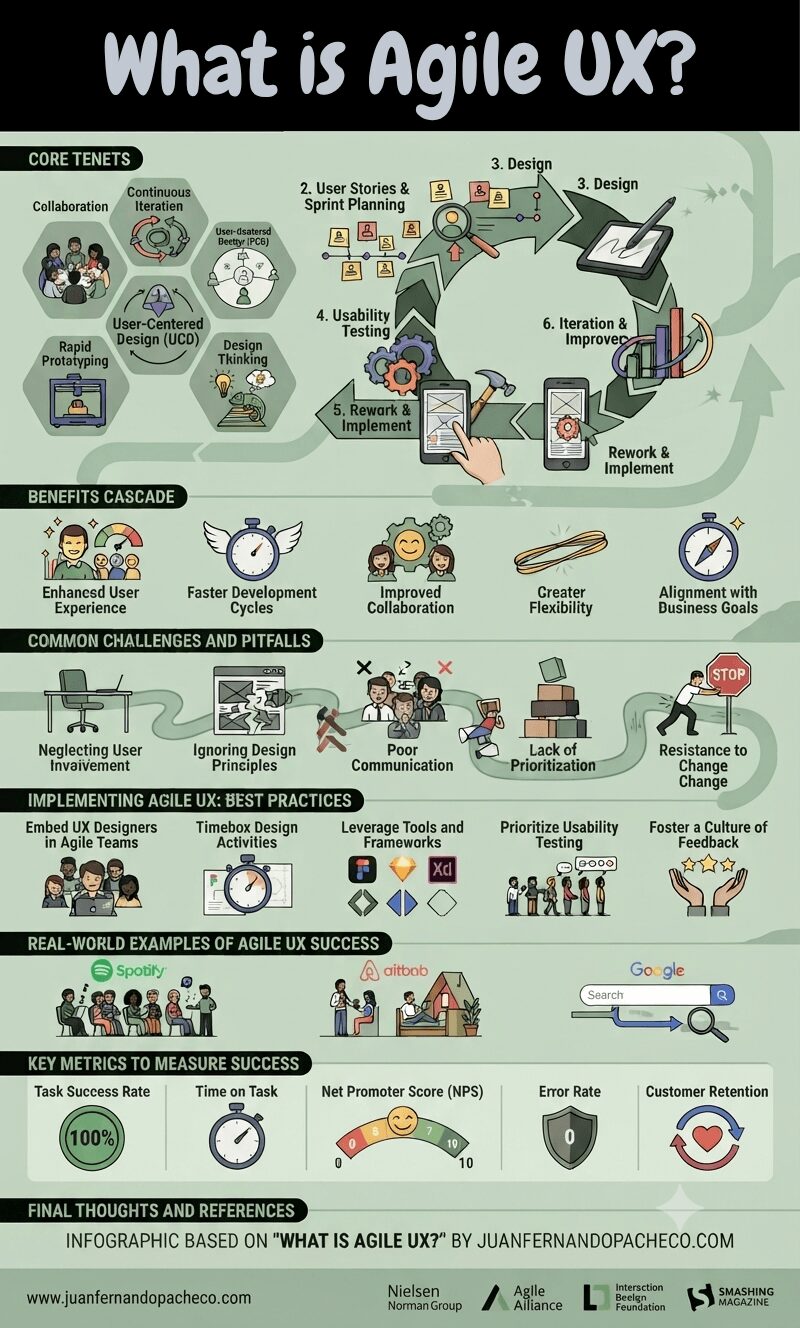
Agile UX is a user experience design methodology that integrates seamlessly with Agile software development principles.
It emphasizes collaboration, flexibility, and continuous iteration to create user-centric and high-quality products.
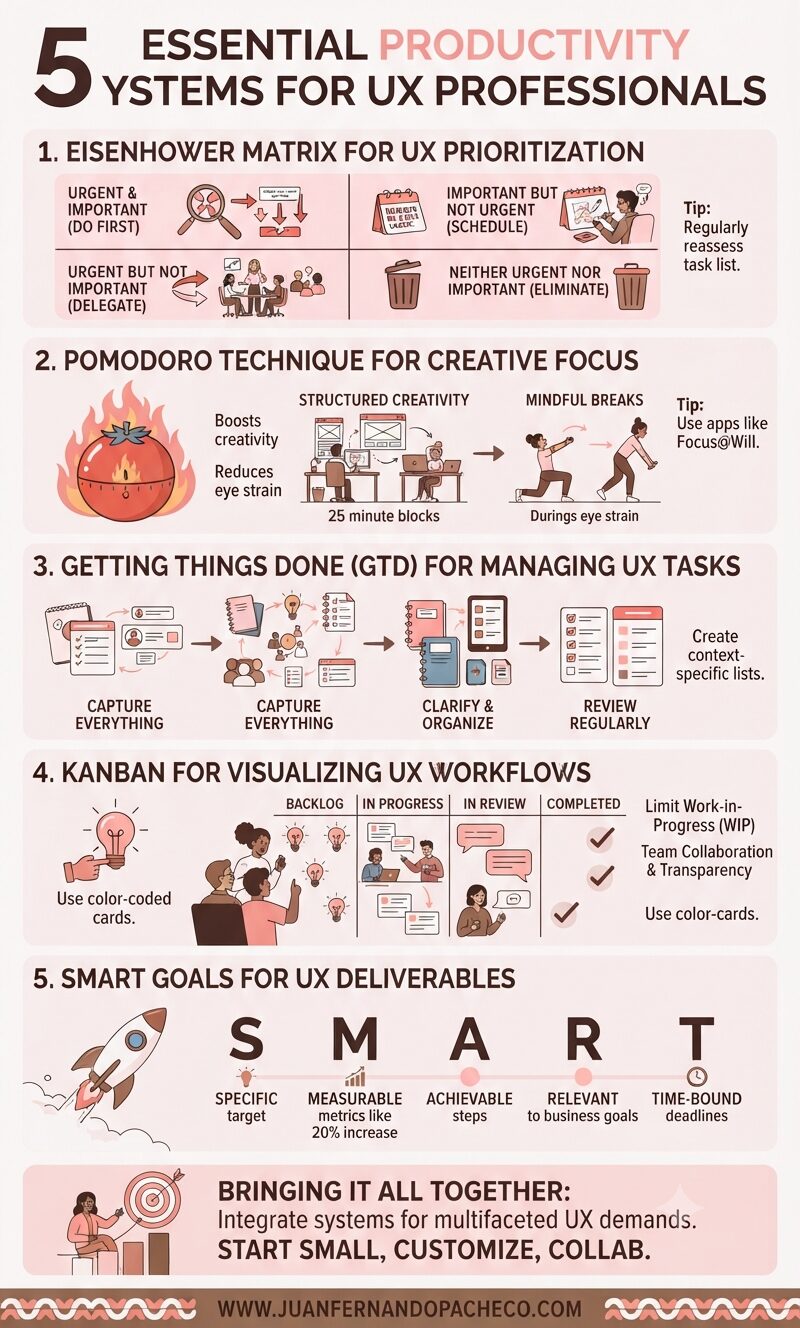
As a UX designer, manager, or director, you’re tasked with …
harmonizing user needs, business goals, and technical constraints—all while fostering creativity and collaboration.
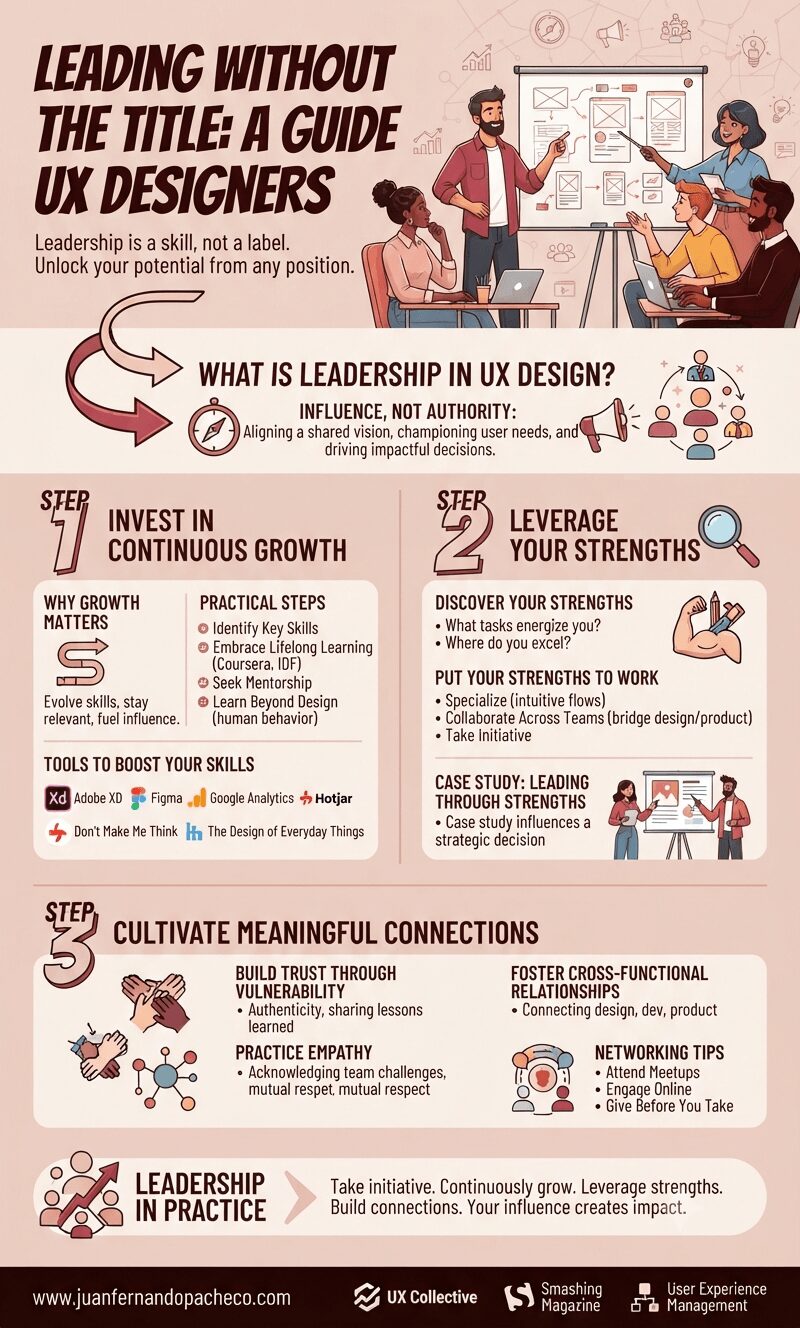
In the world of UX design, leadership isn’t confined to a title or position on the org chart.
The misconception that leadership is tied to a role or seniority can limit your potential. In reality, leadership is a skill, not a label.
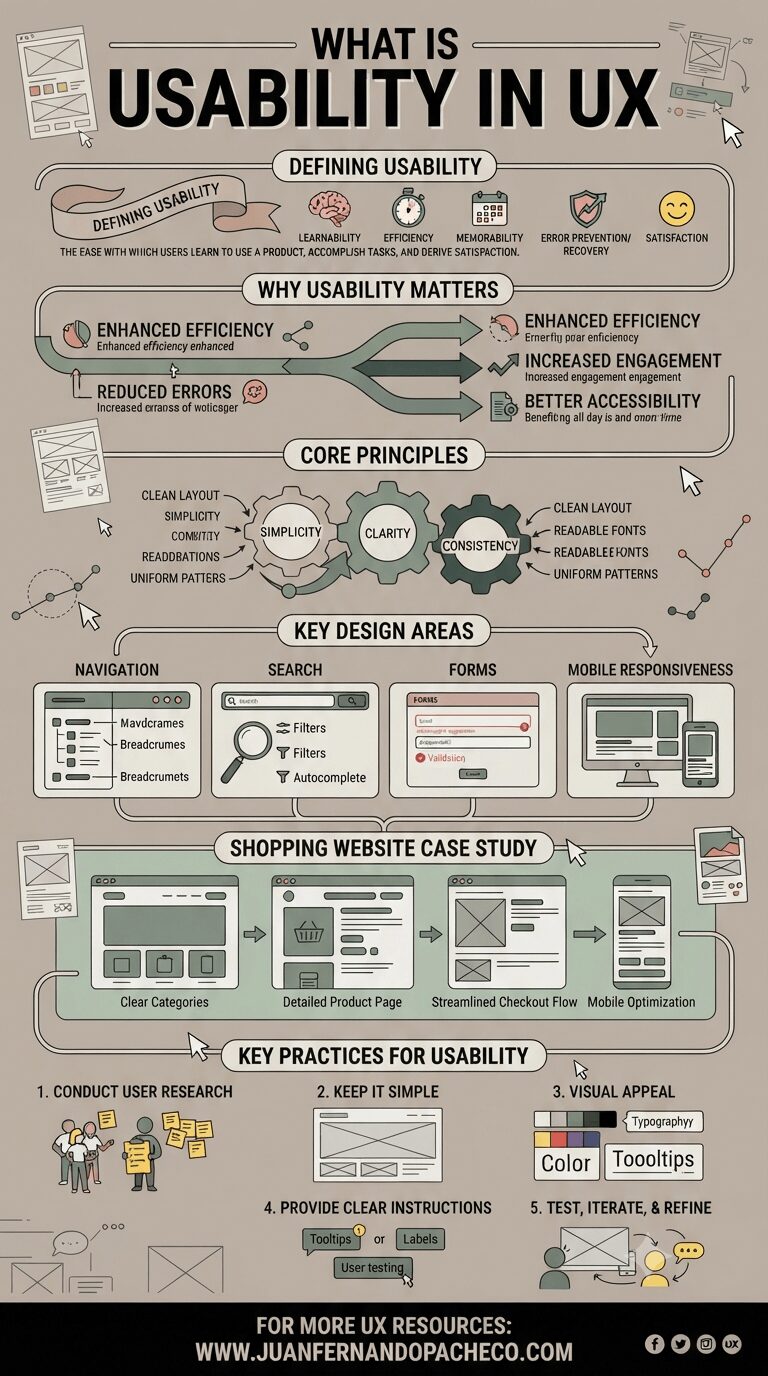
Usability is the backbone of exceptional UX design, ensuring products are intuitive, efficient, and satisfying to use.
By focusing on simplicity, clarity, and consistency, and addressing critical areas like navigation, forms, and mobile responsiveness, designers can craft experiences that delight users.
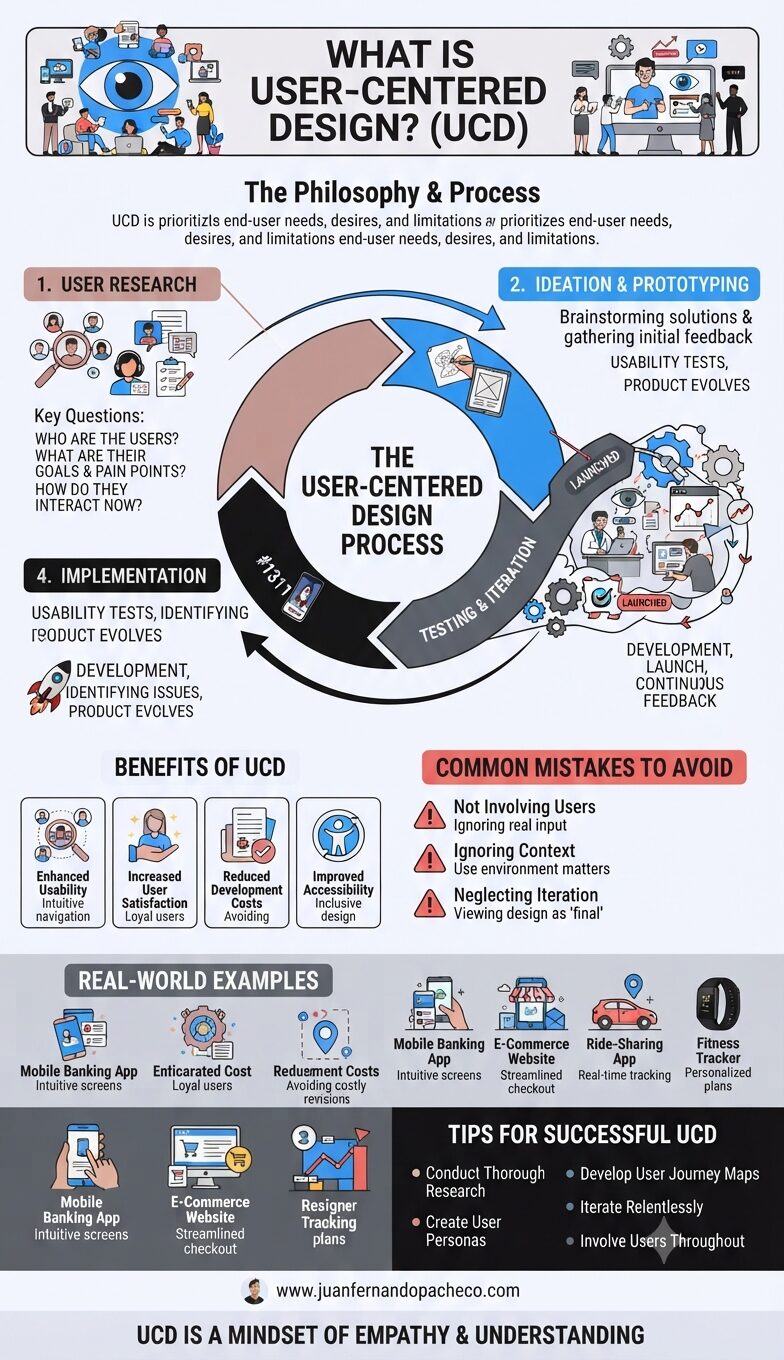
User-centered design is more than a methodology; it’s a mindset that prioritizes empathy and understanding. By involving users, embracing iteration, and focusing on real-world needs, UCD empowers teams to create impactful and meaningful experiences.
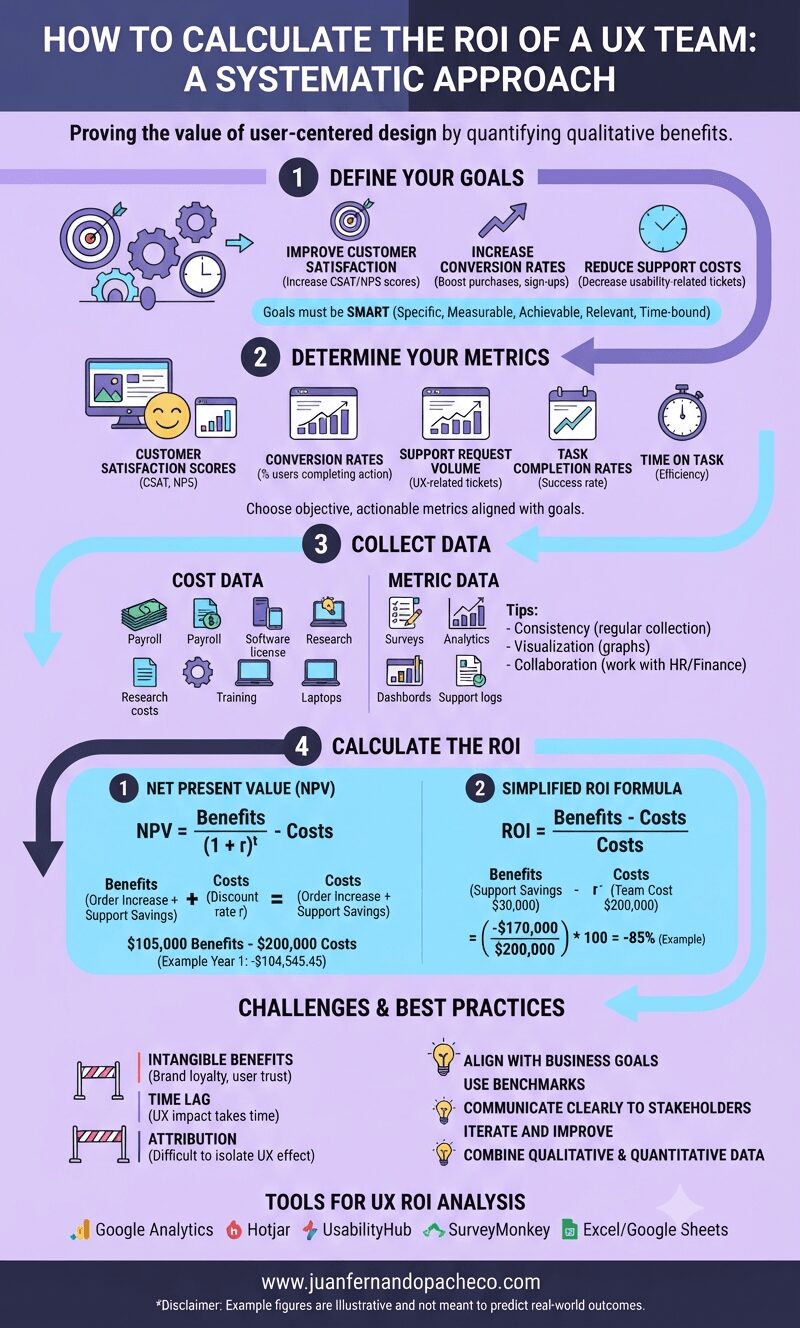
Understanding the return on investment (ROI) of a UX team is critical for organizations aiming to justify and optimize their investment in user-centered design practices.
While calculating ROI in a UX context can be challenging because quantifying qualitative benefits is difficult, a systematic approach can reveal the value a UX team provides to an organization.
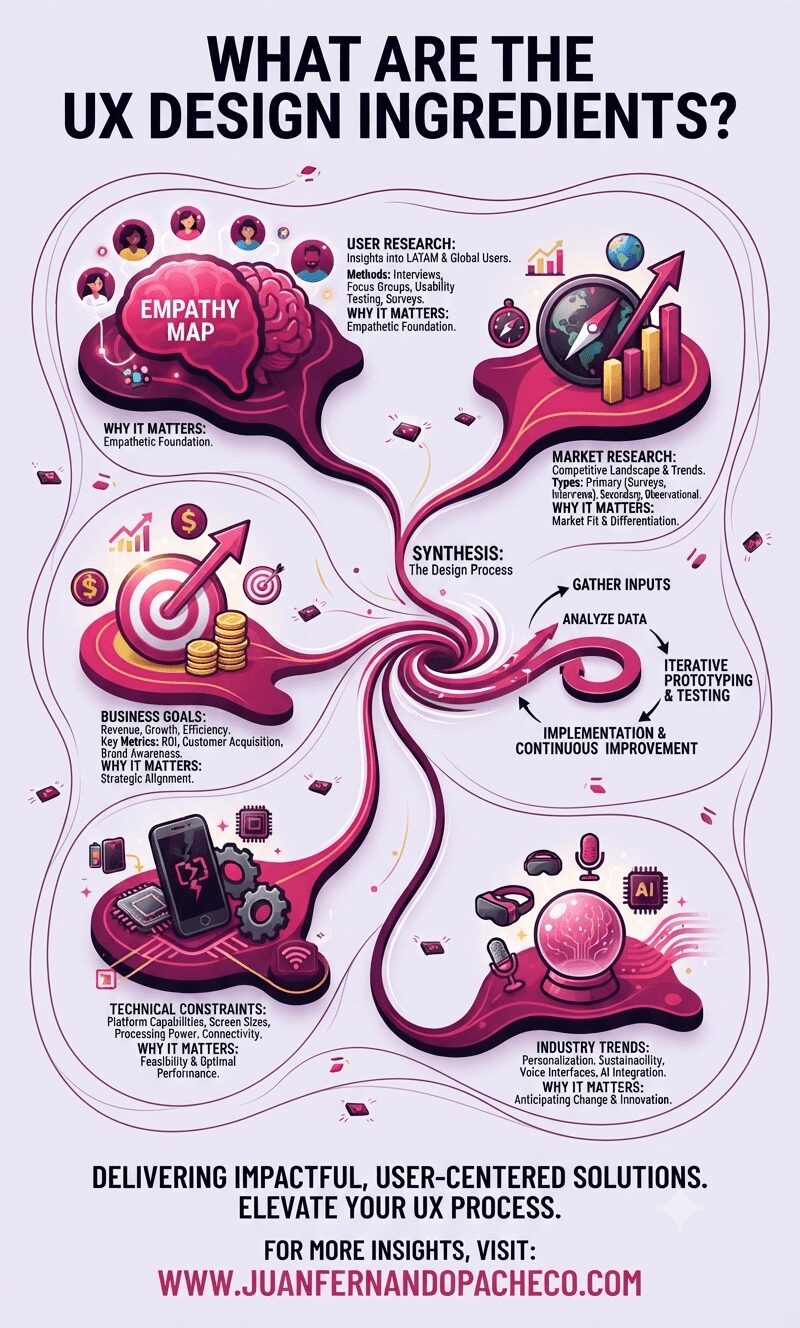
UX design (user experience design) is a multifaceted field requiring the integration of diverse inputs to create user-centric solutions.
The term “UX design ingredients” refers to the core elements that inform and shape the design process. These ingredients provide the foundation for building products and services that meet both user needs and business goals.
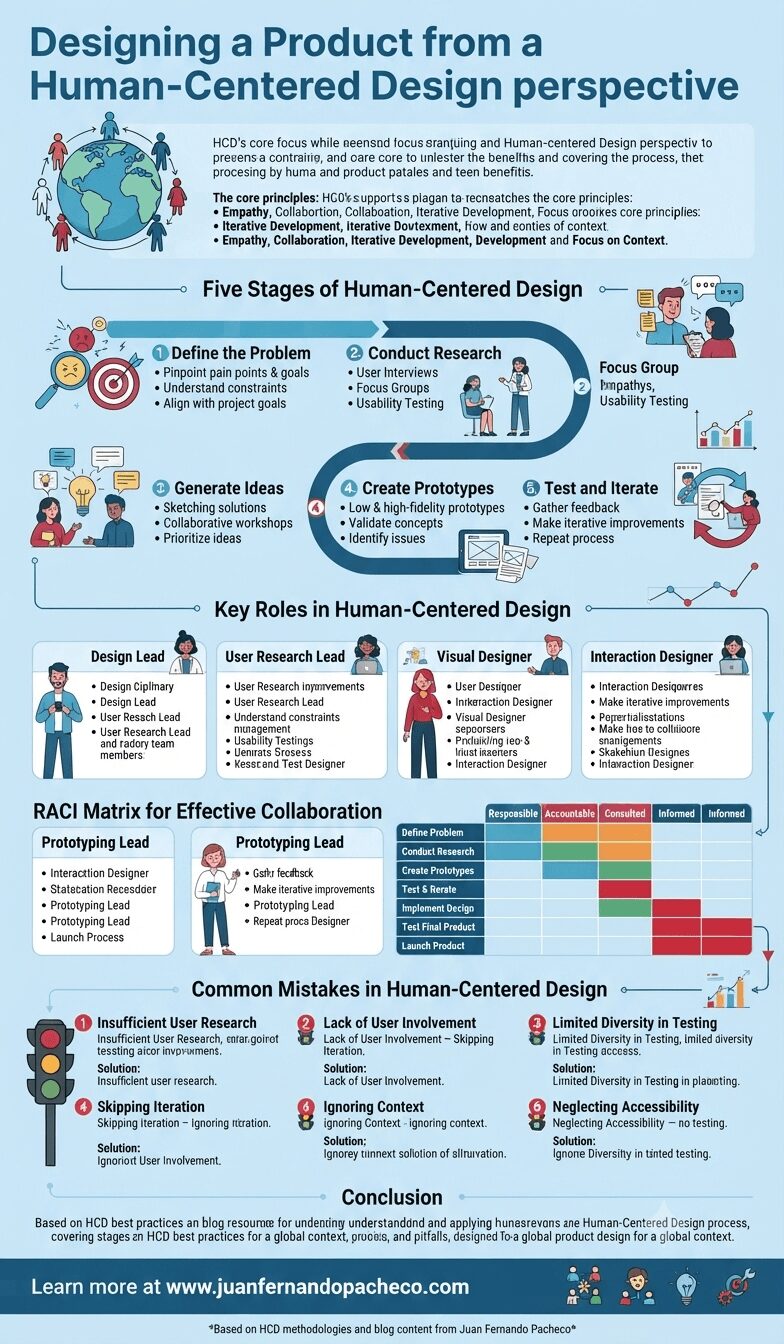
Designing from a Human-Centered Design perspective ensures that products are not only functional but also meaningful and accessible to users. By following the stages of HCD, collaborating effectively through clear roles, and avoiding common pitfalls, teams can create solutions that genuinely resonate with their audience.
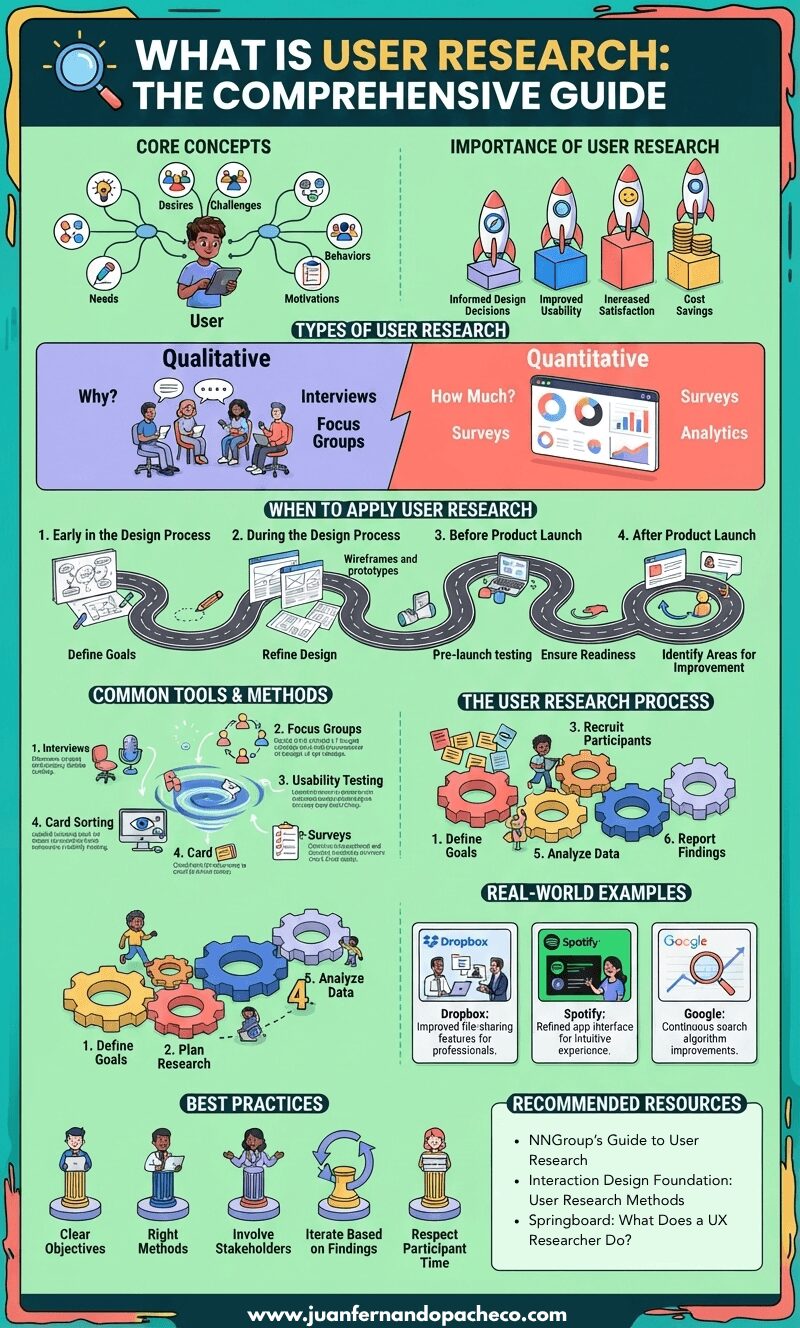
User research is the process of analyzing, studying, and understanding the needs, desires, challenges, behaviors, and motivations of the people who use a product or service.
It’s typically conducted to inform the design of new products or features or to improve an existing product. By uncovering how real users interact with a product, user research ensures that your designs are grounded in reality rather than assumptions.
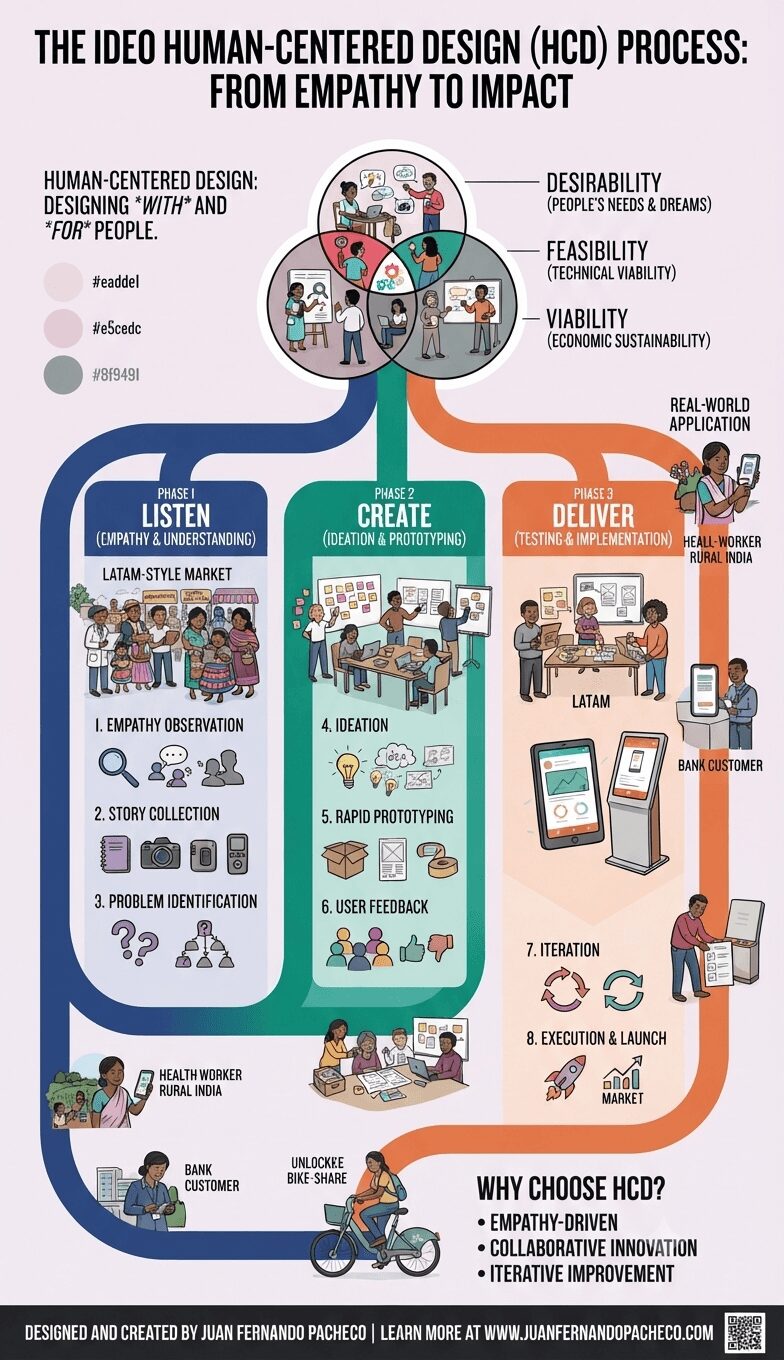
A Comprehensive Guide to Human-Centered Design (HCD) IDEO’s Human-Centered Design (HCD) methodology has revolutionized how