Why Product Design is More Than Just Pretty Pictures Beyond the Surface When you hear
Tag: Product Design
Product design is the process of identifying a market opportunity, clearly defining the problem, developing a proper solution for that problem and validating the solution with real users.
Design Thinking isn’t just a trendy term—it’s a human-centered revolution in problem-solving. Rooted in industrial design
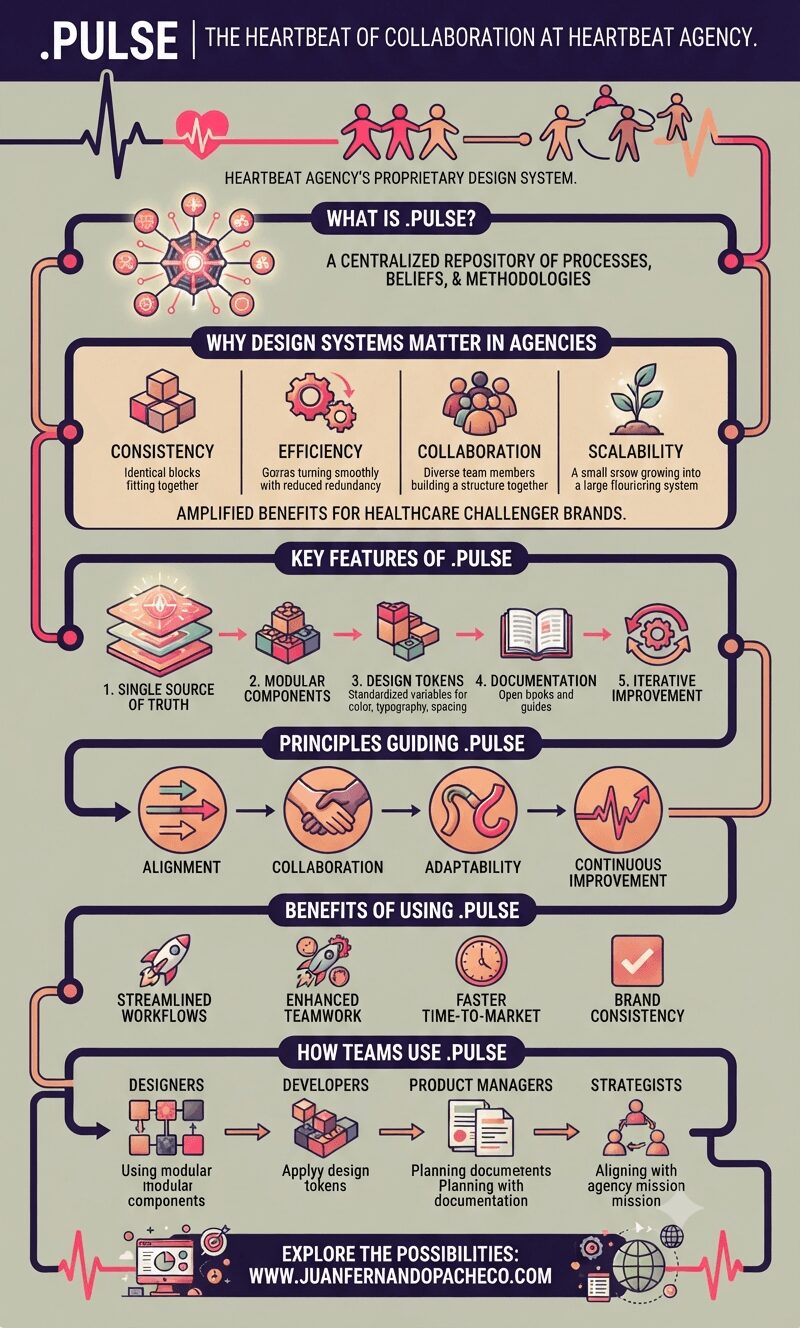
.pulse exemplifies how a well-crafted design system can transform an organization’s workflows while fostering collaboration and innovation. For Heartbeat Agency—a pioneer in healthcare marketing—this centralized source of truth has become a cornerstone of its success.
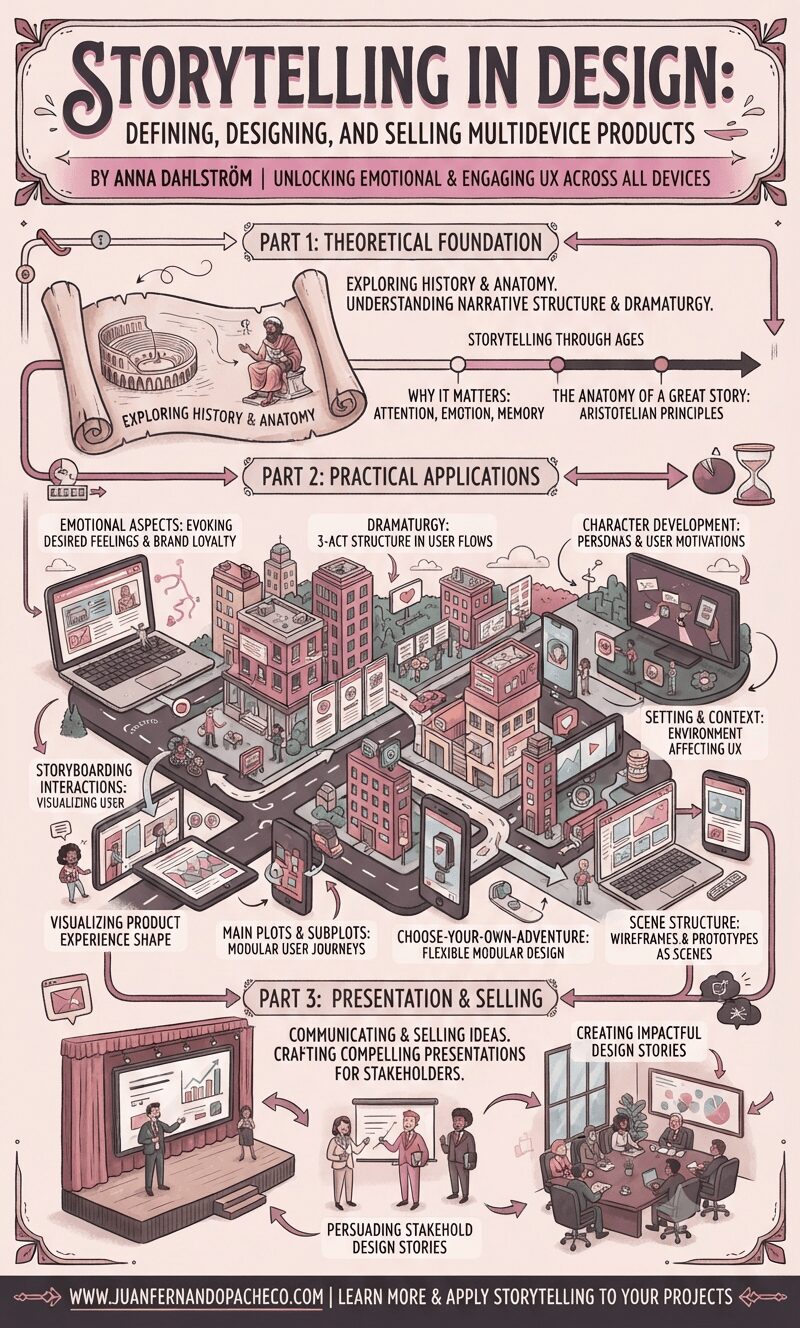
Throughout the book, Dahlström provides practical exercises and examples to help readers apply storytelling principles to their design projects.
She emphasizes that storytelling is not just about creating entertaining narratives but also about designing effective and user-centered experiences.
By drawing on the power of storytelling in design, designers can create products that are not only functional but also engaging, meaningful, and memorable.
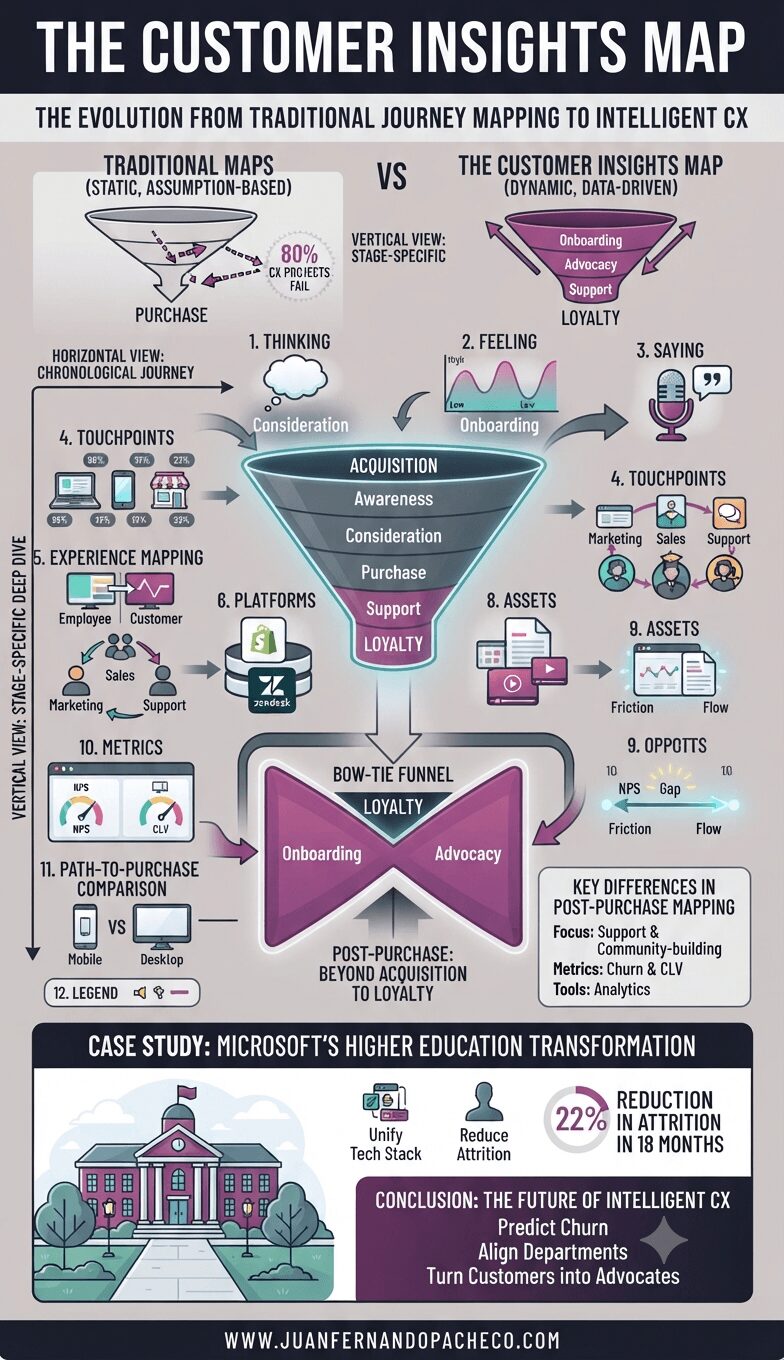
Enter the Customer Insights Map—a fusion of qualitative empathy, quantitative analytics, and strategic frameworks like StoryVesting and Hoshin methodology.
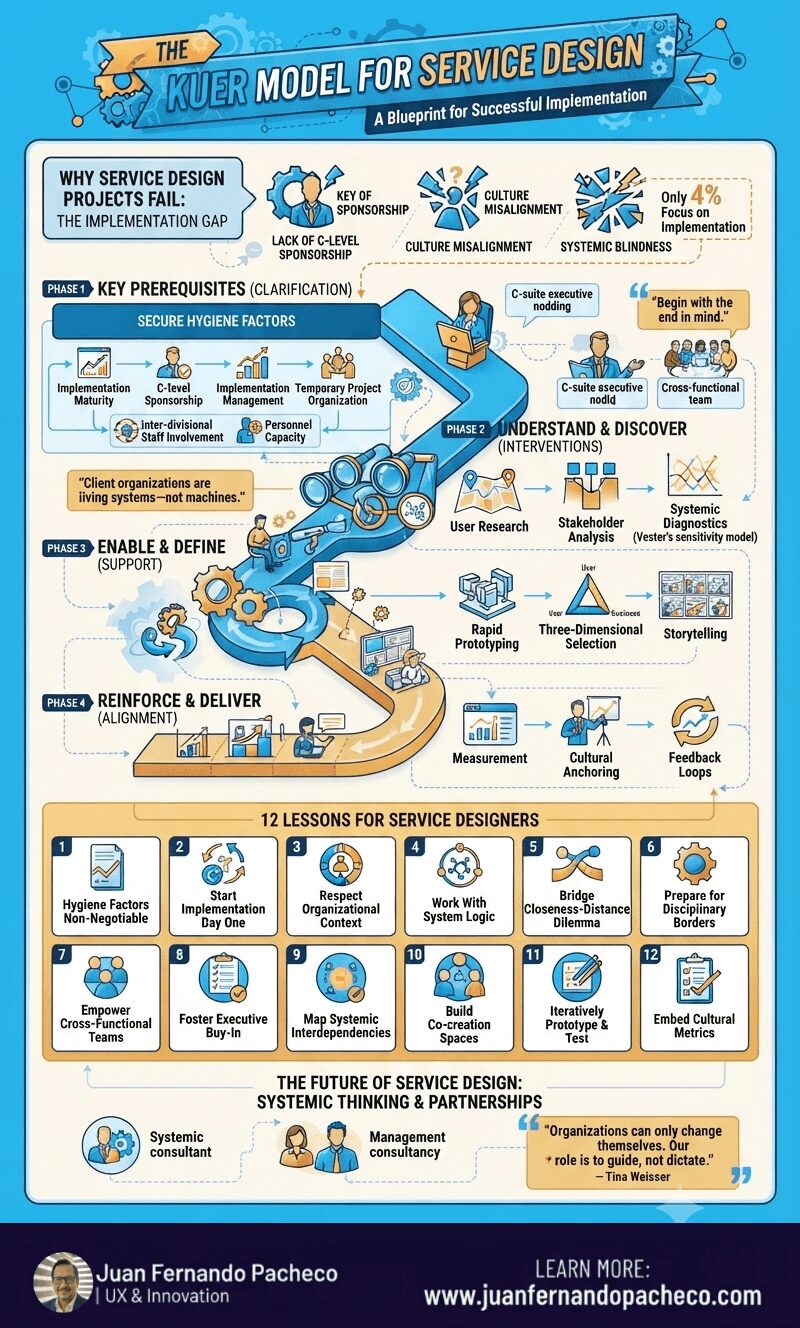
The KUER model underscores that service designers must evolve beyond UX expertise. Skills in systemic organizational consulting and partnerships with management consultancies (e.g., Capgemini, Etventure) are critical. As Tina Weisser notes:
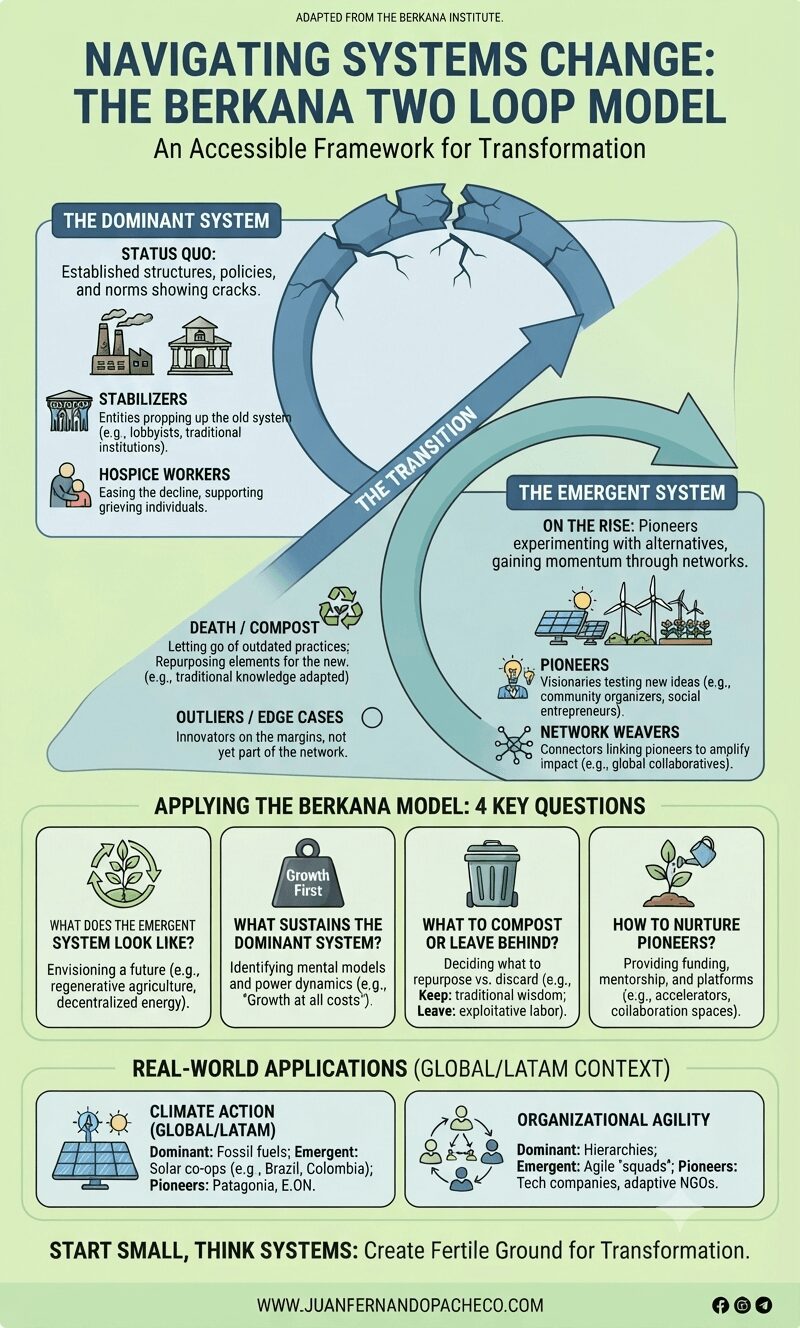
The Berkana Two Loop Model demystifies systems change. By naming pioneers, building networks, and composting the old, we create fertile ground for transformation.
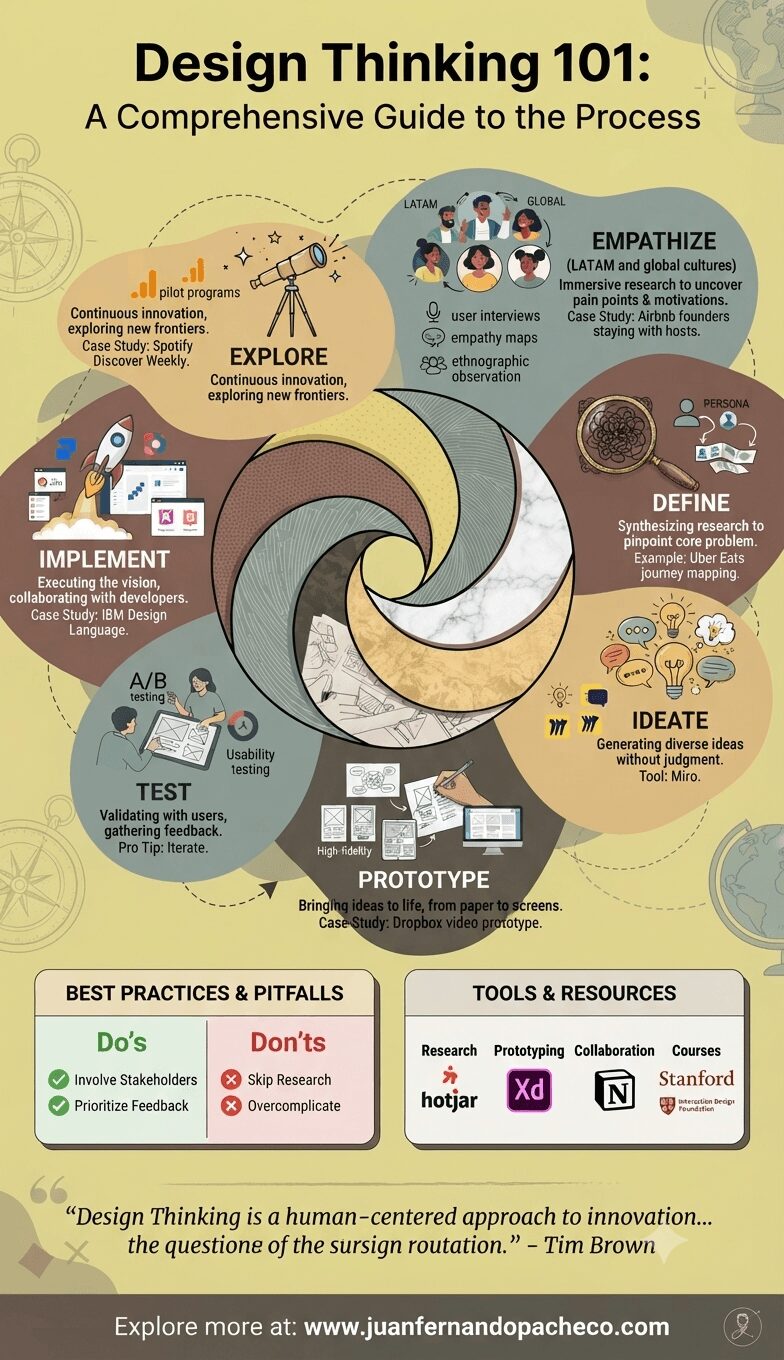
Design Thinking is a human-centered methodology that empowers teams to solve complex problems through creativity, empathy, and iterative learning.
Rooted in disciplines like UX design and systems thinking, it bridges the gap between user needs and business goals. According to the Stanford d.school, Design Thinking is “a methodology for innovation that combines creative and analytical approaches.”
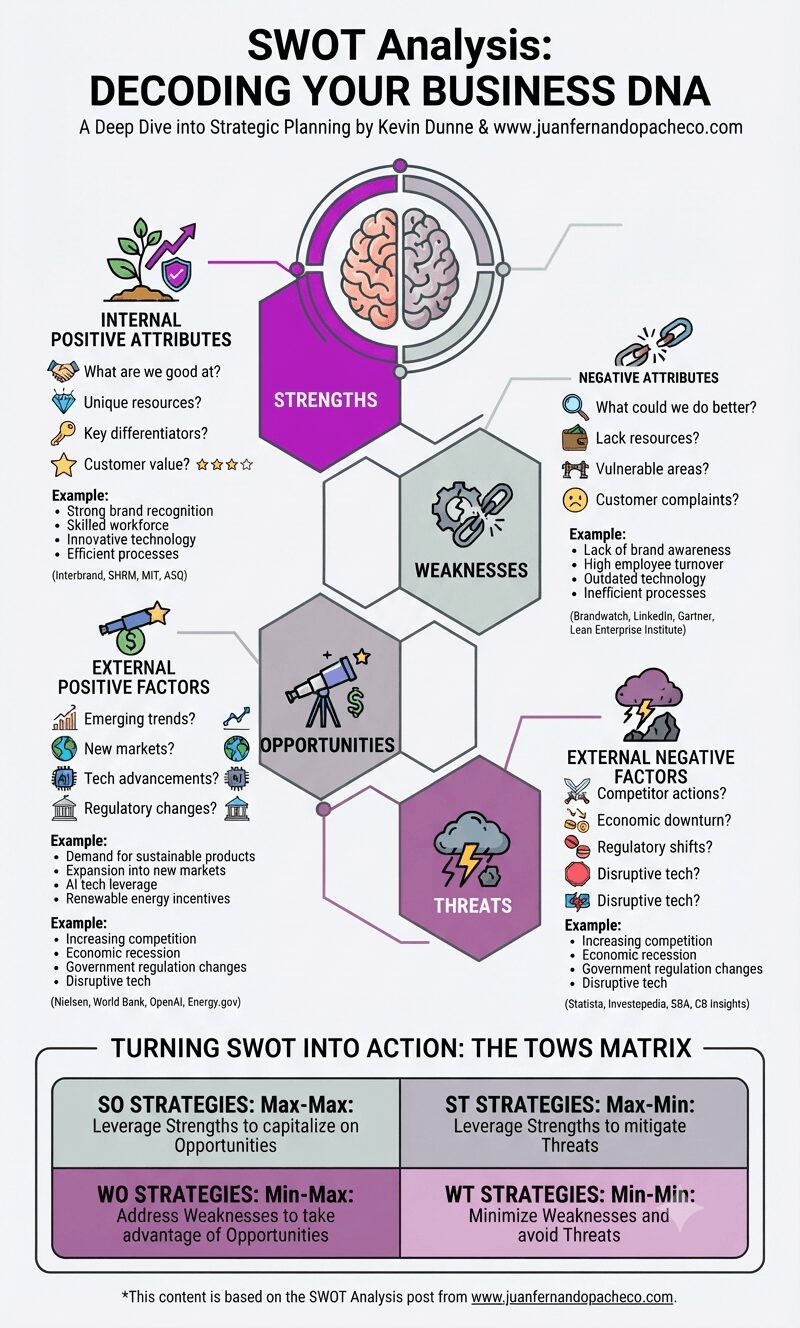
A SWOT analysis is a powerful tool for understanding your organization’s current position and charting a course for future success. By systematically analyzing your strengths, weaknesses, opportunities, and threats, you can develop targeted strategies that leverage your competitive advantages and mitigate potential risks.
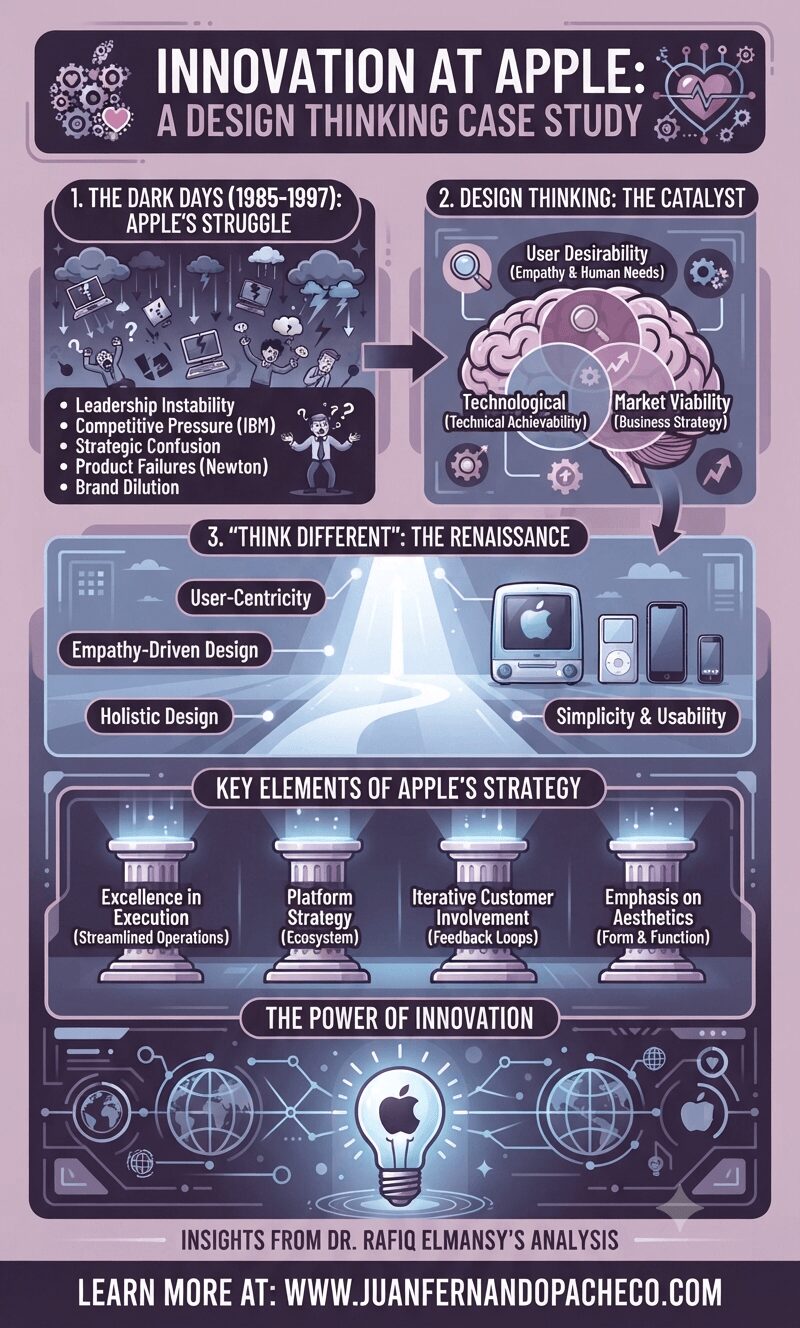
Apple’s resurgence is a compelling case study in the power of Design Thinking. By embracing a user-centric approach, prioritizing simplicity and usability, and fostering a culture of innovation, Apple has transformed itself from a struggling company to a global leader.
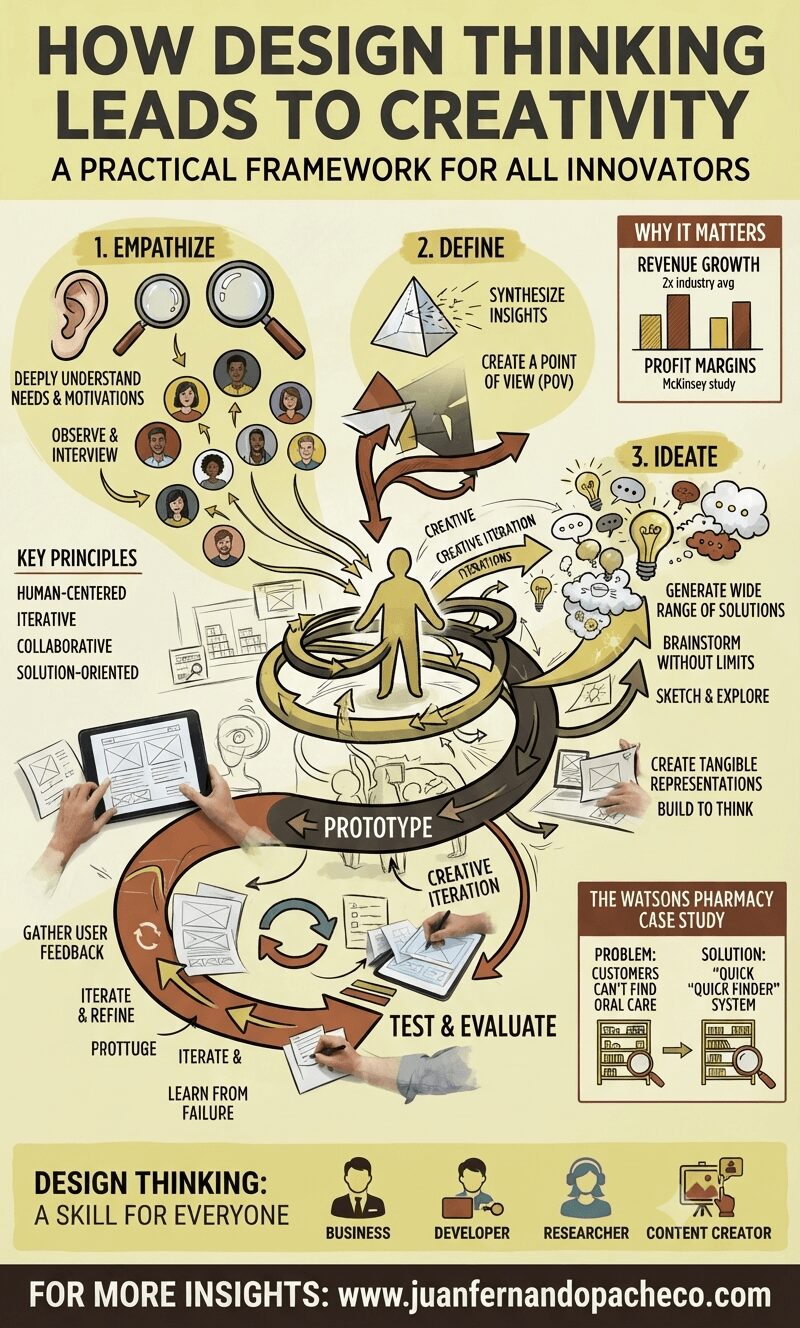
Design Thinking isn’t limited to professional designers. It’s a valuable skill for anyone who wants to solve problems creatively and drive innovation. By adopting a human-centered approach and embracing the iterative nature of design thinking, individuals and organizations can unlock their creative potential and achieve remarkable results.
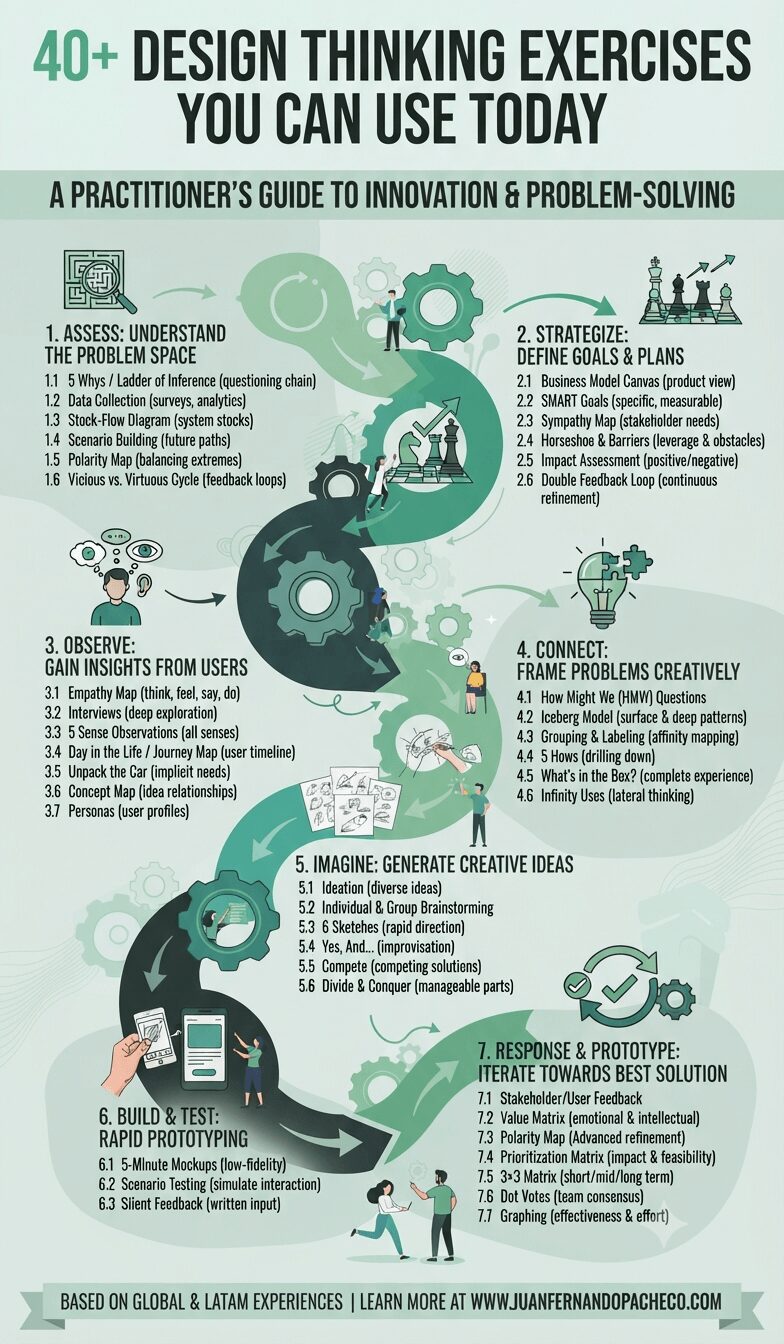
These 45+ design thinking exercises provide a practical and structured approach to problem-solving.
By incorporating these exercises into your UX practice, you can foster creativity, enhance user understanding, and drive impactful results.
Remember that design thinking is an iterative process, so don’t be afraid to experiment and adapt these exercises to fit your specific needs.