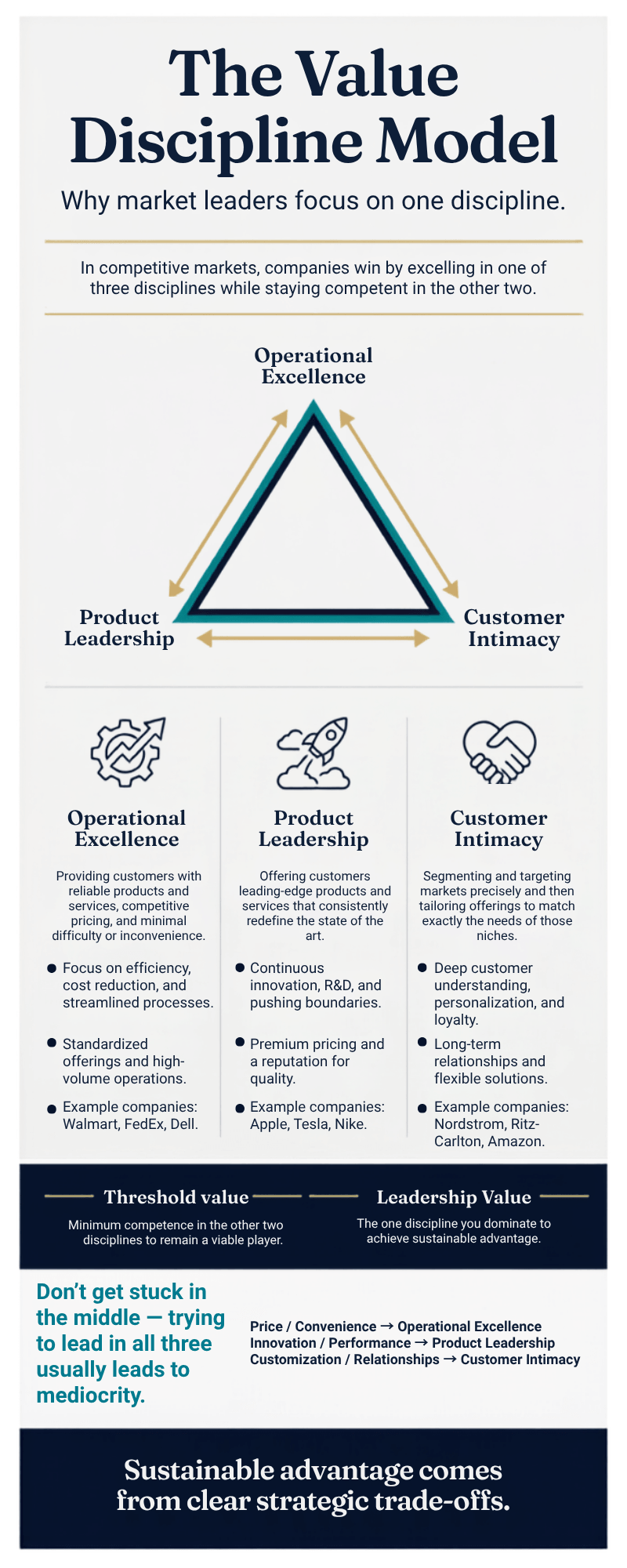
Discover how the Value Discipline Model helps organizations achieve market leadership by excelling in one of three strategic areas: Operational Excellence, Product Leadership, or Customer Intimacy. Learn which path fits your business and how to dominate your industry.
Month: June 2026
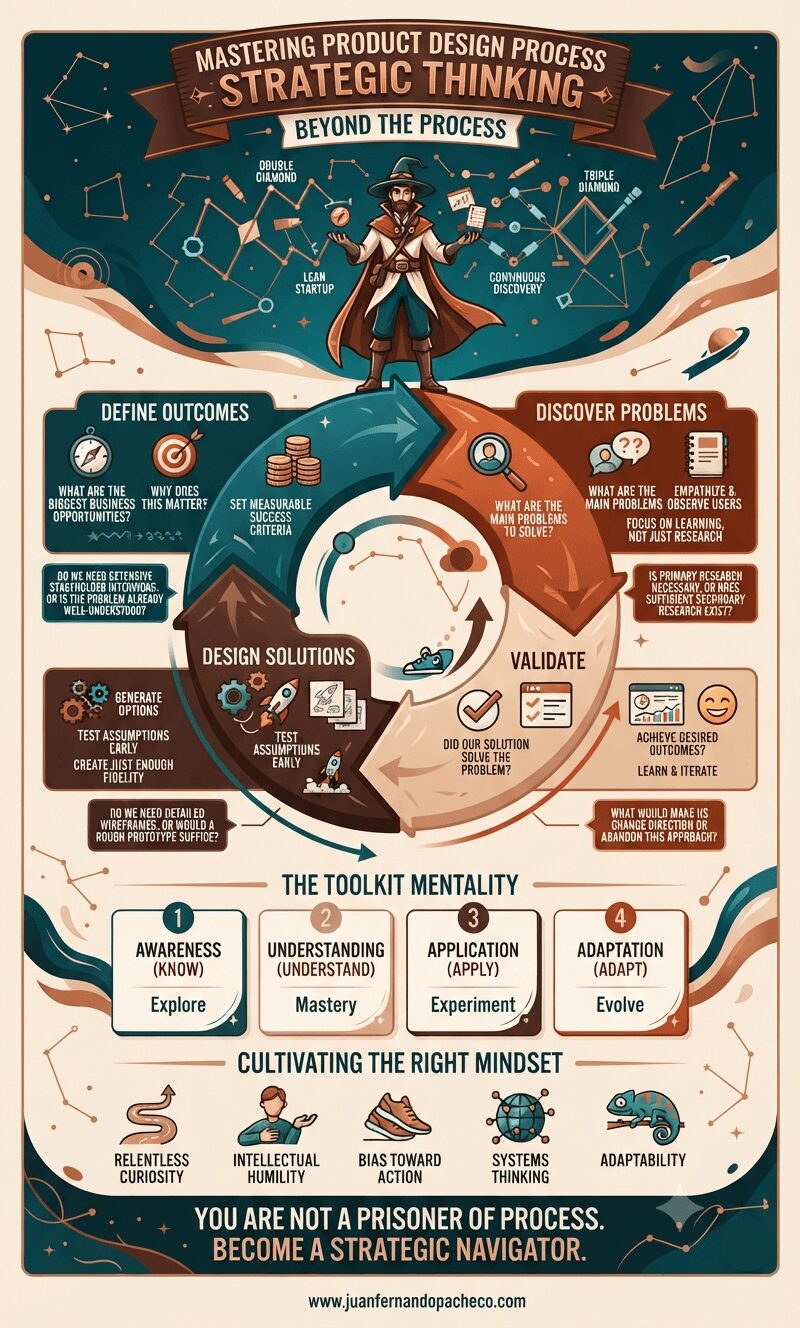
There is no single “correct” design process—only the right tools for the right problems. Learn to think strategically, adapt your approach, and build a versatile toolkit that helps you solve the right problems faster while minimizing risk.
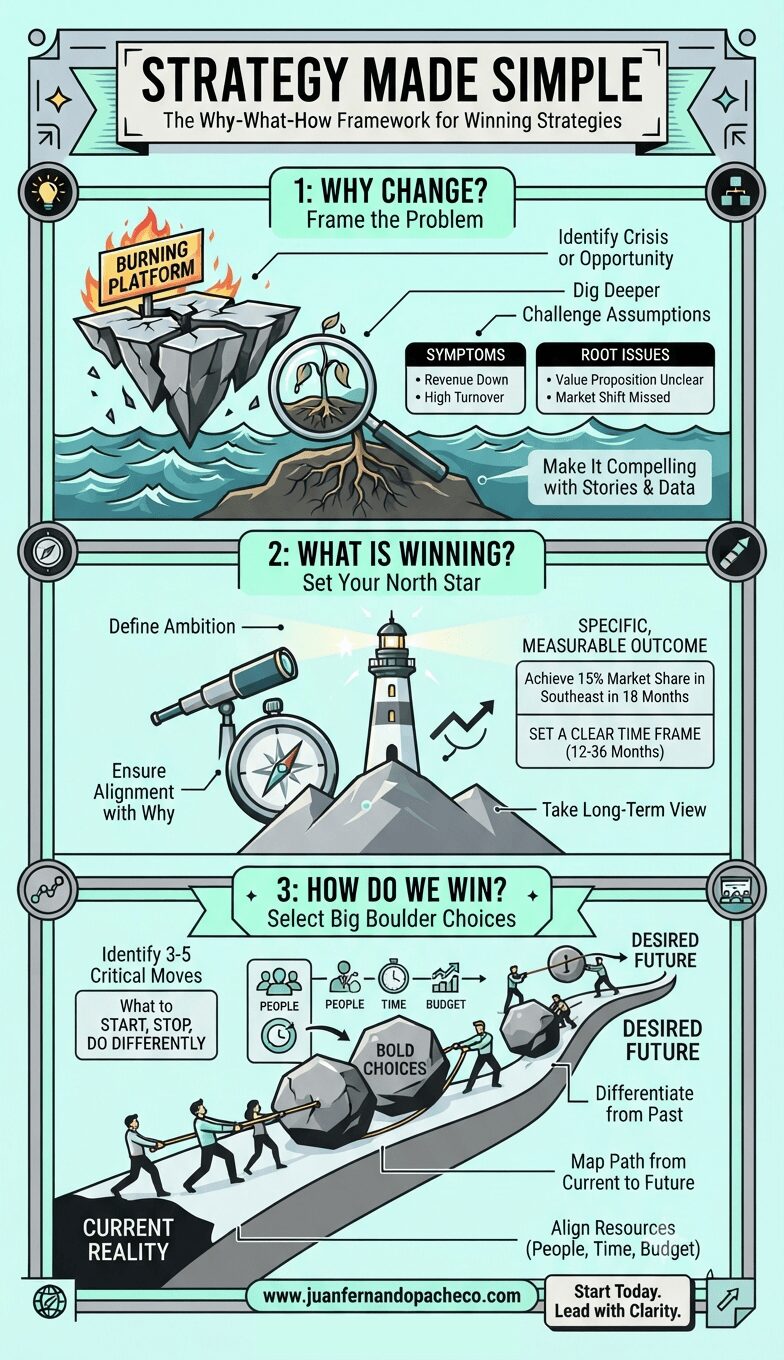
Strategy doesn’t have to be complicated. Start with why. Define what winning looks like. Make bold choices about how you’ll get there. Communicate with clarity. Execute with discipline.
That’s it. That’s the formula.
The question isn’t whether this framework works—it does. The question is whether you’ll have the courage to use it. To make the hard choices. To say no to the good so you can say yes to the great. To lead your organization from where it is to where it needs to be.
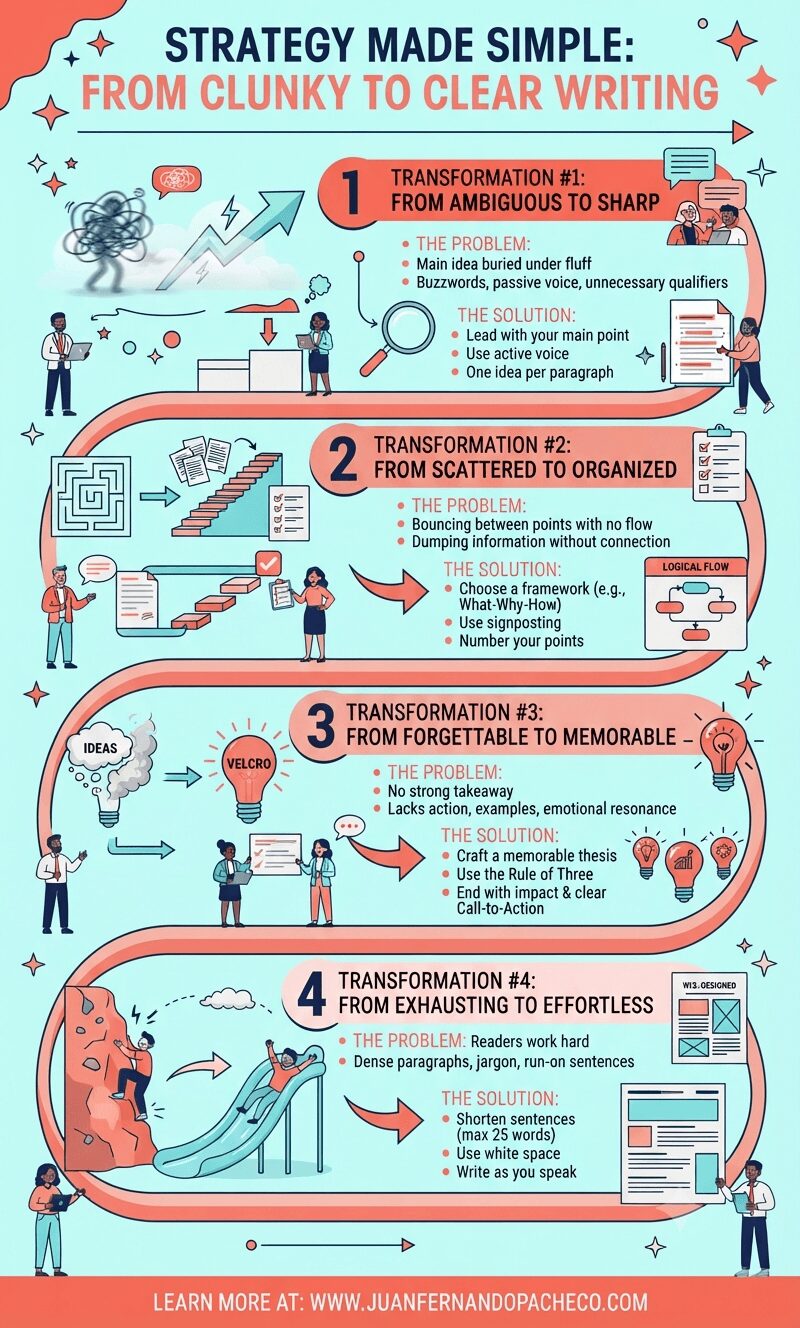
Transform your communication from confusing to compelling by mastering the four essential shifts that turn clunky writing into clear, actionable content. Learn proven strategies used by top UX designers and strategists to make your ideas impossible to ignore.
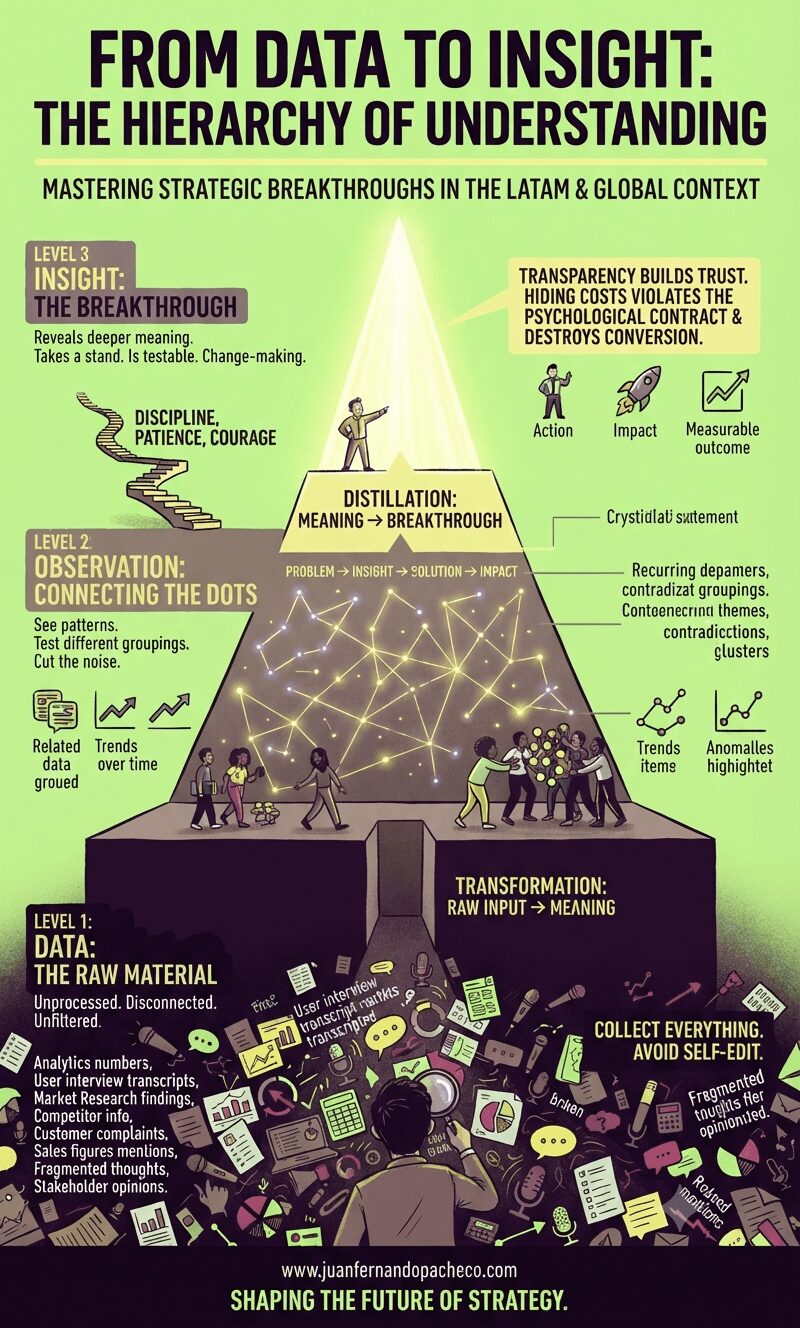
Transform raw information into strategic breakthroughs by mastering the three levels of understanding. Learn how to move from disconnected data through pattern recognition to distilled insights that drive meaningful action and create lasting impact.
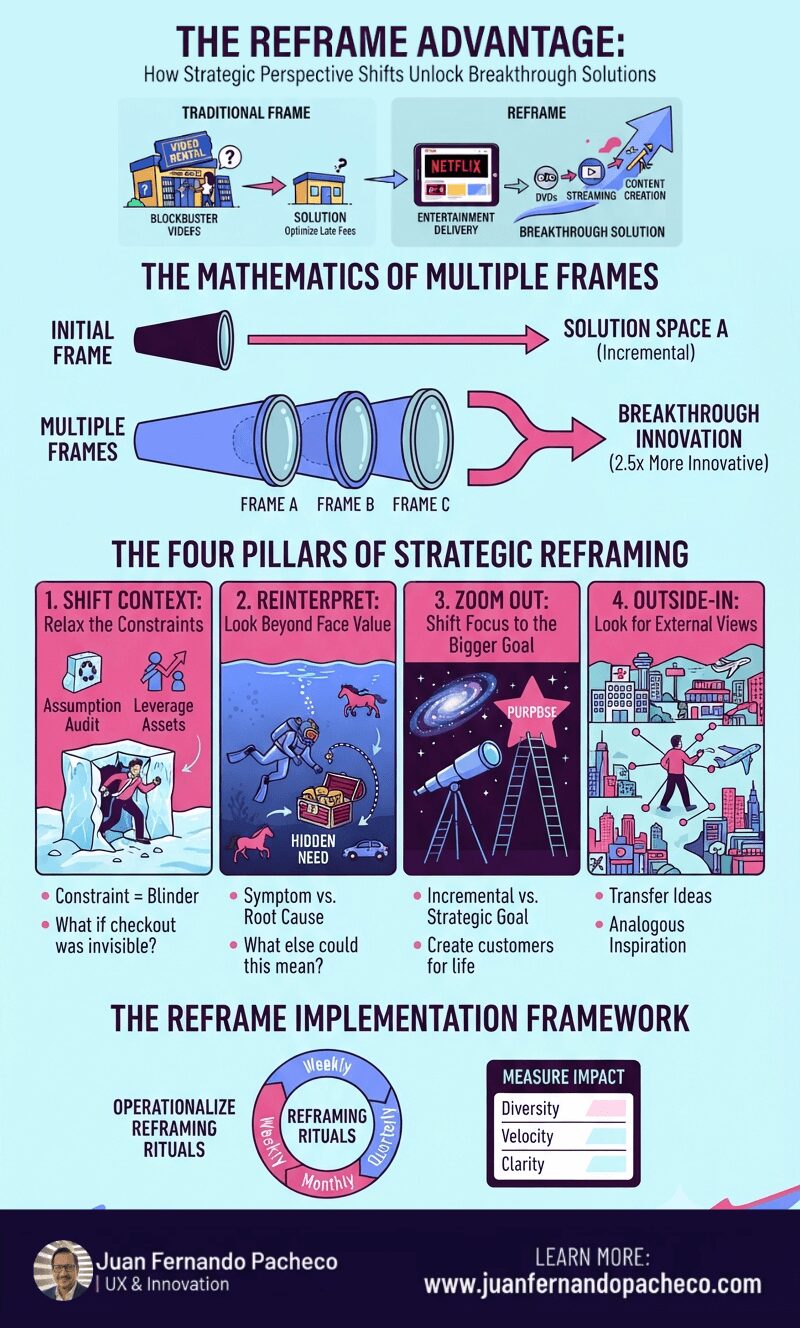
In a world where competitors can copy features, replicate processes, and hire away talent, your ability to see problems differently remains a sustainable competitive advantage. Reframing isn’t just a technique—it’s a strategic capability that compounds over time.
The teams and leaders who master reframing don’t just solve problems better; they solve better problems. They escape the trap of incremental optimization and unlock breakthrough innovation. They achieve more with less because they’re working on the right challenges from the start.
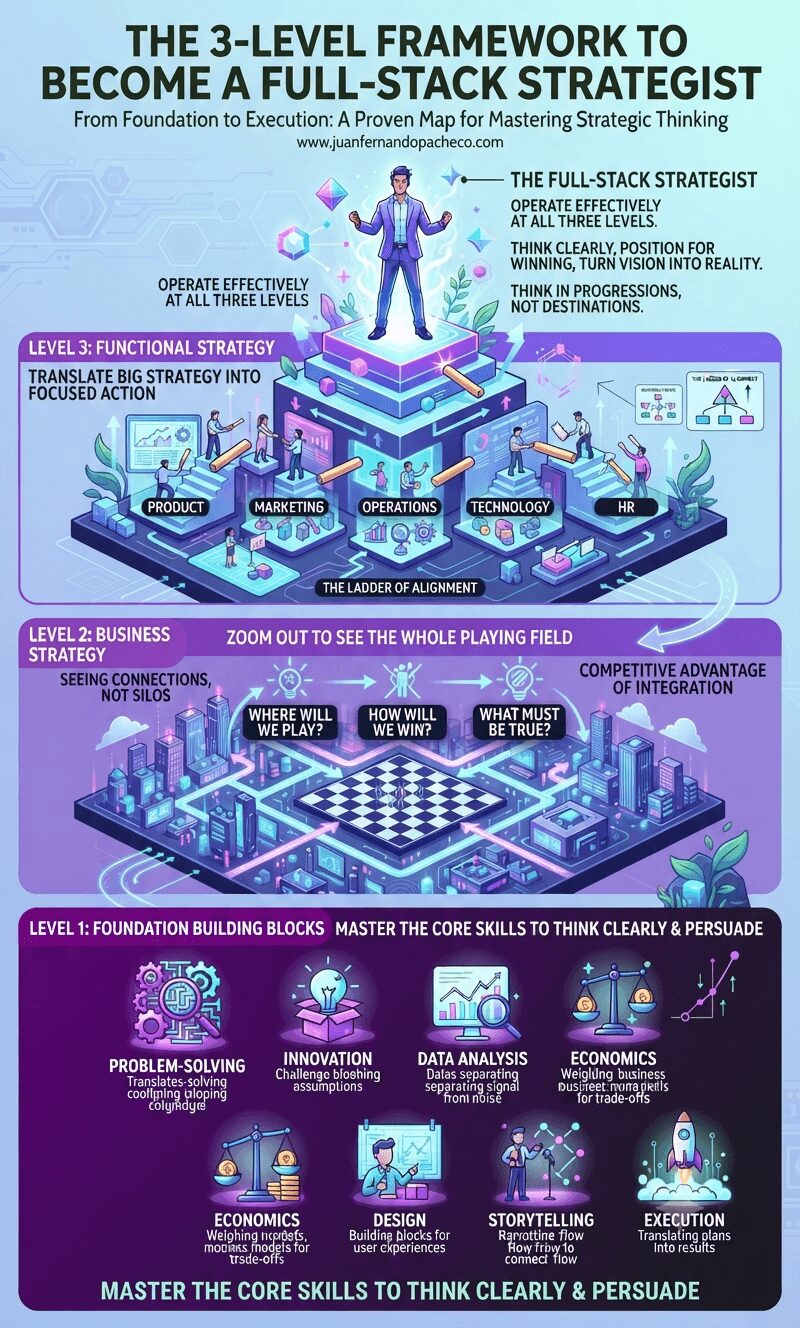
Strategy doesn’t have to be a mystery. Discover the proven 3-level framework that breaks down strategic thinking into foundation building blocks, business strategy, and functional strategy—transforming you into a full-stack strategist who can think clearly, position for winning, and translate vision into action.
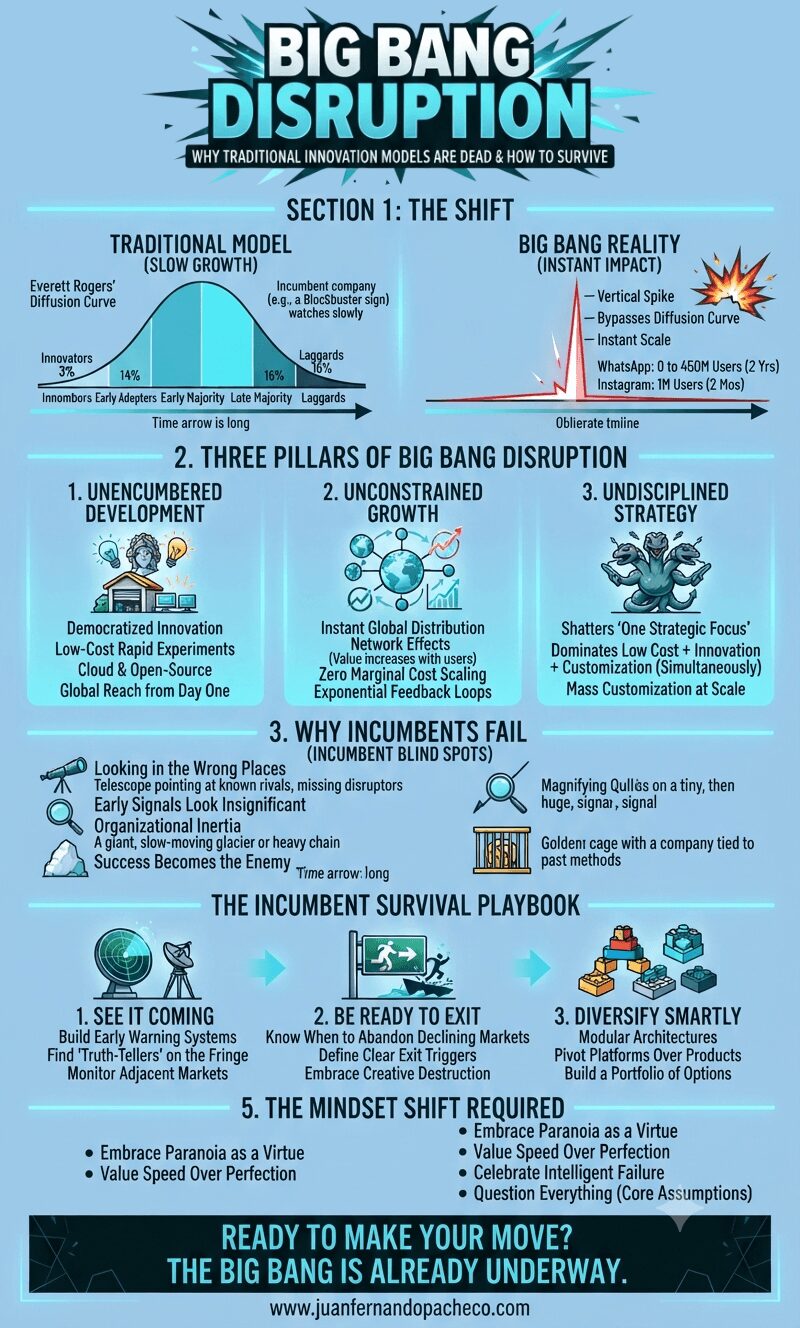
Discover why modern disruptions happen faster than ever, bypassing traditional adoption curves. Learn the three defining features of Big Bang Disruption and proven strategies to protect your business from being obliterated overnight
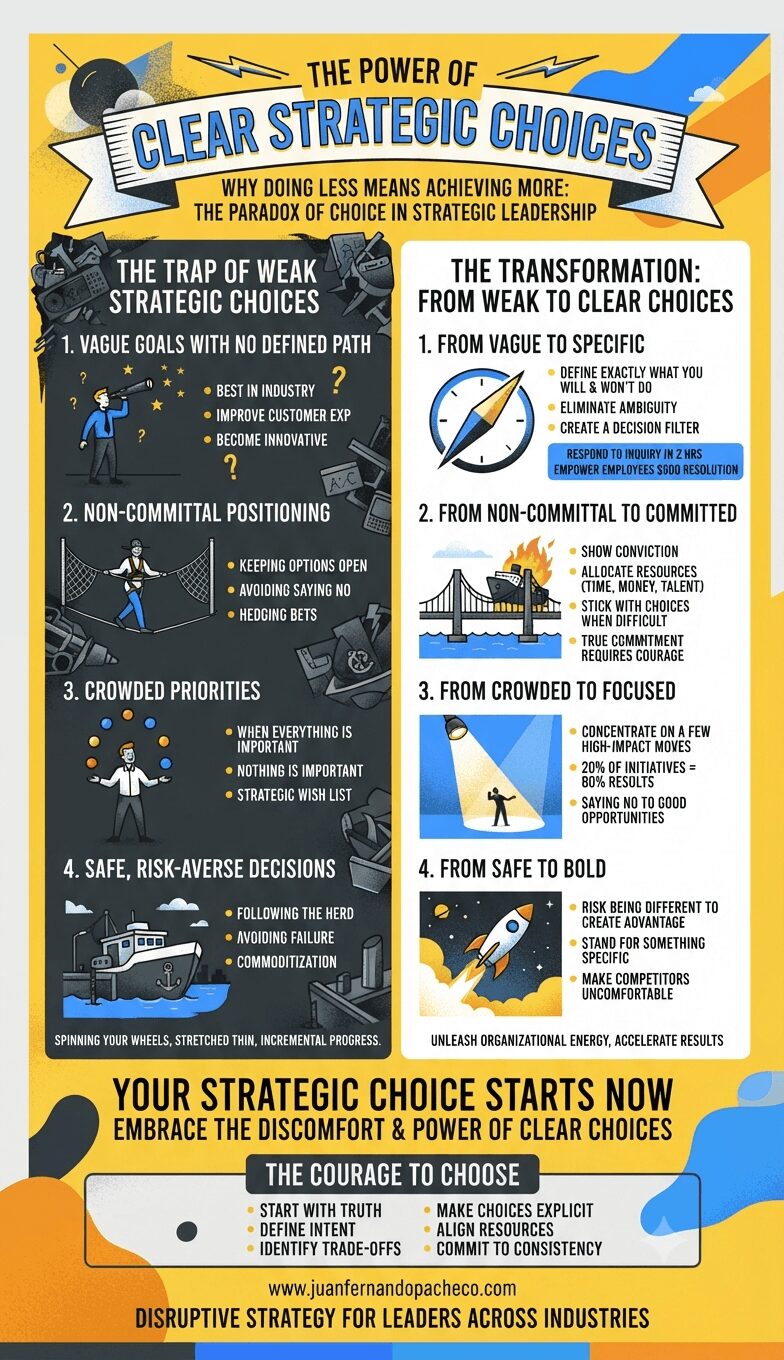
The journey from strategic confusion to clarity requires four essential steps: defining your vision, setting clear priorities, making necessary trade-offs, and committing fully to your choices.
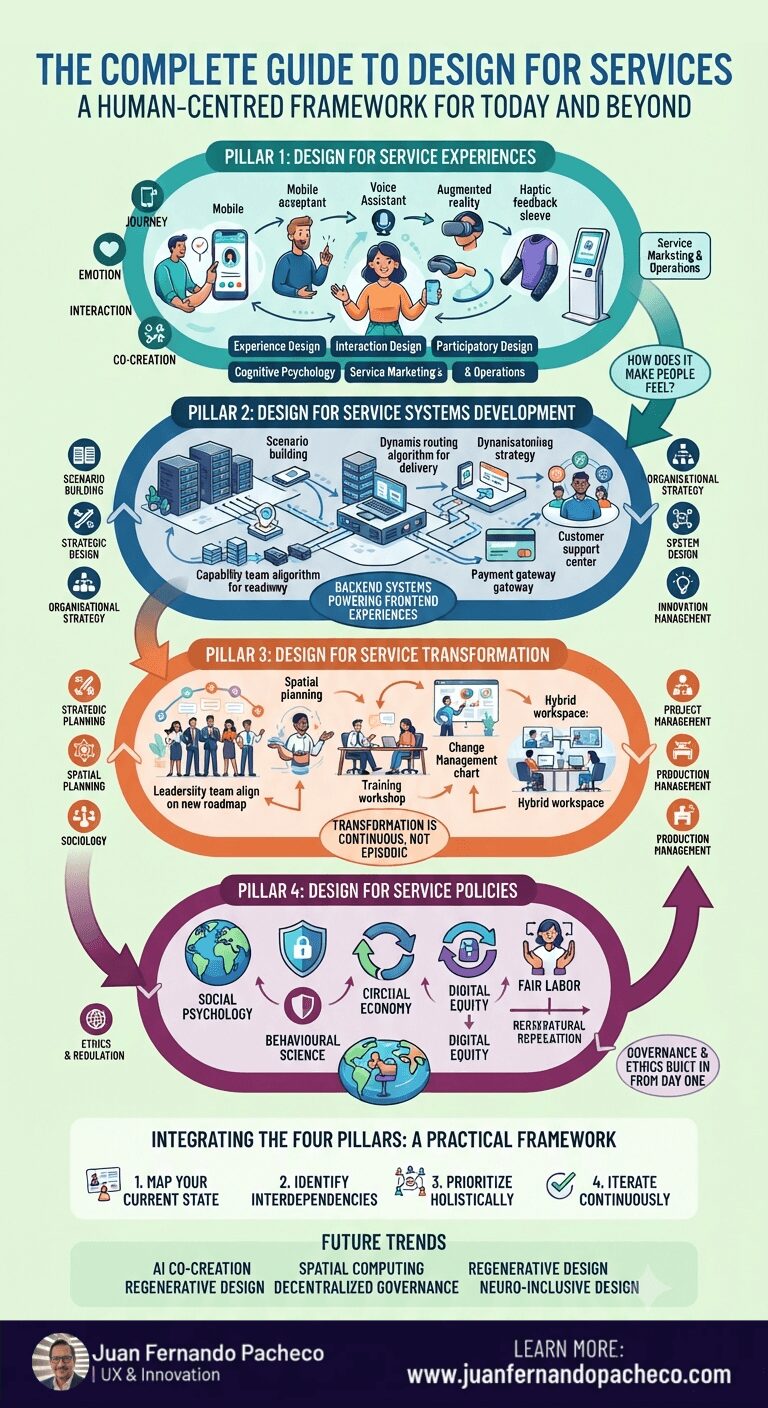
Circular diagram showing Design for Services framework with four quadrants: Design for Service Experiences, Design for Service Systems Development, Design for Service Transformation, and Design for Service Policies, surrounded by 27 interconnected disciplines and approaches for human-centred service design in today’s world
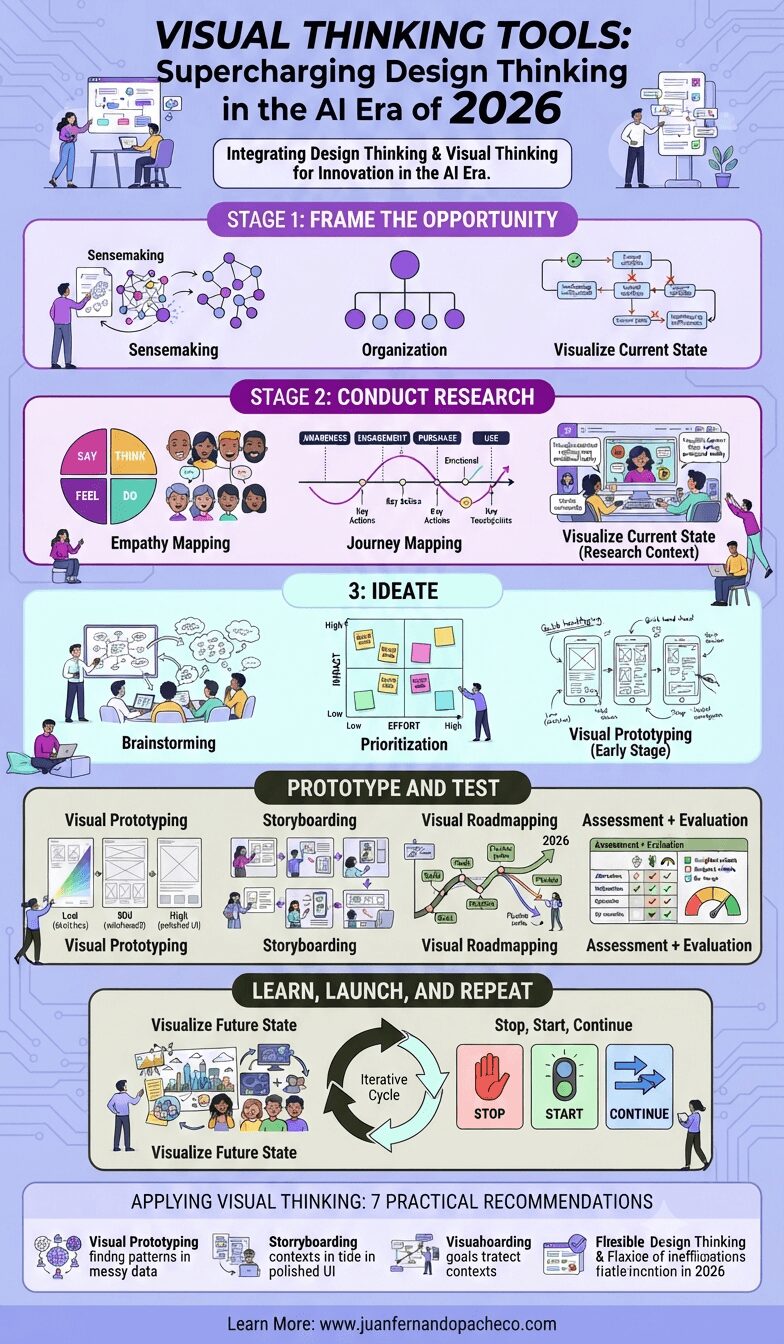
The design thinking methodology with visual thinking tools I’ve outlined here represents more than just a process—it’s a mindset shift toward collaborative, iterative, human-centered innovation. In 2026, where complexity is the norm and user expectations continue to rise, this approach isn’t optional; it’s essential.
Whether you’re a seasoned designer, a business leader driving digital transformation, or an entrepreneur launching your first product, these visual thinking tools can elevate your work. They’ll help you see problems more clearly, generate better solutions, and create experiences that truly resonate with users.
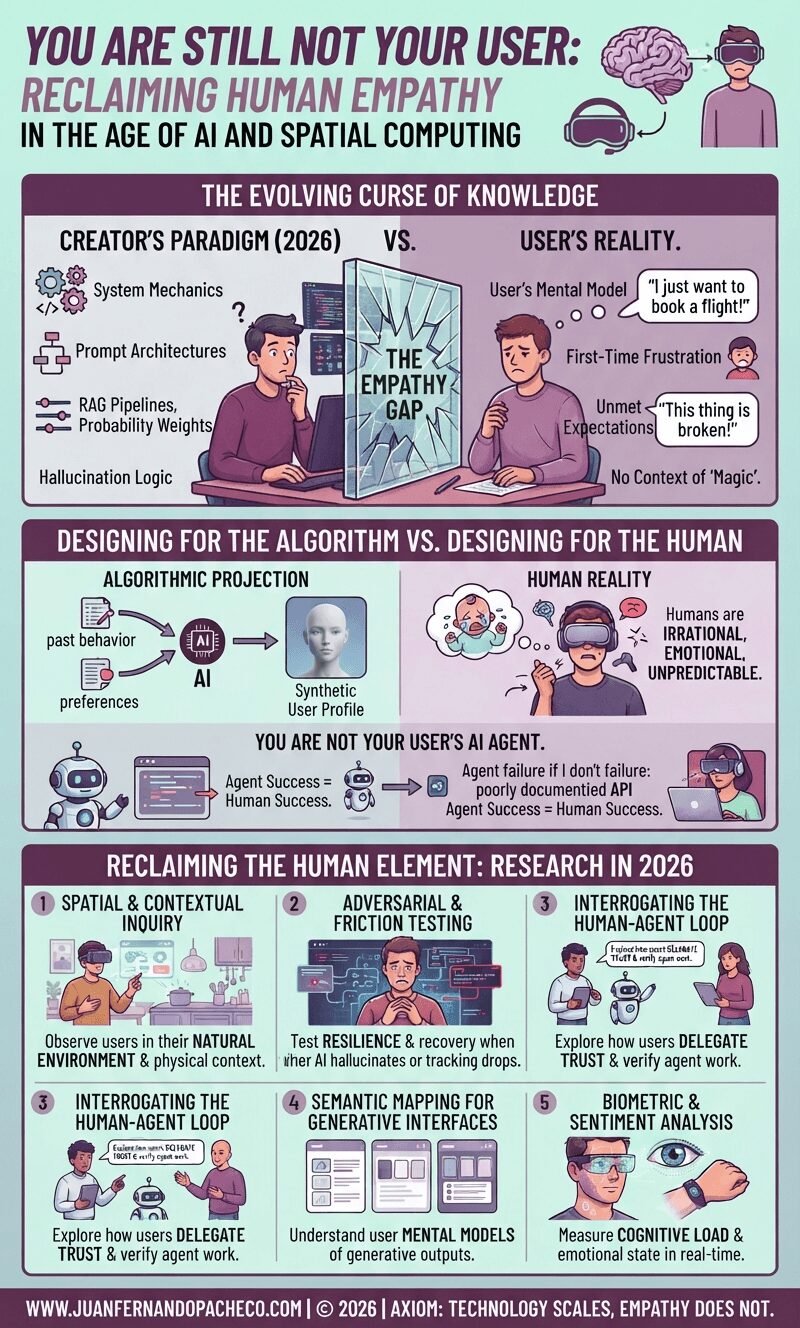
Fifteen years after the classic UX axiom was coined, the tools of our trade have evolved from static screens to generative interfaces and spatial computing. Yet, the fundamental rule remains: you are not your user. In 2026, as we navigate the complexities of AI agents and synthetic data, remembering this has never been more critical—or more challenging